Your favourites are only temporarily saved. To find them back, create your account on GFM Painting!
Already have account ?
No gift cards in your cart.
February 02, 2026


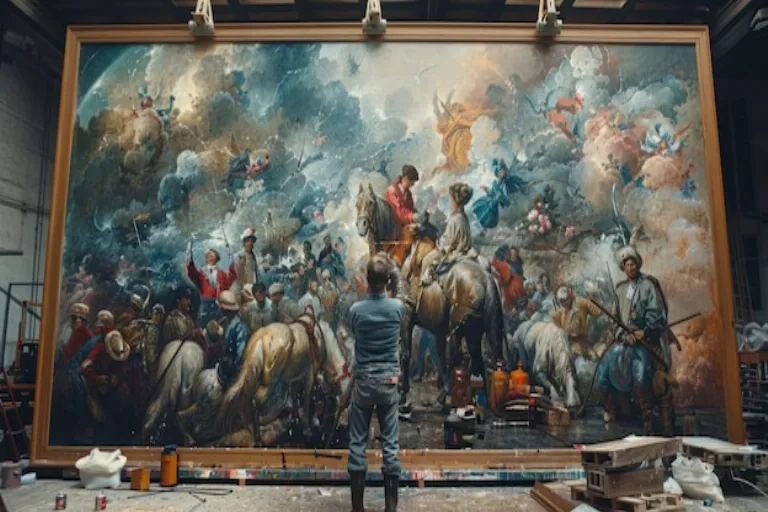
Romanticism in Art: Emotion, Nature, and the Sublime from Turner to Today broke away from classical restraint, emphasising individual feeling, dramatic landscapes, and awe-inspiring vistas. Artists like Turner captured raw emotion and the power of nature, encouraging future generations to explore personal expression and the extraordinary within the ordinary.
Nature is central to Romanticism in Art: Emotion, Nature, and the Sublime from Turner to Today. Artists depict vast, untamed landscapes and the sublime power of the natural world, using nature both as a source of inspiration and a metaphor for human emotion, inviting viewers to contemplate their place within the universe.
The legacy of Romanticism in Art: Emotion, Nature, and the Sublime from Turner to Today endures in contemporary art through the continued exploration of emotion and the environment. Modern artists reinterpret the sublime, blending traditional techniques with new media, fostering a dialogue between past sensibilities and present-day concerns.
Romanticism in art, spanning from the late 1700s through the 19th century, continues to fascinate contemporary audiences with its passionate embrace of emotion, nature, and the sublime. Today, hashtags like #RomanticArt, #Turner, and #NatureInArt trend across Instagram and Pinterest, reflecting a renewed appreciation for the movement’s dramatic landscapes and evocative storytelling. As collectors seek authenticity and emotional resonance, Romanticism’s legacy remains ever-relevant—offering both timeless beauty and striking visual narratives that inspire, comfort, and challenge viewers in the UK, US, and beyond.
Romanticism emerged as a response to the rationalism of the Enlightenment and the structured order of Neoclassicism, advocating for:
Key historical milestones in Romanticism:
For a deeper exploration, see our Romanticism Movement Hub.
The Romantic movement produced a wealth of visionary artists, each contributing distinct perspectives and techniques. Among the most influential:
Notably, many competitor sites underplay the diversity of Romantic artists—be sure to explore lesser-known figures such as Thomas Cole (US) and Samuel Palmer (UK), whose works enrich the movement’s narrative.
Romantic artists employed innovative techniques and motifs to evoke awe and introspection. Key visual features include:
Trending on social media are reinterpretations of these motifs—think #MistyLandscapes and #SublimeNature—often paired with poetic captions and high engagement around posts featuring Turner’s or Friedrich’s works, especially during autumn and winter months.
Romanticism’s enduring appeal lies in its evocative emotional palette and seasonal symbolism. Key emotional currents and motifs include:
On platforms like Instagram, posts featuring autumnal or wintry Romantic landscapes receive heightened engagement, tapping into viewers’ desire for introspection and connection during seasonal transitions.
Competitor galleries often overlook buyer guidance—our gallery offers personalised advice and exclusive previews to support both seasoned and first-time collectors.
Romanticism’s legacy is alive in every brushstroke, from Turner’s luminous skies to today’s digital interpretations. Whether you are a seasoned collector or discovering this movement for the first time, our curated selection invites you to explore the depths of emotion, nature, and imagination. Begin your journey into the sublime—immerse yourself in Romantic art and let inspiration unfold.
Romanticism in art celebrates powerful emotions and the awe of nature.
Emerging in the late 18th century, it rejected rationalism for imagination.
Artists like Turner and Friedrich crafted breathtaking, evocative landscapes.
Today, Romantic themes trend on social media, captivating new audiences.
Collectors value its expressive depth and timeless visual storytelling.
Frequently Asked Questions
Romanticism in art is defined by its focus on emotion, imagination, and the sublime beauty of nature. It emerged as a reaction against Enlightenment rationalism, prioritising individual experience, dramatic scenery, and the spiritual power of the natural world.
Key Romantic artists include J.M.W. Turner, Caspar David Friedrich, Eugène Delacroix, Francisco Goya, and John Constable. Each artist contributed uniquely, from Turner’s luminous seascapes to Friedrich’s contemplative vistas and Goya’s haunting visions.
Nature symbolised freedom, the sublime, and the uncontrollable forces of the universe for Romantic artists. It provided a stage for exploring human emotion, mortality, and the spiritual, often depicted as wild, untamed, and awe-inspiring.
Romanticism opposes Neoclassicism’s order and reason, embracing imagination, emotion, and the unpredictable. While Neoclassicism draws from ancient Greek and Roman ideals, Romanticism seeks inspiration in personal experience, folklore, and the wonders of nature.
Common Romantic motifs include dramatic landscapes, stormy seas, ruins, lone wanderers, moonlit nights, and expressive skies. These elements evoke awe, melancholy, and the mysterious power of the natural and supernatural.
Yes, Romanticism remains influential, particularly in contemporary art, popular culture, and social media. Its themes of emotion, nature, and individualism resonate strongly with modern audiences seeking authenticity and connection.
Collectors should look for expressive brushwork, dramatic contrasts, and evocative subject matter. Provenance, period materials, and expert authentication are essential. Consulting reputable galleries and specialists is highly recommended.
Romantic art holds strong market value, especially works by Turner, Friedrich, and Delacroix. Prices are influenced by provenance, condition, and rarity. Contemporary works inspired by Romanticism also attract keen interest from collectors.
Absolutely. Contemporary artists frequently revisit Romantic themes—reinterpreting nature, emotion, and the sublime through new media, digital art, and installations, often sharing their work widely across platforms like Instagram and Pinterest.
Begin by researching artists, visiting exhibitions, and consulting with galleries. Consider your budget, focus on authenticity, and start with works that resonate emotionally. Attend art fairs and engage with online communities for further guidance.

GFM Designer Ltd
Maultway Court
67-69 Ruxley Lane
Epsom, Surrey
KT19 0JG. UK
E-MAIL : info@gfmpainting.co.uk
PHONE : +44 (0) 203 592 3482
MOBILE : +44(0) 7834 393 396