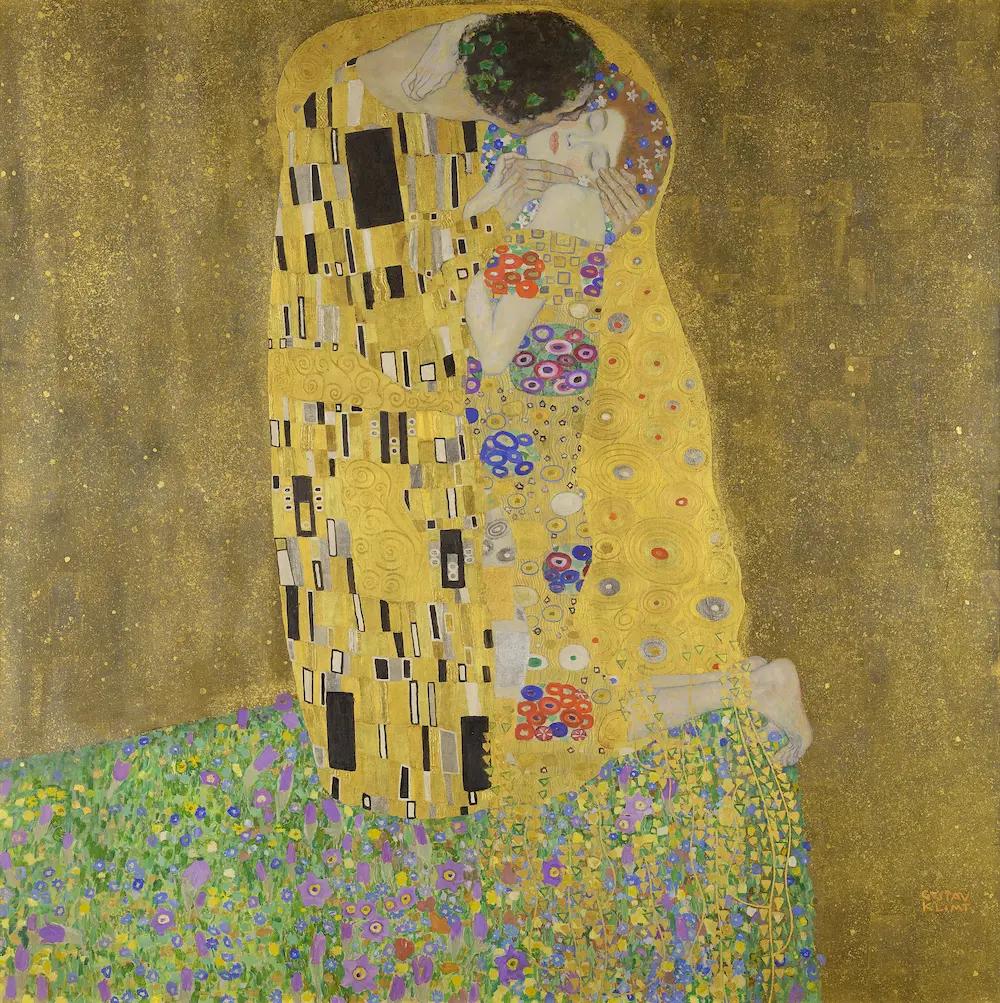
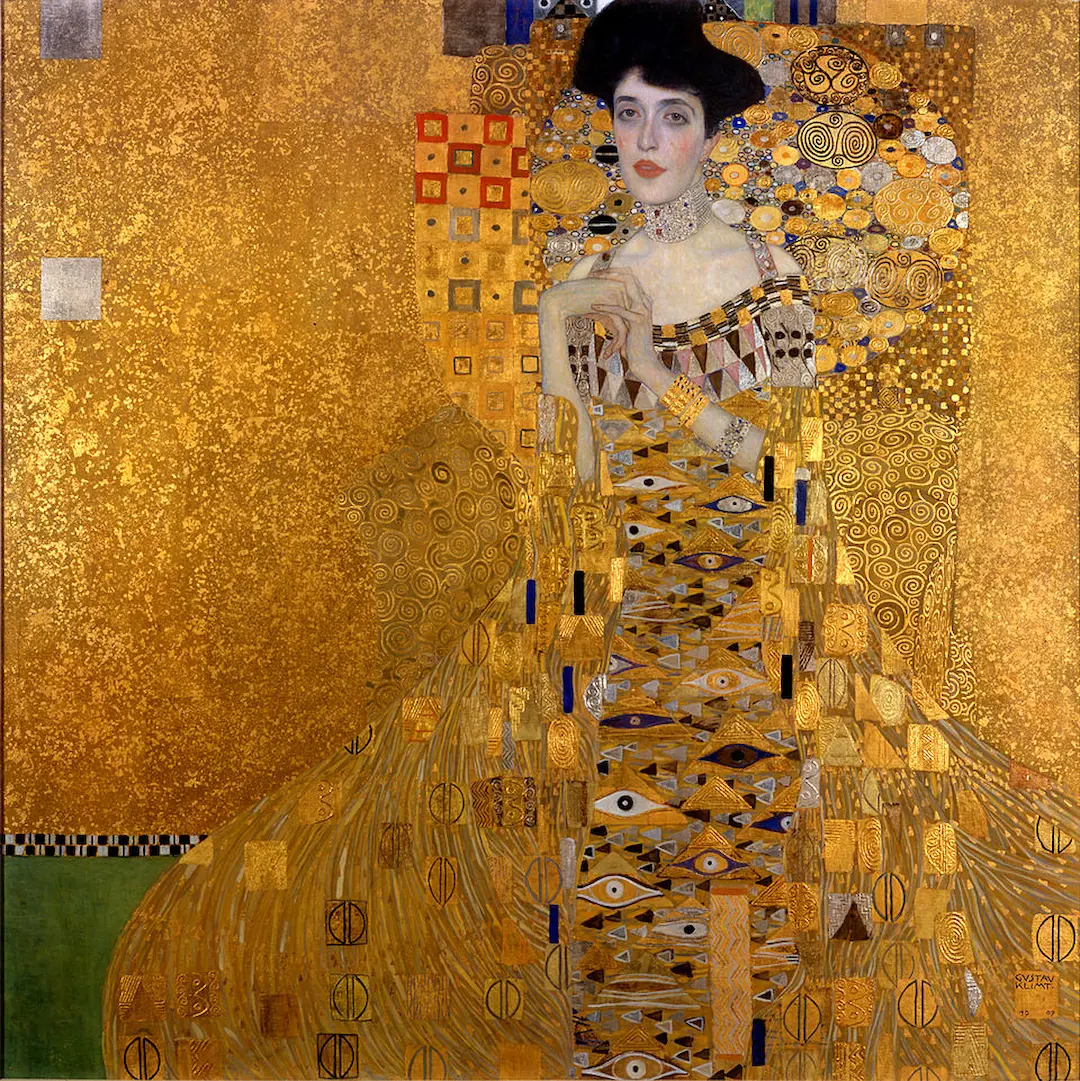
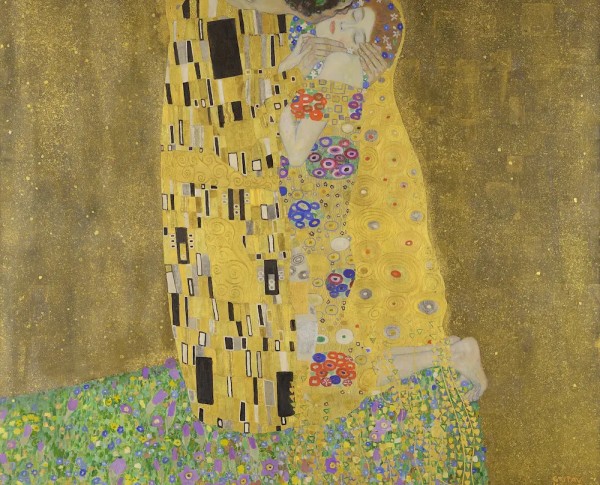
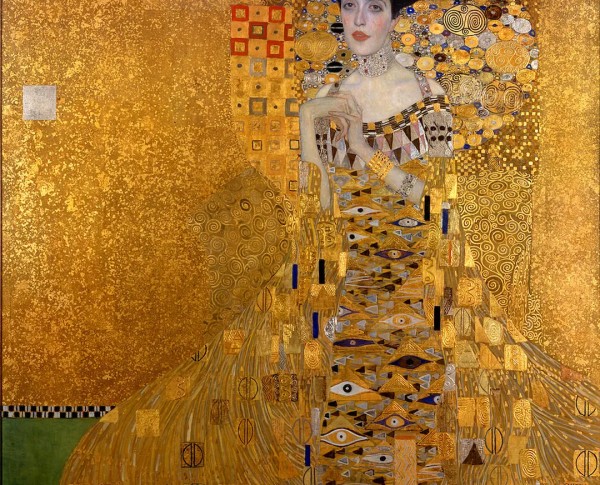
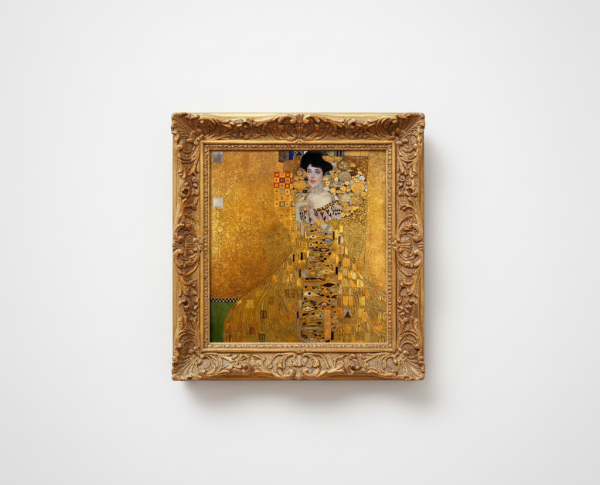
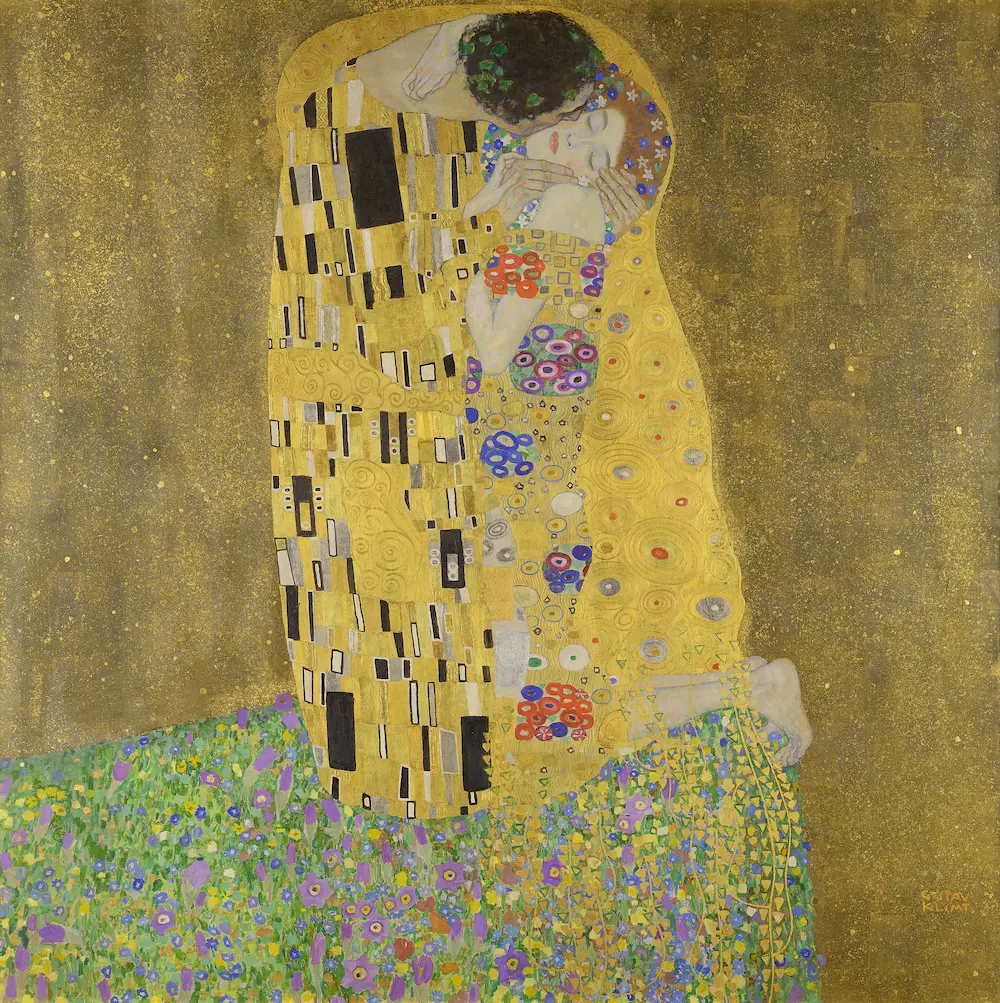
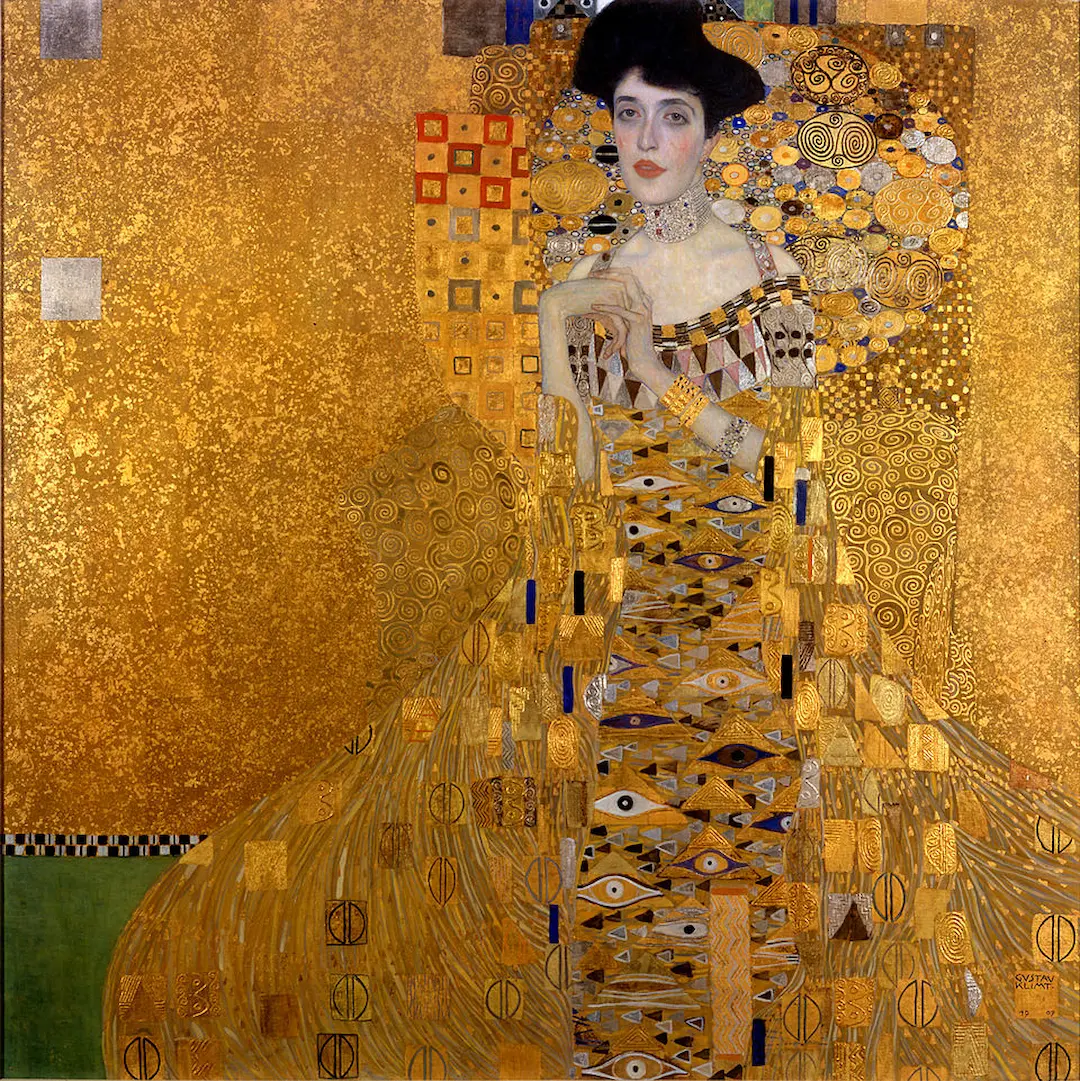
The exquisite detail in "The Kiss" showcases Klimt’s unparalleled technique with oil on canvas, a hallmark of his Vienna Secession style. Every brushstroke reflects his mastery, blending gold leaf and vibrant colors to create a luminous effect that draws viewers in. Collectors of fine art painting for sale often seek out Klimt’s work, including pieces like "Portrait Of Adele Bloch Bauer I," for their timeless beauty and expert craftsmanship.
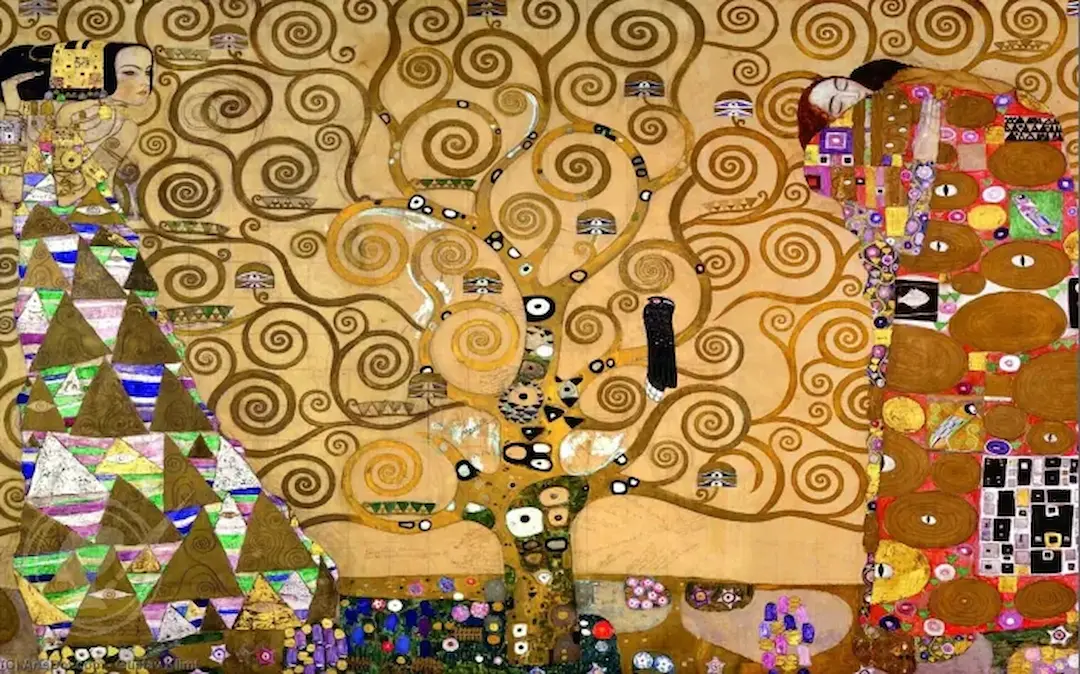
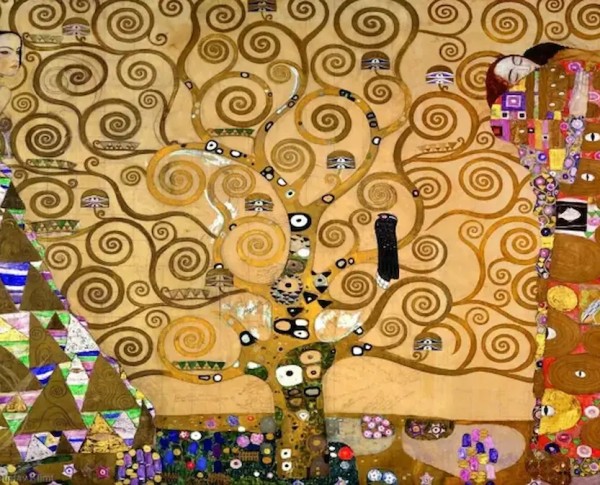
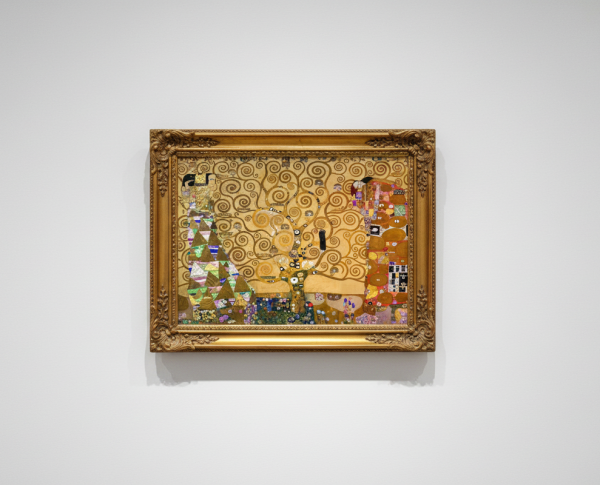
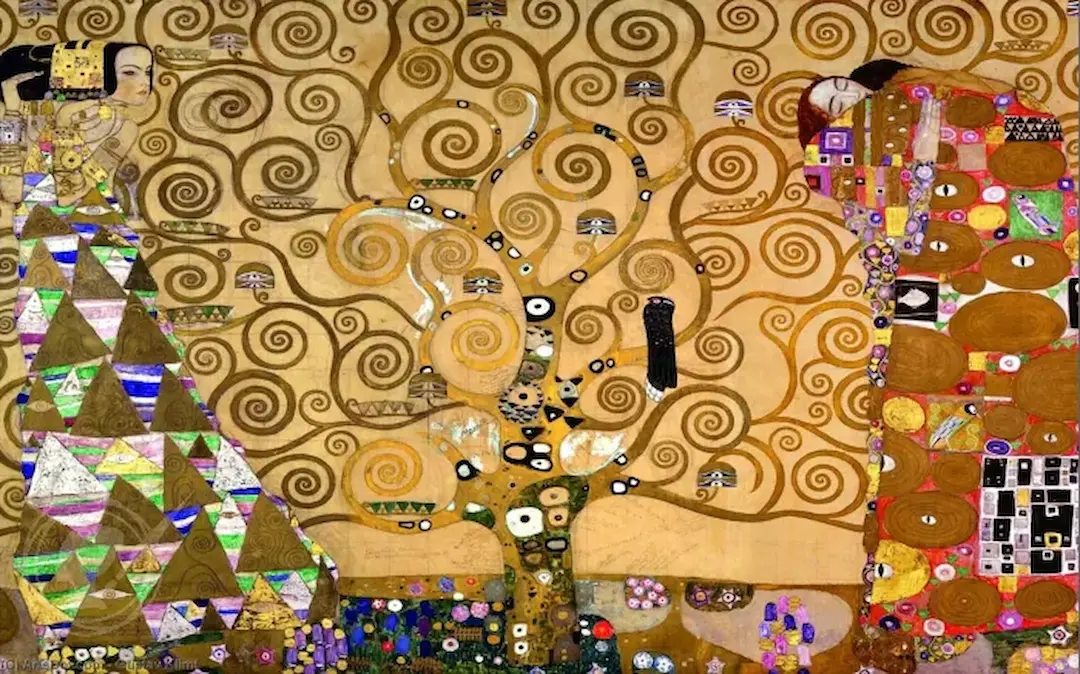
"The Kiss" is more than just a fine art painting for sale; it is a tapestry of stories and symbols. Gustav Klimt’s use of intricate patterns and gilded surfaces in this Vienna Secession masterpiece conveys deep emotion and mythological references. The embrace depicted is both intimate and universal, echoing themes found in related works such as "The Tree of Life." Each element invites interpretation, making the painting endlessly fascinating.
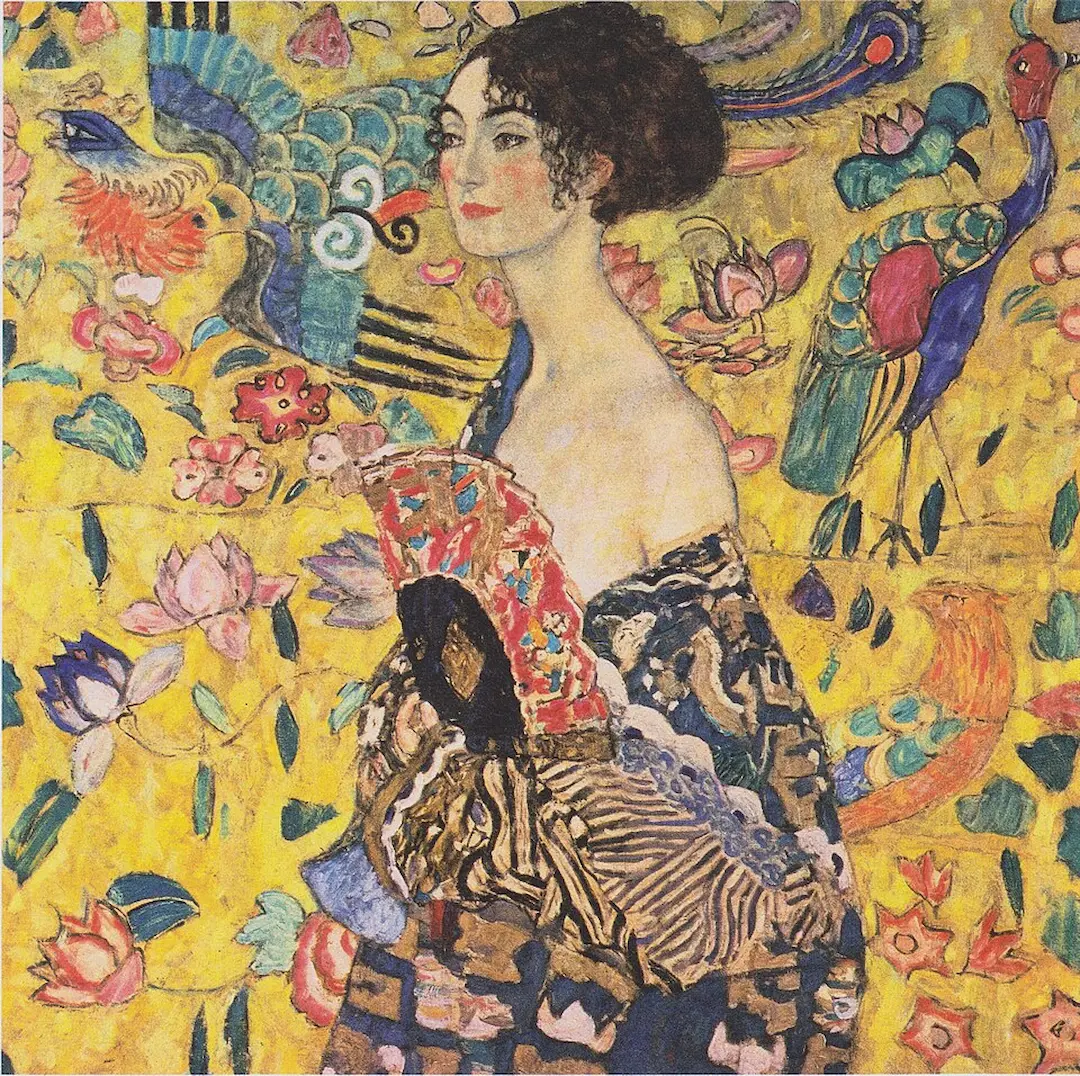
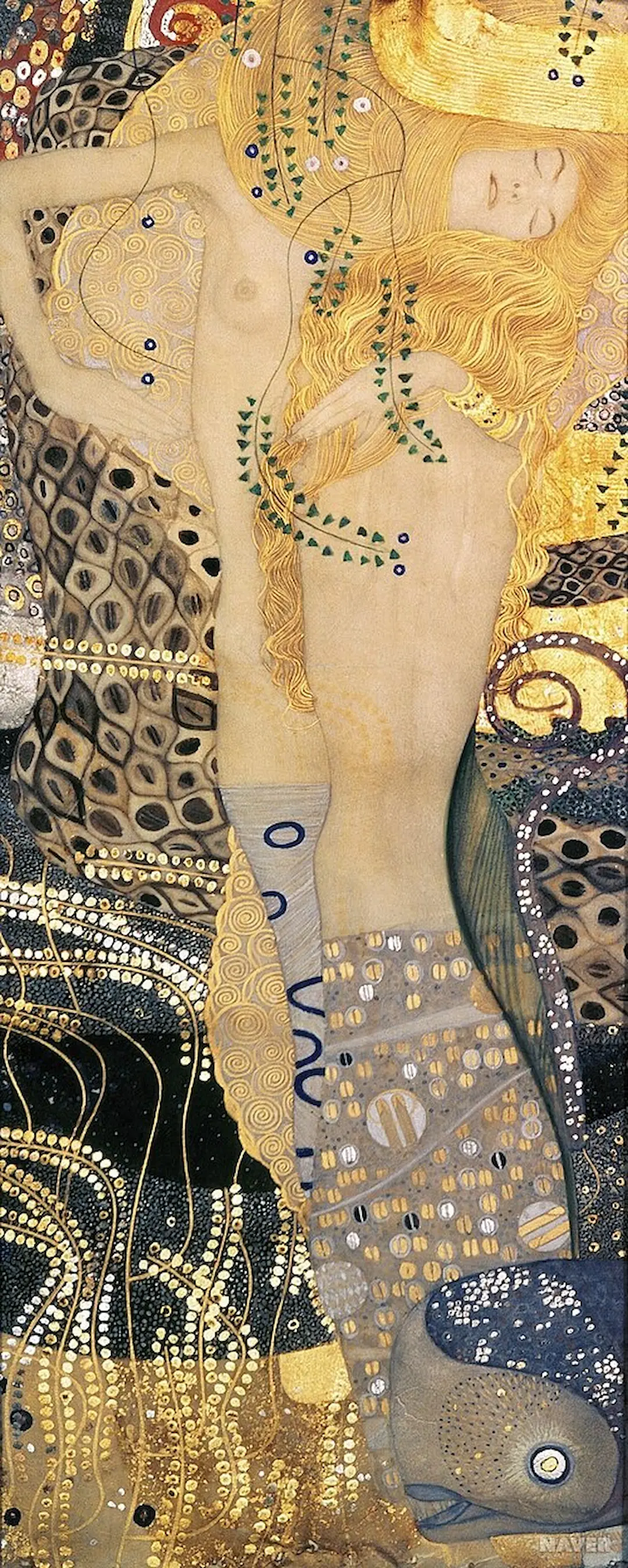
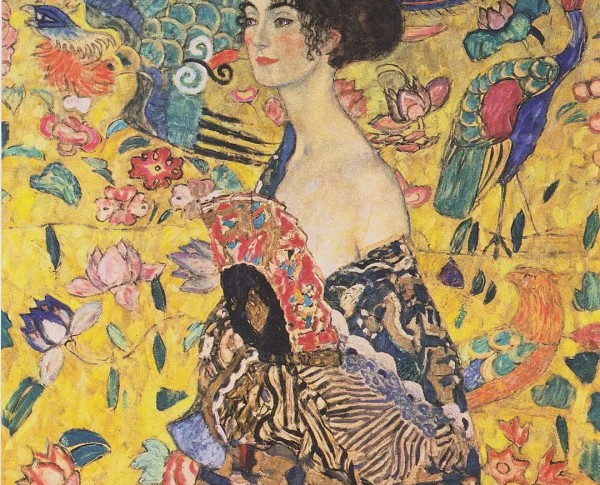
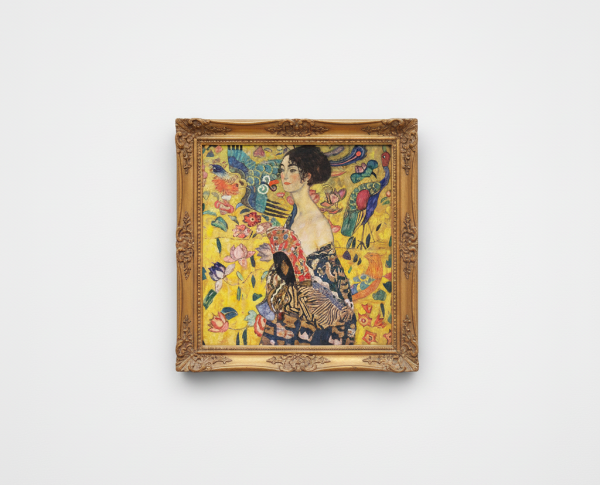
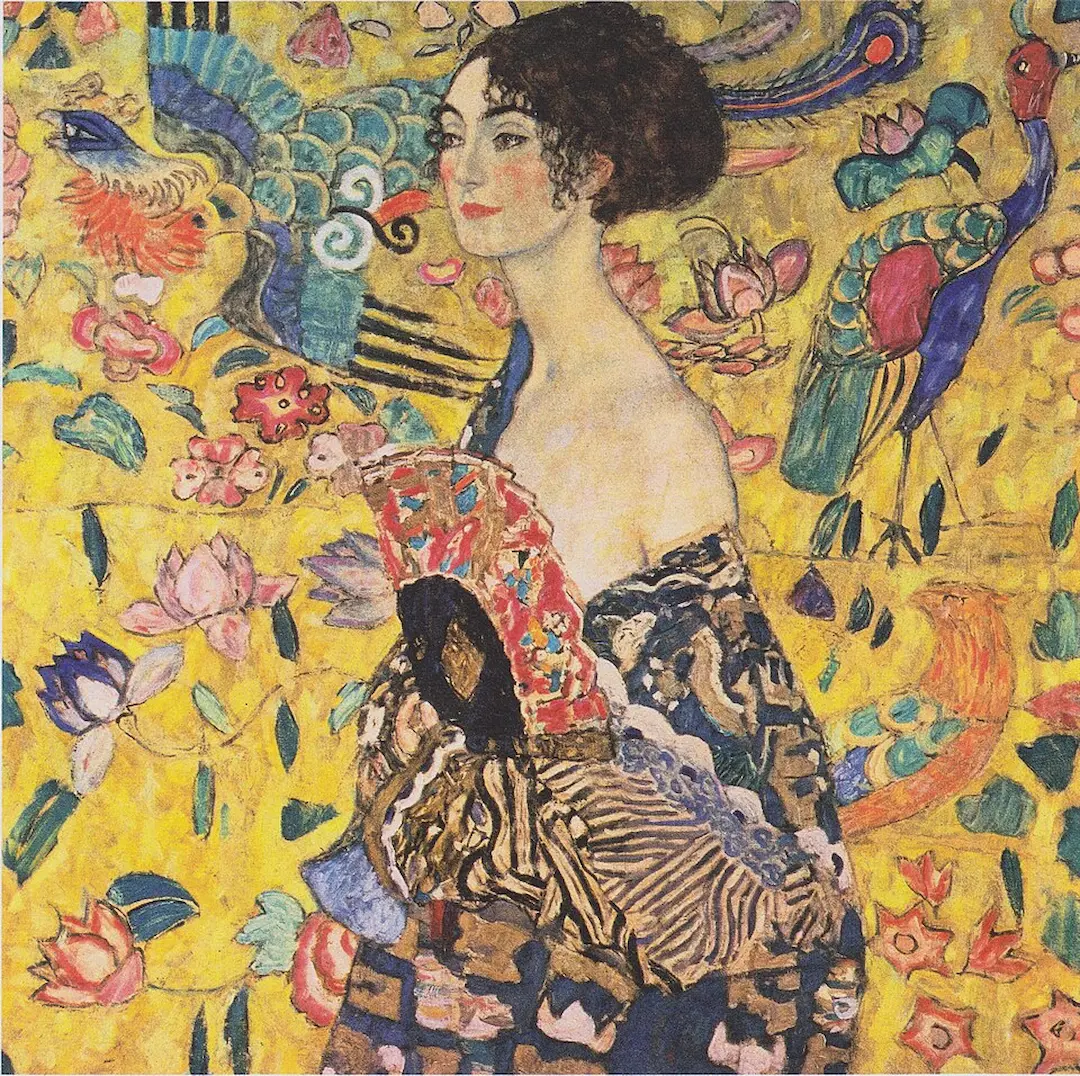
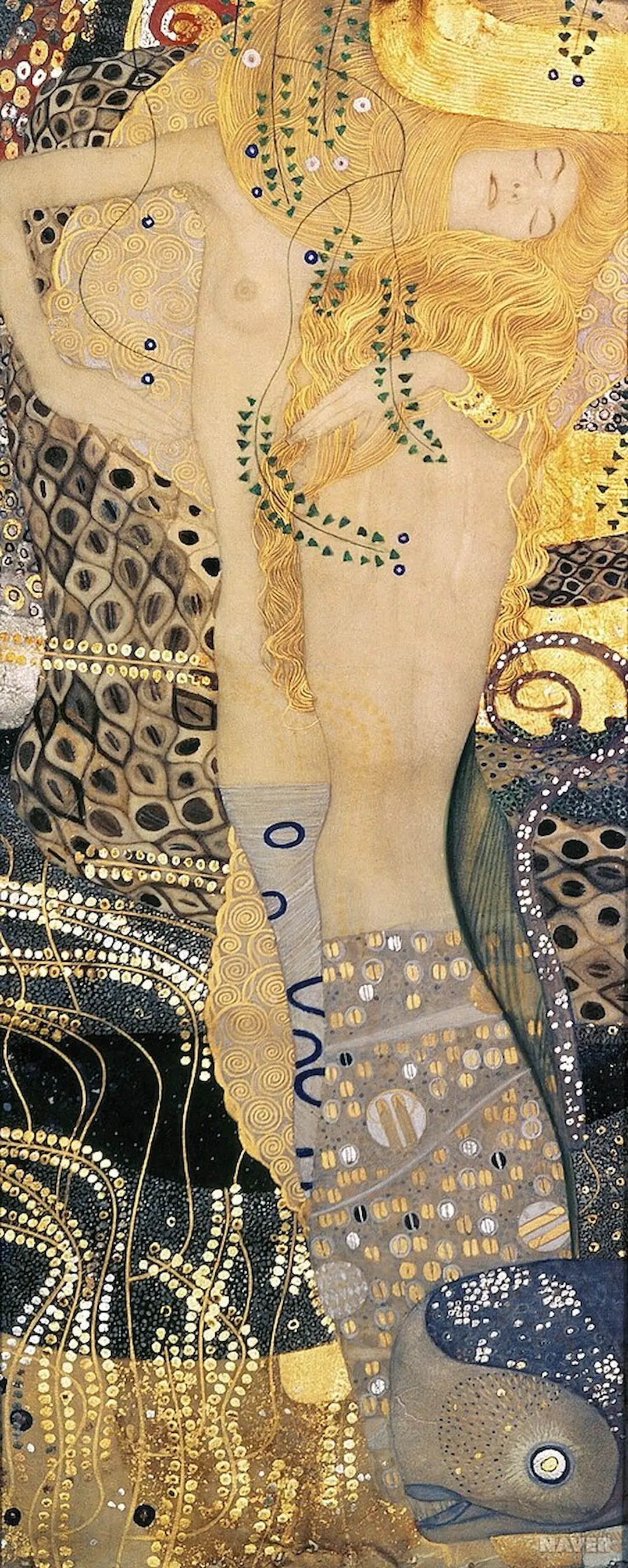
Owning a hand-painted oil painting like "The Kiss" by Gustav Klimt is a dream for many collectors of Vienna Secession art. As a centerpiece, it elevates any space and connects you to a pivotal moment in art history. Alongside masterpieces like "Water Serpents I" and "Lady With Fan," "The Kiss" remains one of the most sought-after fine art paintings for sale, admired for its beauty and historical significance.
When Art Meets History
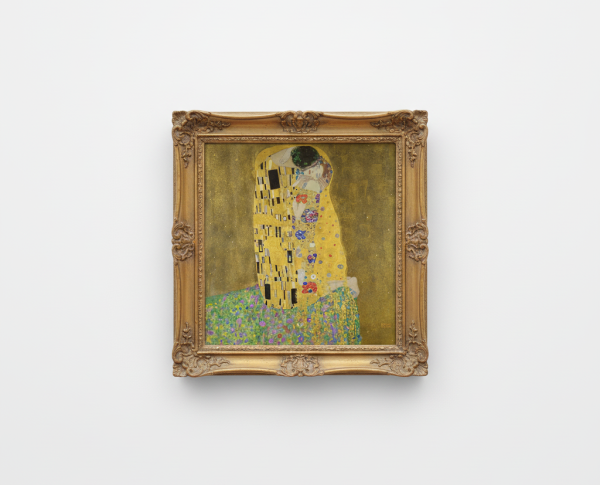
"The Kiss" by Gustav Klimt, a masterpiece of the Vienna Secession movement, captures a pivotal moment in art history. Painted between 1907 and 1908, this hand-painted oil painting demonstrates how Klimt embraced modern ideals while honoring classical traditions. As an iconic example of early twentieth-century European art, "The Kiss" stands alongside other remarkable works from this era, making it a must-see for enthusiasts seeking a fine art painting for sale that embodies both passion and innovation.
Techniques That Speak
Gustav Klimt’s "The Kiss" showcases the artist’s signature use of gold leaf, intricate patterns, and symbolic motifs. The oil on canvas technique allowed Klimt to create rich textures and luminous surfaces, elevating the Vienna Secession style. Klimt’s attention to detail and decorative elements make this work a standout in art history. For collectors and admirers, owning such an oil on canvas piece is an opportunity to experience Klimt’s revolutionary approach up close.
Emotions on Display
In "The Kiss," Gustav Klimt explores themes of love, intimacy, and transcendence through expressive gestures and vibrant colors. The painting’s entwined figures evoke a sense of unity, reflecting the emotional depth characteristic of the Vienna Secession movement. This hand-painted oil painting not only captures a moment of passion but also invites viewers to connect deeply with its subjects, making it a sought-after fine art painting for sale among those who value emotional resonance in art.
Coveted by Collectors
"The Kiss" remains one of Gustav Klimt’s most celebrated masterpieces, highly coveted by art collectors worldwide. As a prime example of Vienna Secession artistry, this oil on canvas work has inspired countless reproductions and remains in high demand. Its enduring appeal lies in its exquisite craftsmanship and historical significance, making it a prized addition for anyone searching for a fine art painting for sale with a rich legacy and timeless beauty.
Frequently Asked Questions About The Kiss
What is the historical context of The Kiss?
The Kiss was created during the height of the Art Nouveau movement in the early 20th century, specifically between 1907 and 1908. This period was characterized by a focus on decorative arts, organic forms, and a departure from traditional artistic conventions.
What materials were used in The Kiss?
The Kiss is an oil on canvas painting, enhanced with gold leaf. Klimt's use of gold is a hallmark of his work and reflects the influence of Byzantine art, which he admired for its decorative qualities.
What themes are explored in The Kiss?
The Kiss explores themes of love, intimacy, and the union of opposites. The figures are enveloped in a golden aura, symbolizing the transcendence of physical love into a spiritual connection.
Who are the figures depicted in The Kiss?
The figures in The Kiss are often interpreted as representations of the artist himself and his muse, representing the duality of male and female energies. Their identities remain ambiguous, allowing for broader interpretations of love and connection.
How does Klimt's style influence the perception of The Kiss?
Klimt's distinctive style, characterized by intricate patterns, vibrant colors, and decorative motifs, enhances the emotional impact of The Kiss. His approach blurs the line between fine art and decorative art, inviting viewers to experience the painting on multiple sensory levels.
What is the significance of the gold leaf in The Kiss?
The gold leaf in The Kiss serves to elevate the painting to a divine status, suggesting that the love depicted is not merely earthly but also celestial. It creates a sense of timelessness and adds a luxurious quality to the artwork.
How has The Kiss influenced modern art?
The Kiss has had a profound influence on modern art, inspiring countless artists with its bold use of color, pattern, and symbolism. Its themes of love and intimacy continue to resonate, making it a timeless reference in contemporary discussions of romantic art.
What role does symbolism play in The Kiss?
Symbolism is central to The Kiss, with elements such as the floral patterns representing fertility and growth, while the figures’ embrace signifies unity and harmony. Klimt's use of symbols invites viewers to explore deeper meanings beyond the surface of the painting.
Where can The Kiss be viewed today?
The Kiss is housed in the Österreichische Galerie Belvedere in Vienna, Austria. It remains one of the most celebrated works of art from the early 20th century, attracting visitors from around the world.
What impact did The Kiss have on Gustav Klimt's career?
The Kiss solidified Klimt's reputation as a leading figure in the Art Nouveau movement and established him as a master of symbolic and decorative painting. It remains one of his most iconic works, contributing significantly to his legacy in the art world.






















_GFM_Painting_(1).webp)


 100% Hand-Painted: Finished in 3-6 Weeks

.png)















_(1).webp)