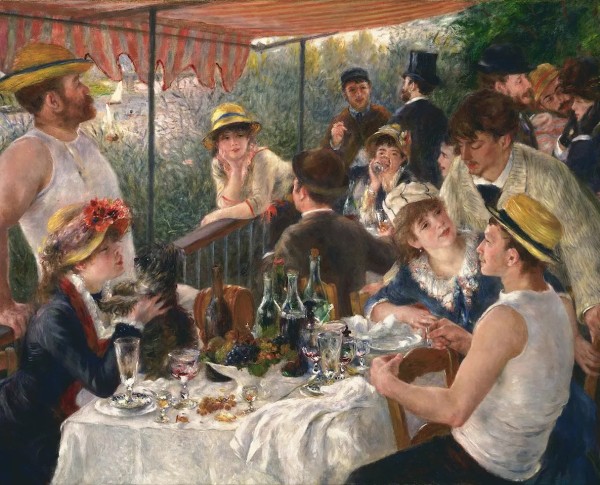
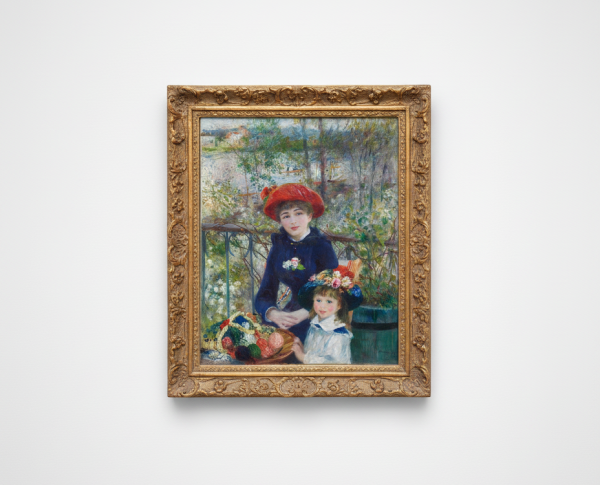
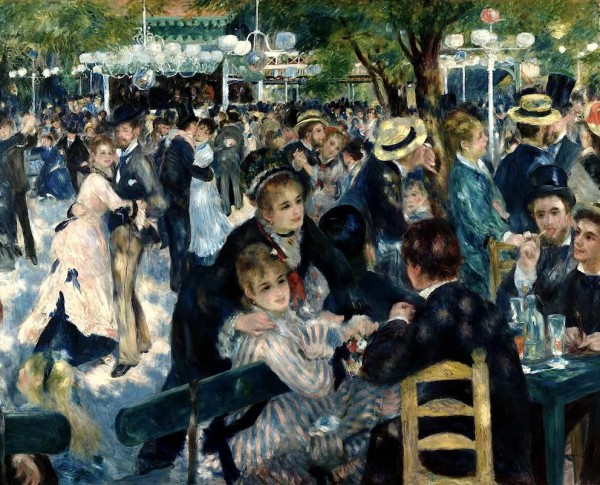
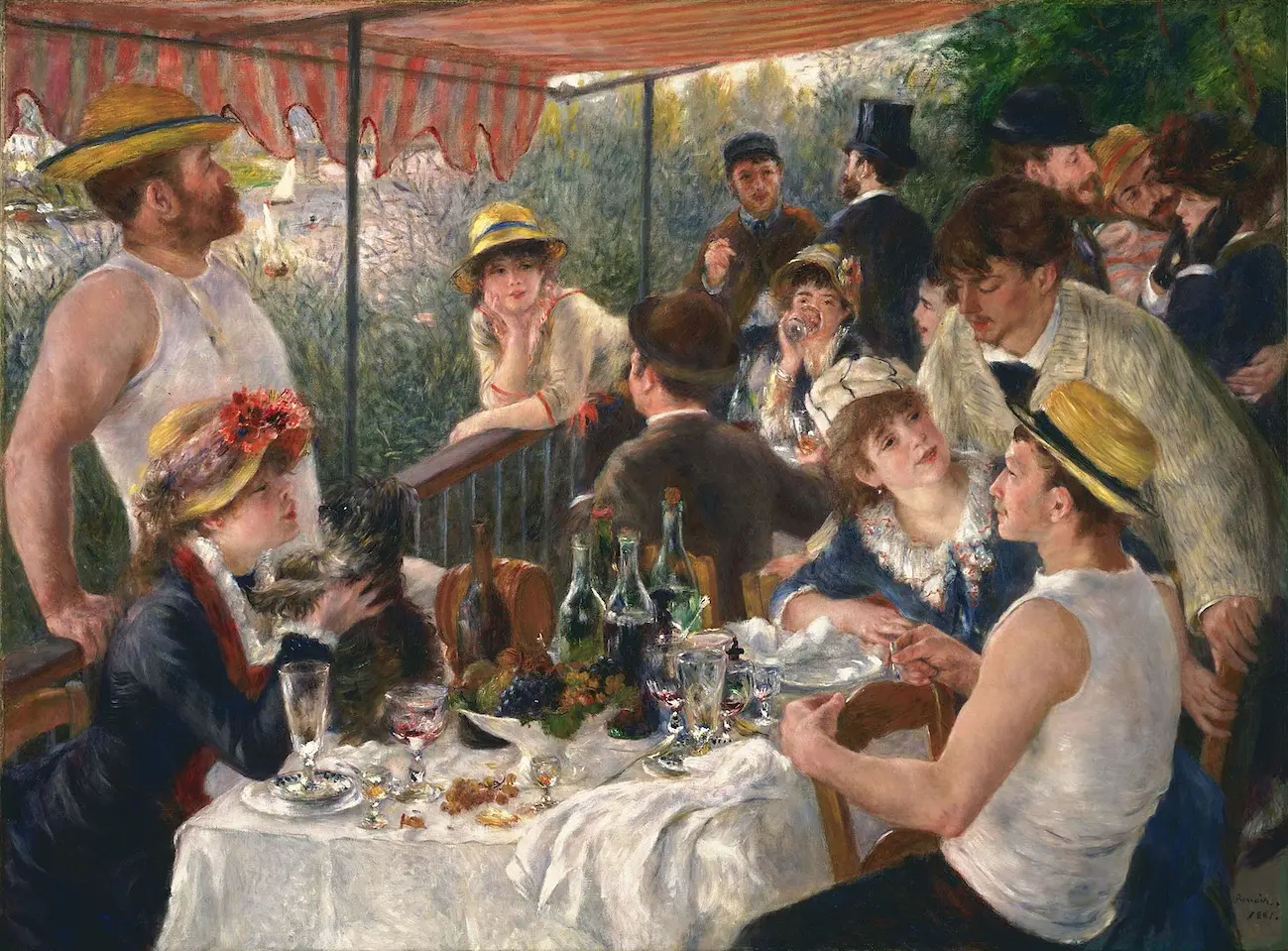
Renoir’s "Luncheon Of The Boating Party" exemplifies the Impressionism style with its dynamic brushwork and radiant palette. The artist’s technique brings life to every figure and sparkling detail, making this oil on canvas a true marvel. Renoir’s dedication to capturing fleeting moments is evident here, as in his other masterpieces like "A Girl with a Watering Can" and "Spring Bouquet," each offering an exceptional example of oil on canvas artistry within the movement.
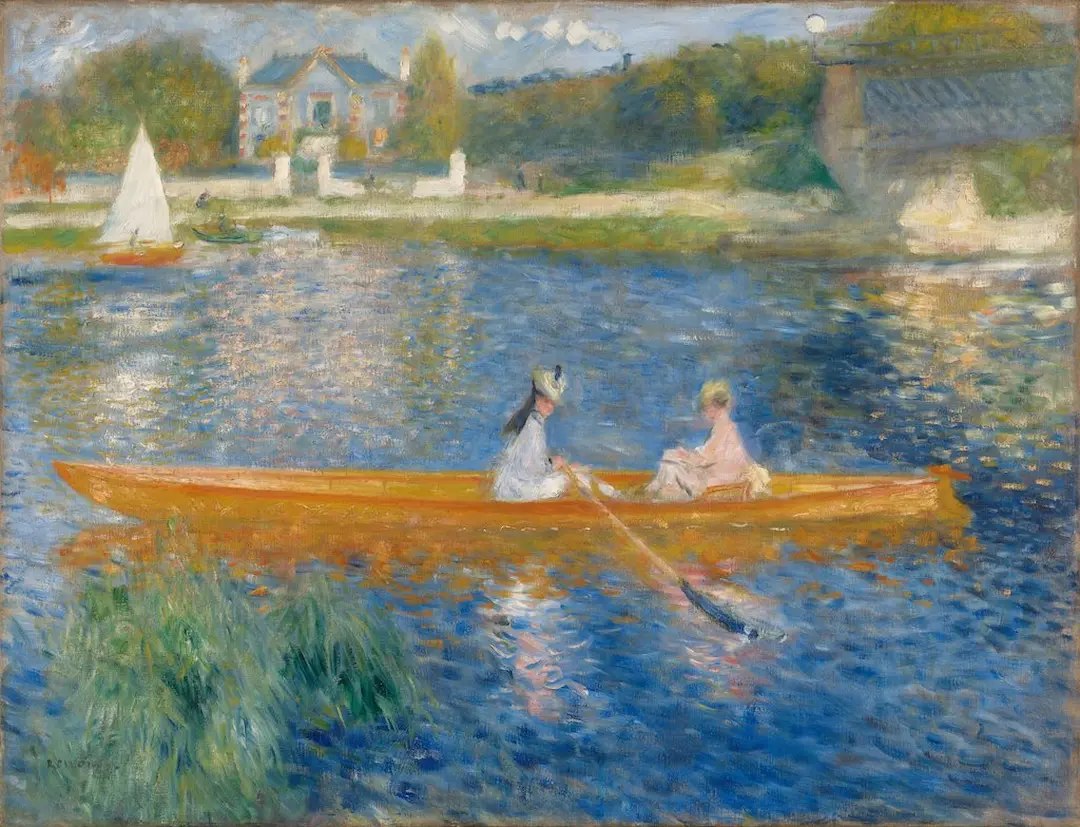
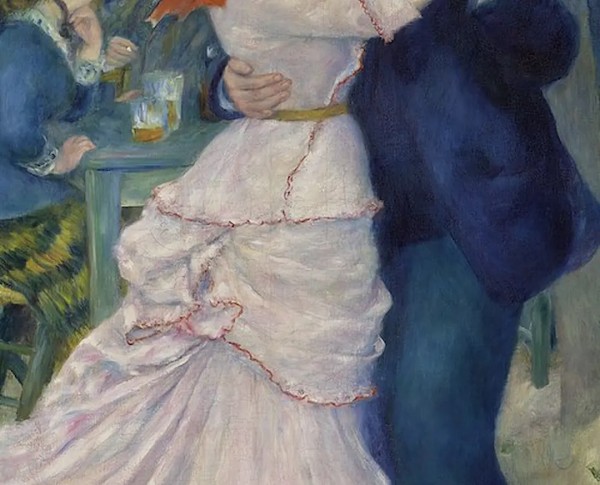
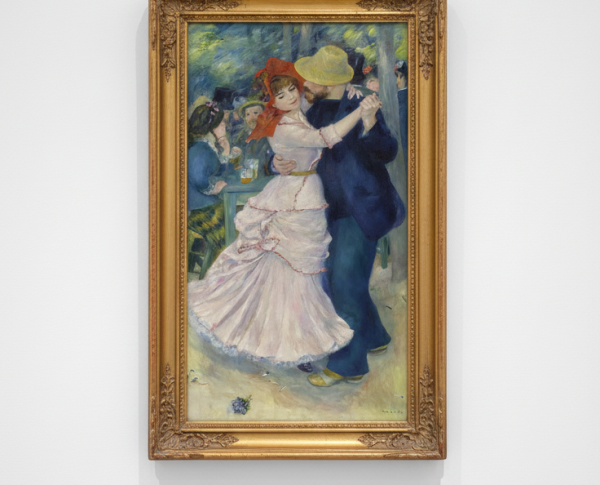
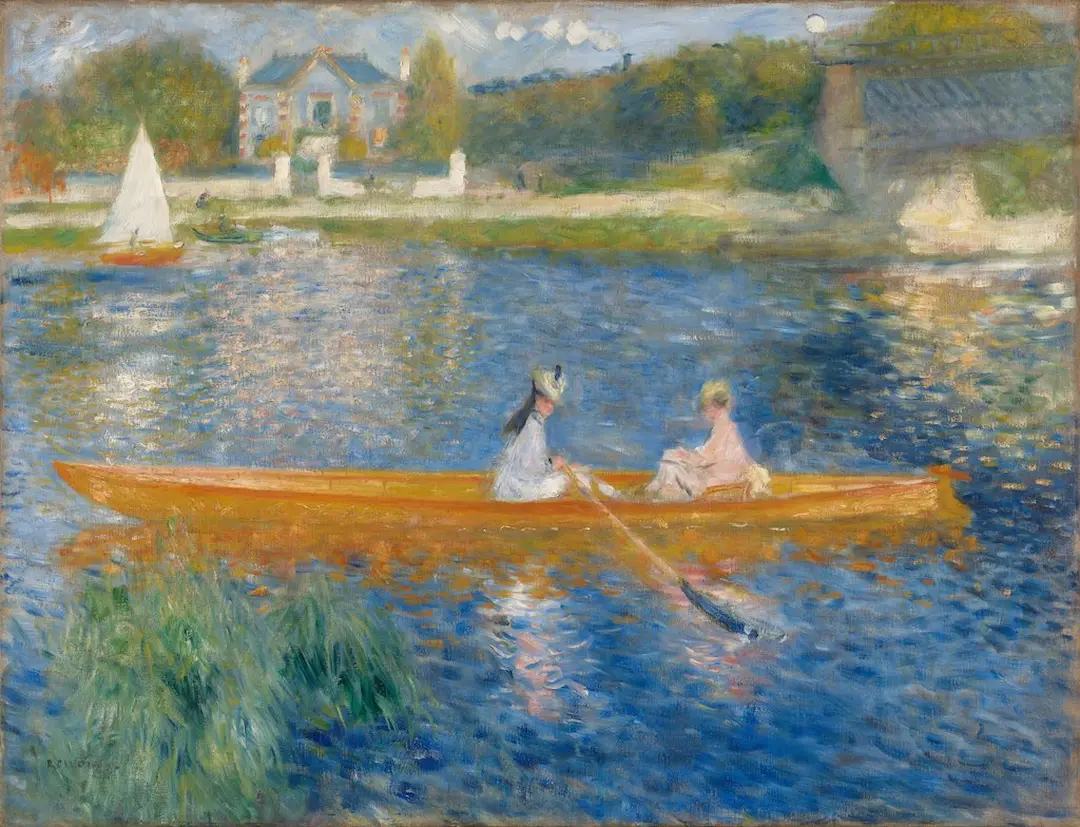
Every character in "Luncheon Of The Boating Party" is thoughtfully rendered, weaving subtle stories and symbols throughout the scene. Renoir, a leading figure in Impressionism, invites viewers into an intimate celebration of friendship and leisure. This fine art painting for sale is rich with narrative depth, much like "The Seine At Asnieres Aka The Skiff" and "Dance At Bougival," which also explore the joys and nuances of Parisian life through Renoir’s distinctive style.
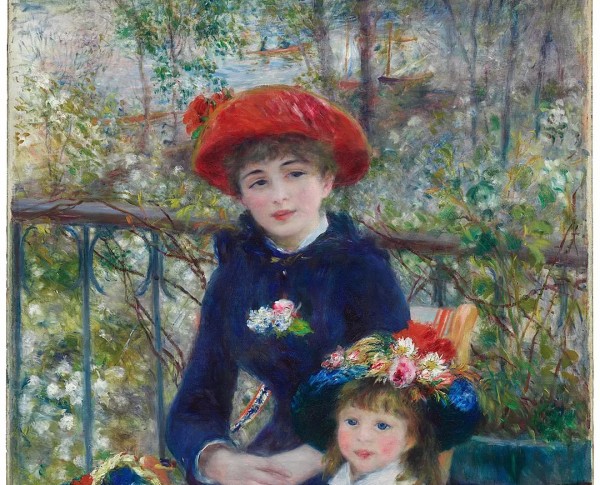
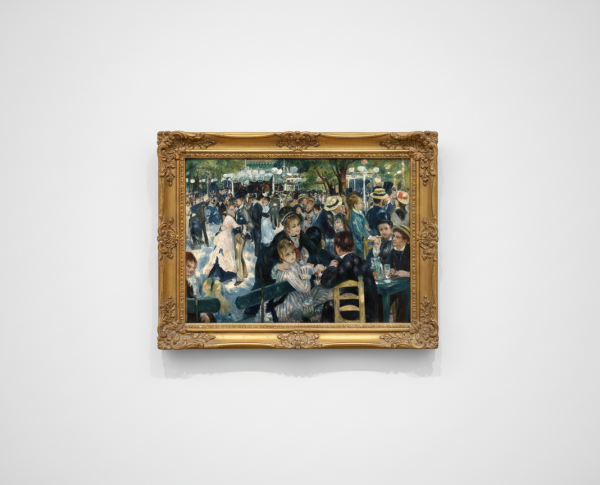
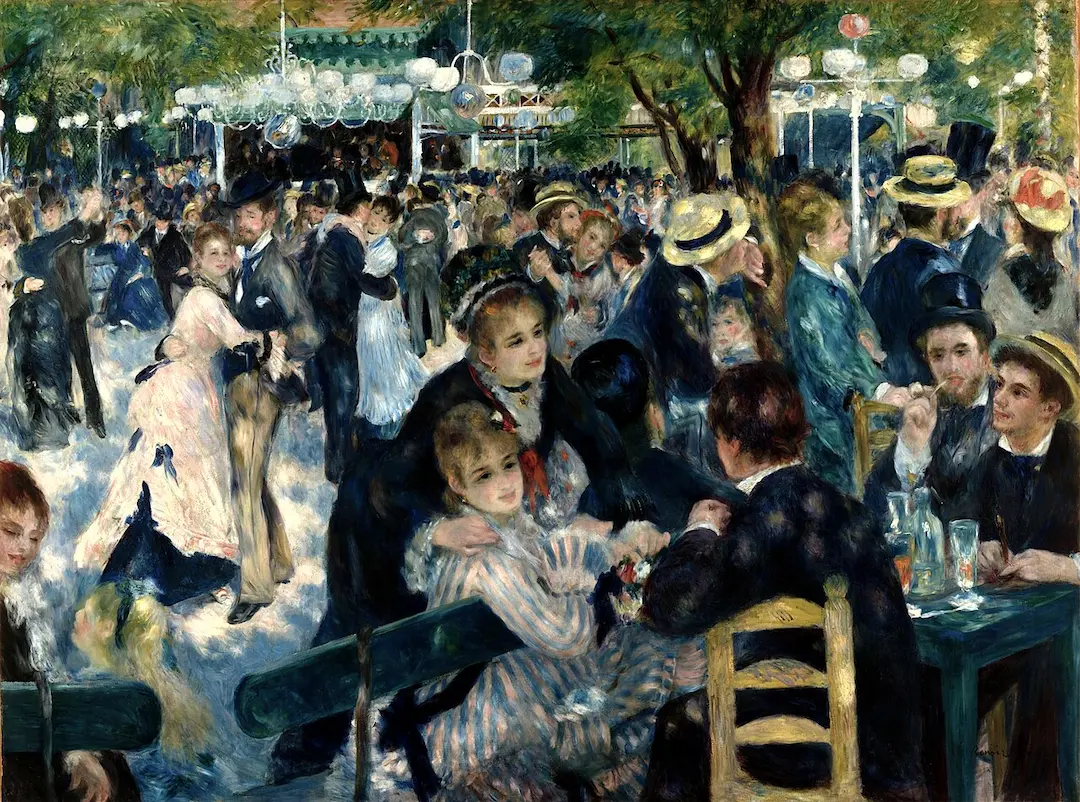
For collectors and admirers of Impressionism, "Luncheon Of The Boating Party" by Pierre Auguste Renoir remains a coveted fine art painting for sale. Its vibrant depiction of 19th-century Parisian society and technical brilliance make it a centerpiece in any collection. Collectors often seek related works such as "Spring Bouquet" and "Dance At The Moulin De La Galette" to complement their appreciation for Renoir’s exceptional contribution to oil on canvas artistry.
When Art Meets History
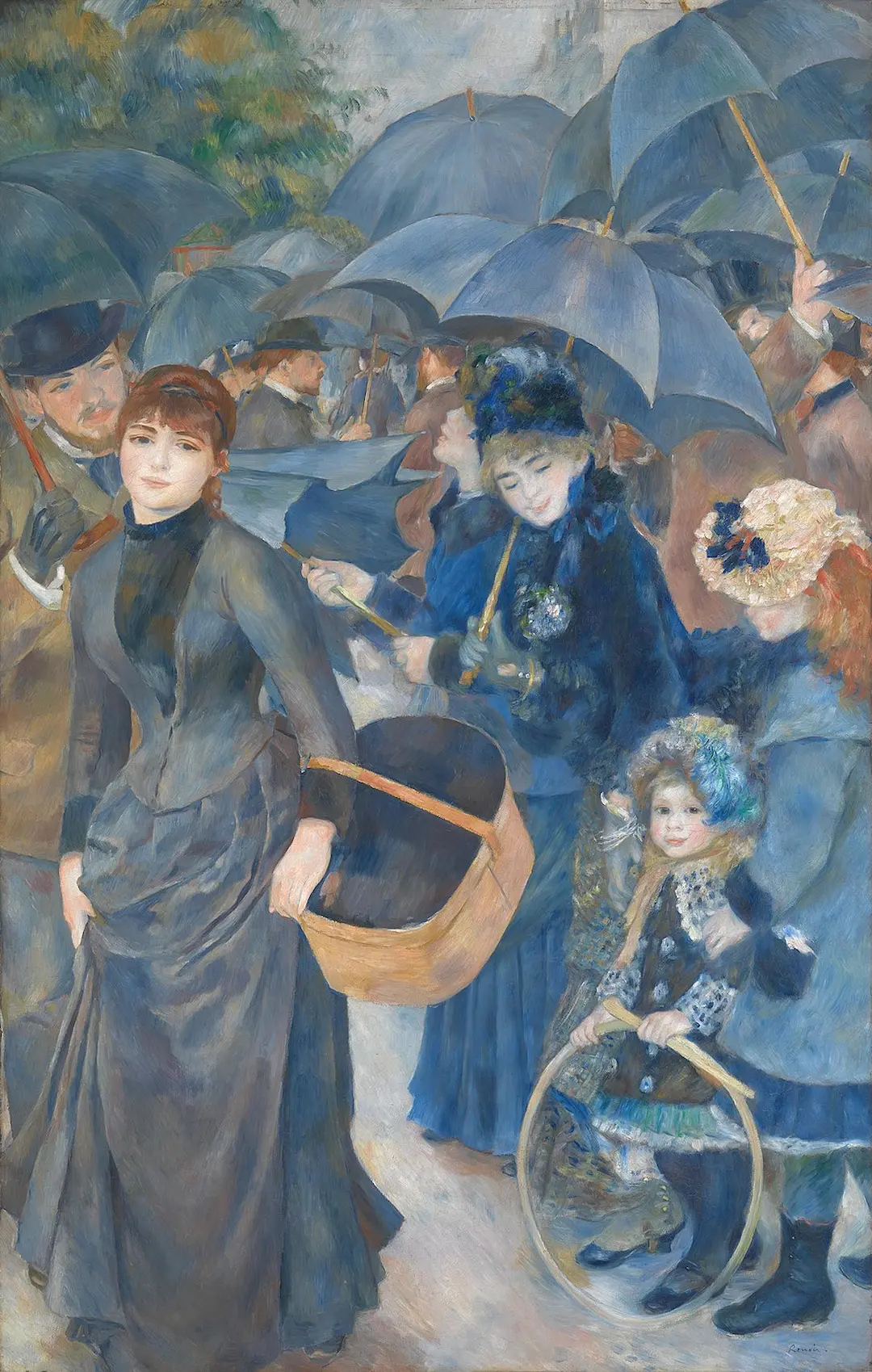
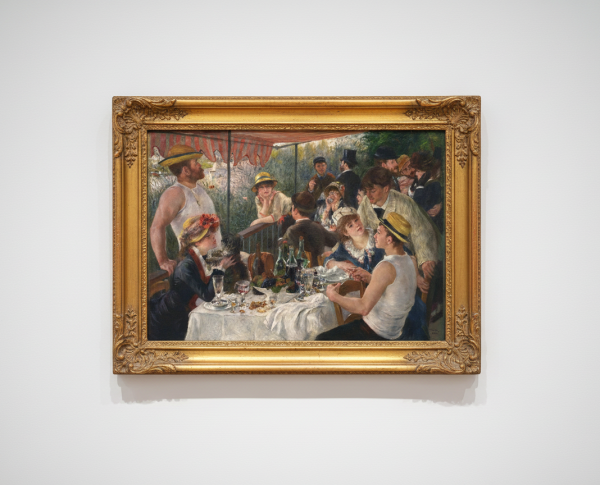
"Luncheon Of The Boating Party" by Pierre Auguste Renoir is a celebrated masterpiece of the Impressionism movement. Painted in 1881, this hand-painted oil painting captures the vibrant Parisian social life of the late 19th century. Renoir’s work, much like "Impression Sunrise" and "Paris Street - Rainy Weather 1877", reflects a pivotal moment in art history when artists sought to depict modern life with spontaneity and brilliance, forever changing the course of fine art.
Techniques That Speak
Renoir’s "Luncheon Of The Boating Party" showcases his mastery of oil on canvas, blending rapid brushstrokes and luminous color to create a lively atmosphere. The interplay of light and shadow brings the figures and setting to life, similar to his techniques in "The Walk Woman With A Parasol" and "Dancers In Pink". The Impressionist approach in this fine art painting emphasizes mood and movement, inviting viewers to feel the warmth and joy of the scene.
Emotions on Display
This fine art painting for sale radiates a sense of camaraderie and pleasure, as friends gather along the Seine. Renoir’s ability to capture fleeting expressions and subtle interactions gives "Luncheon Of The Boating Party" emotional depth, much like "The Floor Scrapers 1875". The Impressionist movement’s focus on everyday moments is evident, allowing viewers to connect with the genuine joy and intimacy portrayed in this iconic work by Pierre Auguste Renoir.
Coveted by Collectors
"Luncheon Of The Boating Party" is highly sought after among collectors of Impressionist masterpieces, with its hand-painted oil painting technique and vibrant depiction of Parisian leisure. Art lovers prize Renoir’s works, including "Impression Sunrise" and "Dancers In Pink", for their historical significance and enduring beauty. This painting remains a cornerstone of any collection, exemplifying the allure and innovation of the Impressionism movement led by Pierre Auguste Renoir.
Related Impressionism Hand-Painted Oil Paintings by Other Artists
Other Famous Impressionism Artists:
Frequently Asked Questions About Luncheon Of The Boating Party
What is the historical context of "Luncheon Of The Boating Party"?
"Luncheon Of The Boating Party" was painted in 1880-1881 during the Impressionist movement in France, a time characterized by a focus on light, color, and everyday subjects. The painting reflects the social life of the Parisian bourgeoisie and the leisure activities of the time.
Who are the figures depicted in the painting?
The painting features a group of Renoir's friends and acquaintances, including notable figures such as the actress Aline Charigot, who later became his wife, and the art dealer Paul Durand-Ruel. Each figure contributes to the lively atmosphere of the scene.
What artistic techniques did Renoir employ in this painting?
Renoir utilized loose brushwork and a vibrant color palette to capture the effects of natural light. His technique emphasizes the play of light on surfaces and the warmth of the social interaction among the figures, which is a hallmark of Impressionism.
What is the significance of the setting in "Luncheon Of The Boating Party"?
The setting is a terrace overlooking the Seine River, which symbolizes leisure and the enjoyment of life. This location was a popular spot for social gatherings, reflecting the culture of the time where outdoor dining and boating were fashionable among the affluent.
How does "Luncheon Of The Boating Party" reflect Impressionist ideals?
The painting embodies Impressionist ideals through its emphasis on capturing a moment in time, the use of vibrant colors, and the focus on everyday life. Renoir's portrayal of social interactions and the effects of light exemplifies the movement's departure from traditional academic painting.
What themes are explored in "Luncheon Of The Boating Party"?
The painting explores themes of friendship, leisure, and the joy of social gatherings. It captures a moment of happiness and camaraderie, highlighting the importance of community and connection in everyday life.
What is the composition of the painting like?
The composition is dynamic and informal, with figures arranged in a way that creates a sense of movement and interaction. The overlapping of figures and objects invites the viewer into the scene, enhancing the feeling of intimacy and spontaneity.
How did "Luncheon Of The Boating Party" influence later artists?
The painting has influenced many artists by demonstrating the power of color and light in conveying emotion and atmosphere. Its focus on social themes and everyday life paved the way for future movements, including Modernism and Post-Impressionism.
What role does color play in "Luncheon Of The Boating Party"?
Color plays a crucial role in the painting, as Renoir uses a bright and varied palette to evoke warmth and vitality. The interplay of light and shadow enhances the three-dimensionality of the figures and the overall vibrancy of the scene.
What is the legacy of "Luncheon Of The Boating Party" in art history?
The legacy of "Luncheon Of The Boating Party" is significant, as it is considered one of Renoir's masterpieces and a quintessential example of Impressionism. It continues to be celebrated for its innovative approach to color, light, and social themes, influencing generations of artists and art lovers alike.






















_GFM_Painting_(1).webp)


 100% Hand-Painted: Finished in 3-6 Weeks

.png)

















_(1).webp)