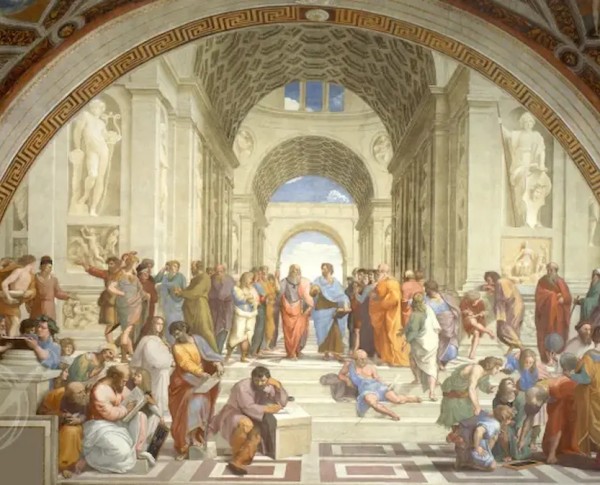
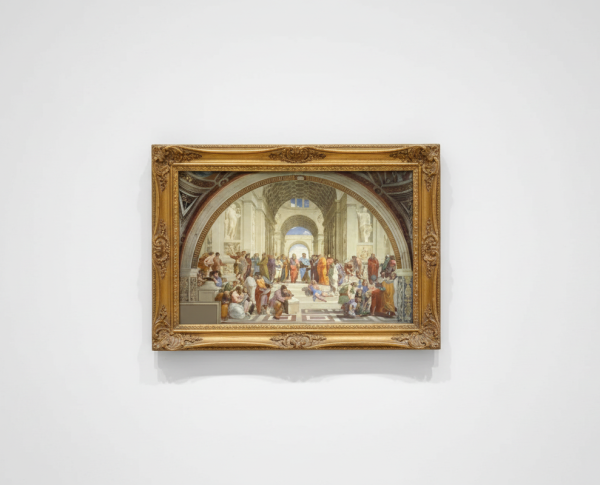
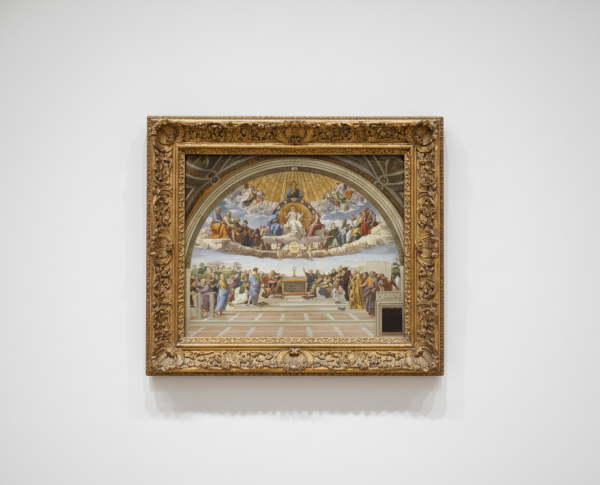
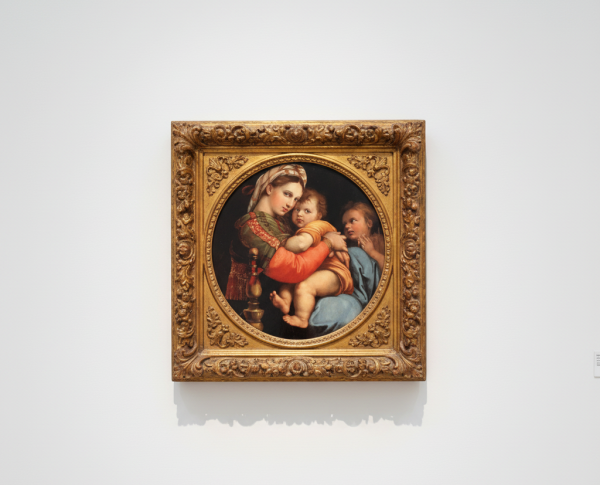
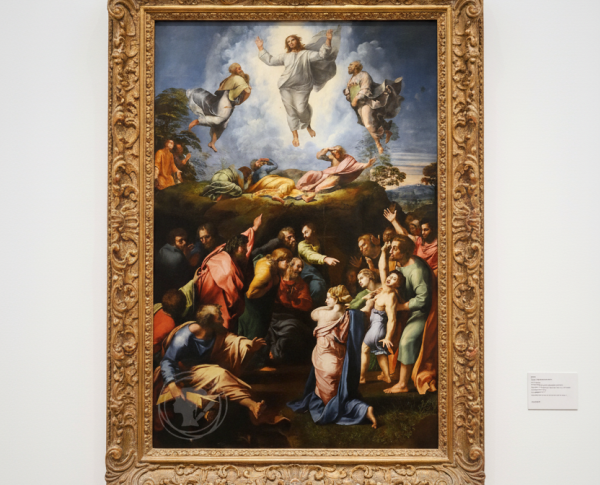
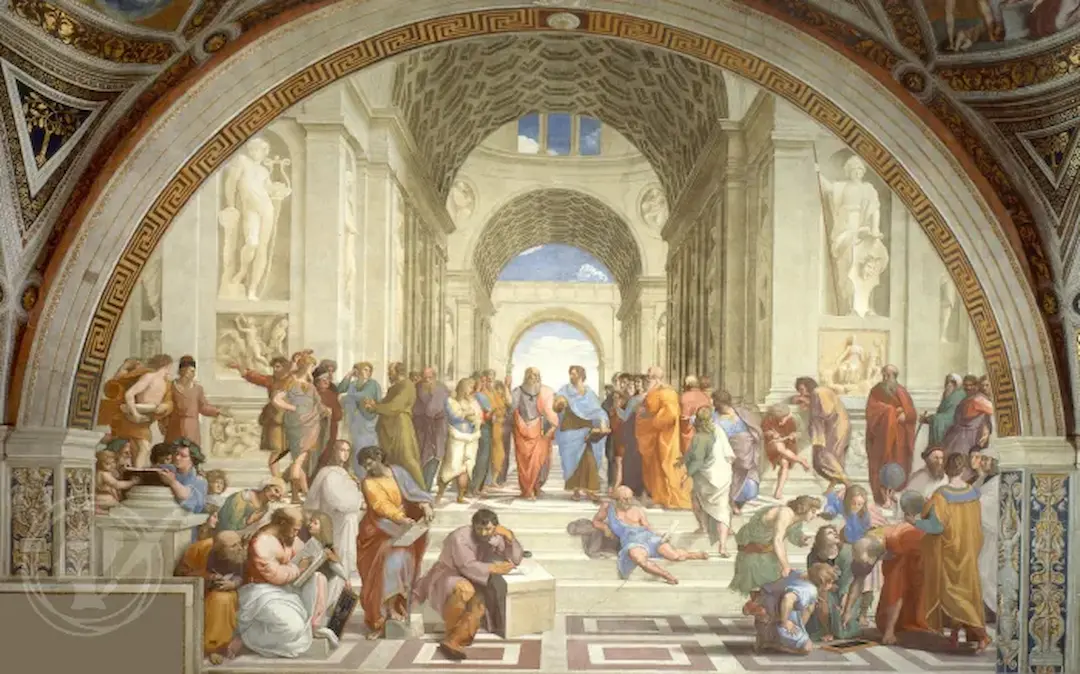
Every detail in "The School of Athens" demonstrates Raffaello Sanzio’s technical prowess with oil on canvas. The composition’s depth, dynamic figures, and harmonious architecture are hallmarks of the High Renaissance. For those seeking a fine art painting for sale that exemplifies masterful technique, this piece is unmatched. Other works by Sanzio, including "Portrait Of Bindo Altoviti" and "The Triumph Of Galatea", further showcase his extraordinary skill and innovative use of perspective.
Within "The School of Athens", Sanzio weaves a tapestry of stories and symbols, portraying great philosophers and thinkers in lively discourse. This hand-painted oil painting is more than a visual feast—it serves as a tribute to human knowledge and achievement. Collectors interested in symbolic art might also explore related masterpieces like "Saint Michael Trampling the Dragon" and "Cherubini", both infused with deep narrative and allegorical meaning, making them prized additions to any collection.
Owning "The School of Athens (from the Stanza della Segnatura)" as a fine art painting for sale is a rare opportunity to possess a piece of High Renaissance history. Raffaello Sanzio’s legacy endures through his timeless oil on canvas works, which continue to inspire. Expand your collection with related products such as "The Stanza Della Segnatura Ceiling Justice" or "The Triumph Of Galatea", each reflecting the genius and enduring value of Renaissance artistry.
When Art Meets History
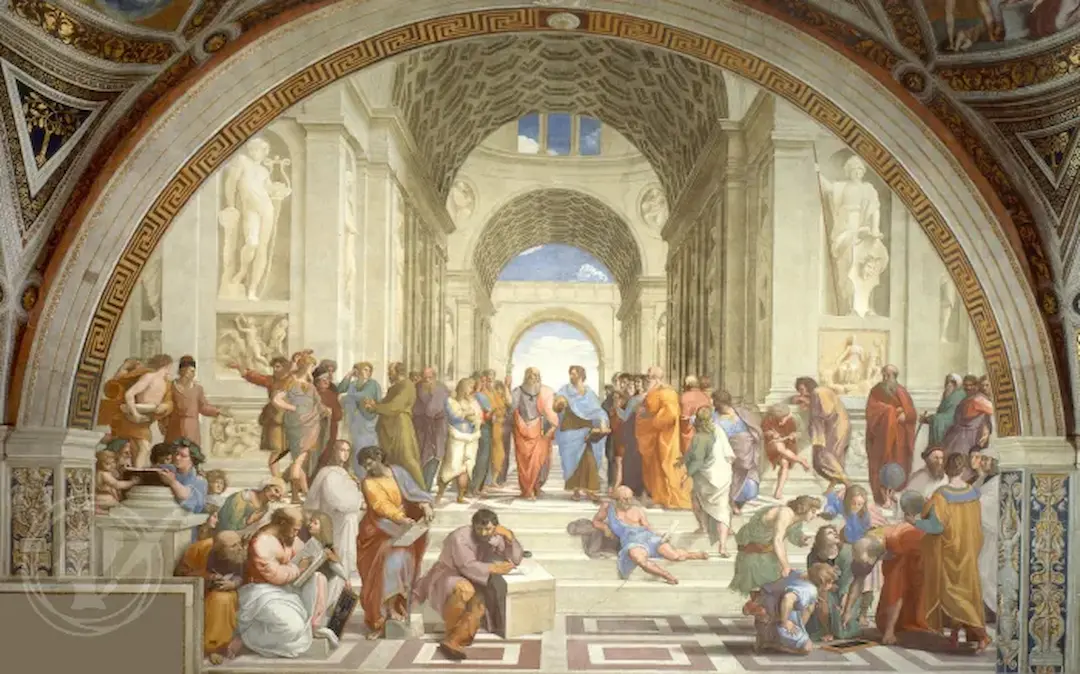
"The School of Athens (from the Stanza della Segnatura)" by Raffaello Sanzio stands as a testament to the intellectual vigor of the High Renaissance. Painted between 1509 and 1511, this masterpiece captures the spirit of philosophical inquiry. Like "The Last Supper" and "Creation of Adam," it is revered as a hand-painted oil painting that bridges art and history. Raphael's composition immortalizes great thinkers, transforming a Vatican chamber into an eternal gathering of minds.
Techniques That Speak
Raffaello Sanzio’s mastery in "The School of Athens" is evident through his exquisite use of oil on canvas, creating depth and realism rarely seen in earlier works. The balanced perspective, vibrant palette, and precise anatomy align with the ideals of the High Renaissance. His technique echoes the artistry found in "Mona Lisa" and "La Scapigliata," where light and shadow breathe life into each figure, showcasing Raphael’s unique contribution to the era’s visual language.
Emotions on Display
In this fine art painting for sale, Raphael channels the emotions of the greatest philosophers, capturing their intensity and curiosity. "The School of Athens" radiates intellectual passion, much like Leonardo’s "Portrait of Cecilia Gallerani (Lady with an Ermine)." The interactions and expressive gestures of each character invite viewers to join the philosophical dialogue. The painting’s emotional resonance is a hallmark of the High Renaissance, where art celebrated both human thought and feeling.
Coveted by Collectors
Collectors and art enthusiasts cherish "The School of Athens" for its historical and artistic significance, making it a sought-after hand-painted oil painting. Alongside masterpieces like "Mona Lisa" and "The Last Supper," Raphael’s work occupies a coveted place in the world of fine art. Its intricate detail and cultural impact ensure its lasting appeal, highlighting why High Renaissance paintings remain treasures in galleries and private collections around the globe.
Related High Renaissance Hand-Painted Oil Paintings by Other Artists
Other Famous High Renaissance Artists:
Frequently Asked Questions About The School of Athens (from the Stanza della Segnatura)
What is the historical context of The School of Athens?
The School of Athens was painted by Raffaello Sanzio between 1509 and 1511 during the High Renaissance, a period characterized by a renewed interest in classical philosophy, art, and culture, coinciding with the flourishing of humanism in Italy.
What is the significance of the location where The School of Athens is housed?
The painting is located in the Stanza della Segnatura, which served as the private library of Pope Julius II. This setting underscores the connection between art, knowledge, and the papacy during the Renaissance.
Who are the prominent figures depicted in The School of Athens?
The artwork features many notable philosophers, including Plato and Aristotle at the center, representing their contrasting philosophies. Other figures include Socrates, Pythagoras, and Euclid, symbolizing the breadth of classical knowledge.
What artistic techniques did Raphael employ in The School of Athens?
Raphael utilized linear perspective to create depth, along with chiaroscuro to enhance the three-dimensionality of the figures. The composition is balanced and harmonious, reflecting the ideals of the Renaissance.
What does the architecture in The School of Athens symbolize?
The grand architectural setting, reminiscent of ancient Roman structures, symbolizes the revival of classical ideals and the importance of reason and knowledge in the Renaissance, echoing the values of the time.
How does The School of Athens reflect the ideals of humanism?
The painting embodies humanism by celebrating human intellect and the pursuit of knowledge. It emphasizes the importance of philosophical inquiry and the value of individual thought, central tenets of humanist philosophy.
What role does color play in The School of Athens?
Raphael's use of color enhances the emotional and intellectual atmosphere of the painting. The vibrant hues draw attention to key figures and create a dynamic interplay between the characters, reinforcing their significance.
How does Raphael's portrayal of Plato and Aristotle differ?
Plato is depicted pointing upwards, symbolizing his belief in the realm of forms and ideals, while Aristotle gestures horizontally, representing his focus on empirical observation and the physical world, illustrating their philosophical differences.
What is the overall message conveyed by The School of Athens?
The overall message of the painting is the celebration of intellectual achievement and the synthesis of classical thought, suggesting that knowledge and philosophy are foundational to a well-rounded society.
How has The School of Athens influenced later art and culture?
The School of Athens has had a profound impact on Western art and culture, inspiring countless artists and thinkers. Its themes of knowledge, reason, and the celebration of classical ideals continue to resonate in contemporary discussions of philosophy and education.






















_GFM_Painting_(1).webp)


 100% Hand-Painted: Finished in 3-6 Weeks

.png)


















_(1).webp)