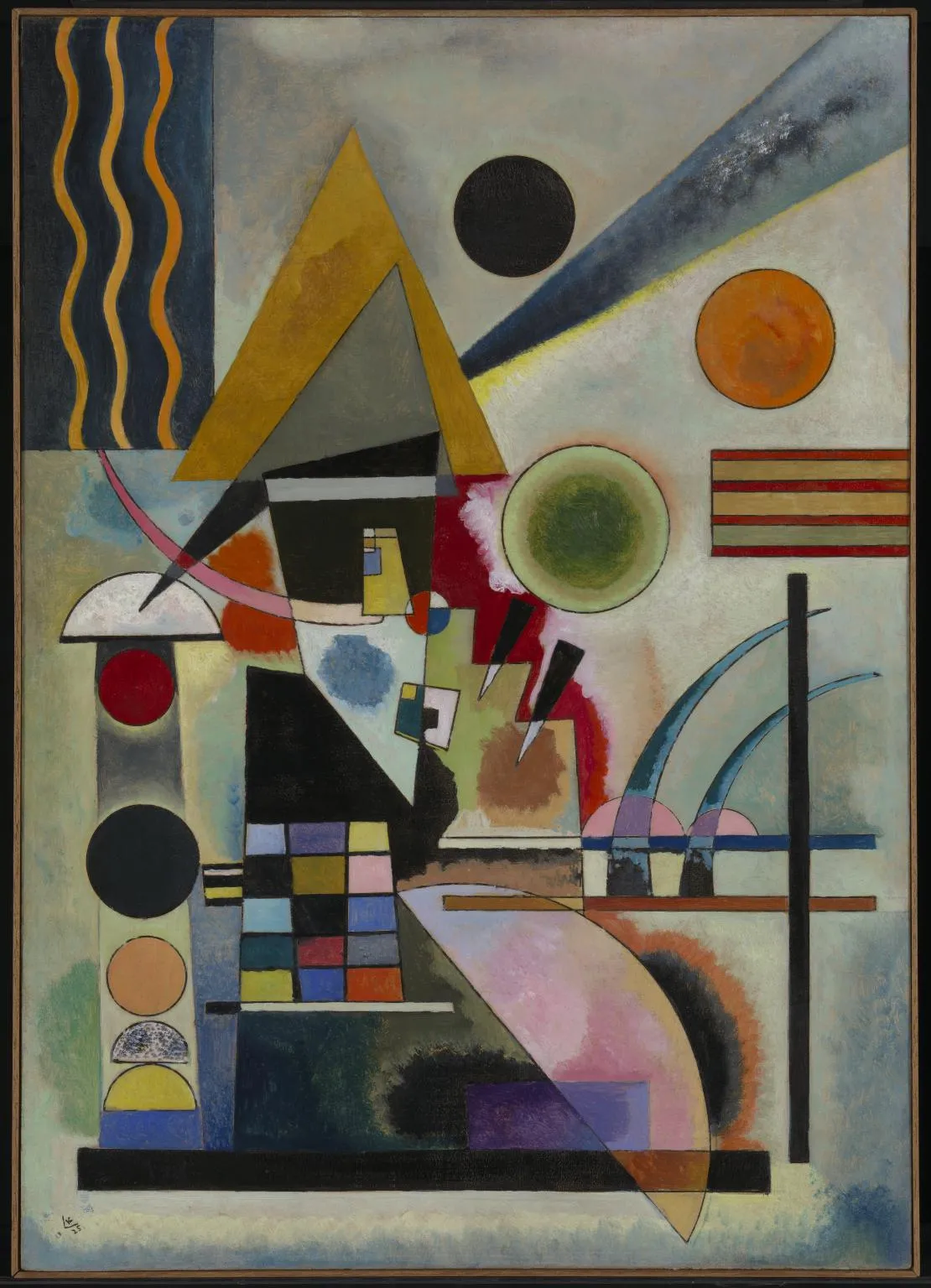
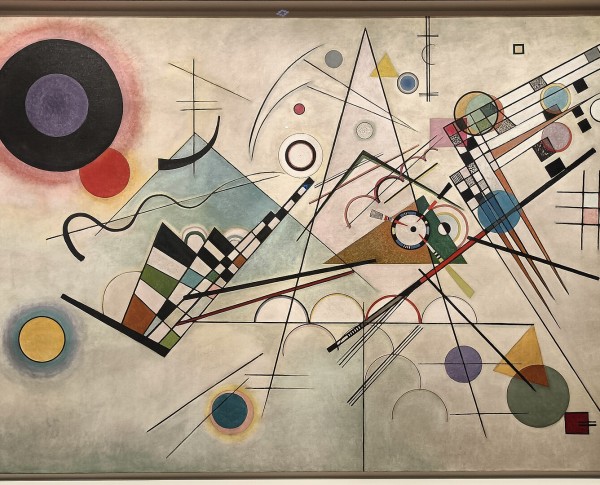
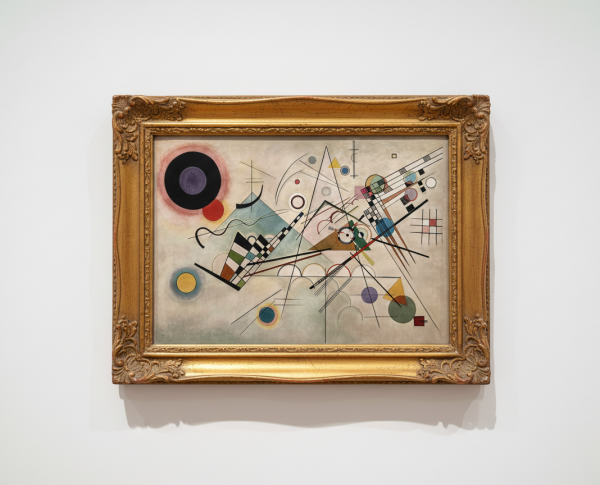
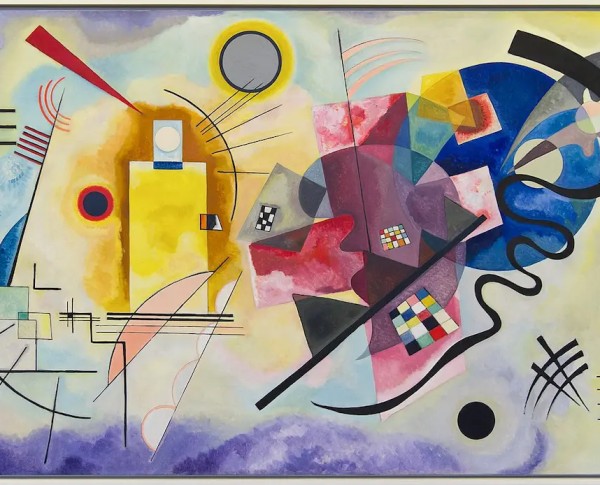
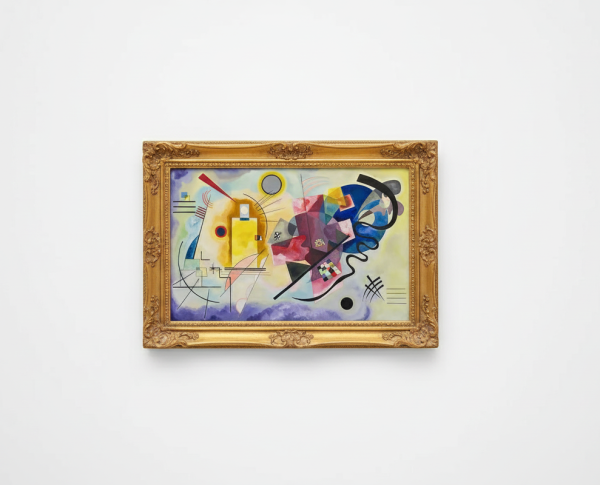
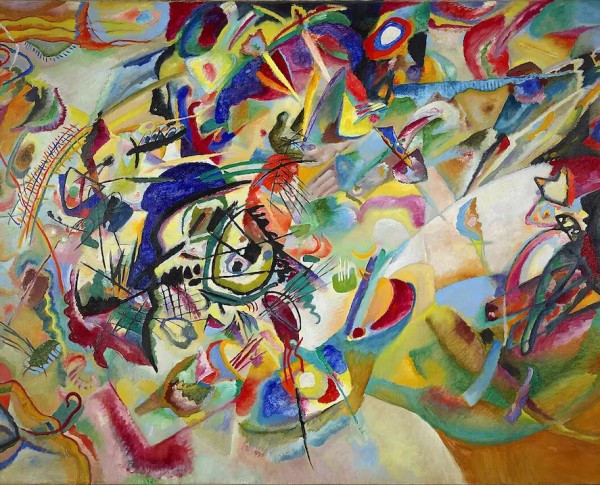
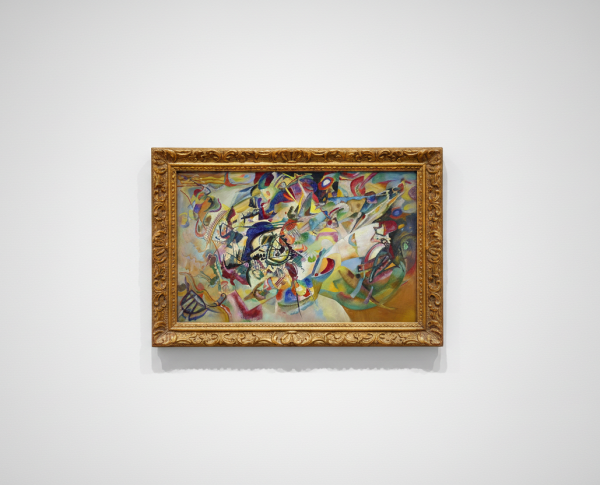
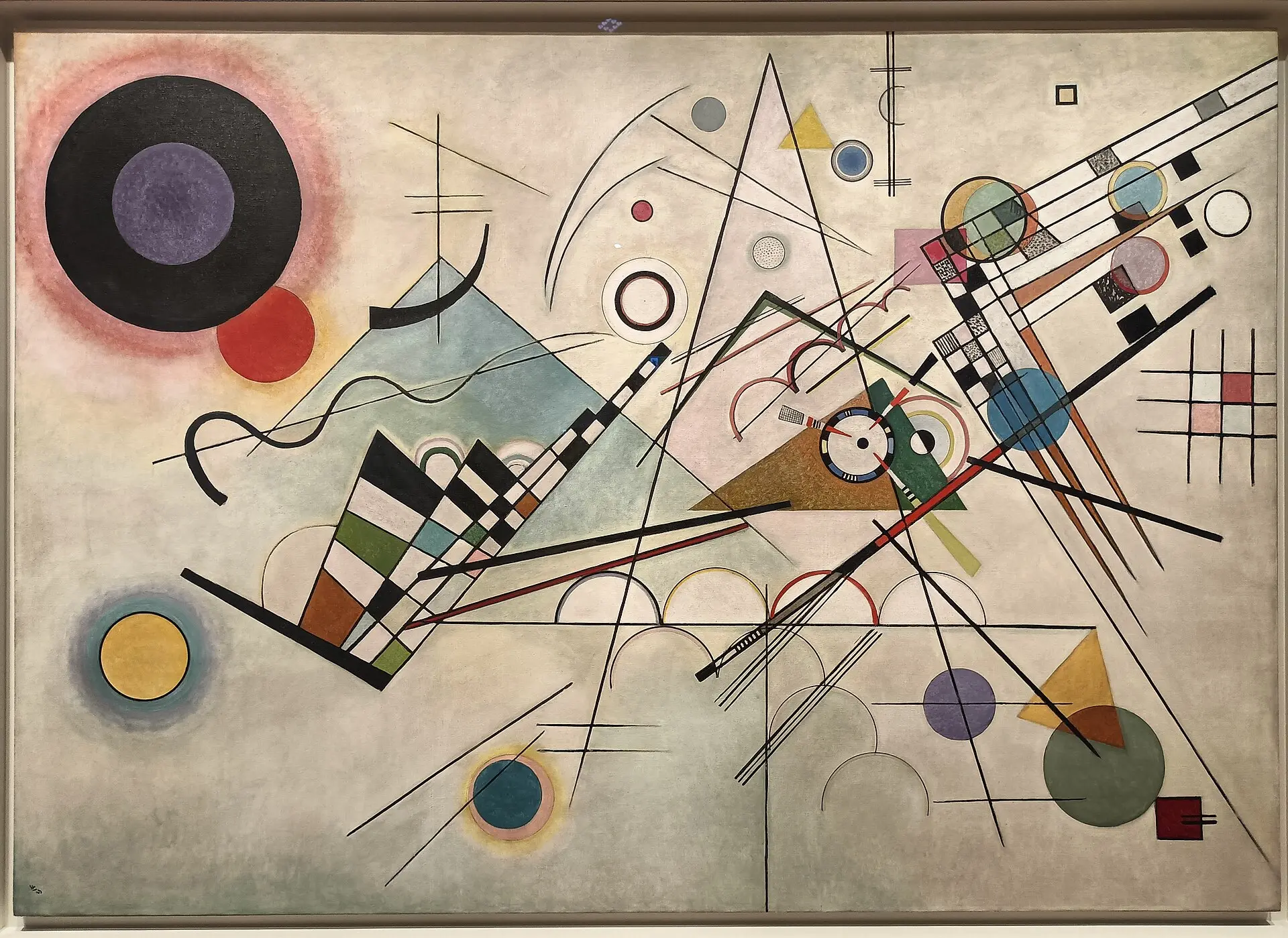
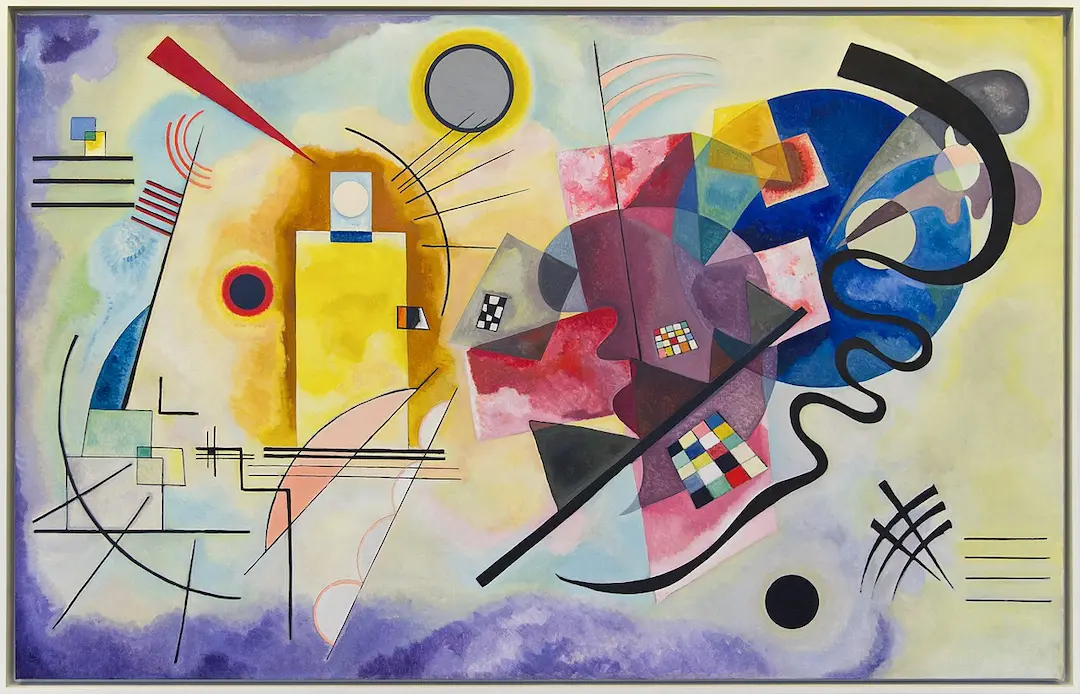
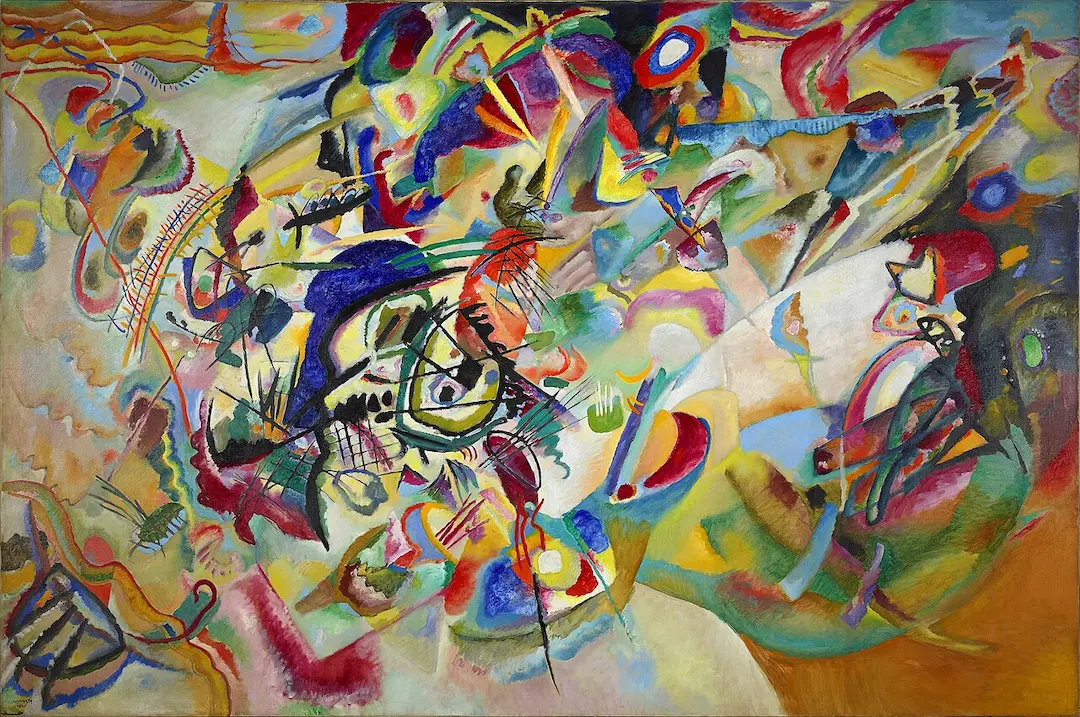
Wassily Kandinsky’s "The Composition V111" is a stunning example of oil on canvas technique, showcasing his mastery in balancing dynamic shapes and bold colors. Every stroke on this canvas resonates with the spirit of Abstract Expressionism, inviting viewers to interpret its energetic composition. Art enthusiasts seeking similar works will appreciate the technical finesse found in "Composition VII" and "Yellow Red Blue," both available as visually striking complements to this original creation.
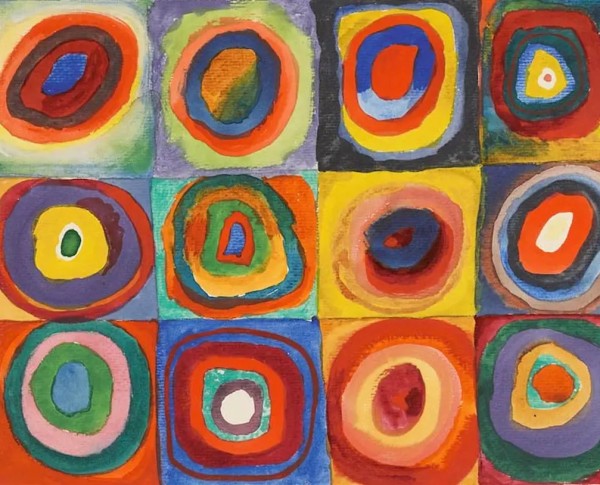
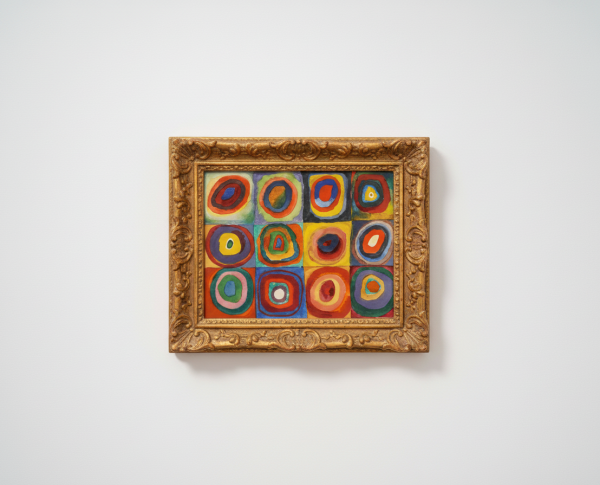
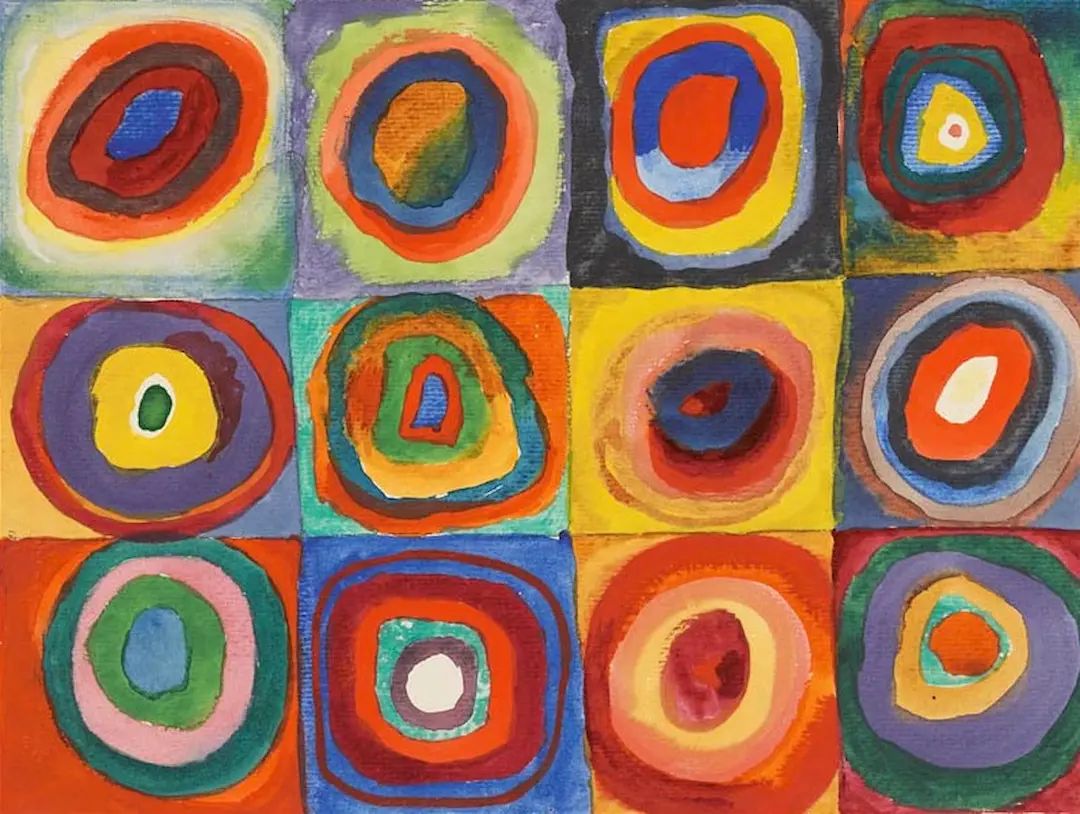
In "The Composition V111," Kandinsky weaves a tapestry of stories and symbols unique to Abstract Expressionism. This fine art painting for sale invites collectors to delve into a world of emotion and imagination, where each color and line holds deeper meaning. The painting’s abstract forms are echoed in related works like "Squares with Concentric Rings," making it a perfect centerpiece for those who value both symbolism and modern artistry.
Owning "The Composition V111" by Wassily Kandinsky means possessing a piece of art history from the Abstract Expressionism movement. This hand-painted oil painting is more than just a decorative piece—it’s a collector’s treasure that celebrates innovation and creativity. Pair it with other Kandinsky masterpieces such as "Composition VII" or "Yellow Red Blue" to curate a distinguished collection that embodies the essence of fine abstract art.
When Art Meets History
"The Composition V111" by Wassily Kandinsky stands as a remarkable example of Abstract Expressionism, a movement that redefined the boundaries of visual language. Painted in 1923, this hand-painted oil painting reflects the artist’s innovative approach to form and color. Kandinsky’s work, alongside masterpieces like "Untitled (Violet, Black, Orange, Yellow on White and Red), 1949", marks a turning point in modern art, capturing a transformative period where creativity and history intersected powerfully.
Techniques That Speak
Kandinsky employed dynamic lines, geometric shapes, and bold contrasts in "The Composition V111", showcasing his mastery of oil on canvas. His unique technique involved layering vibrant hues and utilizing abstract forms to evoke movement and rhythm. This method, central to Abstract Expressionism, can also be seen in related works such as "Untitled (Violet, Black, Orange, Yellow on White and Red), 1949", highlighting the expressive potentials of oil on canvas in the evolution of fine art.
Emotions on Display
"The Composition V111" radiates an intense emotional energy, characteristic of Kandinsky’s style and the Abstract Expressionism movement. Through his use of color and abstract forms, the artist invites viewers to experience a spectrum of feelings, from contemplation to exhilaration. As with "Untitled (Violet, Black, Orange, Yellow on White and Red), 1949", this fine art painting for sale continues to captivate audiences, offering a window into the artist’s inner world and emotional landscape.
Coveted by Collectors
Today, "The Composition V111" is highly sought after by collectors and art enthusiasts alike, celebrated for its historical significance and artistic innovation. This hand-painted oil painting represents the pinnacle of Kandinsky’s contribution to Abstract Expressionism, standing alongside related works like "Untitled (Violet, Black, Orange, Yellow on White and Red), 1949". Its enduring appeal makes it a coveted piece for those seeking to own a masterpiece of modern art history.
Related Abstract Expressionism Hand-Painted Oil Paintings by Other Artists
Other Famous Abstract Expressionism Artists:
Frequently Asked Questions About The Composition V111
What is the historical significance of The Composition V111?
The Composition V111, created in 1923, is significant as it represents a pivotal moment in Wassily Kandinsky's exploration of abstract art, reflecting the post-World War I era's desire for renewal and expression beyond traditional forms.
How does The Composition V111 exemplify Kandinsky's artistic style?
This artwork exemplifies Kandinsky's unique style through its vibrant colors, geometric shapes, and dynamic composition, which convey emotion and spirituality, hallmarks of his approach to abstraction.
What are the key themes represented in The Composition V111?
The key themes in The Composition V111 include harmony, chaos, and the interplay of color and form, which together evoke a sense of movement and emotional resonance, reflecting Kandinsky's belief in the spiritual power of art.
What techniques did Kandinsky use in The Composition V111?
Kandinsky employed techniques such as layering colors, using bold outlines, and incorporating abstract forms to create a sense of depth and complexity, allowing viewers to engage with the painting on multiple levels.
How does The Composition V111 relate to Kandinsky's theories on color?
The Composition V111 illustrates Kandinsky's theories on color as a means of expression, where each hue is imbued with emotional significance, creating a visual language that transcends words and communicates directly with the viewer's psyche.
In what ways does The Composition V111 reflect the influence of the Bauhaus movement?
The Composition V111 reflects the Bauhaus movement's emphasis on abstraction and the integration of art and design, showcasing Kandinsky's innovative approach to form and color that aligns with the movement's ideals of functionality and aesthetics.
What role did spirituality play in the creation of The Composition V111?
Spirituality played a crucial role in The Composition V111, as Kandinsky sought to express the inner experiences of the soul through abstract forms, believing that art could evoke a deeper understanding of the universe and human existence.
What impact did The Composition V111 have on future generations of artists?
The Composition V111 had a profound impact on future generations of artists by paving the way for abstract expressionism and influencing movements that embraced non-representational art, encouraging artists to explore personal expression and emotional depth.
How does The Composition V111 compare to Kandinsky's earlier works?
Compared to Kandinsky's earlier works, The Composition V111 showcases a more mature understanding of abstraction, with a greater emphasis on color theory and emotional expression, marking a significant evolution in his artistic journey.
What is the significance of the title The Composition V111?
The title The Composition V111 signifies the painting's place within a series of works that explore the principles of composition, indicating Kandinsky's systematic approach to creating art that balances form, color, and emotion.






















_GFM_Painting_(1).webp)


 100% Hand-Painted: Finished in 3-6 Weeks

.png)















_(1).webp)