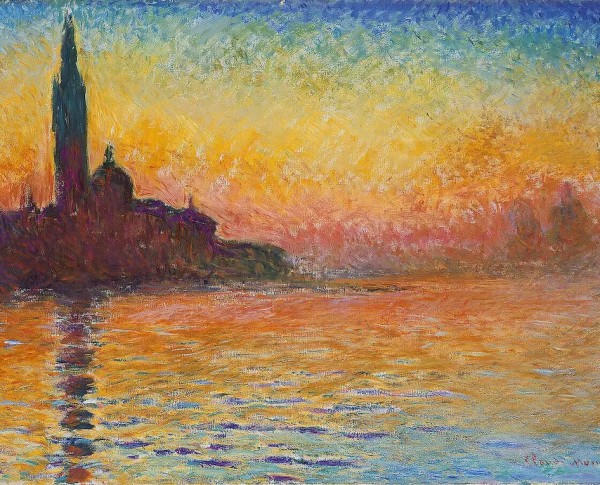
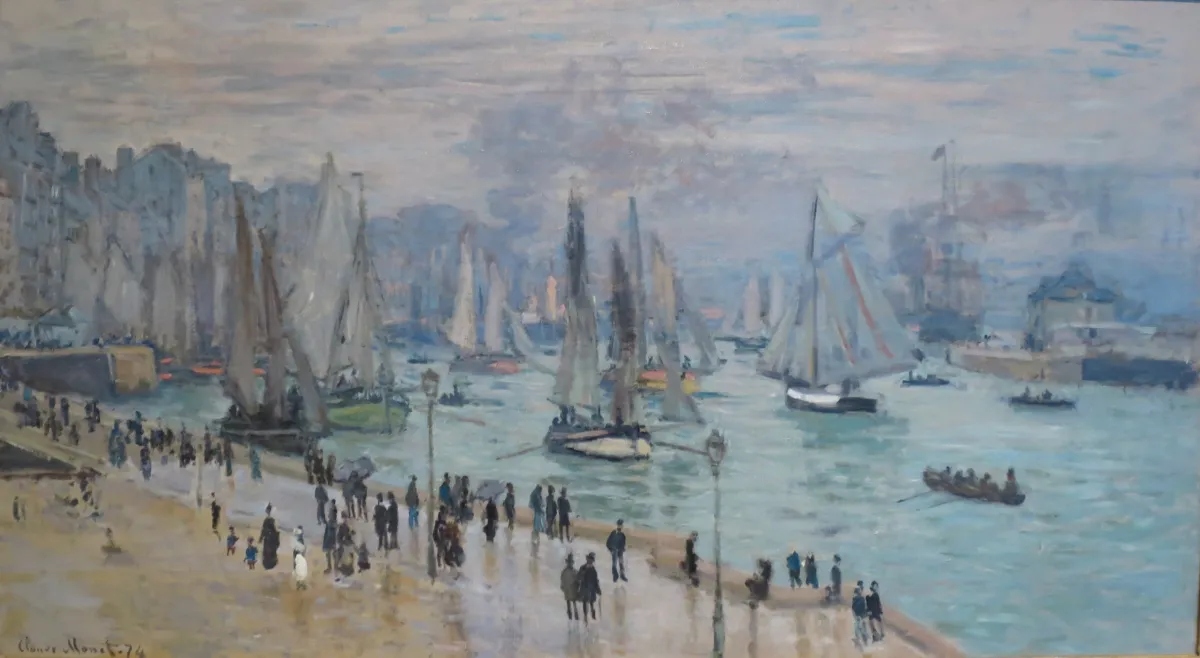
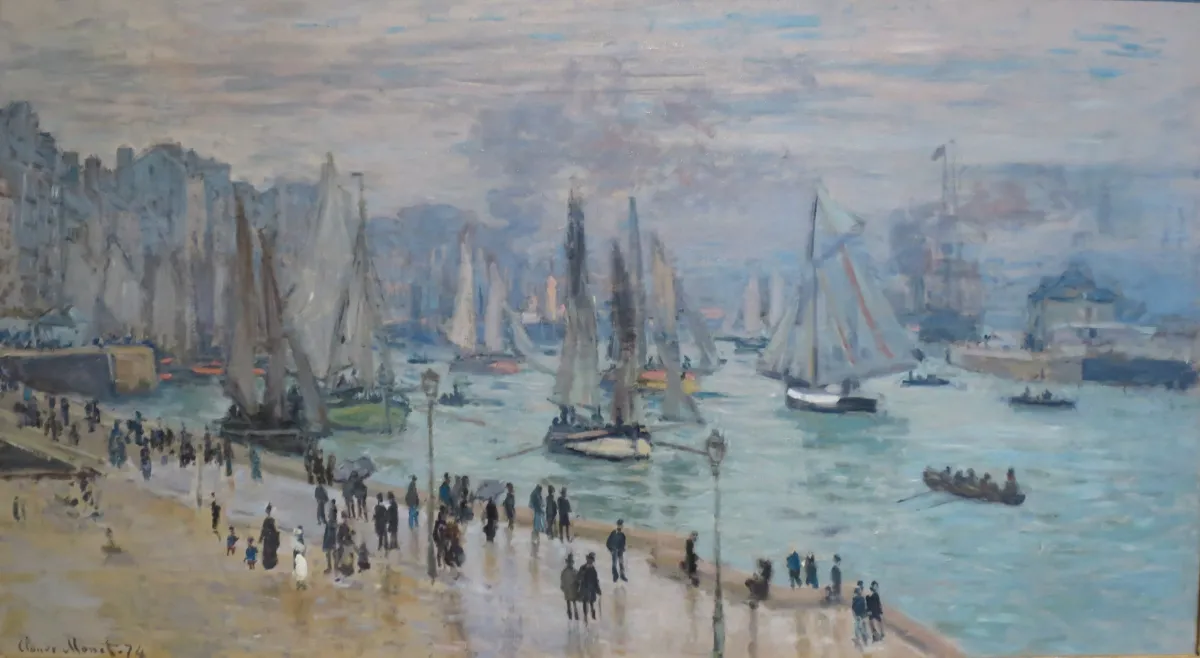
Claude Monet’s expertise is evident in the dynamic brushwork and luminous color palette of this oil on canvas masterpiece. The painting’s lively depiction of fishing boats against the atmospheric backdrop of Le Havre showcases the signature Impressionist technique. Collectors often pair this artwork with other Monet pieces like "Spring Flowers" or "Still Life With Bottles," appreciating the consistent quality and emotion found in each oil on canvas creation from the Impressionism era.
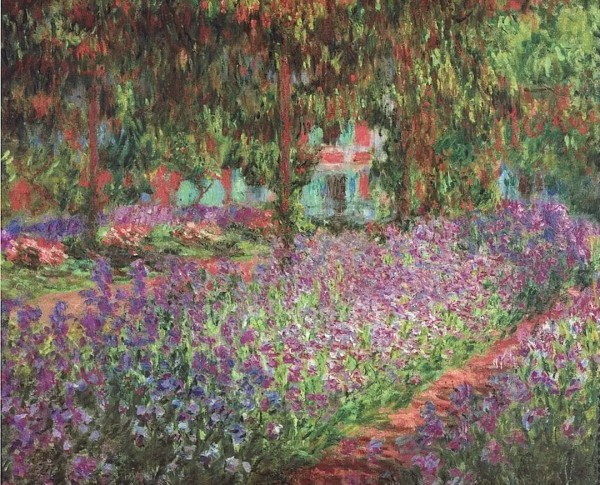
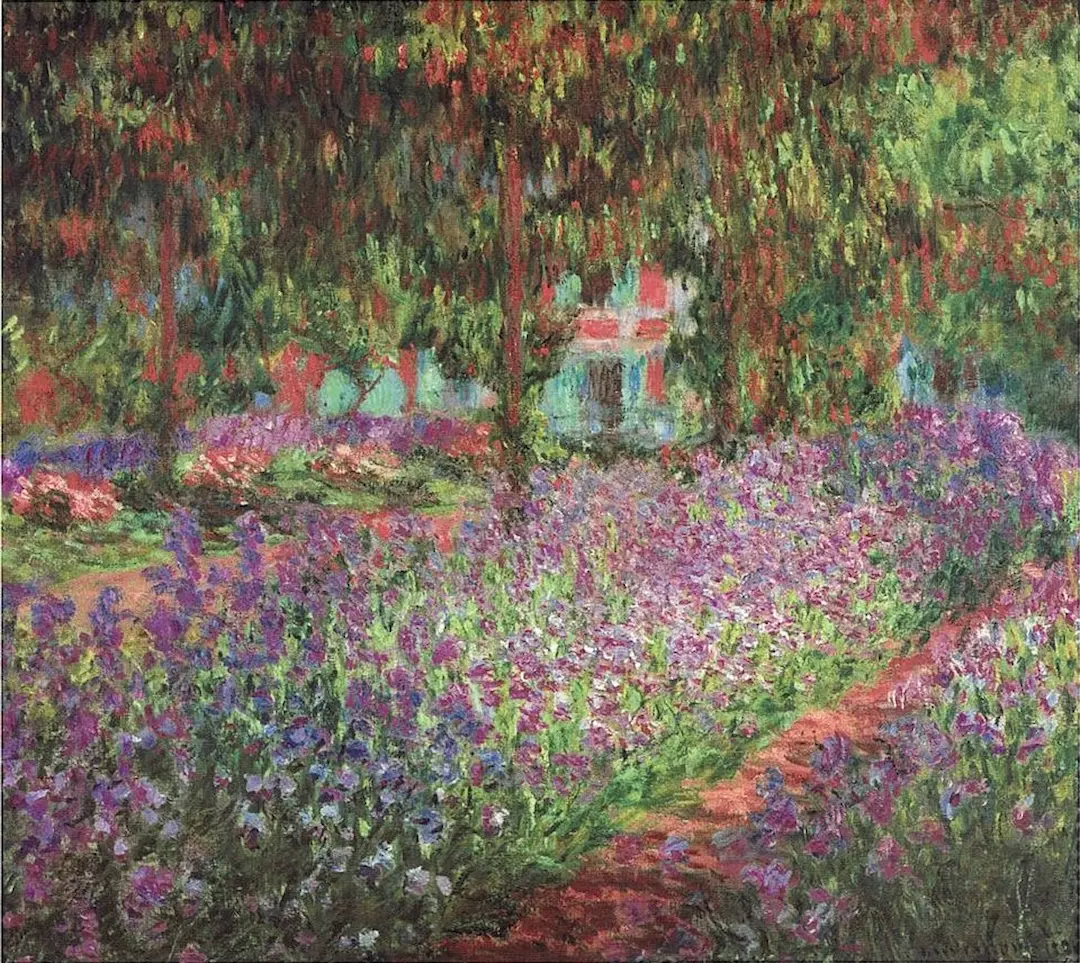
"Fishing boats leaving the harbor, Le Havre" tells a story of daily life and industry, symbolizing both transition and hope. Monet’s attention to movement and changing light invites viewers to immerse themselves in the scene’s narrative. This hand-painted oil painting resonates with themes found in related works like "Irises In Monets Garden" and "Autoportrait," making it a compelling choice for anyone seeking a fine art painting for sale with deep symbolic meaning.
For art collectors, owning "Fishing boats leaving the harbor, Le Havre" by Claude Monet means acquiring a piece of Impressionist history. This oil on canvas is not only visually stunning but also a testament to Monet’s enduring influence. Collectors often expand their galleries with related products such as "Spring Flowers" or "Autoportrait," ensuring their collection features exceptional fine art painting for sale from one of the movement’s most celebrated artists.
When Art Meets History
"Fishing boats leaving the harbor, Le Havre" by Claude Monet is a brilliant representation of the Impressionism movement, capturing a pivotal moment in maritime history. This hand-painted oil painting transports viewers to the bustling port of Le Havre, where fishermen set sail at dawn. Monet’s contemporaries, like those behind works such as "Paris Street; Rainy Day" and "Dance At The Moulin De La Galette," also sought to immortalize the everyday, making this piece a significant historical document.
Techniques That Speak
Monet’s mastery of oil on canvas is evident in the luminous brushwork and vibrant color palette of "Fishing boats leaving the harbor, Le Havre." The artist’s loose, expressive strokes evoke the movement of the sea and the atmosphere of early morning. Similar to the textures found in "Two Sisters" and "A Girl with a Watering Can," Monet’s technique defines the Impressionist style, where fleeting moments are rendered with spontaneity and depth, making each scene come alive.
Emotions on Display
This fine art painting for sale captures the anticipation and hope of fishermen embarking on their daily journey. Monet’s depiction of light and water stirs a sense of optimism, much like the emotional resonance found in "Portrait of Benito Perez Galdos" and "Dance At The Moulin De La Galette." Viewers are drawn into the scene, feeling the cool breeze and gentle waves, hallmark emotions conveyed by the Impressionism movement’s greatest masters.
Coveted by Collectors
"Fishing boats leaving the harbor, Le Havre" is highly sought after among collectors of Impressionist art, standing alongside masterpieces like "Two Sisters" and "Paris Street; Rainy Day." As a hand-painted oil painting by Claude Monet, it exemplifies the allure of authentic, museum-quality works. Collectors value its historical significance, exquisite technique, and emotional depth, making it a prized addition to any fine art collection and a testament to Monet’s enduring legacy.
Related Impressionism Hand-Painted Oil Paintings by Other Artists
Other Famous Impressionism Artists:
Frequently Asked Questions About Fishing boats leaving the harbor, Le Havre
What is the historical context of "Fishing boats leaving the harbor, Le Havre"?
This painting was created in 1885, during a period when Monet was exploring the effects of light and atmosphere on the landscape. The industrialization of France was transforming coastal towns, and Monet captured this transition in his work.
What artistic techniques did Monet use in this painting?
Monet employed loose brushwork and a vibrant color palette to convey movement and the play of light on water. His technique of applying paint in quick, short strokes creates a sense of immediacy and spontaneity.
What is the significance of the harbor setting in this artwork?
The harbor symbolizes the connection between nature and human activity. It reflects the daily life of fishermen and the economic importance of the sea for the local community, while also showcasing Monet's fascination with maritime themes.
How does this painting reflect Impressionist principles?
What emotions does the painting evoke?
The painting evokes a sense of tranquility and movement, inviting viewers to experience the peaceful yet dynamic atmosphere of the harbor. The interplay of colors and light creates a feeling of optimism and vitality.
What role did Le Havre play in Monet's artistic journey?
Le Havre was a significant location for Monet, as it was where he spent time during his childhood and later returned to paint. The harbor provided him with endless inspiration for exploring light and color in his works.
How does this painting compare to Monet's other works?
This painting is representative of Monet's later works, where he increasingly focused on the effects of light and atmosphere. Compared to his earlier pieces, it showcases a more mature understanding of color dynamics and composition.
What symbolic meanings can be derived from the fishing boats?
The fishing boats symbolize livelihood, community, and the relationship between humans and nature. They represent the daily struggles and joys of the fishermen, as well as the beauty found in their labor.
What influence did this painting have on future artists?
This work influenced subsequent generations of artists by demonstrating the importance of capturing fleeting moments and the beauty of everyday life. It paved the way for modern interpretations of landscape and seascape painting.
Where can I view "Fishing boats leaving the harbor, Le Havre"?
The painting is part of the collection at the Musée d'Orsay in Paris, where it is displayed alongside other masterpieces of the Impressionist movement, allowing visitors to appreciate its historical significance.






















_GFM_Painting_(1).webp)


 100% Hand-Painted: Finished in 3-6 Weeks

.png)















_(1).webp)