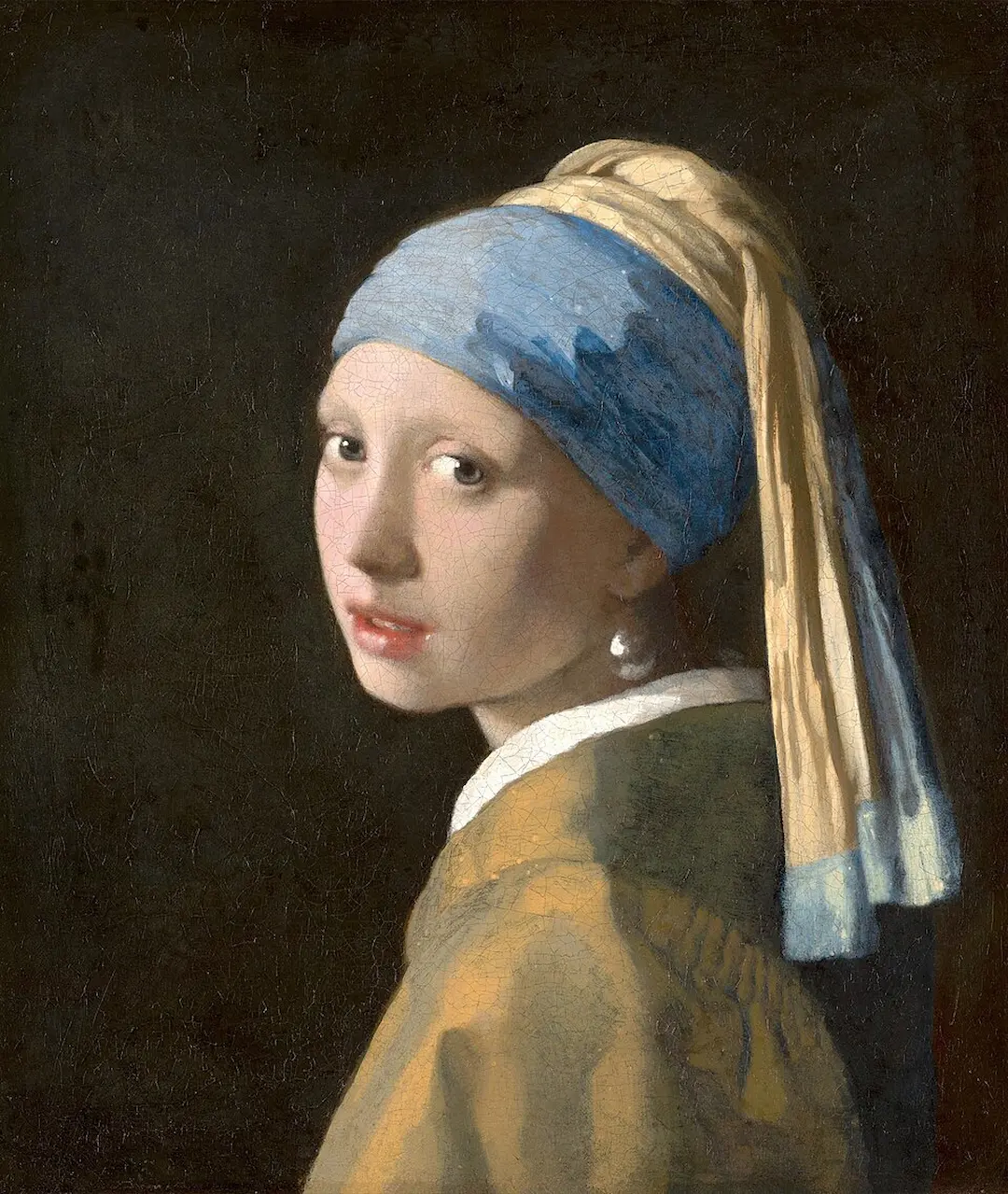
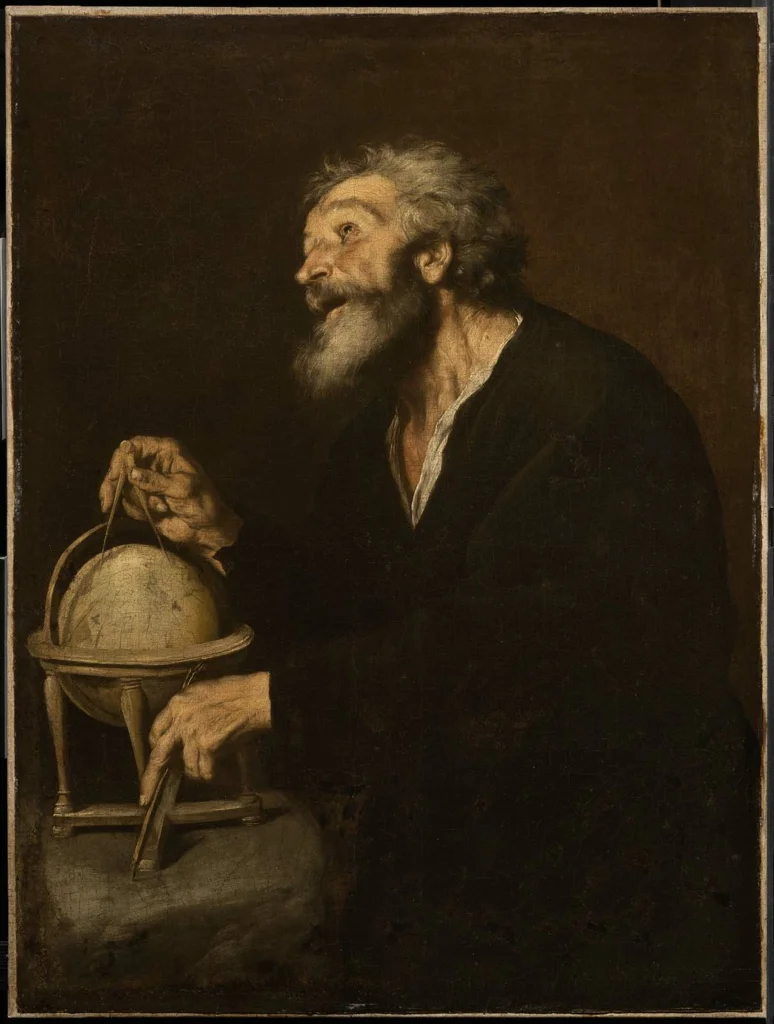
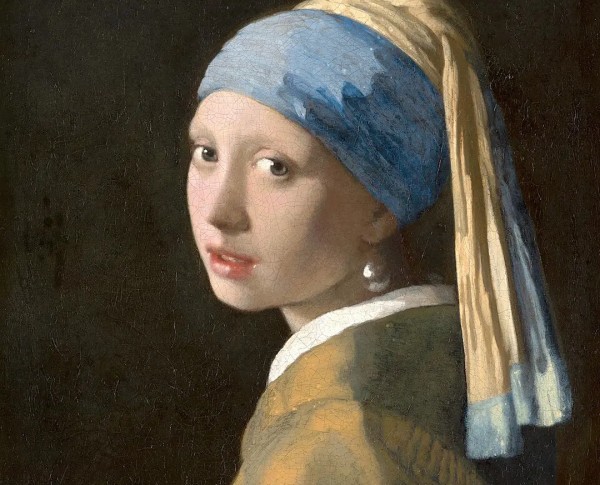
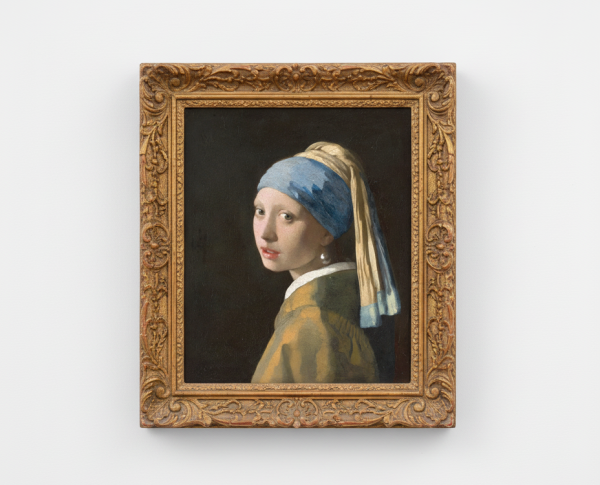
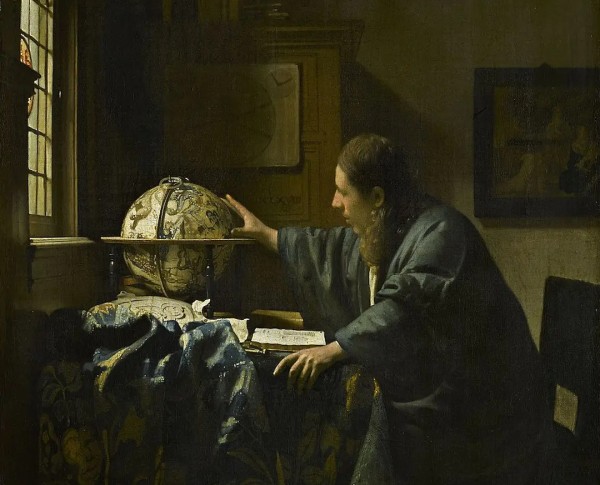
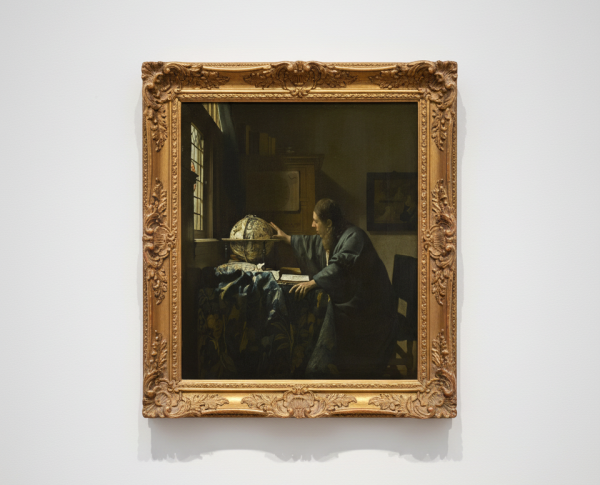
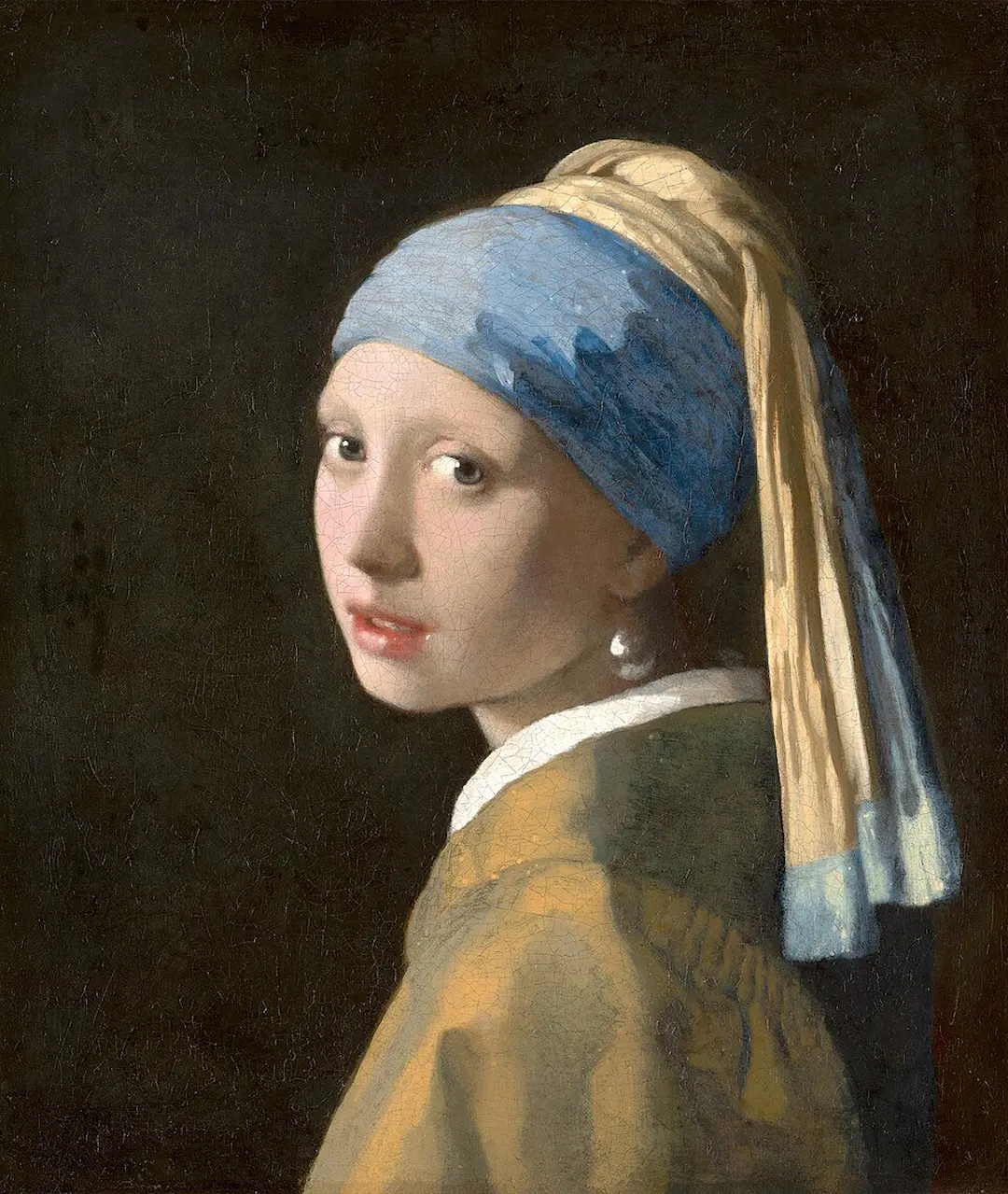
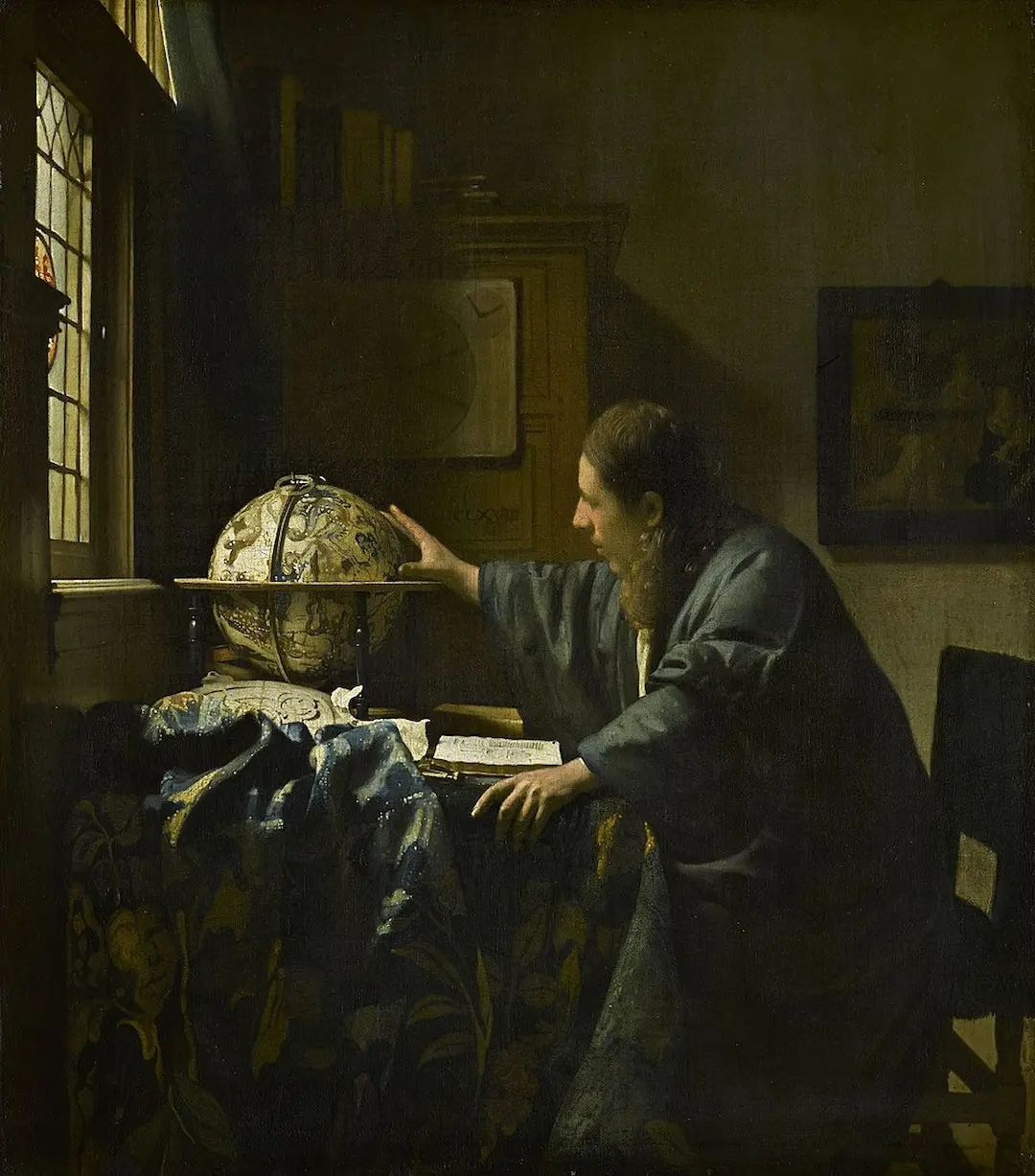
"Girl with a Pearl Earring c. 1665" showcases Jan Vermeer Van Delft’s exceptional skill in the use of oil on canvas. The Dutch Golden Age movement emphasized realism and the delicate play of light, both of which are evident in this painting. Vermeer’s technique brings the subject to life, highlighting the softness of the skin and the luminous pearl. Collectors and enthusiasts often compare it to related products like "The Astronomer c. 1668" for its technical brilliance.
Jan Vermeer Van Delft’s "Girl with a Pearl Earring c. 1665" is more than a hand-painted oil painting; it is a treasure trove of stories and symbols from the Dutch Golden Age. The mysterious gaze of the girl and the iconic pearl earring have inspired endless speculation about her identity and meaning. Art lovers often explore related products, such as "The Astronomer c. 1668," to delve deeper into Vermeer’s symbolic storytelling and artistic vision.
Owning a fine art painting for sale like Jan Vermeer Van Delft’s "Girl with a Pearl Earring c. 1665" is the dream of many collectors. As a hallmark of the Dutch Golden Age, this oil on canvas masterpiece brings elegance and history to any collection. Its enduring appeal is matched by related products such as "The Astronomer c. 1668," making Vermeer’s works a prized addition for those who appreciate timeless artistry and historical significance.
When Art Meets History
"Girl with a Pearl Earring c. 1665" by Jan Vermeer Van Delft stands as a masterpiece of the Dutch Golden Age. This hand-painted oil painting captures a moment in time, echoing the cultural richness of 17th-century Netherlands. Vermeer’s work is often discussed alongside related paintings such as "Man in a Golden Helmet c. 1650" and "The Night Watch," highlighting the era’s exceptional artistry and historical significance in the world of fine art.
Techniques That Speak
Jan Vermeer Van Delft’s use of oil on canvas in "Girl with a Pearl Earring c. 1665" demonstrates his mastery of light and texture, hallmarks of the Dutch Golden Age movement. The delicate rendering of the subject’s features and the luminous pearl showcase Vermeer’s technical skill. His approach can be compared with other artists’ techniques in works like "Anatomy Lesson of Dr Tulp" and "Christ In The Storm On The Sea Of Galilee."
Emotions on Display
In "Girl with a Pearl Earring c. 1665," Vermeer Van Delft’s subject exudes a quiet mystery, engaging viewers with her direct gaze and subtle expression. This fine art painting for sale is celebrated for its emotional depth, a theme shared by other Dutch Golden Age masterpieces such as "The Return of the Prodigal Son c. 1669." Vermeer’s ability to convey emotion through simplicity makes this work a timeless favorite among art enthusiasts.
Coveted by Collectors
Collectors around the world seek out "Girl with a Pearl Earring c. 1665" for its blend of historical significance and visual appeal. As a hand-painted oil painting by Jan Vermeer Van Delft, it represents the pinnacle of Dutch Golden Age artistry. Much like related paintings "Man in a Golden Helmet c. 1650" and "The Night Watch," it remains highly valued in the art market, coveted for its enduring beauty and cultural importance.
Related Dutch Golden Age Hand-Painted Oil Paintings by Other Artists
Other Famous Dutch Golden Age Artists:
Frequently Asked Questions About Girl with a Pearl Earring c. 1665
Who is the artist of "Girl with a Pearl Earring"?
The painting was created by the Dutch artist Jan Vermeer Van Delft, who is renowned for his masterful use of light and color.
What is the historical context of the painting?
"Girl with a Pearl Earring" was painted around 1665 during the Dutch Golden Age, a period marked by great wealth, cultural achievement, and advancements in art and science in the Netherlands.
What techniques did Vermeer use in this painting?
Vermeer employed a technique known as chiaroscuro, which contrasts light and shadow to create depth, along with a meticulous attention to detail and a unique use of color that enhances the painting's realism.
What is the significance of the pearl earring in the painting?
The pearl earring serves as a focal point and symbolizes both wealth and beauty, while also drawing attention to the girl's enigmatic expression and gaze.
What is the identity of the girl depicted in the painting?
The identity of the girl remains a subject of speculation; she is often referred to as Vermeer’s muse, but there is no definitive evidence to confirm her identity.
What is the composition of "Girl with a Pearl Earring"?
The composition features a close-up portrait of the girl, with her head turned over her shoulder, creating an intimate connection with the viewer and showcasing Vermeer’s skill in portraiture.
How does the painting reflect the themes of the Dutch Golden Age?
The painting embodies themes of beauty, domesticity, and the exploration of light, which were prevalent during the Dutch Golden Age, highlighting the era's fascination with everyday life and human emotion.
What materials were used to create "Girl with a Pearl Earring"?
Vermeer used oil paints on canvas, a common medium during his time, which allowed for rich color and fine detail in his works.
Why is "Girl with a Pearl Earring" considered a masterpiece?
The painting is considered a masterpiece due to its exquisite technique, emotional depth, and the way it captures the viewer's attention, making it one of the most celebrated works in Western art history.
What influence has "Girl with a Pearl Earring" had on art and culture?
The painting has inspired numerous adaptations in literature, film, and popular culture, further cementing its status as an iconic representation of art and beauty, and influencing generations of artists.






















_GFM_Painting_(1).webp)


 100% Hand-Painted: Finished in 3-6 Weeks

.png)















_(1).webp)