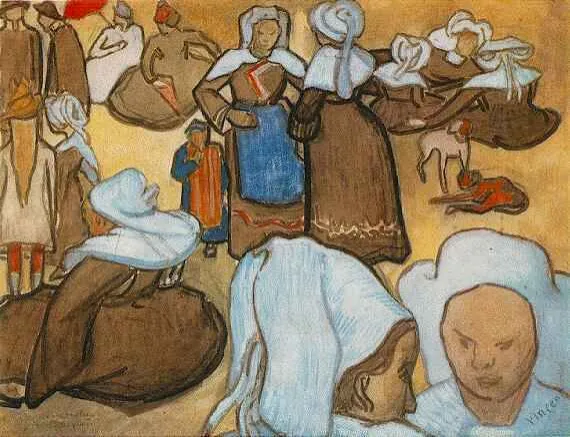
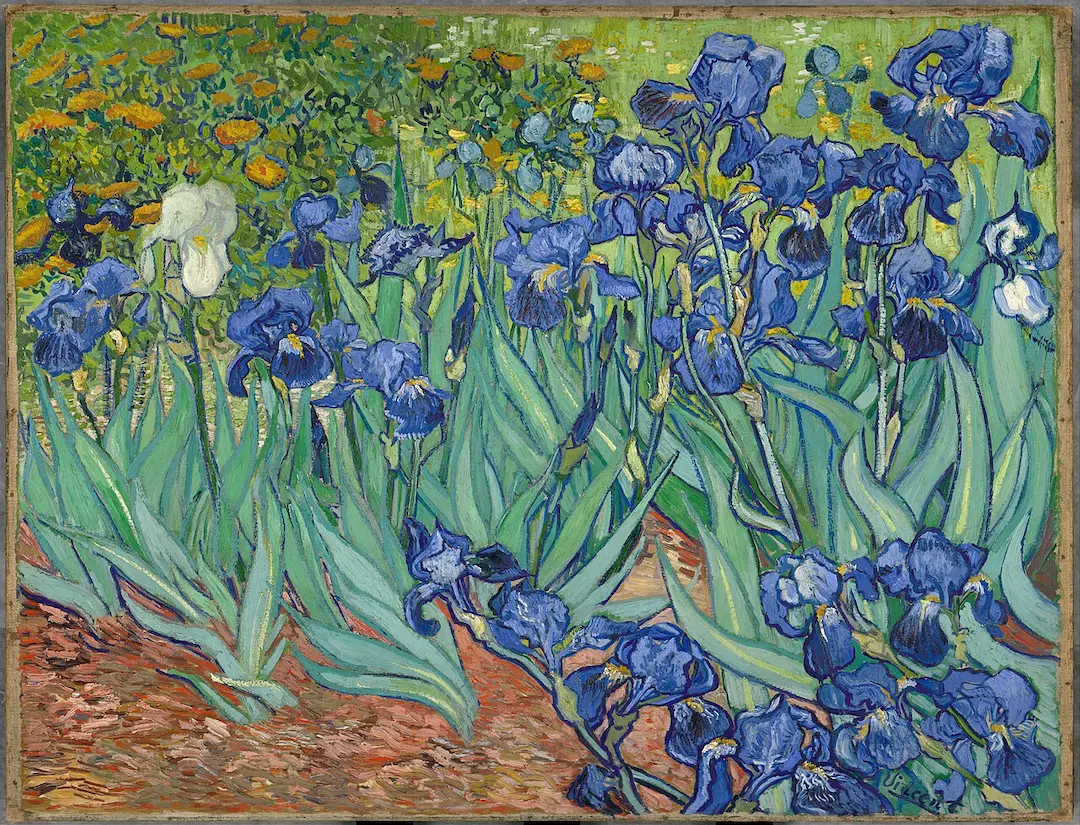
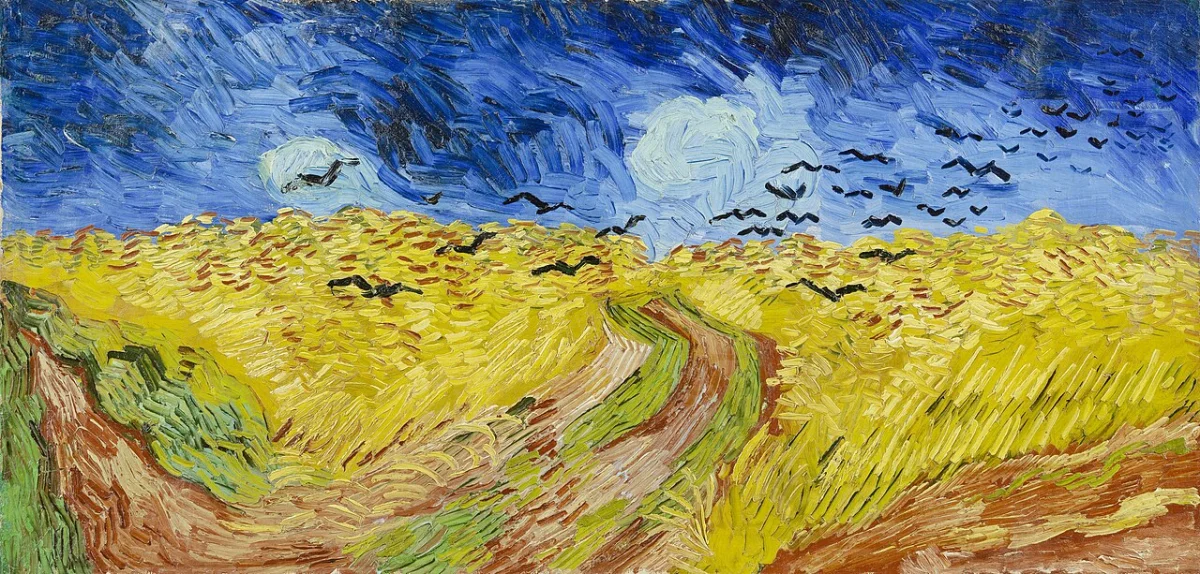
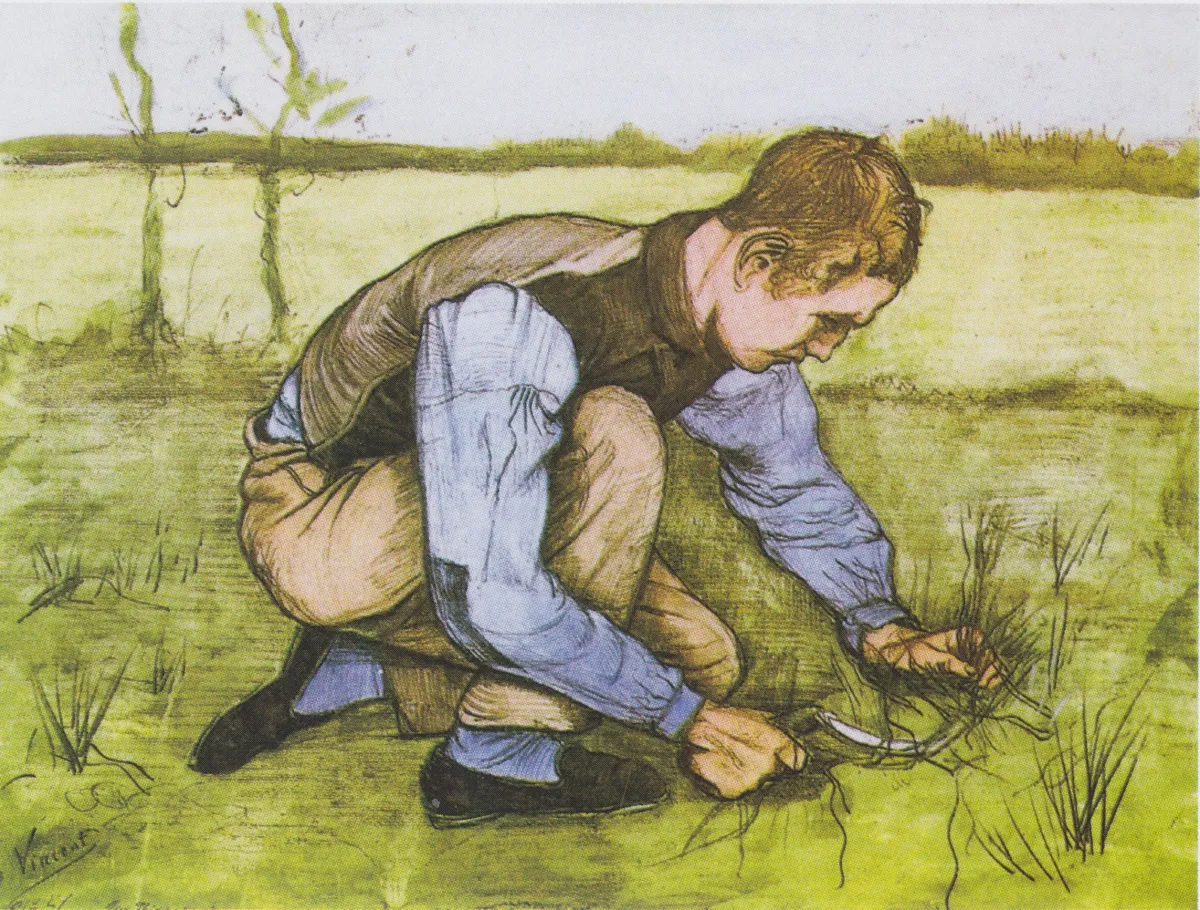
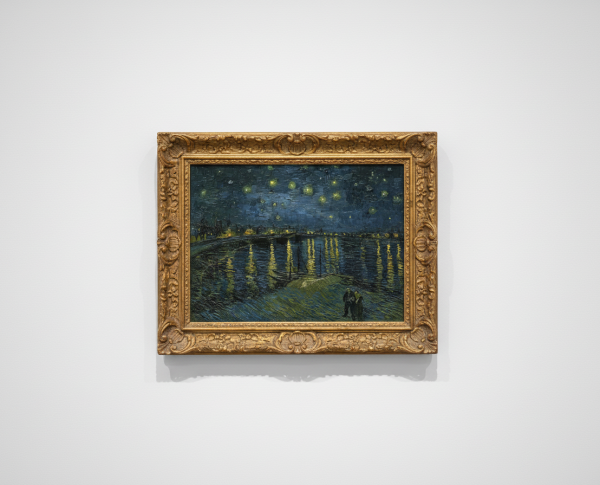
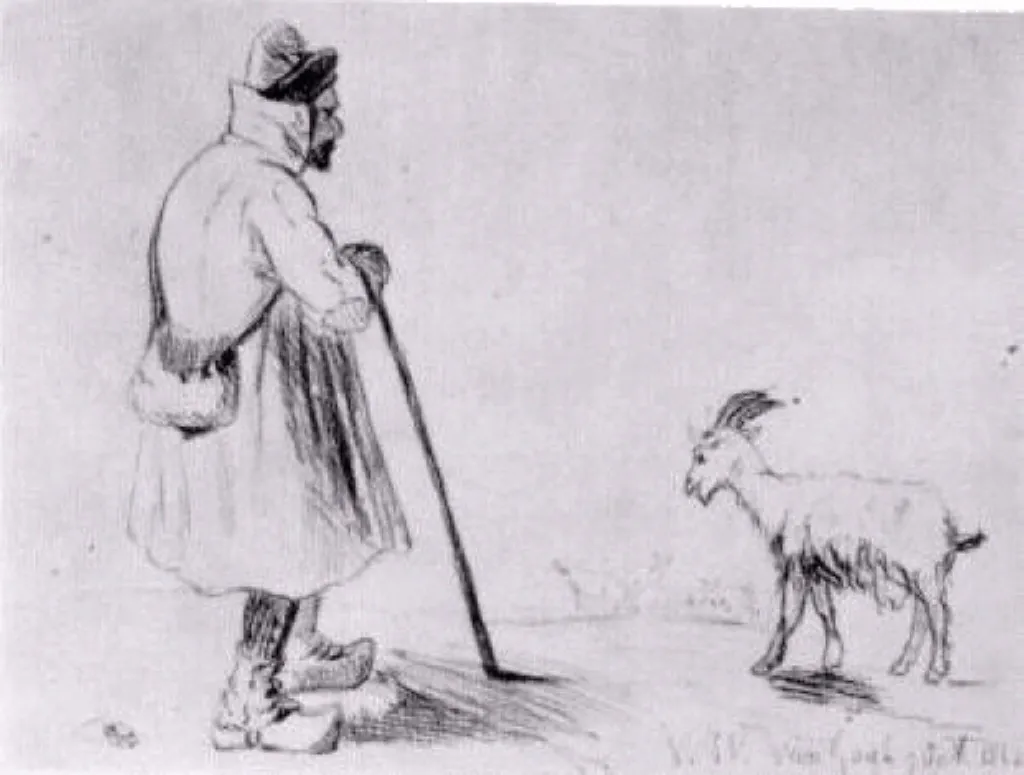
Vincent Van Gogh’s expert technique is evident in every brushstroke of "The Goat Herd," a stunning oil on canvas masterpiece. The textured layers and bold colors characteristic of Post-Impressionism breathe life into the pastoral scene. Those who appreciate Van Gogh’s artistry might also enjoy "Peach Trees in Blossom" and "Irises," which display similar mastery. This painting is a must-have for anyone admiring the evolution of oil on canvas in fine art history.
"The Goat Herd" is more than just a painting; it is a narrative woven with symbolism, reflecting Van Gogh’s deep connection to the land and its people. As a fine art painting for sale, it invites viewers to interpret the story behind the figures and landscape. Collectors often pair it with pieces like "Bridges Across The Seine At Asnieres" or "Peasant Woman Against a Background of Wheat" to explore the recurring themes in Van Gogh’s body of work.
Owning "The Goat Herd" means possessing a piece of art history from the celebrated Post-Impressionism movement. This hand-painted oil painting by Vincent Van Gogh is highly sought after by collectors worldwide. Its value is further enhanced when displayed alongside related works such as "Irises" or "Vase With Red Poppies." For those seeking a fine art painting for sale, "The Goat Herd" offers a unique blend of beauty, heritage, and artistic innovation.
When Art Meets History
Vincent Van Gogh’s "The Goat Herd" stands as a remarkable testament to the Post-Impressionism movement. Created during a pivotal era in art history, this hand-painted oil painting captures rural life with a sincerity that echoes Van Gogh’s personal journey. Similar to works like "Nave Nave Mahana" and "The Models," "The Goat Herd" not only showcases Van Gogh’s evolving style but also reflects the broader historical context in which Post-Impressionism flourished among modern artists.
Techniques That Speak
Van Gogh’s mastery is evident in the dynamic brushstrokes and vibrant palette of "The Goat Herd," a true oil on canvas masterpiece. The painting’s textured surface and bold color choices exemplify techniques that define Post-Impressionism. Like in "Fields with trees in Barbizon" and "The Seine at Courbevoie," Van Gogh’s use of impasto and expressive lines brings movement and emotion to his scenes, making each oil on canvas work uniquely captivating and visually engaging.
Emotions on Display
"The Goat Herd" resonates with intense emotion, a hallmark of Van Gogh’s fine art painting for sale. Through swirling skies and lively landscapes, the artist conveys both tranquility and turbulence, inviting viewers to experience the world through his eyes. This emotional depth is paralleled in related paintings such as "End of the pier, Honfleur," where Van Gogh’s sensitivity and passion for capturing human experience are beautifully rendered in every brushstroke.
Coveted by Collectors
As a distinguished example of Post-Impressionism, "The Goat Herd" by Vincent Van Gogh remains highly sought after by collectors. Its status as a fine art painting for sale is bolstered by its historical significance and artistic innovation. Like other masterpieces by Van Gogh and his contemporaries, including "The Models" and "Fields with trees in Barbizon," this painting continues to inspire admiration and demand among art enthusiasts and collectors worldwide.
Related Post-Impressionism Hand-Painted Oil Paintings by Other Artists
Other Famous Post-Impressionism Artists:
Frequently Asked Questions About The Goat Herd
What is the historical context of "The Goat Herd"?
"The Goat Herd" was painted by Vincent Van Gogh in 1883 during his time in the Netherlands. This period was marked by Van Gogh's exploration of rural life and his desire to depict the struggles and beauty of peasant existence.
What artistic techniques did Van Gogh use in "The Goat Herd"?
Van Gogh employed bold brushstrokes and a vibrant color palette in "The Goat Herd." His use of impasto technique adds texture to the painting, creating a dynamic interplay of light and shadow that brings the scene to life.
What themes are explored in "The Goat Herd"?
The painting explores themes of rural life, labor, and the connection between humans and nature. It reflects Van Gogh's admiration for the simplicity and authenticity of pastoral existence.
How does "The Goat Herd" reflect Van Gogh's artistic evolution?
This work represents a significant stage in Van Gogh's artistic evolution, showcasing his shift from dark, somber tones to brighter, more expressive colors. It marks his growing interest in capturing the emotional essence of his subjects.
What is the significance of the goat herd in the painting?
The goat herd symbolizes the pastoral lifestyle and the harmony between humans and nature. It serves as a representation of the rural community that Van Gogh sought to portray with empathy and respect.
Which influences can be seen in "The Goat Herd"?
Van Gogh was influenced by the Dutch Masters, particularly in his depiction of rural scenes. Additionally, the Impressionist movement's emphasis on light and color can be seen in his approach to this painting.
What role does color play in "The Goat Herd"?
Color plays a crucial role in conveying emotion and atmosphere in "The Goat Herd." Van Gogh's use of warm earth tones juxtaposed with vibrant greens emphasizes the vitality of the rural landscape and the life within it.
How does "The Goat Herd" compare to Van Gogh's other works?
Compared to his later works, "The Goat Herd" exhibits a more subdued palette and less emotional intensity. However, it lays the groundwork for his later masterpieces, where he would fully embrace color and emotional expression.
What can be inferred about Van Gogh's view on rural life from this painting?
Van Gogh's portrayal of rural life in "The Goat Herd" suggests a deep appreciation for the simplicity and authenticity of peasant existence. He viewed rural life as a source of inspiration and a reflection of human resilience.
Where is "The Goat Herd" currently displayed?
"The Goat Herd" is part of a private collection and is not currently on public display. However, it is occasionally featured in exhibitions focusing on Van Gogh's early works and his exploration of rural themes.






















_GFM_Painting_(1).webp)


 100% Hand-Painted: Finished in 3-6 Weeks

.png)
















_(1).webp)