



















_GFM_Painting_(1).webp)


Showing 0 ( )


GFM TrustScore 4.9


Your favourites are only temporarily saved. To find them back, create your account on GFM Painting!
Already have account ?
No gift cards in your cart.

GFM Painting is recognized for reproducing the masterpieces of Henryk Siemiradzki, including "Nero's Torches," "Phryne at the Poseidonia in Eleusis," and "The Sword Dance," using traditional hand-painted techniques to ensure museum-quality accuracy and authenticity.
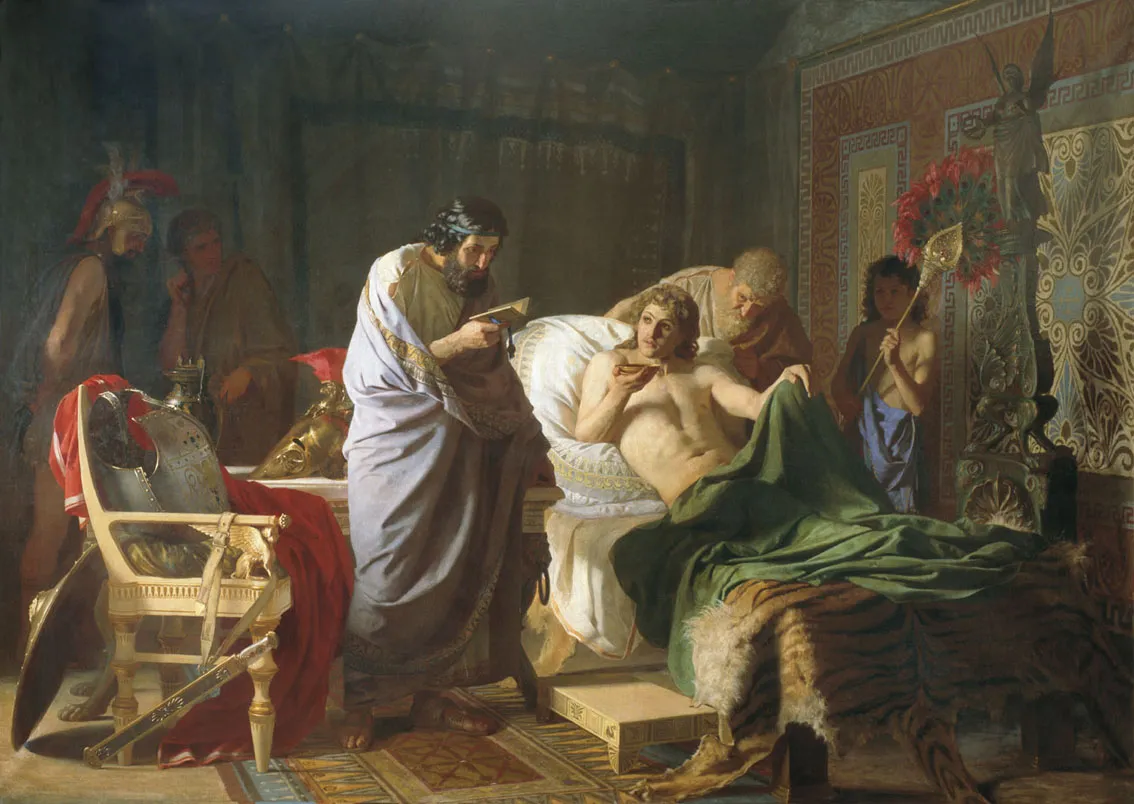
Henryk Siemiradzki is celebrated for his grand historical and biblical scenes, exemplified by works like Alexander of Macedon Trust's the Doctor Philip. Associated with Academic Art, he depicted vibrant, detailed compositions. His influence remains strong in 19th-century European painting. Learn more.
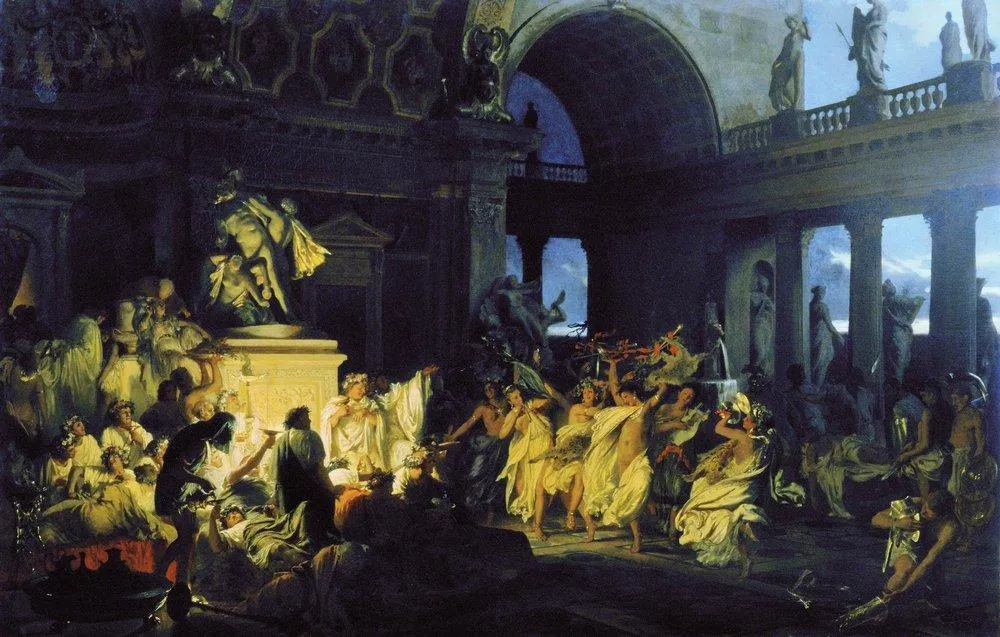
Henryk Siemiradzki developed his style through formal training at the Imperial Academy of Arts and by studying classical antiquity during his time in Rome. His paintings, such as Roman Orgy in the Time of Caesars, reflect Academic Art ideals. Read more.
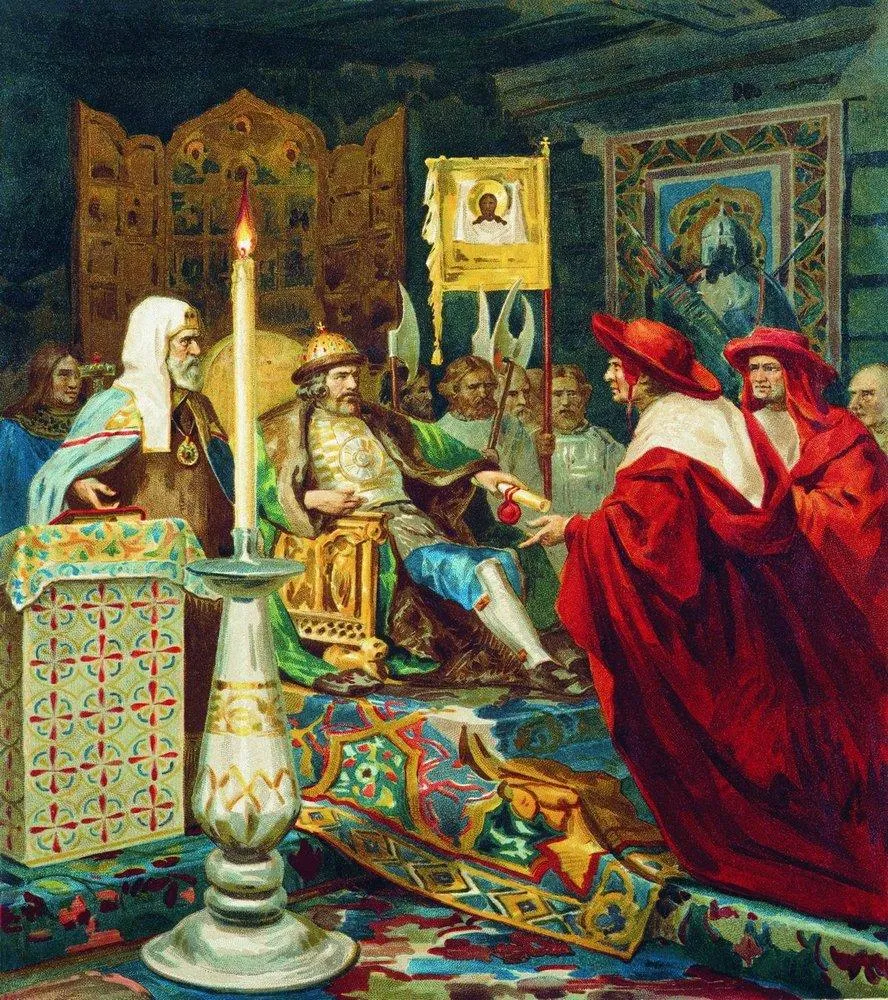
Henryk Siemiradzki is significant for his mastery of large-scale compositions and his role in popularizing Academic Art. Paintings like Prince Alexander Nevsky Receiving Papal Legates showcase his technical prowess and narrative depth. His legacy endures in European art history. See details.
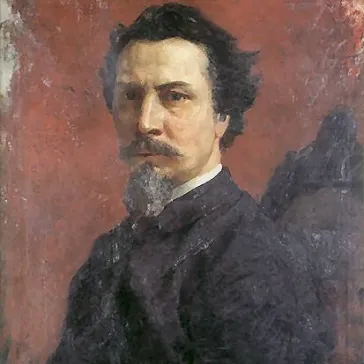
Henryk Siemiradzki (born November 15, 1843, in Poland) stands as a prominent figure in the world of Academic Art. Renowned for his grand historical and biblical compositions, Siemiradzki's legacy bridges the artistic traditions of 19th-century Europe with a uniquely Polish perspective. His meticulous attention to detail and passion for storytelling have made his paintings enduring favorites among art enthusiasts and collectors alike.
Siemiradzki's style is characterized by a harmonious blend of realism and idealism, hallmarks of the Academic tradition. He masterfully used light to create dramatic effects, often bathing his figures in a warm, Mediterranean glow. His works are celebrated for their lifelike anatomy, lush landscapes, and elaborate architectural backgrounds, all executed with precise brushwork. This attention to detail has inspired countless hand-painted reproductions and has set a benchmark for museum-quality artworks.
Employing classical techniques honed at the Imperial Academy of Arts in St. Petersburg, Siemiradzki excelled in oil painting on large canvases. His approach often involved extensive preliminary sketches and studies, ensuring each composition conveyed the intended narrative with clarity and emotional resonance. The artist’s palette favored vibrant yet naturalistic colors, which contributed to the immersive quality of his scenes.
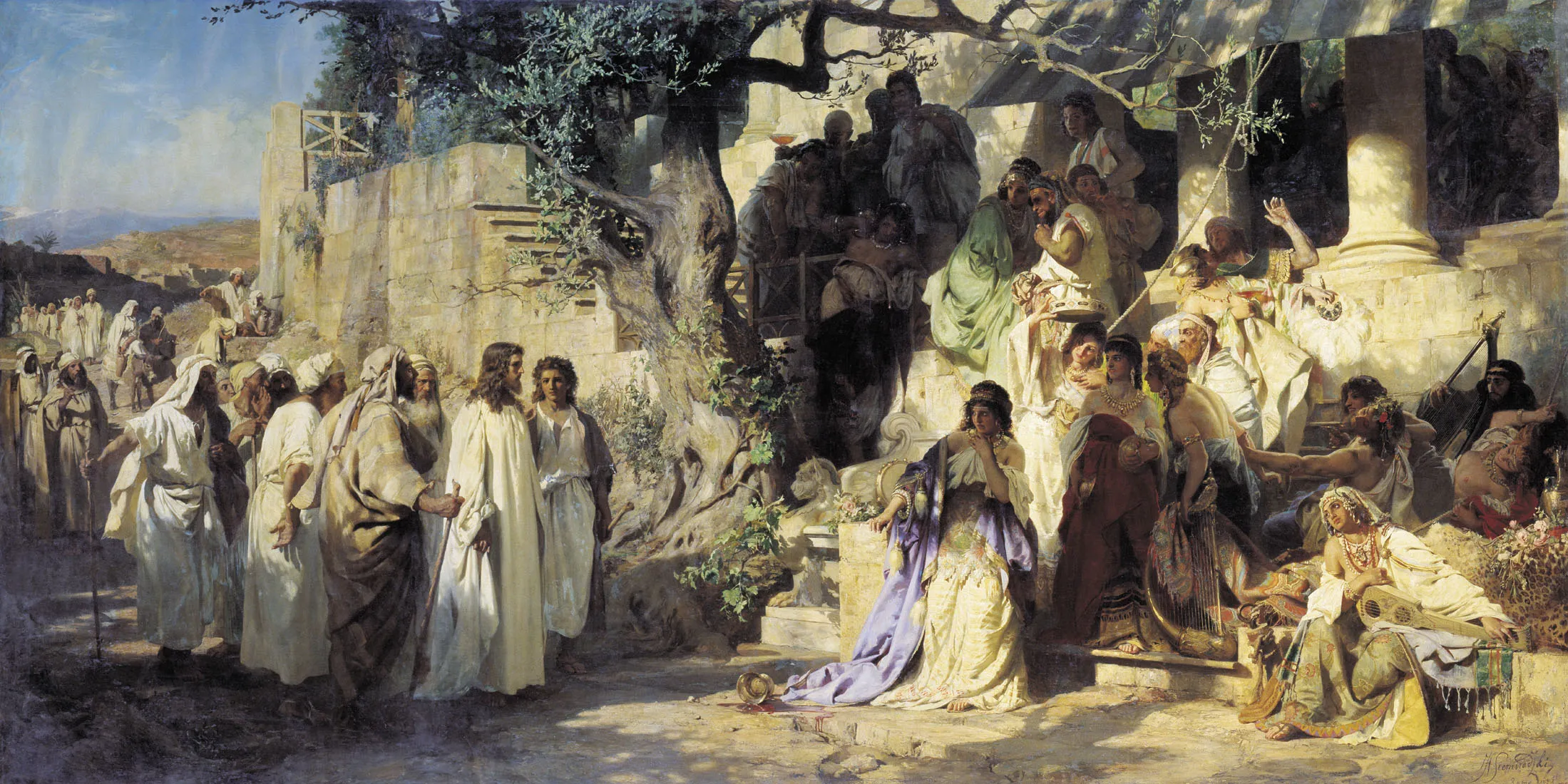
Some of Siemiradzki’s most celebrated paintings include “Nero’s Torches”, “The Sword Dance”, and “Christ and the Sinner”. These masterpieces frequently depict moments from ancient history, mythology, and the Bible, rendered with spectacular detail and grandeur. Today, his works are featured in major museums and continue to inspire both art historians and those seeking museum-quality, hand-painted reproductions for their collections.
As a leading figure of Academic Art in Eastern Europe, Siemiradzki’s influence extended beyond Poland, impacting artistic circles throughout Russia, Italy, and France. His commitment to traditional techniques and monumental subject matter contributed significantly to the preservation and evolution of Academic painting during a time of rapid artistic change. Collectors and admirers worldwide seek out his masterpieces and high-quality reproductions, ensuring his vision endures for generations to come.
Famous Museum Quality Handmade Oil Painting Reproductions.
Showing 0 ( )
Frequently Asked Questions
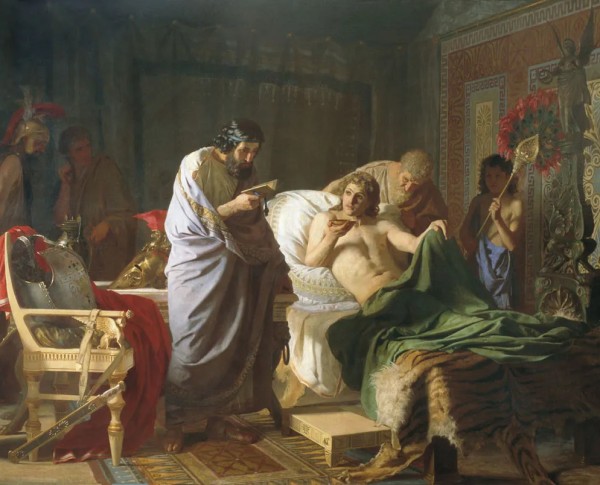
Alexander of Macedon Trust's the Doctor Philip by Henryk Siemiradzki Hand-Painted Oil Painting Original - GFM Painting..
VIEW MORE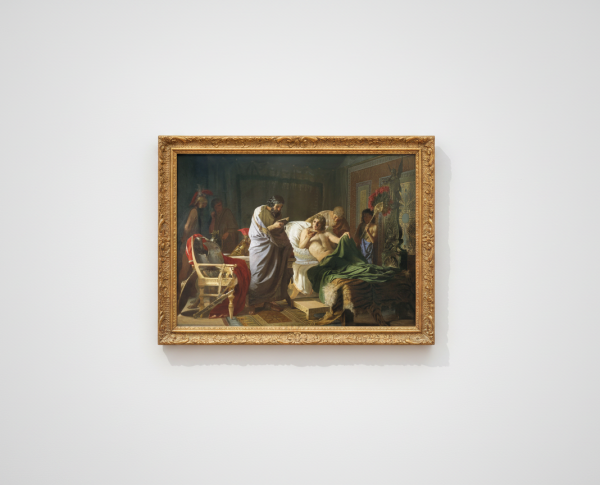
Alexander of Macedon Trust's the Doctor Philip by Henryk Siemiradzki Hand-Painted Oil Painting Reproduction - GFM Painting..
VIEW MORE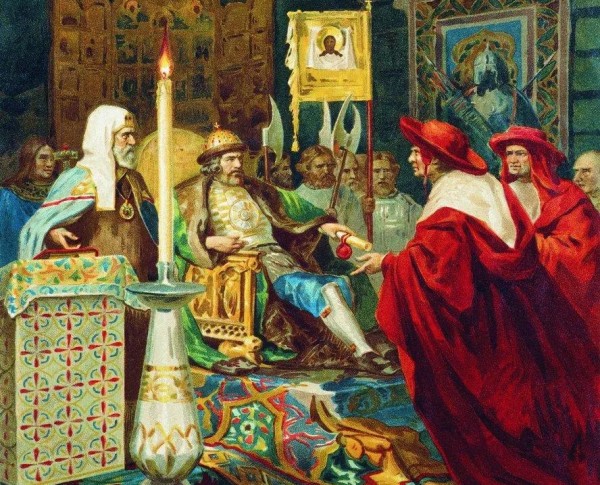
Prince Alexander Nevsky Receiving Papal Legates by Henryk Siemiradzki Hand-Painted Oil Painting Original - GFM Painting..
VIEW MORE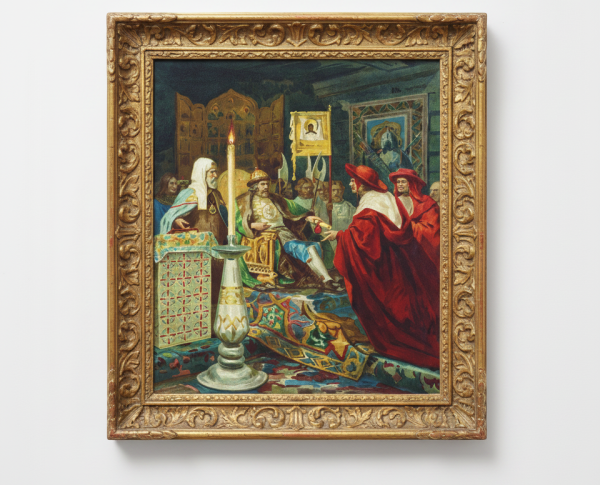
Prince Alexander Nevsky Receiving Papal Legates by Henryk Siemiradzki Hand-Painted Oil Painting Reproduction - GFM Painting..
VIEW MORE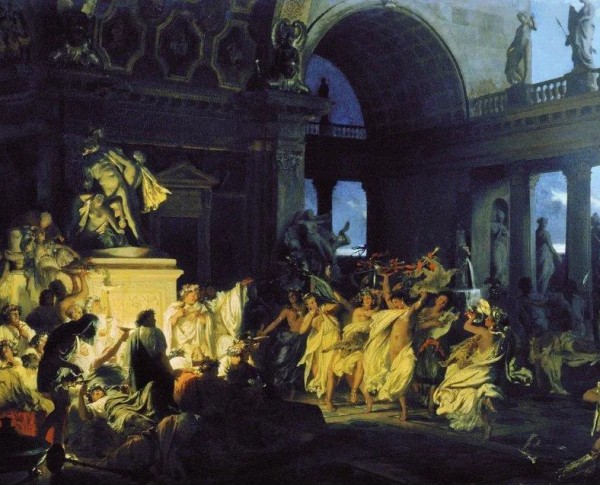
Roman Orgy in the Time of Caesars by Henryk Siemiradzki Hand-Painted Oil Painting Original - GFM Painting..
VIEW MORE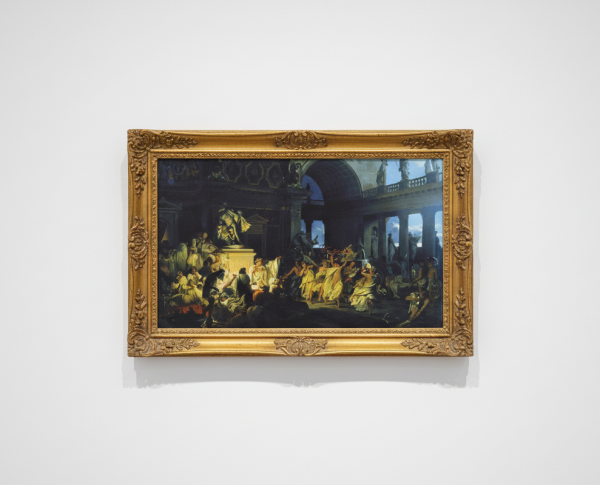
Roman Orgy in the Time of Caesars by Henryk Siemiradzki Hand-Painted Oil Painting Reproduction - GFM Painting..
VIEW MORE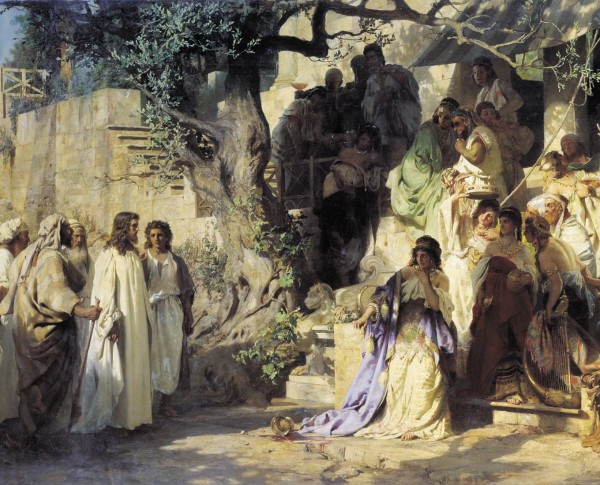
Christ and Sinner by Henryk Siemiradzki Hand-Painted Oil Painting Original - GFM Painting..
VIEW MORE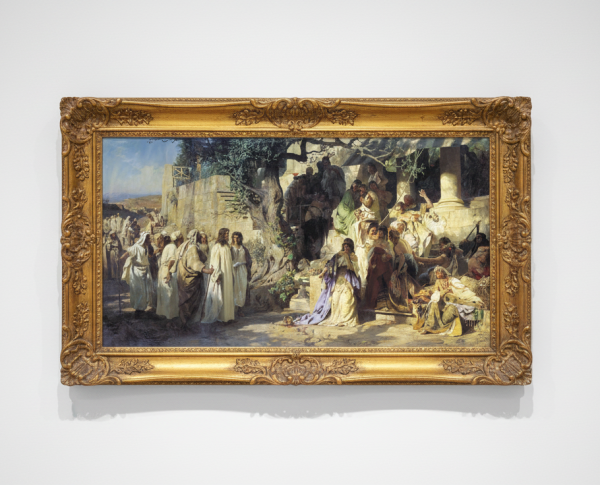
Christ and Sinner by Henryk Siemiradzki Hand-Painted Oil Painting Reproduction - GFM Painting..
VIEW MORE


 top
top






















 (1).webp)





