February 07, 2026

GFM Painting Logo
Beyond Impressionism: European Painters and Their Masterful Techniques – GFM Painting UK

How did artists featured in "Beyond Impressionism: European Painters and Their Masterful Techniques" move past traditional Impressionist methods?

Artists highlighted in "Beyond Impressionism: European Painters and Their Masterful Techniques" transcended Impressionism by exploring bold colour palettes, experimental brushwork, and innovative compositions. These painters sought to evoke emotion and meaning, embracing abstraction, symbolism, and individual expression, which marked a significant evolution in the European art landscape.

What are some hallmark techniques seen in "Beyond Impressionism: European Painters and Their Masterful Techniques"?

Within "Beyond Impressionism: European Painters and Their Masterful Techniques", hallmark approaches include pointillism, expressive impasto, and the use of non-naturalistic colours. These techniques allowed artists to push boundaries, capturing psychological depth and visual dynamism, distinguishing their work from the fleeting impressions of their Impressionist predecessors.

Why is "Beyond Impressionism: European Painters and Their Masterful Techniques" significant for today’s art enthusiasts?

"Beyond Impressionism: European Painters and Their Masterful Techniques" is significant as it reveals the roots of modern art, showcasing how creativity and technical mastery can redefine artistic expression. For contemporary audiences, this topic offers invaluable insight into the evolution of painting and the enduring influence of these pioneering European artists.

European Painting Mastery: Techniques, Materials, and Enduring Appeal

Non-Impressionist European painting encompasses centuries of innovation, tradition, and regional flair. While Impressionism often dominates art history’s spotlight, movements from the Pre-Raphaelites to the Vienna Secession reveal an equally profound dedication to technique and material mastery. On social media, hashtags like #PreRaphaeliteRevival and #SymbolismArt attract thousands of likes and shares, reflecting a renewed interest in these overlooked styles. Understanding the materials and craftsmanship behind these works not only enhances appreciation but also informs wise art buying and care decisions. This article explores the essential techniques, materials, and movements that shaped non-Impressionist European painting, offering practical insights for collectors and enthusiasts alike.

Contextualising Non-Impressionist European Painting

European art history is a vast landscape, with each movement responding to its predecessor’s innovations or limitations. While the Realists and Impressionists are often foregrounded, many pivotal movements and artists worked outside these boundaries, prioritising symbolism, narrative, or technical perfection over fleeting impressions of modern life. Understanding these contexts is vital for both appreciation and collecting.

Key Movements, Artists, and Visual Motifs

  • Pre-Raphaelite Brotherhood (Britain): Known for jewel-like colours, intricate details, and medieval themes.
  • Nazarene School (Germany): Emphasised spiritual purity and Renaissance-inspired techniques.
  • Vienna Secession (Austria): Combined symbolism with decorative, innovative surface treatments.
  • Spanish Symbolism: Blended dramatic realism with allegorical content and rich glazes.
  • Belgian Luminism: Focused on light and atmosphere, but with precise draftsmanship unlike Impressionism.
  • Russian Peredvizhniki (Wanderers): Prioritised social commentary through highly finished, narrative scenes.
  • Motifs: Medieval legend, biblical themes, allegory, nature, and the human psyche.
  • Emotions: Spiritual longing, nostalgia, melancholy, and awe.

These movements often overlap in their use of light or attention to modern life, but their technical approach and thematic focus set them apart from French Impressionism. Where Impressionism embraced spontaneity and loose brushwork, these painters favoured careful underdrawing, layered glazes, and a search for symbolic depth.

Historical Evolution of Materials and Technique

  1. Early 19th Century: Artists used handmade oil paints, stretched linen, and wooden panels, often preparing their own grounds with rabbit skin glue and chalk gesso.
  2. Mid-19th Century: Commercially prepared canvases and tube paints became available, improving colour consistency and portability.
  3. Late 19th–Early 20th Century: Experimentation with surface treatments, metallic leaf, and mixed media flourished, especially in Vienna and Britain.
  4. Studio Practice: Meticulous underdrawing, multiple layers of translucent glaze, and varnishing were standard, ensuring depth and longevity.
  5. Modern Conservation: Knowledge of historical materials informs restoration, helping preserve original colour and form for future generations.

For a deeper dive into these movements, visit our European Painting Movements Hub.

Artist Focus: Evelyn De Morgan and the Pre-Raphaelite Technique

One of the most compelling figures in British art beyond Impressionism is Evelyn De Morgan (1855–1919). A leading Pre-Raphaelite, De Morgan’s paintings are celebrated for their luminous surfaces, allegorical content, and technical brilliance. Her work exemplifies the meticulous approach to materials and method that defines much non-Impressionist European painting.

De Morgan worked primarily in oil on canvas, utilising fine-weave linen supports and hand-ground pigments. She began with detailed underdrawings in graphite, followed by carefully planned layers of paint. Each layer was allowed to dry before the next was applied, a process known as ‘glazing’. This method produces the jewel-like luminosity and subtle modelling seen in works such as ‘Aurora Triumphans’ and ‘The Soul’s Prison House’.

Her palette was rich and symbolic, often dominated by blues, golds, and reds, reflecting her interest in alchemy and spiritual transformation. De Morgan’s craft was not only about visual beauty but also about ensuring the durability of her vision for generations to come.

Painting Materials and Techniques Explained

What sets non-Impressionist European painting apart is the attention to both the science and poetry of materials. The choice of canvas, pigments, binders, and varnishes was never incidental but an integral part of the artist’s process.

Canvas and Supports: Linen was the preferred choice for its strength and smooth texture, allowing for fine detail. Artists would stretch the linen over wooden stretcher bars, sizing it with rabbit skin glue to protect the fibres from oil absorption. Some, particularly in Spain and Russia, continued using wooden panels for their stability.

Pigments and Paints: Before the advent of commercial tubes, artists mixed their own paints using natural pigments and linseed oil. Ultramarine, derived from lapis lazuli, was prized for its brilliance, while earth pigments such as ochre and umber provided stability and warmth. The quality of these materials directly impacted the colour’s longevity and vibrancy.

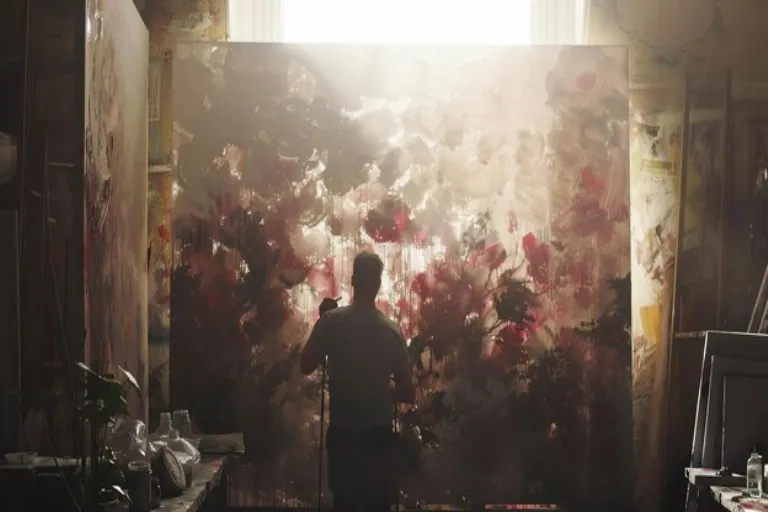
Layering and Glazing: Unlike the direct painting (alla prima) favoured by Impressionists, non-Impressionist artists built their images slowly. An underdrawing or ‘cartoon’ guided the composition, followed by a monochrome underpainting (grisaille) to establish values. Subsequent layers of transparent glaze created depth, subtlety, and a sense of inner light.

Varnishing and Finishing: The final step involved applying a natural resin varnish, which unified the surface and enhanced colour saturation. This also protected the painting from dust and environmental damage, though periodic cleaning and re-varnishing are necessary for long-term care.

Attention to these materials and techniques is not mere tradition—it is the foundation of a painting’s resilience and enduring beauty. Collectors and conservators today look for evidence of such craftsmanship when assessing a work’s value and condition.

Visual Themes and Studio Practice Across Europe

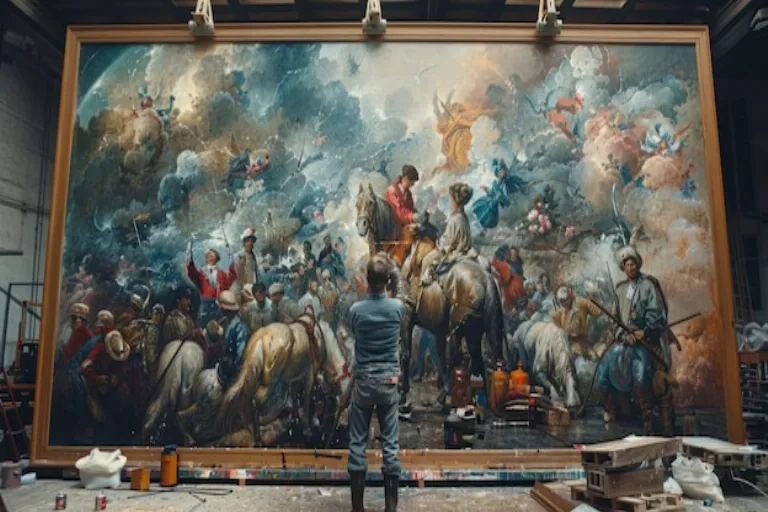
Beyond materials, non-Impressionist European painters distinguished themselves through their choice of subject and the discipline of their studio routines. Medieval legend, biblical stories, allegory, and psychological depth were recurring themes, rendered with a precision and care that demanded both patience and technical knowledge.

For example, the Nazarene painters of Germany sought to revive the spiritual clarity of early Renaissance art, meticulously preparing their surfaces and layering pure, luminous colours. The Vienna Secessionists, meanwhile, embraced decorative pattern and gold leaf, blending innovation with ancient craft. In Spain, Symbolists like José Villegas Cordero used dramatic chiaroscuro and rich glazes to evoke emotion and mystery.

Studio practice often involved preparatory sketches, studies from live models, and careful planning of the composition before a single brushstroke touched the canvas. This disciplined approach resulted in works that continue to captivate viewers and collectors alike, centuries after their creation.

Seasonal and Emotional Resonance in Non-Impressionist Painting

While Impressionists are celebrated for capturing ephemeral light and atmosphere, non-Impressionist painters explored the seasons of the soul—using visual cues, colour, and symbolism to evoke deep emotional responses. Their work resonates with audiences today, as trending Instagram posts featuring Pre-Raphaelite or Symbolist art often attract comments about the paintings’ “haunting beauty” or “timeless magic.”

Key Emotional and Seasonal Motifs

  • Spring: Renewal, hope, and spiritual awakening, rendered in fresh greens and golds.
  • Autumn: Nostalgia, melancholy, and reflection, depicted through russet tones and falling leaves.
  • Winter: Solitude, endurance, and purity, expressed in cool blues and silvery light.
  • Summer: Passion, abundance, and transformation, conveyed through vibrant reds and lush landscapes.
  • Emotional motifs: Longing, transcendence, loss, and redemption, often embedded in allegorical figures or mythic narratives.

These seasonal and emotional cues invite viewers to reflect on their own experiences, making the art both personal and universal.

Buyer and Collector Insights: Choosing and Caring for Non-Impressionist Paintings

For today’s collectors, understanding materials and technique is as important as recognising an artist’s name. Non-Impressionist European paintings, with their emphasis on craftsmanship, offer lasting beauty and investment potential—provided you know what to look for.

Step-by-Step Guide to Assessing Quality and Longevity

  1. Examine the Surface: Look for clarity of colour, smooth layering, and subtle transitions—signs of glazing and skilled brushwork.
  2. Check the Support: Is the canvas fine-weave linen, or a cheaper cotton? Is the stretcher stable and free of warping?
  3. Research the Artist’s Studio Practice: Did they prepare their own grounds, use natural pigments, or follow traditional methods?
  4. Review Condition Reports: Look for notes on restoration, cleaning, or re-varnishing—these can indicate both care and potential issues.
  5. Consult Experts: If in doubt, seek advice from conservators or reputable galleries familiar with non-Impressionist European art.

Collector Takeaways

  • Craftsmanship impacts both beauty and value—invest in well-made works.
  • Historical technique often means greater longevity and easier restoration.
  • Unique regional styles and under-recognised artists can offer excellent value.
  • Proper care—archival framing, stable climate, and minimal direct light—preserves your investment.
  • Engaging with online communities (e.g., #PreRaphaeliteRevival) can yield discovery and inspiration.

Conclusion: Rediscovering the Art of Craft

As interest in non-Impressionist European painting grows—fuelled by social media and a renewed appreciation for technical mastery—collectors and enthusiasts have the opportunity to explore a rich, often overlooked heritage. Understanding materials and technique is not just for specialists; it is the key to unlocking the enduring power and beauty of these works. Whether you are drawn to the luminous glazes of the Pre-Raphaelites, the spiritual clarity of the Nazarenes, or the decorative innovation of the Vienna Secession, the art of craft awaits your discovery. Visit our gallery or online hub to begin your journey into the world of European painting beyond Impressionism.

Exploring the Craftsmanship and Enduring Allure of Non-Impressionist European Painting

European painting flourished well beyond the boundaries of Impressionism, offering a rich tapestry of techniques and traditions.

From the luminous glazes of Old Masters to the bold brushwork of Symbolists, craftsmanship has remained central.

Today, collectors and enthusiasts are rediscovering these overlooked movements through social media hashtags like #ArtHistory and #OldMasters.

Understanding materials and studio practices can deepen your appreciation and inform wise collecting decisions.

This guide explores how European artists shaped their legacy through mastery of paint, canvas, and vision—inviting you to look closer.

FAQ

Frequently Asked Questions

What materials did non-Impressionist European painters typically use?

Non-Impressionist European painters primarily used oil paints on canvas or wooden panels, with high-quality natural pigments, linen or cotton canvas, and traditional binders like linseed oil. These materials allowed for detailed layering, glazing, and durable, luminous finishes that have lasted centuries.

How do painting techniques differ from Impressionist methods?

Non-Impressionist painters often employed precise underdrawing, careful layering, and glazing techniques, focusing on clarity, detail, and idealised forms. This contrasts with Impressionist methods, which prioritised loose brushwork, visible strokes, and capturing fleeting light effects without preparatory sketches.

Why is craftsmanship important in European painting?

Craftsmanship ensures the longevity, beauty, and integrity of a painting. Skilled preparation of supports, mastery of paint handling, and attention to archival materials help artworks withstand time and environmental changes, preserving their visual and historical value.

What are some under-recognised European painting movements?

Movements such as the British Pre-Raphaelites, German Nazarene School, Vienna Secession, and Spanish Symbolism are often overshadowed by Impressionism but offer unique visions, technical mastery, and rich thematic content.

How can collectors assess the quality of a painting’s materials and technique?

Collectors should examine the clarity, texture, and finish, research the artist’s studio practice, and consult condition reports. Authentic materials, skilled layering, and stable supports indicate lasting quality and value.

What care is required for oil paintings on canvas?

Oil paintings need stable humidity, indirect light, and minimal handling. Framing with archival materials, regular dusting, and occasional professional assessment help preserve their condition for generations.

How did regional traditions influence European painting techniques?

Local materials, artistic training, and cultural themes shaped regional styles. For example, British artists often used fine-weave linen and detailed underpainting, while Spanish painters favoured bold contrasts and rich glazes.

Which non-Impressionist artists are seeing renewed interest online?

Artists like Evelyn De Morgan, Arnold Böcklin, Gustav Klimt, and José Villegas Cordero are trending on platforms like Instagram and Pinterest, with hashtags such as #SymbolismArt and #PreRaphaeliteRevival.

What role do pigments and binders play in painting quality?

High-quality natural pigments and stable binders like linseed oil produce richer colours and more durable surfaces. Cheaper or synthetic alternatives can fade or crack over time, affecting both appearance and value.

How can understanding technique enhance art appreciation?

Knowing how a painting was constructed—layer by layer—reveals the artist’s intent, skill, and innovation. This deeper awareness enriches your viewing experience and informs thoughtful collecting.

Can't Find What You Are Looking For

Contact Us

Sign up to receive the latest news from GFM Painting via email, including exclusive offers and updates...

PORTRAIT & REPRODUCTION
| | | |
PORTRAIT & REPRODUCTION
Show prices in

GFM Designer Ltd
Maultway Court
67-69 Ruxley Lane
Epsom, Surrey
KT19 0JG. UK
E-MAIL : info@gfmpainting.co.uk
PHONE : +44 (0) 203 592 3482
MOBILE : +44(0) 7834 393 396

  • Copyright GFM Designer 2026
  • Company Registration : 07286936
| | | |
GFM Painting top
GFM Painting