Your favourites are only temporarily saved. To find them back, create your account on GFM Painting!
Already have account ?
No gift cards in your cart.
February 07, 2026


Symbolism in European Painting: A Journey Beyond Reality played a pivotal role in modern art by emphasising imagination, dreams, and inner experiences over literal representation. This movement inspired later artists to explore abstraction and psychological depth, paving the way for innovative styles such as Surrealism and Expressionism across Europe and beyond.
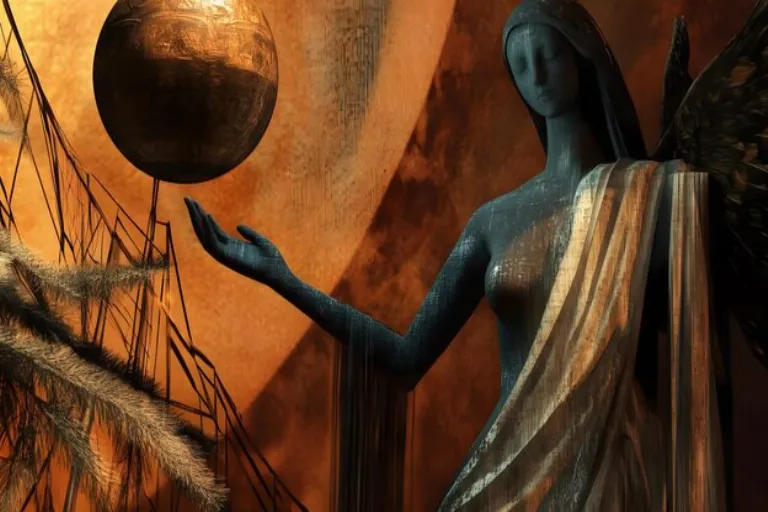
Symbolism in European Painting: A Journey Beyond Reality often features motifs such as mythical creatures, ethereal landscapes, and enigmatic female figures. These elements serve to evoke mystery, spirituality, and the subconscious, inviting viewers to interpret artworks through personal intuition rather than relying solely on visible reality.
Symbolism in European Painting: A Journey Beyond Reality remains relevant today because it addresses universal themes like desire, mortality, and the search for meaning. Contemporary viewers are drawn to its dreamlike imagery and emotional resonance, which continue to inspire reflection and a deeper engagement with the mysteries of human experience.
Symbolism in European painting is an art movement that flourished from the 1880s, prioritising the representation of dreams, emotions, and the unseen aspects of human experience. Rather than focusing on the external world, Symbolist artists used allegory, myth, and evocative imagery to convey inner truths and spiritual realities.
In an era where art lovers and collectors seek meaning beyond the surface, Symbolism in European painting captures the imagination anew. Unlike the well-trodden paths of Realism or Impressionism, Symbolism offers a visionary escape—a portal into the subconscious and the mystical. Recent social media trends, such as #SymbolistArt, #DreamlikePainting, and #ArtForTheSoul, reveal a growing appetite for artworks that transcend the everyday, offering solace and inspiration in uncertain times. This resurgence is visible across Instagram, TikTok, and Pinterest, where emotionally charged, enigmatic imagery garners thousands of likes, shares, and saves. For collectors and enthusiasts, Symbolist art is not only a journey into the past but a living, breathing source of emotional and spiritual enrichment.
Emerging in the late 19th century, Symbolism represented a profound shift in European art. Artists across France, Belgium, Britain, and beyond sought to move beyond mere representation, instead delving into the realms of myth, poetry, and the psyche. While Realism and Impressionism focused on the external, Symbolism looked inwards—towards the soul, the dream, and the ineffable.
Symbolism’s roots lay partly in Romanticism, with its emphasis on individual emotion and the sublime, but the Symbolists went further, creating a visual language for the intangible. This movement was not confined to painting; it spanned literature, theatre, and even music, forming a pan-European phenomenon that influenced later movements such as Surrealism and Expressionism.
To explore more about Symbolism and related movements, visit our Symbolism Movement Hub.
Among Symbolist painters, several stand out for their unique visions and lasting influence. In France, Gustave Moreau became known for his intricate, jewel-like depictions of myth and allegory, blending classical references with personal symbolism. Odilon Redon, another French master, turned inward, creating ethereal pastels and charcoals populated by fantastical creatures and floating flowers, evoking an atmosphere of meditative reverie.
Belgium produced its own luminaries, such as Fernand Khnopff, whose enigmatic portraits and dreamlike landscapes merge psychological depth with formal restraint. Arnold Böcklin of Switzerland, meanwhile, conjured haunting, melancholic visions—his “Isle of the Dead” remains an icon of European Symbolism, inspiring countless artists and composers.
Britain’s contribution is equally significant, though often overlooked. George Frederic Watts, sometimes called “England’s Michelangelo,” used allegorical imagery to probe themes of hope, fate, and mortality. Edward Burne-Jones, closely associated with the Pre-Raphaelite Brotherhood, blended medieval romance with Symbolist sensibility, creating luminous, otherworldly scenes. John Roddam Spencer Stanhope and Simeon Solomon expanded the movement’s reach, weaving classical myth and personal narrative into their works.
Symbolist painting is immediately recognisable for its evocative use of colour, composition, and subject matter. Artists often favoured jewel tones—deep blues, glowing golds, and mysterious purples—that contribute to an atmosphere of enchantment or melancholy. Figures are frequently elongated, stylised, or placed in ambiguous, dreamlike settings, encouraging the viewer to interpret rather than simply observe.
Motifs recur: the femme fatale, the angel, the ghostly child, the enchanted forest. These are not mere decorative flourishes but stand-ins for complex emotional or psychological states—desire, fear, innocence, spiritual longing. Unlike Impressionism, which captures the fleeting effects of light and the bustle of urban life, Symbolism seeks to freeze a moment of revelation or contemplation, inviting viewers to linger in a suspended, timeless space.
Technically, Symbolist painters were experimental yet rooted in tradition. Many employed meticulous layering, glazes, or pointillist touches, while others, like Redon, embraced pastels and charcoal for their softness and atmospheric potential. This versatility allowed for both highly detailed and more abstracted, suggestive works—each tailored to the artist’s particular vision.
Symbolist art is uniquely attuned to the inner life, rendering emotions as landscapes and allegories. This makes it particularly resonant for viewers seeking depth and introspection in their art collections. The movement’s visual language lends itself to seasonal and emotional interpretation, as summarised below:
Social media posts that highlight these themes—especially during autumn or around All Hallows’ Eve—see spikes in engagement, as users seek art that mirrors their own emotional cycles and seasonal reflections.
Collecting Symbolist art offers a rewarding blend of historical significance and contemporary relevance. Whether you’re drawn to the movement’s mystical imagery, emotional resonance, or technical mastery, there are practical steps to building a meaningful collection.
Symbolism in European painting remains a wellspring of inspiration, mystery, and emotional depth. Whether you are new to the movement or seeking to expand your collection, these visionary works offer a timeless invitation to explore the unseen. We invite you to discover our curated selection of Symbolist art, engage with our experts, and experience the transformative power of painting that looks beyond reality. Your journey into the mystical and the meaningful begins here.
Symbolism in European painting invites viewers into realms of dream, myth, and introspection.
This movement emerged as a reaction against realism and materialism in the late 19th century.
Symbolist artists sought to express the ineffable—ideas, emotions, and spiritual truths—through imaginative visual language.
Contemporary collectors and art enthusiasts are rediscovering Symbolism via trending hashtags like #SymbolistArt and #MysticalPainting.
Today, these visionary works offer both a historical anchor and a fresh emotional resonance in modern interiors.
Frequently Asked Questions
Symbolism is an art movement that emerged in late 19th-century Europe, focusing on expressing ideas, emotions, and spiritual experiences through symbolic imagery, rather than depicting the visible world realistically.
Key Symbolist artists include Gustave Moreau, Odilon Redon, Fernand Khnopff, Arnold Böcklin, and British figures like George Frederic Watts and John Roddam Spencer Stanhope.
Unlike Impressionism, which captures fleeting light and modern life, Symbolism delves into the imagination, mythology, and spiritual themes, using evocative, dreamlike imagery rather than direct observation.
Symbolist painting often explores dreams, mythology, mortality, love, spiritual quests, and the subconscious, using allegory and fantastical motifs to evoke emotional and psychological responses.
Symbolist art resonates with modern audiences seeking emotional depth, mystical narratives, and evocative visuals, fitting current social media trends and interior design preferences for the magical and introspective.
Begin by researching artists and galleries specialising in Symbolism, consult experts, attend auctions, and look for authenticated works or quality prints that fit your taste and budget.
Yes, British Symbolists like George Frederic Watts, Edward Burne-Jones, and Simeon Solomon contributed significantly to the movement, blending classical allegory with personal and national mythologies.
Symbolist painters often used rich, layered colours, meticulous detail, and unusual compositions to create dreamlike, otherworldly effects, sometimes blending traditional oil techniques with experimental approaches.
Absolutely. Symbolist art’s rich colours and evocative themes add depth, mystery, and a unique, contemplative atmosphere to contemporary spaces, appealing to collectors and designers alike.
Major museums like Tate Britain (London), Musée d'Orsay (Paris), and the Musée des Beaux-Arts (Ghent) hold important Symbolist works, while specialist galleries frequently stage themed exhibitions.

GFM Designer Ltd
Maultway Court
67-69 Ruxley Lane
Epsom, Surrey
KT19 0JG. UK
E-MAIL : info@gfmpainting.co.uk
PHONE : +44 (0) 203 592 3482
MOBILE : +44(0) 7834 393 396