☰

November 17, 2026

GFM Painting Logo
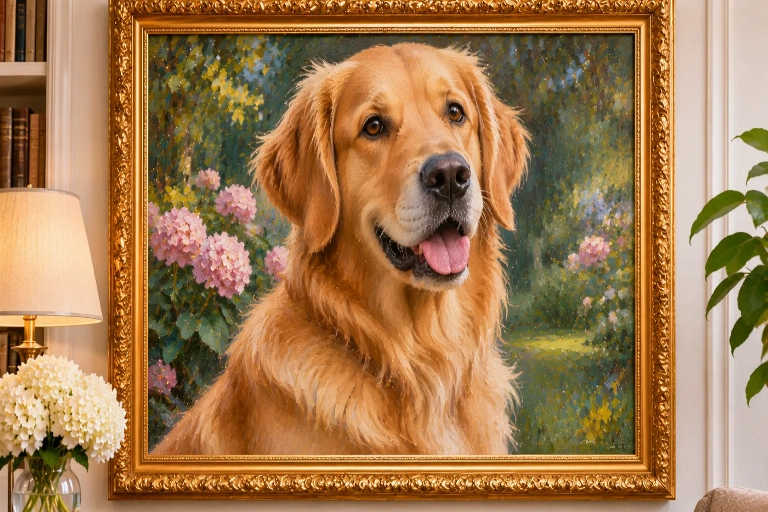
Hand-painted oil portrait of a golden retriever with expressive brown eyes and detailed golden fur, displayed in an ornate gold frame.

Pets are an important part of family life. Whether it is a loyal dog, an affectionate cat, a much-loved horse or another treasured companion, each animal has its own personality, expressions and distinctive characteristics. A hand-painted pet portrait offers a special way to celebrate that connection and preserve a lasting memory.

Unlike a standard photograph, a commissioned painting allows an artist to interpret an animal's character through colour, brushwork, composition and artistic technique. From a realistic oil painting to a delicate watercolour or contemporary acrylic portrait, the artwork can be created around your favourite photographs and personal preferences.

Commissioning a pet portrait involves several decisions, including selecting suitable photographs, choosing the artistic style, agreeing the composition, deciding on the size and understanding the cost and timescale. This guide explains each stage so you can approach your commission with confidence.

How Do You Commission a Pet Portrait?

To commission a pet portrait, begin by selecting clear photographs that show your pet's appearance and personality. Decide whether you prefer a head-and-shoulders portrait, a full-body composition or a painting that includes a favourite setting. Share the photographs and requirements with a specialist artist, who can assess the references, discuss the painting medium, size and style, and provide a quotation. Once the details and timescale have been agreed, the commission can be confirmed and the painting can begin.

Can a Pet Portrait Be Painted from a Photograph?

Yes. A hand-painted pet portrait can be created from one or more photographs. The artist uses the images to study the animal's facial features, markings, coat colour, eyes, expression and proportions. Additional photographs can help clarify details that are not visible in the main reference image. Clear, well-lit photographs generally provide the best starting point for an accurate and recognisable portrait.

What Is the Best Medium for a Pet Portrait?

Oil painting is well suited to detailed pet portraits because it allows rich colours, subtle tonal transitions and careful development of fur and facial features. Watercolour offers a softer, more delicate appearance, while acrylic provides versatility for realistic and contemporary styles. The best medium depends on the desired finish, the animal being painted, the composition and the artist's specialist experience.

Why Commission a Hand-Painted Pet Portrait?

A pet portrait is more than a decorative image. It is a personal artwork that celebrates the relationship between an animal and the people who care for it. Pets often become part of the family, sharing everyday routines, important milestones and countless memories.

Celebrating Your Pet's Personality

Every animal has individual characteristics. A dog's attentive expression, a cat's distinctive gaze, a horse's elegant posture or a rabbit's gentle appearance can all provide inspiration for a portrait.

A skilled artist studies these details to create an image that feels recognisable and personal. The aim is not simply to reproduce the animal's physical appearance, but to capture the qualities that make that particular pet special.

A Personal Gift for Animal Lovers

A commissioned pet portrait can make a thoughtful gift for birthdays, Christmas, anniversaries and other special occasions. It can also celebrate a new pet, mark an adoption anniversary or recognise the important place an animal holds within a family.

Because the artwork is created using personal photographs, it can be tailored to the recipient's favourite image, preferred style and intended display space.

A Lasting Memorial for a Much-Loved Pet

Pet portraits can also provide a meaningful way to remember an animal that has passed away. A painting based on favourite photographs can preserve its appearance and distinctive personality.

For memorial commissions, the choice of photograph, expression and background can be particularly important. Customers may prefer a simple portrait that focuses on the animal's face or a composition that includes a familiar setting or meaningful object.

When working from older photographs, the artist should assess their clarity and explain whether they provide sufficient information for the requested level of detail.

Planning Your Pet Portrait Before Commissioning

Before contacting an artist, consider what you would like the finished painting to represent. A little preparation helps clarify the subject, composition, preferred medium and overall appearance.

Choose the Type of Pet Portrait

Pet portraits can be created in several different formats, depending on the animal, photographs and intended display.

  • Head-and-shoulders portrait: Focuses on the animal's face, eyes and distinctive expression.
  • Full-body portrait: Shows the complete animal, including its posture, proportions and physical characteristics.
  • Close-up portrait: Emphasises facial details, fur texture, eyes and expression.
  • Pet in a favourite setting: Includes a garden, home interior, stable, field or another familiar environment.
  • Multiple-pet portrait: Brings two or more animals together in one composition.
  • Pet and owner portrait: Includes the animal alongside its owner or another family member.
  • Memorial pet portrait: Celebrates the memory of a much-loved companion.

The choice of format should be considered alongside the available photographs and the dimensions of the intended painting.

Choose the Expression and Pose

The expression is often the most important part of a pet portrait. Some owners prefer a photograph showing their pet looking directly towards the camera, while others choose a relaxed pose that reflects its natural behaviour.

Consider whether you want the animal sitting, standing, lying down, running or interacting with another pet. The photograph should show the features and posture that you want the artist to preserve.

Consider the Background

The background can be simple and understated or based on a meaningful location. A neutral background keeps attention on the animal, while a garden, landscape, home interior or stable can add personal context.

Some owners prefer the setting to be included because it is part of the pet's story. Others want the animal to remain the sole focus. Discuss the options with the artist before confirming the commission.

Choosing the Right Reference Photographs

Reference photographs are essential to a successful pet portrait. They provide the artist with information about the animal's facial structure, coat colour, markings, eyes, proportions and distinctive characteristics.

Ideally, the photographs should be clear, well-lit and detailed enough to show the animal accurately. It is often useful to provide several photographs rather than relying on a single image.

What Makes a Good Pet Portrait Photograph?

  • Clear facial features: The eyes, nose, ears and overall shape of the face should be visible.
  • Good lighting: Natural light can help reveal coat colours and facial details.
  • Sharp focus: Avoid photographs where the animal's face or eyes are blurred.
  • Suitable resolution: Higher-resolution photographs generally provide more detail for the artist to study.
  • Natural expression: Choose an image that reflects your pet's personality.
  • Visible markings: Distinctive patches, patterns, fur colours and other identifying features should be clear.
  • Appropriate angle: Select a photograph that shows the animal from the perspective you want represented in the painting.

Photographs taken at the animal's eye level can be particularly useful because they show facial proportions and expressions more naturally. However, other angles may be appropriate depending on the intended composition.

Should You Provide More Than One Photograph?

Yes. Providing several photographs can help the artist understand the animal's appearance more fully. One image may show the face clearly, while another may provide better information about the coat pattern, body shape or posture.

For example, a dog may have a distinctive marking around one eye that is not clearly visible in the main photograph. A second reference image can help the artist understand the exact shape and position of that marking.

It is helpful to identify which photograph should be treated as the main reference and which images are being supplied for additional details.

Can Old or Damaged Photographs Be Used?

Older photographs can sometimes be used for pet portraits, particularly for memorial commissions. The suitability of an image depends on its resolution, condition and the amount of visible detail.

If the photograph is faded, damaged or unclear, provide the best available scan or digital copy. Additional photographs may help the artist establish the animal's facial features and coat markings.

It is important to discuss any limitations before confirming the commission. An artist cannot reliably reproduce details that are not visible in the available references.

Capturing Your Pet's Distinctive Features

One of the most important aspects of a successful pet portrait is recognising the characteristics that make the animal individual. These may include its coat pattern, eye colour, ear shape, facial markings, body proportions or characteristic expression.

Coat Colour and Texture

Animals have a wide variety of coat types, from short, smooth fur to long, curly or layered coats. The artist needs to consider the direction, texture and colour variations of the fur when developing the painting.

Lighting can also affect how coat colours appear in photographs. If the animal has distinctive markings or several different tones, additional reference images may help clarify its natural appearance.

Eyes and Facial Expression

The eyes are often central to the character of a pet portrait. Their shape, colour, position and expression contribute to how recognisable the animal appears.

Careful attention to the nose, mouth, ears and facial proportions also helps create a convincing likeness. These features should be visible in the reference photographs wherever possible.

Breed Characteristics and Individual Likeness

Breed characteristics can provide useful information, but every animal has its own individual appearance. Two dogs of the same breed, for example, may have different facial markings, coat textures, expressions and proportions.

The artist should therefore work from the individual reference photographs rather than relying solely on a general representation of the breed.

Commissioning Portraits of Different Animals

Different animals present different artistic challenges. The reference photographs, composition and painting technique should be considered according to the subject.

Dog Portraits

Dog portraits often focus on the face, eyes and expression. The artist may need to consider coat length, texture, colour variations, ear shape and the dog's characteristic posture.

A close-up portrait can emphasise the dog's expression, while a full-body composition can show its proportions and personality more completely.

Cat Portraits

Cat portraits can focus on the animal's eyes, facial structure, whiskers, coat markings and distinctive posture. Cats often have subtle variations in fur colour and pattern that need careful attention.

A relaxed seated pose, close-up facial portrait or composition showing the cat in a familiar setting can all work well.

Horse Portraits

Horse portraits require careful consideration of proportions, head shape, musculature, coat colour and posture. The mane, markings and distinctive facial features can be important elements of the painting.

Some owners prefer a detailed head portrait, while others choose a full-body composition showing the horse standing or moving in a familiar environment.

Other Pets and Companion Animals

Portraits can also be commissioned for rabbits, birds, guinea pigs and other companion animals. Each subject has its own physical characteristics, and suitable photographs help the artist understand its appearance and posture.

Where an animal has unusual markings, colours or features, additional reference photographs can be particularly useful.

Commissioning a Portrait with Multiple Pets

A painting can include two or more pets in a single composition. This can be particularly meaningful for owners who want to celebrate several animals together or remember pets that shared a home.

Planning the Arrangement

The animals need to be positioned in a way that feels balanced and natural. They may be shown sitting together, positioned at different heights or arranged within a shared setting.

The artist should consider the relative size of each animal and the available space within the painting. A larger canvas may be more appropriate when several pets are included.

Using Separate Photographs

Each animal can be photographed separately, provided the reference images contain sufficient detail. The artist combines the references into one composition, considering lighting, perspective, proportions and positioning.

It is important to agree on the intended arrangement before the painting begins. The customer should identify the main reference photograph for each animal and explain any specific details that need to be included.

Selecting the Artistic Style and Painting Medium

The painting medium influences the texture, colour, detail and overall character of the finished portrait. Oil, watercolour and acrylic each offer different artistic possibilities.

Traditional Oil Painting

Oil painting is a popular choice for realistic pet portraits because it allows detailed facial features, subtle tonal transitions and rich colour development.

The medium is particularly suitable for representing fur texture, reflective eyes, coat markings and the natural variations of an animal's appearance. Oil paint can be applied in layers, allowing the artist to develop the portrait gradually.

Depending on the technique, the finished painting may have delicate brushwork or a more textured surface. Oil painting requires appropriate working and drying time, particularly when detailed finishing is involved.

Traditional Watercolour Painting

Watercolour offers a softer and more delicate appearance. Its transparent washes can create expressive interpretations of an animal while retaining a sense of lightness and movement.

Traditional watercolour requires specialist knowledge because the artist must control the interaction between water, pigment and the painting surface. It is generally created on specialist watercolour paper, selected according to the artist's technique.

Watercolour pet portraits can be particularly attractive when the customer prefers a lighter treatment of the subject. However, detailed facial likeness requires careful planning and experience with the medium.

Acrylic Painting

Acrylic is a versatile water-based medium that can be used for realistic and contemporary pet portraits. It dries relatively quickly and can be applied in thin layers or more textured passages.

Its flexibility makes it suitable for a variety of artistic approaches, from detailed animal studies to more expressive interpretations. The desired finish should be discussed with the artist before the commission is confirmed.

Choosing Between Realistic and Expressive Styles

A realistic portrait aims to reproduce the animal's appearance closely, paying attention to facial features, proportions, markings and coat texture.

An expressive portrait may use looser brushwork, stronger colour or a softer interpretation of detail. Both approaches can produce attractive artwork, but the choice depends on personal preference and the intended atmosphere.

Sharing examples of artwork you admire can help the artist understand the style you have in mind.

Selecting the Right Size and Painting Surface

The size of a pet portrait should reflect the composition, the level of detail required and the intended display location.

Smaller Pet Portraits

Smaller paintings can work well for close-up portraits of one animal. They may be suitable for bedrooms, studies, hallways and smaller display spaces.

However, the dimensions should allow sufficient space to represent the animal's facial features and distinctive markings clearly.

Larger Pet Portraits

Larger paintings provide more room for full-body compositions, detailed backgrounds and multiple animals. They can also create a strong focal point in a living room or another prominent area of the home.

The artist can recommend suitable dimensions after reviewing the photographs and discussing the proposed composition.

Choosing the Painting Surface

Oil and acrylic paintings are commonly created on canvas. Cotton and linen are established options, each offering different surface characteristics and textures.

Linen is traditionally valued for its fine surface and stability, while cotton canvas is widely used and available in different textures and weights. The most appropriate surface depends on the medium and the artist's technique.

Traditional watercolour is generally painted on specialist watercolour paper. The paper's weight and texture should be suitable for the intended technique.

Understanding the Cost of a Commissioned Pet Portrait

The price of a pet portrait depends on several factors, including the painting size, number of animals, medium, complexity and level of detail. Each commission is different, so a quotation should reflect the specific requirements.

Number of Animals

A portrait of one animal generally involves a different amount of work from a composition featuring several pets. Each additional subject requires careful attention to facial likeness, proportions, markings and positioning.

Painting Dimensions

Larger paintings generally require more materials and working time. They may also allow for more detailed backgrounds and fuller compositions.

Level of Detail

A close-up portrait focusing on the face and eyes may require a different approach from a full-body painting with detailed fur, surroundings and additional objects.

Choice of Medium

Oil, watercolour and acrylic involve different techniques and working methods. Specialist watercolour work, for example, requires experience with traditional watercolour materials and techniques.

Background and Additional Details

A simple background may be more straightforward than a detailed garden, landscape, home interior or stable. Additional elements such as toys, collars, favourite blankets or meaningful objects may also increase the amount of work involved.

What Should a Quotation Include?

Before confirming the commission, request a quotation that explains the painting dimensions, medium, number of animals, composition and background.

It is also helpful to establish the payment arrangements, estimated completion time, framing options and delivery costs. For international orders, confirm packaging, insurance and any applicable customs charges.

The Pet Portrait Commissioning Process: From Enquiry to Finished Painting

A clear commissioning process helps the customer and artist agree on the requirements before work begins.

Initial Enquiry

Begin by explaining which animal or animals you would like painted, the photographs available, preferred medium, approximate dimensions and intended display location.

If the portrait is intended as a birthday or memorial gift, mention the occasion and any required completion date.

Reference Photograph Assessment

The artist reviews the photographs to assess image quality, clarity of markings, facial details and suitability for the proposed composition. Additional photographs may be requested if important features are not sufficiently visible.

Agreeing the Composition and Style

The proposed pose, background, painting style and dimensions are discussed. This is the opportunity to identify distinctive features that should be represented accurately.

Quotation and Confirmation

Once the requirements have been assessed, the customer should receive a quotation and estimated completion time. The commission can then be confirmed in accordance with the agreed payment and booking arrangements.

Creating the Painting

The artist develops the portrait using the agreed reference photographs and composition. Depending on the medium, this may involve preparatory drawing, establishing the main forms, developing colour and tone, refining the animal's features and completing the background.

Oil painting may require several working stages and appropriate drying time. Watercolour and acrylic follow different working processes.

Completion and Final Preparation

Once the painting is completed, it can be checked and prepared for collection or delivery. Any review arrangements should have been agreed before the commission began.

How Long Does It Take to Commission a Pet Portrait?

The completion time depends on the painting dimensions, number of animals, medium, complexity and the artist's workload. A small portrait of one pet will generally involve a different schedule from a large painting featuring several animals and a detailed background.

Oil paintings require appropriate working and drying time, while traditional watercolour requires specialist handling and careful planning. The amount of detail in the animal's coat and facial features can also influence the timescale.

If the painting is intended as a birthday, Christmas or memorial gift, make enquiries well in advance. Confirm the estimated completion and delivery dates before placing the order.

Framing, Delivery and Displaying Your Pet Portrait

After the painting is completed, consider how it will be presented and where it will be displayed.

Choosing a Suitable Frame

A frame should complement the painting and the intended interior. Traditional pet portraits may suit classic wooden or decorative frames, while contemporary paintings can work with simple, understated finishes.

If the painting is created on paper, suitable mounting and framing materials should be considered to help protect the artwork.

Packaging and Delivery

Paintings require appropriate protection during transport. Packaging should take account of the medium, dimensions, surface and whether the artwork is framed.

For some larger canvas paintings, rolled delivery may be possible where the medium and condition of the artwork allow. This should be agreed with the artist in advance, as not every painting is suitable for rolling.

For international orders, confirm the delivery method, insurance, customs arrangements and any additional charges before dispatch.

Displaying and Caring for the Artwork

Choose a position away from prolonged direct sunlight, excessive humidity and sudden temperature changes. Avoid placing the painting close to radiators, fireplaces or other heat sources.

Follow the artist's care instructions, particularly for oil paintings that may require appropriate drying or curing time before certain finishing and framing processes.

Common Mistakes to Avoid When Commissioning a Pet Portrait

Good preparation helps prevent misunderstandings and gives the artist the information needed to create a recognisable portrait.

  • Providing blurry photographs: Unclear images make it difficult to represent facial features and distinctive markings accurately.
  • Choosing photographs with poor lighting: Strong shadows or incorrect colour balance can make the animal's natural appearance harder to assess.
  • Not identifying distinctive features: Explain any particular markings, expressions or characteristics that are important to you.
  • Not agreeing the artistic style: Establish whether you prefer a realistic, traditional or more expressive interpretation.
  • Choosing the dimensions too late: The size affects the composition and should be considered early.
  • Underestimating the time required: Detailed hand-painted portraits involve specialist artistic work and should be planned in advance.
  • Overlooking the background: Decide whether you prefer a simple background or a meaningful setting before painting begins.

Conclusion: A Lasting Tribute to a Much-Loved Companion

Commissioning a pet portrait is an opportunity to celebrate the character and individuality of an animal that has an important place in your life. Whether you choose a close-up portrait, a full-body painting, a composition featuring several pets or a memorial artwork, the finished painting can preserve a meaningful connection.

The most successful commissions begin with clear photographs, thoughtful planning and open communication with the artist. Decisions about composition, artistic style, medium, dimensions and background all contribute to the final result.

From traditional oil painting to delicate watercolour and versatile acrylic, the right medium can help create a portrait that reflects your pet's distinctive appearance and personality.

A hand-painted pet portrait is more than a representation of an animal. It is a personal work of art that celebrates a treasured companion and preserves memories for years to come.

Frequently Asked Questions About Commissioning a Pet Portrait

Can I commission a portrait of more than one pet?

Yes. Multiple pets can be included in one painting, provided the composition and dimensions allow each animal to be represented clearly. Separate photographs can be used as references, and the artist can discuss the most suitable arrangement.

Can I commission a portrait of a pet that has passed away?

Yes. Memorial pet portraits can be created using photographs of a much-loved animal that has passed away. The artist should assess the available images to determine whether they contain sufficient detail for the requested painting.

Can I include my pet's favourite toy or accessory?

Yes. Items such as a favourite toy, collar, blanket or other meaningful object can be included where the composition allows. Provide clear reference photographs and explain why the detail is important to you.

Can I request a specific background for my pet portrait?

Yes. The background can be simple, neutral or based on a familiar location such as a garden, home interior, field or stable. Discuss the preferred setting before the commission begins, as a detailed background may affect the quotation and completion time.

Will my pet's individual markings and features be reproduced accurately?

The artist uses your reference photographs to study the animal's facial features, coat colours, markings and proportions. Providing several clear photographs can help improve the available reference information. It is useful to identify any distinctive features that are particularly important to you before the painting begins.

Commission Your Pet Portrait with GFM Painting

At GFM Painting, each custom portrait begins with an understanding of the animal, the photographs and the personal details behind the commission. Whether you want a traditional dog portrait, a detailed cat painting, an elegant horse portrait, a multiple-pet composition or a memorial artwork, the requirements can be discussed before the work is confirmed.

Share your pet's photographs, preferred painting medium and ideas for the composition to begin the process. The team can assess the project, discuss suitable artistic options and provide a quotation based on your requirements.

Explore Custom Pet Portrait Paintings

Contact GFM Painting

A Beloved Companion, Preserved Through Art

Our pets become part of our everyday lives, bringing companionship, affection and countless special memories. Each has its own personality, expressions and distinctive qualities that make it impossible to replace.

A hand-painted pet portrait offers a personal way to celebrate that connection, transforming a favourite photograph into a lasting work of art.

Through careful observation, thoughtful composition and traditional artistic techniques, an artist can capture the features and character that make your companion unique.

Whether created to celebrate a much-loved pet or remember one who has passed away, a commissioned portrait can hold deep personal meaning.

More than a picture of an animal, it is a tribute to a companion whose place in the family will always be remembered.

FAQ

Frequently Asked Questions

How much does a hand-painted pet portrait cost?

The price depends on the painting dimensions, medium, level of detail and number of animals included. A close-up portrait of one pet will generally involve a different amount of work from a large composition featuring several animals and a detailed background. GFM Painting can provide a quotation based on your photographs and requirements.

Can you paint my pet in a different pose from the photograph?

Yes, this may be possible using additional reference photographs that show the desired posture or position. The artist needs sufficient visual information to understand the animal's proportions and appearance. Discuss the proposed changes before the commission is confirmed.

Can I have a portrait of my dog and cat together?

Yes. A dog and cat can be brought together in one hand-painted composition, even when their photographs were taken separately. The artist will consider their relative sizes, positioning, lighting and proportions to create a natural-looking arrangement.

Is an oil painting or watercolour better for a dog portrait?

Both mediums can produce attractive dog portraits. Oil painting is well suited to detailed fur texture, rich colour and realistic facial features. Watercolour offers a softer and more delicate interpretation. The choice depends on your preferred appearance and the artist's specialist experience.

Can a pet portrait be commissioned as a memorial gift?

Can't Find What You Are Looking For

Contact Us

Sign up to receive the latest news from GFM Painting via email, including exclusive offers and updates...

PORTRAIT & REPRODUCTION
| | | |
PORTRAIT & REPRODUCTION
Show prices in

GFM Designer Ltd
Maultway Court
67-69 Ruxley Lane
Epsom, Surrey
KT19 0JG. UK
E-MAIL : info@gfmpainting.co.uk
PHONE : +44 (0) 203 592 3482
MOBILE : +44(0) 7834 393 396

  • Copyright GFM Designer 2026
  • Company Registration : 07286936
| | | |
GFM Painting top
GFM Painting