Your favourites are only temporarily saved. To find them back, create your account on GFM Painting!
Already have account ?
No gift cards in your cart.
February 05, 2026


Symbolism in European Painting: Mysticism, Mood and Meaning profoundly shaped late 19th-century art by encouraging artists to move beyond realism. Painters like Gustave Moreau and Odilon Redon embraced imaginative, dreamlike imagery, using symbols to evoke emotion and spiritual themes, paving the way for movements such as Surrealism and Expressionism.
Colour is pivotal in Symbolism in European Painting: Mysticism, Mood and Meaning, often used to evoke psychological states or spiritual experiences. Artists employed rich, unconventional palettes to convey inner moods, mystical atmospheres, and hidden meanings, allowing viewers to interpret deeper emotional and metaphysical layers within the artwork.
Symbolism in European Painting: Mysticism, Mood and Meaning remains relevant as it encourages viewers to seek personal interpretations and emotional connections. Its exploration of universal themes—such as love, mortality, and the subconscious—continues to inspire contemporary artists and audiences, highlighting the enduring power of mood and metaphor in visual art.
When considering the currents that shaped European painting in the late 19th century, Symbolism stands apart as a movement devoted not to the visible world, but to the invisible realms of dream, myth, and inner life. While Impressionism captured the fleeting shimmer of sunlight on water and the bustle of modern Parisian streets, Symbolism offered the art world a profound alternative: images that invite contemplation, evoke mystery, and speak to the soul’s deepest yearnings.
Today, with #SymbolistArt and #DreamlikeArt trending across Instagram and TikTok, collectors and artists are rediscovering the enduring power of Symbolism. Its enigmatic imagery, moody palettes, and psychological depth offer a counterpoint to the fast pace of digital life—a reminder that art can be a portal to personal reflection and spiritual exploration.
This article delves into the origins, major figures, techniques, and lasting appeal of Symbolism in European painting, with a special emphasis on its underexplored British and regional expressions. Whether you are new to the movement or seeking fresh collecting inspiration, the mystical language of Symbolism offers a world of discovery.
Symbolism emerged as a reaction against both Realism and Impressionism, which many artists felt were constrained by the material world. In the 1880s and 1890s, poets and painters across Europe began to argue that art should reflect the inner life—emotions, dreams, and metaphysical truths—rather than mere appearances. The movement’s first manifesto appeared in 1886, penned by French poet Jean Moréas, who called for a new art based on suggestion and evocation.
Unlike the Impressionists, whose fascination with light and colour aimed to capture the immediate, visible world, Symbolists sought to evoke the invisible. Theirs was a world of myth, allegory, and dream. This approach resonated strongly with the spiritual uncertainties of the late 19th century, as scientific progress and urbanisation prompted many to search for deeper meaning.
Symbolism was never a unified style, but rather a web of related tendencies that flourished across Europe. Each country brought its own flavour to the movement, from the decadent salons of Paris to the mystical landscapes of Britain and the introspective visions of Russia.
In France, Gustave Moreau, Odilon Redon, and Pierre Puvis de Chavannes led the way. Their works shimmer with mythological and dreamlike imagery, blending classical references with psychological depth. Belgium produced Fernand Khnopff and Jean Delville, whose art explored enigmatic femininity and spiritual longing. Swiss painter Arnold Böcklin conjured haunting, otherworldly landscapes, while in Russia, Mikhail Vrubel and Nicholas Roerich infused Symbolism with Slavic folklore and Orthodox spirituality.
Britain, often overlooked in Symbolist histories, produced a unique and influential strain. Artists such as George Frederic Watts, Evelyn De Morgan, and John Duncan adapted Symbolist ideals to British legend, Pre-Raphaelite romanticism, and spiritual allegory. Their paintings are currently enjoying renewed attention on platforms like Pinterest and Twitter, where #BritishSymbolism and #MysticalArt have attracted thousands of likes and shares.
George Frederic Watts (1817–1904) is sometimes called “England’s Michelangelo”—a painter whose vast allegorical canvases sought to express universal truths. Watts’s Symbolism is distinguished by its fusion of classical myth and Victorian spiritualism. Works like “Hope” and “Love and Life” use single figures in ambiguous settings to evoke longing, aspiration, and the human condition. Watts believed art could uplift the soul and inspire moral reflection, a conviction that resonates with today’s collectors seeking art with meaning.
Evelyn De Morgan (1855–1919) brought a distinctively feminine sensibility to British Symbolism. Her paintings, such as “Aurora Triumphans” and “The Soul’s Prison House,” blend Pre-Raphaelite colour and detail with Symbolist allegory. De Morgan’s work often explores themes of transformation, spiritual liberation, and the power of the imagination—subjects that have found a new generation of admirers via Instagram’s #FeministArt and #DreamlikeArt communities.
Both Watts and De Morgan exemplify how Symbolism could transcend national boundaries and personal biography, offering timeless meditations on hope, struggle, and the search for meaning.
Symbolist painters employed a range of traditional and innovative techniques to achieve their ethereal effects. Unlike Impressionists, who applied paint in rapid, broken brushstrokes to capture light, Symbolists preferred smooth surfaces, layered glazes, and subtle transitions of tone. This approach allowed them to create a sense of timelessness and mystery.
Many Symbolists drew inspiration from Renaissance and medieval art, using tempera or gold leaf to evoke sacred icons. Others, like Odilon Redon, experimented with pastels and charcoal to achieve soft, dreamlike textures. The choice of medium was always in service of mood and meaning—the surface of the painting becoming a mirror to the psyche.
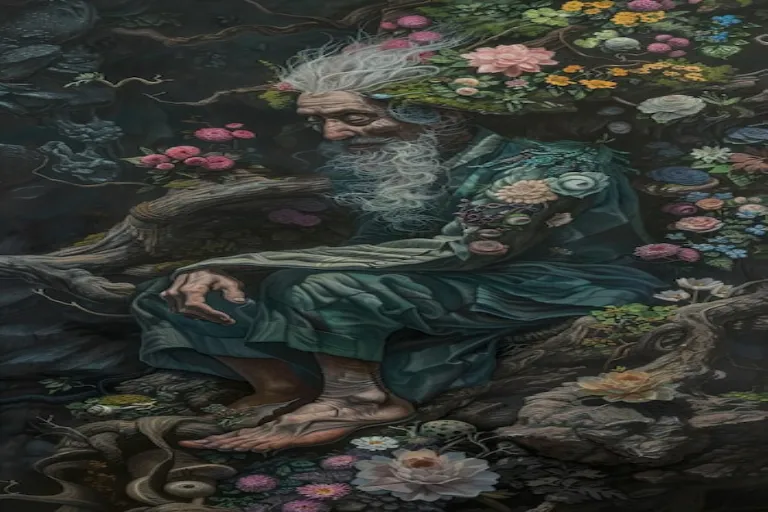
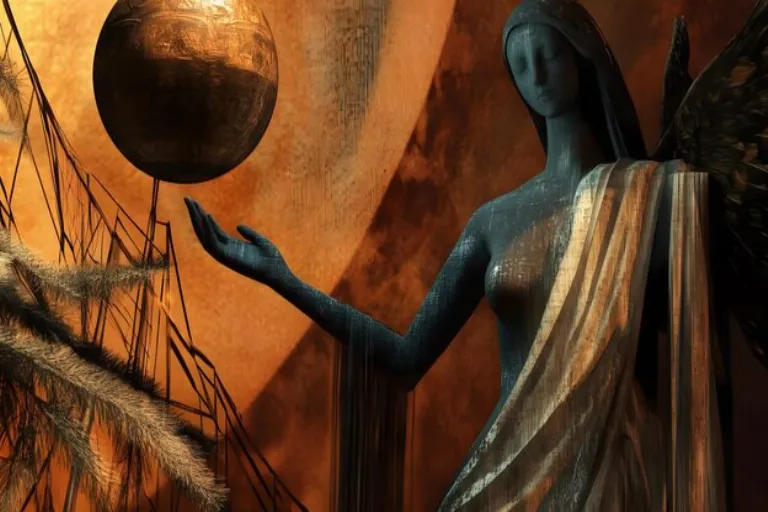
Symbolist compositions often centre on a solitary figure or a dramatic landscape, surrounded by enigmatic symbols: a wilting flower, a serpent, a distant temple. These elements invite viewers to interpret the painting’s message in personal and intuitive ways, much as one might approach a poem or a dream.
Symbolist art is renowned for its emotional resonance. Rather than depict outward events, Symbolists evoke inner states—longing, melancholy, ecstasy, or dread. Their works are especially suited to introspective or transitional seasons, such as autumn and winter, when light fades and the imagination turns inward.
On social media, Symbolist works are often shared in autumn and winter feeds, accompanied by hashtags like #MoodyArt, #Dreamscape, and #ArtForTheSoul, reflecting a collective yearning for reflection and meaning during the darker months.
For collectors, Symbolist art offers both aesthetic and emotional rewards. Its layered meanings and timeless themes make each work a source of ongoing discovery. As Symbolist paintings gain renewed attention in the art market, understanding their history and significance can help buyers make informed, meaningful acquisitions.
Key takeaways for buyers:
Symbolism invites us to look beyond the surface of things and enter a world of dreams, myths, and mysteries. Whether you are drawn to its poetic imagery, spiritual themes, or emotional depth, Symbolist painting offers enduring inspiration for collectors and art lovers alike. As interest surges on social media and in the market, now is the perfect time to explore this evocative movement—and perhaps to find a piece that speaks to your own inner world.
European painting is renowned for its diversity, but not all revolutions in art were about light and fleeting moments.
Symbolism, emerging in the late 19th century, offered a contemplative, poetic alternative to the vibrant world of Impressionism.
Today, #SymbolistArt is trending on social platforms, with artists and collectors rediscovering its enigmatic beauty and emotional depth.
From Britain to Eastern Europe, Symbolism explored dreams, myths, and inner realities, captivating audiences anew.
This article unveils Symbolism’s unique language, its key figures, and why its moody allure resonates with collectors and art lovers today.
Frequently Asked Questions
Symbolism is a late 19th-century art movement that favoured imagination, dreams, and inner meaning over direct observation. Symbolist painters used myth, poetry, and allegory to evoke emotions and explore the unseen, often creating mysterious and atmospheric works.
While Impressionism focused on the fleeting effects of light and modern life, Symbolism turned inward, prioritising mood, myth, and the imagination. Symbolist artists often used darker palettes and intricate symbolism to evoke deeper psychological and spiritual themes.
Major Symbolist painters include Gustave Moreau, Odilon Redon, Fernand Khnopff, Arnold Böcklin, and Britain’s George Frederic Watts. Each artist interpreted Symbolism in unique ways, but all shared an interest in the mystical and poetic.
Common themes include dreams, death, love, spirituality, mythology, and the subconscious. Symbolists often depicted allegorical figures, enigmatic landscapes, and fantastical creatures to express complex emotions and ideas.
Look for moody atmospheres, mythological or dreamlike subjects, and the use of symbols or allegorical figures. Symbolist works often evoke emotion through colour, composition, and mysterious iconography rather than straightforward narrative.
No, Symbolism was pan-European, with significant contributions from Belgian, Swiss, Russian, British, and Scandinavian artists. Each region adapted Symbolist ideas to its own culture and history, creating a rich diversity within the movement.
Symbolists employed traditional oil painting but often used layered glazes, soft edges, and muted colours to create a dreamlike effect. Some experimented with pastels, tempera, or mixed media to enhance the ethereal quality of their works.
Symbolist art’s emotional depth, timeless mystery, and rich storytelling appeal to modern collectors seeking works with meaning. Its resurgence on social media reflects a desire for art that resonates with the subconscious and personal myth.
Begin by studying key artists, visiting galleries, and consulting reputable dealers. Focus on authenticity, provenance, and emotional connection to the work. Many contemporary artists also draw inspiration from Symbolism, offering accessible entry points.
Yes, notable British Symbolists include George Frederic Watts, Evelyn De Morgan, and John Duncan. Their works often blend classical myth with spiritual and allegorical content, contributing a distinctively British voice to the movement.

GFM Designer Ltd
Maultway Court
67-69 Ruxley Lane
Epsom, Surrey
KT19 0JG. UK
E-MAIL : info@gfmpainting.co.uk
PHONE : +44 (0) 203 592 3482
MOBILE : +44(0) 7834 393 396