Girl With A Watering Can by Pierre Auguste Renoir (1876): A Celebration of Innocence and Nature – Hand-Painted Oil Painting for Sale
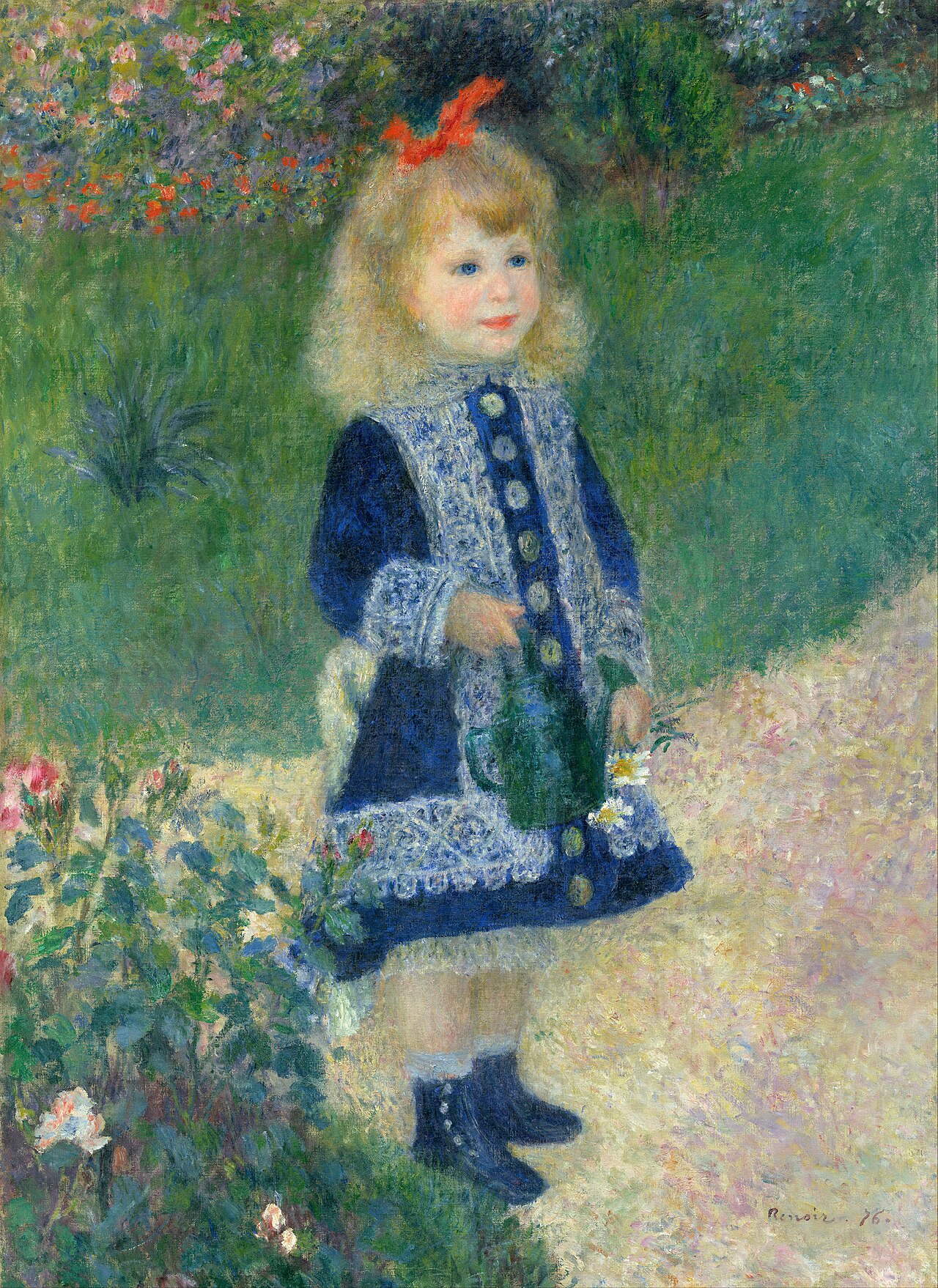
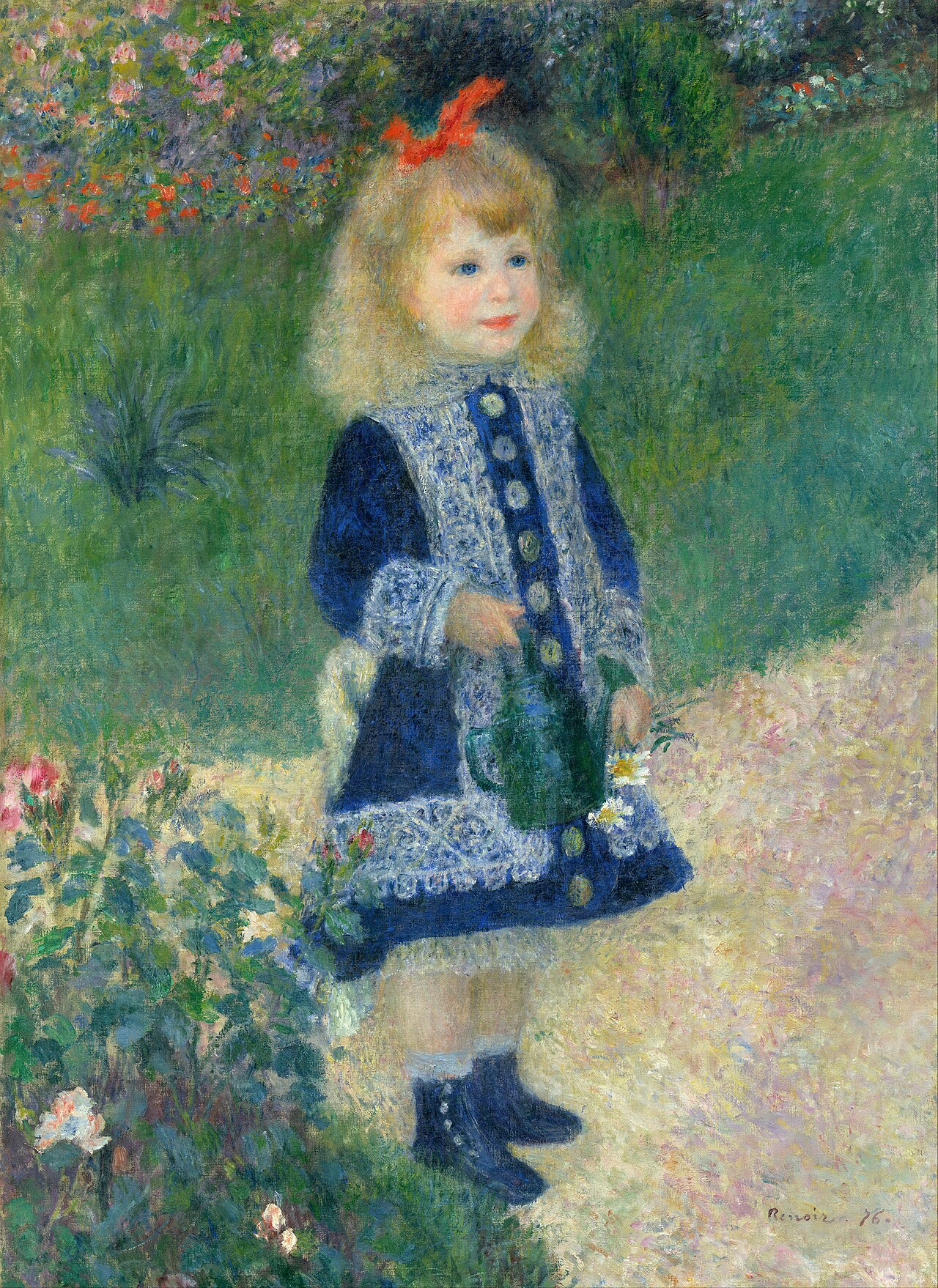
Created in 1876, Girl With A Watering Can by Pierre Auguste Renoir stands as a quintessential representation of the Impressionist movement, capturing the essence of childhood innocence and the beauty of nature. Painted during a time when Paris was undergoing significant social and cultural transformation, Renoir's work reflects the burgeoning interest in leisure, pleasure, and the everyday life of the bourgeoisie. The painting depicts a young girl joyfully tending to her garden, embodying the carefree spirit of youth and the connection between humanity and the natural world. Renoir's choice of vibrant colors and soft brush strokes evokes a sense of warmth and vitality, inviting viewers into a serene moment of interaction with nature.
Girl With A Watering Can by Pierre Auguste Renoir: Artistic Significance
Renoir's innovative techniques in Girl With A Watering Can showcase his mastery of light, color, and texture, hallmark traits of the Impressionist style. The artist employs a loose brushwork approach, allowing colors to blend and shimmer, creating a vibrant atmosphere that captures the ephemeral quality of sunlight filtering through leaves. The girl's expression, a blend of concentration and delight, is rendered with a delicate touch that emphasizes her youthful exuberance. Unlike the more rigid compositions of academic painting, Renoir's work radiates a sense of spontaneity and movement, drawing the viewer into a moment that feels both intimate and universal. The painting also reflects the artist's fascination with the interplay of light and shadow, as seen in the dappled sunlight that dances across the girl's dress and the surrounding flora, enhancing the overall sense of harmony and tranquility.
Why Collect Girl With A Watering Can by Pierre Auguste Renoir
This enchanting masterpiece transcends mere representation; it encapsulates a profound exploration of childhood, nature, and the fleeting moments of joy that define human experience. Renoir's ability to convey emotion through color and form invites collectors to appreciate not only the aesthetic beauty of the painting but also its deeper symbolic meanings. Owning a hand-painted reproduction or inspired work allows art enthusiasts to connect with the rich legacy of Impressionism, bringing a sense of lightness and joy into their spaces. This painting holds enduring appeal for collectors seeking to celebrate the beauty of everyday life, the innocence of youth, and the mastery of one of history's most beloved artists.
Experience the Mastery of Renoir
Each Renoir-inspired artwork is available as hand-painted oil paintings, framed oil paintings, or canvas rolls. Collectors can explore original paintings for sale that capture the vibrancy of childhood and the beauty of nature through dramatic lighting and meticulous detail. Whether seeking historical scene paintings, custom commissions, or hand-painted reproductions of iconic masterpieces, these works offer a profound connection to the legacy of Renoir, bringing the charm of Impressionism and the celebration of life's simple pleasures into any distinguished collection. This extended second description emphasizes the historical, emotional, and artistic significance of Girl With A Watering Can by Pierre Auguste Renoir, ensuring it stands as a compelling addition to any curated collection of fine art.
Frequently Asked Questions About Girl With A Watering Can by Pierre Auguste Renoir
What is the historical context of "Girl With A Watering Can"?
"Girl With A Watering Can" was painted in 1876, during a period when Impressionism was gaining prominence. Renoir, a leading figure of this movement, sought to capture the effects of light and color in everyday scenes, reflecting the changing social dynamics of post-industrial France.
What artistic techniques did Renoir use in this painting?
Renoir employed loose brushwork and vibrant colors to create a sense of movement and spontaneity. The use of dappled light and shadow enhances the three-dimensionality of the figure and the surrounding environment, characteristic of his Impressionist style.
Who is the girl depicted in the painting?
The girl in "Girl With A Watering Can" is believed to be a model named Aline Charigot, who later became Renoir's wife. Her youthful innocence and charm are captured beautifully, embodying the spirit of childhood and nature.
What is the significance of the watering can in the painting?
The watering can symbolizes nurturing and growth, reflecting themes of nature and domesticity. It also serves as a tool that connects the girl to the garden, emphasizing the harmony between humans and the natural world.
How does the composition of the painting contribute to its meaning?
The composition features the girl centrally placed, drawing the viewer's attention. The surrounding lush greenery and floral elements create a vibrant backdrop, enhancing the theme of vitality and the joy of youth, while also illustrating Renoir's fascination with outdoor scenes.
What role does color play in "Girl With A Watering Can"?
Color plays a crucial role in conveying mood and emotion. Renoir's use of bright, warm colors evokes a sense of joy and liveliness, while the contrasting greens and blues of the garden create a refreshing atmosphere, symbolizing the beauty of nature.
In what ways does this painting reflect Renoir's artistic philosophy?
This painting reflects Renoir's belief in the beauty of everyday life. He aimed to capture fleeting moments of happiness and the essence of human experience, showcasing the importance of light, color, and the natural environment in his work.
How does "Girl With A Watering Can" compare to other works by Renoir?
Compared to other works by Renoir, "Girl With A Watering Can" showcases his signature style of vibrant color and light, but with a more intimate focus on a single figure. It contrasts with his larger compositions, emphasizing personal moments over social gatherings.
What impact did "Girl With A Watering Can" have on the Impressionist movement?
This painting exemplifies the core principles of the Impressionist movement, influencing future artists to explore light, color, and everyday subjects. Its success helped solidify Renoir's reputation and the acceptance of Impressionism in the art world.
Where can I view "Girl With A Watering Can" today?
"Girl With A Watering Can" is part of the collection at the Musée d'Orsay in Paris, France. The museum is renowned for its extensive collection of Impressionist and Post-Impressionist masterpieces, making it a key destination for art enthusiasts.


















_GFM_Painting_(1).webp)


 100% Hand-Painted: Finished in 3-6 Weeks

.png)















_(1).webp)




 (1).webp)



