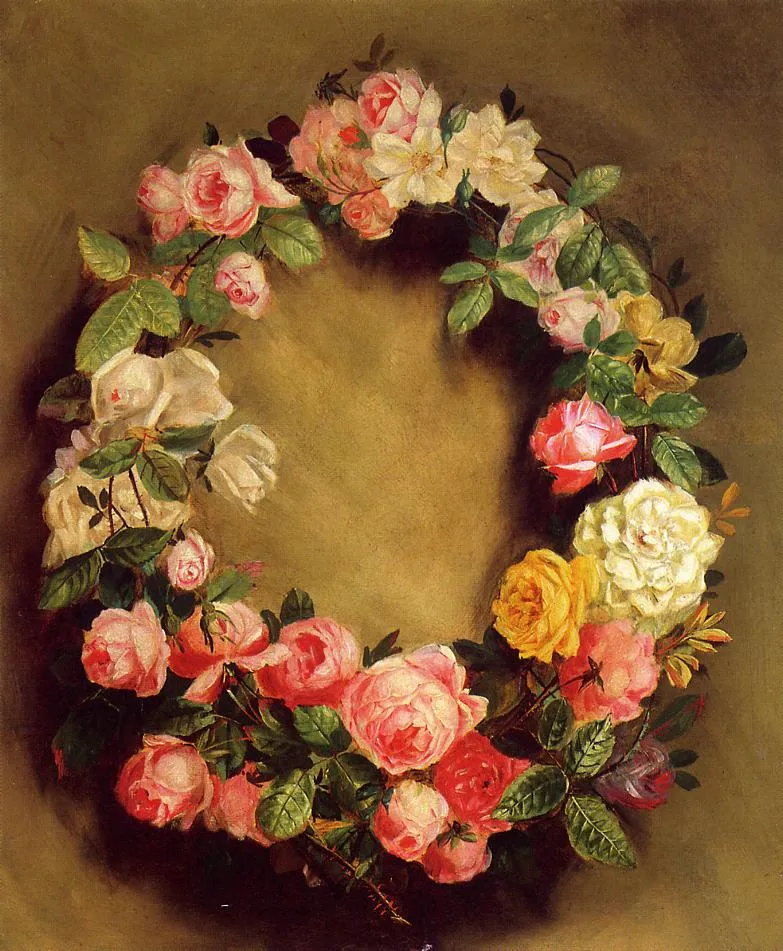
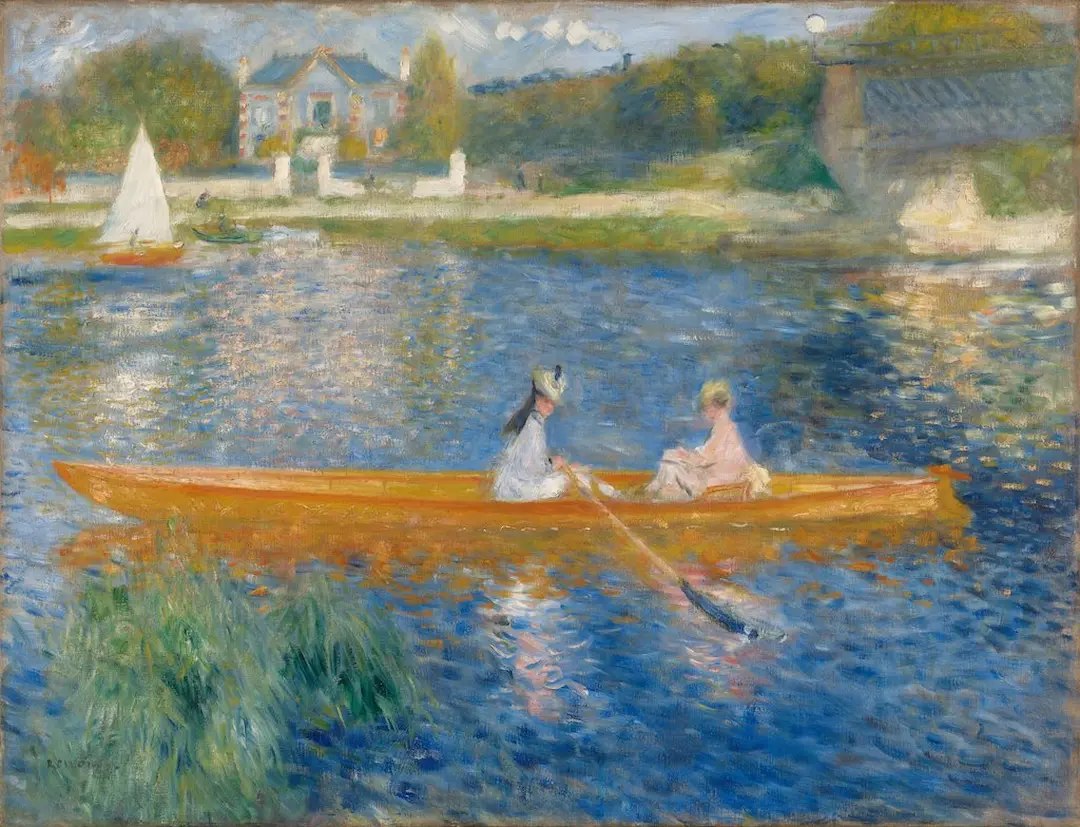
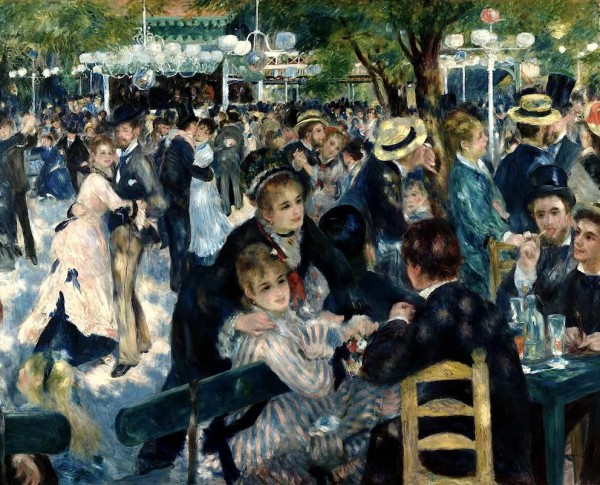
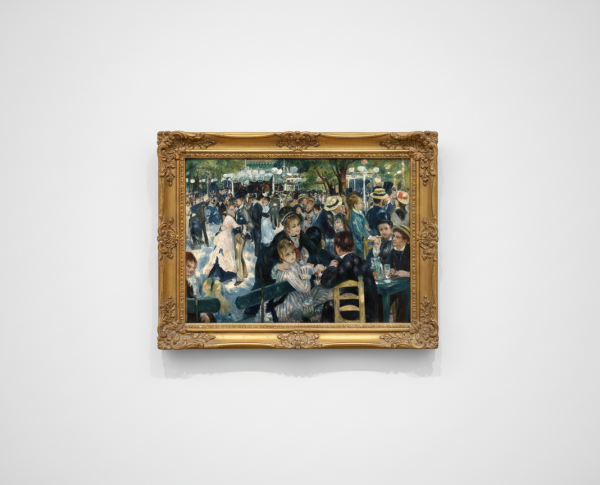
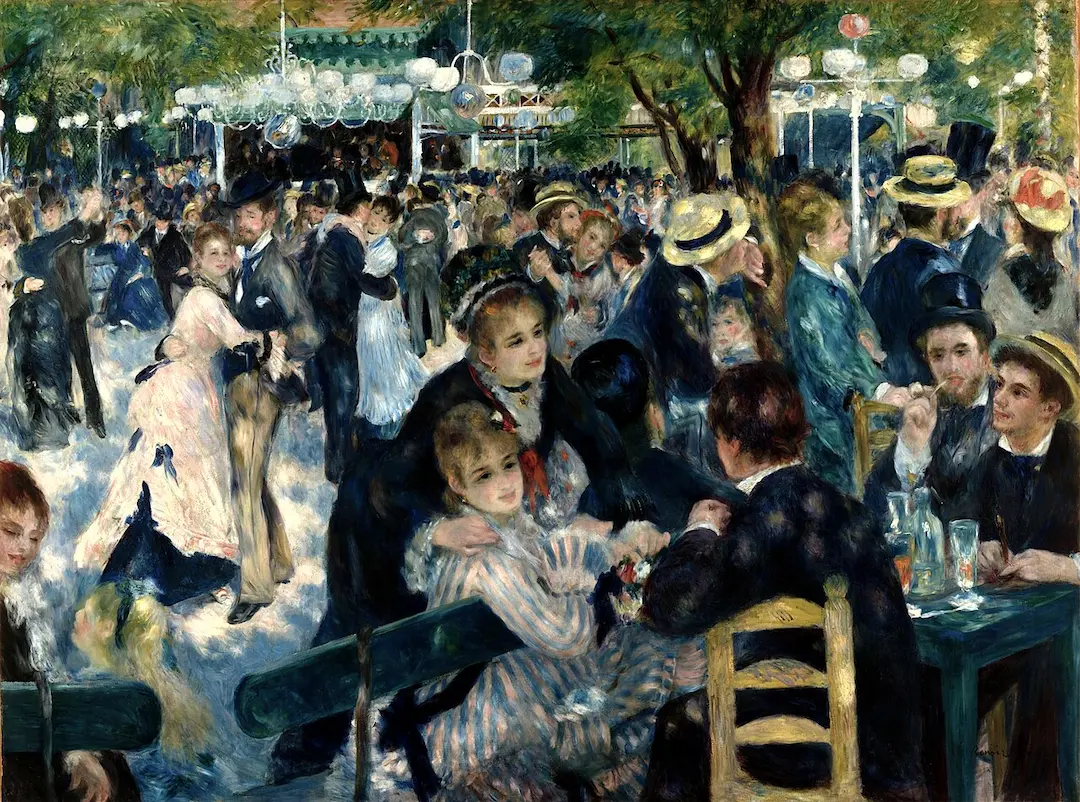
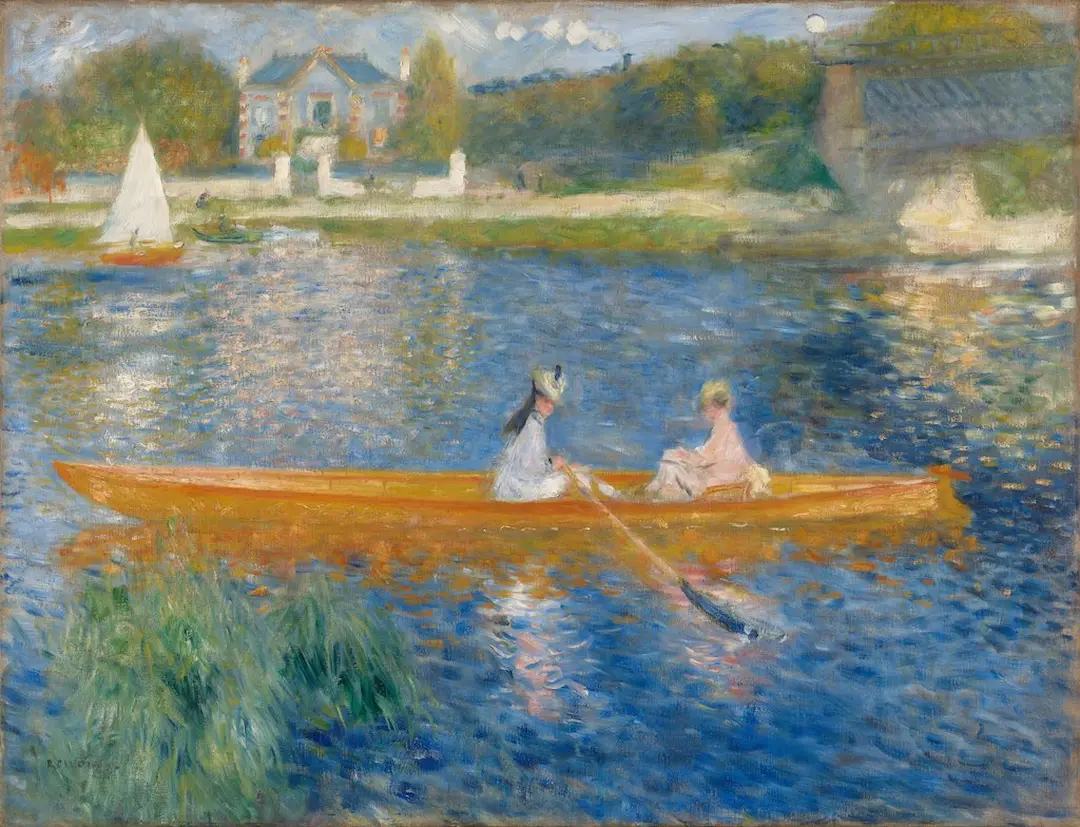
Rendered in oil on canvas, Renoir’s "Dance At The Moulin De La Galette" displays his exceptional technique and mastery of light. The brushwork is fluid and expressive, creating a sense of movement and joy characteristic of Impressionism. Collectors who appreciate the delicate interplay of color and light often seek out fine art painting for sale, including other notable pieces such as "Spring Bouquet" and "The Seine At Asnieres Aka The Skiff."
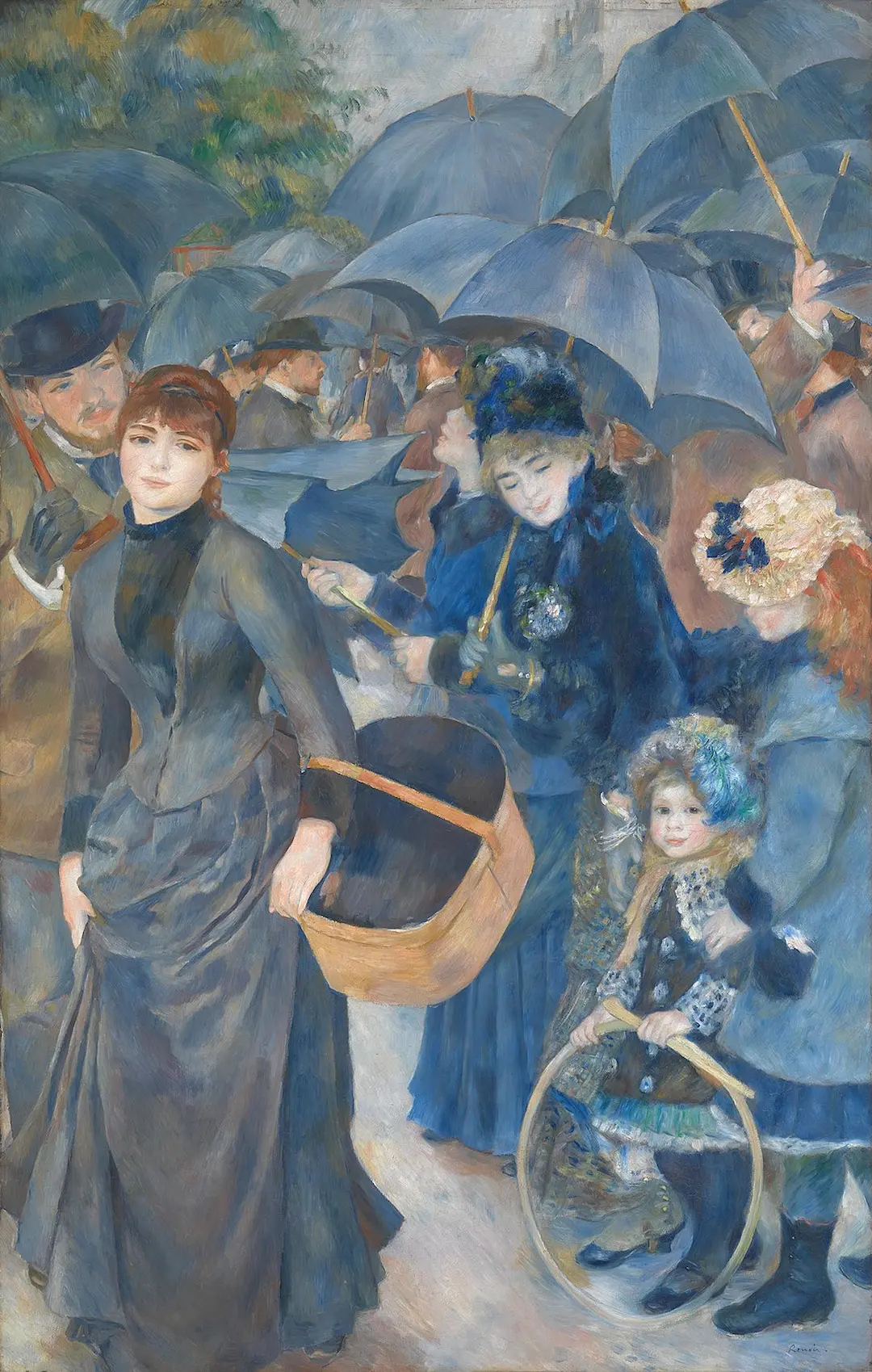
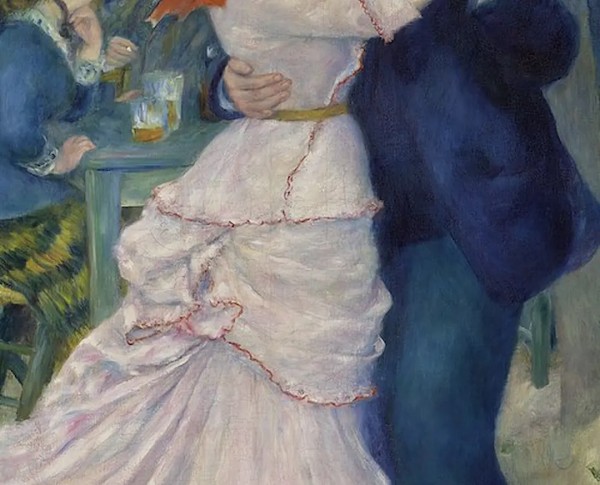
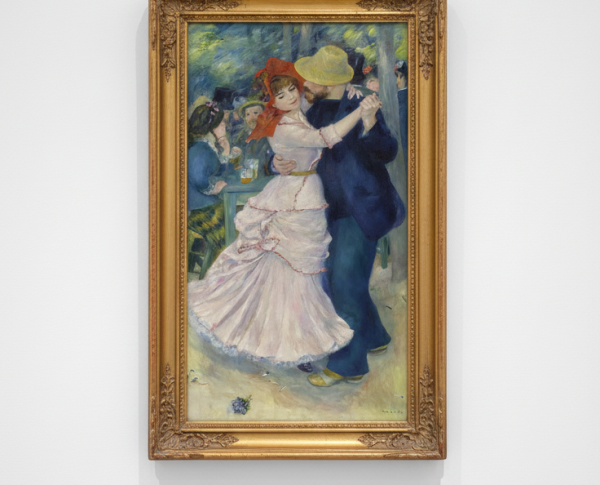
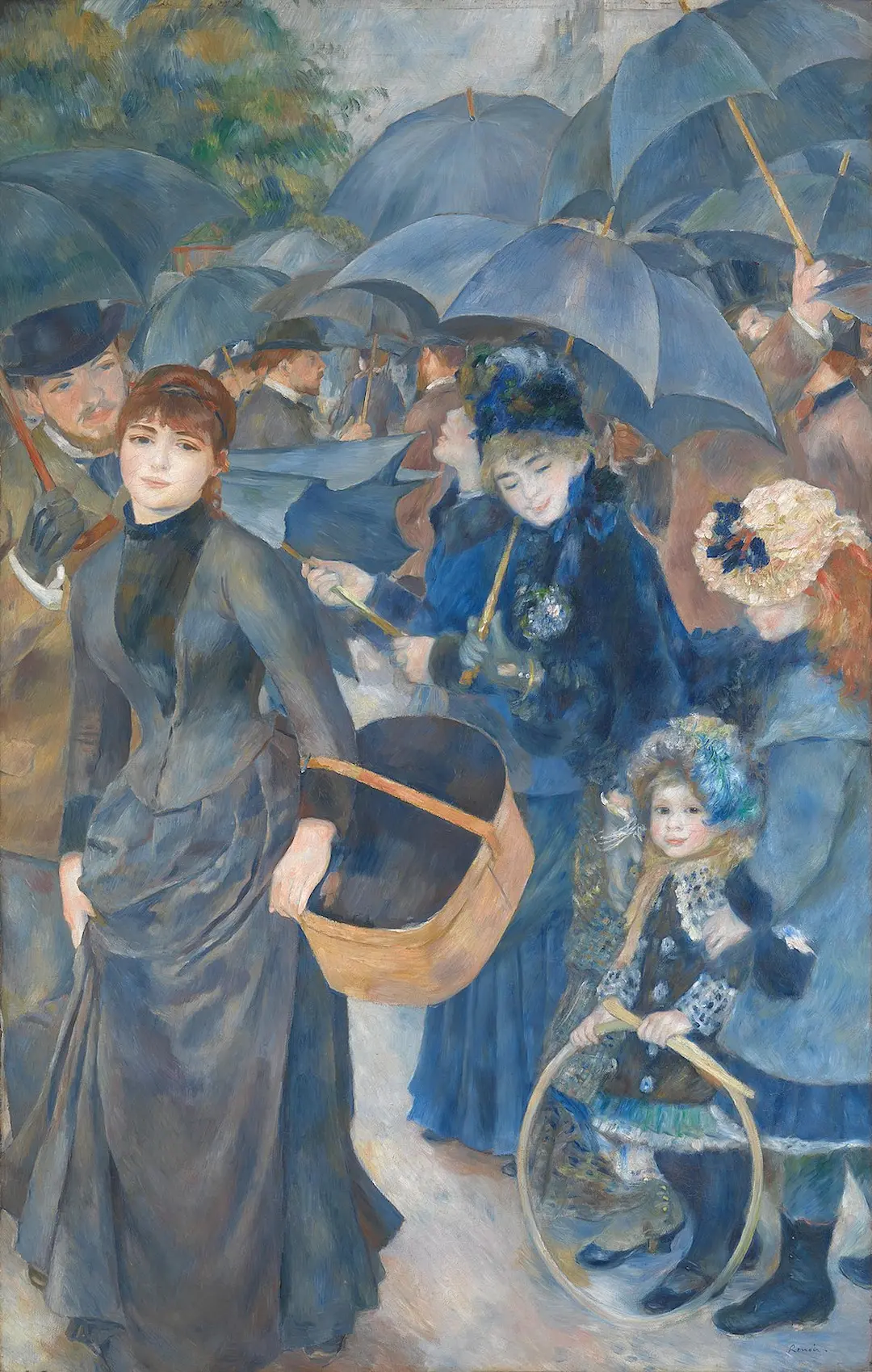
"Dance At The Moulin De La Galette" offers more than a scene of revelry; it tells the story of a community brought together by music and dance. Renoir’s hand-painted oil painting reflects the optimism and camaraderie of Parisian society. Like his "Dance At Bougival" and "Umbrellas," this masterpiece uses subtle symbolism and lively figures to evoke the spirit of Impressionism and invite viewers to step into a world of celebration and connection.
Owning a fine art painting for sale like Renoir’s "Dance At The Moulin De La Galette" is a dream for many collectors. This oil on canvas not only represents the height of Impressionist artistry but also brings the festive charm of 19th-century Paris into any collection. Art enthusiasts often seek complementary works, including "Girls At The Piano2" and "Luncheon Of The Boating Party," to enrich their appreciation of Renoir’s enduring legacy.
When Art Meets History
"Dance At The Moulin De La Galette" by Pierre Auguste Renoir is a masterpiece of the Impressionism movement, painted in 1876. This lively scene captures the vibrant social life of Montmartre, Paris, during a period of great cultural change. Renoir’s hand-painted oil painting reflects the spirit of the Belle Époque, much like Monet’s "Impression Sunrise" or "Children in the Sea, 1909." Today, this work stands as a testament to a transformative era in art history.
Techniques That Speak
Renoir’s use of oil on canvas in "Dance At The Moulin De La Galette" demonstrates his mastery of light, color, and movement. Employing loose brushwork and dappled sunlight, he creates a sense of immediacy and joy reminiscent of his contemporaries’ works such as "Terrace at the Seaside, Sainte-Adresse." The artist’s technique, central to the Impressionism movement, invites viewers to experience the fleeting moments of urban leisure that define this celebrated painting.
Emotions on Display
The joyful atmosphere of "Dance At The Moulin De La Galette" radiates through Renoir’s depiction of laughter, music, and dance. This fine art painting for sale is cherished for its ability to evoke genuine emotion, much like Monet’s "The Water Lily Pond Aka Japanese Bridge." Renoir’s portrayal of mingling Parisians under the trees captures the warmth and exuberance of a Sunday afternoon, making it one of the most beloved works of the Impressionism movement.
Coveted by Collectors
As one of Pierre Auguste Renoir’s most iconic creations, "Dance At The Moulin De La Galette" remains highly sought after by art enthusiasts. Its status as a hand-painted oil painting and its association with the Impressionist masters ensure its lasting appeal. Alongside works like "San Giorgio Maggiore At Dusk," this painting represents the pinnacle of 19th-century art and continues to inspire collectors and admirers around the world.
Related Impressionism Hand-Painted Oil Paintings by Other Artists
Other Famous Impressionism Artists:
Frequently Asked Questions About Dance At The Moulin De La Galette
What is the historical context of "Dance At The Moulin De La Galette"?
"Dance At The Moulin De La Galette" was painted in 1876 during the height of the Impressionist movement in France. This period was characterized by a focus on capturing contemporary life and the effects of light, which Renoir exemplified in this work.
What artistic techniques did Renoir use in this painting?
Renoir employed loose brushwork and vibrant color palettes to convey movement and light. The dappled sunlight filtering through the trees is a hallmark of Impressionism, showcasing his ability to capture fleeting moments.
What themes are explored in "Dance At The Moulin De La Galette"?
The painting explores themes of leisure, joy, and social interaction. It depicts a lively gathering, reflecting the vibrant Parisian social life of the late 19th century, where people from various walks of life came together to enjoy music and dance.
Who are the figures depicted in the painting?
The figures in the painting are a mix of Renoir's friends and models, representing the Parisian bourgeoisie. Notable individuals include the artist himself, as well as prominent figures from the art world of the time, creating a sense of community and camaraderie.
What is the significance of the setting in the painting?
The Moulin de la Galette was a popular outdoor dance hall in Montmartre, Paris. Its depiction in the painting symbolizes the carefree spirit of the time and serves as a backdrop for social gatherings, emphasizing the importance of leisure in urban life.
How does Renoir's use of color contribute to the painting's mood?
Renoir's vibrant and warm color palette enhances the joyous and festive atmosphere of the scene. The use of light and shadow creates depth and movement, inviting viewers to feel the energy and excitement of the dance.
What role does light play in "Dance At The Moulin De La Galette"?
Light is a central element in the painting, with Renoir capturing its effects on the figures and surroundings. The interplay of light and shadow adds to the sense of realism and vitality, a key characteristic of Impressionist art.
How does "Dance At The Moulin De La Galette" reflect Impressionist ideals?
The painting embodies Impressionist ideals through its emphasis on capturing everyday life, the effects of natural light, and the use of loose brushstrokes. It challenges traditional artistic conventions by prioritizing perception over realism.
What impact did "Dance At The Moulin De La Galette" have on the art world?
This painting was pivotal in establishing Renoir as a leading figure in the Impressionist movement. Its success at the 1877 Impressionist exhibition helped to legitimize the movement and influenced future generations of artists.
What is the current location of "Dance At The Moulin De La Galette"?
The painting is currently housed in the Musée d'Orsay in Paris, France, where it continues to be a significant attraction, showcasing Renoir's mastery and the cultural history of the Impressionist era.






















_GFM_Painting_(1).webp)


 100% Hand-Painted: Finished in 3-6 Weeks

.png)

















_(1).webp)