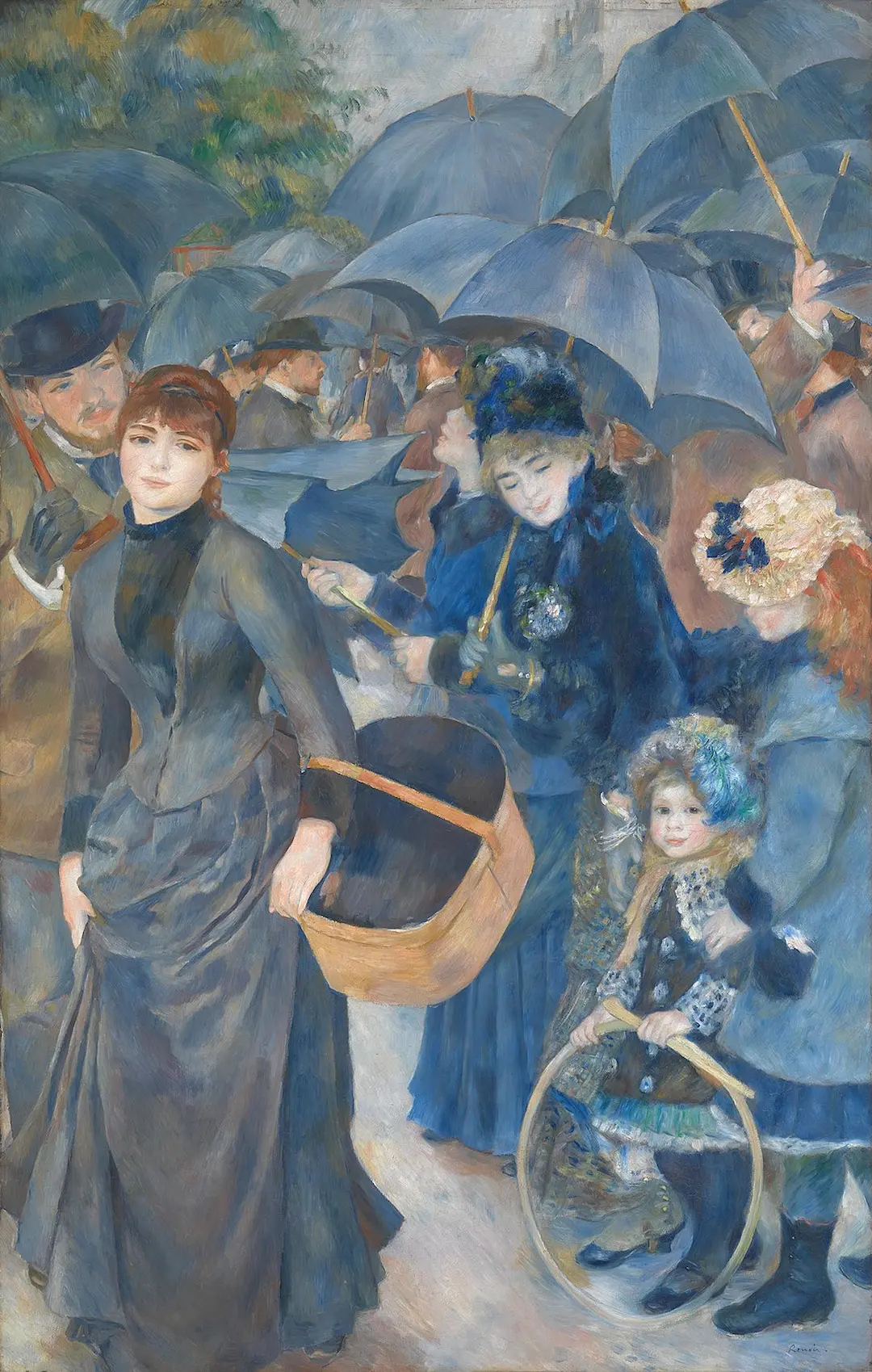
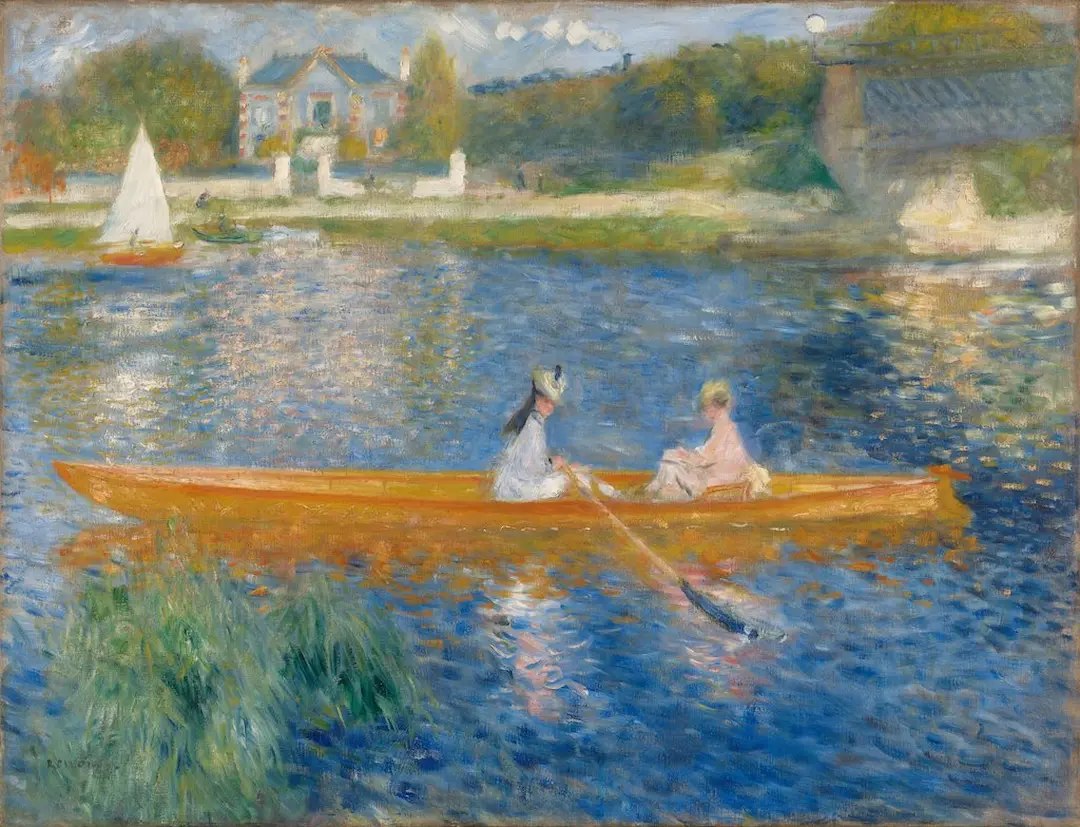
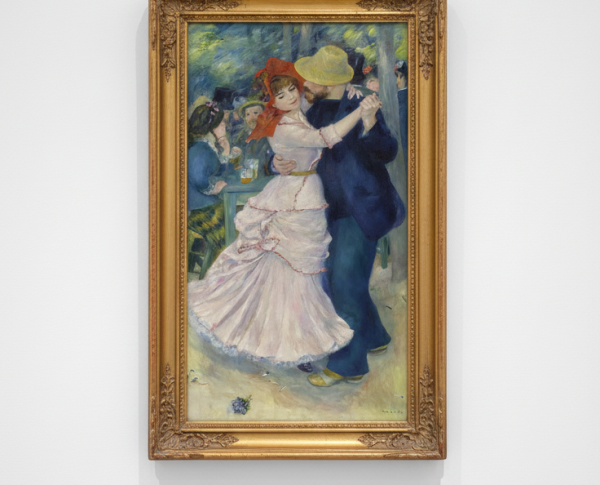
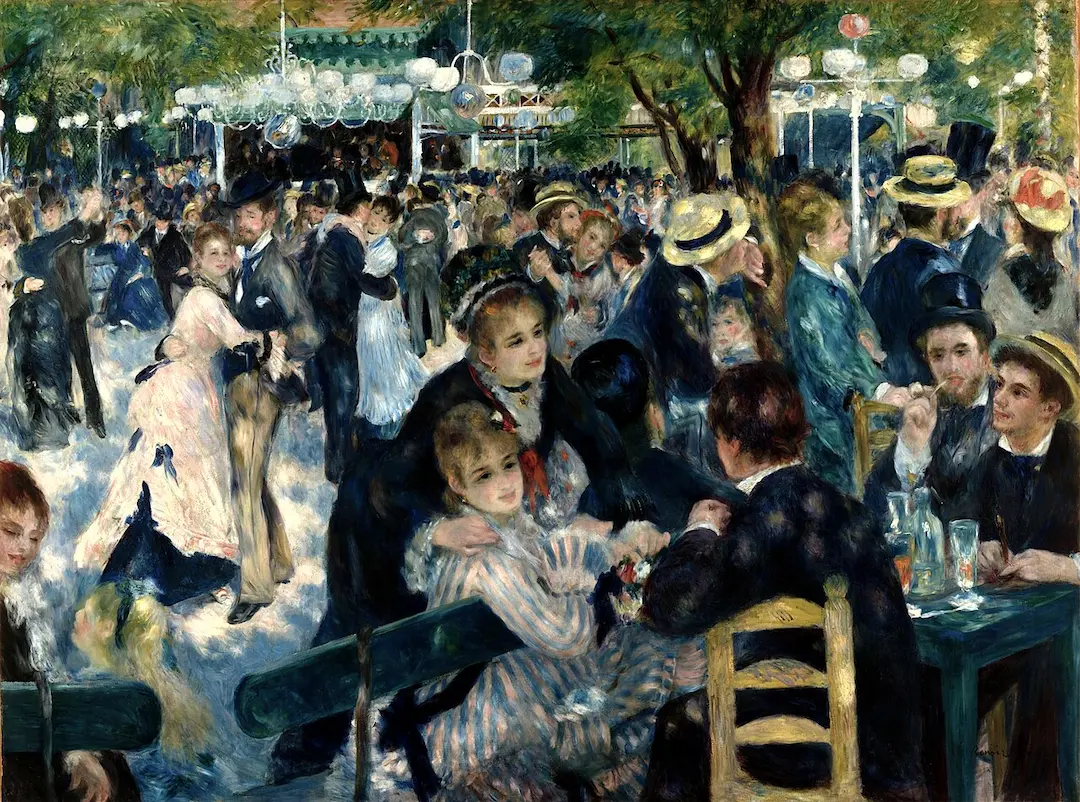
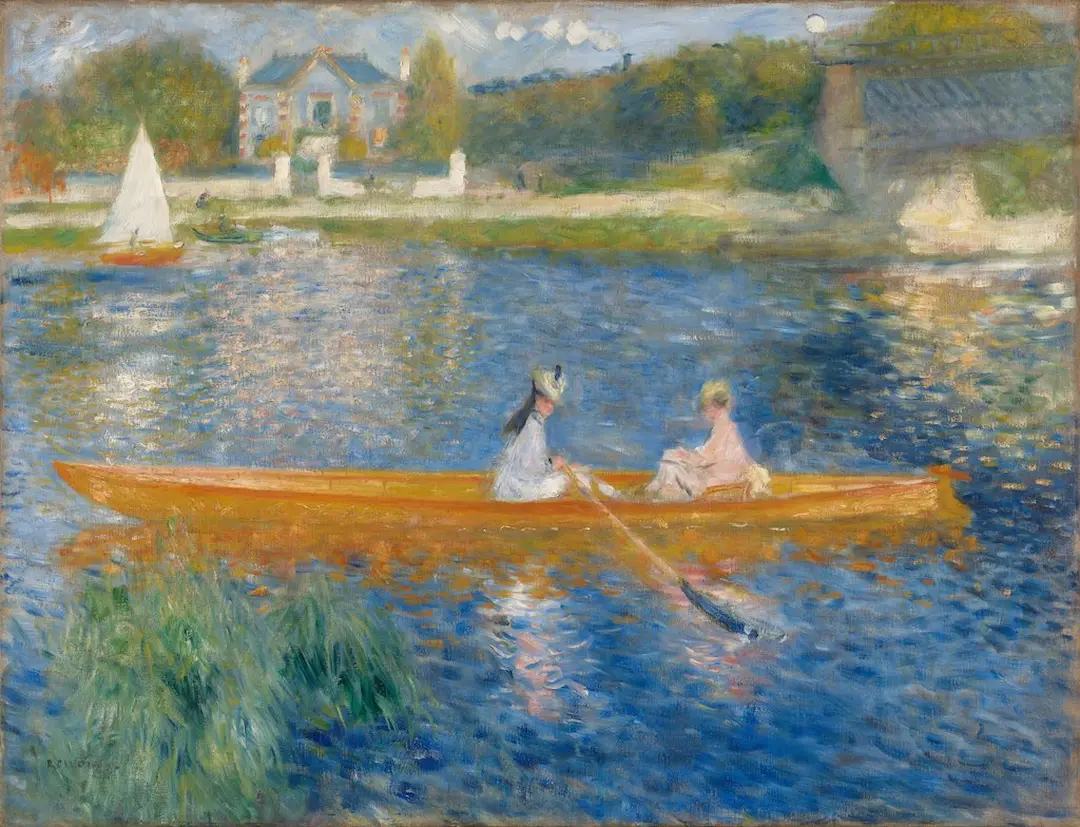
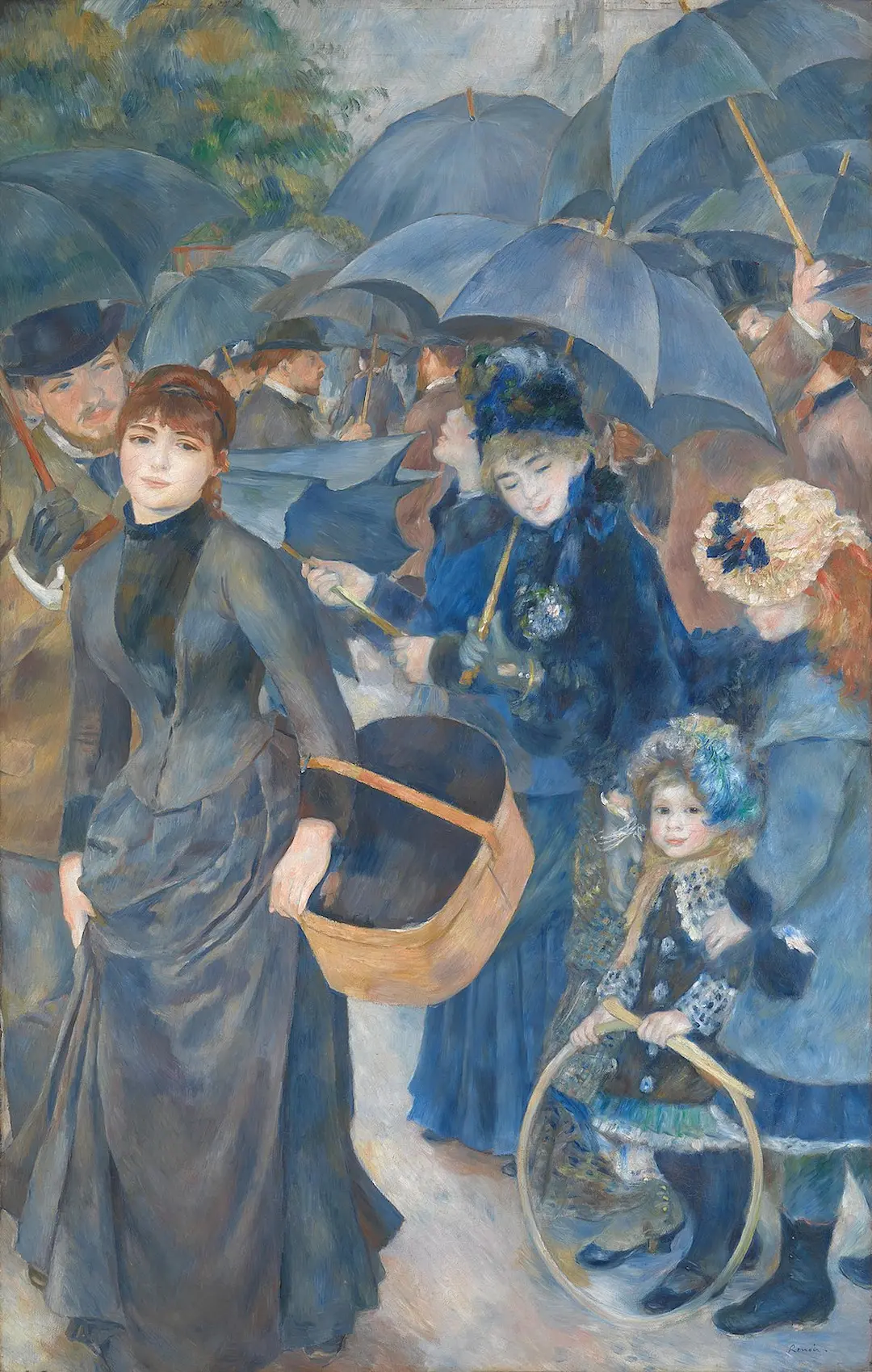
Through "Dance At Bougival," Renoir weaves a narrative of romance and lively celebration, common themes in Impressionism. The characters’ expressive faces and dynamic poses invite viewers to imagine their stories. This fine art painting for sale is cherished by those who value symbolic storytelling in art. Collectors may also enjoy pieces like "The Seine At Asnieres Aka The Skiff" and "Umbrellas," which echo Renoir’s fascination with everyday life and emotion.
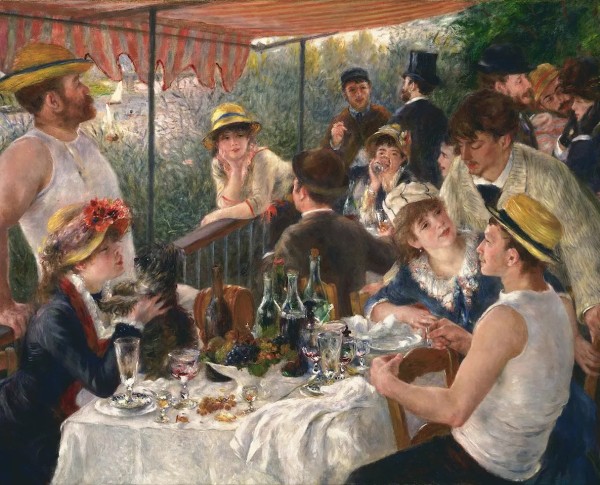
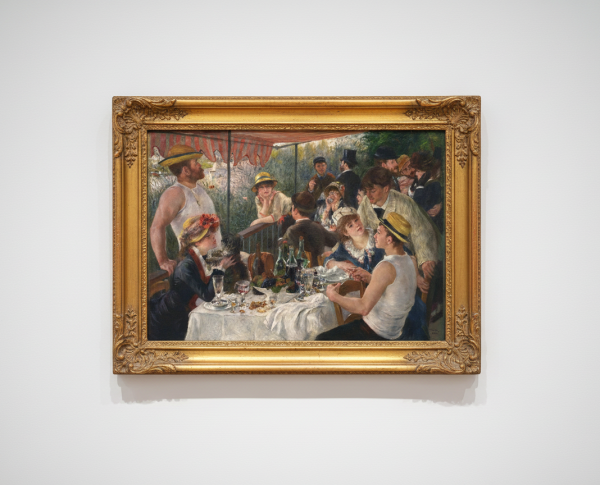
Owning "Dance At Bougival" means possessing a piece of art history and Impressionist innovation. This hand-painted oil painting is highly sought after by connoisseurs, making it a true collector’s treasure. Renoir’s artistry continues to inspire, and related products such as "Luncheon Of The Boating Party" and "Umbrellas" remain popular choices for those looking to complement their collections with exceptional works from the Impressionism movement.
When Art Meets History
"Dance At Bougival" by Pierre Auguste Renoir stands as a quintessential example of the Impressionism movement, capturing the vibrancy of late 19th-century French society. Painted in 1883, this hand-painted oil painting reflects the lively atmosphere of Bougival, a popular dance spot near Paris. Renoir, renowned for works like "Ballet Rehearsal, 1873" and "The Water Lily Pond Aka Japanese Bridge," masterfully brings together history and art, making this piece a timeless treasure for art enthusiasts.
Techniques That Speak
Renoir’s use of oil on canvas in "Dance At Bougival" showcases his exceptional ability to blend light and color, hallmarks of Impressionism. The brushwork is loose yet deliberate, allowing the figures to merge softly with their environment. Similar techniques can be observed in related paintings such as "San Giorgio Maggiore At Dusk" and "The Floor Scrapers 1875." Through this approach, Renoir invites viewers to experience the immediacy and movement that define his celebrated style.
Emotions on Display
In "Dance At Bougival," Pierre Auguste Renoir captures the exuberance and intimacy of two dancers immersed in the moment. The expressions and body language evoke genuine emotion, making this fine art painting for sale a celebration of human connection. Like in "Water Lily Pond," Renoir’s Impressionist touch conveys fleeting emotions with remarkable subtlety, allowing viewers to feel the joy and spontaneity that pulse through the vibrant scene.
Coveted by Collectors
As a masterpiece of Impressionism, "Dance At Bougival" remains highly sought after by art collectors worldwide. The painting’s historical significance and Renoir’s signature style make it an iconic piece, much like "Ballet Rehearsal, 1873" and "Water Lily Pond." Collectors value the authenticity and provenance of such works, especially when acquiring an original hand-painted oil painting, ensuring its place as a prized addition to any distinguished fine art collection.
Related Impressionism Hand-Painted Oil Paintings by Other Artists
Other Famous Impressionism Artists:
Frequently Asked Questions About Dance At Bougival
What is the historical context of "Dance At Bougival"?
"Dance At Bougival" was painted in 1883 during the Impressionist movement, a time when artists sought to capture the fleeting effects of light and color in their work. The painting reflects the social changes in France during the late 19th century, particularly the rise of leisure activities among the middle class.
Who are the figures depicted in the painting?
The figures in "Dance At Bougival" are believed to represent a couple engaged in a lively dance, embodying the joy and vibrancy of social gatherings in the outdoor cafés of Bougival, a popular destination near Paris. The identities of the dancers are not definitively known, allowing viewers to project their interpretations onto the scene.
What artistic techniques did Renoir use in this painting?
Renoir employed loose brushwork and a vibrant color palette to convey movement and emotion. The use of dappled light and shadow creates a sense of depth, while the fluidity of the figures suggests the spontaneity of the dance. This technique is characteristic of Renoir's Impressionist style, emphasizing the interplay between light and color.
What themes are explored in "Dance At Bougival"?
The painting explores themes of joy, romance, and the celebration of life. It captures a moment of leisure and social interaction, reflecting the cultural shift towards enjoyment and the burgeoning middle class's desire for entertainment and social engagement during this period.
How does "Dance At Bougival" reflect Impressionist ideals?
"Dance At Bougival" embodies Impressionist ideals through its focus on capturing a moment in time, the use of natural light, and the depiction of everyday life. Renoir's emphasis on the effects of light on the figures and the surrounding environment showcases the movement's goal of portraying the beauty of the ordinary.
What is the significance of the setting in the painting?
The setting of Bougival, a picturesque village along the Seine River, was a popular retreat for Parisians seeking leisure. The outdoor dance scene signifies the importance of social gatherings in the Impressionist era, highlighting the connection between nature, community, and the enjoyment of life.
How does Renoir's use of color contribute to the painting's mood?
Renoir's vibrant color palette, featuring warm tones and contrasting shades, creates an atmosphere of joy and celebration. The interplay of light and color enhances the sense of movement and vitality, inviting viewers to feel the energy of the dance and the warmth of the social interaction.
What role does the female figure play in "Dance At Bougival"?
The female figure in the painting is central to the composition, embodying grace and elegance. Her expressive posture and facial expression convey the joy of the moment, while her attire reflects the fashion of the time, highlighting the social dynamics and gender roles prevalent in the late 19th century.
How has "Dance At Bougival" influenced modern perceptions of Impressionism?
"Dance At Bougival" has played a significant role in shaping modern perceptions of Impressionism by illustrating the movement's focus on capturing contemporary life and emotions. Its popularity and recognition have contributed to a broader appreciation of Impressionist artists and their innovative approaches to color and form.
What is the current location of "Dance At Bougival"?
"Dance At Bougival" is currently housed in the Musée d'Orsay in Paris, France. This museum is renowned for its extensive collection of Impressionist and Post-Impressionist masterpieces, providing an appropriate context for Renoir's celebrated work.






















_GFM_Painting_(1).webp)



 100% Hand-Painted: Finished in 3-6 Weeks


.png)
















_(1).webp)