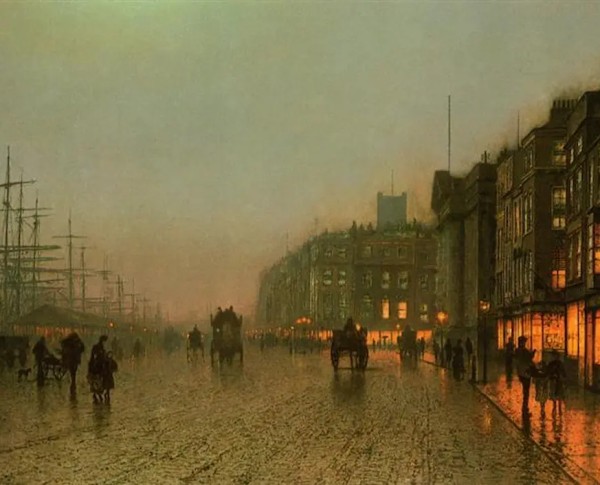
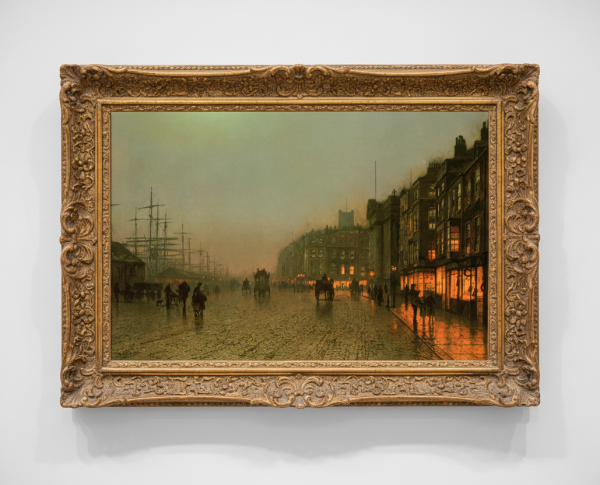
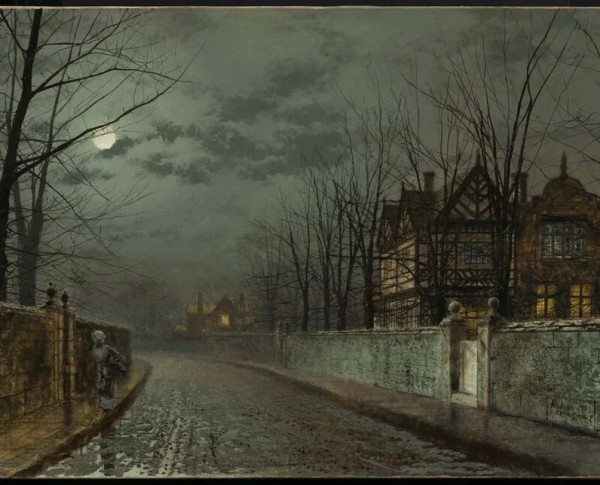
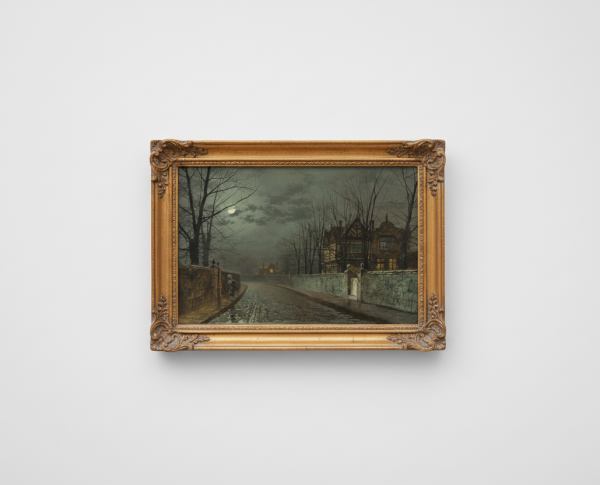
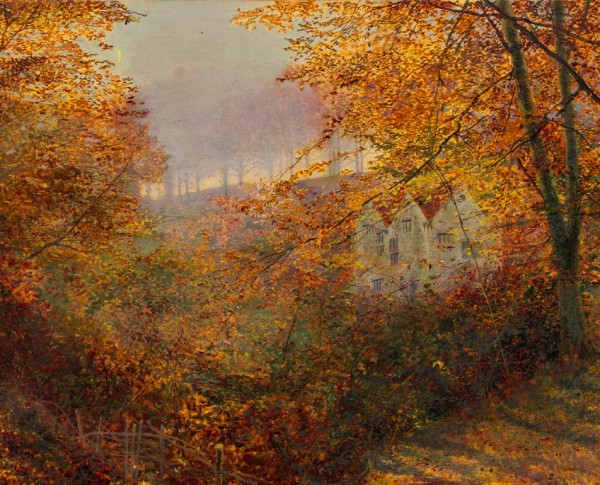
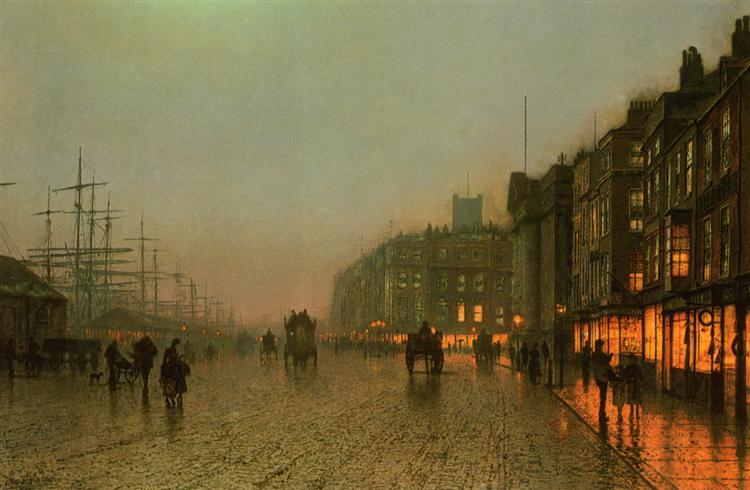
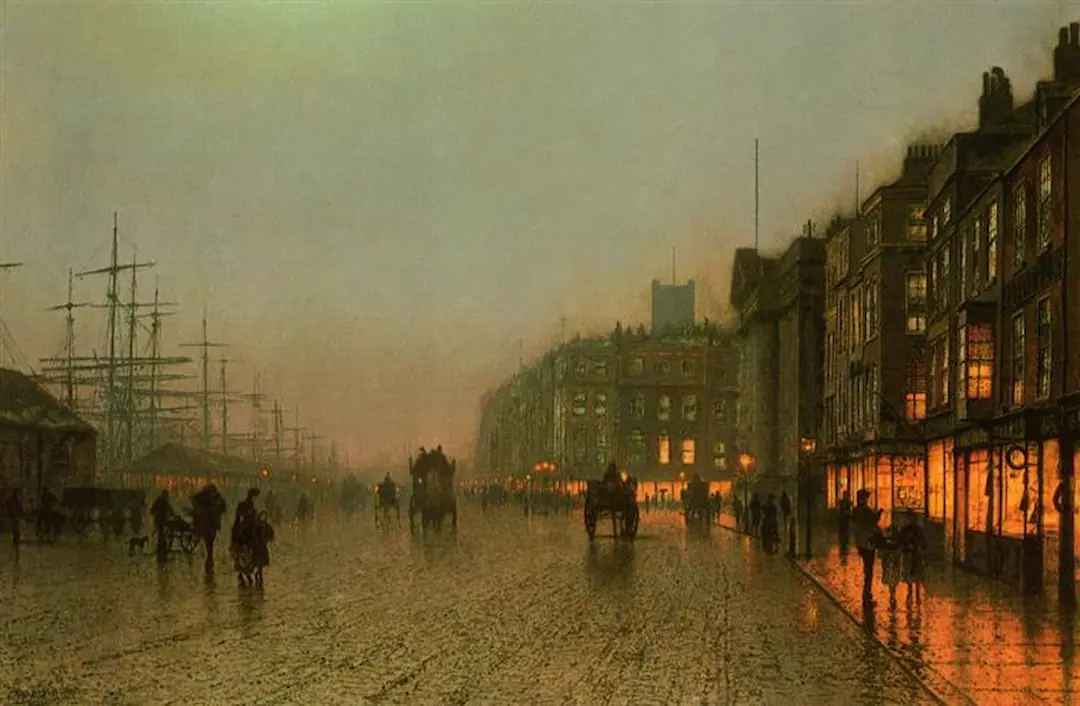
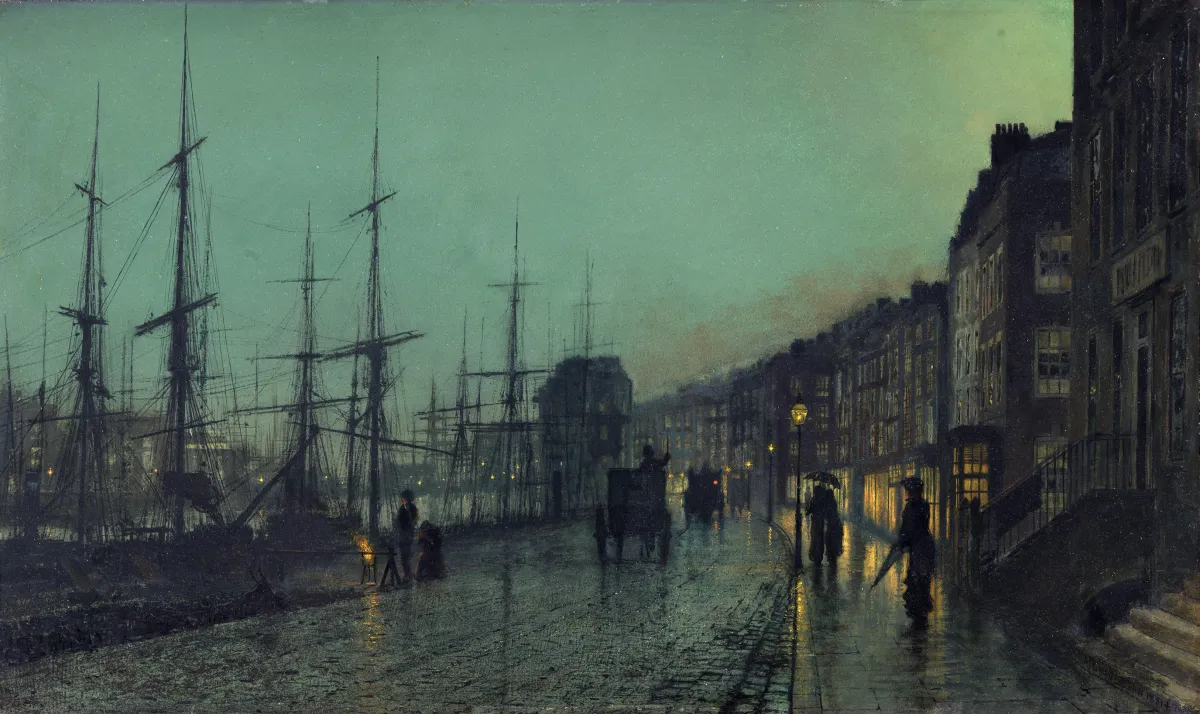
John Atkinson Grimshaw’s exceptional technique is evident in "Liverpool from Wapping," where every brushstroke masterfully conveys the shimmering city lights and tranquil waterfront. This oil on canvas demonstrates the artist’s meticulous attention to detail, a hallmark of the Aestheticism movement. Those interested in acquiring a fine art painting for sale often seek Grimshaw’s works for their unparalleled craftsmanship and evocative mood, making them prized additions to any art collection.
The narrative woven into "Liverpool from Wapping" reveals more than a cityscape—it tells the story of 19th-century Liverpool’s vibrant commerce and cultural spirit. Grimshaw’s hand-painted oil painting uses light and shadow to symbolize both the city’s industrial progress and its poetic beauty. As part of the Aestheticism movement, this piece invites viewers to interpret its layers, offering lasting intrigue for those looking for a meaningful fine art painting for sale.
For discerning collectors, "Liverpool from Wapping" by John Atkinson Grimshaw stands as a testament to the enduring allure of the Aestheticism movement. The painting’s oil on canvas technique and evocative urban landscape make it a prized acquisition. As demand grows for original works and reproductions, this fine art painting for sale remains a top choice for those wishing to own a piece of art history, reflecting both sophistication and taste.
When Art Meets History
"Liverpool from Wapping" by John Atkinson Grimshaw offers a captivating glimpse into the bustling port city during the Victorian era. As a masterpiece of the Aestheticism movement, this hand-painted oil painting highlights Grimshaw’s fascination with urban landscapes and atmospheric effects. The artist’s unique approach sets this work apart, much like his other nocturnes. Collectors and historians alike value its historical context, making it a fine example for anyone seeking a hand-painted oil painting rooted in history.
Techniques That Speak
John Atkinson Grimshaw’s technical mastery shines in "Liverpool from Wapping," an exquisite oil on canvas. His meticulous brushwork and keen attention to light and shadow evoke a moody, almost ethereal ambiance. The artist’s signature layering technique, common in the Aestheticism movement, brings depth to the evening cityscape. This oil on canvas demonstrates Grimshaw’s ability to transform ordinary scenes into extraordinary visions, much like his other celebrated urban nocturnes.
Emotions on Display
"Liverpool from Wapping" resonates with viewers through its evocative portrayal of twilight and rain-slicked streets. Grimshaw captures the quiet solitude and subtle drama of city life, a hallmark of his work in the Aestheticism movement. Each stroke invites contemplation, imbuing the scene with both melancholy and wonder. This fine art painting for sale appeals to those who appreciate emotional depth, similar to Grimshaw’s other atmospheric masterpieces.
Coveted by Collectors
John Atkinson Grimshaw’s "Liverpool from Wapping" remains a sought-after treasure among collectors of the Aestheticism movement. The painting’s enduring appeal lies in its masterful technique and atmospheric storytelling. As a fine art painting for sale, it stands alongside Grimshaw’s other iconic works, admired for both artistry and historical significance. Discerning collectors recognize its value, making it a prized addition to any serious collection of nineteenth-century oil paintings.
Frequently Asked Questions About Liverpool from Wapping
What is the historical significance of "Liverpool from Wapping"?
"Liverpool from Wapping" captures a pivotal moment in the late 19th century when Liverpool was a major port city, symbolizing the height of the Industrial Revolution and its impact on urban life.
Who was John Atkinson Grimshaw and what was his artistic style?
John Atkinson Grimshaw was a British painter known for his nocturnal scenes and atmospheric landscapes. His style is characterized by detailed realism, rich color palettes, and the use of light to evoke mood.
What techniques did Grimshaw use to create the atmospheric effects in this painting?
Grimshaw employed techniques such as glazing and layering to create depth and luminosity, particularly in the depiction of light reflecting off water and the atmospheric haze of the evening sky.
What does the composition of "Liverpool from Wapping" convey about the city?
The composition highlights the contrast between the bustling industrial activity and the serene beauty of the natural landscape, illustrating the coexistence of urban development and nature in Liverpool.
How does Grimshaw's use of light contribute to the symbolism in the painting?
The interplay of light and shadow in "Liverpool from Wapping" symbolizes the duality of progress and nostalgia, reflecting both the vibrancy of industrial life and the tranquility of the natural world.
What elements in the painting reflect the cultural context of Liverpool during Grimshaw's time?
The depiction of ships, the waterfront, and the industrial skyline illustrates Liverpool's significance as a trade hub and its cultural diversity, reflecting the city's role in global commerce during the Victorian era.
In what ways does "Liverpool from Wapping" represent the Romantic movement in art?
The painting embodies the Romantic movement through its emphasis on emotion, the sublime beauty of nature, and the exploration of human experience within the context of a rapidly changing industrial landscape.
What role does perspective play in the viewer's experience of the painting?
The use of perspective draws the viewer into the scene, creating a sense of immersion and inviting contemplation of the relationship between the viewer and the depicted urban environment.
How does Grimshaw's portrayal of water enhance the overall impact of the painting?
The reflective quality of the water serves as a focal point, enhancing the painting's emotional depth and creating a dynamic interplay between the elements of sky, water, and architecture.
What is the significance of the time of day depicted in "Liverpool from Wapping"?
The twilight setting evokes a sense of transition and introspection, symbolizing the passage of time and the fleeting nature of both industrial progress and natural beauty.






















_GFM_Painting_(1).webp)


 100% Hand-Painted: Finished in 3-6 Weeks

.png)















_(1).webp)