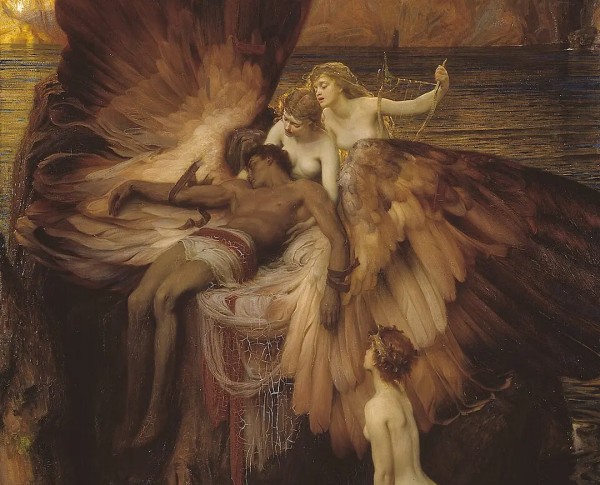
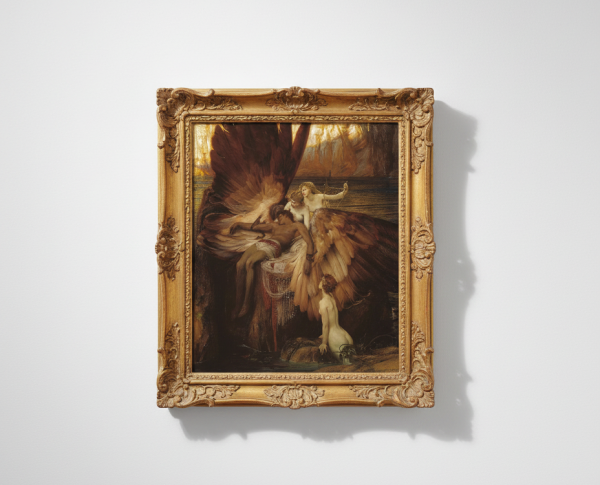
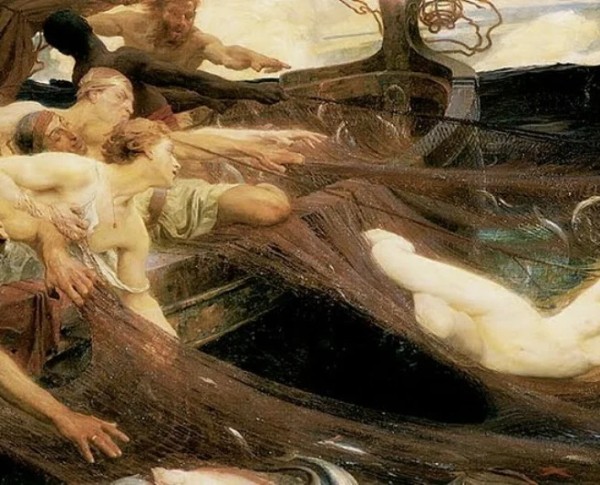
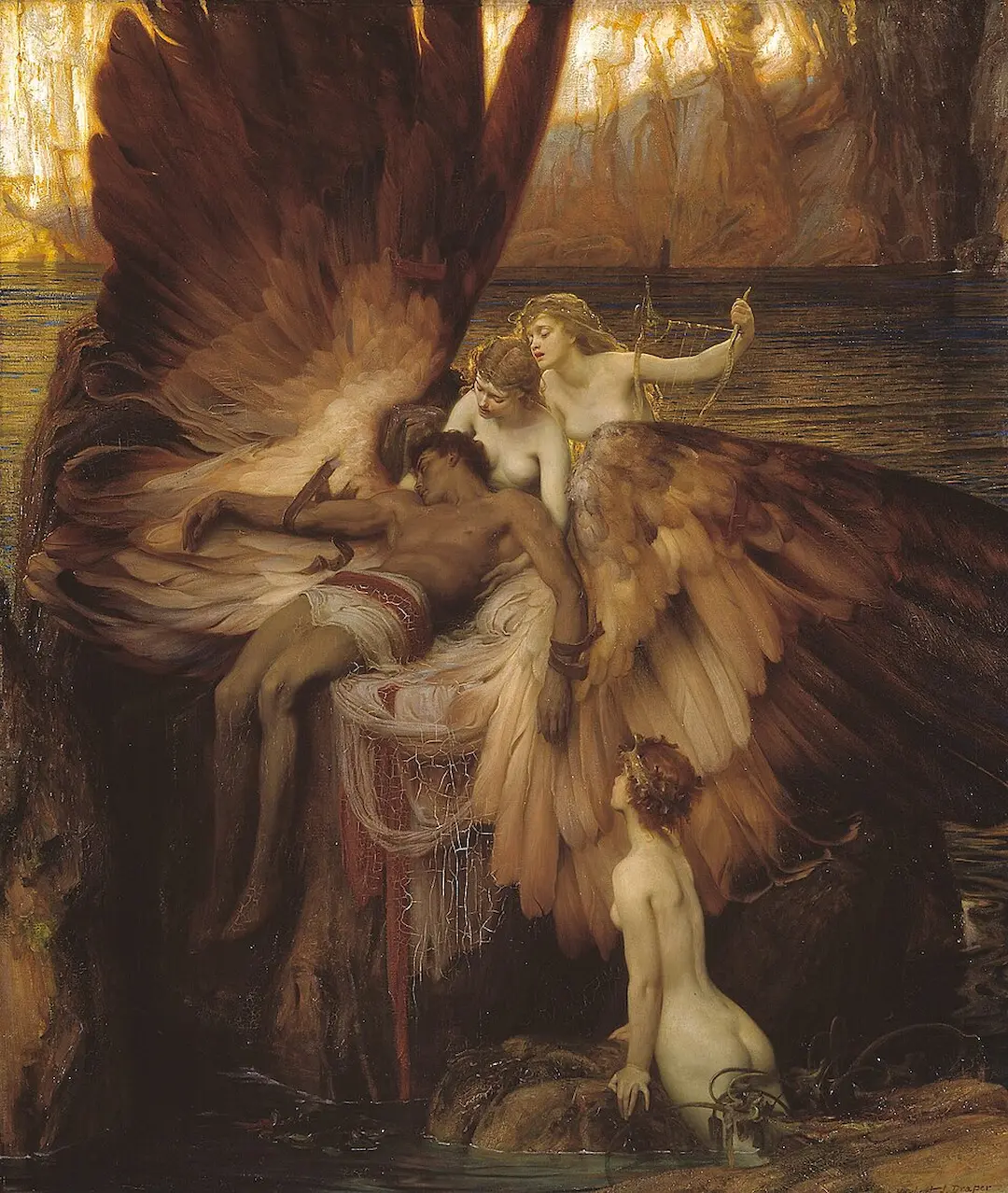
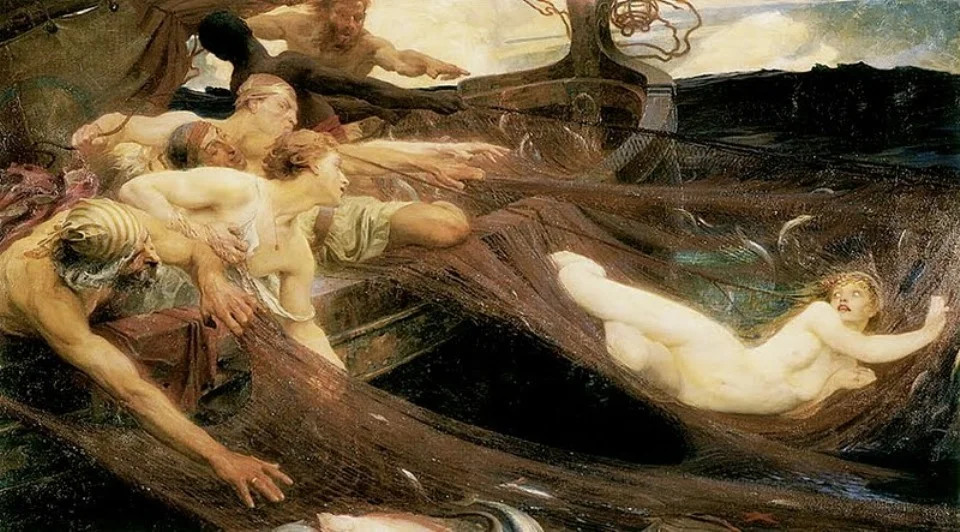
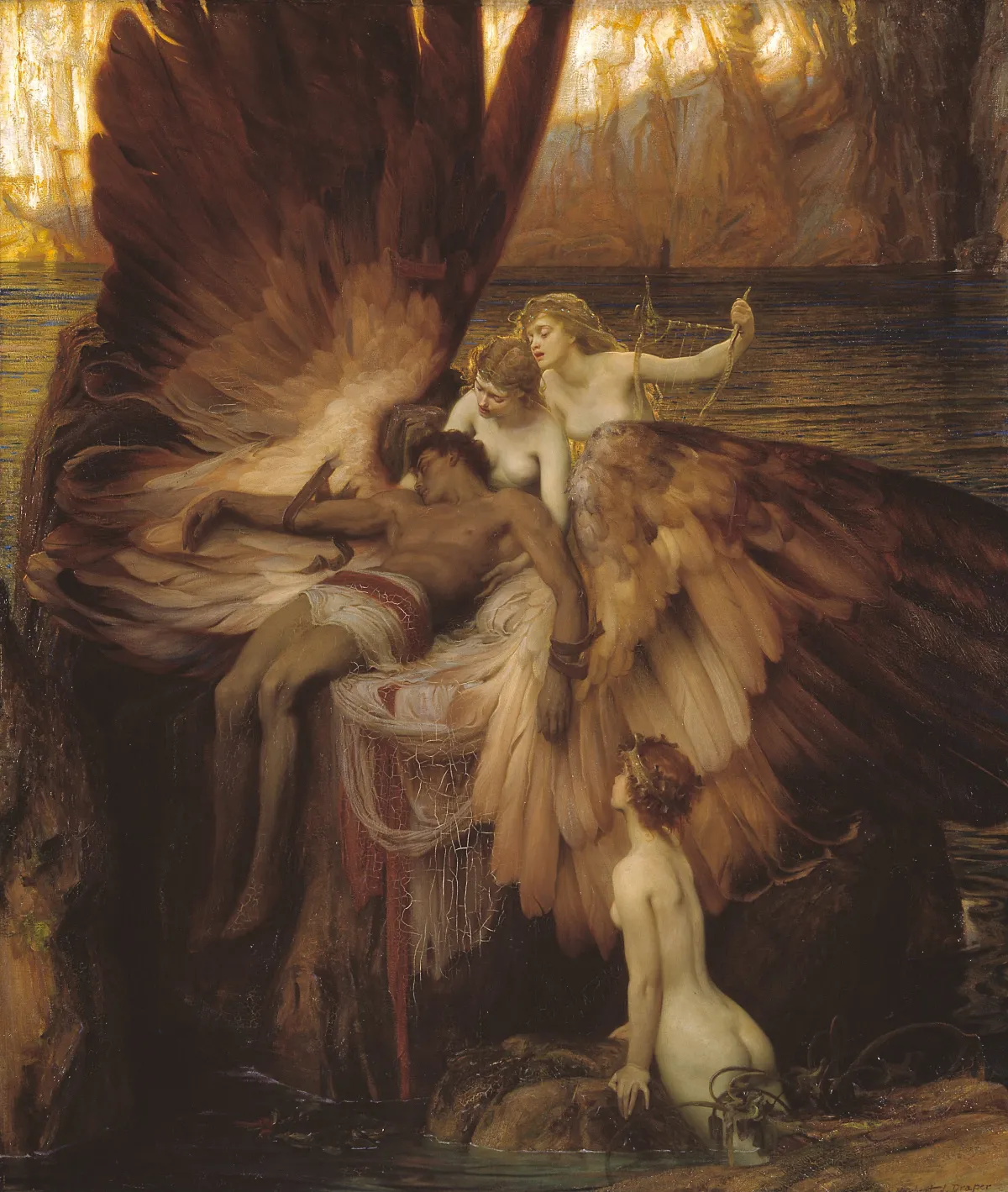
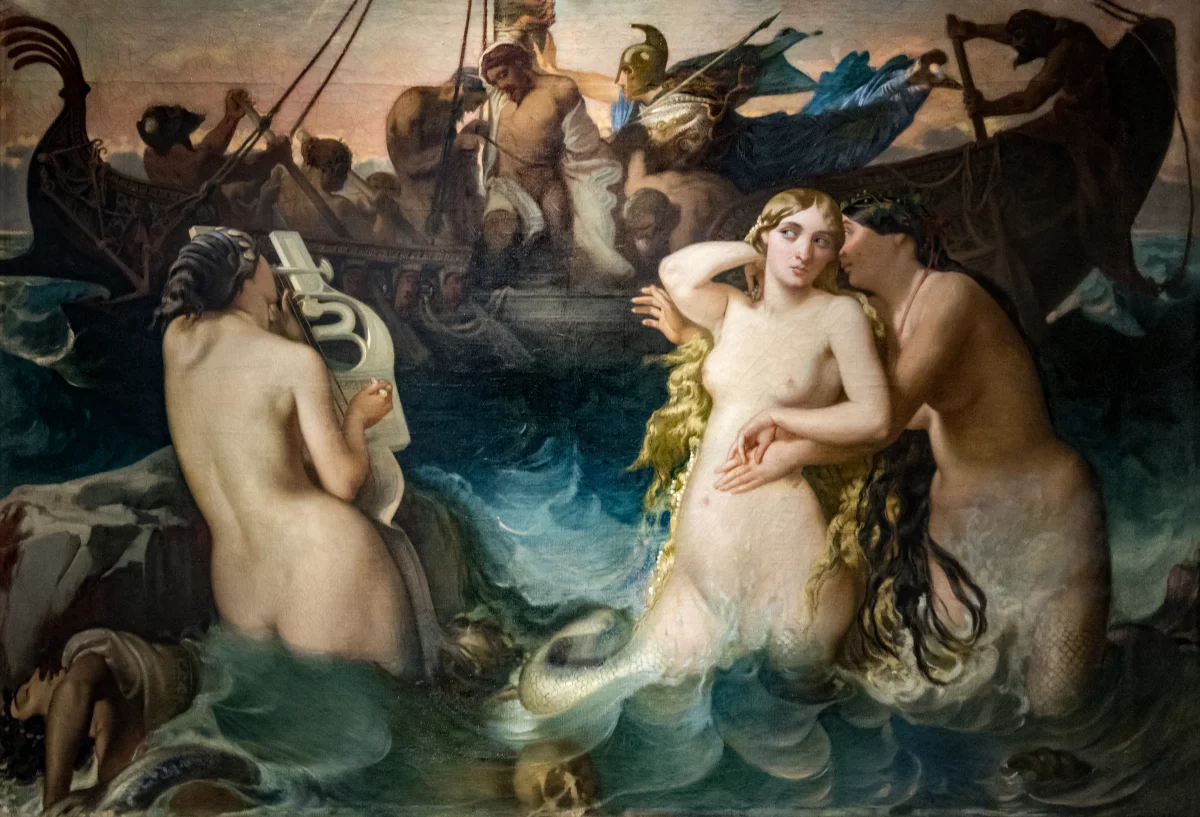
Herbert James Draper’s "Lament for Icarus" showcases the remarkable skill involved in creating an oil on canvas masterpiece. Every brushstroke reveals the artist’s dedication to detail and his deep understanding of human anatomy and emotion. The Neo-Classical movement’s influence is evident in the harmonious composition and balanced forms. Collectors interested in owning a piece of this tradition will also appreciate related products like "The Sea Maiden," another stunning example of Draper’s artistry.
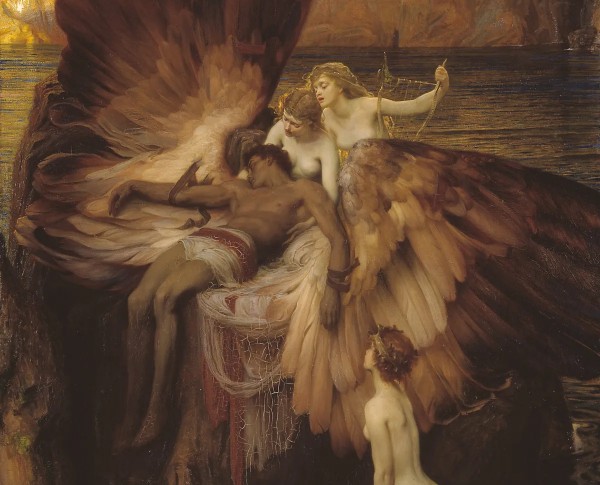
"Lament for Icarus" is more than a fine art painting for sale; it is a narrative woven in oil and canvas. Draper reimagines the myth of Icarus, illustrating the tragic consequences of hubris with poignant symbolism. The fallen figure, surrounded by mourning nymphs, evokes themes of loss and beauty, hallmarks of the Neo-Classical movement. For those captivated by mythological stories, "The Sea Maiden" offers a similarly enchanting exploration by the same artist.
Acquiring "Lament for Icarus" by Herbert James Draper means owning a hand-painted oil painting that exemplifies the Neo-Classical movement. This timeless artwork appeals to collectors seeking both emotional depth and technical brilliance. As a fine art painting for sale, it offers not only aesthetic pleasure but also historical significance. Pairing it with Draper’s "The Sea Maiden" creates a harmonious display of mythological elegance, perfect for any discerning art lover’s collection.
When Art Meets History
"Lament for Icarus" by Herbert James Draper stands as a testament to the Neo-Classical movement, capturing the tragic aftermath of Icarus’s fall. This hand-painted oil painting intertwines mythological storytelling with historical resonance, much like "The Declaration of Independence" or "Portrait of Thomas Jefferson." Draper’s masterful interpretation brings ancient legends to life, making this work a remarkable example of how fine art can bridge the gap between history and timeless human emotion.
Techniques That Speak
Herbert James Draper’s "Lament for Icarus" showcases exquisite oil on canvas technique, a hallmark of the Neo-Classical style. Delicate brushwork and dramatic lighting highlight Icarus’s fallen form, echoing the technical mastery seen in "Still-Life 1810." Draper’s use of rich, blended hues and realistic anatomy enhances the narrative depth, making each element of the composition resonate. Collectors and enthusiasts prize this oil on canvas for its technical brilliance and evocative storytelling.
Emotions on Display
The emotional intensity of "Lament for Icarus" is unmistakable, capturing both the sorrow of loss and the beauty of myth. Draper’s hand-painted oil painting evokes empathy through expressive figures and mournful atmosphere, aligning with the emotive power found in other Neo-Classical masterpieces. The artist’s ability to communicate despair and hope simultaneously makes this work a standout, ensuring its place among the most moving artworks ever created.
Coveted by Collectors
As a fine art painting for sale, "Lament for Icarus" continues to captivate collectors worldwide. Its connection to the Neo-Classical movement, along with Draper’s celebrated artistry, elevates its desirability. Like "The Declaration of Independence" and "Portrait of Thomas Jefferson," this painting’s historical and artistic significance ensures its status as a coveted masterpiece. Collectors seek it not only for its beauty but also for its profound narrative and technical excellence.
Related Neo-Classical Hand-Painted Oil Paintings by Other Artists
Other Famous Neo-Classical Artists:
Frequently Asked Questions About Lament for Icarus
What is the historical context of "Lament for Icarus"?
"Lament for Icarus" was painted by Herbert James Draper in 1898, during the late Victorian era, a time characterized by a fascination with classical mythology and a revival of romantic themes in art.
What mythological story does "Lament for Icarus" depict?
The painting illustrates the Greek myth of Icarus, who flew too close to the sun with wings made of feathers and wax, leading to his tragic fall into the sea. Draper captures the moment of mourning for Icarus, emphasizing the themes of hubris and the consequences of ambition.
What artistic style is employed in "Lament for Icarus"?
Draper’s work is characterized by a blend of Symbolism and Pre-Raphaelite influences, showcasing rich colors, detailed figures, and an emotional depth that evokes a sense of tragedy and beauty.
What symbolism is present in the painting?
The painting symbolizes the fragility of human ambition and the inevitable downfall that can accompany it. Icarus represents the dangers of overreaching, while the mourners symbolize the sorrow and loss that follow such tragedies.
How does Draper portray the figures in "Lament for Icarus"?
The figures in the painting are depicted with a sense of grace and sorrow, their expressions conveying deep emotion. Draper’s use of flowing drapery and soft lines enhances the ethereal quality of the scene, drawing the viewer into the moment of lamentation.
What is the significance of the color palette in "Lament for Icarus"?
Draper employs a rich and somber color palette, dominated by deep blues and warm earth tones, which evoke a sense of melancholy and reflect the emotional weight of the narrative. The contrast between light and dark also symbolizes the duality of aspiration and despair.
In what ways does "Lament for Icarus" reflect Victorian attitudes towards mythology?
The painting reflects the Victorian era's fascination with classical mythology as a means to explore human emotions and moral lessons. It serves as a commentary on the human condition, resonating with the era's interest in the interplay between fate and free will.
What techniques did Draper use to create depth in "Lament for Icarus"?
Draper utilized techniques such as chiaroscuro to create depth and dimension, enhancing the three-dimensionality of the figures. The careful rendering of light and shadow helps to guide the viewer’s eye and emphasizes the emotional gravity of the scene.
How has "Lament for Icarus" influenced modern interpretations of the Icarus myth?
The painting has contributed to the enduring legacy of the Icarus myth in contemporary culture, inspiring various artistic interpretations that explore themes of ambition, failure, and the human experience, often serving as a cautionary tale in modern narratives.
Where can I view "Lament for Icarus" today?
"Lament for Icarus" is part of the collection at the Manchester Art Gallery in the United Kingdom, where it continues to be appreciated for its artistic merit and poignant storytelling.






















_GFM_Painting_(1).webp)



 100% Hand-Painted: Finished in 3-6 Weeks

.png)
















_(1).webp)