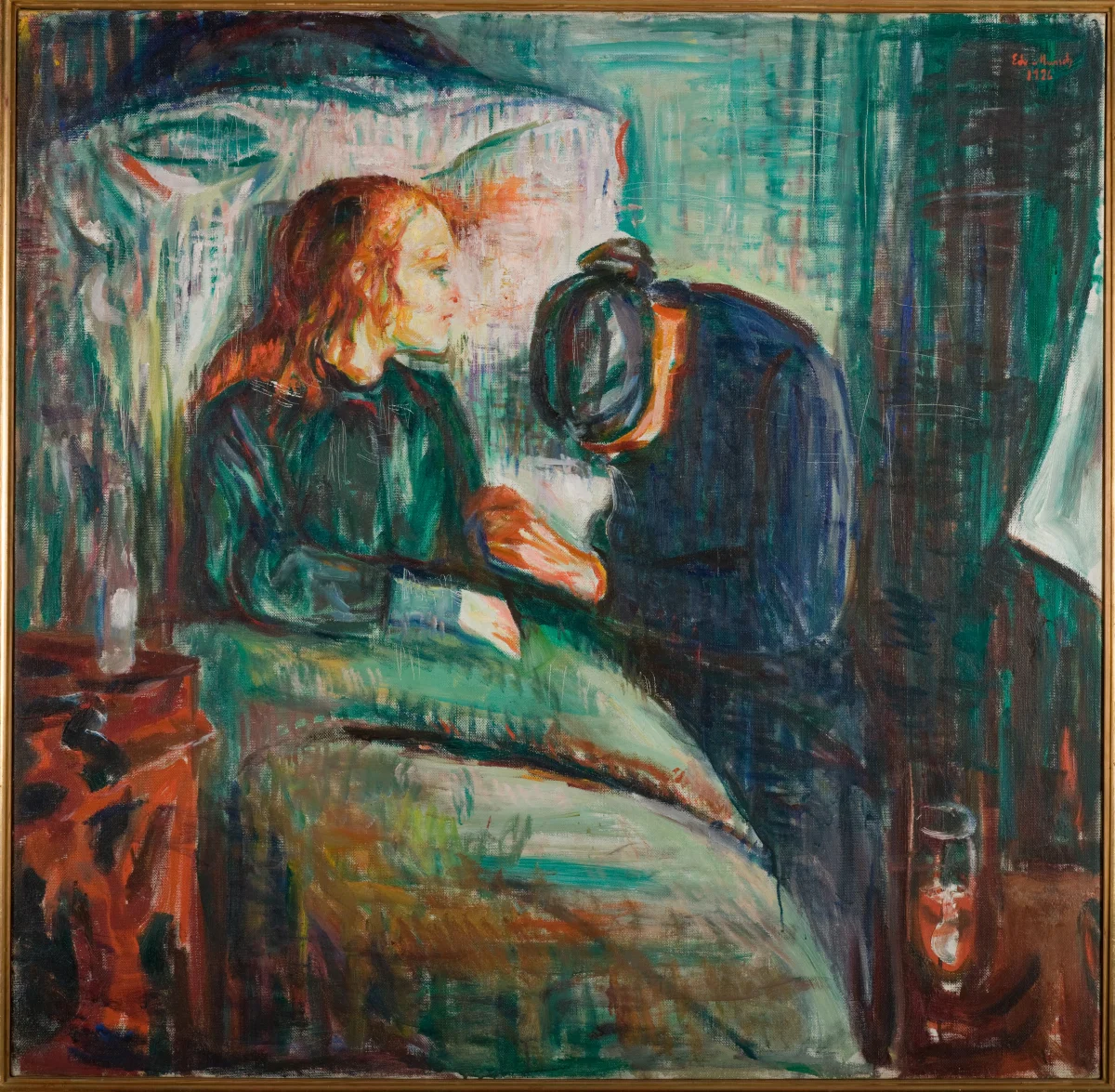
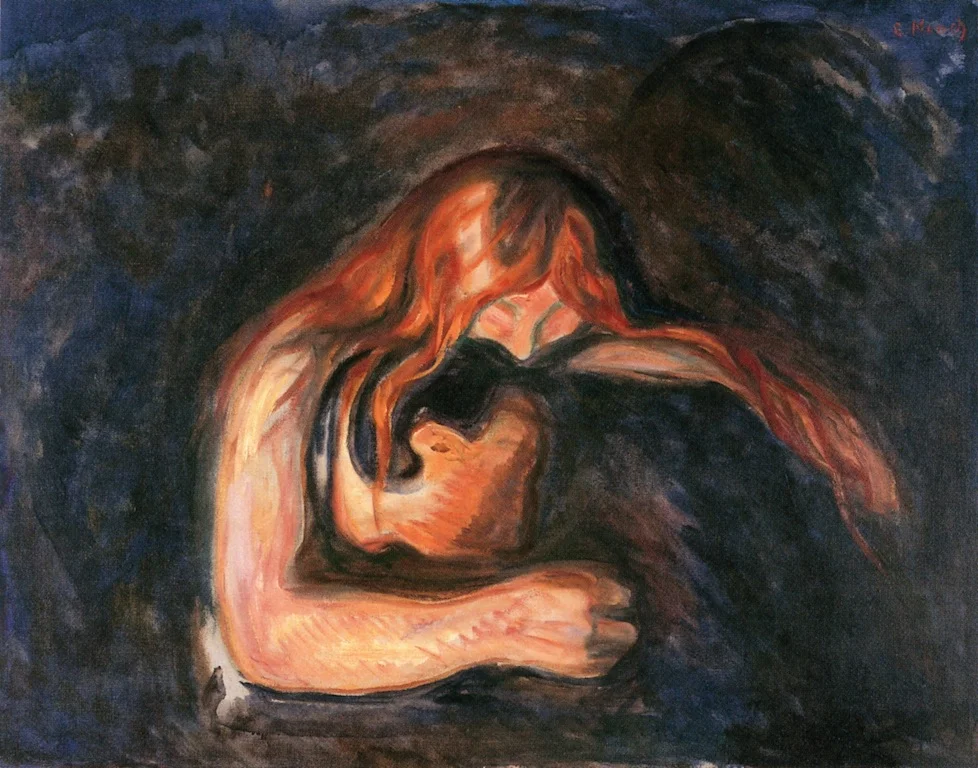
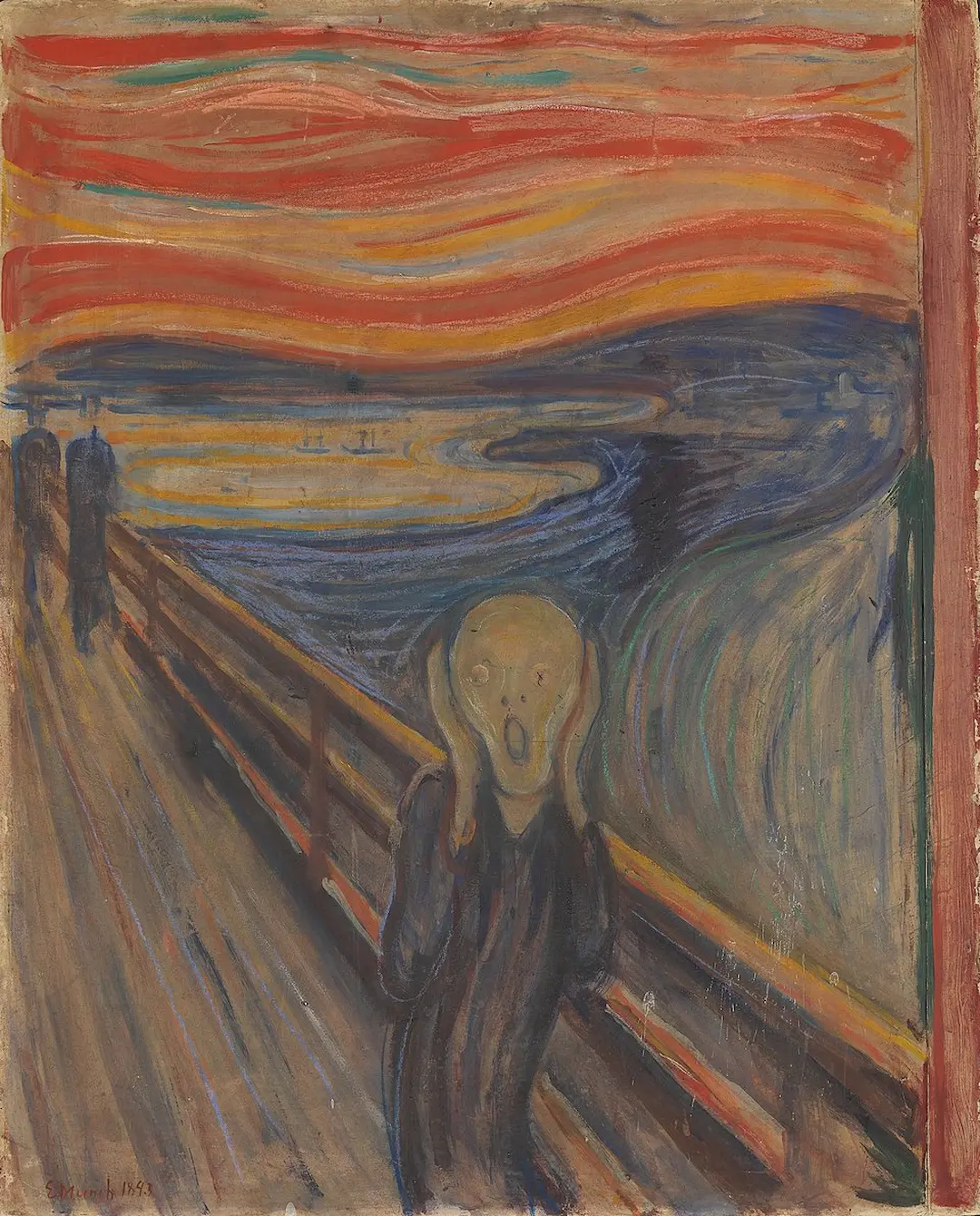
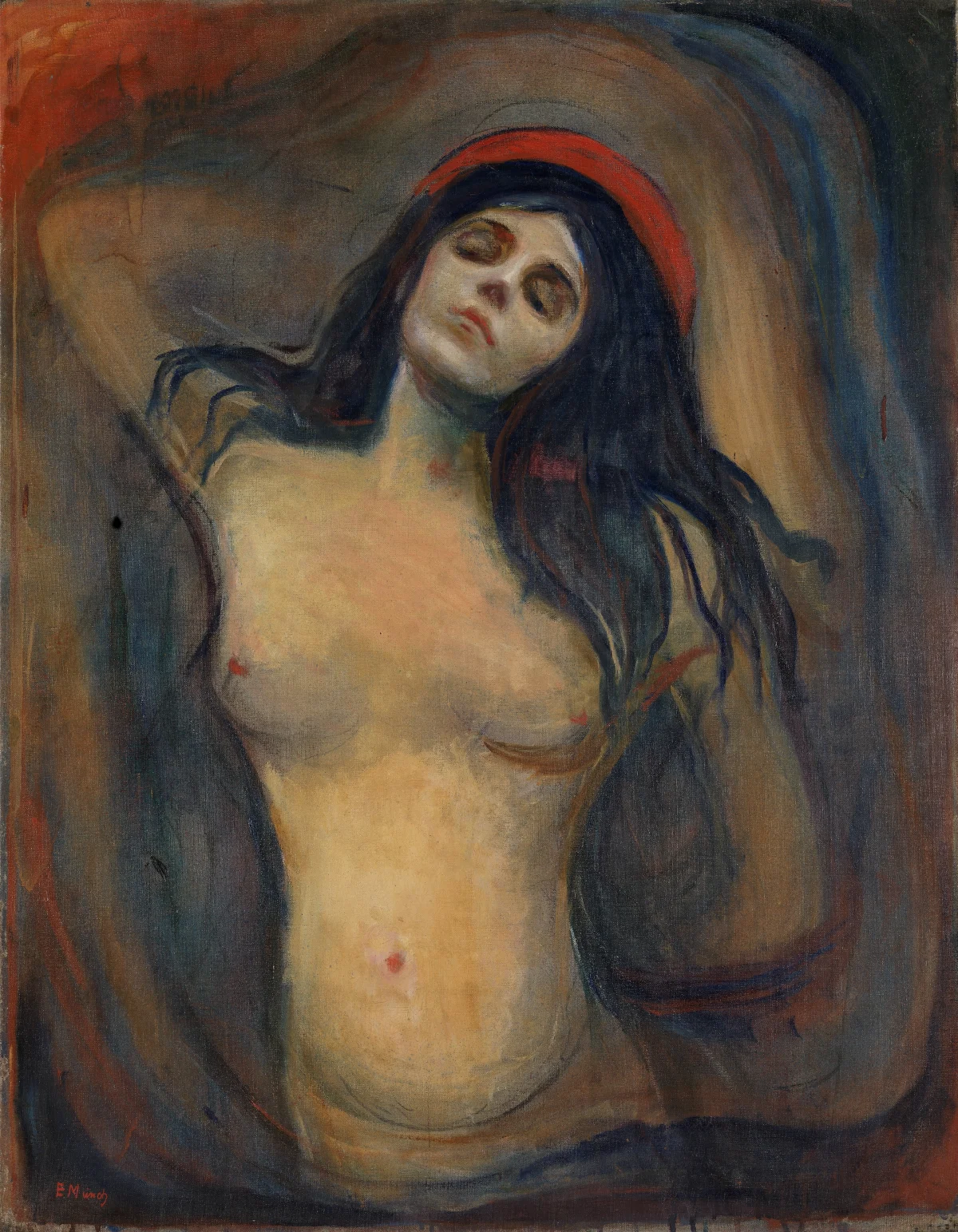
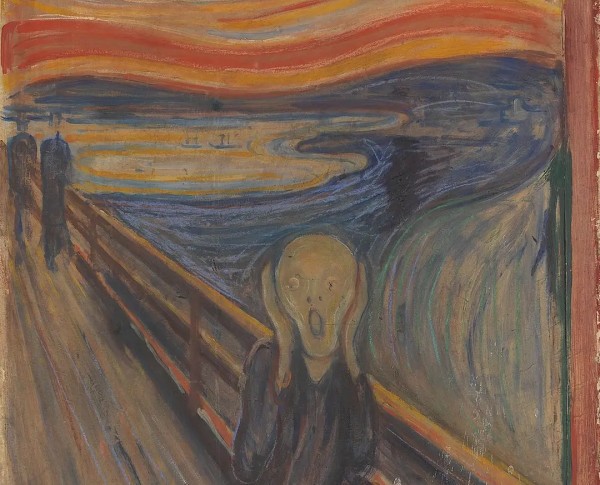
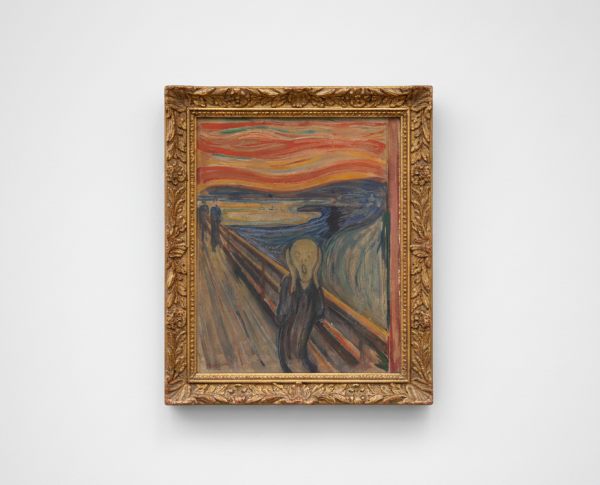
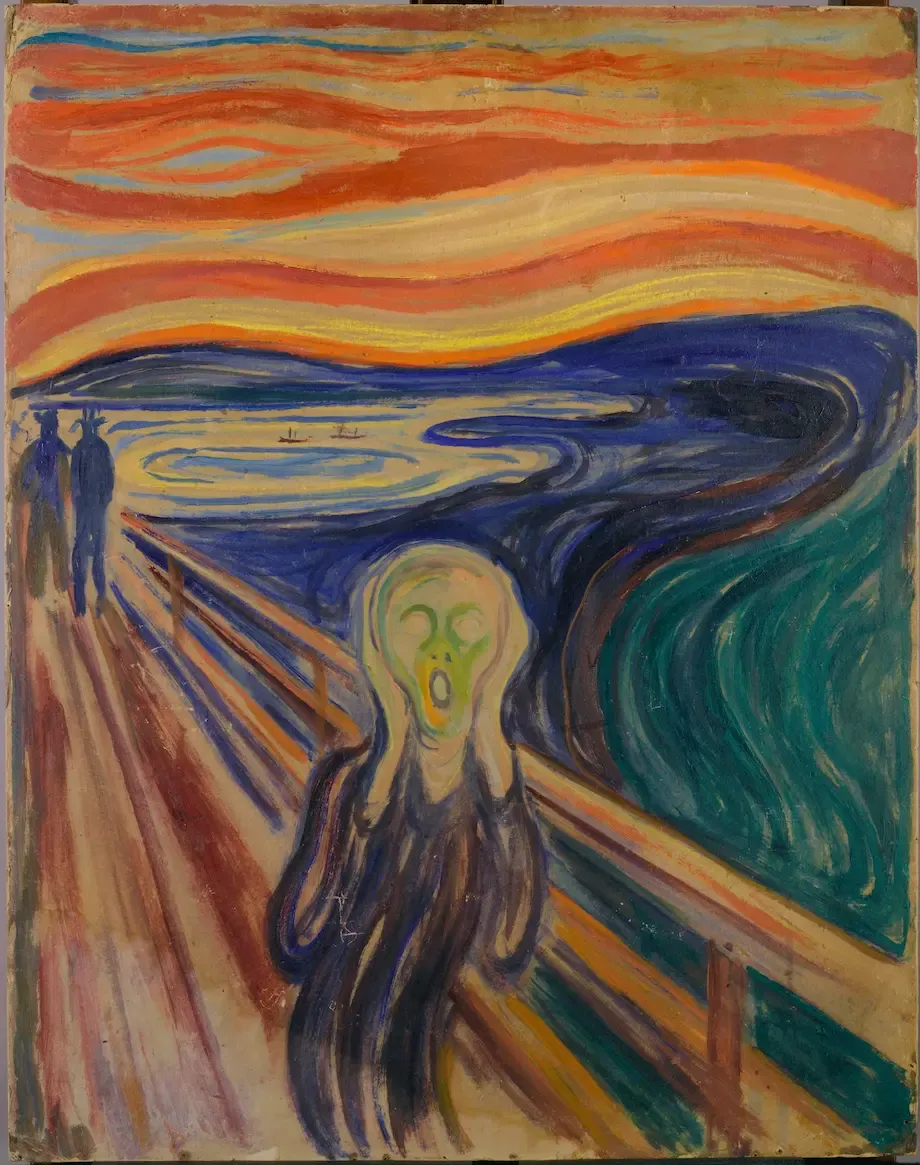
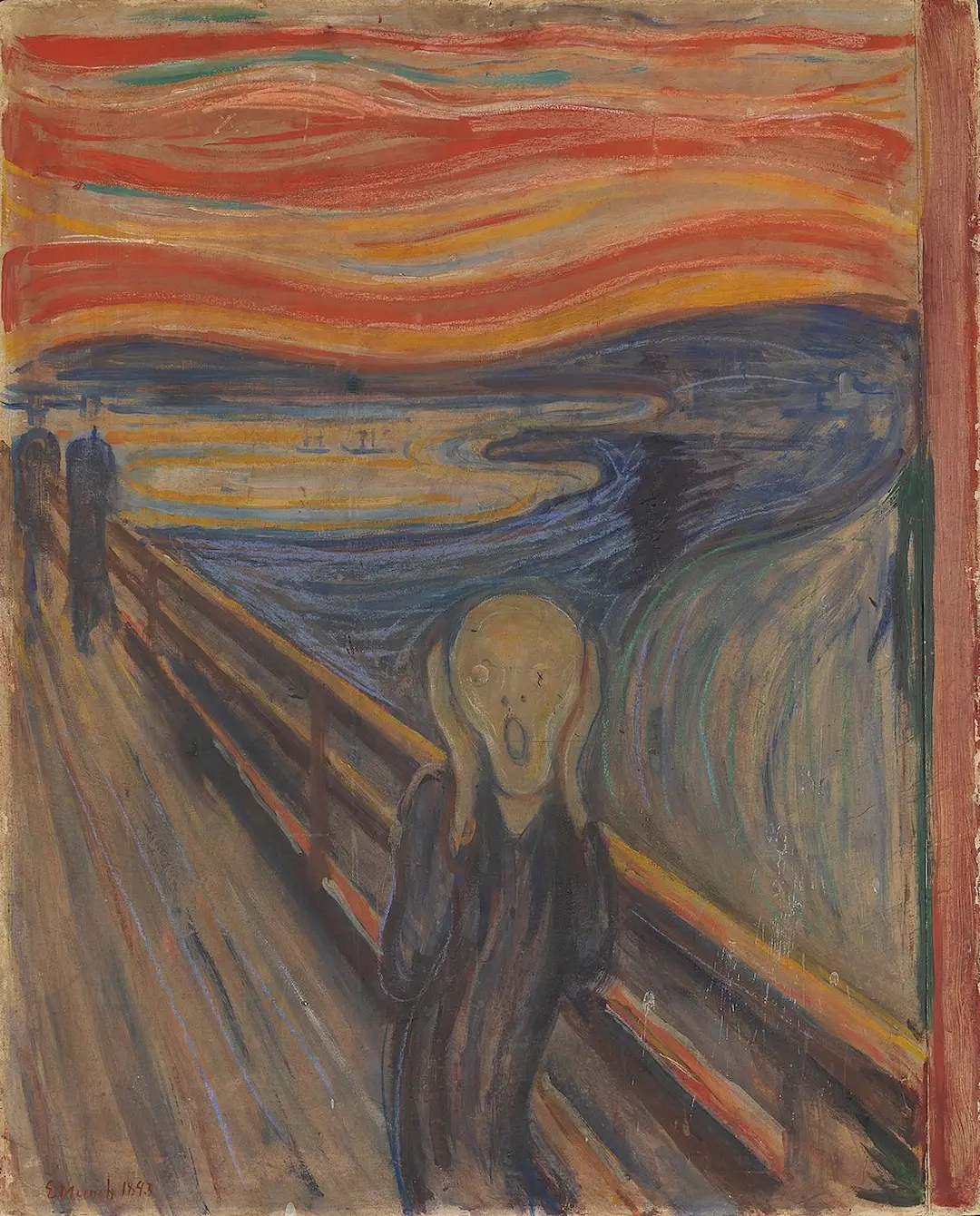
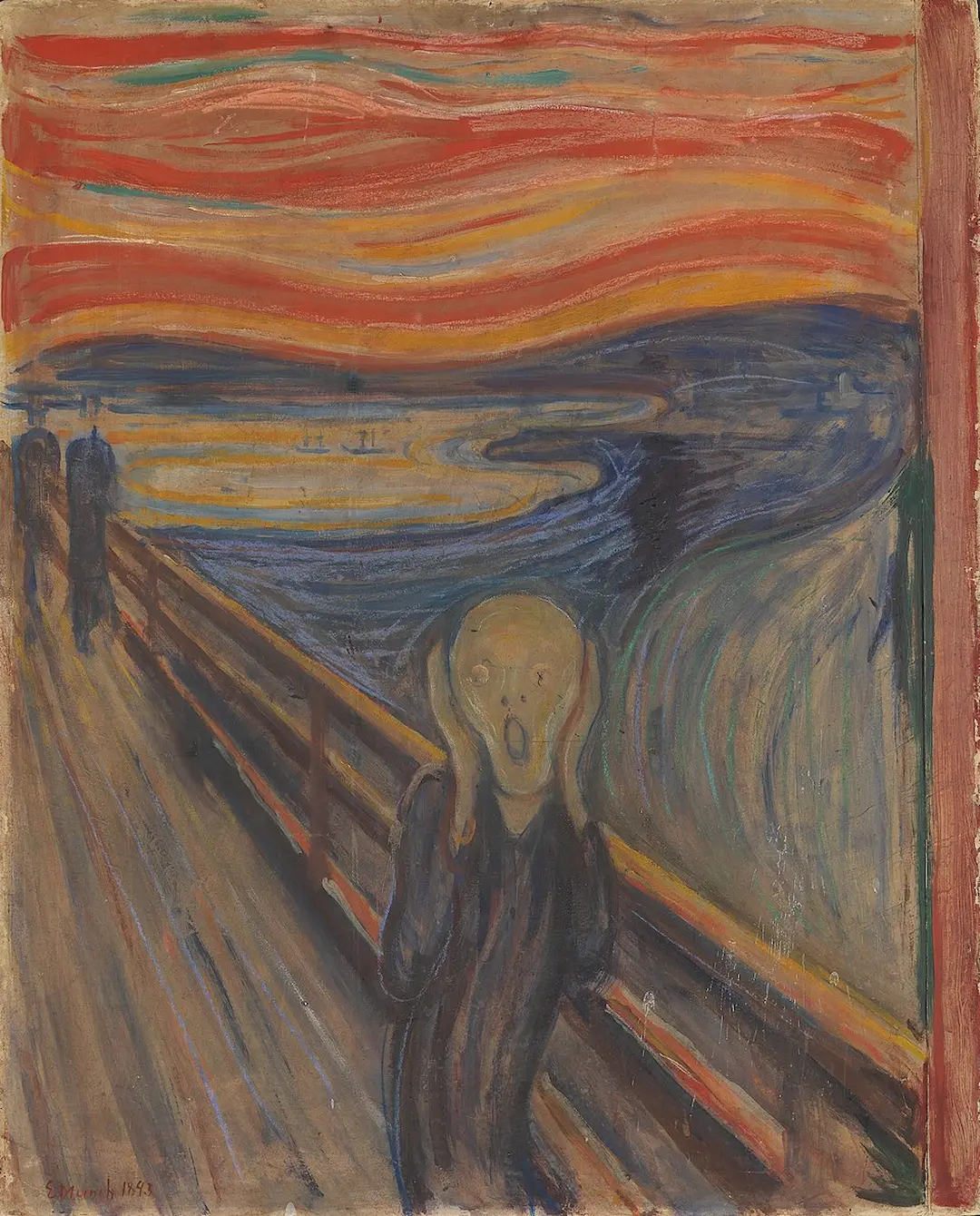
Every element of “The Scream” reveals Edvard Munch’s extraordinary technique with oil on canvas. The swirling sky and distorted figure showcase Munch’s ability to convey intense emotion through bold, expressive brushwork. As a prime example of the Expressionism movement, this painting’s vibrant hues and dramatic lines invite viewers into Munch’s inner world. For those appreciating hand-painted oil paintings, “The Scream” exemplifies the mastery and innovation that define collectible fine art.
“The Scream” by Edvard Munch is not just a painting—it is a narrative woven into oil on canvas. The iconic, anguished figure symbolizes universal human anxiety, while the dramatic landscape intensifies the emotional impact. As one of the most recognized works of the Expressionism movement, its symbolism continues to intrigue art lovers. This fine art painting for sale invites viewers to explore deeper meanings and personal interpretations, making it an essential piece for any serious collection.
Owning a hand-painted oil painting like “The Scream” by Edvard Munch is a rare privilege for any art collector. As a cornerstone of the Expressionism movement, this piece represents both artistic innovation and emotional resonance. Its enduring popularity ensures that “The Scream” remains a top choice among fine art paintings for sale. Whether displayed in a gallery or a private collection, it stands as a testament to the power of oil on canvas to evoke profound responses.
When Art Meets History
"The Scream" by Edvard Munch, a masterpiece of the Expressionism movement, captures a pivotal moment in art history. Created in 1893, this hand-painted oil painting reflects the anxieties of the modern age. Munch’s iconic figure set against a swirling sky became a symbol of existential dread. Like other works by Munch, "The Scream" stands out for its emotional intensity, making it a landmark in the history of fine art painting for sale and museum collections worldwide.
Techniques That Speak
Edvard Munch used bold brushstrokes and vibrant colors in "The Scream," exemplifying the Expressionist style. The artist’s unique approach to oil on canvas creates a sense of movement and urgency, drawing viewers into the emotional landscape. The swirling sky and distorted forms highlight Munch’s innovative techniques, which influenced countless artists after him. This oil on canvas remains a prime example of how technique can amplify emotional expression in a fine art painting for sale.
Emotions on Display
Few works capture raw emotion like "The Scream" by Edvard Munch. This hand-painted oil painting embodies the core of the Expressionism movement, where feelings take center stage. The anguished figure and turbulent background evoke anxiety and despair, resonating deeply with audiences. Munch’s ability to convey such intense emotion through his brushwork distinguishes this masterpiece, making it a sought-after fine art painting for sale and a touchstone for those moved by expressive art.
Coveted by Collectors
"The Scream" is one of the most recognizable and coveted works in the art world. Collectors and museums prize this oil on canvas for its historical significance and emotional power. Edvard Munch’s influence within Expressionism endures, with "The Scream" remaining a highlight among fine art painting for sale. Its widespread acclaim and cultural impact ensure its place as a centerpiece in prestigious collections, alongside other iconic paintings by Munch and his contemporaries.
Frequently Asked Questions About The Scream
What is the historical significance of The Scream?
The Scream, created by Edvard Munch in 1893, is considered a pivotal work in the development of modern art. It embodies the existential angst and emotional turmoil of the late 19th century, reflecting the anxieties of a rapidly changing society.
What inspired Edvard Munch to create The Scream?
Munch was inspired by a personal experience while walking at sunset. He described feeling an overwhelming sense of anxiety and despair, which he sought to capture in this iconic image, representing universal human emotions.
What artistic techniques did Munch use in The Scream?
Munch employed bold colors, swirling lines, and exaggerated forms to convey emotion. The use of vibrant hues and the distortion of perspective create a sense of unease, emphasizing the painting's psychological themes.
How many versions of The Scream exist?
There are four known versions of The Scream, created between 1893 and 1910. These include two painted versions, a pastel version, and a lithograph, each showcasing Munch's evolving interpretation of the theme.
What does the figure in The Scream represent?
The figure in The Scream is often interpreted as a representation of modern existential dread. It symbolizes the universal feelings of anxiety, alienation, and despair that many individuals experience in the face of an incomprehensible world.
What role does color play in The Scream?
The use of color in The Scream is crucial in conveying emotion. The intense reds and oranges of the sky contrast with the dark figure, creating a sense of chaos and emotional turmoil that resonates with the viewer.
How has The Scream influenced modern art?
The Scream has had a profound influence on modern art, inspiring countless artists to explore themes of anxiety and existentialism. Its iconic status has made it a symbol of modern emotional expression and a reference point for subsequent movements.
What symbolism is present in The Scream?
The Scream is rich in symbolism, with the swirling sky representing the chaos of the mind and the bridge signifying the isolation of the individual. The figure's open mouth can be seen as a cry for help or an expression of profound distress.
What is the cultural impact of The Scream?
The Scream has transcended the art world to become a cultural icon, appearing in various forms of media and popular culture. It represents the struggle with mental health and the human condition, resonating with audiences worldwide.
Where can I view The Scream today?
Currently, the most famous versions of The Scream are housed in the National Gallery in Oslo and the Munch Museum, also in Oslo, Norway. These institutions provide insight into Munch's life and the context of his work.






















_GFM_Painting_(1).webp)


 100% Hand-Painted: Finished in 3-6 Weeks

.png)















_(1).webp)