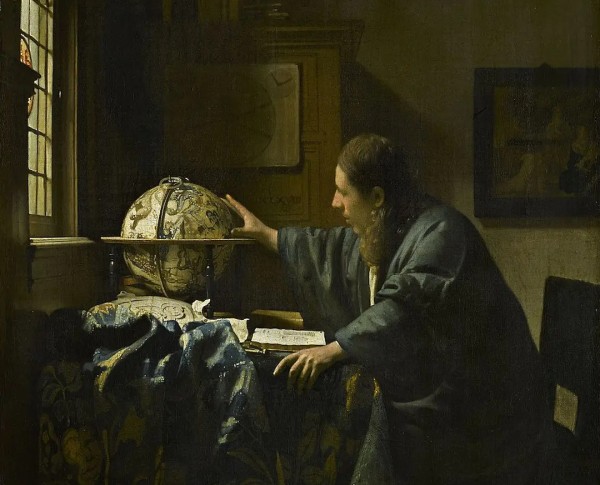
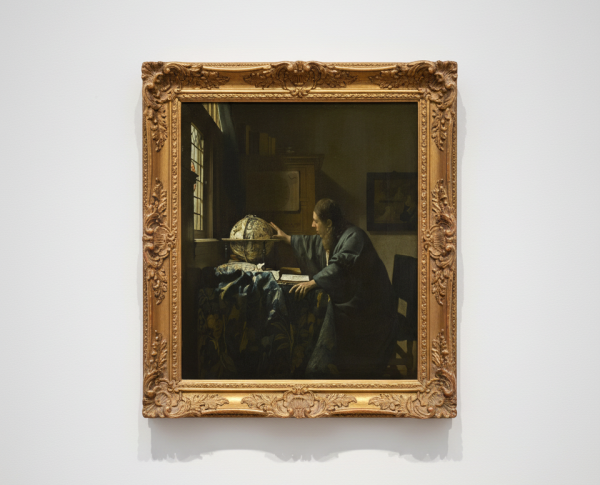
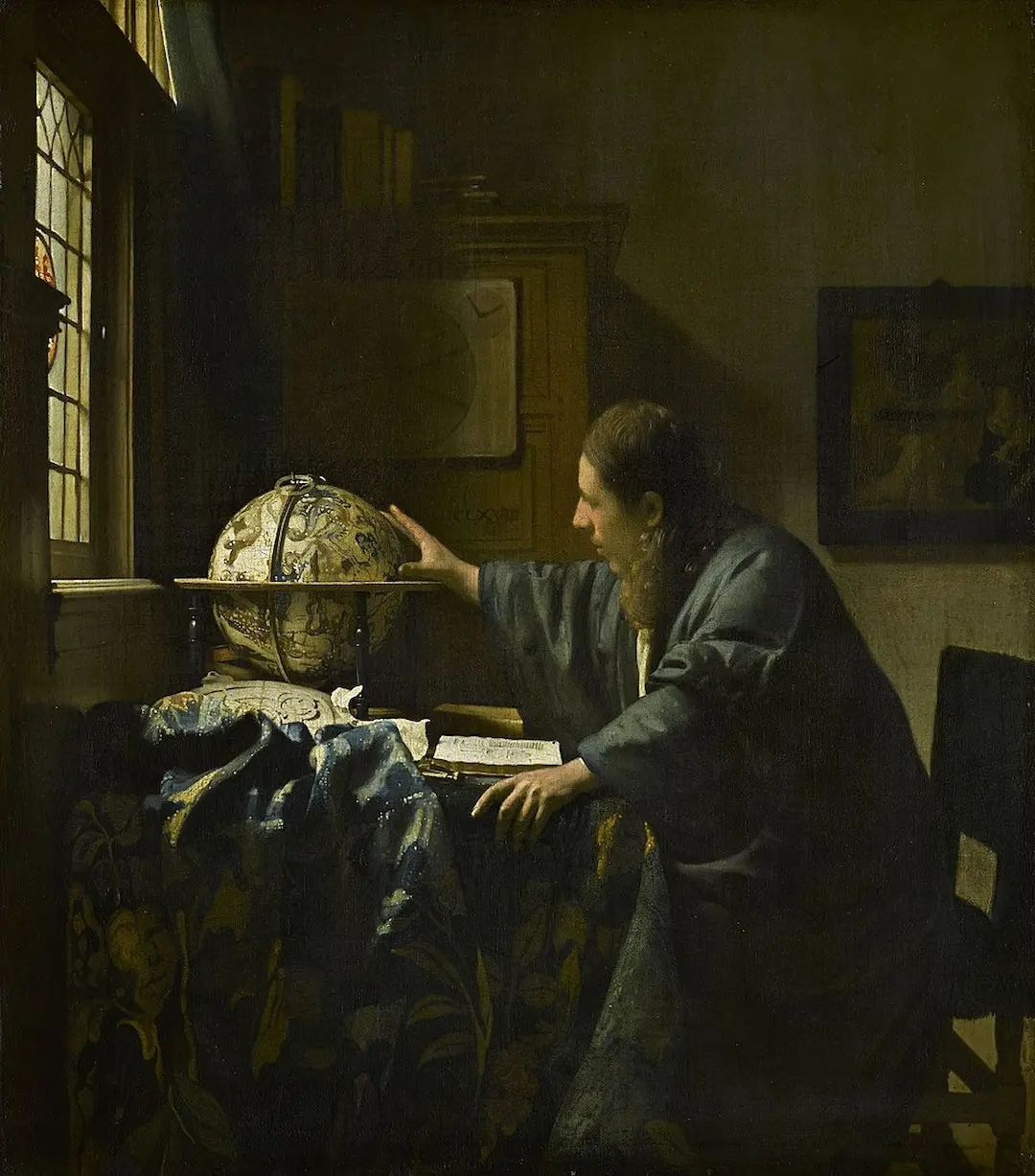
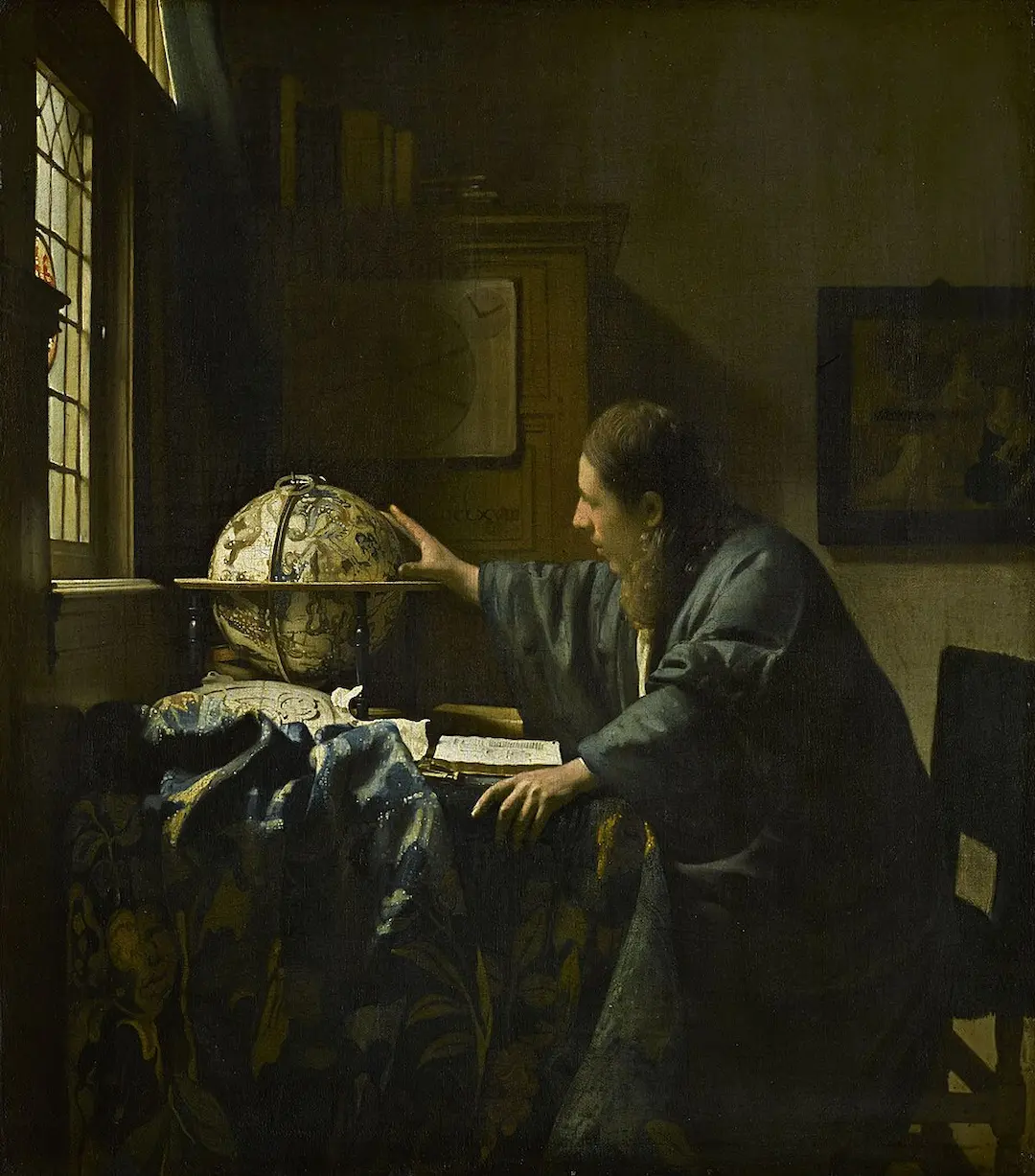
Jan Vermeer Van Delft’s skillful use of oil on canvas in "The Astronomer c. 1668" showcases his unparalleled expertise during the Dutch Golden Age. The painting’s luminous quality and realistic textures demonstrate Vermeer’s signature technique, making it a prized example of his artistry. As a fine art painting for sale, this piece appeals to collectors who appreciate the technical brilliance and historic significance that Vermeer brought to the world of oil painting.
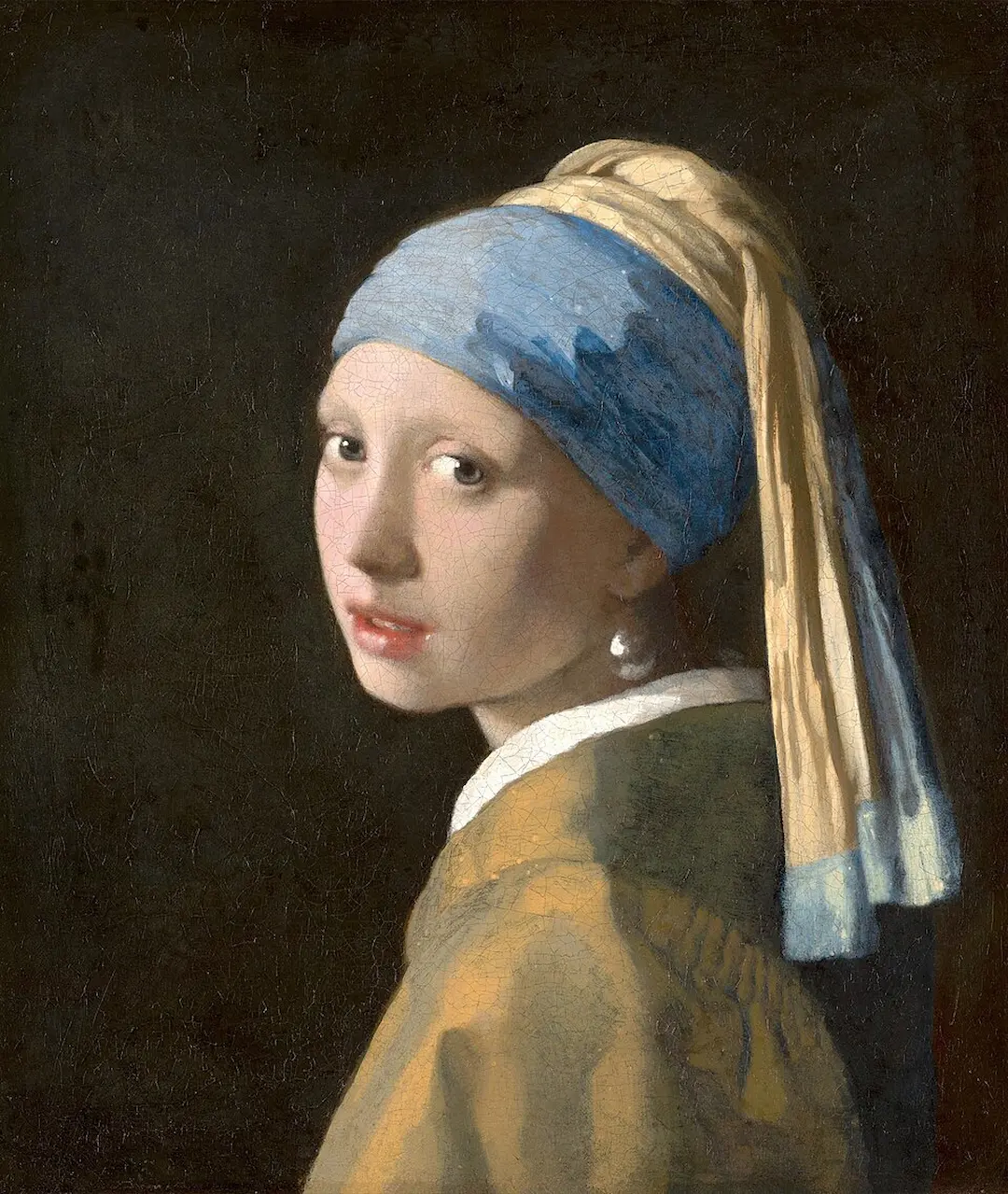
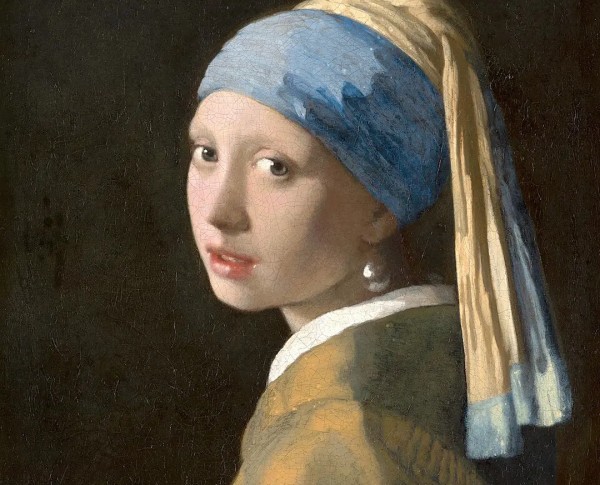
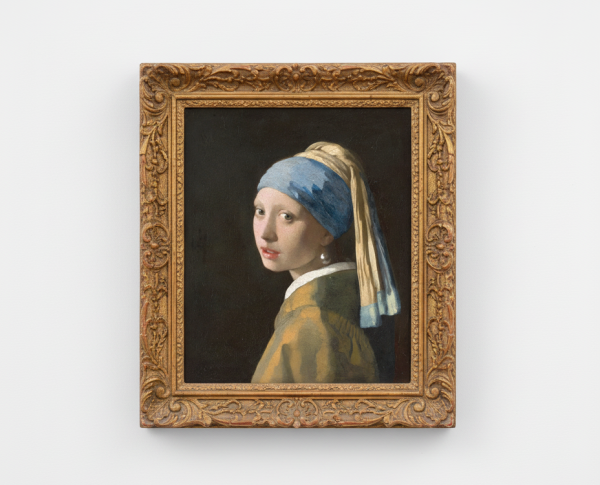
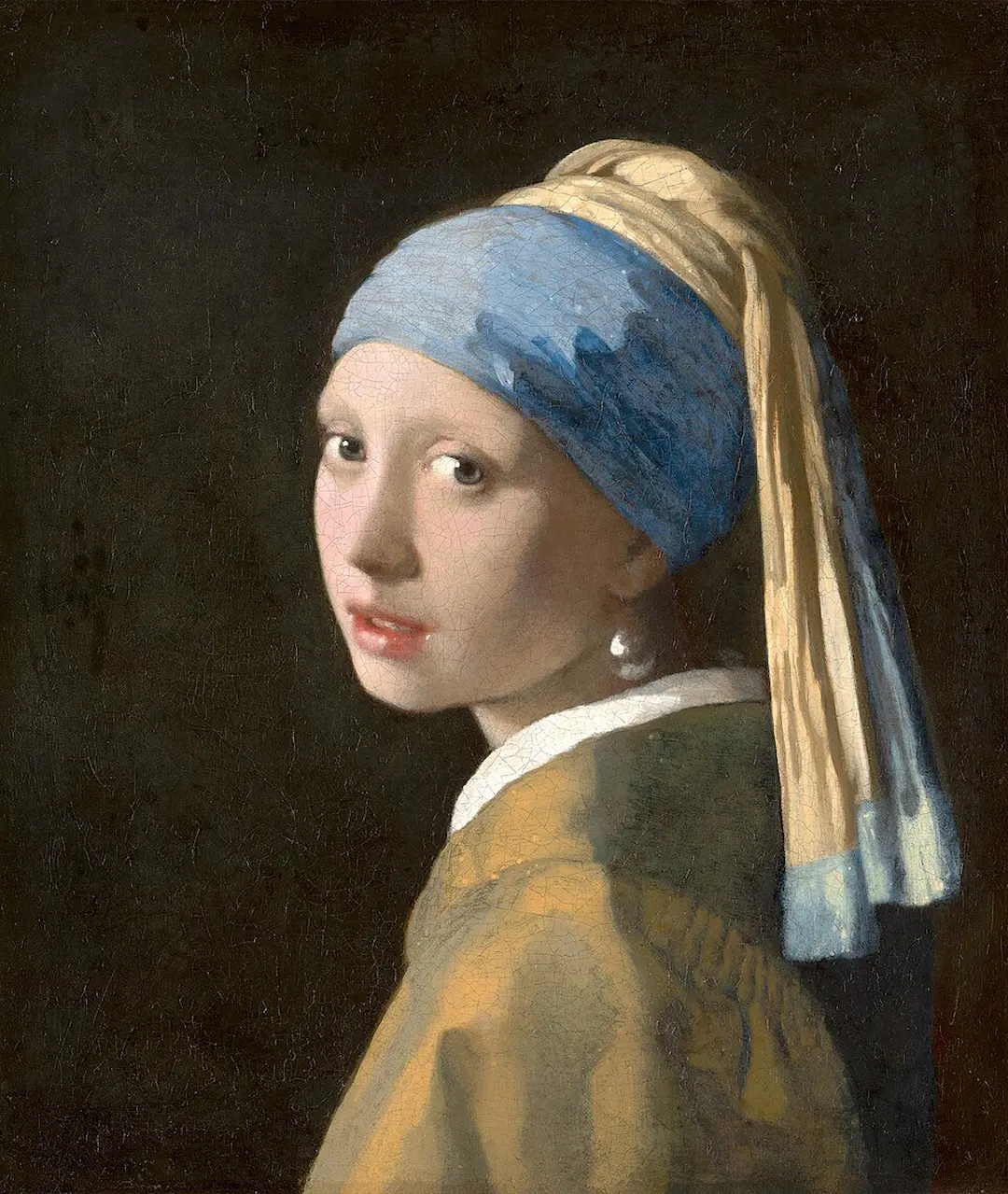
"The Astronomer c. 1668" reveals more than just a moment in time; it is a hand-painted oil painting rich with symbolism. Jan Vermeer Van Delft masterfully incorporates elements that reflect the scientific pursuits of the Dutch Golden Age, inviting viewers to ponder the mysteries of the universe. Collectors often pair this artwork with related products like "Girl with a Pearl Earring c. 1665" to delve deeper into Vermeer’s symbolic storytelling.
For art lovers, "The Astronomer c. 1668" by Jan Vermeer Van Delft is an exquisite oil on canvas that exemplifies the Dutch Golden Age movement. Its timeless appeal and historical significance make it a highly sought-after fine art painting for sale. Complementing this masterpiece with related products such as "Girl with a Pearl Earring c. 1665" enhances any collection, offering a glimpse into Vermeer’s world of artistic mastery and innovation.
When Art Meets History
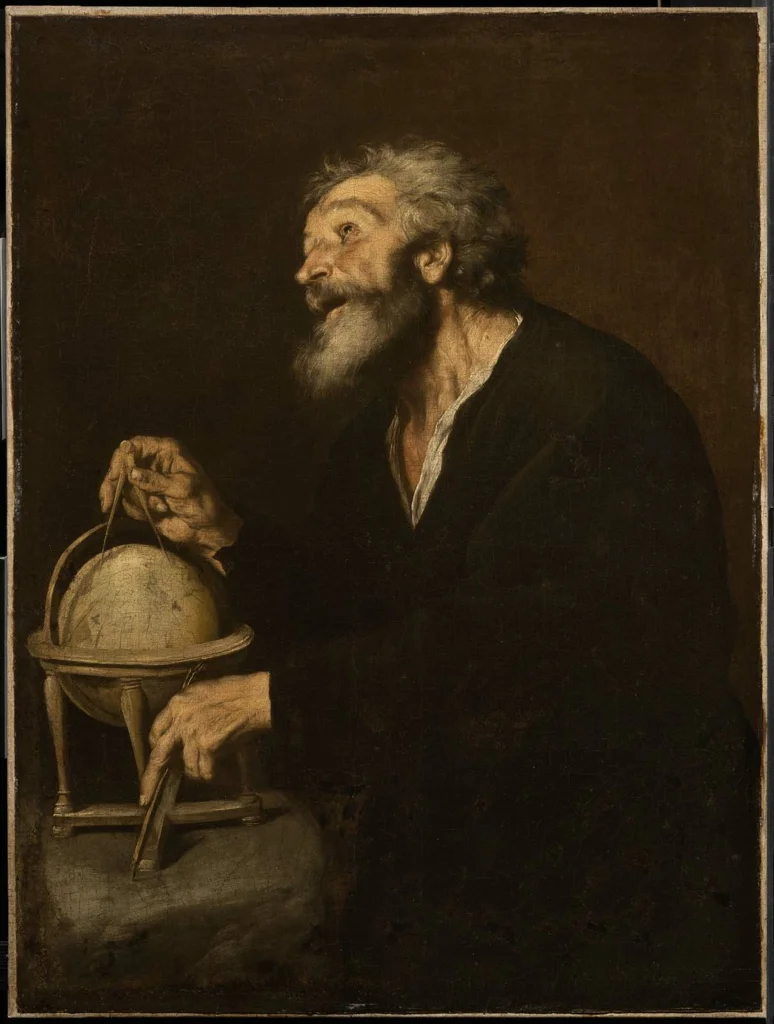
"The Astronomer c. 1668" by Jan Vermeer Van Delft is a shining example of the Dutch Golden Age movement, a period celebrated for its remarkable advancements in art and science. This hand-painted oil painting showcases Vermeer’s fascination with intellectual pursuits, echoing themes found in related works like "Philosopher in Meditation 1632" and "The Night Watch." Through this masterpiece, Vermeer captures the spirit of an era where knowledge and artistry were deeply intertwined.
Techniques That Speak
Jan Vermeer Van Delft’s mastery of oil on canvas is evident in "The Astronomer c. 1668." The artist’s use of light and shadow brings a lifelike quality to the scene, similar to the dramatic effects seen in "Man in a Golden Helmet c. 1650" and "Anatomy Lesson of Dr Tulp." The meticulous brushwork and careful composition highlight Vermeer’s signature technique, making this painting a quintessential example of Dutch Golden Age craftsmanship.
Emotions on Display
In "The Astronomer c. 1668," Jan Vermeer Van Delft conveys a sense of curiosity and contemplation, hallmarks of the Dutch Golden Age movement. The subject’s focused gaze and serene posture evoke emotions similar to those found in "The Return of the Prodigal Son c. 1669." Through subtle details, Vermeer invites viewers into a world of quiet introspection, making this fine art painting for sale a truly moving experience for art lovers.
Coveted by Collectors
As one of Vermeer’s most celebrated works, "The Astronomer c. 1668" remains highly sought after by collectors of Dutch Golden Age masterpieces. Its historical significance and exquisite execution set it apart, paralleling the desirability of pieces like "The Night Watch." For those seeking a timeless addition to their collection, this hand-painted oil painting stands as a testament to Vermeer’s enduring legacy and the lasting appeal of the era’s finest artists.
Related Dutch Golden Age Hand-Painted Oil Paintings by Other Artists
Other Famous Dutch Golden Age Artists:
Frequently Asked Questions About The Astronomer c. 1668
What is the historical context of "The Astronomer"?
"The Astronomer," painted around 1668, reflects the Age of Enlightenment, a period marked by scientific discovery and intellectual exploration in Europe. This era saw a growing interest in astronomy and the natural sciences, which is vividly captured in Vermeer's work.
Who was Jan Vermeer Van Delft?
Jan Vermeer Van Delft was a Dutch painter known for his masterful use of light and color, as well as his ability to capture intimate domestic scenes. He is one of the most celebrated artists of the Dutch Golden Age, and "The Astronomer" is one of his notable works that showcases his unique style.
What artistic techniques did Vermeer employ in this painting?
Vermeer utilized a technique known as chiaroscuro, which contrasts light and shadow to create depth. He also employed a meticulous attention to detail and a refined color palette, enhancing the realism of the scene and the textures of the objects depicted.
What is the significance of the astronomer in the painting?
The astronomer represents the pursuit of knowledge and the quest for understanding the universe. His contemplative posture and the celestial globe symbolize the enlightenment ideals of reason and scientific inquiry that were prevalent during Vermeer's time.
What objects are depicted in "The Astronomer," and what do they symbolize?
The painting features an open book, a celestial globe, and various scientific instruments. These objects symbolize the importance of education, exploration, and the advancement of knowledge in the 17th century, reflecting the intellectual climate of the Dutch Republic.
How does "The Astronomer" compare to Vermeer's other works?
What influence did "The Astronomer" have on later artists?
"The Astronomer" has influenced numerous artists and movements, particularly in its portrayal of intellectual themes and the use of light. Vermeer's innovative techniques have inspired generations of painters, particularly those interested in realism and the depiction of everyday life.
Where can "The Astronomer" be viewed today?
"The Astronomer" is part of the collection at the Musée du Louvre in Paris, France. Visitors can view this masterpiece alongside other significant works from the Dutch Golden Age, allowing for a deeper appreciation of Vermeer's contributions to art history.
What are the key themes explored in "The Astronomer"?
The key themes in "The Astronomer" include the pursuit of knowledge, the intersection of science and art, and the celebration of intellectual curiosity. The painting invites viewers to reflect on the importance of understanding the universe and the role of the individual in this quest.






















_GFM_Painting_(1).webp)


 100% Hand-Painted: Finished in 3-6 Weeks

.png)















_(1).webp)