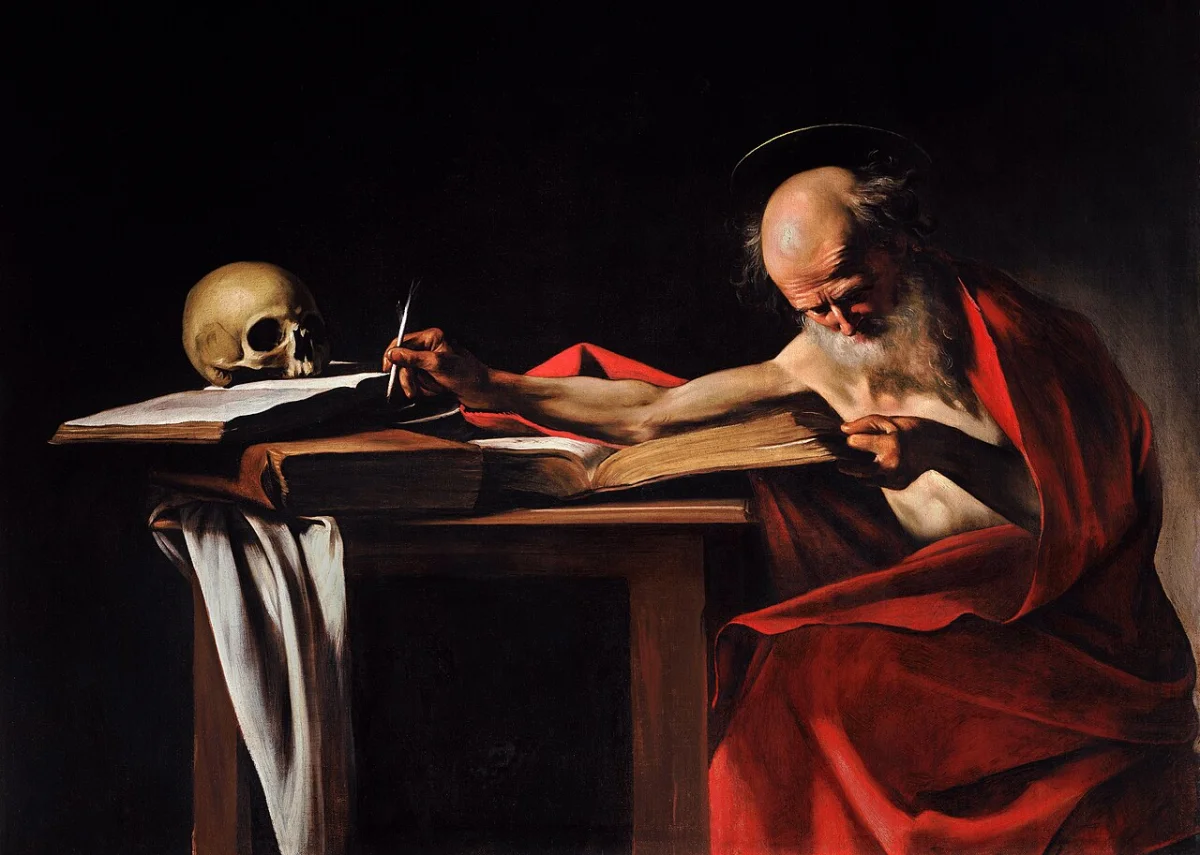
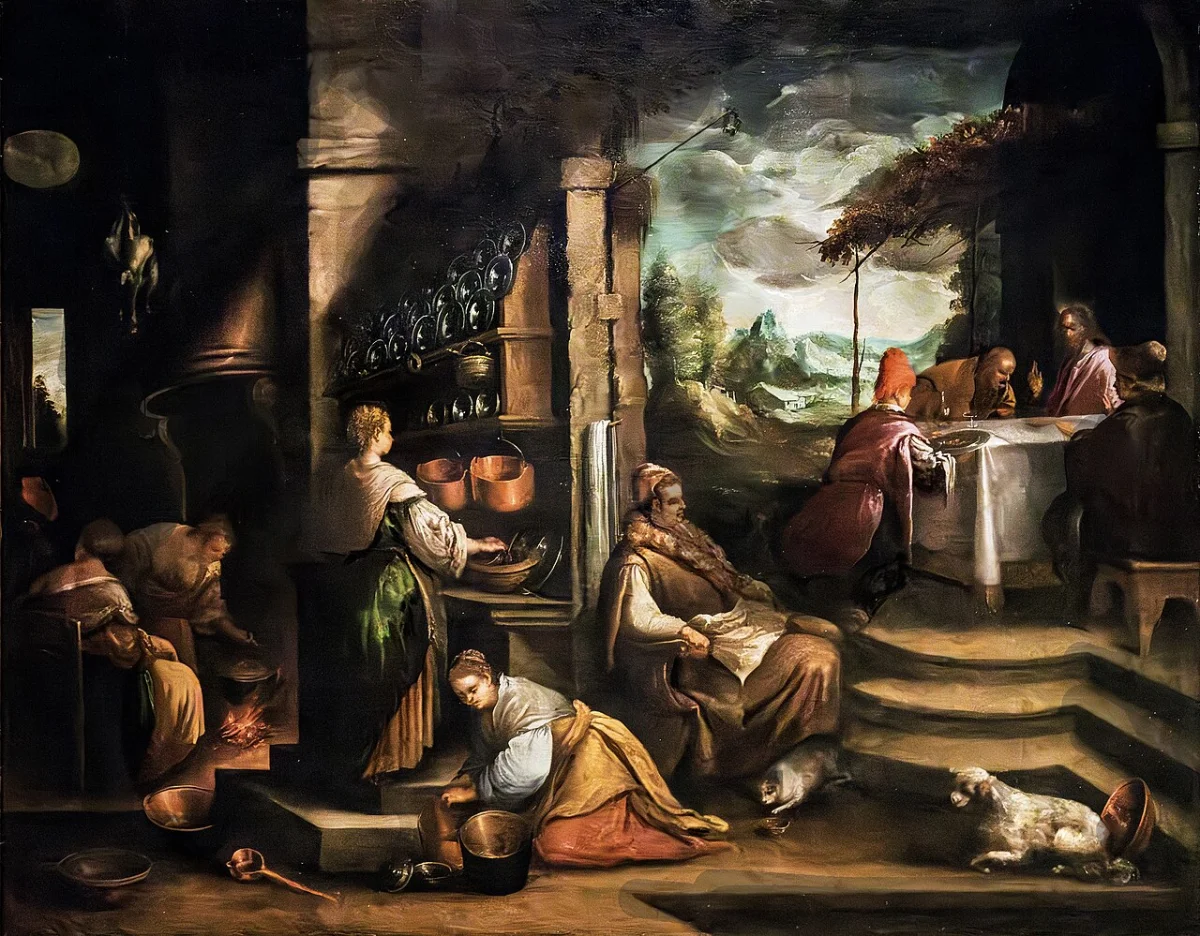
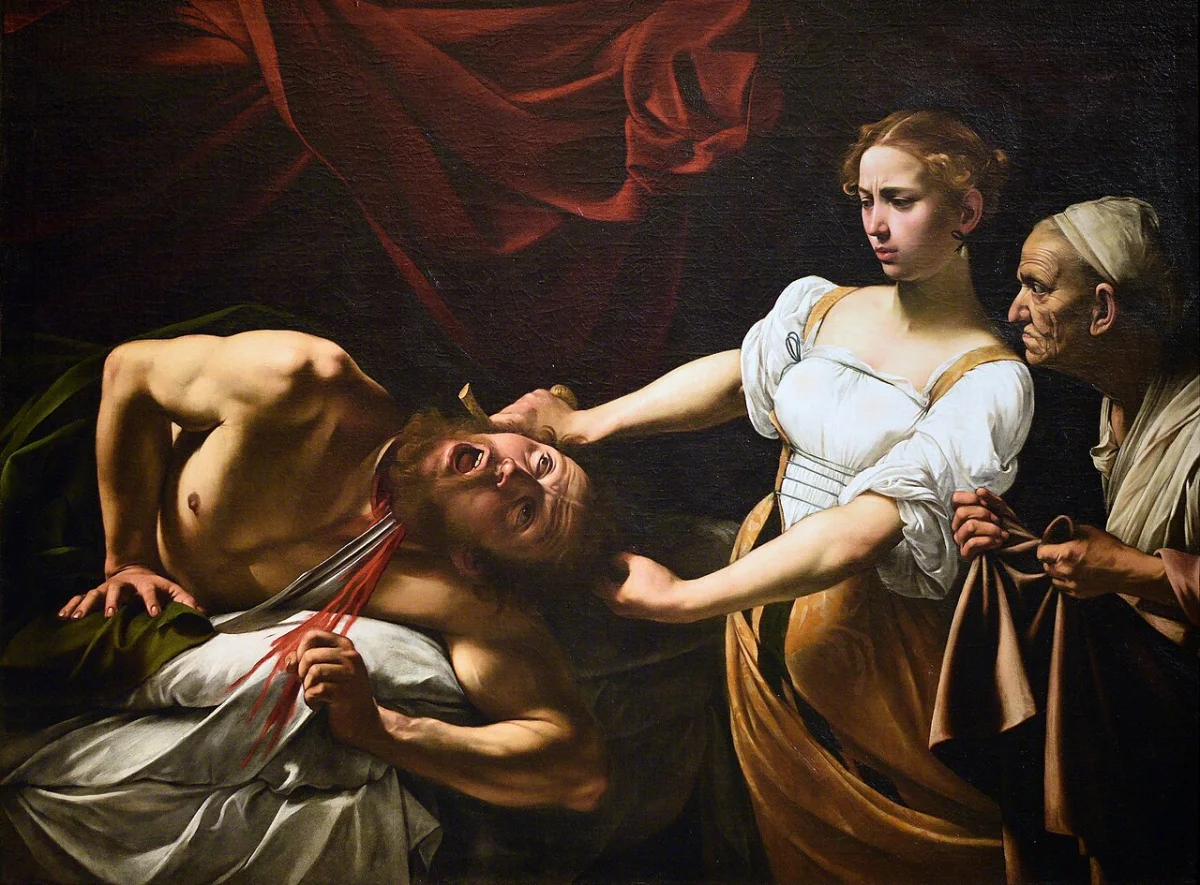
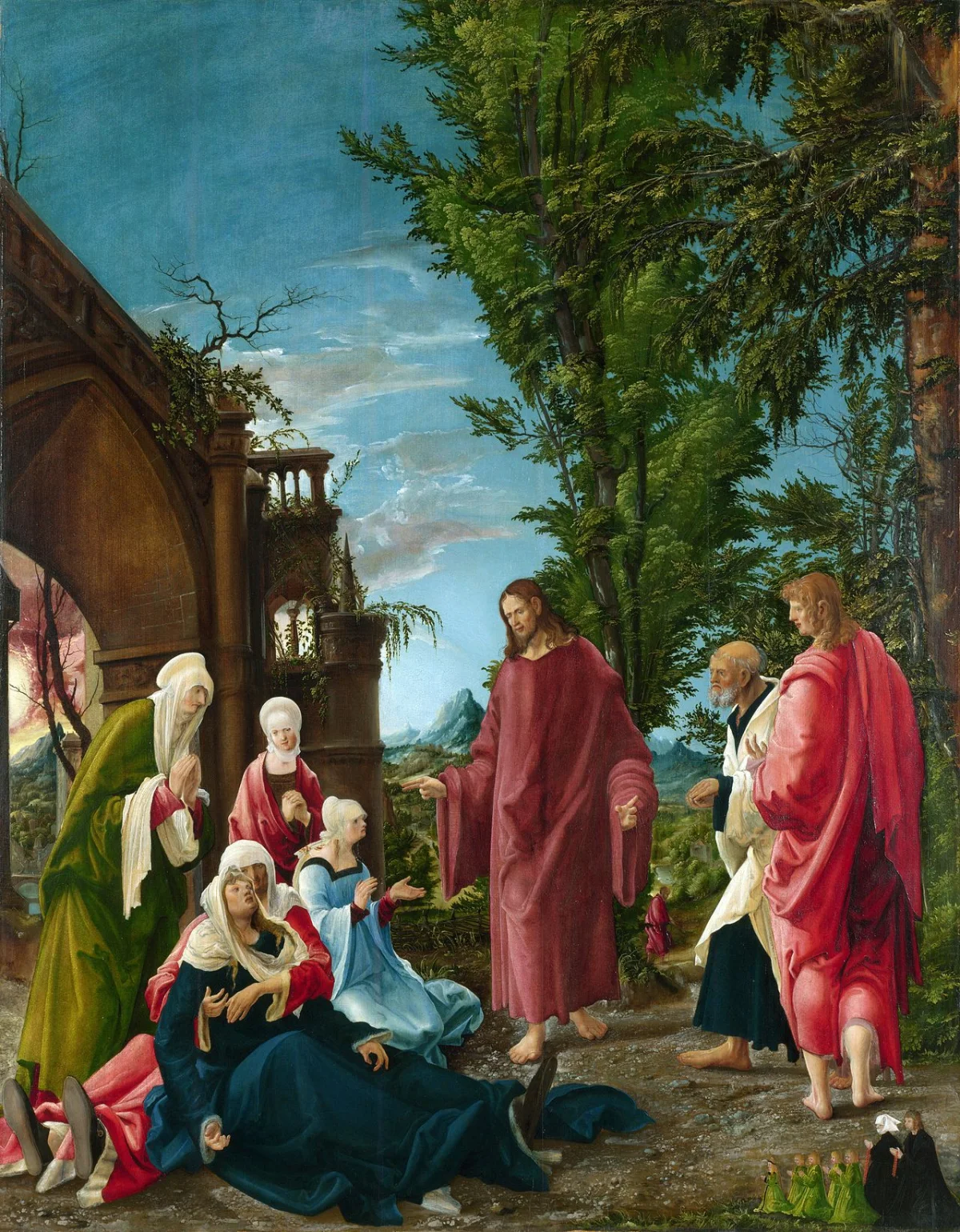
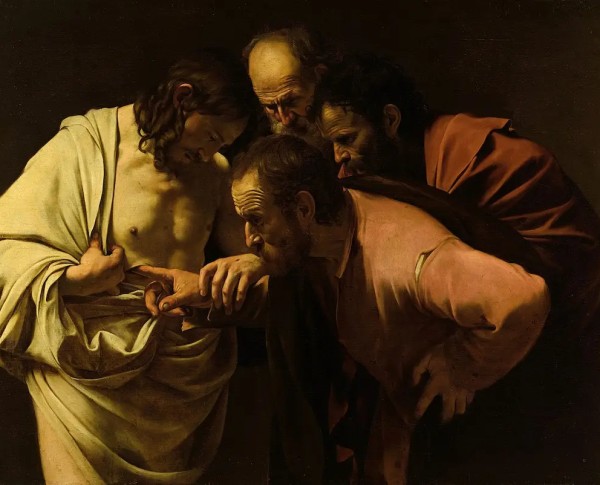
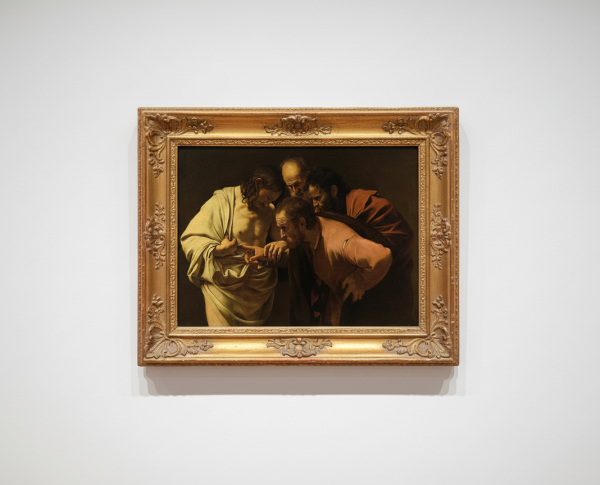
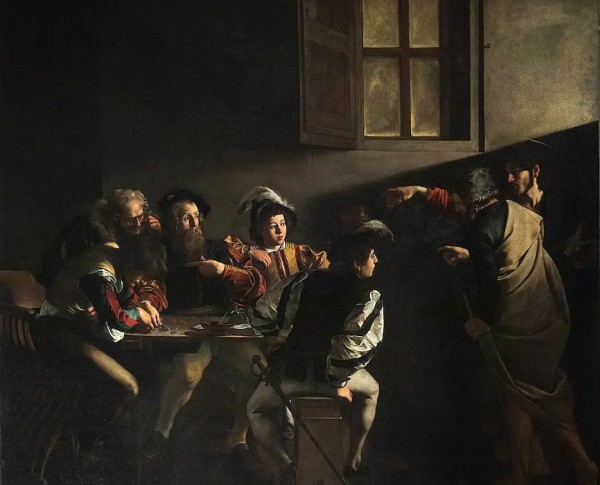
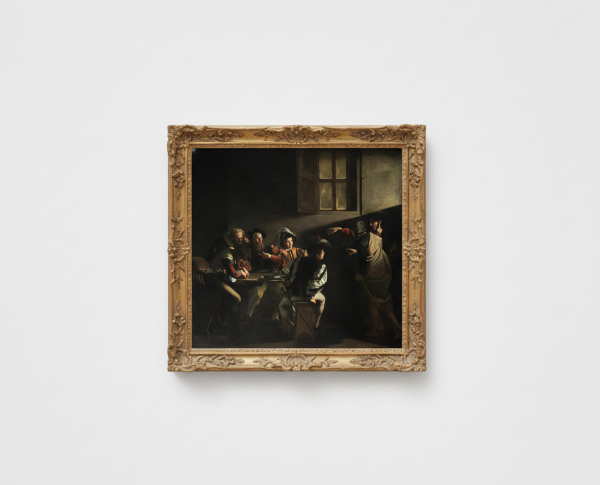
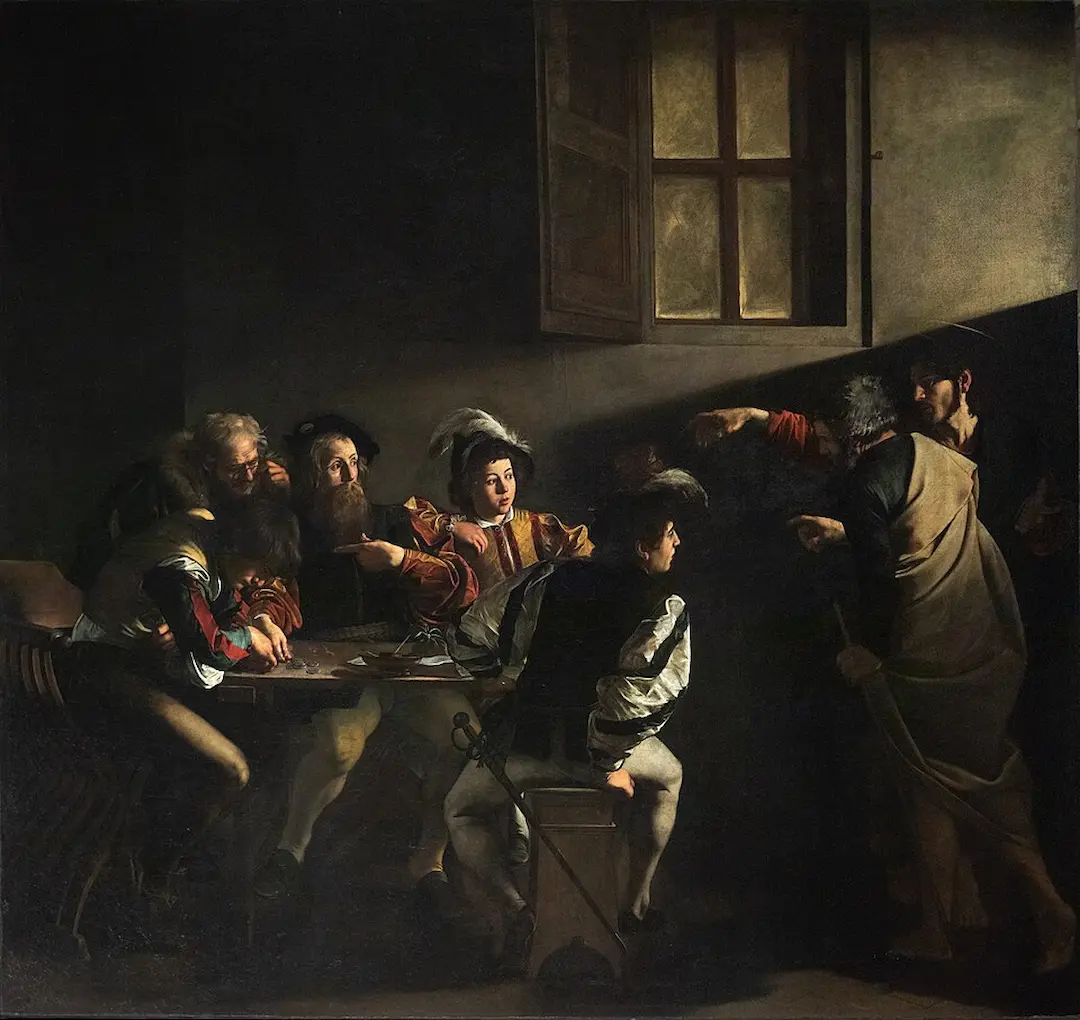
Caravaggio’s "The Calling of Saint Matthew" exemplifies the artist’s unmatched skill with oil on canvas. The way he manipulates chiaroscuro to highlight the figures brings the biblical scene to life. This technique, characteristic of the Baroque movement, draws viewers into the narrative’s emotional core. For those who appreciate masterful oil on canvas works, both this painting and Caravaggio’s "Doubting Thomas" are exceptional examples of Baroque artistry.
In this fine art painting for sale, Caravaggio tells a powerful story using symbolic gestures and dramatic contrasts. "The Calling of Saint Matthew" reveals the moment of spiritual awakening through expressive faces and dynamic composition. As a leader of the Baroque movement, Caravaggio infused each element with meaning, and collectors often seek related products like "Doubting Thomas" to delve deeper into his symbolic storytelling and religious themes.
Owning a hand-painted oil painting such as "The Calling of Saint Matthew" by Caravaggio is a dream for many art enthusiasts. As a centerpiece of Baroque art, it represents not only historical significance but also timeless beauty. Collectors searching for a fine art painting for sale often consider pairing this masterpiece with related works like "Doubting Thomas" to create a distinguished Baroque collection in their galleries.
When Art Meets History
"The Calling of Saint Matthew" by Caravaggio is a hallmark of the Baroque movement, created at the turn of the 17th century. This hand-painted oil painting captures a pivotal biblical moment, reflecting the dramatic shift in artistic styles of its era. Caravaggio’s masterpiece stands alongside related paintings like "Mountain landscape with lightning" and "Holy Family," showcasing the artist’s profound influence on the evolution of religious art and storytelling during this dynamic historical period.
Techniques That Speak
Caravaggio’s "The Calling of Saint Matthew" is renowned for its masterful use of oil on canvas, a technique that brings the scene’s drama to life. The artist’s signature chiaroscuro creates striking contrasts between light and shadow, emphasizing emotion and movement. This Baroque approach is evident in related works such as "Holy Family" and "Mountain landscape with lightning," where Caravaggio’s brushwork and realism elevate each composition to a new level of visual storytelling.
Emotions on Display
In "The Calling of Saint Matthew," Caravaggio channels intense human emotion through expressive faces and dynamic gestures, a hallmark of the Baroque movement. The fine art painting for sale immerses viewers in the moment of spiritual awakening, inviting empathy and contemplation. Similar emotional depth is found in related paintings like "Holy Family" and "Mountain landscape with lightning," where the artist’s unique vision and storytelling ability resonate powerfully with audiences worldwide.
Coveted by Collectors
As one of Caravaggio’s most celebrated works, "The Calling of Saint Matthew" remains highly sought after by art enthusiasts and collectors. Its status as a hand-painted oil painting from the Baroque era enhances its desirability and value. Alongside masterpieces such as "Mountain landscape with lightning" and "Holy Family," this painting continues to inspire admiration, making it a centerpiece for anyone seeking a distinguished fine art painting for sale with profound historical and artistic significance.
Related Baroque Hand-Painted Oil Paintings by Other Artists
Other Famous Baroque Artists:
Frequently Asked Questions About The Calling of Saint Matthew
What is the historical context of The Calling of Saint Matthew?
The Calling of Saint Matthew was painted by Caravaggio around 1599-1600, during the Counter-Reformation, a period marked by the Catholic Church's efforts to reaffirm its influence in response to the Protestant Reformation. The painting reflects the Church's focus on personal faith and the transformative power of divine grace.
What artistic techniques did Caravaggio use in this painting?
Caravaggio employed chiaroscuro, the strong contrast between light and dark, to create a dramatic effect and direct the viewer's attention to the figures. This technique enhances the three-dimensionality of the characters and emphasizes the moment of divine intervention.
Who are the main figures depicted in The Calling of Saint Matthew?
The painting features Saint Matthew, who is depicted as a tax collector, and Jesus Christ, who is calling him to follow. Other figures include Matthew's companions, who react to the moment of calling, highlighting the contrast between the sacred and the secular.
What is the significance of the light in The Calling of Saint Matthew?
The light in the painting symbolizes divine illumination and grace. It highlights Jesus and Saint Matthew, suggesting the moment of revelation and the transformative power of faith. The use of light also serves to separate the spiritual from the mundane, emphasizing the importance of the calling.
How does Caravaggio portray the theme of conversion in this artwork?
The Calling of Saint Matthew encapsulates the theme of conversion through the moment of Matthew's calling. The painting captures the instant when Matthew, initially engrossed in his worldly pursuits, is confronted by Jesus, symbolizing the call to leave behind a life of sin and embrace a new path of faith.
What role does the setting play in The Calling of Saint Matthew?
The setting is a dimly lit tavern, which reflects the earthly and sinful nature of Matthew's previous life. This contrast between the dark environment and the divine light emphasizes the transformative moment of calling, illustrating the intersection of the sacred and the secular.
What is the significance of the gestures and expressions of the figures?
The gestures and expressions in the painting convey a range of emotions, from surprise and confusion to acceptance. Matthew's pointing gesture, as he questions whether Jesus is calling him, signifies his initial hesitation, while the calm demeanor of Jesus represents unwavering faith and authority.
How does The Calling of Saint Matthew reflect Caravaggio's style?
The painting exemplifies Caravaggio's signature style, characterized by realism, dramatic lighting, and emotional intensity. His use of ordinary people as models for biblical figures and the incorporation of everyday settings make the scene relatable and grounded in reality.
What impact did The Calling of Saint Matthew have on Baroque art?
The Calling of Saint Matthew had a profound impact on Baroque art, influencing subsequent artists with its dramatic use of light, realistic portrayal of figures, and emotional depth. It set a precedent for the integration of spirituality and realism, becoming a hallmark of the Baroque movement.
Where can The Calling of Saint Matthew be viewed today?
The Calling of Saint Matthew is housed in the Contarelli Chapel of San Luigi dei Francesi in Rome, Italy. It remains a significant work of art, attracting visitors who wish to experience Caravaggio's masterful interpretation of this pivotal biblical moment.






















_GFM_Painting_(1).webp)


 100% Hand-Painted: Finished in 3-6 Weeks

.png)















_(1).webp)