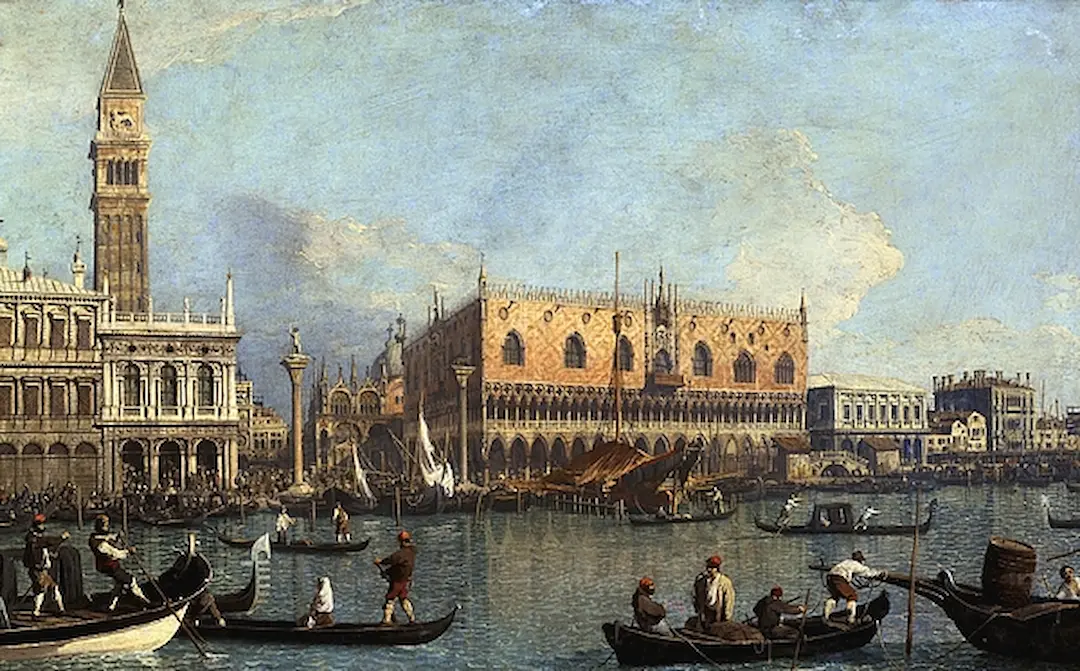
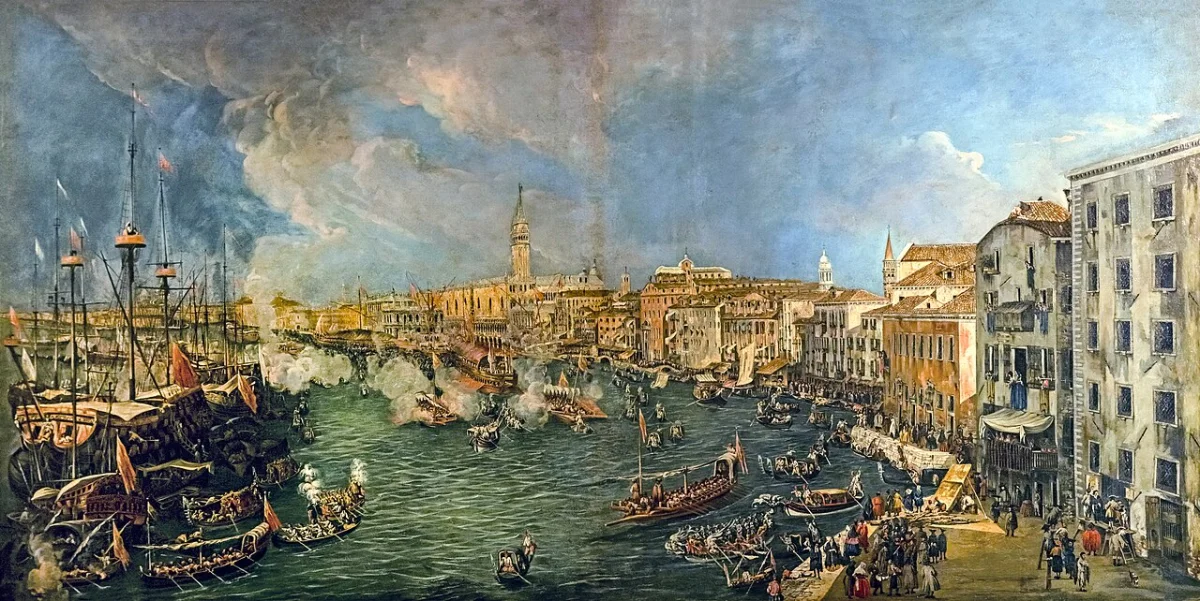
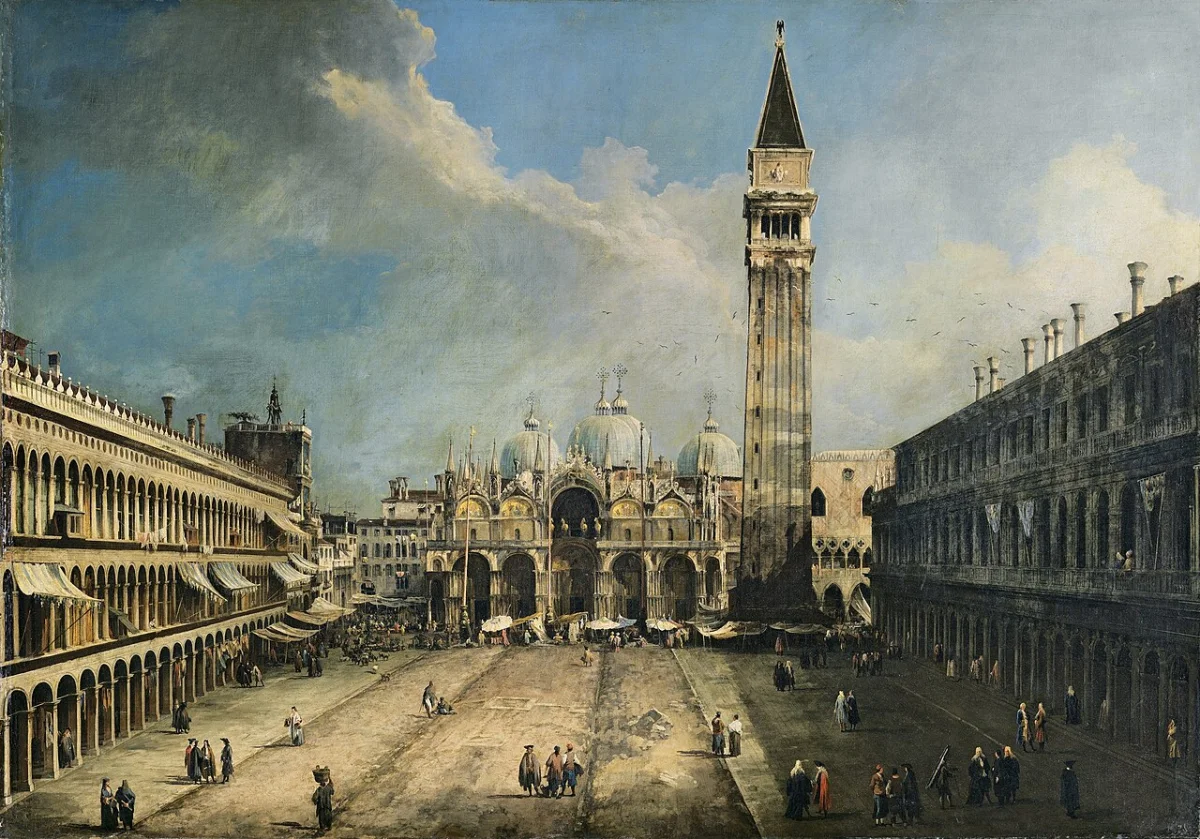
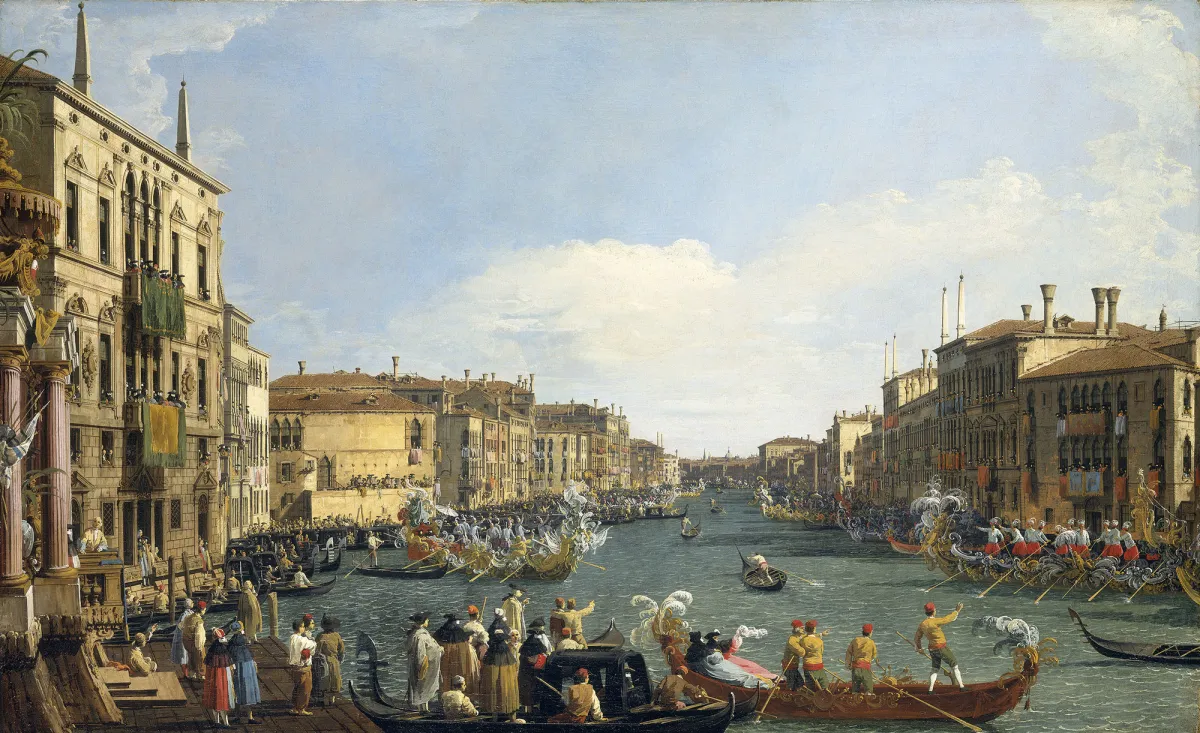
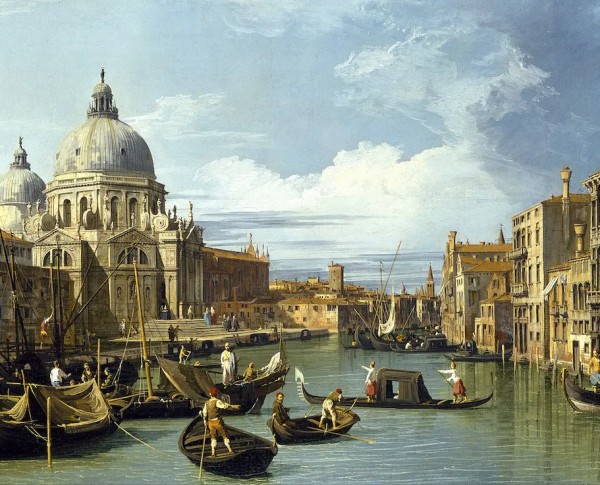
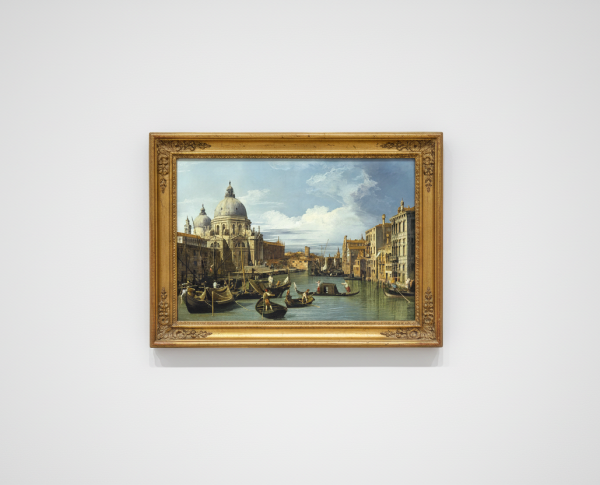
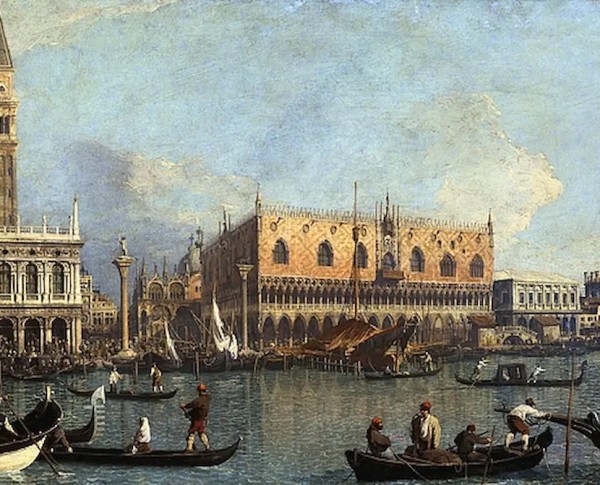
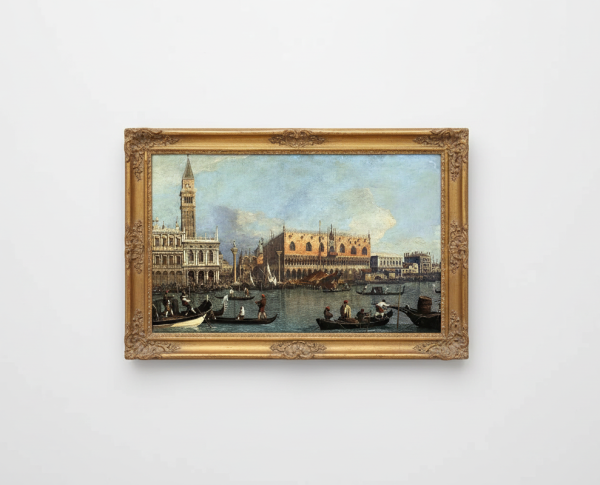
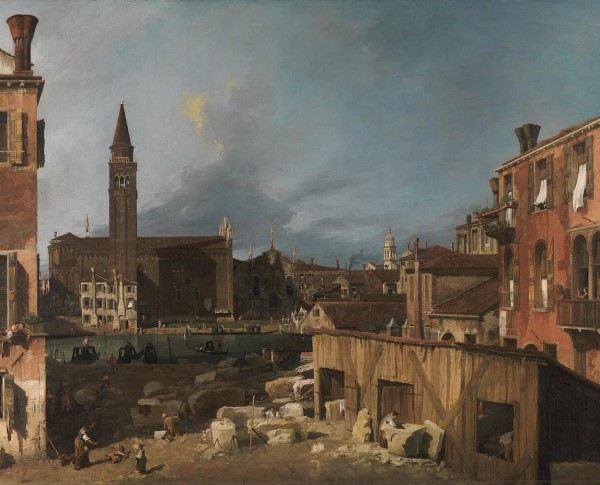
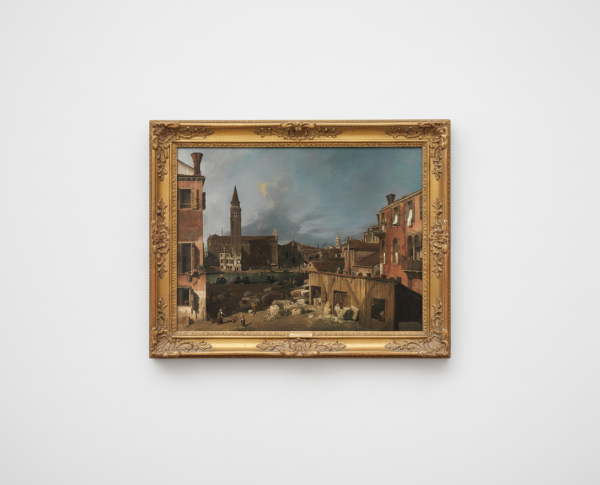
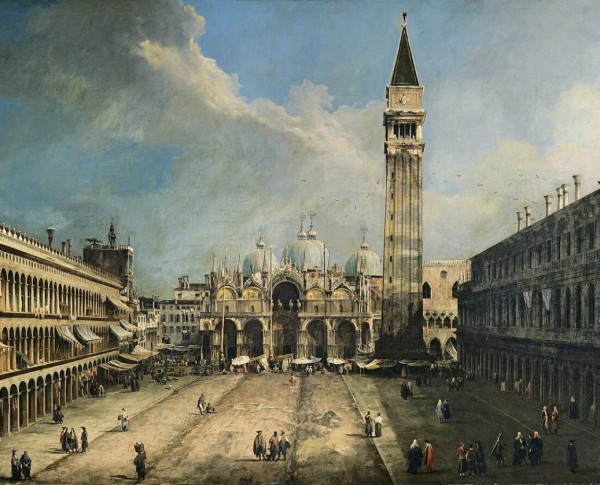
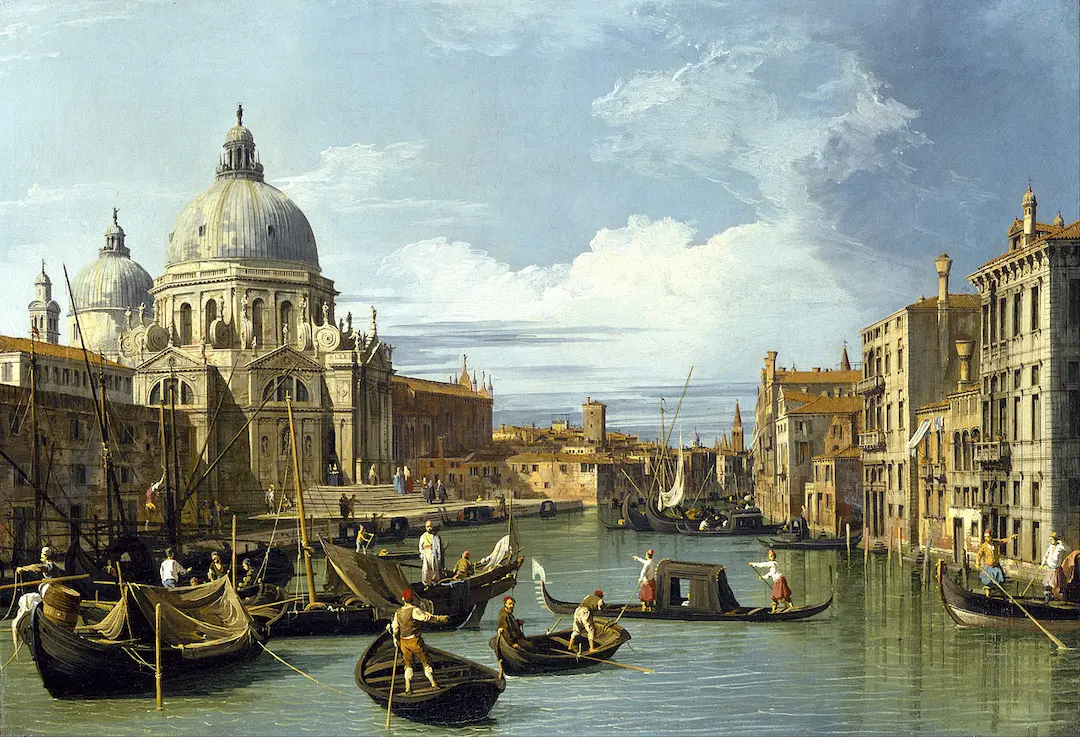
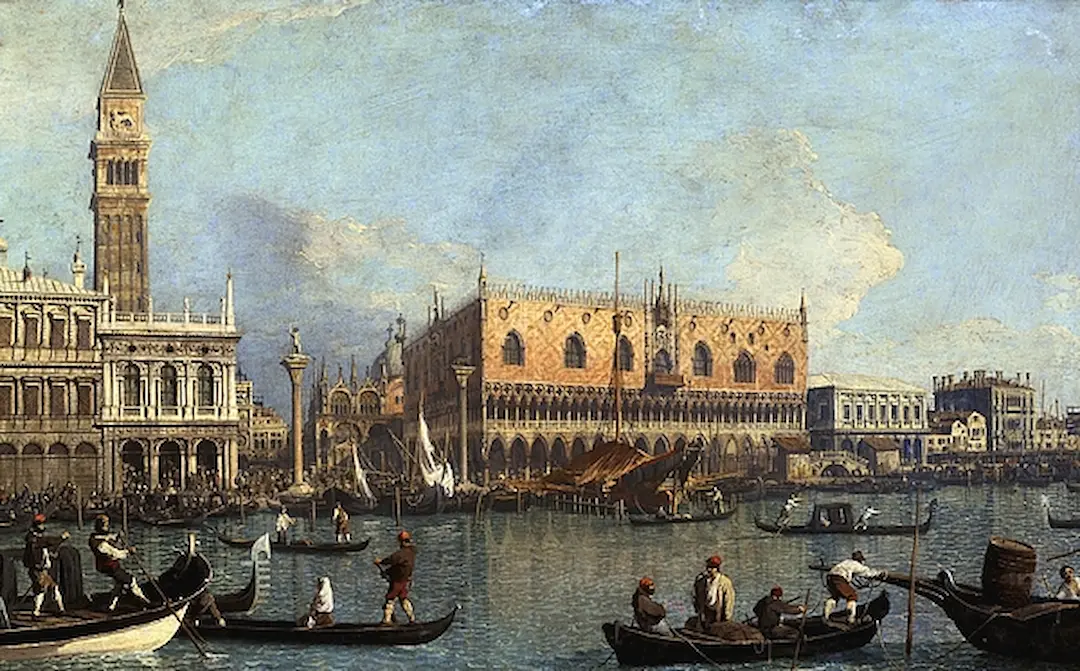
"The Entrance to the Grand Canal, Venice, c.1730" by Giovanni Antonio Canal, famously known as Canaletto, is a masterpiece of the Rococo movement. This hand-painted oil painting captures the vibrant life and architectural grandeur of 18th-century Venice. Canaletto’s detailed cityscapes have inspired generations of artists and collectors. For enthusiasts seeking similar works, "Ducal Palace, Venice, c.1755" is another exceptional example of his artistry and a fine addition to any collection.
Canaletto’s "The Entrance to the Grand Canal, Venice, c.1730" showcases his remarkable skill with oil on canvas. Each brushstroke reflects his technical precision and deep understanding of light and perspective, hallmarks of the Rococo style. The artist’s meticulous attention to architectural and atmospheric details sets this painting apart as a true masterpiece. Collectors often seek related works like "Ducal Palace, Venice, c.1755" to complement their appreciation for Canaletto’s oil on canvas technique.
This fine art painting for sale is more than a scenic view; it tells the story of Venice’s bustling waterways and rich cultural heritage. Canaletto’s "The Entrance to the Grand Canal, Venice, c.1730" is filled with symbolic references to commerce, society, and the city’s enduring elegance. As a Rococo treasure, it invites viewers to explore the narratives hidden within each gondola and palace. Pairing it with "Ducal Palace, Venice, c.1755" enhances any art lover’s collection.
For those seeking a distinguished fine art painting for sale, Canaletto’s "The Entrance to the Grand Canal, Venice, c.1730" represents an unparalleled opportunity. This hand-painted oil painting is a testament to the artist’s legacy within the Rococo movement and remains highly sought after by collectors worldwide. Owning this piece, alongside "Ducal Palace, Venice, c.1755," offers a glimpse into the grandeur of historic Venice and the timeless elegance of Canaletto’s artistry.
When Art Meets History
Giovanni Antonio Canal, known as Canaletto, masterfully captures 18th-century Venice in his iconic work, "The Entrance to the Grand Canal, Venice, c.1730." As a notable figure of the Rococo movement, Canaletto's hand-painted oil painting transports viewers to a bustling era of Venetian grandeur. This masterpiece not only documents the city’s architectural splendor but also reflects its vibrant social life, making it a significant historical record. Similar works by Canaletto further exemplify this unique blend of art and history.
Techniques That Speak
Canaletto’s "The Entrance to the Grand Canal, Venice, c.1730" showcases his signature oil on canvas technique, defined by sharp detail and luminous color. His expert use of perspective and light enhances the depth and realism of the Venetian waterfront. As a Rococo artist, Canaletto excelled in rendering intricate architectural features and lively scenes, setting his paintings apart. His technical prowess is evident in this and other Venetian cityscapes, making each brushstroke a testament to his artistry.
Emotions on Display
The atmosphere in "The Entrance to the Grand Canal, Venice, c.1730" evokes a sense of awe and wonder, typical of Canaletto's approach to the Rococo movement. Through this fine art painting for sale, viewers experience the lively energy and elegance of historic Venice. The interplay of sunlight on water and bustling gondolas creates a mood of optimism and celebration, inviting spectators to immerse themselves in the city’s timeless charm, as seen in Canaletto’s other Venetian masterpieces.
Coveted by Collectors
"The Entrance to the Grand Canal, Venice, c.1730" remains highly sought after by art enthusiasts and collectors alike. As a distinguished hand-painted oil painting from the Rococo period, its value continues to appreciate in the art market. Canaletto’s work, renowned for its historical accuracy and visual beauty, appeals to those who cherish both artistic mastery and cultural heritage. Collectors often seek this masterpiece alongside other celebrated paintings by Canaletto for their private collections.
Frequently Asked Questions About The Entrance to the Grand Canal, Venice, c.1730
What historical context influenced Canaletto's work on this painting?
This painting was created during the early 18th century, a period marked by the Grand Tour, where wealthy Europeans traveled to Italy to experience its art and culture. Canaletto's depictions of Venice catered to this audience, showcasing the city's beauty and grandeur.
What artistic techniques did Canaletto employ in this painting?
Canaletto is renowned for his use of precise perspective and light. In "The Entrance to the Grand Canal," he skillfully captures the reflections on the water and the intricate architectural details of the buildings, employing a technique known as chiaroscuro to enhance depth and realism.
What is the significance of the Grand Canal in Venetian culture?
The Grand Canal is a vital waterway in Venice, serving as a major transportation route and a focal point of commerce and social life. Canaletto's portrayal emphasizes its importance, highlighting the bustling activity and vibrant atmosphere of the city.
How does this painting reflect the Baroque style?
This painting embodies the Baroque style through its dramatic composition and dynamic interplay of light and shadow. The grandeur of the architecture and the lively scenes depicted evoke the emotional intensity characteristic of Baroque art.
What role does color play in "The Entrance to the Grand Canal"?
Canaletto utilizes a rich palette of blues and warm earth tones to create a harmonious atmosphere. The colors not only enhance the visual appeal but also evoke the serene yet vibrant essence of Venice, inviting viewers into the scene.
What elements in the painting symbolize Venice's identity?
The gondolas, the architecture, and the bustling activity along the canal serve as symbols of Venice's unique identity. These elements reflect the city's rich maritime history and its status as a cultural and economic hub during the 18th century.
How did Canaletto's style influence future artists?
Canaletto's meticulous attention to detail and ability to capture light and atmosphere influenced many landscape and cityscape painters. His work paved the way for the Romantic movement, inspiring artists to explore the emotional and aesthetic qualities of urban environments.
What is the significance of the figures depicted in the painting?
The figures in the painting, including gondoliers and tourists, serve to humanize the landscape, providing a sense of scale and life. They represent the social interactions and daily activities that define Venice, enhancing the narrative quality of the artwork.
What was Canaletto's relationship with patrons and collectors?
Canaletto enjoyed a successful career, largely due to his connections with British aristocrats and collectors who were captivated by his depictions of Venice. His ability to cater to their tastes helped establish his reputation and secure commissions throughout his life.
How does this painting compare to other works by Canaletto?
"The Entrance to the Grand Canal" is representative of Canaletto's signature style, characterized by detailed architectural renderings and vibrant scenes. Compared to his other works, this painting showcases a particularly dynamic composition and a lively portrayal of Venetian life.






















_GFM_Painting_(1).webp)


 100% Hand-Painted: Finished in 3-6 Weeks

.png)















_(1).webp)