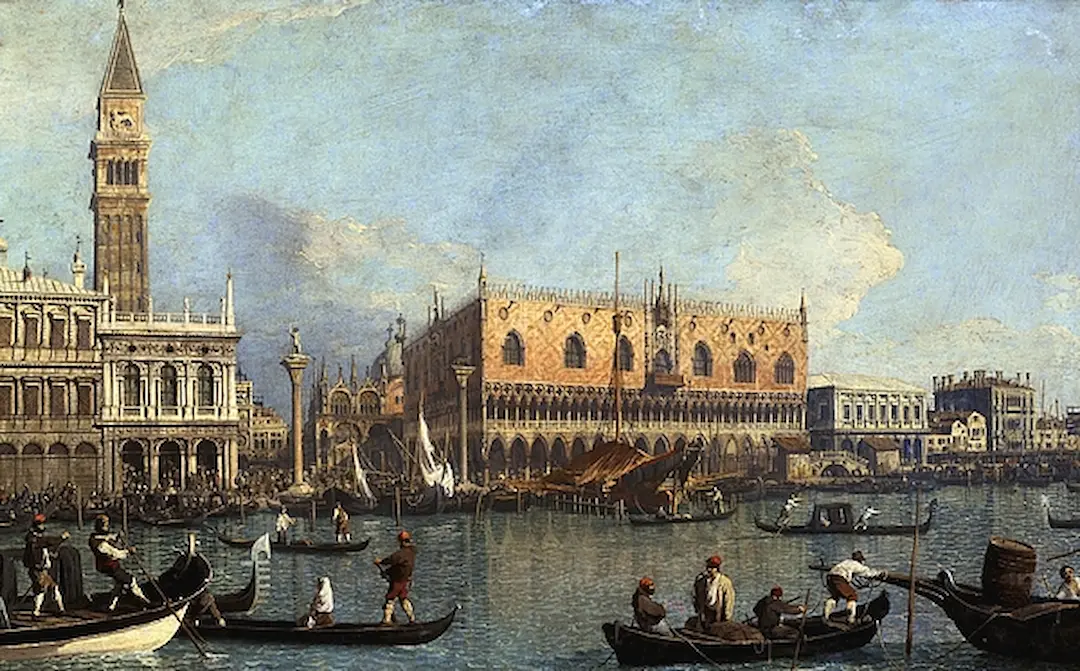
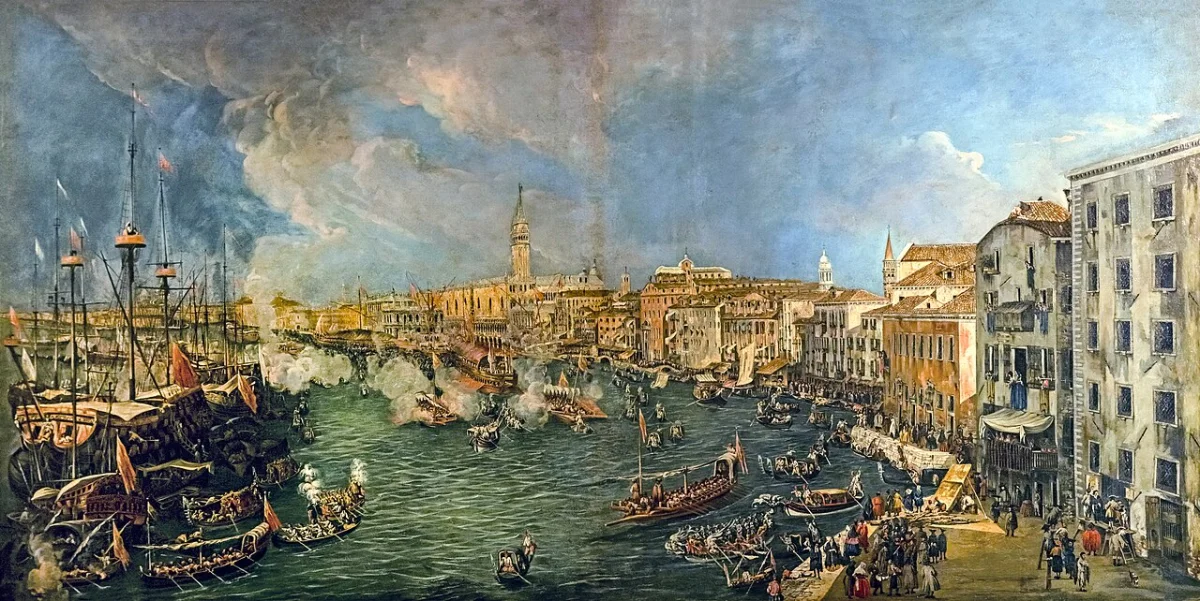
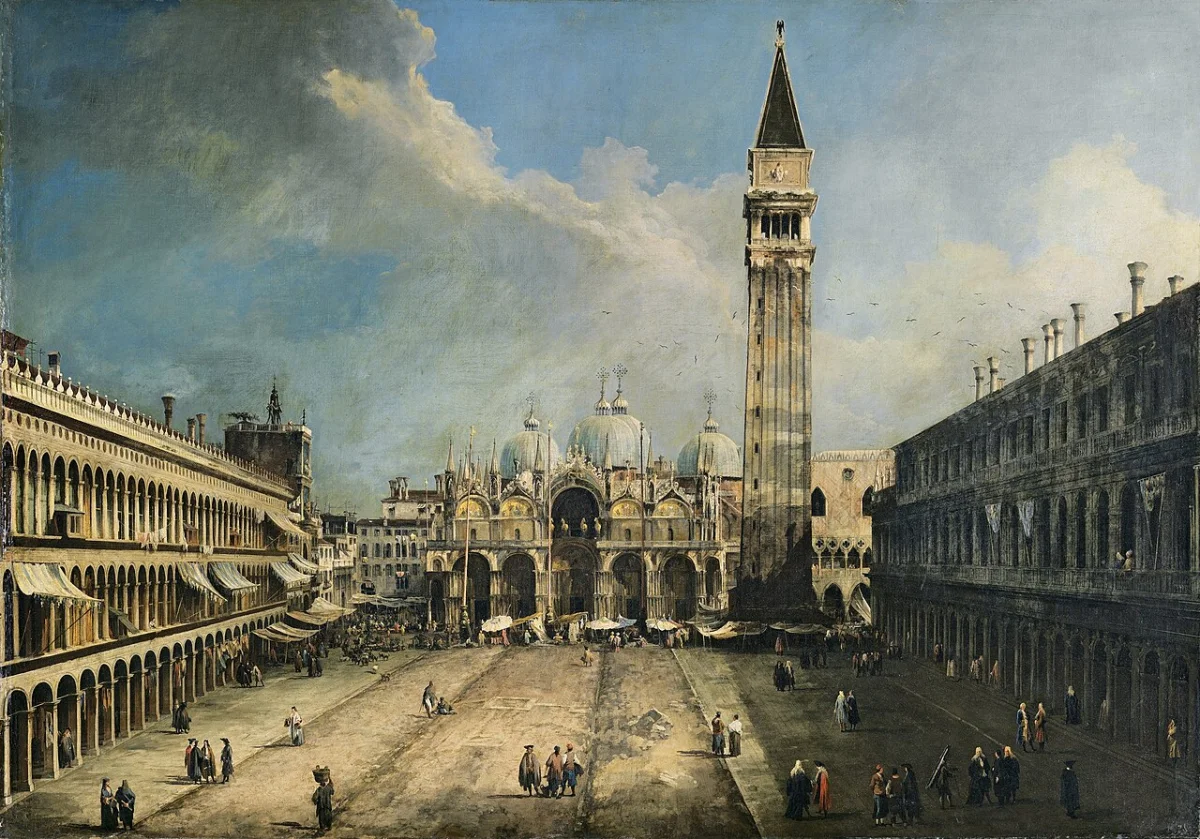
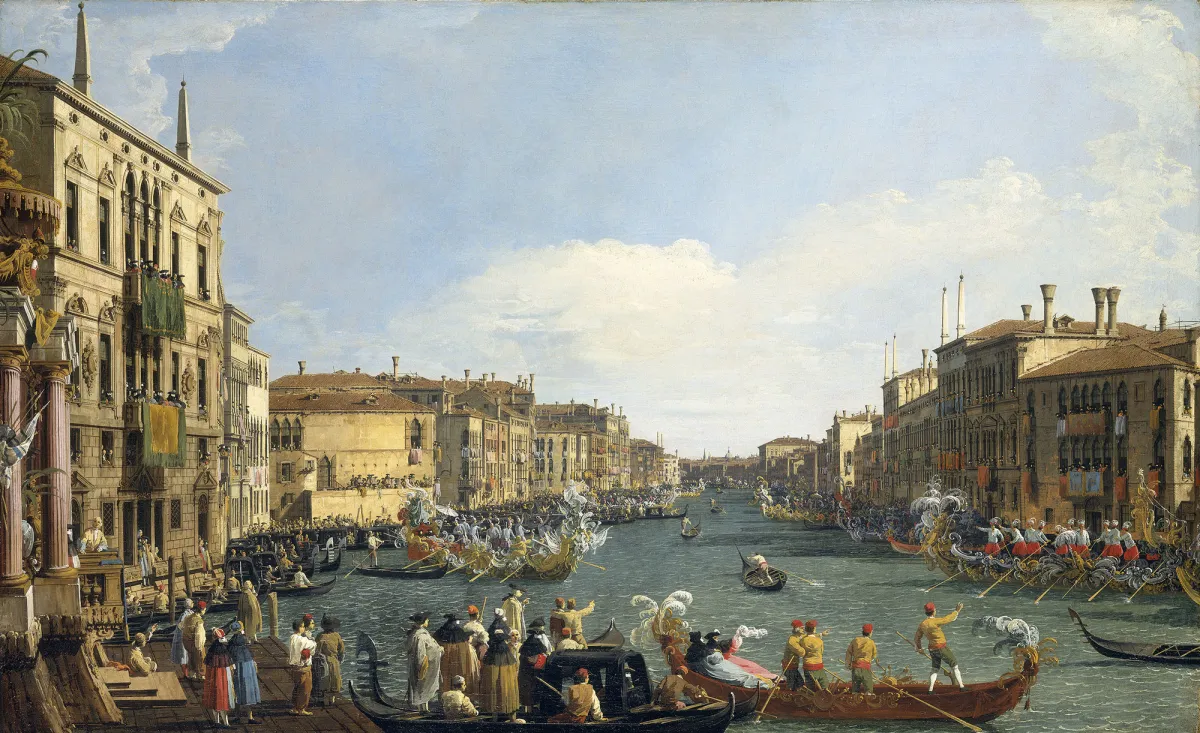
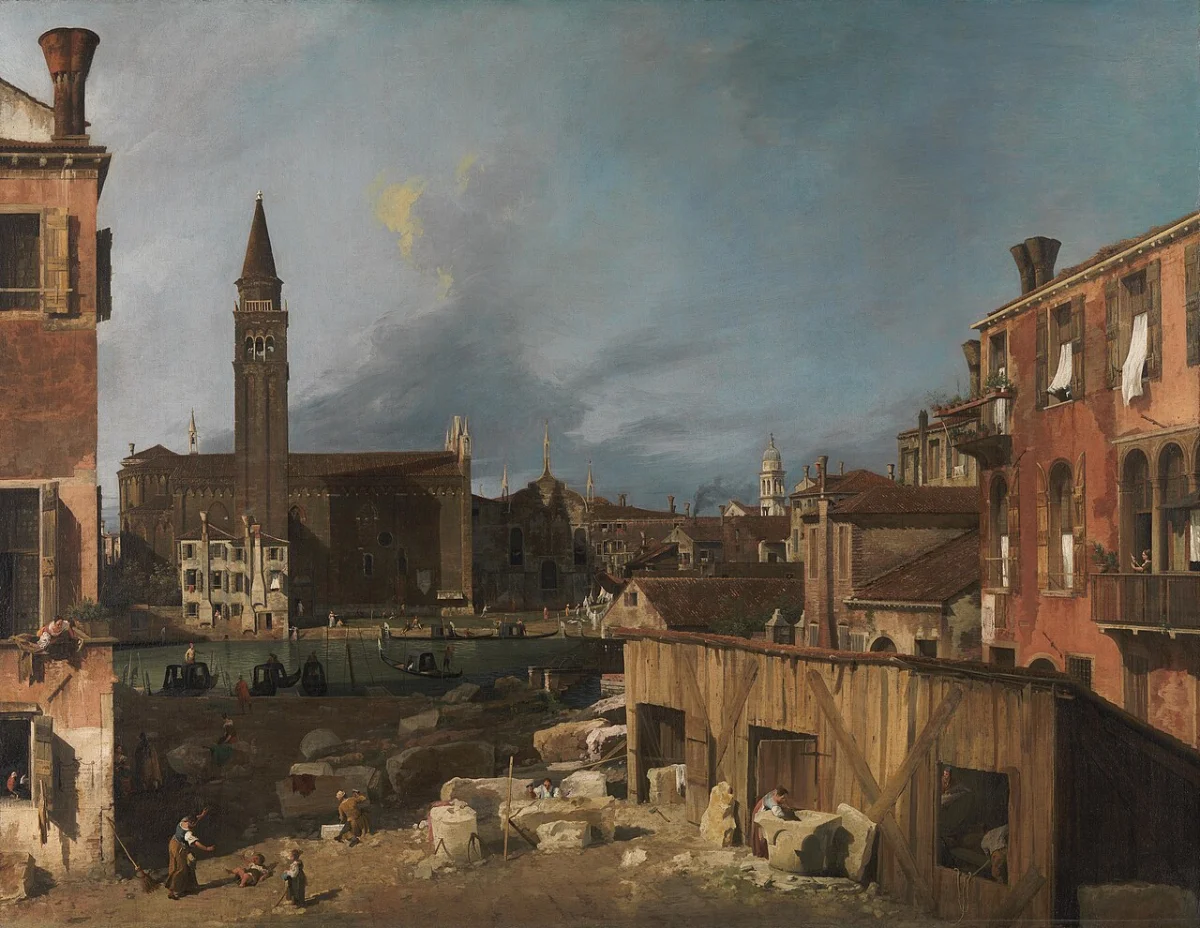
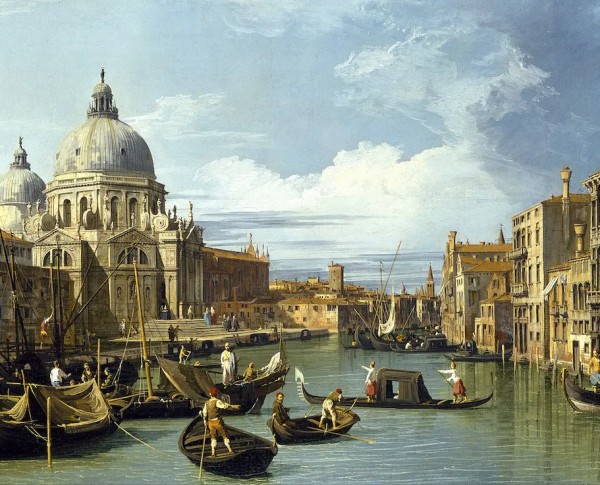
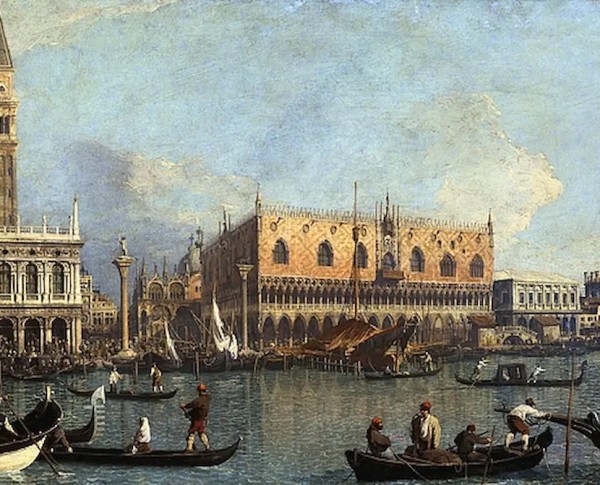
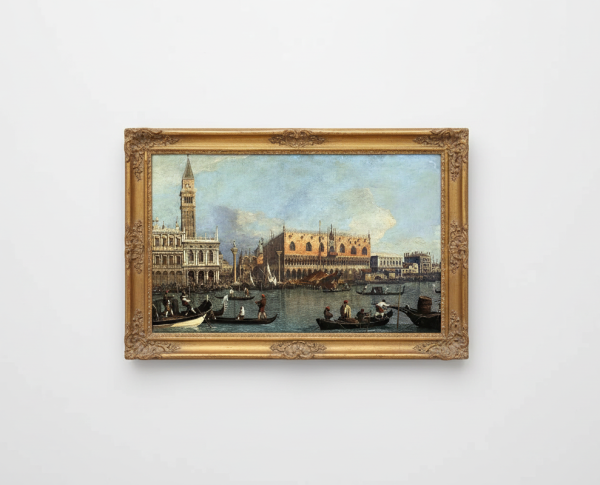
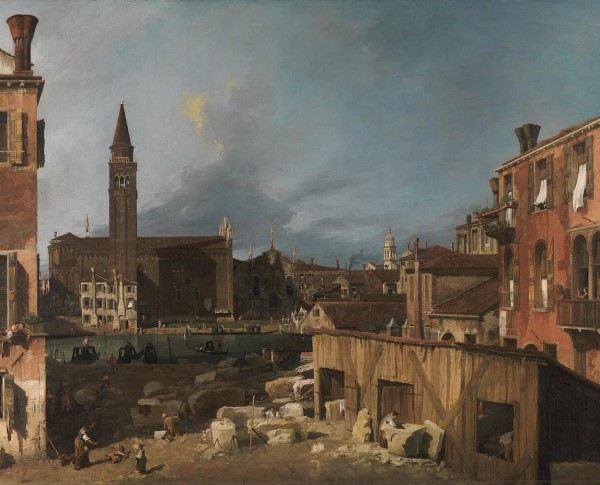
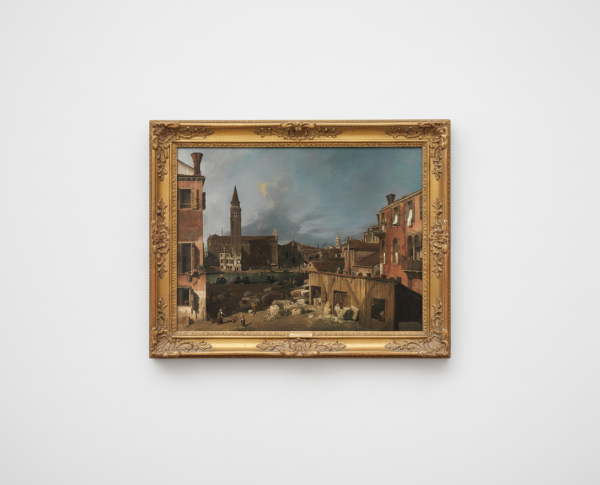
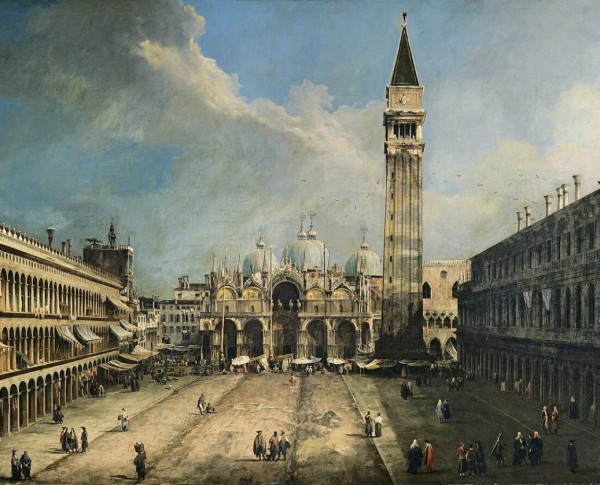
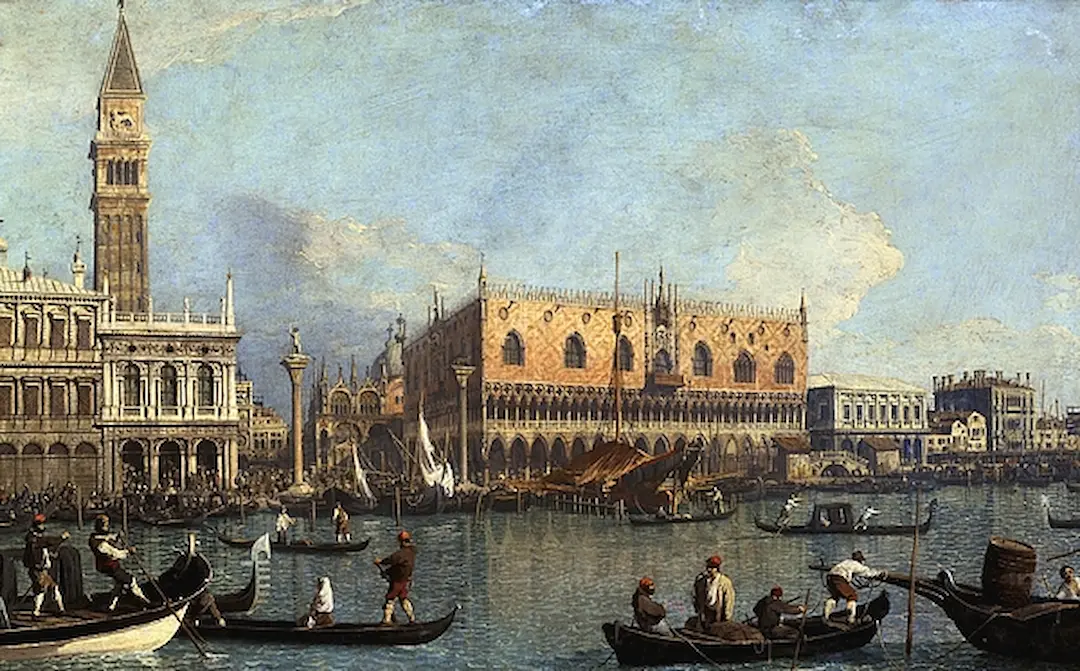
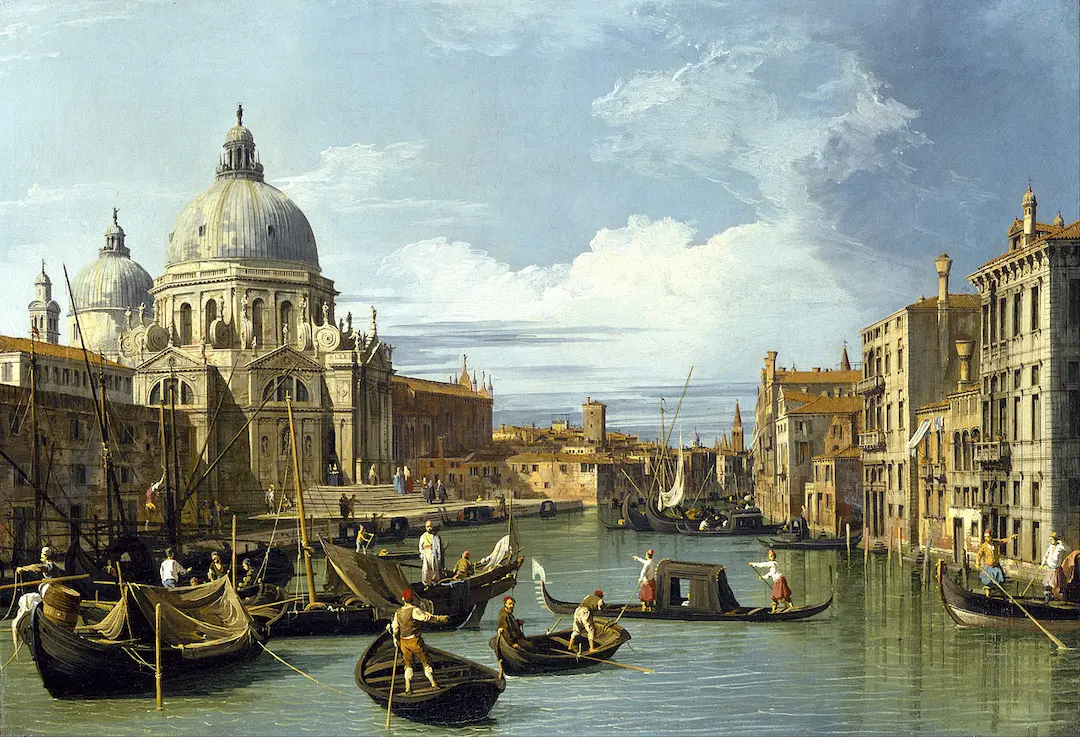
"Ducal Palace, Venice, c.1755" by Giovanni Antonio Canal, famously known as Canaletto, stands as a testament to the elegance of the Rococo movement. This hand-painted oil painting captures the grandeur of Venetian architecture and life with remarkable detail. Canaletto’s works, including this masterpiece, continue to inspire art lovers and collectors worldwide. For those seeking to own a piece of history, related products like "The Entrance to the Grand Canal, Venice, c.1730" offer similar charm.
Canaletto's "Ducal Palace, Venice, c.1755" exemplifies the artist's unparalleled technique and dedication to his craft. Rendered in exquisite oil on canvas, the painting reveals meticulous attention to perspective and light, hallmarks of the Rococo movement. Each brushstroke brings the bustling Venetian scene to life, reflecting Canaletto’s mastery. Collectors often pair this iconic piece with related products such as "The Entrance to the Grand Canal, Venice, c.1730" for a comprehensive Venetian collection.
The "Ducal Palace, Venice, c.1755" is more than a depiction of architecture; it is a narrative woven through Canaletto’s vision. This fine art painting for sale captures the spirit of Venice, symbolizing its cultural and political significance during the Rococo era. The lively figures and gondolas add layers of meaning, inviting viewers to step into the past. For enthusiasts, complementary works like "The Entrance to the Grand Canal, Venice, c.1730" further enrich the story.
Owning "Ducal Palace, Venice, c.1755" by Canaletto is a privilege for any art connoisseur. This hand-painted oil painting not only embodies the Rococo movement but also enhances any collection with its timeless elegance. Collectors seeking to expand their holdings often look to related products, such as "The Entrance to the Grand Canal, Venice, c.1730," to create a curated selection of Canaletto’s iconic Venetian scenes, celebrating the artist’s enduring legacy.
When Art Meets History
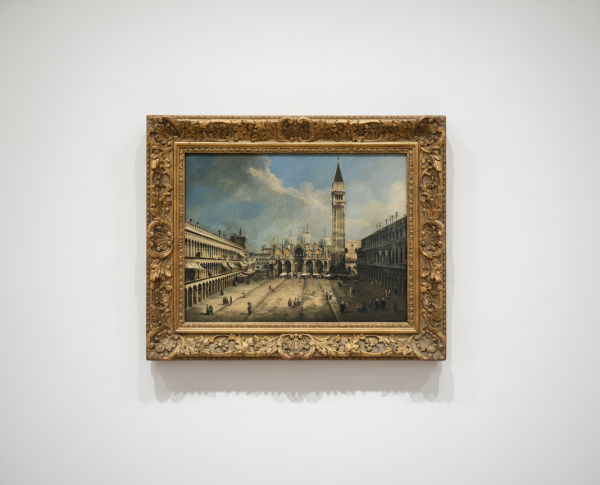
"Ducal Palace, Venice, c.1755" by Giovanni Antonio Canal, famously known as Canaletto, is a prime example of the Rococo movement's elegance and grandeur. This hand-painted oil painting captures the iconic Venetian landmark with remarkable accuracy, offering a glimpse into the social and architectural context of 18th-century Venice. Canaletto’s work, including related paintings like his views of the Grand Canal, preserves the historic beauty and vibrant atmosphere of Venice for generations to admire.
Techniques That Speak
Canaletto’s masterful use of oil on canvas in "Ducal Palace, Venice, c.1755" demonstrates his remarkable attention to detail and atmospheric perspective. The artist’s delicate brushwork and precise lines highlight the intricacies of Venetian architecture and the interplay of light on water. This technique is consistent with the Rococo movement’s emphasis on elegance and sophistication, as seen in other fine art paintings by Canaletto depicting Venice’s picturesque cityscapes.
Emotions on Display
The vibrant scene in "Ducal Palace, Venice, c.1755" evokes a sense of awe and nostalgia, inviting viewers to imagine life along the Venetian canals during the Rococo era. Canaletto’s hand-painted oil painting style brings warmth and vitality to the bustling square, while the play of sunlight and shadow stirs feelings of wonder. Like his other celebrated works, this painting resonates emotionally, making it a fine art painting for sale that continues to captivate art lovers.
Coveted by Collectors
"Ducal Palace, Venice, c.1755" remains highly sought after by collectors and museums worldwide, thanks to Canaletto’s unparalleled skill and the Rococo movement’s enduring appeal. The painting’s exquisite oil on canvas technique and historical significance add to its desirability. Collectors value Canaletto’s works not only for their beauty but also for their place in art history, as seen in his other Venetian masterpieces and fine art paintings for sale.
Frequently Asked Questions About Ducal Palace, Venice, c.1755
What historical significance does the Ducal Palace hold?
The Ducal Palace, or Palazzo Ducale, served as the residence of the Doge of Venice and the seat of Venetian government, symbolizing the power and wealth of the Venetian Republic during its height in the 18th century.
Who was Giovanni Antonio Canal, and what is his contribution to art?
Giovanni Antonio Canal, known as Canaletto, was an Italian painter renowned for his detailed landscapes and cityscapes of Venice, which captured the city's unique light and atmosphere, significantly influencing the genre of veduta painting.
What artistic techniques did Canaletto employ in this painting?
Canaletto utilized precise linear perspective, meticulous attention to architectural detail, and a vibrant color palette to create a realistic representation of the Ducal Palace, enhancing the viewer's sense of place and time.
How does "Ducal Palace, Venice" reflect the Baroque style?
The painting exemplifies Baroque characteristics through its dramatic use of light and shadow, dynamic composition, and the grandeur of the architecture, all of which evoke a sense of movement and emotional intensity.
What role does light play in this artwork?
Light in "Ducal Palace, Venice" is used to accentuate the architectural features of the palace and the surrounding environment, creating a sense of depth and enhancing the overall atmospheric quality of the scene.
What symbolic meanings can be derived from the depiction of the Ducal Palace?
The Ducal Palace symbolizes the political power and cultural richness of Venice, representing the city's historical significance as a major maritime power and a center of art and commerce during the 18th century.
How does this painting compare to other works by Canaletto?
This painting is characteristic of Canaletto's oeuvre, showcasing his ability to blend architectural precision with atmospheric effects, while also reflecting the specific historical context and urban landscape of Venice during his time.
What was the public reception of Canaletto's works during his lifetime?
Canaletto's works were highly sought after during his lifetime, particularly among British tourists and collectors, who admired his ability to capture the essence of Venice, leading to a significant demand for his paintings.
What influences did Canaletto have on later artists?
Canaletto's detailed and atmospheric approach to landscape painting influenced many artists, particularly in the Romantic and Impressionist movements, who sought to capture the interplay of light and atmosphere in their own works.
What is the significance of the setting in "Ducal Palace, Venice"?
The setting of the Ducal Palace not only highlights the architectural beauty of Venice but also serves as a backdrop for the social and political life of the city, reflecting its historical importance as a cultural hub in Europe.






















_GFM_Painting_(1).webp)


 100% Hand-Painted: Finished in 3-6 Weeks

.png)















_(1).webp)