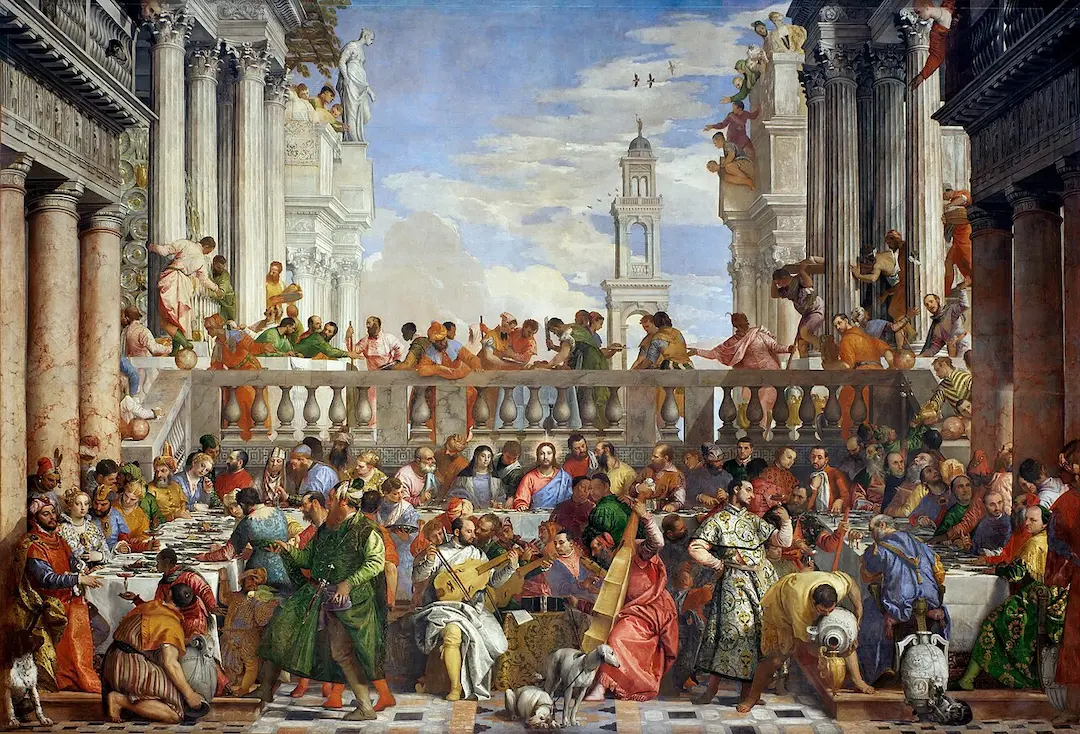
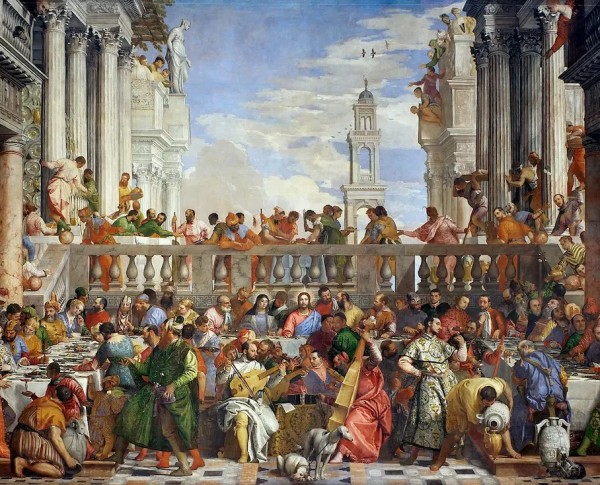
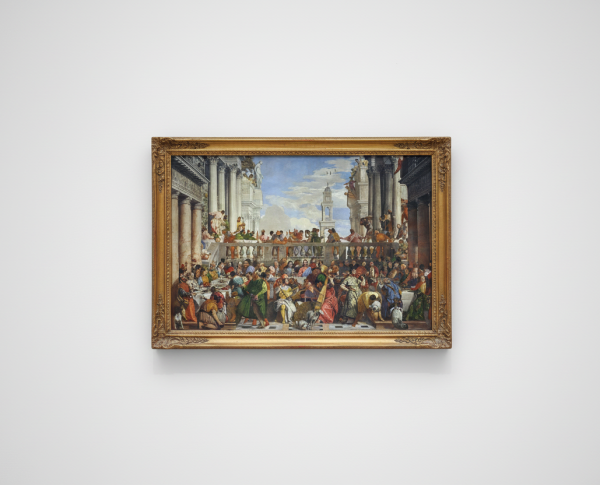
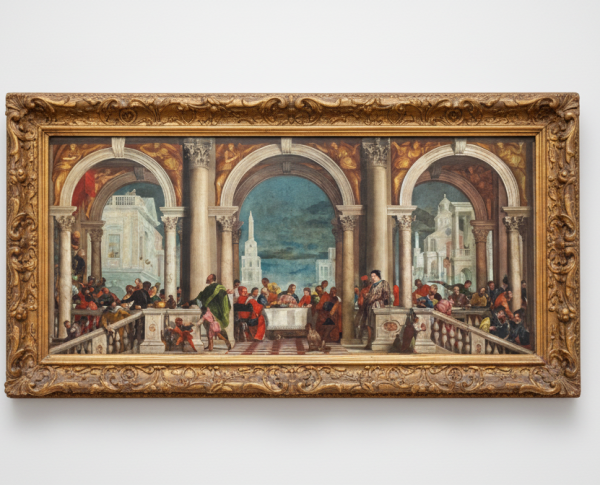
Veronese’s technique in "The Marriage Feast at Cana, c.1562" demonstrates his command over oil on canvas, blending intricate detail with dramatic composition. The artist’s use of luminous colors and dynamic figures brings the Renaissance scene to life, making every element pulse with energy. Each brushstroke reveals his dedication to realism, perspective, and grandeur. Collectors seeking a hand-painted oil painting will appreciate Veronese’s masterful approach, which set new standards for fine art throughout the Renaissance movement.
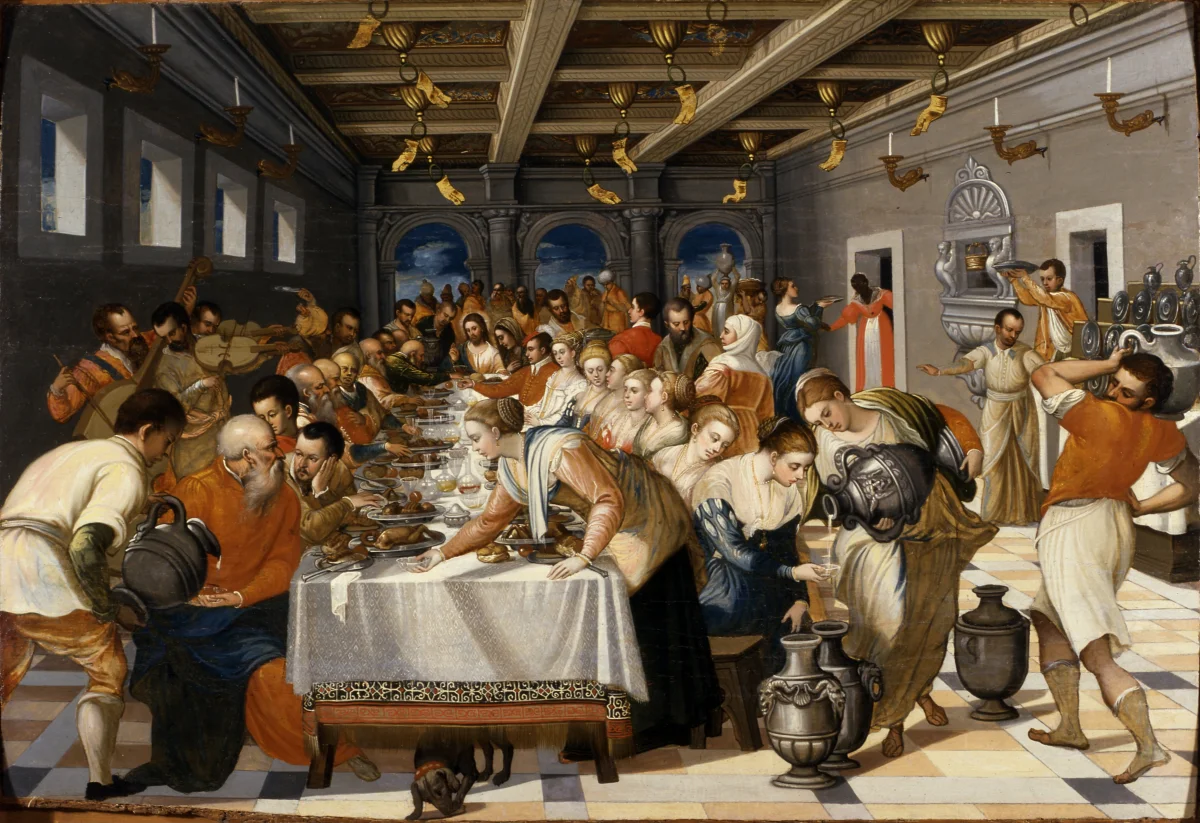
"The Marriage Feast at Cana, c.1562" by Paolo Veronese is more than an oil on canvas; it is a narrative tapestry filled with symbolism and historical references. The painting depicts the biblical miracle of water turning into wine, surrounded by lavish costumes and architecture. Veronese seamlessly integrates religious and cultural motifs, inviting viewers to explore the layered meanings within this Renaissance masterpiece. This fine art painting for sale remains a touchstone for storytelling in art.
Owning a reproduction of "The Marriage Feast at Cana, c.1562" by Paolo Veronese is a dream for many collectors who appreciate Renaissance masterpieces. This hand-painted oil painting offers a chance to bring the grandeur of historic oil on canvas into any collection. Veronese’s work is celebrated for its vibrant detail and timeless appeal, making it a sought-after fine art painting for sale. Such pieces remain enduring treasures for art lovers around the world.
When Art Meets History
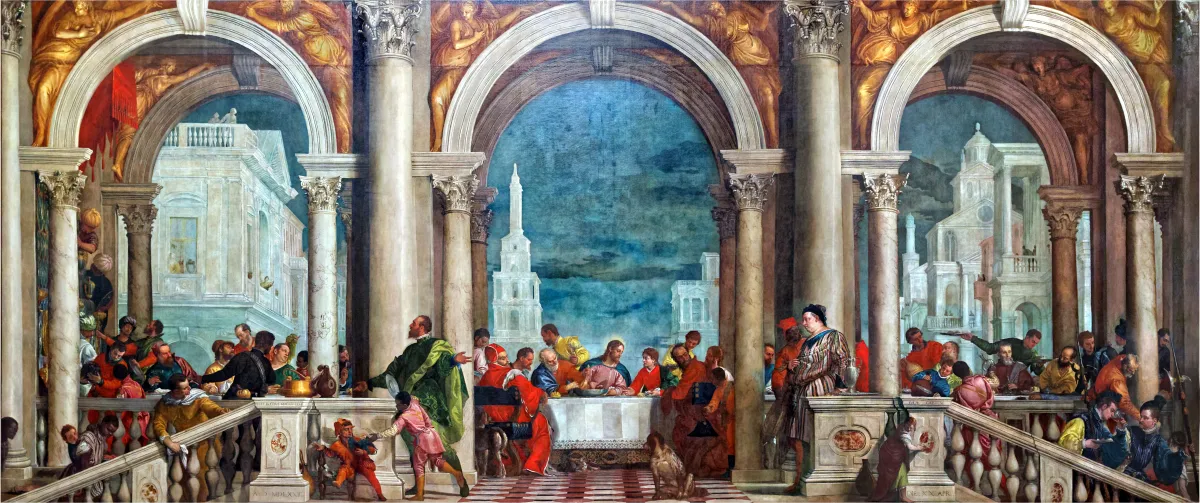
Paolo Veronese’s masterpiece, "The Marriage Feast at Cana, c.1562," is a pivotal work within the Renaissance movement. This hand-painted oil painting captures a biblical wedding banquet, blending historical narrative with vibrant Venetian opulence. Veronese’s composition not only reflects the grandeur of 16th-century Italy but also demonstrates the artist’s skill in storytelling. Similar to his other renowned works, this painting remains a testament to the era’s extraordinary artistry and cultural richness.
Techniques That Speak
Veronese’s "The Marriage Feast at Cana, c.1562" showcases exquisite oil on canvas techniques, marked by intricate details, luminous colors, and dynamic perspectives. The artist’s mastery of light and shadow brings each figure to life, celebrating the Renaissance love for realism and depth. Through overlapping figures and architectural splendor, Veronese elevates the scene, aligning his work with other celebrated pieces of the movement and setting a benchmark for future generations of painters.
Emotions on Display
In "The Marriage Feast at Cana, c.1562," Paolo Veronese invites viewers to experience the joy and exuberance of a grand celebration. The expressions and gestures of the guests convey genuine emotion, drawing the audience into the heart of the event. This fine art painting for sale captures the essence of human connection, a hallmark of Renaissance masterpieces, and shares a kinship with other emotionally resonant works by Veronese and his contemporaries.
Coveted by Collectors
"The Marriage Feast at Cana, c.1562" by Paolo Veronese stands as a highly sought-after treasure among collectors of Renaissance art. Its monumental scale and brilliant execution make it a prized example of hand-painted oil painting. Collectors value such works for their historical significance and lasting beauty, often comparing them to other iconic pieces of the period. The painting’s enduring appeal continues to inspire admiration and demand in the fine art market.
Frequently Asked Questions About The Marriage Feast at Cana, c.1562
What is the historical context of The Marriage Feast at Cana?
The Marriage Feast at Cana was painted during the Italian Renaissance, a period characterized by a renewed interest in classical antiquity, humanism, and the exploration of perspective and color. Veronese created this work in 1562, a time when Venice was a thriving center of art and commerce.
What biblical event does The Marriage Feast at Cana depict?
This painting illustrates the biblical story of Jesus' first miracle, where he transforms water into wine during a wedding feast in Cana, as described in the Gospel of John (2:1-11). This event signifies the divine nature of Jesus and his role in the celebration of life.
What artistic techniques did Veronese employ in this painting?
Veronese utilized a combination of vibrant colors, dramatic lighting, and intricate details to create a sense of grandeur and festivity. His mastery of perspective allows for a dynamic composition that draws the viewer's eye through the scene.
How does Veronese's use of color contribute to the painting's impact?
The bold and contrasting colors in The Marriage Feast at Cana enhance the celebratory atmosphere of the scene. Veronese's use of rich reds, deep blues, and golden hues adds a sense of opulence and vitality, inviting viewers to engage with the joyous occasion.
What is the significance of the figures in the painting?
The figures in the painting represent various social classes and roles, from the nobility to servants, reflecting the inclusivity of the celebration. Jesus and the Virgin Mary are central to the composition, emphasizing their importance in the narrative and the divine intervention at the feast.
What role does perspective play in The Marriage Feast at Cana?
Veronese employs a complex use of perspective to create depth and spatial organization within the painting. The arrangement of the tables and figures leads the viewer's eye toward the central action, enhancing the sense of immediacy and involvement in the feast.
How does the painting reflect the cultural values of the Renaissance?
The Marriage Feast at Cana embodies Renaissance ideals such as celebration of life, humanism, and the importance of community. The depiction of a social gathering highlights the value placed on family and relationships during this period, while also showcasing artistic innovation.
What symbolism can be found in the elements of the painting?
Various elements in the painting carry symbolic meanings, such as the wine representing joy and abundance, and the presence of Jesus signifying divine blessing. The opulent setting and lavish attire of the guests symbolize the richness of faith and community celebration.
What influence did The Marriage Feast at Cana have on later artists?
Veronese's work significantly influenced subsequent generations of artists, particularly in the use of color, composition, and the portrayal of grand narratives. His ability to merge religious themes with a sense of earthly celebration inspired many Baroque painters and beyond.
Where can I view The Marriage Feast at Cana today?
The Marriage Feast at Cana is housed in the Louvre Museum in Paris, France. It remains one of Veronese's most celebrated works and continues to attract art enthusiasts and scholars from around the world.






















_GFM_Painting_(1).webp)


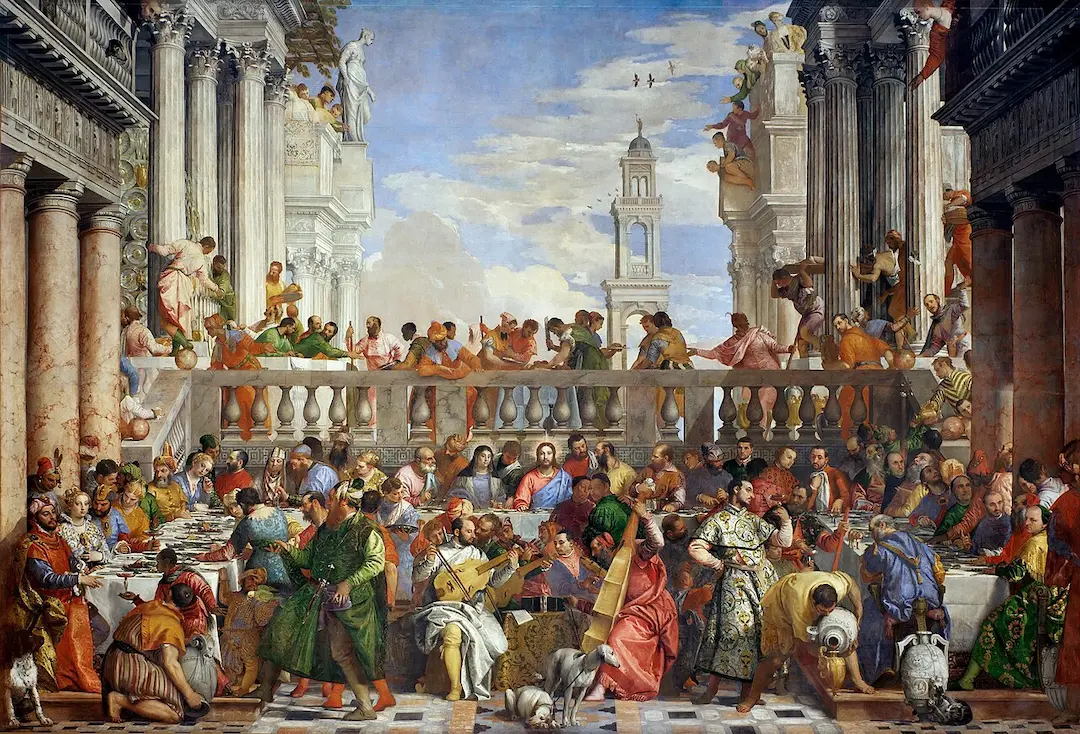
 100% Hand-Painted: Finished in 3-6 Weeks

.png)















_(1).webp)




_1560s.webp)












