Your favourites are only temporarily saved. To find them back, create your account on GFM Painting!
Already have account ?

No gift cards in your cart.
November 13, 2026


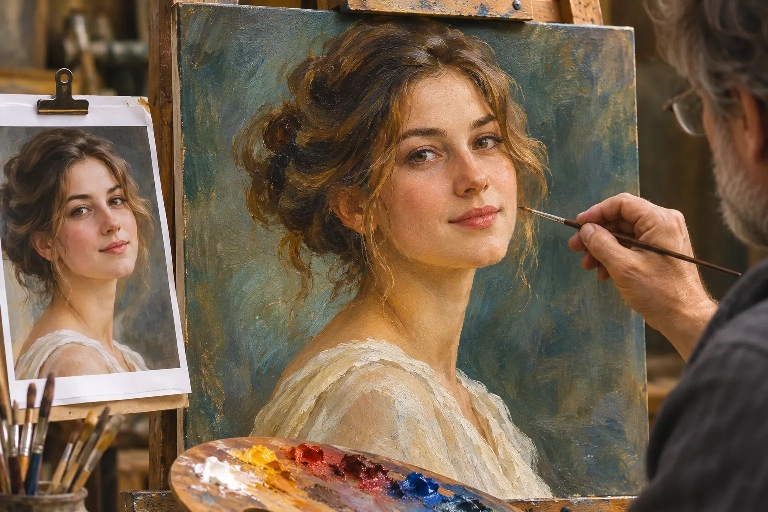
Glazing is one of the most distinctive techniques in traditional oil painting. By applying thin, transparent layers of colour over a thoroughly dried underlying paint layer, artists can create remarkable depth, luminosity and subtle colour variations. Used by generations of painters, glazing allows light to interact with successive layers, producing effects that are difficult to achieve through opaque paint alone.
Glazing is a traditional oil painting technique in which an artist applies a thin, transparent or semi-transparent layer of paint over a dry underlying layer. The underlying colours remain visible through the glaze, allowing the layers to interact visually and creating greater depth, richness and complexity.
Artists use glazing to refine colours, enrich shadows, create subtle tonal transitions and achieve a greater sense of depth. It is particularly useful when painting realistic skin tones, reflective surfaces, atmospheric backgrounds and intricate details that benefit from gradual colour development.
Glazing creates depth by allowing light to pass through a transparent layer of paint and interact with the colours beneath it. As successive layers are applied, the colours combine optically, producing a sense of richness and luminosity that differs from simply mixing several colours together on a palette.
Oil painting offers artists an extraordinary range of possibilities for controlling colour, texture and light. Among its most refined techniques is glazing, a method that relies on patience, careful preparation and an understanding of how transparent layers behave when placed over one another.
Unlike direct painting, where colours are often applied more opaquely and blended together, glazing develops an image through successive layers. Each application contributes to the final appearance while allowing the underlying painting to remain visible.
The technique has played an important role in the history of European oil painting. Artists have used it to create luminous flesh tones, deep shadows, glowing fabrics and atmospheric effects. Although materials and working practices have evolved, glazing remains an important technique for painters seeking subtlety and depth.
Understanding glazing involves more than learning how to thin paint. It requires knowledge of pigments, painting mediums, drying times, surface preparation and the relationship between different paint layers.
At its simplest, glazing involves applying a thin layer of transparent or semi-transparent oil paint over a previously dried layer. The glaze modifies the appearance of the underlying colour without completely concealing it.
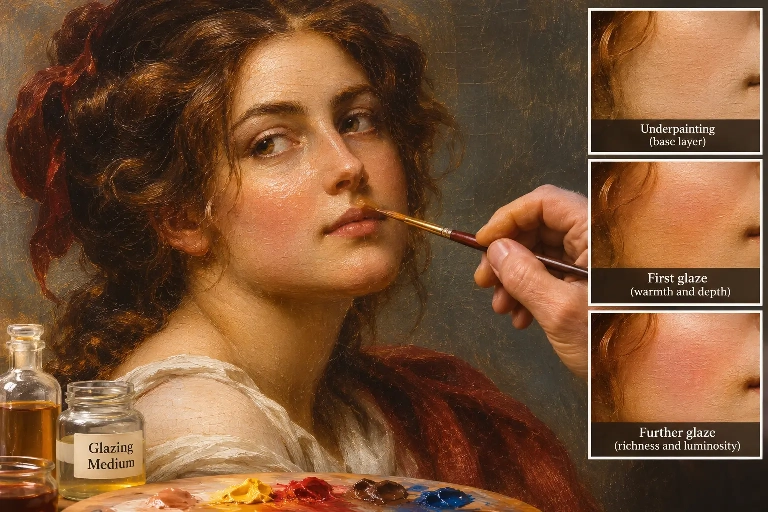
For example, an artist might apply a transparent warm red glaze over a dried yellow or golden underpainting. The result can produce a richer, warmer appearance than applying an opaque red directly. Similarly, a cool transparent glaze over a warm base can introduce tonal complexity while preserving the underlying structure.
The success of glazing depends on the transparency of the pigment and the thickness of the application. Transparent pigments allow more of the underlying painting to remain visible, whereas opaque pigments can cover the surface and reduce the optical effect.
Paint manufacturers commonly identify pigments according to their transparency or opacity. These classifications help artists select appropriate colours for glazing. However, transparency can also depend on pigment concentration, the medium used and the thickness of the paint film.
Opaque painting builds colour through layers that physically cover the surface beneath them. Glazing works differently: the underlying colours remain an essential part of the finished appearance.
Both approaches can be used within the same painting. An artist might establish the composition and major forms using opaque paint before introducing transparent glazes to deepen shadows, enrich colour and refine the overall atmosphere.
Glazing should therefore be understood as part of a wider painting process rather than a technique that must be used throughout an entire canvas.
One of the most fascinating aspects of glazing is the way transparent paint layers influence the appearance of light and colour. Rather than relying entirely on physical colour mixing, the artist uses the interaction between successive layers to develop the visual character of the painting.
When light reaches a glazed painting, some of it interacts with the transparent paint film, while some passes through towards the underlying layers and is reflected back. The coloured light returning through the glaze contributes to the appearance of the finished surface.
This interaction can create a sense of depth and colour richness. The effect is particularly noticeable when several carefully selected transparent layers are applied over a lighter or more reflective foundation.
Artists can use glazing to make gradual adjustments rather than attempting to achieve every colour relationship in one application. A warm glaze might enrich a golden highlight, while a cooler glaze could introduce subtle depth into a shadow.
Each layer changes the overall appearance of the painting. This makes it possible to develop complex colour relationships while maintaining a sense of harmony across the composition.
Glazing can be especially effective in areas where the artist wants to suggest soft reflected light, translucent materials or subtle variations in skin tone. In portraiture, for example, carefully controlled warm and cool glazes can help create a convincing impression of depth in the face.
However, luminosity does not come from transparency alone. It also depends on the underlying values, the pigments selected, the quality of the surface and the artist's control of the overall composition.
Successful glazing requires suitable materials and an understanding of how they work together. The choice of oil paint, pigment, medium, brush and painting surface can influence both the appearance and stability of the finished work.
Artists generally select pigments with transparent or semi-transparent characteristics when creating glazes. Common examples include certain formulations of:
These examples are not interchangeable, and the exact transparency of a colour varies between manufacturers and formulations. Artists should consult the pigment information supplied with their paints rather than assuming that every version of a familiar colour will behave in the same way.
Glazing mediums are used to modify the handling, flow and transparency of oil paint. Traditional oil painting materials include linseed oil, stand oil and other drying oils, as well as prepared mediums designed for particular working methods.
A medium can make paint flow more easily and help produce a smooth, thin application. However, adding excessive oil or solvent does not automatically create a successful glaze. The mixture must remain suitable for the underlying layers and the intended painting process.
Artists should follow the manufacturer's instructions when using prepared glazing mediums and avoid combining materials without understanding their compatibility.
Soft brushes are often useful for applying glazes evenly without disturbing the dried layer underneath. The choice of brush depends on the size of the area, the desired finish and the consistency of the paint.
Canvas and linen can both provide suitable surfaces for oil glazing when correctly prepared. A properly primed surface helps support the paint layers and contributes to the long-term stability of the painting.
Glazing requires a structured approach. The artist must establish the underlying painting before applying transparent layers, ensuring that each stage is sufficiently dry and suitable for the next application.
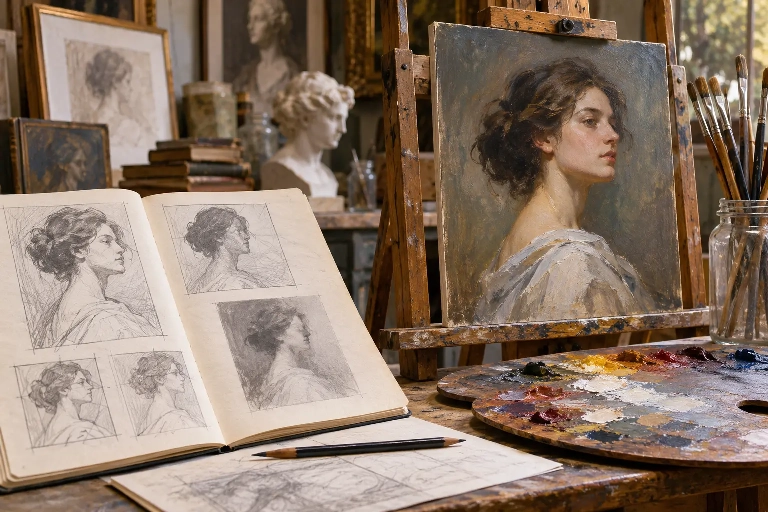
The process usually begins with a drawing, underpainting or initial colour structure. The artist establishes the composition, proportions, principal forms, light and shadow before introducing the more delicate glazing stages.
An underpainting may be relatively simple, using a limited range of colours to establish the tonal structure. In other approaches, the underlying layers may already contain substantial detail and colour development.
Glazes are generally applied over sufficiently dry paint layers. This reduces the risk of disturbing the underlying paint and helps maintain the clarity of the transparent application.
Drying times vary considerably according to the pigments, oil content, thickness of the paint, medium, temperature and environmental conditions. An artist should assess the actual condition of the painting rather than rely on a fixed waiting period.
The artist selects a suitable transparent pigment and prepares a thin mixture using an appropriate glazing medium. The objective is to produce a controlled, even application without making the paint excessively fluid or weakening the paint film.
The glaze is applied carefully using a suitable brush. The artist controls the amount of paint, the direction of the brushwork and the areas receiving the glaze.
Some parts of the painting may require a stronger application, while others benefit from a very subtle layer. This selective approach allows the artist to adjust colour and atmosphere without losing the detail established underneath.
Each glaze needs sufficient time to dry before another layer is applied. Rushing this stage can cause problems with the clarity, handling and stability of the paint film.
Further glazes can be introduced where necessary to deepen shadows, adjust colour relationships or strengthen particular areas of the composition. The artist may also return to more opaque painting for highlights and selected details.
The number of layers depends on the painting. Some works require only a few carefully placed glazes, while others involve a more extensive sequence of transparent applications.
Oil painting includes several techniques for building colour, texture and visual depth. Although they can be combined, each method produces a different result and serves a different artistic purpose.
Glazing uses transparent or semi-transparent layers over sufficiently dry paint. It is particularly useful for enriching colour, modifying shadows and creating optical depth while preserving the underlying painting.
Scumbling involves applying a relatively thin, often opaque or semi-opaque layer of paint over a dry underlying surface. The upper layer may be applied with a broken or textured brushstroke, allowing parts of the colour beneath to remain visible.
Where glazing tends to produce a transparent effect, scumbling often creates a softer, more broken or hazy appearance.
Impasto is a technique in which paint is applied thickly, creating visible brushstrokes and raised texture. It can be used to emphasise highlights, represent textured surfaces or give a painting a strong physical presence.
Unlike glazing, which depends on transparent layers, impasto makes the physical thickness of the paint an important part of the finished artwork.
Wet-on-wet painting involves applying fresh paint into or over paint that has not yet dried. Colours can be blended directly on the canvas, allowing artists to work quickly and create fluid transitions.
Glazing takes a more gradual approach because the underlying layer must be sufficiently dry before the transparent layer is applied.
Direct painting, sometimes called alla prima, involves developing the image through more immediate applications of paint. Artists may establish colours, forms and details in fewer stages rather than building the painting through many separate layers.
These techniques are not mutually exclusive. A skilled oil painter may combine direct painting, glazing, scumbling and impasto to achieve a particular visual result.
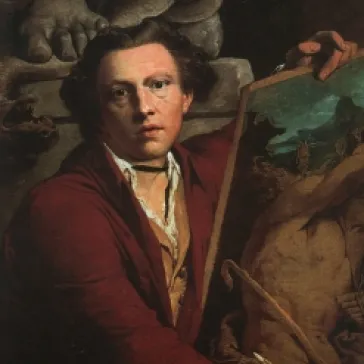
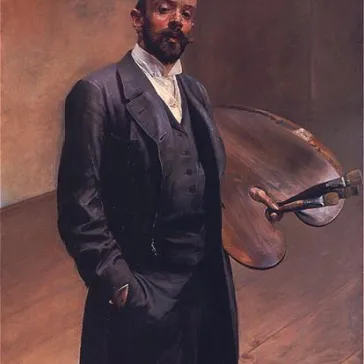
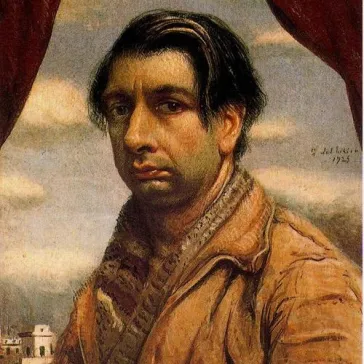
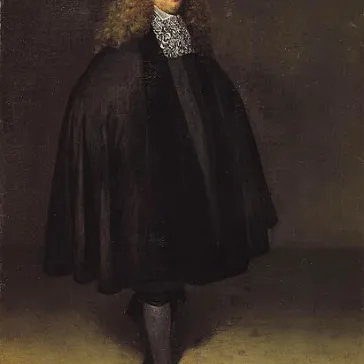
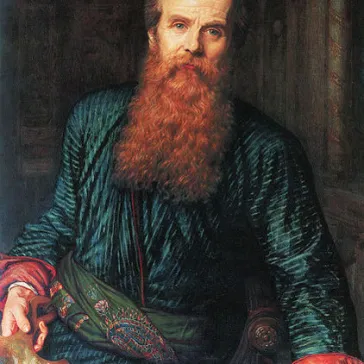
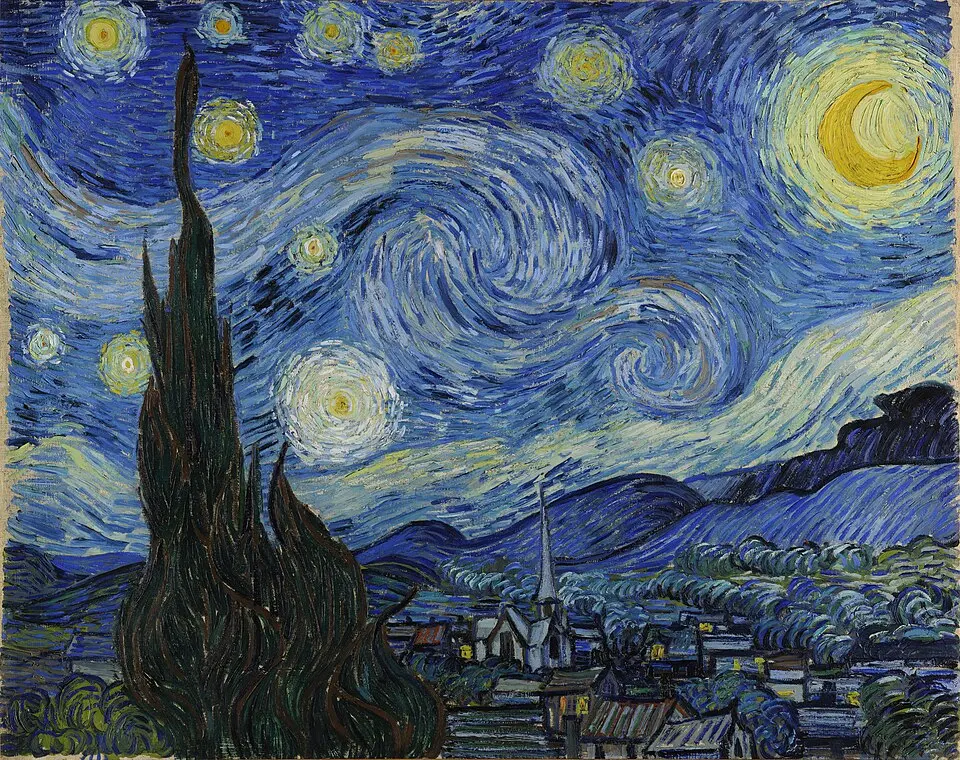
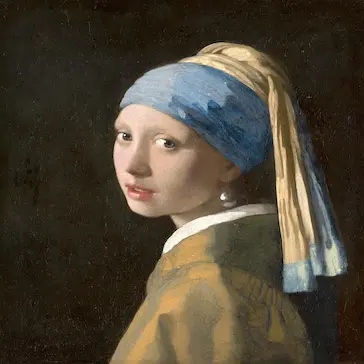
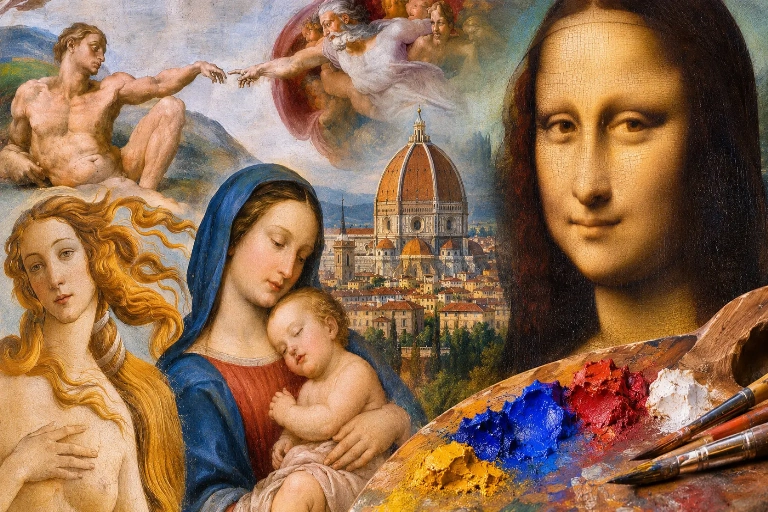
Glazing has a long history in European painting, particularly in the development of oil painting techniques. Many celebrated artists explored the possibilities of transparent layers, although their materials and working methods differed according to their period and individual artistic approach.
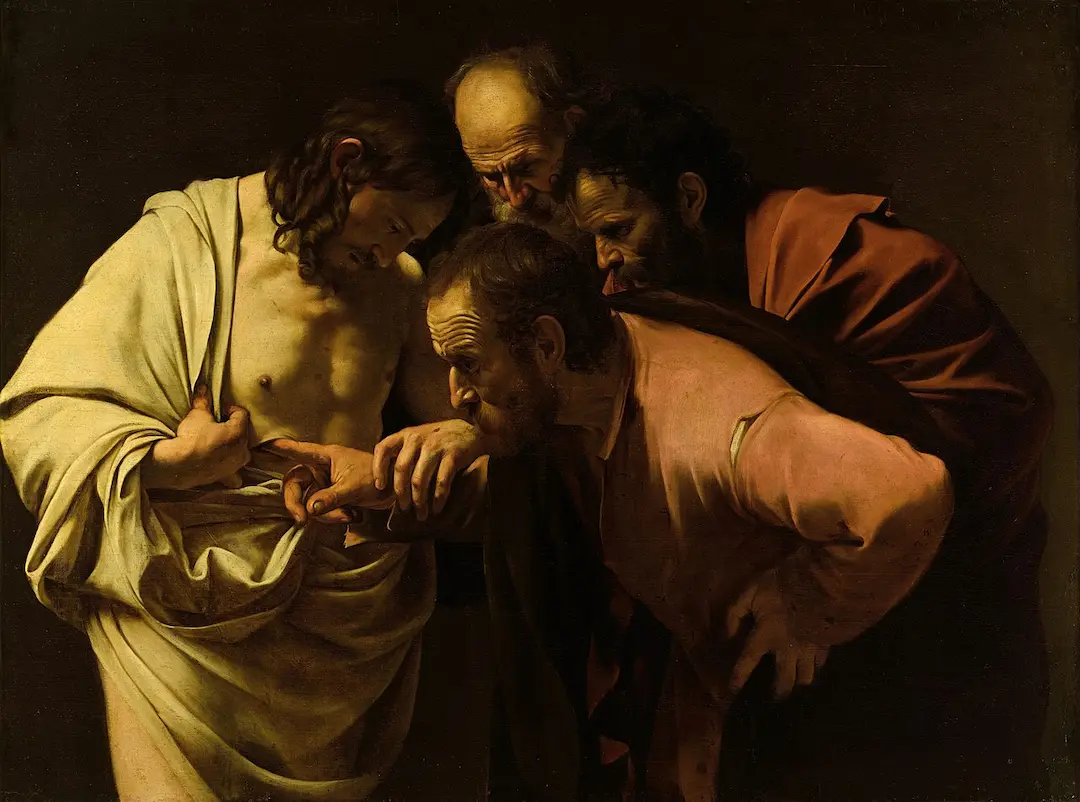
His approach to oil painting helped establish the possibilities of building complex visual effects through carefully controlled layers. His work remains an important reference point when studying the technical development of early Netherlandish painting.
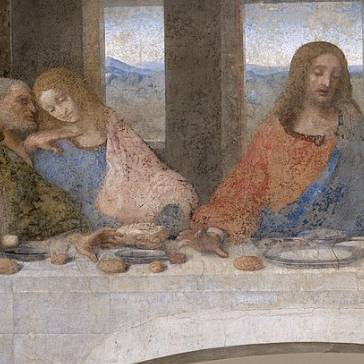
Although sfumato and glazing are not the same technique, transparent and translucent paint applications can contribute to the subtle tonal effects associated with Renaissance painting.
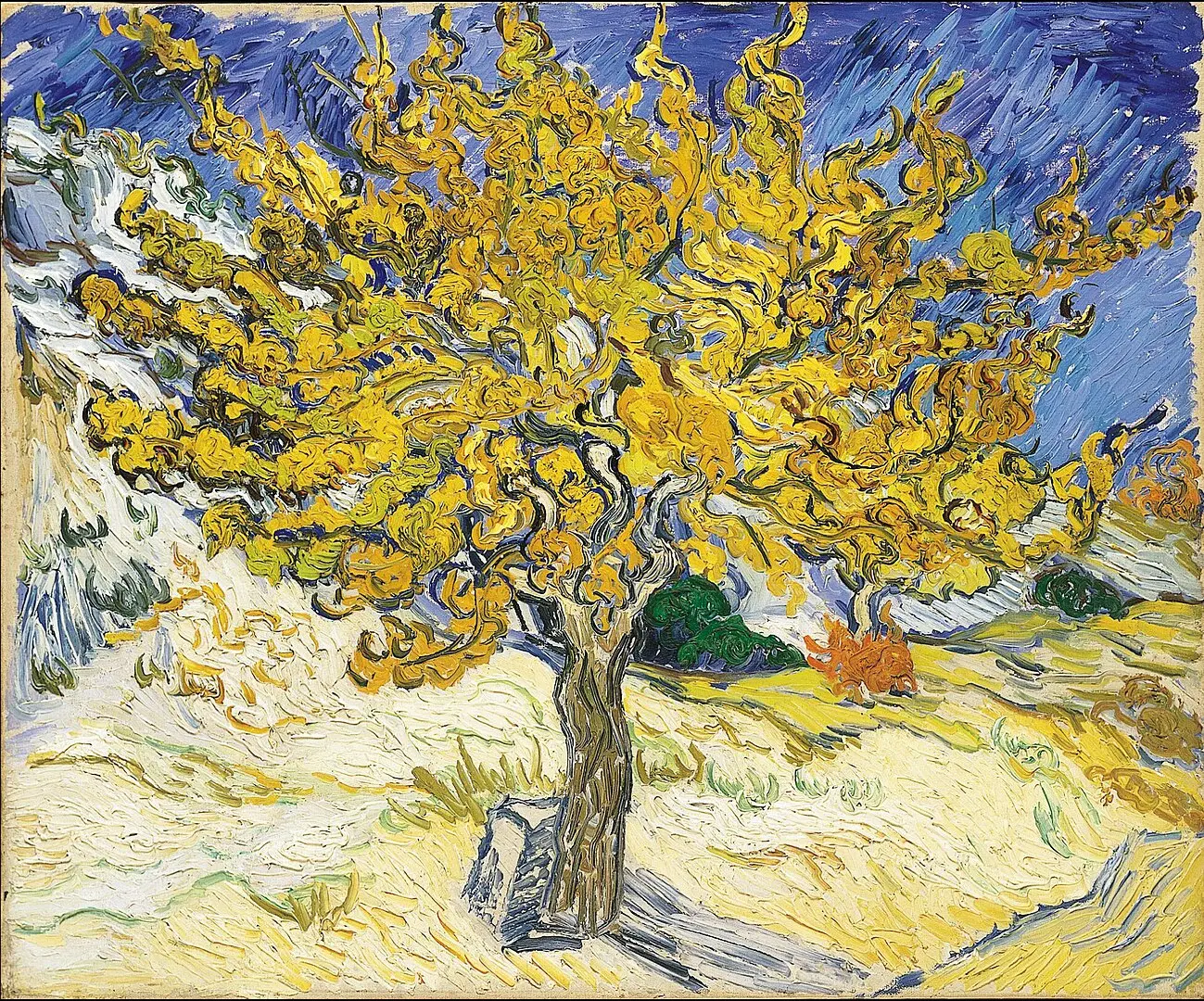
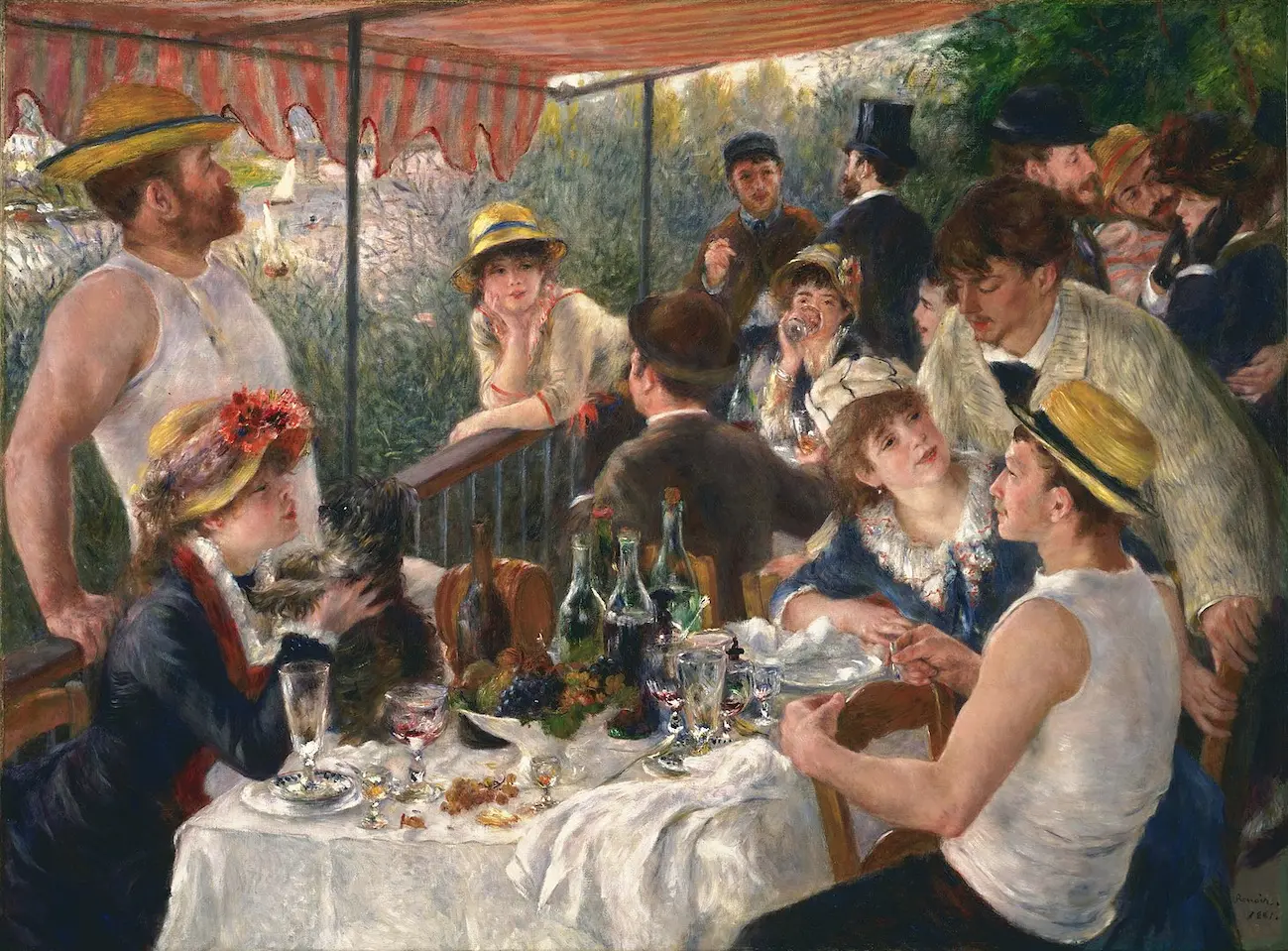
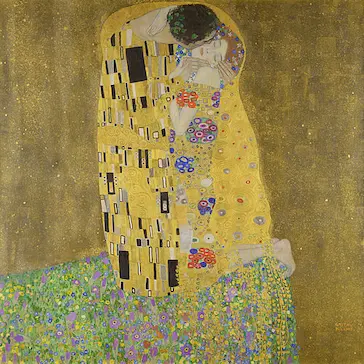
His work demonstrates the importance of colour relationships, surface variation and the interaction between transparent and more opaque applications. His approach influenced generations of painters interested in the expressive possibilities of oil paint.
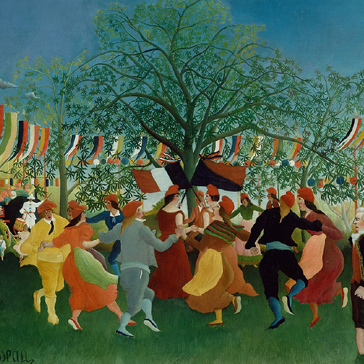
His technical approach demonstrates how different paint consistencies and surface treatments can contribute to a powerful sense of depth. His work is particularly valuable for studying the relationship between dark tonal foundations and illuminated areas.
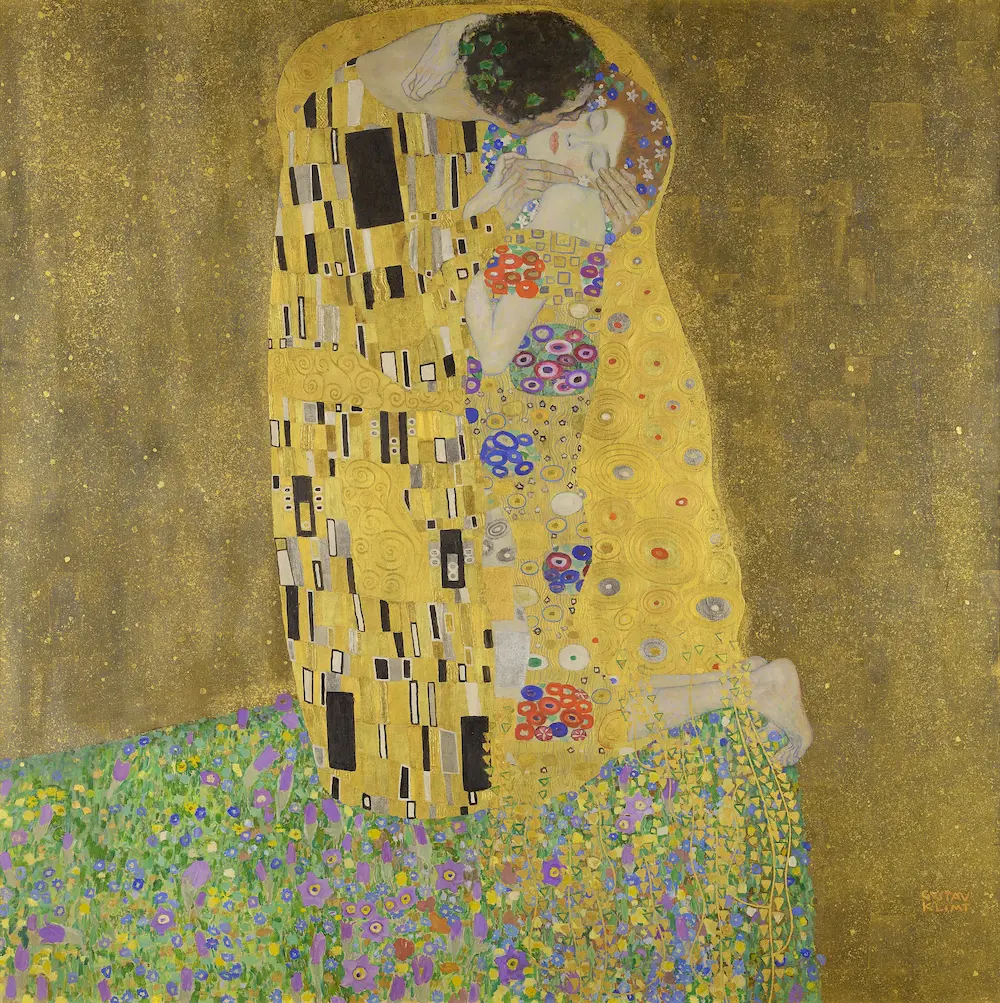
These artists did not all use identical glazing methods. Their work represents different periods, materials and approaches to oil painting. Studying their paintings provides insight into the broader development of layered colour and traditional painting craftsmanship.
Glazing is not simply a matter of applying transparent colour. A successful painting depends on the compatibility and stability of its layers, the preparation of the surface and the artist's understanding of traditional oil painting principles.
The fat-over-lean principle is an important consideration in traditional oil painting. In general, lower layers should be less flexible and contain proportionally less oil than the layers applied above them. Upper layers are typically made more flexible to accommodate the drying and ageing behaviour of the paint structure.
This principle helps reduce the risk of cracking caused by differences in the movement of successive paint layers. However, it should not be reduced to the simple rule that every successive layer must contain more oil. The choice of medium, pigment and painting method all matter.
Oil paint does not dry through evaporation alone. It hardens primarily through oxidation, a chemical process in which the drying oil reacts with oxygen. The time required depends on the pigment, oil, paint thickness and surrounding conditions.
A painting may feel dry to the touch before the paint film has fully cured. Artists therefore need to distinguish between surface dryness and the longer process of paint-film development.
A suitable support is essential for a stable oil painting. Canvas and linen should be properly sized and primed with materials designed for oil painting. Correct preparation helps protect the support and provides an appropriate surface for the paint layers.
Varnishing can provide a protective surface layer and help unify the appearance of an oil painting. However, varnish should only be applied when the painting has dried sufficiently according to the materials and conservation requirements.
Long-term preservation also depends on suitable display and storage conditions. Excessive humidity, direct sunlight, large temperature fluctuations and physical damage can affect an oil painting over time.
Glazing is a technique that rewards careful planning. Each layer contributes to the appearance of the finished work, and mistakes can be difficult to correct without disturbing the paint structure.
Artists must understand when to apply a glaze, how much pigment to use and when to allow the painting to dry. This combination of technical knowledge and artistic judgement is what makes glazing such a distinctive part of traditional oil painting.
Glazing remains one of the most valuable techniques in traditional oil painting because it allows artists to develop colour and depth through carefully controlled transparent layers. It offers a way to enrich shadows, refine tonal transitions and create luminous effects while preserving the work beneath the surface.
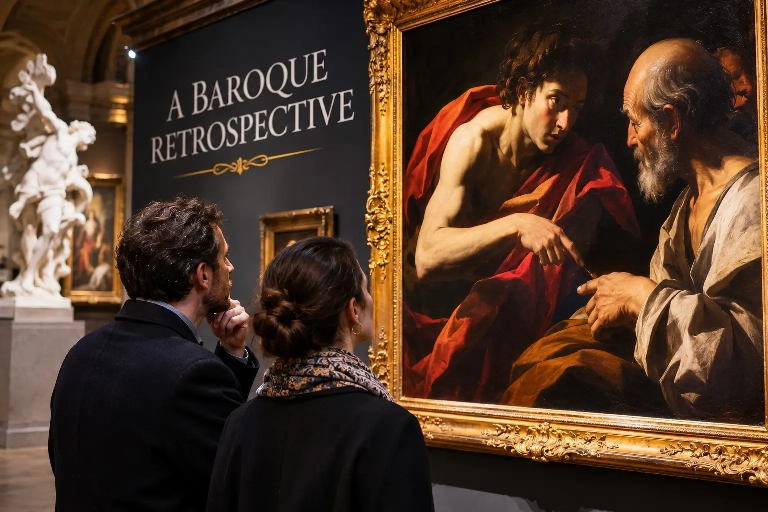
From the layered colour traditions of Renaissance and Baroque painting to contemporary interpretations of classical techniques, glazing continues to demonstrate the versatility of oil paint.
Its successful application requires more than the right materials. It depends on an understanding of pigments, light, drying times, paint-layer compatibility and the careful preparation of the painting surface.
Ultimately, glazing illustrates the patience and craftsmanship behind traditional oil painting. Each transparent layer contributes to a more complex visual result, showing how subtle changes in colour and light can transform the character of an artwork.
Websites Built to Grow Your Business
Professional Web Design • Development • SEO • Digital Marketing
Read More
Discover a different perspective on wealth, stewardship, purpose and leadership.
Read MoreThe beauty of traditional oil painting often lies beneath the surface. Through carefully applied transparent layers, artists can create remarkable depth, richness and luminosity.
Glazing is one of the most enduring techniques in the history of oil painting. It allows colours to interact optically, producing subtle transitions and visual effects that are difficult to achieve through a single application of paint.
From the Renaissance masters to contemporary painters, glazing has helped artists refine skin tones, enrich shadows, intensify colours and bring their compositions to life.
Discover the materials, processes and craftsmanship behind this fascinating technique, and understand why patience and precision are essential to successful oil glazing.
Explore how a sequence of delicate layers can transform an oil painting into a work of extraordinary visual depth.
Frequently Asked Questions
Yes. Glazing can be incorporated into many styles of oil painting, including portraiture, landscapes, still life and classical compositions. It is particularly effective when an artist wants to enrich colours, deepen shadows or create subtle transitions. However, its suitability depends on the painting's surface, existing paint layers and the desired finish.
There is no fixed number. Some paintings require only two or three carefully applied glazes, while others may involve several successive layers. The number depends on the artist's technique, the colours being developed and the visual effect required. Each layer must be sufficiently dry before the next is applied.
The underlying paint should be sufficiently dry before glazing to prevent the brush from disturbing the existing layer. Drying times vary depending on the pigments, paint thickness, oil content, medium and environmental conditions. Artists should assess the condition of the paint rather than follow a fixed waiting period.
Transparent pigments are generally preferred because they allow the underlying colours to remain visible. Examples include alizarin crimson, transparent oxide red, phthalo blue and certain quinacridone colours. The transparency of individual paints can vary between manufacturers, so checking the pigment information is important.
GFM Designer Ltd
Maultway Court
67-69 Ruxley Lane
Epsom, Surrey
KT19 0JG. UK
E-MAIL : info@gfmpainting.co.uk
PHONE : +44 (0) 203 592 3482
MOBILE : +44(0) 7834 393 396