☰

November 13, 2026

GFM Painting Logo
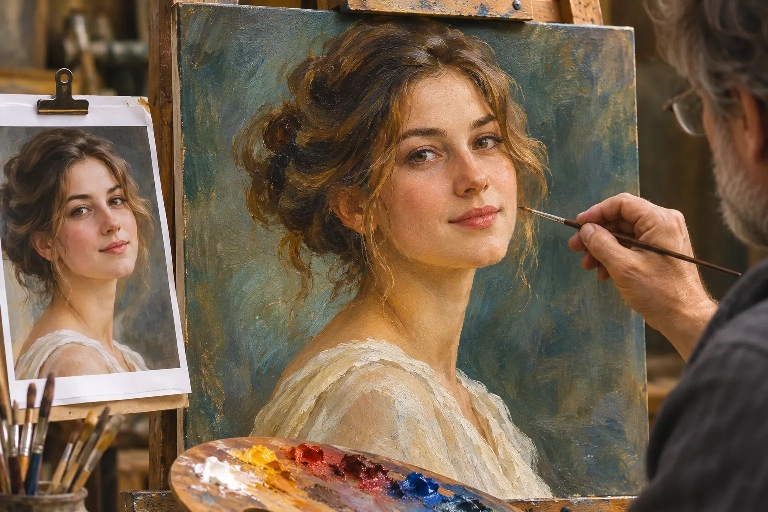
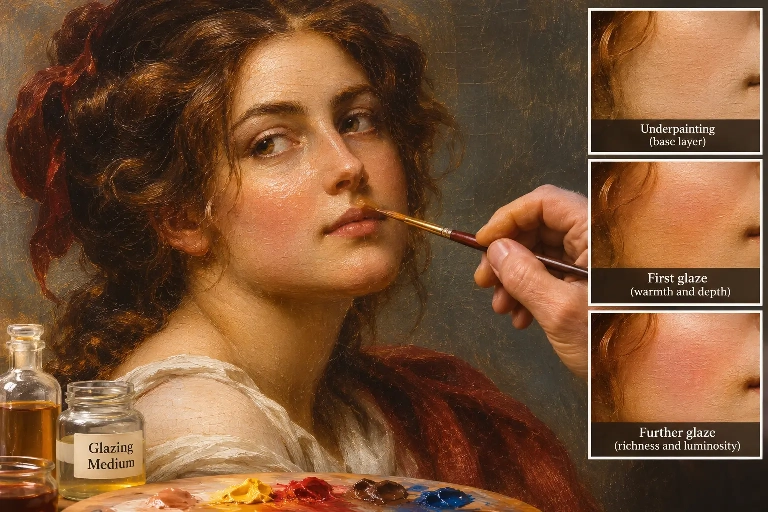
An artist creating a hand-painted oil portrait in a traditional studio, using a reference photograph, fine brushes and a richly coloured palette.

Commissioning an oil portrait is a wonderful way to transform a meaningful photograph, cherished memory or special relationship into an original work of art. Whether you are looking for a family portrait, wedding painting, individual portrait, pet portrait or a personalised memorial artwork, a hand-painted oil painting offers something that a photograph or printed image cannot fully replicate.

Unlike mass-produced artwork, a commissioned oil portrait is created specifically around your requirements. The composition, dimensions, colours, background and artistic approach can all be discussed before the painting begins. A professional artist works from your chosen reference photographs, carefully translating the subject into an original painting using traditional artistic techniques.

At GFM Painting, we believe that commissioning a portrait should be an enjoyable and straightforward experience. Understanding the process, preparing suitable photographs and discussing your expectations with the artist can help ensure that the finished painting becomes a meaningful piece to treasure for years to come.

Commissioning an Oil Portrait

How do you commission an oil portrait?

To commission an oil portrait, you normally select your preferred photograph, decide on the painting size and composition, discuss your requirements with an artist and agree on a quotation and estimated completion time. Once the details are confirmed, the artist begins creating your original hand-painted portrait.

How much does it cost to commission an oil portrait?

The cost depends on several factors, including the canvas dimensions, number of people or subjects, composition complexity, background detail and the time required by the artist. A personalised quotation is the best way to establish the price for your particular commission.

How long does it take to have an oil portrait painted?

The completion time depends on the size and complexity of the portrait, the artist's availability and the amount of detail involved. Traditional oil painting also requires appropriate drying time. The estimated production and delivery schedule should be discussed before confirming the commission.

Introduction: Turning a Photograph into an Original Work of Art

A portrait captures more than someone's physical appearance. It can preserve personality, relationships, important occasions and memories that hold lasting personal significance.

For many people, commissioning an oil portrait is an opportunity to celebrate a loved one, remember a family member, commemorate a wedding or create a special gift. Others commission portraits to display in their homes or to establish a lasting family keepsake.

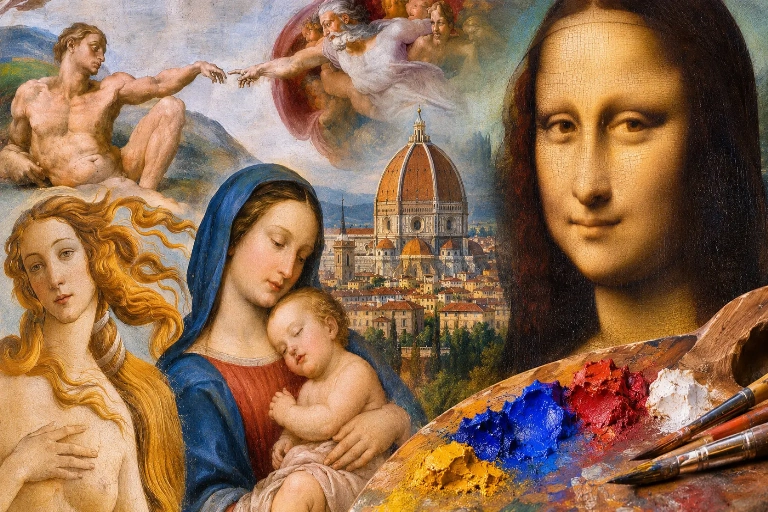
Oil painting has a long artistic tradition because of its versatility, rich colour, depth and ability to represent subtle details. Artists can develop realistic skin tones, carefully blend colours, create expressive backgrounds and build texture through different applications of paint.

However, commissioning a successful portrait involves more than simply sending a photograph to an artist. The choice of reference image, canvas size, composition and artistic style all influence the final result.

Understanding the following stages will help you make informed decisions and approach your commission with confidence.

1. Understanding the Oil Portrait Commissioning Process

Before commissioning an oil portrait, it is useful to understand how the process works and what information an artist will need.

A commissioned portrait is created specifically for an individual customer. Unlike purchasing an existing painting, you have the opportunity to discuss the subject, preferred dimensions, visual arrangement and other requirements before work begins.

What can you commission?

Oil portraits can be created for a wide range of subjects and occasions, including:

  • Individual portraits: A traditional portrait of one person, capturing their appearance and personality.
  • Family portraits: Paintings featuring parents, children, grandparents or several generations of a family.
  • Couple portraits: Artwork celebrating a relationship, engagement, anniversary or wedding.
  • Wedding portraits: Paintings based on wedding photographs, formal poses or meaningful moments from the occasion.
  • Pet portraits: Personalised paintings of dogs, cats, horses and other beloved animals.
  • Memorial portraits: Artwork created in remembrance of a loved one.
  • Historical or traditional portraits: Paintings inspired by classical portraiture, formal compositions or particular artistic periods.

How the process usually works

A typical commission follows several stages:

  1. Initial enquiry: Share your idea, preferred subject and any reference photographs.
  2. Requirements discussion: Establish the composition, canvas dimensions, painting style and other preferences.
  3. Quotation: Receive a price based on the agreed requirements.
  4. Commission confirmation: Agree on the specifications, payment arrangements and estimated timescale.
  5. Painting: The artist begins creating the portrait using traditional oil painting techniques.
  6. Completion and delivery: The finished painting is prepared for the agreed delivery arrangement.

A clear understanding of these stages helps avoid misunderstandings and ensures that both the customer and artist share the same expectations.

2. Choosing the Right Photograph and Reference Images

The reference photograph is one of the most important elements of an oil portrait commission. It provides the artist with the visual information needed to understand the subject's facial features, expression, proportions, clothing and overall appearance.

A good photograph does not necessarily need to be professionally taken. However, it should provide sufficient detail for the artist to interpret the subject accurately.

What makes a good reference photograph?

Ideally, choose an image that offers:

  • Good resolution: A clear photograph with sufficient detail, particularly around the face and eyes.
  • Natural lighting: Even lighting helps reveal facial features, skin tones and expressions.
  • Clear facial features: The subject's eyes, nose, mouth and overall facial structure should be visible.
  • Suitable composition: The photograph should show the intended pose and framing.
  • Accurate colours: Original photographs are useful for understanding skin tones, hair colour and clothing.
  • Minimal obstruction: Avoid photographs where important facial features are hidden by shadows, accessories or objects.

Can you use more than one photograph?

Yes. Multiple photographs can help an artist understand the subject more accurately, particularly when the preferred composition and facial reference are not available in the same image.

For example, a customer might prefer the pose from one photograph but the facial expression from another.

Reference images may also be useful when commissioning a family portrait from separate photographs. They can help the artist understand each individual's appearance and how the subjects should be arranged together.

However, combining different photographs requires careful artistic consideration. Differences in lighting, camera angles, proportions and perspective must be addressed to create a convincing composition.

What if the photograph is old or damaged?

Older photographs can still be suitable references, depending on their condition and resolution.

Where possible, provide the highest-quality original scan or photograph. If the image is faded, blurred or damaged, discuss its limitations with the artist before confirming the commission.

The artist can assess whether sufficient visual information is available to create the intended portrait.

3. Selecting the Canvas Size, Composition and Painting Style

The size and composition of an oil portrait have a significant influence on its visual impact. A carefully selected canvas dimension allows the artist to represent the subject appropriately while ensuring that important details are given sufficient attention.

Choosing the right canvas size

The ideal dimensions depend on the number of subjects, the amount of detail required and where you intend to display the painting.

Consider the following general guidance:

  • Smaller portraits: Suitable for individual head-and-shoulder compositions and more intimate displays.
  • Medium portraits: Offer additional space for upper-body compositions and more detailed backgrounds.
  • Large portraits: Provide greater opportunity for full-body compositions, multiple subjects and elaborate backgrounds.
  • Extra-large portraits: Can create a striking focal point in spacious rooms and formal interiors.

The dimensions should always be considered in relation to the intended composition rather than selected purely according to price.

Choosing the portrait composition

Different compositions create different visual experiences.

Head-and-shoulder portraits

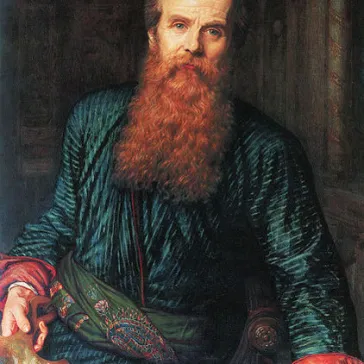
These focus primarily on the face and upper body. They are particularly suitable when capturing facial expression and likeness is the main priority.

Half-length portraits

These provide more space to include clothing, posture and selected background details while maintaining attention on the subject.

Three-quarter and full-length portraits

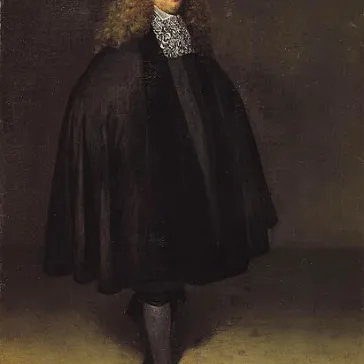
These compositions allow the artist to represent more of the subject's body, clothing and surroundings. They can be particularly effective for formal, historical or wedding portraits.

Group portraits

These require additional planning to ensure that each individual is positioned naturally and that the overall composition feels balanced.

Choosing a painting style

Traditional oil portraits can be created in different artistic approaches, depending on the desired appearance.

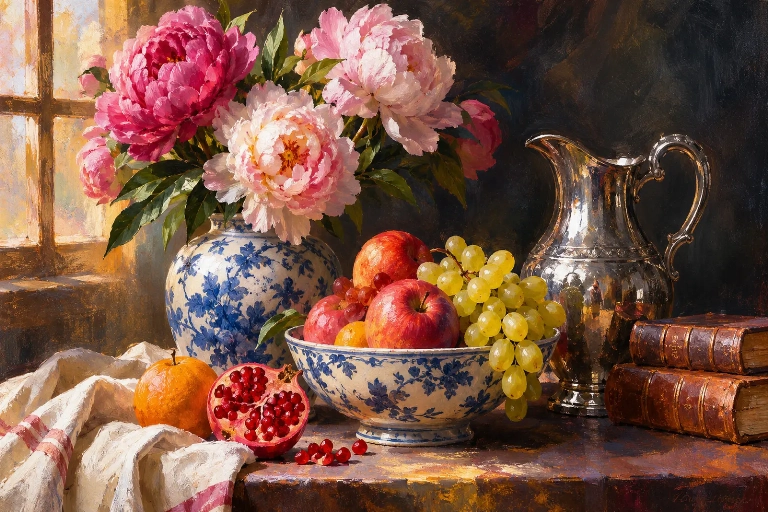
  • Classical realism: Focuses on accurate proportions, carefully developed skin tones and detailed representation.
  • Contemporary realism: Combines realistic likeness with a more modern approach to colour, composition and background.
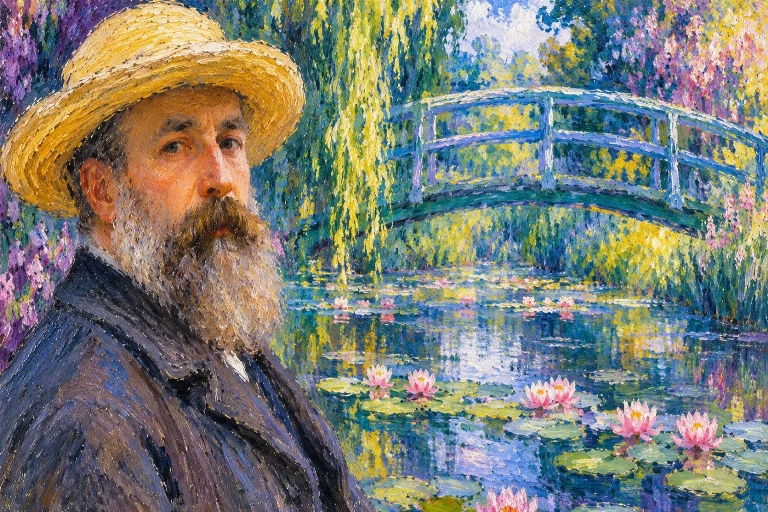
  • Expressive portraiture: Uses more visible brushwork, stronger colour relationships and artistic interpretation.
  • Traditional formal portraiture: Often features carefully arranged poses, clothing and backgrounds.

Discussing the preferred style before the commission begins helps the artist understand the intended result.

4. Choosing an Artist and Discussing Your Requirements

Selecting the right artist is an important part of commissioning an oil portrait. The artist needs to understand not only the subject's physical appearance but also the purpose and expectations behind the painting.

A portfolio is a useful starting point because it allows you to assess an artist's experience, technique and approach to portraiture.

What should you look for in an artist?

When reviewing an artist's work, consider:

  • Facial likeness: Can the artist capture recognisable facial features and expressions?
  • Anatomical accuracy: Are body proportions, hands and posture represented convincingly?
  • Skin tones: Does the artist demonstrate an understanding of natural colour and subtle tonal variations?
  • Brushwork: Is the application of paint appropriate for the chosen style?
  • Composition: Do the figures and backgrounds feel balanced and well arranged?
  • Consistency: Does the portfolio demonstrate a reliable standard across different subjects?

A portfolio should ideally include examples that are relevant to the type of portrait you want to commission.

Discussing your expectations

Before confirming a commission, provide a clear description of what you would like the artist to create.

Useful information includes:

  • The subject or subjects.
  • The preferred reference photograph.
  • The desired canvas dimensions.
  • The intended composition and pose.
  • Clothing and background preferences.
  • The preferred painting style.
  • Any particular details that must be included or retained.
  • Your intended delivery destination and requirements.

It is also important to discuss any elements that should not be changed. For example, you may want a particular facial expression, hairstyle, item of clothing or background detail to remain consistent with the original photograph.

Why communication matters

A successful commission depends on a shared understanding between the customer and artist.

Providing clear instructions at the beginning can reduce the need for significant changes later. If a particular aspect of the painting is especially important, communicate this before the artist starts.

It is worth remembering that an oil portrait is an original work of art. Although the artist works from your references and instructions, the final painting involves artistic interpretation and the individual characteristics of the chosen medium.

5. Pricing, Deposits and Understanding the Commission Timeline

The price of an oil portrait reflects the materials, artistic skill, time and complexity involved in producing an original painting.

There is no single standard price because each commission has its own requirements.

What influences the price of an oil portrait?

The main factors include:

Canvas dimensions

Larger paintings generally require more materials and working time. They may also involve more complex compositional planning.

Number of subjects

A portrait featuring several people usually requires more work than a single-subject composition. Each face, figure and interaction needs individual attention.

Level of detail

Highly detailed clothing, backgrounds, accessories and surrounding environments can increase the time required to complete the painting.

Composition complexity

A straightforward head-and-shoulder portrait may require less work than a full-length portrait with several figures and a detailed setting.

Painting surface and materials

The choice of canvas, linen and other materials can influence the overall cost.

Artist's time and expertise

A specialist portrait artist brings experience, technical knowledge and artistic skill to the commission.

Understanding payment arrangements

Before proceeding, make sure that the quotation clearly explains the agreed price and payment arrangements.

Depending on the commission, these may include:

  • An initial deposit to confirm the order.
  • A remaining balance payable at an agreed stage.
  • Any additional costs for delivery, framing or other agreed requirements.
  • The arrangements for changes or additional work.

The payment terms should be confirmed in writing so that both parties understand their responsibilities.

How long does an oil portrait take?

The time required depends on the size, number of subjects, complexity and artist availability.

Traditional oil painting also involves drying considerations. Depending on the painting technique and thickness of the paint, the work may need additional time before it can be safely handled, packed or shipped.

For this reason, it is important to discuss the estimated production schedule and delivery expectations before confirming the commission.

If the portrait is intended as a birthday, anniversary, wedding or Christmas gift, allow sufficient time for the painting process and delivery.

6. From Initial Sketch to Finished Oil Portrait: The Painting Process

Once the commission has been confirmed, the artist begins the process of transforming the reference material into an original oil painting.

The precise workflow varies between artists, but a traditional oil portrait generally involves several stages.

Stage 1: Composition and preparation

The artist reviews the reference photographs and agreed requirements before planning the composition.

This involves considering:

  • The positioning and proportions of the subject.
  • The relationship between the figure and background.
  • The intended canvas dimensions.
  • The placement of important visual details.
  • The overall balance of the painting.

A preliminary drawing or layout may be used to establish the arrangement before paint is applied.

Stage 2: Establishing the main forms

The artist begins developing the composition through initial drawing and the application of underlying colours.

At this stage, the main proportions, shapes, light and shadow relationships are established.

Accurate foundations are particularly important in portraiture because even small changes in facial proportions can affect the recognisable likeness of the subject.

Stage 3: Developing colour and detail

The artist gradually builds the painting through layers and carefully selected colour mixtures.

Particular attention is given to:

  • Facial structure and expression.
  • Skin tones and natural colour variations.
  • Hair and clothing.
  • Light and shadow.
  • Background details.
  • The relationship between different elements of the composition.

Oil paint allows artists to work with subtle transitions, rich colour and varying surface textures.

Stage 4: Refinement and finishing

As the painting develops, the artist refines important details and checks the overall composition.

The face, eyes, hands and other significant features may receive particular attention.

The final stage is not simply about adding more detail. It involves ensuring that the different parts of the painting work together to create a coherent and convincing portrait.

Understanding the role of artistic interpretation

Even when working from a photograph, an oil portrait is not simply a mechanical reproduction.

The artist must interpret the reference, understand the effects of light and translate photographic information into the language of paint.

This is part of what makes an original hand-painted portrait distinctive. It combines the customer's personal requirements with the artist's technical ability and creative judgement.

7. Delivery, Framing and Caring for Your Oil Portrait

Once the painting is complete, attention turns to its preparation and delivery.

Oil paintings require appropriate handling because the painted surface may remain vulnerable while drying. The delivery arrangement should therefore be discussed with the artist in advance.

Should an oil portrait be delivered framed or unframed?

Both options are possible, depending on the commission and the customer's preferences.

Framed oil portraits

A frame can complement the painting and provide a finished appearance. Traditional wooden frames are often chosen for classical portraiture, while simpler frames can suit contemporary interiors.

Unframed oil portraits

An unframed painting offers greater flexibility if you want to choose a frame locally or match the artwork to a particular room.

Can an oil portrait be shipped rolled?

In some circumstances, a painting can be transported rolled rather than stretched over a wooden frame. This can be useful for larger canvases and international delivery.

However, this arrangement is only suitable when the painting and its condition allow it. Oil paintings must be sufficiently dry and prepared appropriately before rolling.

The recipient will also need to arrange for the canvas to be professionally stretched and mounted after delivery.

Always confirm the shipping method and preparation requirements before the painting is dispatched.

Caring for your oil portrait

With appropriate care, an oil portrait can remain an important part of your home for generations.

Consider the following recommendations:

  • Display the painting away from direct sunlight where possible.
  • Avoid locations with excessive humidity or sudden temperature changes.
  • Keep the painting away from radiators and other direct heat sources.
  • Avoid touching the painted surface.
  • Do not attempt to clean the painting with household cleaning products.
  • Use a qualified painting conservator if professional cleaning or restoration is required.

Oil paintings should be treated as original artworks rather than ordinary decorative prints. Appropriate handling and display conditions help preserve their appearance and condition.

Conclusion: Creating a Portrait to Treasure for Generations

Commissioning an oil portrait is a personal and rewarding experience. It allows you to transform a photograph, memory or meaningful relationship into an original work of art created specifically for you.

From choosing the right reference image and canvas dimensions to selecting an artist and discussing the final composition, every decision contributes to the character of the finished painting.

Understanding the process also helps establish realistic expectations around pricing, production time, materials and delivery.

Whether you are commissioning an individual portrait, a family painting, a wedding portrait, a pet portrait or a memorial artwork, the most important considerations are the quality of the reference material, the artist's ability to capture the subject and clear communication throughout the commission.

At GFM Painting, we welcome enquiries for personalised oil portraits and other custom artworks. If you have a photograph or an idea for a special painting, you can begin by sharing your requirements and discussing the possibilities for creating an original hand-painted portrait.

Your photograph tells a story. A hand-painted oil portrait can help preserve it for generations.

Beyond the Photograph: The Journey to Your Own Hand-Painted Portrait

A photograph can capture a special moment, but a hand-painted oil portrait transforms that memory into an original work of art. Every brushstroke brings together the subject's character, expression and individuality.

Whether you are celebrating a family, commemorating a wedding, remembering someone special or creating a portrait of a beloved pet, commissioning a painting offers an opportunity to preserve something meaningful.

From selecting the right reference photograph and canvas size to choosing an artist and discussing your preferred composition, every stage contributes to the creation of a personalised artwork.

Discover how traditional oil painting techniques, carefully selected colours and specialist artistic skill can transform your photograph into a portrait created especially for you.

Explore the commissioning process and find out how to turn your idea into an original hand-painted oil portrait that can be treasured for generations.

FAQ

Frequently Asked Questions

Can an oil portrait be created from separate photographs?

Yes. An artist can use multiple reference photographs to create a single composition. For example, individual family members can be brought together in one painting, even if their photographs were taken at different times. The artist will consider lighting, proportions, poses and perspective to create a natural-looking result.

Can I request changes to the background or clothing in my portrait?

Yes. You can discuss changes to clothing, background colours, surrounding scenery and other compositional details before the painting begins. Providing clear instructions and suitable reference images helps the artist understand your preferences.

Is a hand-painted oil portrait better than a printed canvas photograph?

https://chatgpt.com/c/698335b7-a1e4-832a-acc2-c578ec487b61#:~:text=They%20are%20different,photograph%20onto%20canvas.

Can I commission an oil portrait as a wedding, anniversary or memorial gift?

Absolutely. Commissioned oil portraits make meaningful gifts for weddings, anniversaries, birthdays, family celebrations and memorial occasions. A carefully selected photograph can be transformed into a personalised painting that commemorates an important person or moment.

How should I choose between canvas and linen for an oil portrait?

Can't Find What You Are Looking For

Contact Us

Sign up to receive the latest news from GFM Painting via email, including exclusive offers and updates...

PORTRAIT & REPRODUCTION
| | | |
PORTRAIT & REPRODUCTION
Show prices in

GFM Designer Ltd
Maultway Court
67-69 Ruxley Lane
Epsom, Surrey
KT19 0JG. UK
E-MAIL : info@gfmpainting.co.uk
PHONE : +44 (0) 203 592 3482
MOBILE : +44(0) 7834 393 396

  • Copyright GFM Designer 2026
  • Company Registration : 07286936
| | | |
GFM Painting top
GFM Painting