☰

November 19, 2026

GFM Painting Logo
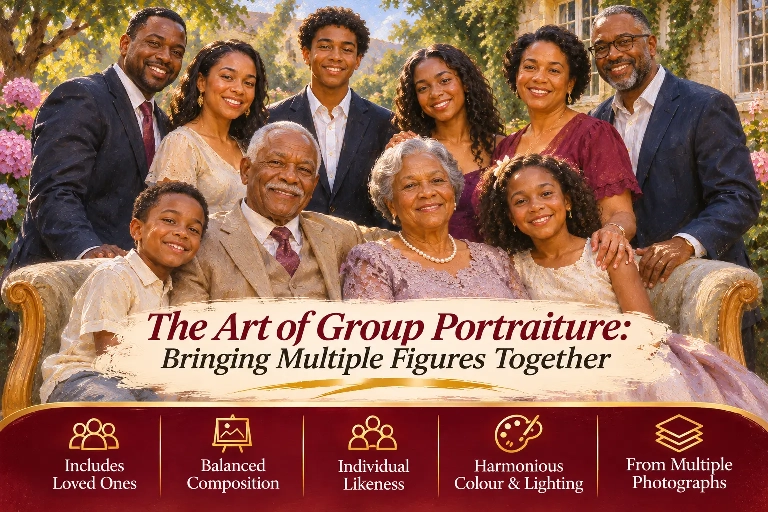
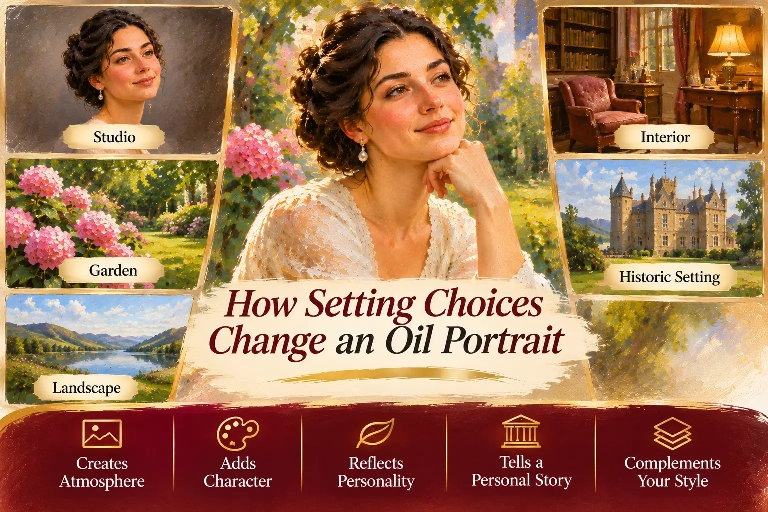
Illustrated family oil portrait showing six background choices: studio, garden, landscape, elegant interior, family home and minimalist setting, demonstrating how different environments influence the mood and composition of a family painting.

The background is an important part of a family portrait because it helps establish the atmosphere, character and visual identity of the painting. Whether the family is portrayed in a beautiful garden, an elegant living room, a favourite outdoor location or a simple studio setting, the surroundings can add meaning and personality to the finished artwork.

When commissioning a hand-painted family oil portrait, choosing the right background involves more than selecting an attractive scene. The setting needs to complement the family members, their clothing, skin tones and poses while providing enough visual balance for everyone to remain the main focus. A carefully chosen background can transform a collection of individual photographs into a meaningful family painting that celebrates relationships, shared experiences and lasting memories.

How Does the Background Affect a Family Portrait?

The background influences the mood, atmosphere, colour balance and overall composition of a family portrait. A garden can create a relaxed and natural appearance, while an elegant interior may introduce a more formal atmosphere. The right background also helps bring several people together visually, creating a harmonious setting for the entire family.

What Is the Best Background for a Family Oil Portrait?

The best background depends on the family's personality, the number of people included and the desired artistic style. A traditional studio background creates a timeless presentation, while gardens, landscapes and family homes can introduce personal meaning. The ideal choice complements the subjects without distracting attention from their faces and expressions.

Can the Background Be Changed When Creating a Family Portrait from Photographs?

Yes. The background can be adapted or replaced when creating a family oil portrait from photographs. An artist can use a simple setting, introduce a meaningful location or combine suitable background references. The final composition should maintain consistent lighting, perspective and proportions so that all family members appear naturally connected.

Understanding the Importance of Backgrounds in Family Portraiture

In family portraiture, the background provides the visual environment in which the subjects are presented. It can reflect family traditions, personal interests, important memories and the atmosphere the family wishes to preserve.

A carefully selected background also helps organise the composition. When several people appear in one painting, the surroundings can provide visual structure and help separate the figures from one another. Colours, shapes and lighting contribute to the overall balance of the artwork.

The background should support the family rather than compete with them. A successful composition keeps attention on the people while allowing the setting to contribute meaning and depth.

Studio Backgrounds: Creating a Classic Family Portrait

A studio background is a popular choice for traditional family portraits. It typically uses a simple colour, subtle texture or softly blended tonal transition to keep attention on the family members.

This approach is particularly suitable for formal family paintings, multi-generation portraits and artwork intended to have a timeless appearance.

Studio backgrounds can feature warm beige, cream, brown, muted green, charcoal or soft grey tones. The colour should complement the clothing and complexions of the people in the portrait.

Because the background contains relatively little detail, the artist can concentrate on facial likeness, expressions, clothing and the relationships between family members.

Garden Backgrounds: Creating Warmth and Natural Beauty

A garden setting can introduce colour, warmth and a relaxed atmosphere into a family portrait. Flowers, trees, greenery and natural pathways provide an attractive environment while creating a sense of space.

Garden backgrounds are particularly suitable for families who enjoy spending time outdoors or have meaningful memories associated with a particular garden.

Different garden styles can create different visual effects:

  • Formal gardens: Symmetrical pathways, neatly arranged plants and structured landscaping create an elegant appearance.
  • Cottage gardens: Flowers, climbing plants and informal arrangements introduce warmth and charm.
  • Woodland gardens: Trees, foliage and filtered light create a peaceful and natural atmosphere.
  • Flower-filled gardens: Colourful flowers can add visual interest and complement the family's clothing.

The garden should not become the main subject. Background details can be softened or simplified to ensure that the family remains the focal point.

Family Home Settings: Adding Personal Meaning

A family home can provide one of the most meaningful backgrounds for a commissioned portrait. It may be the home where children grew up, a property associated with family celebrations or a place that holds special memories.

Including recognisable features such as a fireplace, staircase, favourite chair or garden doorway can give the painting a personal connection.

However, it is not necessary to reproduce every detail of the original interior. Selected architectural features or decorative elements may be sufficient to communicate the setting without overcrowding the composition.

A family home background can be particularly appropriate for multi-generation portraits because it introduces a sense of heritage and continuity.

Landscape Backgrounds: Creating Space and Atmosphere

Landscape backgrounds can introduce a sense of openness and provide an attractive setting for family portraits. Countryside scenes, mountains, lakes, coastlines and parks can all create distinctive atmospheres.

A countryside setting may suggest tranquillity and tradition, while a coastal background can evoke holidays and shared family experiences. A park or woodland scene may create a relaxed and informal appearance.

Landscape backgrounds are particularly effective when the family has a connection to a specific location or when the intention is to create an environmental portrait.

The landscape should be proportioned carefully so that it provides context without making the family appear too small or distant within the painting.

Elegant Interior Backgrounds: Creating Formality and Sophistication

An elegant interior can create a refined and traditional appearance. The setting may include furniture, curtains, decorative objects, architectural details or carefully selected artwork.

Traditional interiors with wooden furniture, rich fabrics and warm colours can create a sense of heritage. Contemporary interiors may use neutral colours, clean lines and understated decorative details.

For a family portrait, the arrangement of the furniture should support the positioning of the subjects. A sofa or armchair can provide a natural seated arrangement, while a staircase or architectural feature may introduce additional depth.

Only selected details need to be included. The background should complement the family rather than become an elaborate interior painting in its own right.

Minimalist Backgrounds: Keeping the Focus on Family Members

A minimalist background uses limited detail and a restrained colour palette. It may feature a single colour, a soft gradient or a subtle painted texture.

This approach is particularly useful for large family portraits where several faces and figures already create visual interest. A simple background allows the viewer to concentrate on the people and their relationships.

Minimalist settings can also create a contemporary appearance while retaining the traditional character of oil painting.

The choice of background colour remains important. It should provide sufficient contrast with the clothing and help distinguish each person within the composition.

Dark and Light Backgrounds: Changing the Mood of a Family Portrait

The brightness and depth of the background can significantly influence the appearance of a family oil portrait.

Dark Backgrounds

Dark backgrounds can create depth, drama and traditional elegance. Deep brown, charcoal, navy and muted green tones can provide contrast against lighter clothing and illuminated faces.

This approach is particularly suitable for formal family portraits and paintings inspired by classical portraiture.

Light Backgrounds

Light backgrounds can create a fresh, open and gentle atmosphere. Cream, ivory, pale grey and soft neutral colours work well with many clothing styles and can produce an understated presentation.

They may be particularly effective for portraits featuring children, lighter clothing or relaxed family arrangements.

Contrasting Backgrounds

A contrasting background can help separate the figures and create visual definition. The contrast may come from differences in brightness, colour or temperature.

Careful balance is essential. Excessively strong colours may compete with the family members, while insufficient contrast can make clothing and figures blend into the surroundings.

Coordinating Background Colours with Family Clothing

Clothing is an important consideration when choosing the background for a family portrait. Several people may wear different colours, patterns and fabrics, so the background needs to work with the entire group rather than just one individual.

Some families prefer coordinated clothing in complementary shades, while others choose outfits that reflect each person's personality. Both approaches can work well when the overall colour palette is considered carefully.

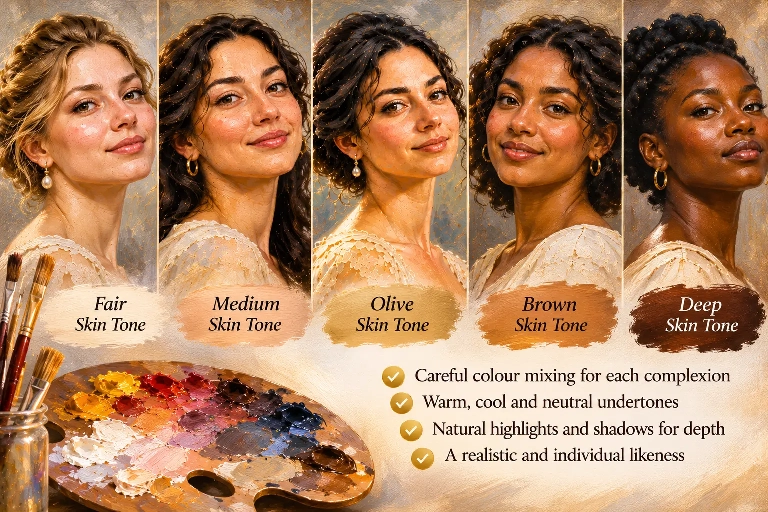
Warm neutral backgrounds may complement cream, beige, brown and earthy clothing. Cooler backgrounds can work with blues, greys and other cooler colours. A contrasting background may also help distinguish lighter or darker garments.

The aim is to create visual harmony without making every element look identical.

Background Choices for Different Family Portrait Styles

Traditional Family Portraits

Traditional family portraits often benefit from studio backgrounds, elegant interiors or understated settings. These choices create a formal and timeless appearance while keeping attention on the subjects.

Relaxed Family Portraits

Informal family portraits may use gardens, parks or natural landscapes. These settings can complement relaxed poses and create a warm, approachable atmosphere.

Multi-Generation Family Portraits

Portraits featuring grandparents, parents and children can benefit from backgrounds that communicate heritage and family continuity. A family home, traditional interior or meaningful garden can provide an appropriate setting.

Family Portraits with Young Children

Portraits featuring young children may benefit from softer backgrounds with gentle colours and natural surroundings. The setting should complement their expressions and personalities without introducing excessive detail.

Commemorative Family Portraits

A commemorative family portrait may include a meaningful location or background element connected to a special occasion or family memory. The setting can add sentimental value while helping preserve the significance of the painting.

Lighting and Perspective: Bringing the Family and Background Together

Lighting is essential when combining several people with a chosen background. The direction, intensity and warmth of the light should be consistent across the faces, clothing and surroundings.

For example, a family positioned in a sunlit garden should appear to share the same outdoor lighting conditions. An indoor setting may require softer and more controlled illumination.

Perspective is equally important. Furniture, trees, buildings and other background objects should appear correctly proportioned in relation to the family members.

When the subjects come from different photographs, the artist may need to interpret the lighting and perspective so that everyone appears to belong naturally within the same environment.

Using Different Photographs to Create a Meaningful Family Background

Sometimes the best photograph of the family does not include the ideal background. One image may provide clear facial details, while another may show a garden, family home or memorable location that would make a more suitable setting.

Different photographs can be used as references when developing the final composition. One may provide the family members, another the background and additional images specific clothing or decorative details.

The important consideration is consistency. The scale, lighting, colour and perspective of the different elements should work together so that the final painting appears unified.

This approach offers flexibility when creating a personalised family portrait from photographs taken at different times or in different places.

Common Background Mistakes to Avoid in Family Portraits

  • Choosing an overly detailed background: Too many objects can distract attention from the family.
  • Ignoring colour harmony: Background colours should complement the clothing and complexions of all the subjects.
  • Using inconsistent lighting: The family and background should appear to share the same lighting environment.
  • Creating insufficient contrast: Figures can become difficult to distinguish if their clothing blends into the background.
  • Ignoring the number of people: A background should provide enough visual space for the entire group.
  • Using an unsuitable perspective: Background objects should be proportioned naturally in relation to the figures.
  • Overcrowding the composition: Decorative details should not make an already complex family portrait feel busy.
  • Choosing a setting without considering its meaning: A background should complement the family's preferred style and, where appropriate, its personal history.

How to Choose the Right Background for Your Commissioned Family Oil Portrait

Choosing the right background begins with deciding how you want the family portrait to look and feel. Consider whether you prefer a traditional studio presentation, a relaxed outdoor setting or a meaningful location connected to your family history.

It is also important to consider the number of people and the arrangement of the figures. A larger family group may benefit from a relatively simple background, while a smaller portrait may allow additional environmental details.

Before commissioning your family portrait, consider the following:

  • Decide whether you prefer a studio, garden, landscape or interior background.
  • Consider whether a family home or meaningful location should be included.
  • Choose background colours that complement everyone's clothing and complexions.
  • Decide how much background detail you would like in the painting.
  • Consider the mood and atmosphere you want the finished portrait to communicate.
  • Provide additional photographs if you have a particular setting in mind.
  • Consider how the background will work with the number of figures and canvas dimensions.

Clear reference photographs and a considered choice of background help establish a strong foundation for a balanced and personalised family portrait.

Conclusion: The Right Background Makes a Family Portrait More Personal

The background plays an important role in shaping the appearance and meaning of a family oil portrait. From traditional studio settings and elegant interiors to gardens, landscapes and family homes, each choice creates a different atmosphere and visual character.

The most successful background is one that complements every family member while supporting the overall composition. Careful attention to colour, lighting, perspective and background detail helps bring the figures together in a natural and harmonious way.

At GFM Painting, background choices are an important consideration when transforming family photographs into hand-painted oil portraits. Whether you prefer a classic studio presentation or a setting filled with personal meaning, the right environment can help create a lasting artwork that celebrates your family's identity, relationships and shared memories.

The Art of Family Portrait Backgrounds: Creating Meaning and Atmosphere

The background plays an important role in shaping the atmosphere, character and visual appeal of a hand-painted family portrait.

From elegant interiors and traditional studio settings to beautiful gardens and landscapes, each environment creates a distinctive artistic impression.

Carefully selected colours, lighting and background details help complement the family's clothing, complexions and overall composition.

Personal locations, family homes and meaningful surroundings can add sentimental value and preserve treasured family memories.

Discover how the right background can bring family members together in a beautifully balanced oil portrait that celebrates relationships, heritage and togetherness.

FAQ

Frequently Asked Questions

Why is the background important in a family oil portrait?

The background helps establish the mood, atmosphere and character of a family portrait. It can also introduce personal meaning by reflecting family traditions, favourite places or treasured memories.

What is the best background for a traditional family portrait?

A simple studio background is a popular choice because it keeps attention on the family members and creates a timeless appearance. Elegant interiors, gardens and natural landscapes are also suitable depending on the desired style.

Can I change the background of my family photograph when commissioning an oil portrait?

Yes. The original background can be replaced or adapted using additional reference photographs. This allows you to introduce a preferred setting, remove distractions or create a more meaningful composition.

How do I choose background colours that complement everyone's clothing and skin tones?

Choose colours that create harmony across the entire family group. Warm neutral shades, muted greens and soft blues can work well, depending on the clothing and complexions. The background should provide sufficient contrast without distracting from the subjects.

Can I include our family home or a meaningful location in the portrait?

Yes. A family home, favourite garden, holiday destination or another significant location can be included. These personal settings add sentimental value and help create a family portrait that preserves special memories.

Can't Find What You Are Looking For

Contact Us

Sign up to receive the latest news from GFM Painting via email, including exclusive offers and updates...

PORTRAIT & REPRODUCTION
| | | |
PORTRAIT & REPRODUCTION
Show prices in

GFM Designer Ltd
Maultway Court
67-69 Ruxley Lane
Epsom, Surrey
KT19 0JG. UK
E-MAIL : info@gfmpainting.co.uk
PHONE : +44 (0) 203 592 3482
MOBILE : +44(0) 7834 393 396

  • Copyright GFM Designer 2026
  • Company Registration : 07286936
| | | |
GFM Painting top
GFM Painting