Your favourites are only temporarily saved. To find them back, create your account on GFM Painting!
Already have account ?
No gift cards in your cart.
November 19, 2026


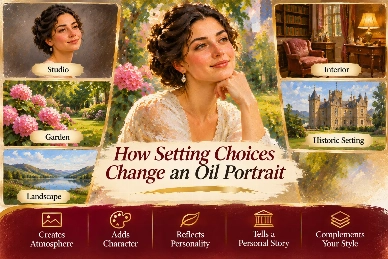
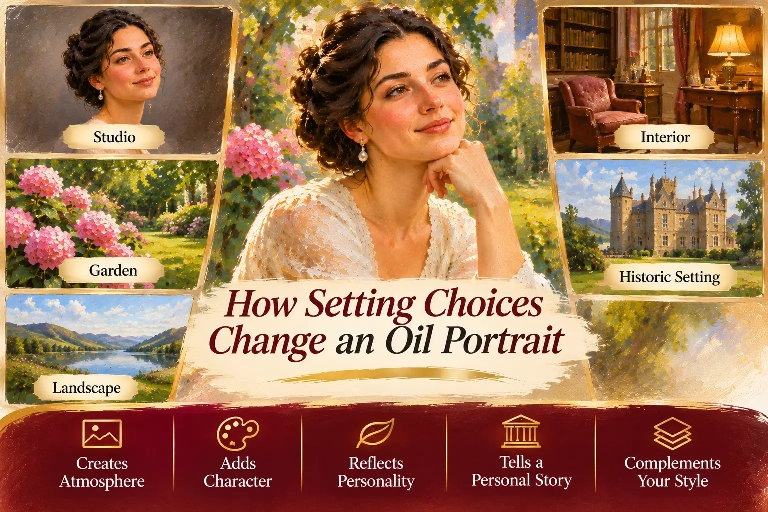
The setting surrounding a subject can transform the appearance, atmosphere and meaning of a hand-painted oil portrait. Whether the background depicts a beautiful garden, an elegant interior, a historic building or a simple studio backdrop, the chosen setting helps tell a story about the person being portrayed. It provides context, introduces visual interest and can reveal aspects of the subject's personality, lifestyle and memories.
When commissioning an oil portrait from a photograph, the setting is an important artistic decision. A carefully selected background can complement the subject's clothing, skin tones, pose and expression while creating a harmonious composition. From traditional indoor settings to natural outdoor landscapes, understanding how different environments influence a painting helps you choose a setting that makes your portrait more personal and meaningful.
The setting influences the mood, atmosphere, colour palette and overall character of an oil portrait. A garden can create a natural and relaxed feeling, while an elegant interior may introduce formality and sophistication. The background also provides context, helping communicate the subject's personality, interests, memories or surroundings.
The best setting depends on the subject, the desired atmosphere and the style of portrait. A simple studio background works well for a traditional formal portrait, while gardens, landscapes and interiors can introduce more personality and context. The most suitable setting is one that complements the subject without distracting attention from their face and expression.
Yes. An artist can adapt or replace the background of a reference photograph to create a more balanced and meaningful composition. This may involve simplifying distracting details, introducing a different environment or combining suitable visual references, while ensuring that the subject remains natural and recognisable.
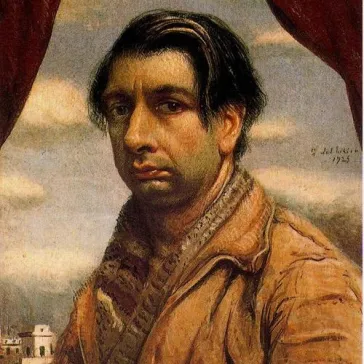
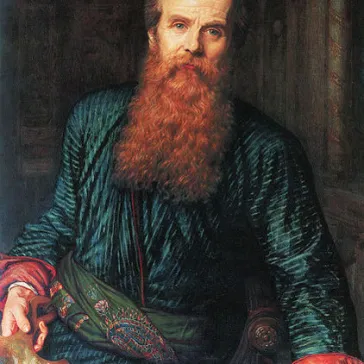
In traditional portrait painting, the background has always played an important role in presenting the subject. It can communicate social status, profession, interests, heritage and personal identity. A formal interior, for example, may suggest elegance and tradition, while an outdoor setting can create a more relaxed and approachable atmosphere.
The setting also influences the visual structure of the painting. Its colours, shapes, lighting and level of detail affect how the subject is perceived. A carefully selected environment can provide depth and balance while helping the main figure stand out.
However, the background should not compete with the subject. The artist needs to establish an appropriate relationship between the person and their surroundings so that the finished portrait feels cohesive.
A studio background is one of the most versatile choices for an oil portrait. It usually features a relatively simple arrangement of colours, subtle tonal transitions or softly blended textures.
This approach places attention on the subject's face, expression and clothing rather than introducing a detailed environment. It is particularly suitable for formal individual portraits, professional portraits and traditional family paintings.
Studio backgrounds can range from warm neutral shades to deeper brown, grey, blue and muted green tones. The choice of colour influences the atmosphere and should complement the subject's complexion and clothing.
A softly graduated background can also create a sense of depth without introducing unnecessary objects or distractions.
A garden setting can introduce natural beauty, colour and a relaxed atmosphere into a portrait. Flowers, trees, greenery and pathways provide visual context while creating a connection between the subject and the natural environment.
Gardens are particularly effective for outdoor family portraits, couple paintings and individual portraits where the subject's personality is associated with nature or gardening.
Different garden styles create different effects. A formal garden with carefully arranged plants and pathways may suggest elegance and structure, while a cottage garden filled with flowers can introduce warmth and charm.
The colours of the foliage and flowers should complement the subject rather than overpower the composition. Softly painted greenery can provide depth while keeping the main focus on the person.
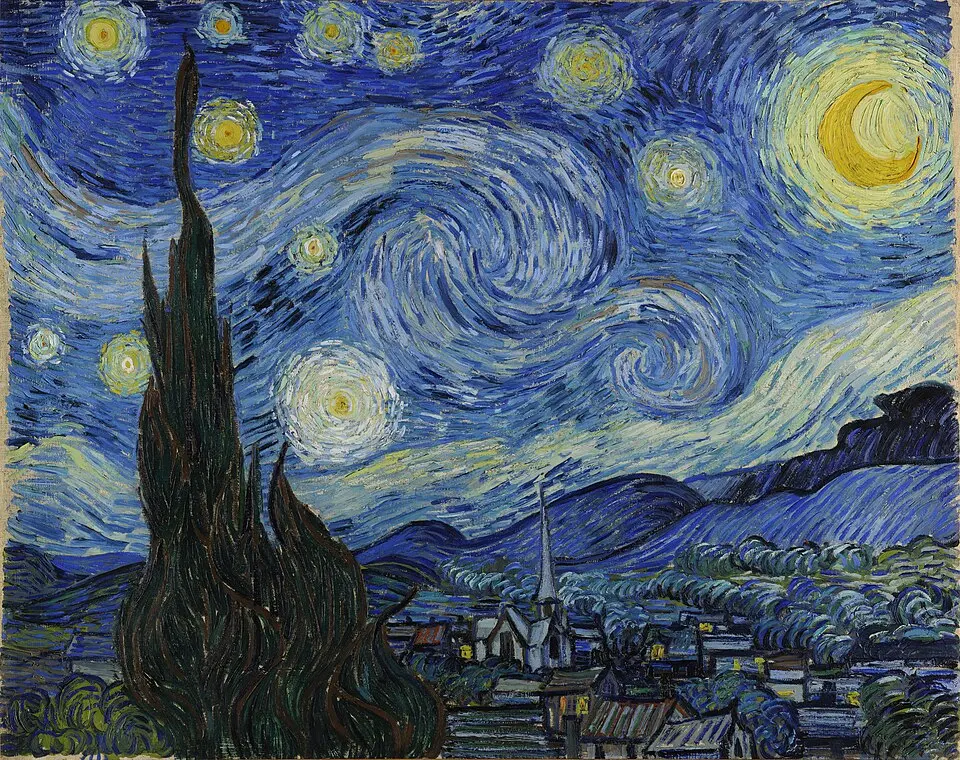
Landscape backgrounds can introduce a sense of place and visual openness into an oil portrait. Mountains, countryside, coastlines, lakes and other natural environments can create a distinctive atmosphere.
A countryside setting may communicate tranquillity and heritage, while a coastal background can suggest freedom, relaxation and personal memories. A mountain or woodland landscape may introduce a more dramatic and contemplative feeling.
Landscape settings are particularly suitable for environmental portraits, where the surroundings form an important part of the subject's story.
The artist must consider the scale and detail of the landscape carefully. The background should support the subject and create depth without making the portrait feel like a landscape painting with a person added to it.
An interior setting can give an oil portrait a refined and sophisticated appearance. It may include furniture, decorative objects, curtains, architectural details, artwork or other elements that contribute to the atmosphere.
Traditional interiors featuring wooden furniture, rich fabrics and decorative details can create a sense of heritage and formality. More contemporary interiors may use simpler furnishings, neutral colours and clean architectural lines.
Interior settings are particularly suitable for seated portraits, formal family paintings and commissioned artwork intended to reflect a particular lifestyle or environment.
The artist should avoid including too many objects. A carefully selected chair, table, painting or decorative feature may provide sufficient context without distracting from the subject.
Historic buildings, grand staircases, columns, stone walls and architectural features can create a sense of history and distinction in an oil portrait.
These settings may be particularly meaningful when the subject has a connection to a historic property, family heritage or an important location. They can also introduce a traditional and formal character into the painting.
Architectural details provide structure and perspective. Their lines, shapes and proportions should be carefully arranged so that they frame the subject rather than dominate the composition.
Subtle architectural backgrounds can be effective even when only a small part of the building is visible. Columns, doorways and decorative details may provide enough visual context to establish the intended atmosphere.
One of the most meaningful approaches to a commissioned oil portrait is to include a setting connected to the subject's personal life. This could be a family home, favourite garden, memorable holiday destination, workplace or another location with sentimental value.
Such settings can turn a portrait into more than a representation of someone's appearance. They introduce a personal story and may preserve memories of places that are important to the subject or their family.
For example, a family portrait could include a garden where family photographs were traditionally taken. A portrait of a retired professional might feature subtle details associated with their former occupation.
The most successful personal settings are those that provide meaning without making the composition unnecessarily complicated.
A minimalist background uses limited detail and a restrained colour palette to keep attention on the main figure. It may consist of a single colour, a soft tonal transition or a simple textured surface.
This approach is particularly effective for close-up portraits and paintings where facial expression is the primary focus. It can also create a contemporary appearance while retaining the traditional qualities of oil painting.
Minimalist backgrounds are useful when the reference photograph contains distracting objects or an unsuitable environment. Simplifying the surroundings allows the artist to concentrate on the subject's features and expression.
Although simple, the background should still be considered carefully. Its colour and tonal balance can influence the appearance of the subject's complexion, clothing and overall presentation.
The brightness and depth of the background can significantly change the visual character of a portrait.
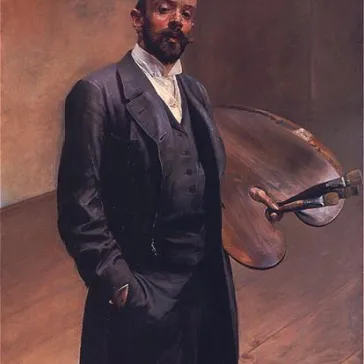
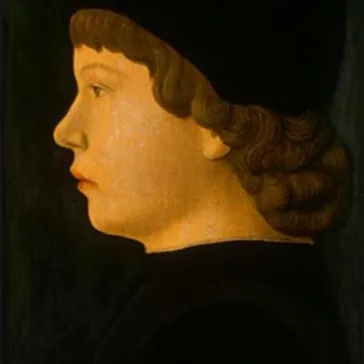
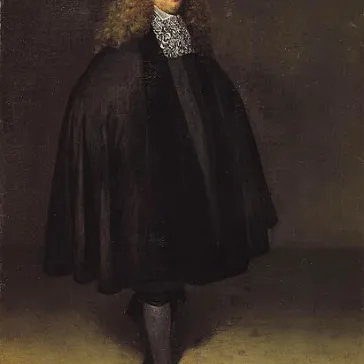
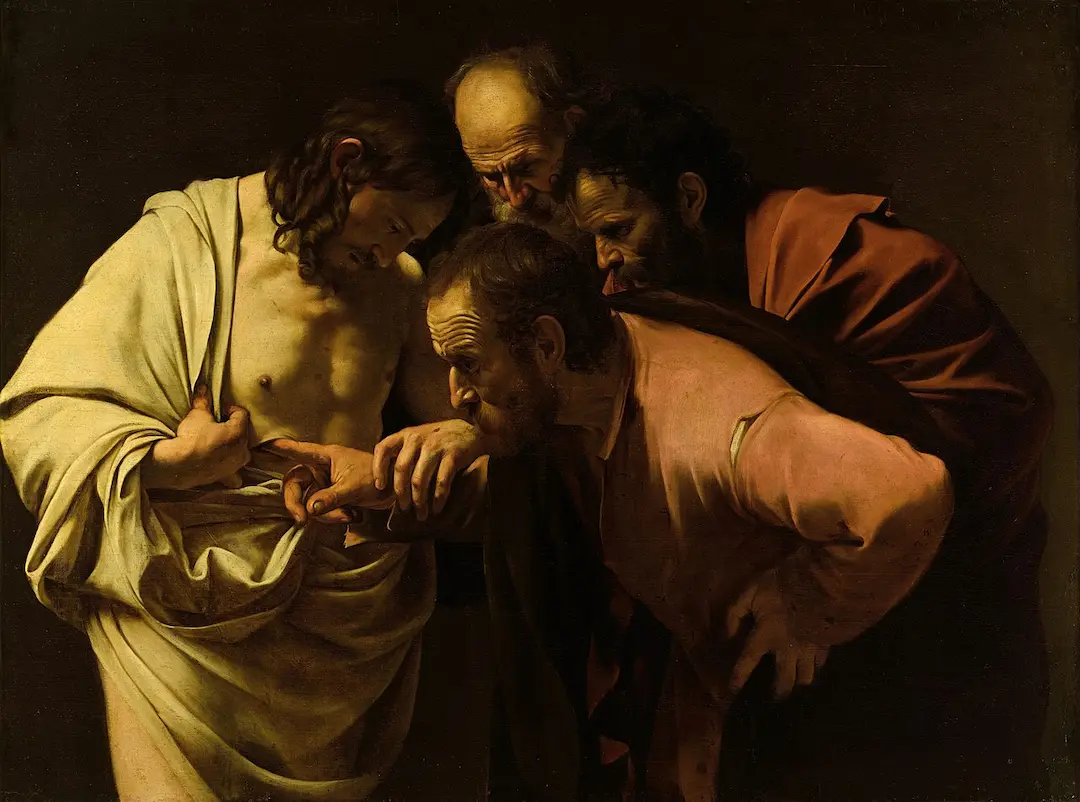
Dark backgrounds can create drama, depth and a sense of traditional elegance. Deep brown, charcoal, navy and muted green tones can provide strong contrast against lighter clothing and illuminated facial features.
This approach is often associated with classical portraiture, where controlled lighting and darker surroundings help bring attention to the subject.
Light backgrounds can create a fresh, open and contemporary appearance. Cream, ivory, pale grey and soft neutral colours may complement delicate clothing and lighter compositions.
They can also create a gentle atmosphere, particularly in portraits featuring children, couples and family members.
A contrasting background can help separate the subject from the surrounding environment. The contrast may come from differences in colour, brightness or temperature.
However, contrast needs to be balanced. Excessively strong background colours may compete with the subject rather than enhance the portrait.
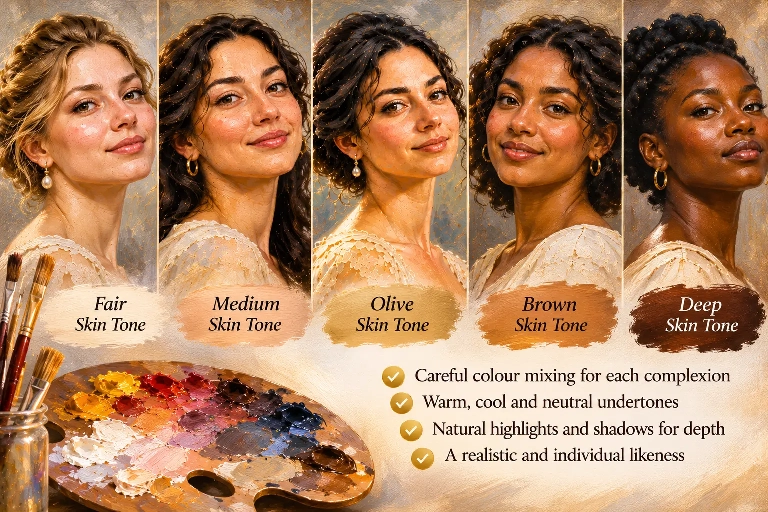
The background should work harmoniously with the subject's natural complexion and clothing. Colour choices can either create subtle harmony or introduce controlled contrast to make the figure stand out.
Warm backgrounds containing earthy browns, muted golds and soft greens may complement warm skin undertones and traditional clothing. Cooler backgrounds featuring blue, grey and muted green can create a different atmosphere and may work well with certain clothing colours.
Clothing also influences the decision. A subject wearing a light-coloured outfit may benefit from a darker or more contrasting background, while darker clothing may be more visible against a lighter setting.
The objective is not necessarily to match every colour. Instead, the artist should create a balanced palette in which the background, clothing and complexion work together naturally.
Lighting is essential when combining a subject with a chosen setting. The direction, intensity and warmth of the light should be consistent across the face, body and background.
For example, a portrait set in a sunlit garden should have lighting that feels appropriate to an outdoor environment. A subject positioned inside an elegant room may require softer and more controlled lighting.
Perspective is equally important. The size and position of background objects should correspond with the subject's position and the intended viewpoint. Incorrect proportions can make the person appear disconnected from the environment.
Careful attention to lighting and perspective helps create a convincing relationship between the subject and their surroundings.
For an individual portrait, the setting can reflect the subject's personality, profession or interests. A simple studio background creates a traditional presentation, while a garden or interior setting can introduce additional character.
For a couple's portrait, the setting can help communicate the relationship and atmosphere of the painting. A romantic garden, elegant interior or meaningful outdoor location may create a personal and memorable composition.
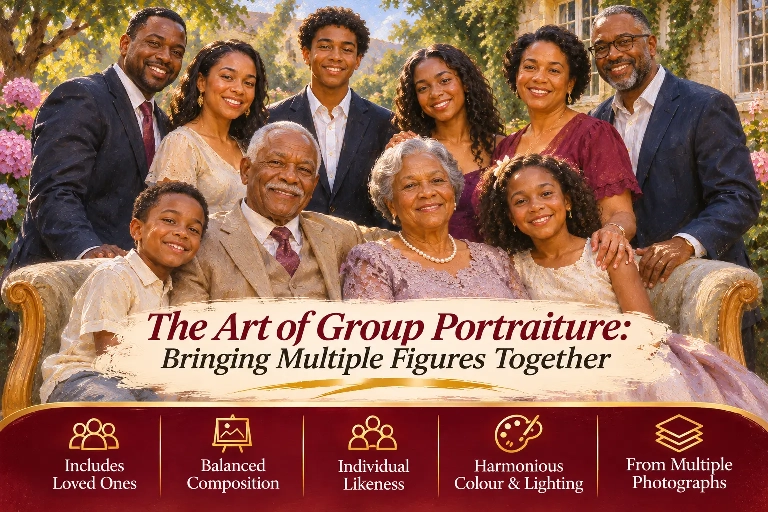
Family portraits often benefit from backgrounds that provide enough space for several people while maintaining visual balance. A garden, family home or simple studio setting can work well depending on the number of subjects and the desired style.
Children's portraits may use softer and more natural environments, such as gardens, parks or simple studio backgrounds. The setting should complement the child's expression and personality without becoming overly decorative.
For pet portraits, the background may reflect the animal's natural environment or the owner's preferred setting. Gardens, countryside scenes and understated studio backgrounds can all work effectively. The chosen environment should support the animal's appearance and keep attention on its expression and character.
Sometimes the ideal setting and the best photograph of the subject are found in different images. A person may have an excellent portrait photograph but prefer the background from another photograph.
Combining suitable visual references can help create a more meaningful composition. The artist may use one photograph for the subject's face and pose, another for the setting and additional references for specific details.
When combining images, consistency is important. Lighting, perspective, scale and colour should be adjusted so that the subject appears naturally connected to the chosen environment.
The final composition should look like a unified painting rather than a collection of unrelated photographic elements.
Selecting the right setting begins with deciding what you want the finished painting to communicate. Consider whether you prefer a traditional formal portrait, a relaxed outdoor composition or a more personal setting connected to an important memory.
It is also useful to think about the amount of background detail you want included. A simple background may be ideal when the subject's face is the main focus, while a detailed setting may be appropriate when the environment is an important part of the story.
When planning a commissioned oil portrait, consider the following:
A clear reference photograph and a well-considered choice of setting provide a useful starting point for creating a portrait that feels balanced and individual.
The setting is an important part of a hand-painted oil portrait because it influences the atmosphere, visual balance and personal meaning of the finished artwork. From simple studio backgrounds and elegant interiors to gardens, landscapes and meaningful family locations, each choice creates a different artistic effect.
The most successful setting is one that complements the subject rather than competing for attention. Careful consideration of colour, lighting, perspective and background detail helps create a natural relationship between the person and their surroundings.
At GFM Painting, the choice of setting is an important consideration when transforming photographs into hand-painted portraits. By selecting an environment that reflects the subject's personality and complements the overall composition, a portrait can become a more personal and lasting work of art.
Websites Built to Grow Your Business
Professional Web Design • Development • SEO • Digital Marketing
Read More
Discover a different perspective on wealth, stewardship, purpose and leadership.
Read MoreThe setting plays an important role in shaping the atmosphere, personality and visual character of a hand-painted oil portrait.
From elegant interiors and traditional studio backgrounds to beautiful gardens and landscapes, each environment creates a distinctive artistic impression.
Carefully selected background colours, lighting and details help complement the subject's complexion, clothing and overall composition.
Personal settings, meaningful locations and familiar surroundings can add sentimental value and tell a deeper story about the person being portrayed.
Discover how the right setting can transform a photograph into a beautifully balanced, expressive and meaningful oil portrait.
Frequently Asked Questions
The background helps establish the mood, atmosphere and character of a portrait. It can also provide context about the subject's personality, interests, lifestyle or personal memories.
A simple studio background is a popular choice for traditional portraits because it keeps attention on the subject. However, gardens, elegant interiors and landscapes can also create beautiful and meaningful compositions.
Yes. The background can be adapted or replaced to create a more suitable composition. An artist can use additional reference photographs to introduce a preferred location or meaningful setting.
Background colours influence the overall atmosphere and visual balance. Dark colours can create depth and traditional elegance, while lighter shades produce a softer and more contemporary appearance. Colours should complement the subject's complexion and clothing.
Yes. You can include a family home, favourite garden, memorable holiday destination or another personally significant location. These details can make the finished painting more individual and preserve important memories.

GFM Designer Ltd
Maultway Court
67-69 Ruxley Lane
Epsom, Surrey
KT19 0JG. UK

E-MAIL : info@gfmpainting.co.uk
PHONE : +44 (0) 203 592 3482
MOBILE : +44(0) 7834 393 396