Your favourites are only temporarily saved. To find them back, create your account on GFM Painting!
Already have account ?
No gift cards in your cart.
November 18, 2026


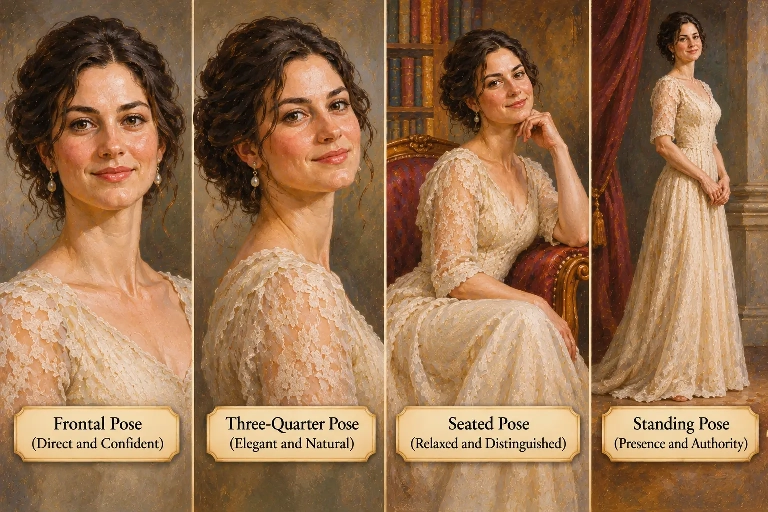
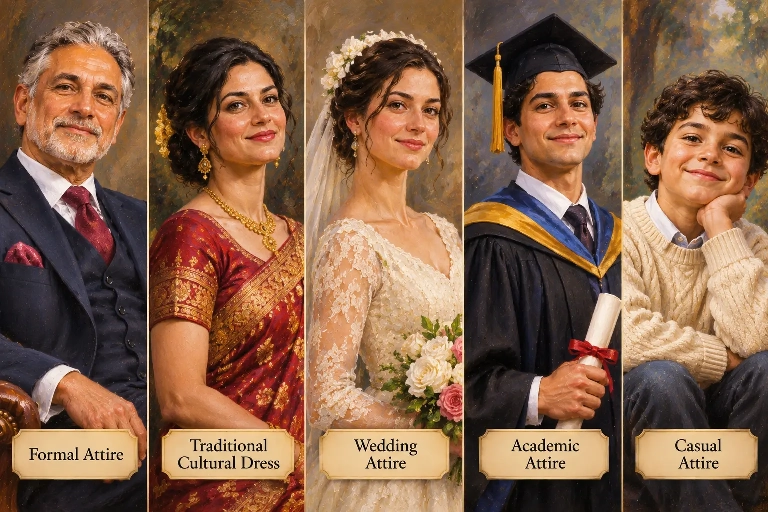
When commissioning an oil portrait, much of the attention naturally goes towards the subject: their facial features, expression, clothing and overall likeness. However, the background is equally important. It can influence the atmosphere, visual balance and character of the finished painting, helping to transform a portrait from a simple representation of a person into a more personal and meaningful work of art.
A carefully chosen background can create elegance, communicate personality, suggest a particular setting or introduce an important part of someone's life story. Whether you prefer a simple, understated backdrop or a detailed landscape, the background should complement the subject rather than compete for attention.
Understanding how different backgrounds affect an oil portrait can help you make informed decisions before commissioning a painting. This guide explores the main background options, their artistic effects and how to choose an approach that suits your subject and the intended display of the artwork.
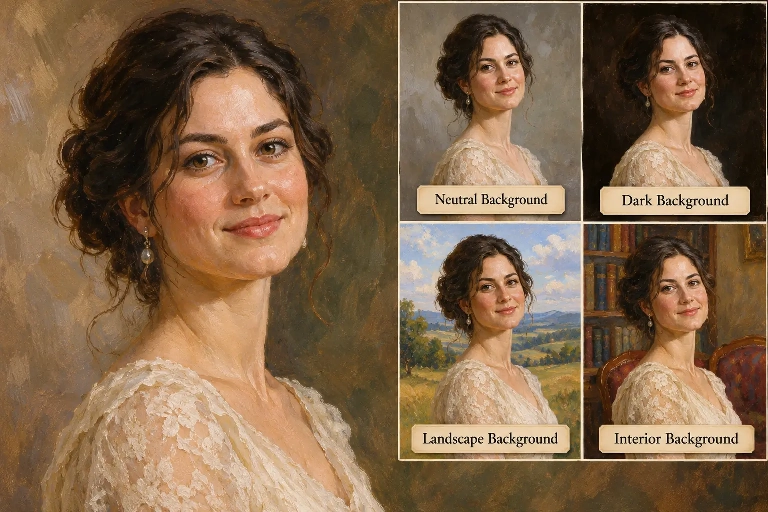
The background influences the mood, composition and visual character of an oil portrait. A neutral background creates a timeless and understated appearance, while a landscape, interior or meaningful location can introduce context and personality. The right choice helps the subject remain the focal point while giving the painting its own atmosphere and identity.
The best background depends on the subject, the intended style and the atmosphere you want to achieve. Neutral and softly blended backgrounds are versatile choices for traditional portraits, while landscapes, architectural settings and personalised surroundings can make a portrait more distinctive. The background should support the subject's likeness and clothing without overwhelming the composition.
Yes. When commissioning a portrait from a photograph, you can discuss changing or simplifying the original background. A busy setting can be replaced with a more understated backdrop, or a meaningful location can be introduced to personalise the painting. The proposed composition should be considered carefully so that the new background looks natural and works harmoniously with the subject.
The background is not simply an empty area behind the person. It contributes to the overall design and helps establish how the viewer experiences the painting.
In traditional portraiture, artists use backgrounds to create depth, balance light and shadow, establish atmosphere and guide the viewer's attention. Even a relatively simple background can make a significant difference to the finished result.
For example, a dark and softly blended background can create a formal, dramatic appearance, particularly when the subject is illuminated with carefully controlled light. A lighter background can produce a fresher, more open atmosphere. A natural landscape can suggest a connection with the outdoors, while an interior setting may communicate elegance, heritage or personal history.
The most successful background is one that strengthens the subject's presence and contributes to the story the portrait is intended to tell.
A plain or neutral background is one of the most versatile choices for a traditional oil portrait. It allows the viewer to concentrate on the person's face, expression and clothing without being distracted by unnecessary detail.
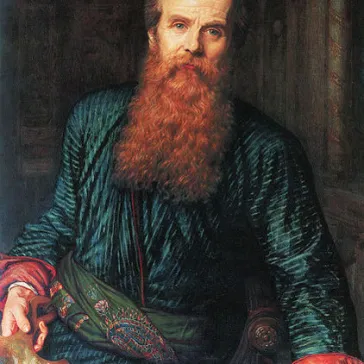
Neutral backgrounds can include warm beige, muted grey, soft brown, cream, olive and other understated tones. They do not need to be completely flat or featureless. Subtle variations in colour, texture and brushwork can create depth while retaining a simple appearance.
A neutral background is particularly suitable for head-and-shoulders portraits, formal family paintings and portraits where facial likeness is the main priority.
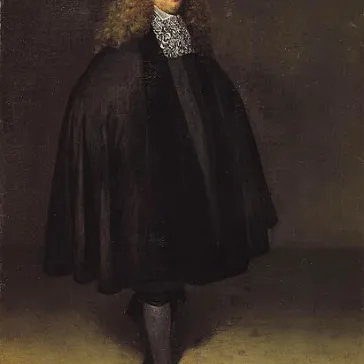
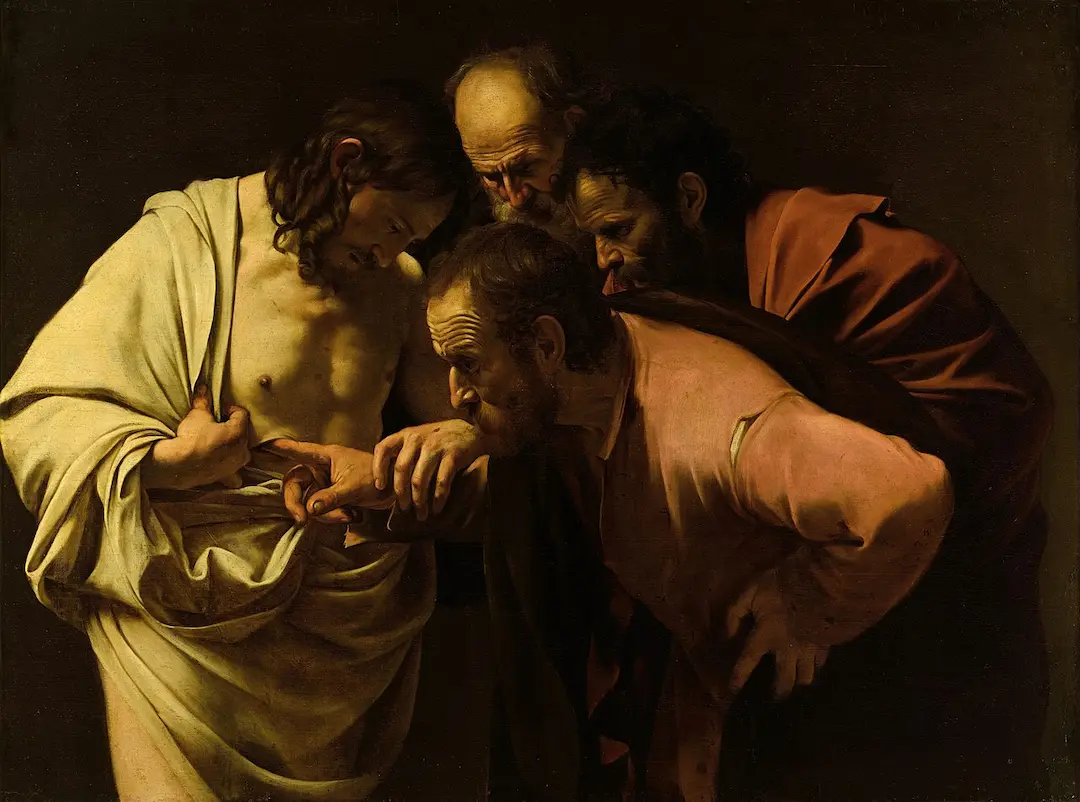
Dark backgrounds have a long association with classical oil portraiture. Deep brown, charcoal, black, burgundy and muted green tones can create a sense of depth and formality.
When combined with carefully positioned lighting, a dark background can make the subject appear more prominent. It can also help create a dramatic contrast between the face, clothing and surrounding space.
However, a dark background needs to be balanced carefully. If the subject is also wearing dark clothing, the artist may need to introduce subtle differences in tone and lighting to prevent the figure from blending into the background.
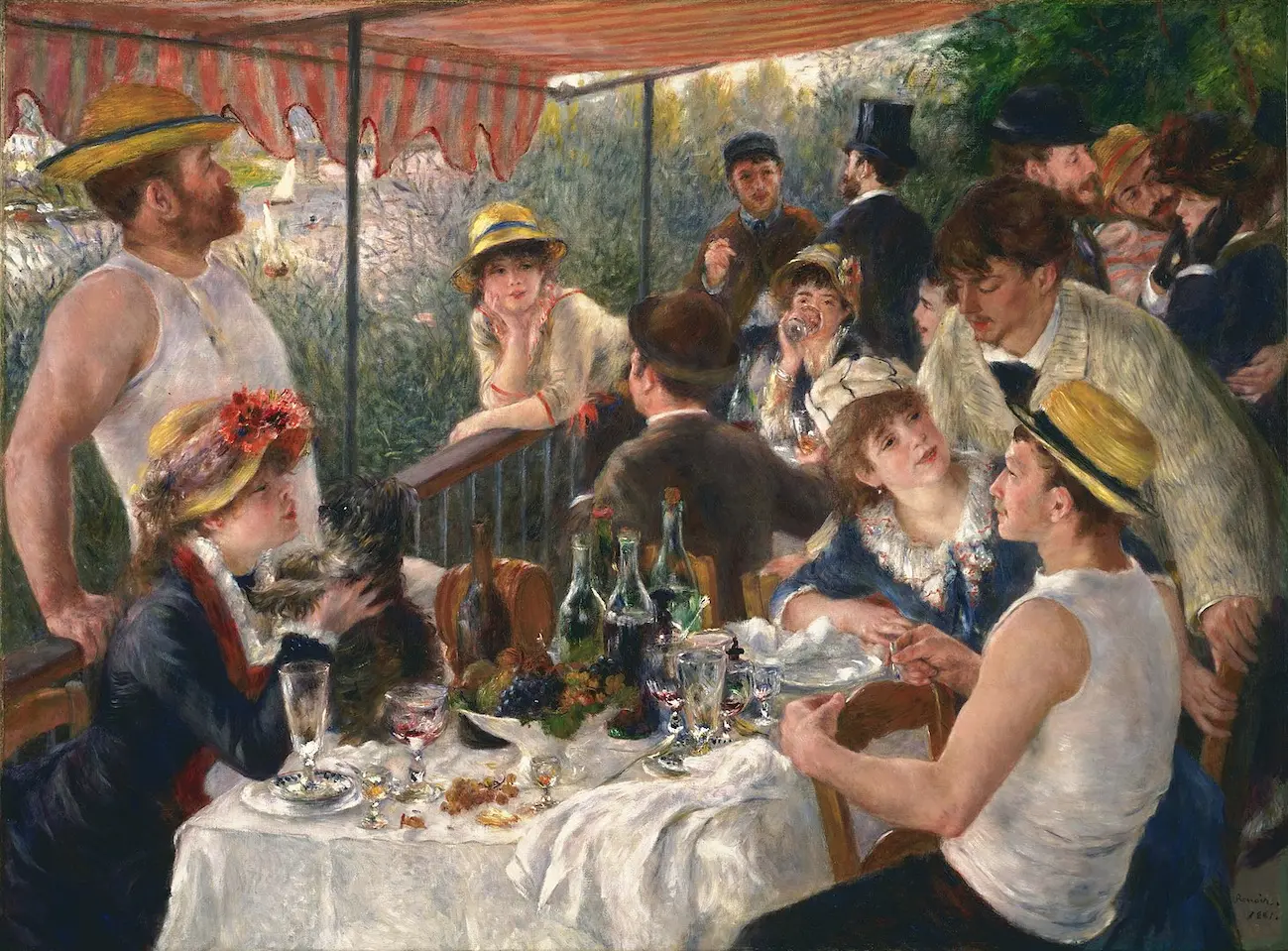
Light backgrounds can give an oil portrait a brighter and more open appearance. Cream, pale grey, soft blue, muted green and warm ivory can create a gentle atmosphere without taking attention away from the subject.
These backgrounds can be particularly effective for children's portraits, contemporary family paintings and portraits intended for bright, modern interiors.
A light background can also help distinguish the subject from the surrounding space. However, the colours need to be selected with care so that the face and clothing retain sufficient contrast.
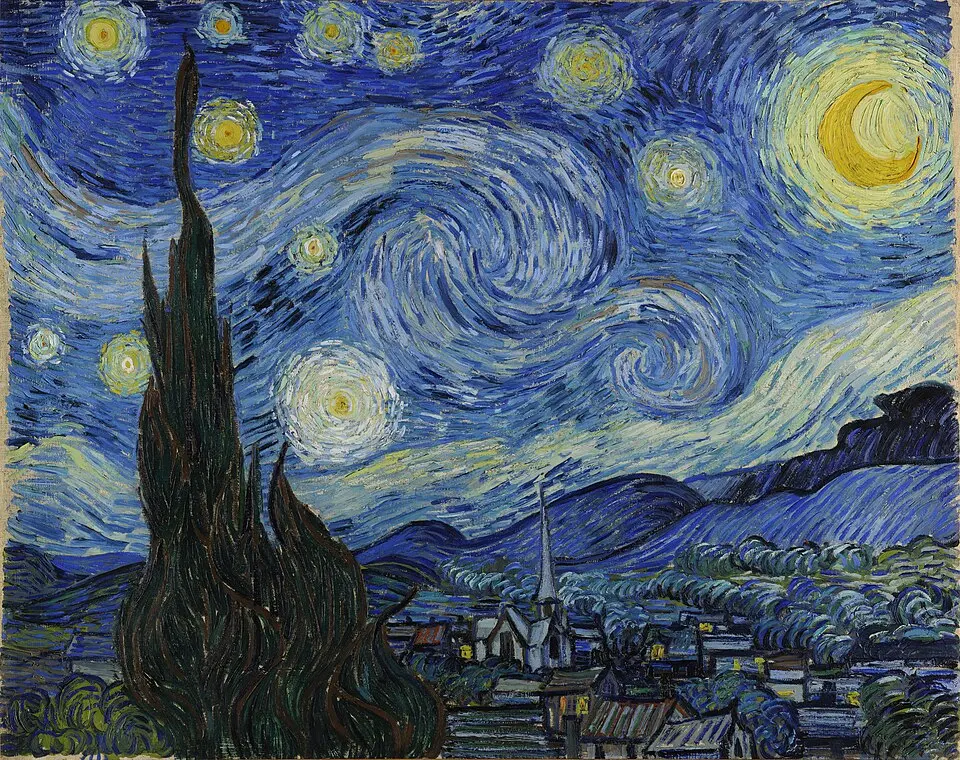
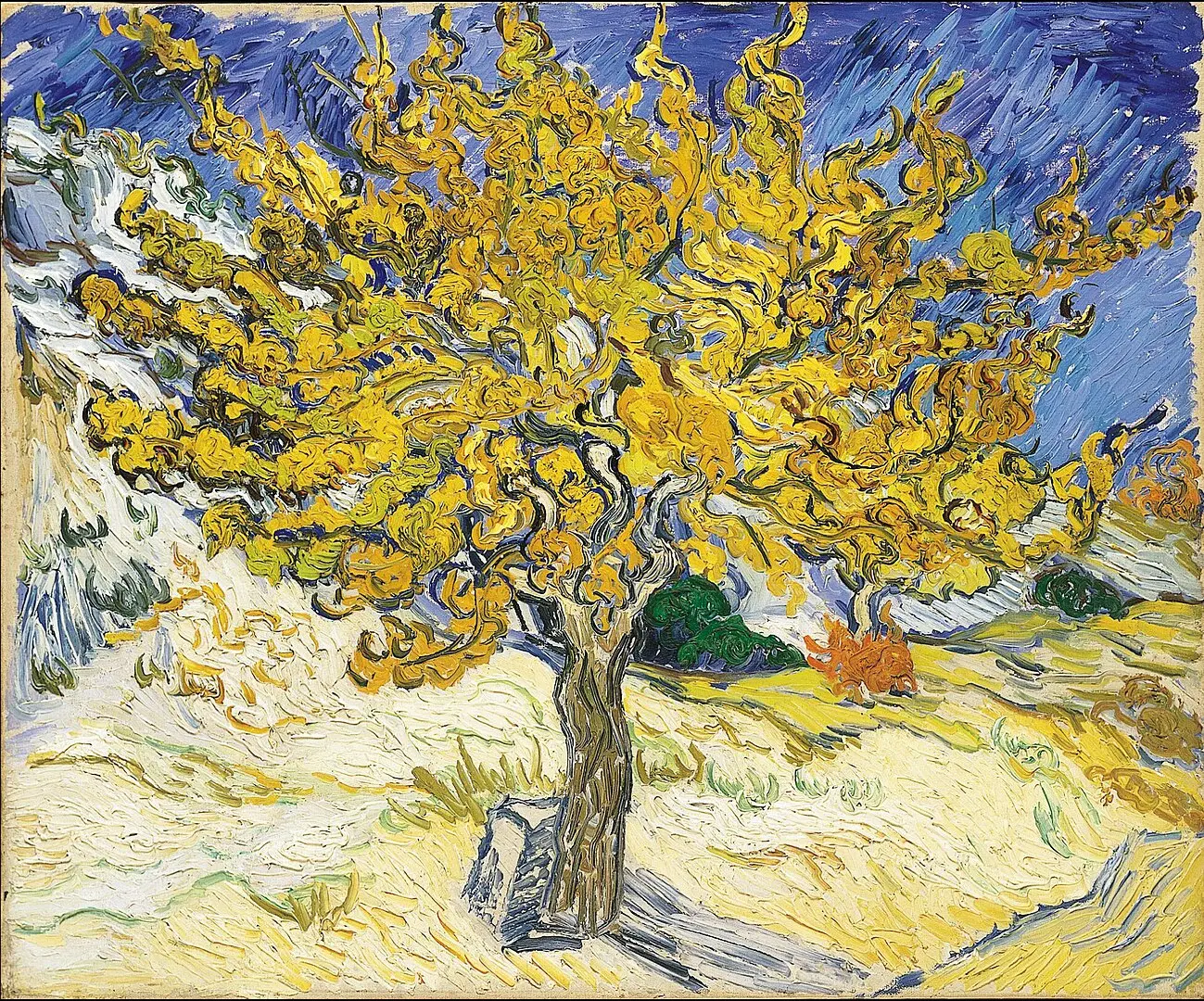
A landscape background introduces a sense of place and can make a portrait more personal. It might feature a garden, countryside, woodland, mountains, coastline or another meaningful outdoor setting.
For some commissions, the landscape may represent a favourite location or an important part of the subject's life. For others, it simply provides a beautiful setting that complements the person's appearance and personality.
Landscape backgrounds are particularly effective for outdoor portraits, equestrian paintings, family commissions and paintings that celebrate a connection with a particular place.
It is important to maintain the correct visual balance. A highly detailed landscape can compete with the subject if it is too prominent. Softer edges, reduced detail and carefully controlled colours can help the person remain the main focus.
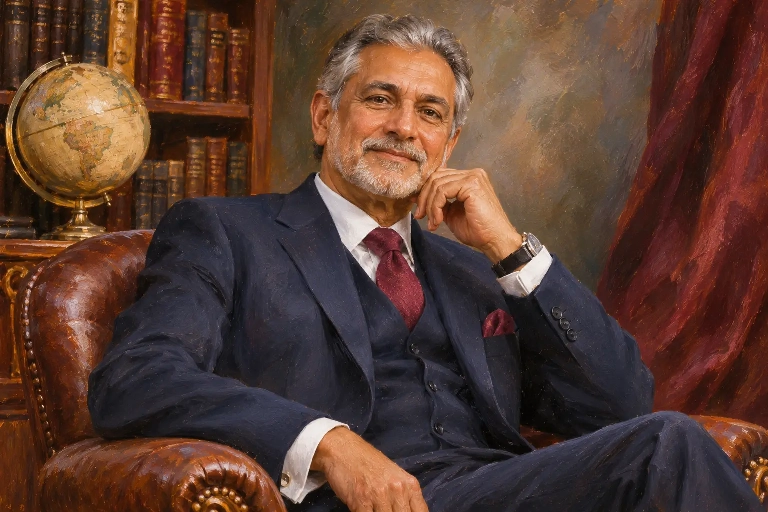
An interior background can introduce a sense of sophistication, tradition or personal identity. It may feature a living room, library, study, grand staircase, historic building or another significant indoor setting.
Interior settings can be especially suitable for formal portraits, heritage commissions and paintings intended to reflect a person's professional or family history.
When using an interior setting, the composition should avoid excessive detail. Furniture, windows and decorative objects should support the overall design rather than distract from the person being painted.
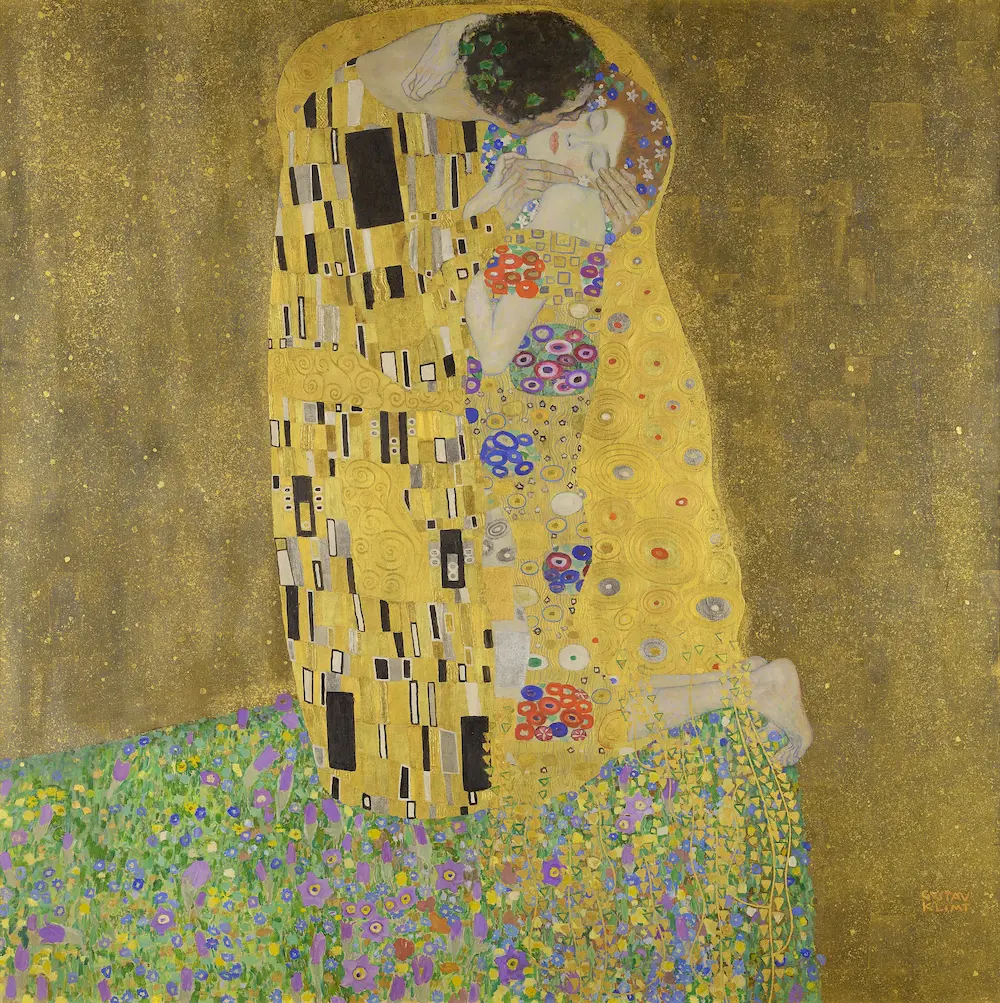
A personalised background can make a commissioned oil portrait especially meaningful. Instead of choosing a conventional setting, you can incorporate details that reflect the subject's interests, achievements, memories or personal history.
These details might include a family home, a favourite garden, a meaningful landscape, a professional environment or an object associated with an important stage of life.
For example, a portrait of a retired professional might include a subtle reference to their former workplace or career. A family portrait could incorporate a home or garden that holds special memories. A portrait commissioned as a memorial could include a setting that reminds the family of a loved one.
The objective is not to fill the background with personal objects. A small number of carefully selected details can communicate more effectively than an overcrowded composition.
Colour plays an important role in the atmosphere of an oil portrait. The background colour can complement the subject's skin tones, clothing and surrounding environment while influencing the overall emotional impression.
These are general artistic associations rather than fixed rules. The final effect depends on how the background colour interacts with the subject, lighting, clothing and other colours in the painting.
Background selection is closely connected to the composition of the portrait. The artist needs to consider the position of the subject, the direction of the light, the relationship between foreground and background, and the amount of space around the figure.
A softly blended background can suggest depth without introducing a recognisable location. A landscape can create distance through variations in scale, colour and detail. An interior can establish perspective through architectural features and furnishings.
One of the most important principles is visual hierarchy. The face and expression should normally attract the viewer's attention before the surrounding details.
This can be achieved through:
These techniques help the background contribute to the painting without becoming its main feature.
When commissioning an oil portrait from a photograph, you do not necessarily need to retain the original background. The photograph may have been taken in a busy room, outdoors in unsuitable lighting or against a setting that does not complement the intended painting.
Changing the background can improve the composition and create a more coherent artistic result.
There are several possible approaches:
If you want to change the background, provide clear reference images where possible. This helps establish the intended colours, atmosphere and important visual details before the composition is finalised.
Different portrait commissions can benefit from different background approaches. The subject's age, clothing, personality, intended purpose and display location can all influence the decision.
For an individual portrait, a neutral, softly blended or dark background can provide a timeless setting. A personalised environment may be more appropriate when the painting is intended to communicate something about the person's life or interests.
Family portraits can benefit from backgrounds that create a sense of togetherness. A garden, home interior or simple neutral setting can provide an appropriate environment without distracting from the family members.
Soft colours, natural settings and understated backgrounds can work particularly well for children's portraits. A favourite garden or meaningful outdoor location may also add a personal touch.
For couples and wedding portraits, backgrounds can help establish a romantic, formal or celebratory atmosphere. Gardens, architectural settings, soft neutral tones and meaningful locations are all possible choices.
Professional portraits often benefit from restrained backgrounds that maintain attention on the individual. Neutral colours, subtle textures and carefully selected interior settings can create a polished appearance.
For pet and equine portraits, natural settings can complement the subject particularly well. Gardens, countryside, woodland and open landscapes can provide context while allowing the animal's appearance and character to remain central.
One of the most common decisions when planning a portrait is how much detail the background should contain. A detailed setting can make a painting more personal, but too many competing elements can weaken the composition.
A simple background is often effective when the main purpose is to celebrate the subject's likeness. A more detailed background may be appropriate when the location itself has special significance or contributes substantially to the story of the painting.
The level of detail should also be considered in relation to the size of the canvas. A large painting may allow more room for architectural or landscape features, while a smaller portrait may benefit from a simpler arrangement.
The goal is to create a balanced painting in which the background and subject work together.
It is helpful to consider the background before the painting begins rather than treating it as an afterthought. Discussing the setting early allows the composition, colour palette and overall atmosphere to be considered together.
When preparing to commission an oil portrait, think about the following:
Providing this information alongside your reference photographs can help establish a clear direction for the commission.
The background is an essential part of an oil portrait. It influences the mood, composition, depth and overall character of the finished painting. Whether you choose a simple neutral setting, a dramatic dark backdrop, a natural landscape or a personalised interior, the decision should always complement the subject and strengthen the visual story.
A carefully considered background can make a portrait feel more elegant, personal and meaningful. It can also help ensure that the painting suits the intended setting and remains enjoyable to display for many years.
At GFM Painting, a commissioned portrait is an opportunity to create a personalised work of art from your chosen photographs and ideas. Considering the background alongside the subject helps shape a composition that reflects the character and purpose of the commission.
Thinking about commissioning an oil portrait? Explore the possibilities for your own painting, including the subject, composition, background and overall artistic style. Visit GFM Painting to discover more about creating a personalised hand-painted portrait.
Websites Built to Grow Your Business
Professional Web Design • Development • SEO • Digital Marketing
Read More
Discover a different perspective on wealth, stewardship, purpose and leadership.
Read MoreAn oil portrait is shaped by more than the person being painted. The background plays an important role in establishing the atmosphere, visual balance and character of the artwork.
A softly blended neutral setting can create a timeless and elegant appearance, while a dramatic dark background can introduce depth and formality. Landscapes and interiors can add context, personality and a connection to meaningful places.
For a more personal commission, the background can incorporate elements that reflect someone's interests, achievements, family history or favourite surroundings. These details can help turn a portrait into a meaningful piece of personal art.
The key is balance. A well-chosen background complements the subject, supports the composition and allows the person's likeness and expression to remain the centre of attention.
Frequently Asked Questions
Yes. You can request a different background from the one in your original photograph. For example, a busy or distracting setting could be replaced with a neutral backdrop, a garden, a landscape or a meaningful location that better complements the subject.
The best colour depends on the subject's clothing, skin tones and the atmosphere you want to create. Warm browns and muted greens can create a traditional appearance, while cream, grey and soft blue can produce a lighter, more contemporary effect.
Neither is necessarily better. Plain backgrounds help keep attention on the subject's face and expression, while detailed backgrounds can introduce personality, context and personal meaning. The choice depends on the purpose and composition of the portrait.
Yes. You can request a background featuring a favourite garden, family home, countryside setting or another location with personal significance. Reference photographs can help communicate the appearance and atmosphere you would like the artist to capture.
Absolutely. The background influences the painting's mood, depth, colour balance and visual composition. A carefully selected background complements the subject and helps create a harmonious, personalised work of art.

GFM Designer Ltd
Maultway Court
67-69 Ruxley Lane
Epsom, Surrey
KT19 0JG. UK

E-MAIL : info@gfmpainting.co.uk
PHONE : +44 (0) 203 592 3482
MOBILE : +44(0) 7834 393 396