☰

November 18, 2026

GFM Painting Logo
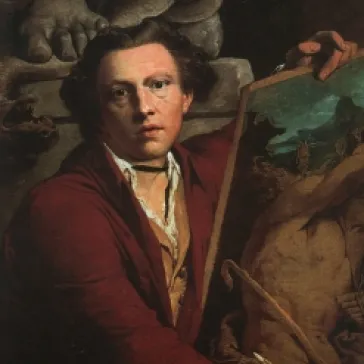
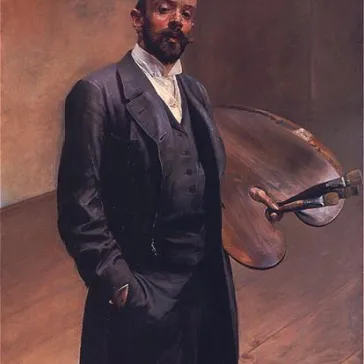
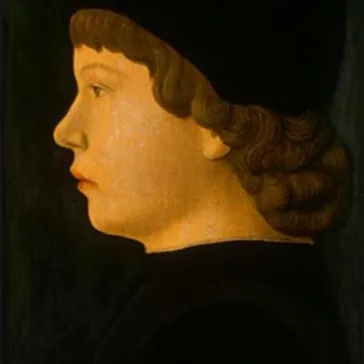
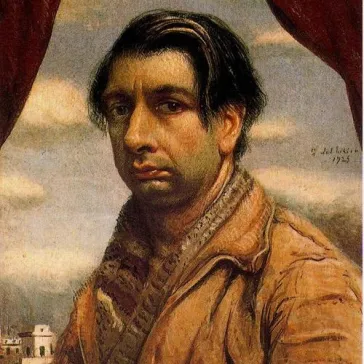
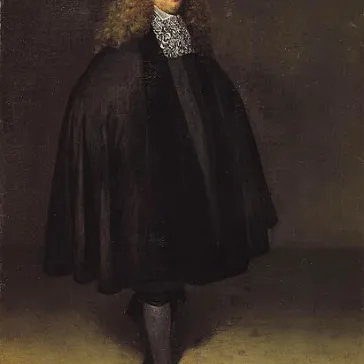
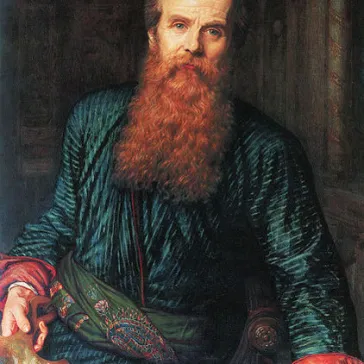
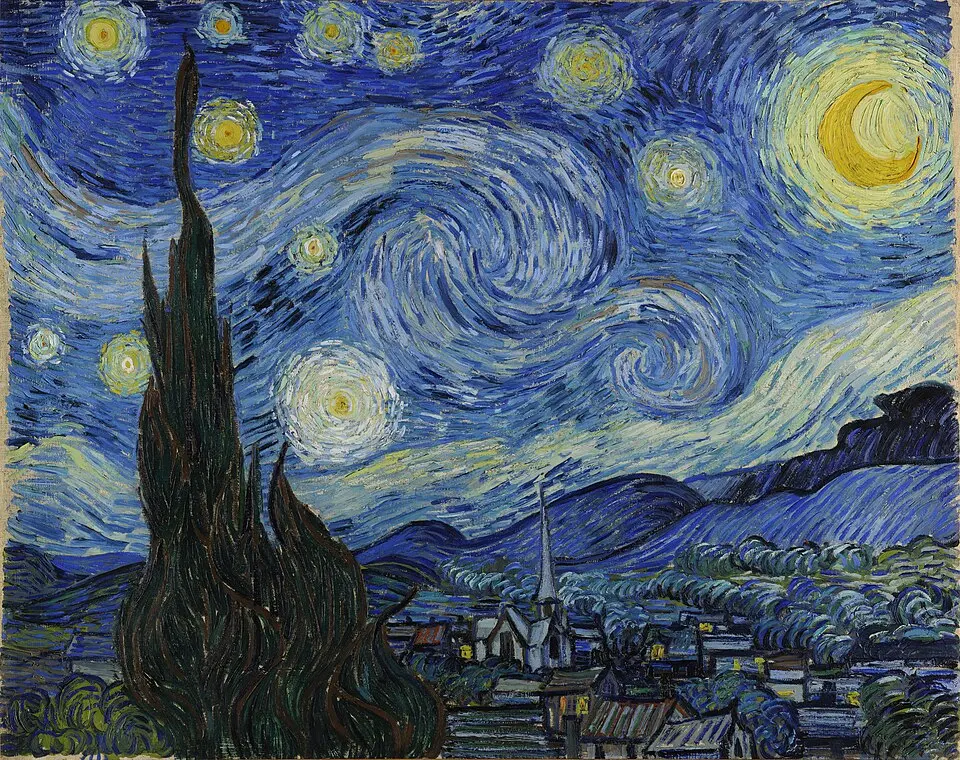
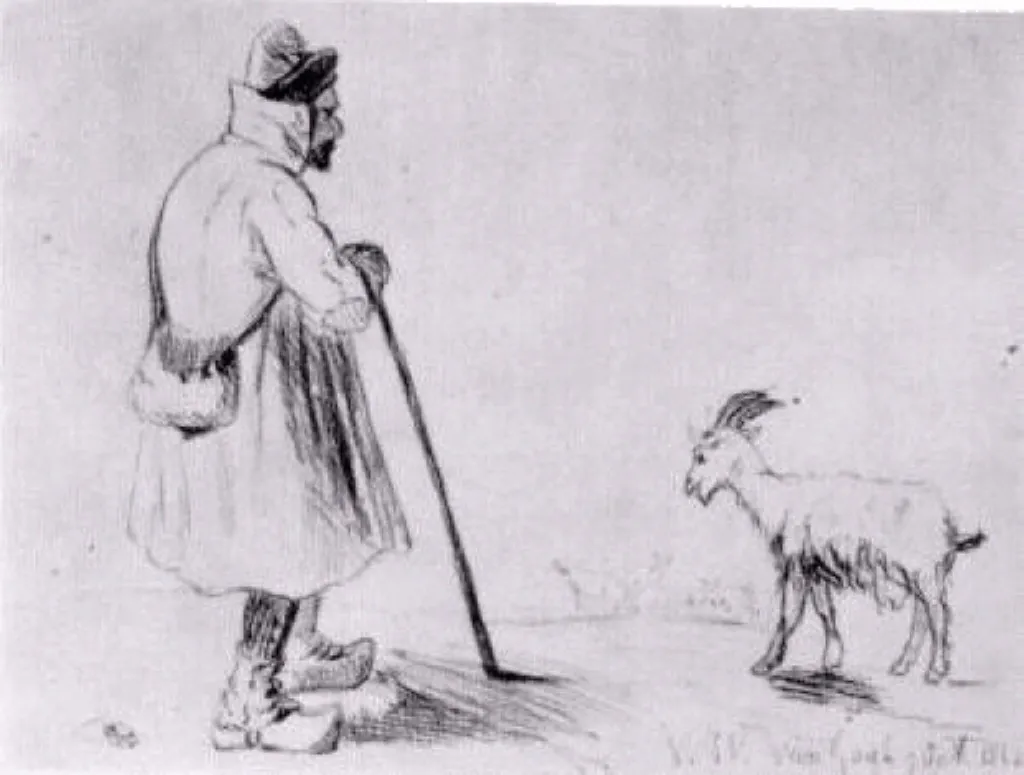
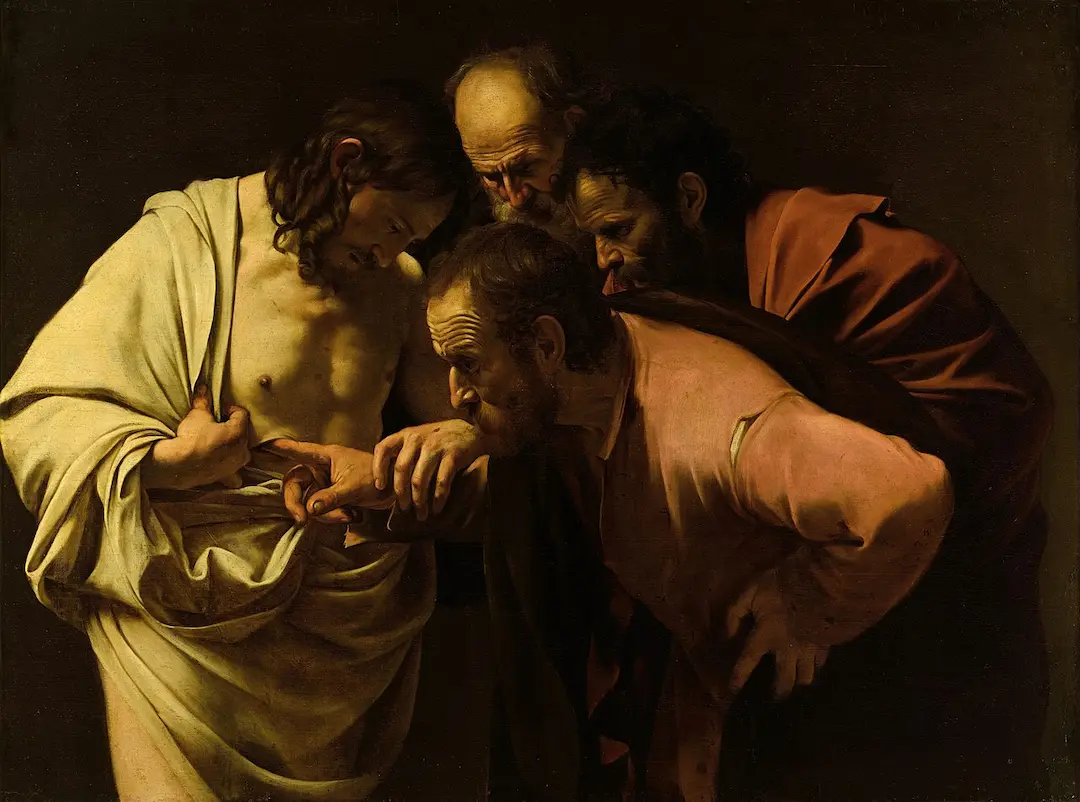
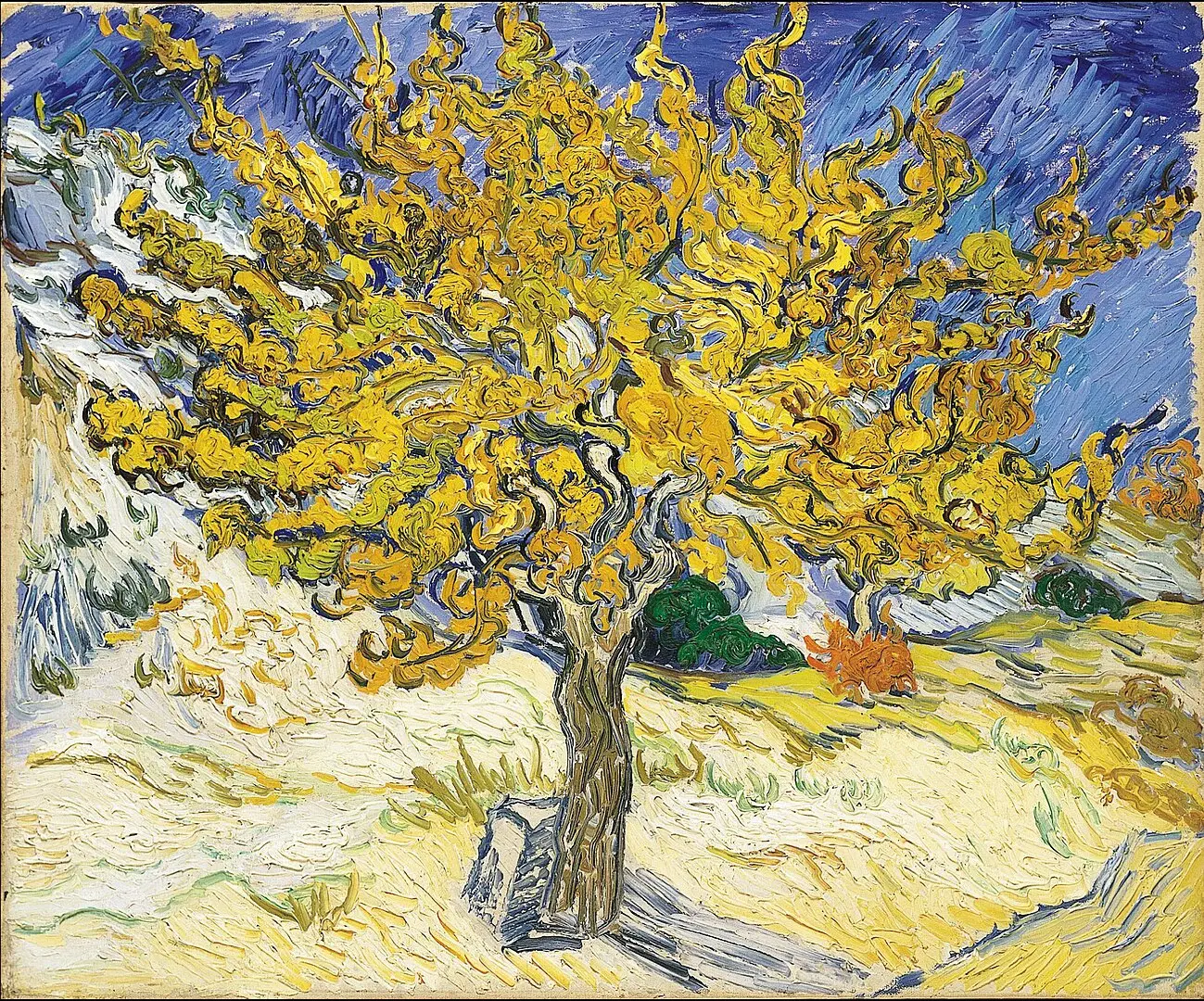
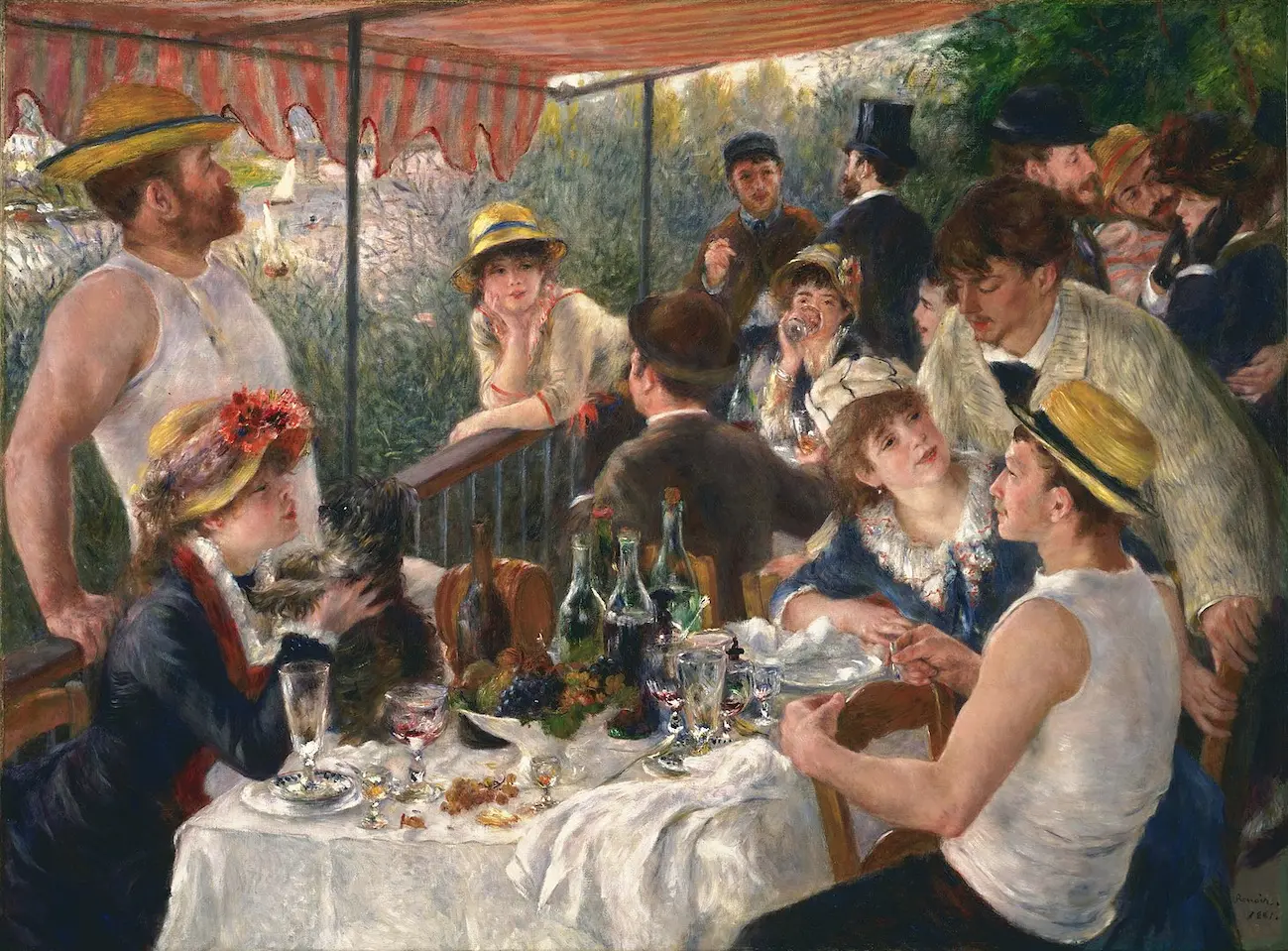
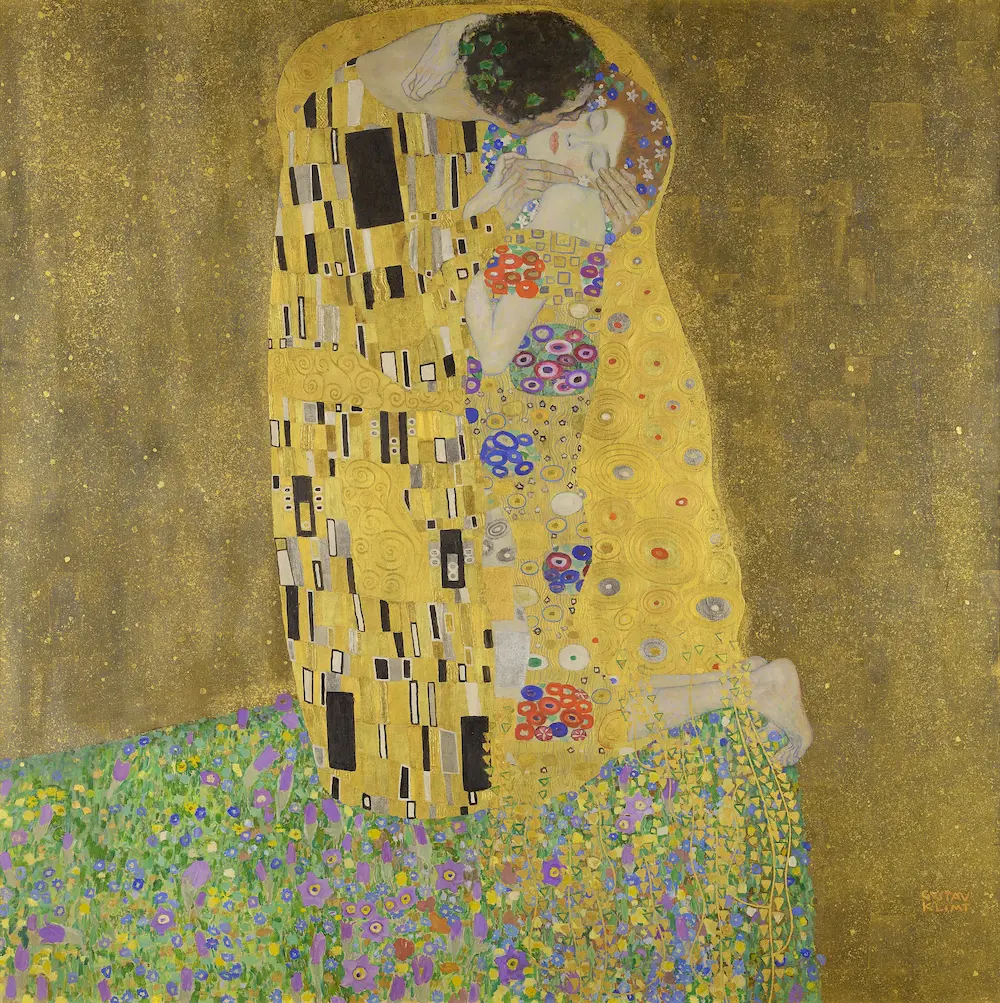
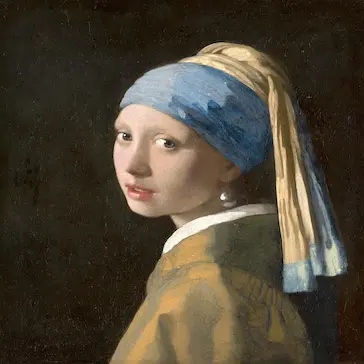
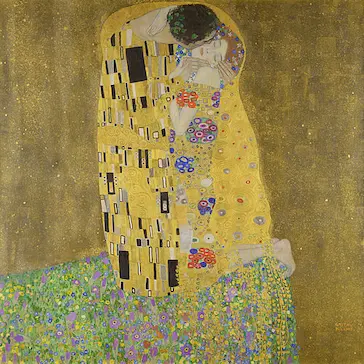
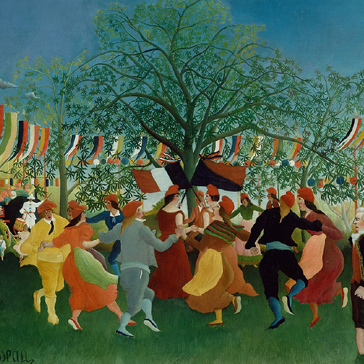
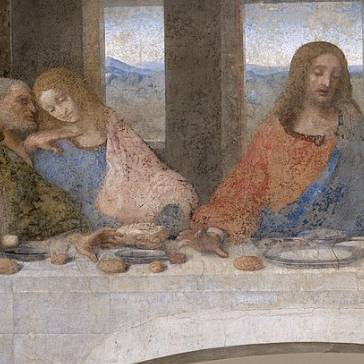
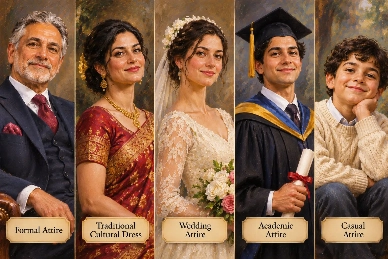
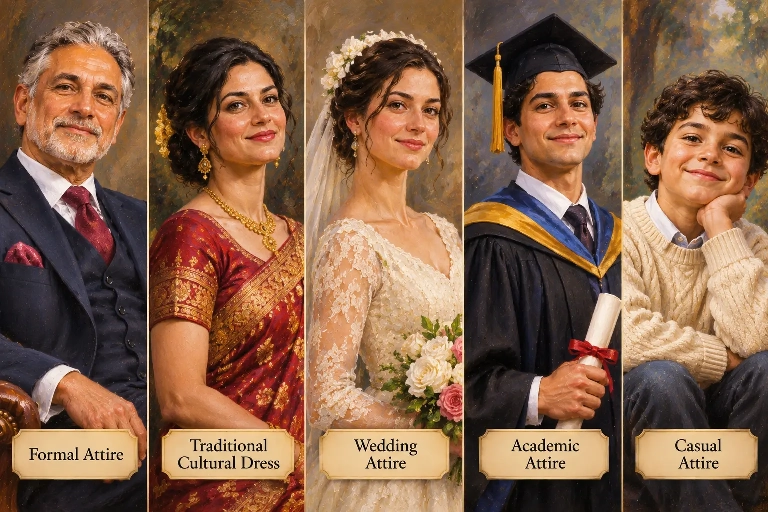
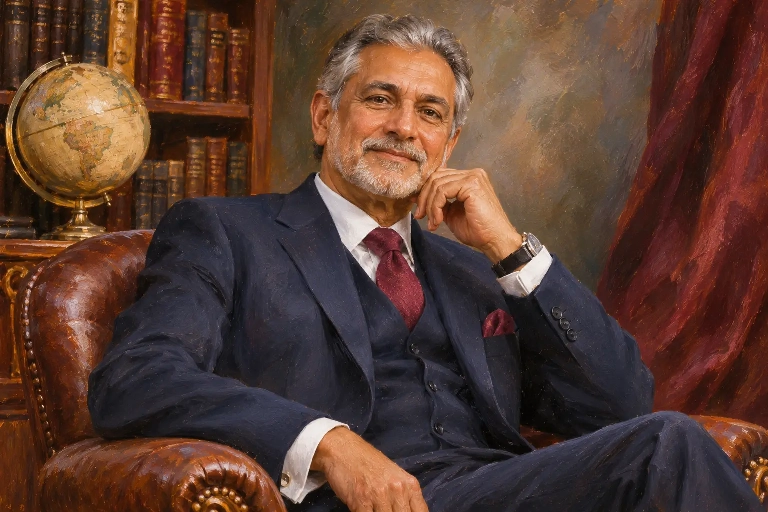
Five hand-painted oil portrait examples showing how formal suits, traditional cultural clothing, wedding attire, academic dress and casual clothing influence portrait style and character.

When commissioning an oil portrait, choosing the right photograph and capturing the subject's facial likeness are important considerations. However, clothing is equally significant in shaping the appearance and character of the finished painting. The garments a person wears can influence the portrait's mood, style, colour balance and overall presentation.

A formal suit can create a distinguished and timeless appearance, while traditional clothing can celebrate cultural heritage and personal identity. Casual clothing may communicate warmth and personality, whereas elegant dresses and ceremonial garments can introduce a sense of occasion and sophistication.

Whether you are commissioning an individual portrait, a family painting, a wedding portrait or a professional portrait, thoughtful clothing choices can make a considerable difference. This guide explores how different clothing styles influence an oil portrait and how to select garments that complement the subject, composition and background.

How Do Clothing Choices Affect an Oil Portrait?

Clothing influences the style, mood, colour balance and overall character of an oil portrait. Formal attire can create a traditional and distinguished appearance, while casual clothing may feel more relaxed and personal. The colour, texture and design of garments also affect the composition and help communicate the subject's personality, heritage or achievements.

What Is the Best Clothing to Wear for an Oil Portrait?

The best clothing depends on the purpose and style of the portrait. Formal suits and elegant dresses are suitable for traditional portraits, while cultural attire, professional clothing or casual garments can create a more personal representation. Choose clothing that reflects the subject's identity and complements the background without distracting from the face.

Can Clothing Be Changed When Commissioning a Portrait from a Photograph?

Yes. When commissioning a hand-painted portrait from photographs, you can discuss using clothing from a different reference image or selecting an alternative outfit. This can be useful when the preferred photograph captures the subject's expression but does not show the clothing you would like included in the painting.

Why Clothing Matters in an Oil Portrait

Clothing is an important part of visual storytelling. It provides information about the subject's personality, profession, culture, interests and the occasion being commemorated.

In traditional portraiture, garments were often selected to communicate social position, authority, wealth and personal identity. Rich fabrics, formal jackets, elaborate dresses and ceremonial accessories helped establish the character of the painting.

Modern portrait commissions offer much greater flexibility. You can choose traditional formal attire, contemporary clothing, cultural dress or garments that hold particular personal significance.

The most successful choice is not necessarily the most expensive or elaborate outfit. It is the clothing that complements the subject and supports the purpose of the portrait.

Formal Clothing: Creating a Timeless and Distinguished Appearance

Formal clothing is a popular choice for traditional oil portraits because it creates a sense of elegance, dignity and occasion. Suits, tailored jackets, formal dresses and evening wear can give a portrait a refined and lasting appearance.

Men's Formal Clothing

Common choices include:

  • Business suits and tailored jackets.
  • Three-piece suits with waistcoats.
  • Formal shirts and ties.
  • Evening jackets and formal wear.
  • Traditional ceremonial attire.

Dark navy, charcoal, brown and deep green can work particularly well in traditional compositions. A white or cream shirt can introduce contrast, while a tie or pocket square can provide a controlled accent colour.

Women's Formal Clothing

For women's portraits, suitable options may include:

  • Elegant dresses and evening gowns.
  • Tailored jackets and formal suits.
  • Classic blouses and skirts.
  • Traditional formal garments.
  • Special occasion and ceremonial clothing.

Fabric, neckline, sleeve design and jewellery can all contribute to the composition. The clothing should complement the subject's features and create a balanced relationship with the background.

Traditional and Cultural Clothing: Celebrating Identity and Heritage

Traditional clothing can give an oil portrait a particularly personal meaning. Garments associated with cultural heritage, family traditions and important ceremonies can communicate identity and preserve details that are meaningful to the subject and their family.

Examples include:

  • Saris, salwar kameez and traditional South Asian garments.
  • Traditional African clothing and richly patterned fabrics.
  • Scottish Highland dress and ceremonial tartan.
  • Traditional Chinese and East Asian garments.
  • Religious and ceremonial clothing.
  • Traditional regional dress and family heirloom garments.

Embroidery, fabric patterns, jewellery and distinctive accessories can introduce texture and colour into the painting. These details can also make the portrait more representative of the subject's background and personal story.

When commissioning a portrait featuring traditional clothing, it can be helpful to provide close-up photographs of the garment, especially if it includes intricate embroidery, distinctive patterns or meaningful accessories.

Casual Clothing: A More Natural and Personal Portrait

Formal attire is not essential for every oil portrait. Casual clothing can create a relaxed and approachable appearance, particularly when the purpose is to capture the subject as family and friends know them.

Casual clothing may include:

  • Simple shirts and blouses.
  • Jumpers and knitwear.
  • Everyday dresses.
  • Casual jackets.
  • Clothing associated with a favourite hobby or activity.

For family and individual portraits, these choices can create a sense of familiarity and warmth. The important consideration is whether the clothing reflects the subject's personality and the intended appearance of the artwork.

Professional Clothing: Representing Career and Achievement

Professional clothing can be particularly appropriate for corporate portraits, executive commissions and paintings that recognise career achievements.

Examples include:

  • Business suits and formal office attire.
  • Professional uniforms.
  • Academic gowns and graduation clothing.
  • Military and ceremonial uniforms.
  • Professional or specialist garments associated with a particular occupation.

These garments can communicate professionalism, experience and achievement. They can also make the portrait more relevant when it is intended for display in an office, boardroom, university or professional environment.

For uniforms and academic attire, accurate colours, badges and distinctive details may be important. Providing suitable reference photographs helps establish the correct appearance.

Wedding and Special Occasion Clothing

Clothing associated with weddings and other important occasions can make an oil portrait particularly meaningful. Wedding dresses, suits, ceremonial outfits and anniversary attire can preserve the appearance of a significant moment in someone's life.

A wedding portrait might feature the original wedding clothing, including details such as lace, embroidery, jewellery, flowers and accessories. A portrait commissioned for an anniversary could also recreate the clothing worn on the wedding day, even if the original photographs are old.

These details can help connect the painting with a specific memory and make it a lasting family keepsake.

How Clothing Colours Influence the Portrait

Colour is one of the most important considerations when selecting clothing for an oil portrait. The garment's colour interacts with the subject's skin tones, hair, background and surrounding details.

Some colours can create a particularly strong visual effect:

  • Navy blue: Often creates a composed, elegant and professional appearance.
  • Burgundy: Can introduce warmth, richness and a traditional character.
  • Deep green: Can work well with natural and classical backgrounds.
  • Black: Creates a formal appearance but needs careful contrast with the background.
  • White and cream: Can introduce brightness and elegance, although lighting and tonal detail are important.
  • Earth tones: Browns, ochres and muted colours can create a warm and harmonious composition.
  • Pastel colours: Can produce a softer and gentler appearance, particularly in children's and family portraits.

There are no absolute rules about which colours should be used. The best choice depends on the subject, the intended style and the relationship between the clothing and background.

Fabric, Texture and Fine Details

Oil painting allows the artist to interpret the appearance of different fabrics through colour, tonal variation and brushwork. Clothing can therefore contribute considerable visual interest to the finished portrait.

Silk and Satin

Silk and satin often feature reflective highlights and smooth tonal transitions. These characteristics can create an elegant appearance, particularly in formal dresses and ceremonial clothing.

Velvet

Velvet is associated with depth and richness. Its darker tones and distinctive texture can work particularly well in traditional formal portraits.

Lace and Embroidery

Lace, embroidery and decorative stitching can introduce intricate detail. These elements are often important in wedding dresses, traditional clothing and special occasion garments.

Wool and Knitwear

Wool and knitted garments can create a softer, more relaxed appearance. They may be appropriate for informal portraits and paintings intended to capture everyday personality.

Jewellery and Accessories

Accessories such as watches, necklaces, earrings, brooches and cufflinks can provide additional personal detail. They should be selected carefully so that they complement rather than overwhelm the composition.

Choosing Clothing for Different Types of Oil Portrait

The most suitable clothing will vary depending on the subject and purpose of the painting.

Individual Portraits

For an individual portrait, choose clothing that reflects the person's character. Formal attire can create a traditional presentation, while everyday clothing may produce a more natural and personal result.

Family Portraits

Family members do not necessarily need to wear identical outfits. However, coordinating colours and complementary clothing styles can help create a harmonious composition.

For example, a family might choose neutral colours, soft blues or earth tones. The objective is to create visual unity without making everyone look artificially identical.

Children's Portraits

Children's clothing should reflect their age and personality. Special occasion dresses, traditional garments or favourite everyday outfits can all be suitable choices.

Couple Portraits

For couples, clothing can be coordinated through complementary colours, similar levels of formality or garments associated with an important occasion. The aim is to create a balanced composition while retaining each person's individuality.

Pet and Equine Portraits

Where an owner is included alongside a pet or horse, their clothing can help establish the character of the painting. Riding attire, casual clothing or formal garments may be appropriate depending on the intended composition.

Can You Change Clothing When Combining Different Photographs?

When commissioning a portrait from photographs, it is not always necessary to use one image for every detail. Different reference photographs can provide information about the subject's face, expression, pose and clothing.

For example, you might prefer the facial expression in one photograph but want to use the outfit from another. You may also want to recreate clothing from an older photograph or select a different garment that better suits the intended painting.

It is important to discuss these preferences when planning the composition. Reference photographs showing the desired clothing, including its colour, shape and distinctive details, can help communicate the intended result.

Should You Match the Original Photograph Exactly?

There is no requirement to reproduce every detail of the original photograph exactly. A commissioned oil portrait can retain the essential likeness and character of the subject while allowing changes to clothing, background and composition.

Some people prefer an accurate recreation of a favourite photograph, while others want a more personalised interpretation.

When deciding whether to retain or change the clothing, consider:

  • Does the original outfit have sentimental significance?
  • Does the clothing reflect the subject's personality?
  • Would another outfit create a more timeless appearance?
  • Is the portrait intended to commemorate a particular event?
  • Will the proposed clothing complement the background and composition?

The most appropriate decision is the one that supports the purpose of the painting and the way you want the subject to be remembered.

Common Clothing Mistakes to Avoid

Clothing choices can strengthen an oil portrait, but certain decisions may make the composition more difficult to balance.

  • Overly complicated patterns: Very busy designs can compete with the subject's face.
  • Clashing colours: Clothing and background colours should work together rather than create unnecessary visual conflict.
  • Insufficient reference photographs: Intricate garments are easier to interpret when clear reference images are available.
  • Ignoring the intended style: Clothing should suit the overall character of the painting.
  • Excessive accessories: Too many decorative details can distract from the main subject.
  • Unnatural clothing choices: The selected outfit should feel appropriate for the person and the intended portrait.
  • Inconsistent family styling: In group portraits, unrelated clothing colours and levels of formality may make the composition feel less unified.

Thoughtful preparation helps ensure that the clothing enhances rather than competes with the subject.

Planning Your Clothing Choices Before Commissioning

Before commissioning an oil portrait, it is useful to consider the clothing alongside the photograph, composition and background.

Ask yourself:

  • Do I want a formal, casual, professional or traditional appearance?
  • Should the clothing reflect a particular occasion or stage of life?
  • Are there cultural or family details that should be included?
  • Which colours will complement the intended background?
  • Are there important accessories or fabric details to preserve?
  • Do I have photographs showing the clothing clearly?
  • Should the painting reproduce the original outfit or introduce a different one?

Preparing these details in advance can help establish a clear artistic direction for the commission.

Conclusion: Clothing Helps Define the Character of an Oil Portrait

Clothing is much more than a decorative detail in an oil portrait. It helps communicate personality, identity, heritage, profession and important life experiences. The right garments can create a formal and distinguished appearance, introduce cultural significance or make a portrait feel natural and personal.

From traditional suits and elegant dresses to ceremonial garments and everyday clothing, each choice influences the mood and visual character of the finished painting. Colour, fabric, texture and accessories also contribute to the composition.

When commissioning a portrait, consider clothing alongside the subject's expression, pose and background. A carefully selected outfit can help create a balanced and meaningful artwork that reflects the individual and the story behind the commission.

Commission a Personalised Hand-Painted Oil Portrait

At GFM Painting, a personalised oil portrait can be developed around your chosen photographs and artistic preferences. Whether you prefer traditional formal attire, professional clothing, cultural dress or a more relaxed style, thoughtful planning helps create a painting that reflects the subject's individuality.

Explore the possibilities of a hand-painted portrait and create a lasting work of art for yourself or someone special.

The Importance of Clothing in Portraiture

Clothing plays an important role in the visual storytelling of an oil portrait. Beyond its appearance, it can communicate personality, heritage, profession and the significance of an important occasion.

Traditional formal attire can create a distinguished and timeless presentation, while contemporary clothing can produce a more relaxed and personal interpretation. Cultural garments and ceremonial dress can also preserve meaningful details of family history and identity.

Colour, fabric and texture contribute to the artistic character of the painting. Rich fabrics, delicate embroidery and carefully selected accessories can introduce depth and visual interest when balanced with the subject and background.

For a commissioned portrait, clothing does not always need to match the original photograph. Different reference images can help establish the preferred outfit while preserving the subject's essential likeness.

Ultimately, the right clothing helps transform a painted likeness into a personal work of art that reflects the individual and the story they wish to preserve.

FAQ

Frequently Asked Questions

Can I change the clothing when commissioning an oil portrait from a photograph?

Yes. You can request different clothing from that shown in the original photograph. For example, you may prefer formal attire, traditional cultural clothing or an outfit from another reference photograph. Providing clear images of the preferred garments helps communicate the details.

What colours work best for clothing in an oil portrait?

Navy, burgundy, deep green, cream and earth tones are popular choices because they can create a balanced and elegant appearance. The best colour depends on the subject's skin tones, the background and the overall mood you want the painting to convey.

Should family members wear matching clothing in a family portrait?

Not necessarily. Coordinating colours and complementary clothing styles can create visual harmony without requiring everyone to wear identical outfits. Neutral tones, soft blues and earth colours can work particularly well together.

Can traditional or cultural clothing be included in a commissioned portrait?

Absolutely. Traditional garments, embroidery, jewellery and ceremonial clothing can be included to celebrate cultural identity and family heritage. Reference photographs are useful for capturing distinctive patterns, colours and decorative details accurately.

Does clothing affect the cost of a hand-painted oil portrait?

It can. Intricate embroidery, detailed patterns, jewellery and elaborate fabrics may require additional painting time. The overall cost also depends on the canvas size, number of subjects, composition and background complexity.

Can't Find What You Are Looking For

Contact Us

Sign up to receive the latest news from GFM Painting via email, including exclusive offers and updates...

PORTRAIT & REPRODUCTION
| | | |
PORTRAIT & REPRODUCTION
Show prices in

GFM Designer Ltd
Maultway Court
67-69 Ruxley Lane
Epsom, Surrey
KT19 0JG. UK
E-MAIL : info@gfmpainting.co.uk
PHONE : +44 (0) 203 592 3482
MOBILE : +44(0) 7834 393 396

  • Copyright GFM Designer 2026
  • Company Registration : 07286936
| | | |
GFM Painting top
GFM Painting