☰

November 18, 2026

GFM Painting Logo
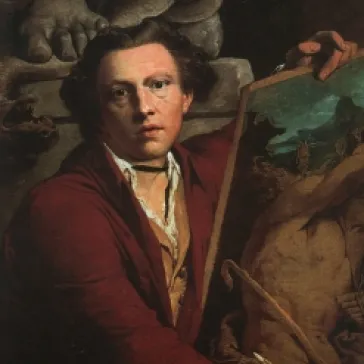
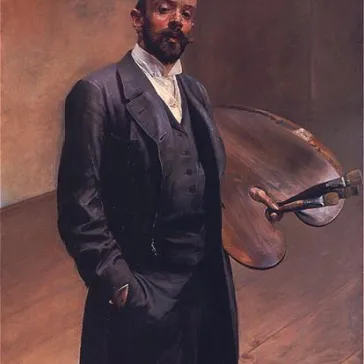
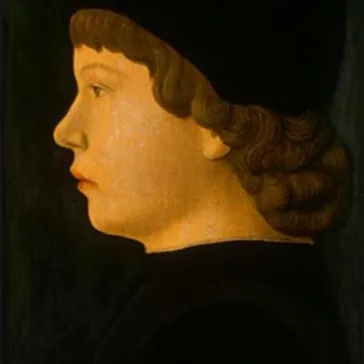
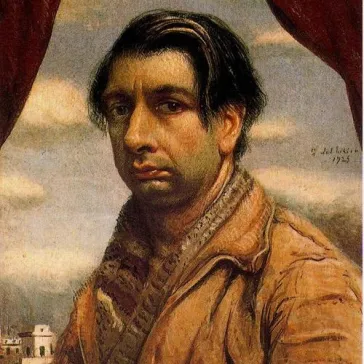
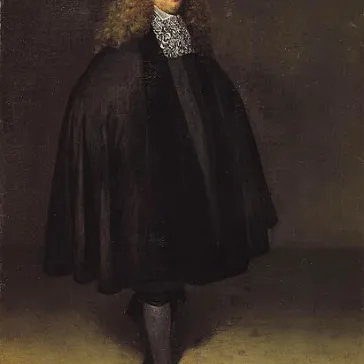
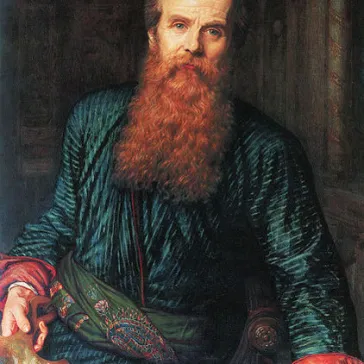
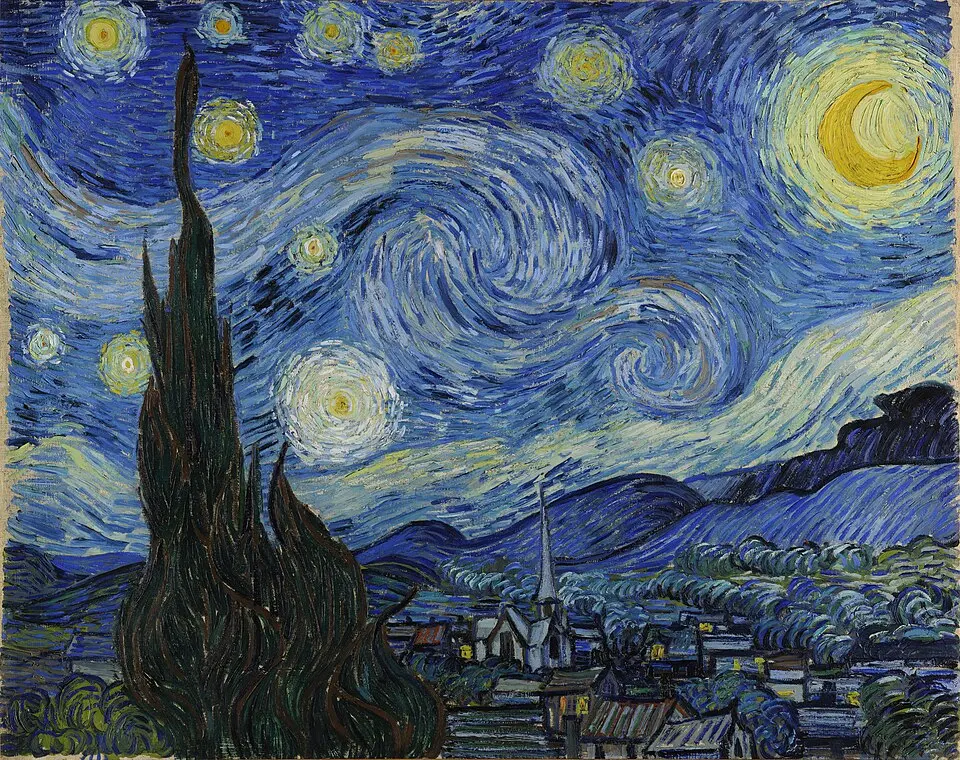
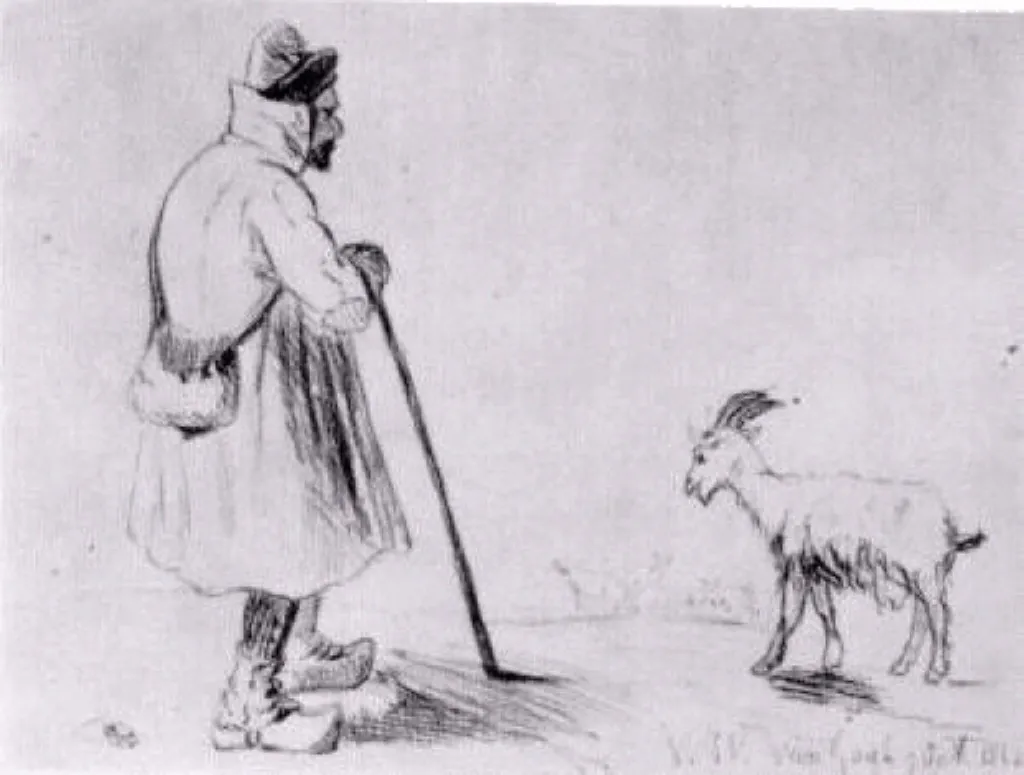
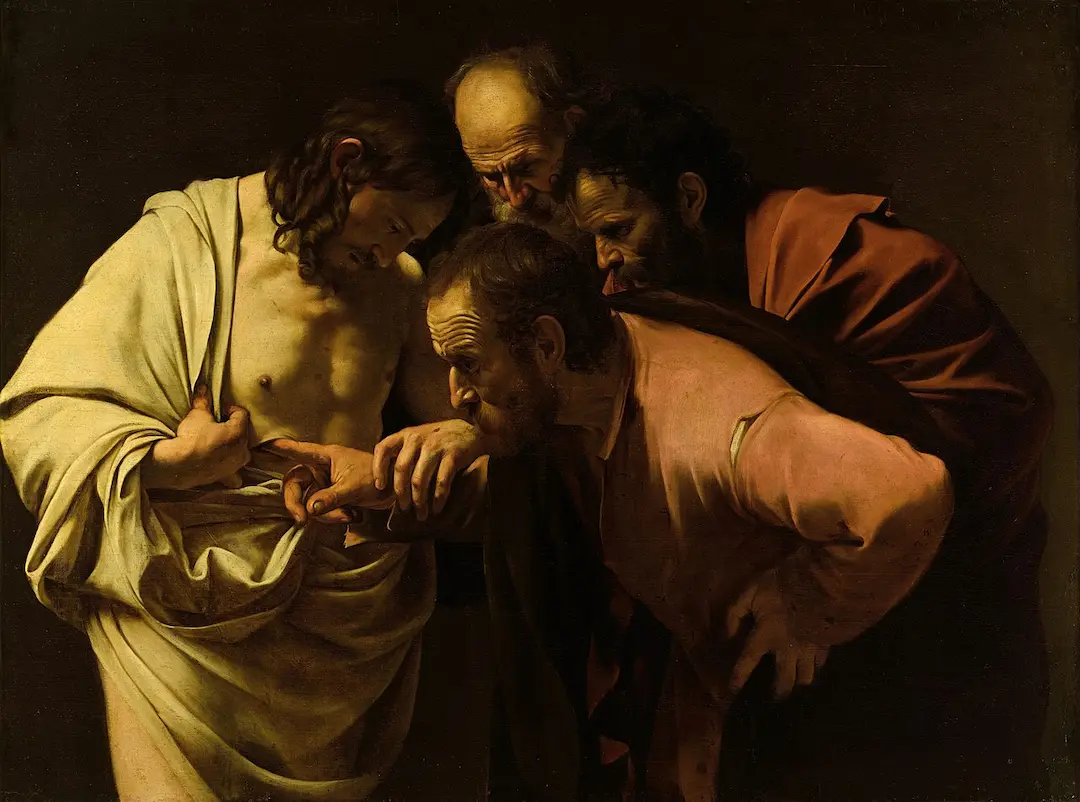
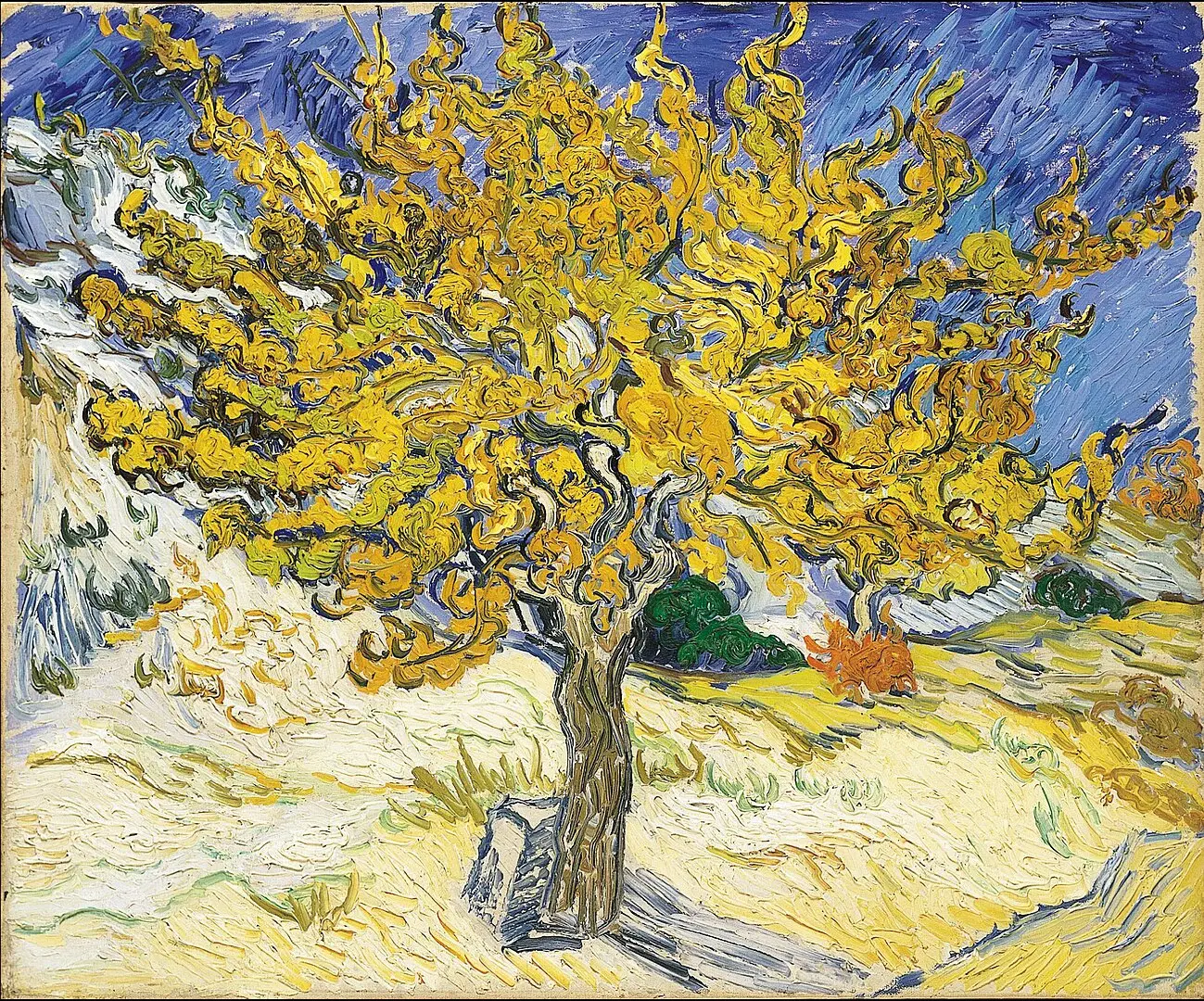
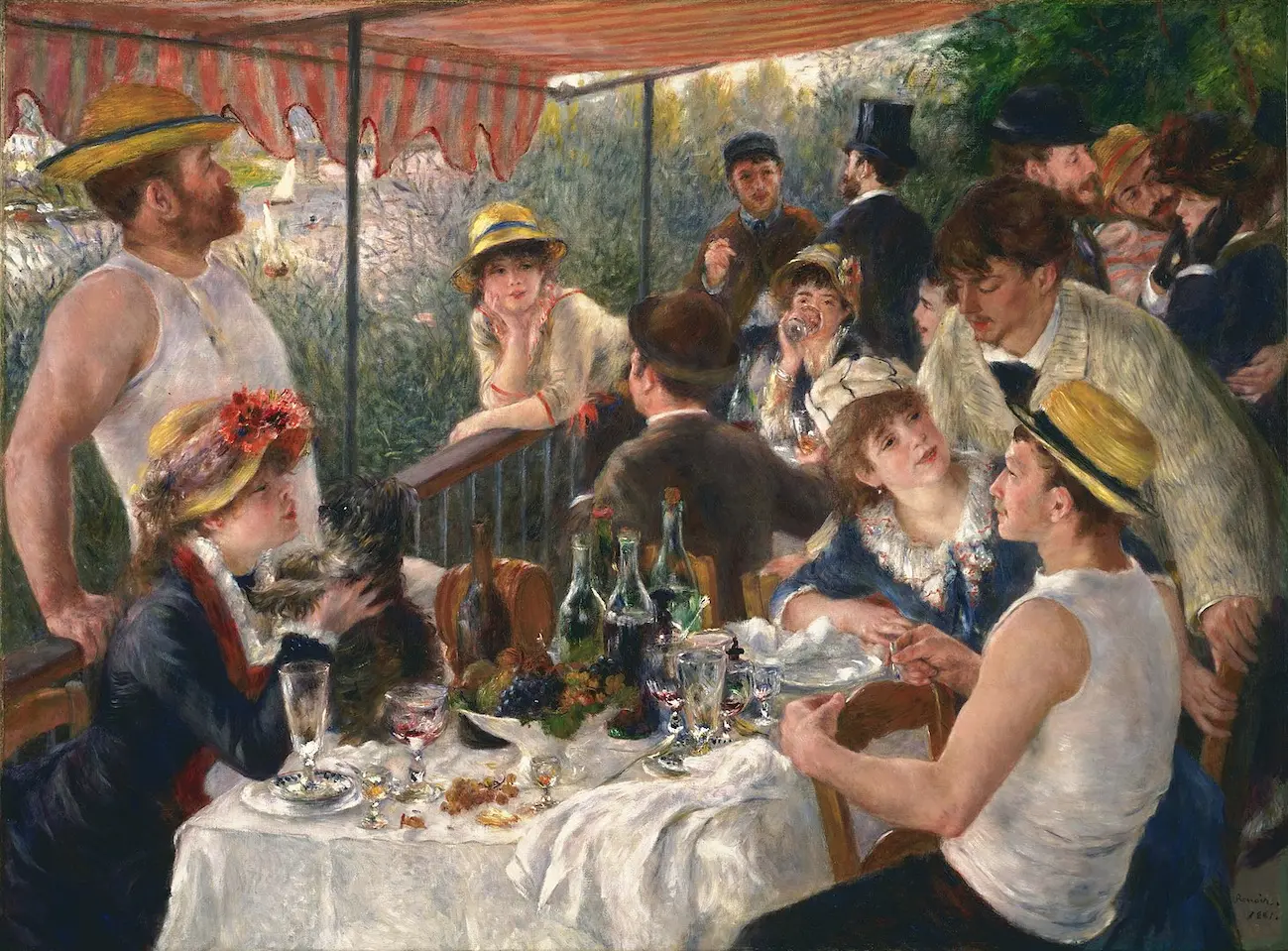
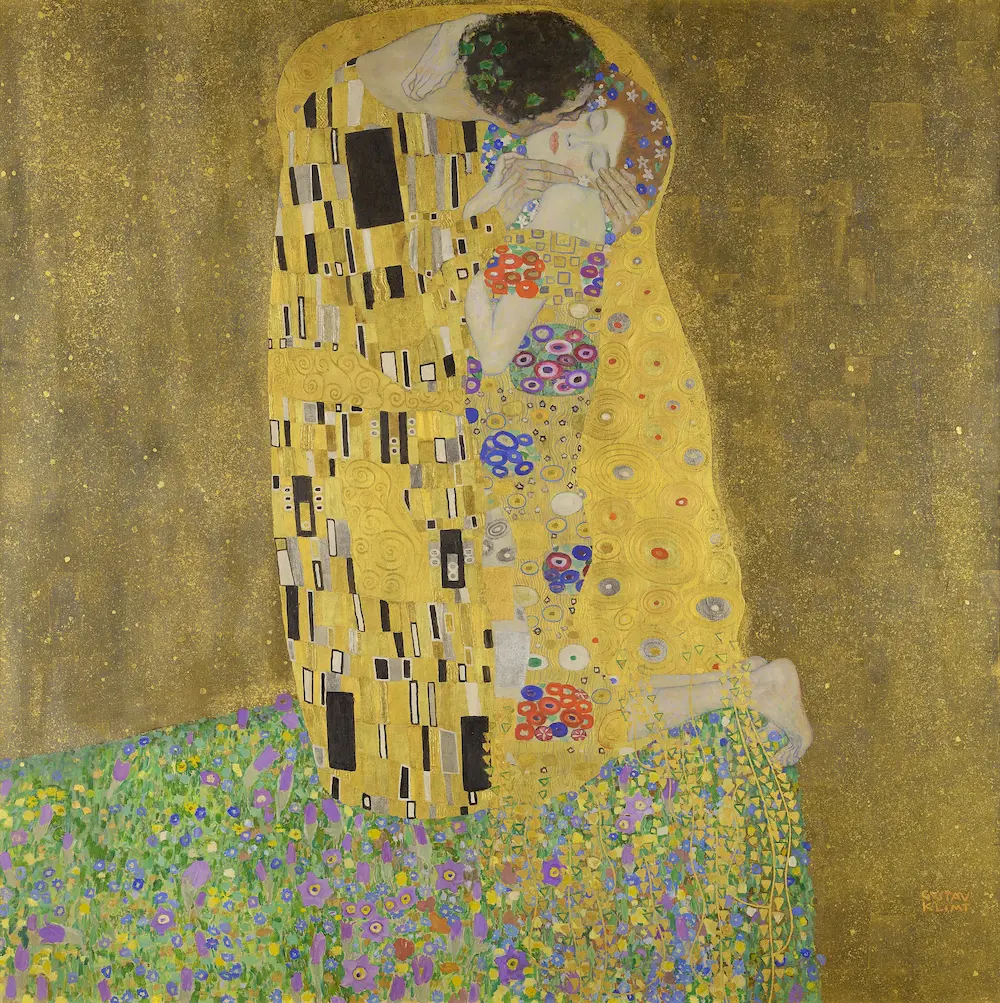
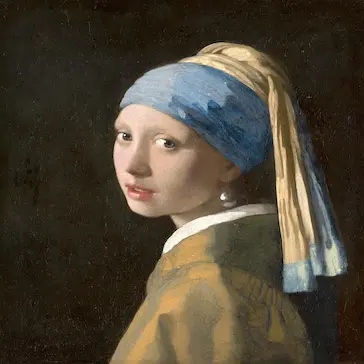
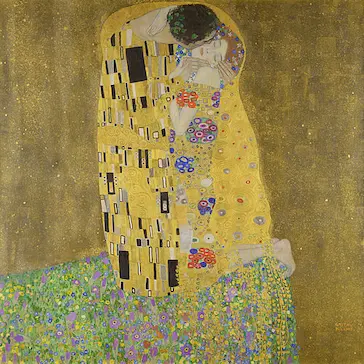
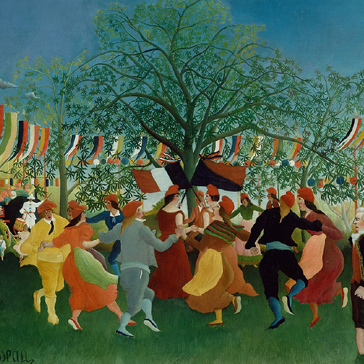
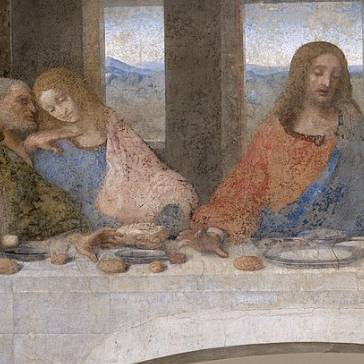
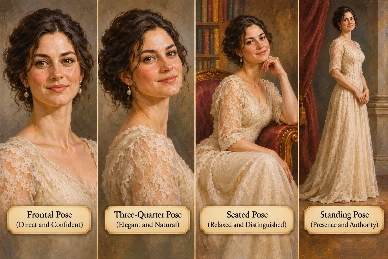
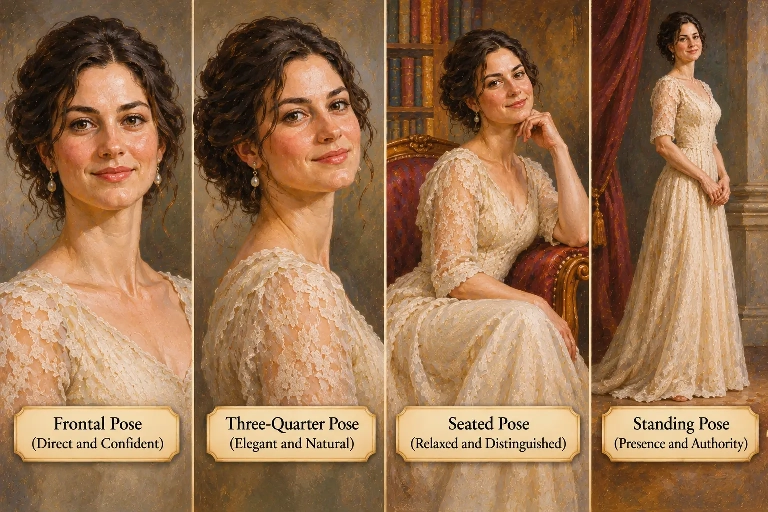
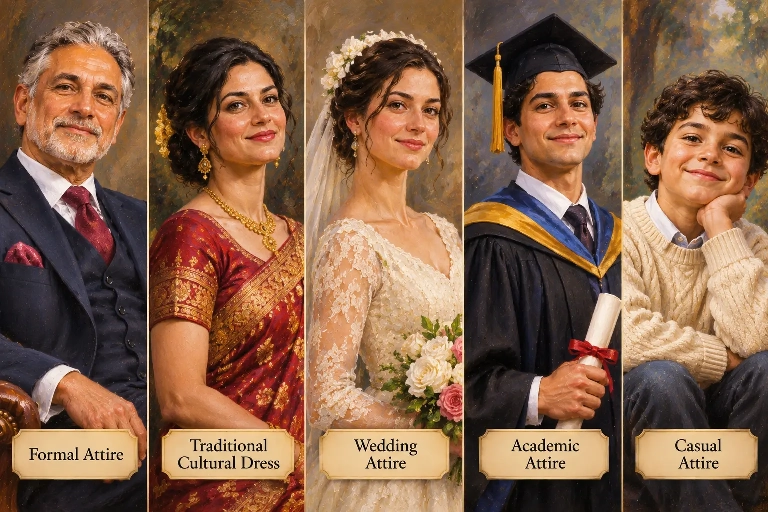
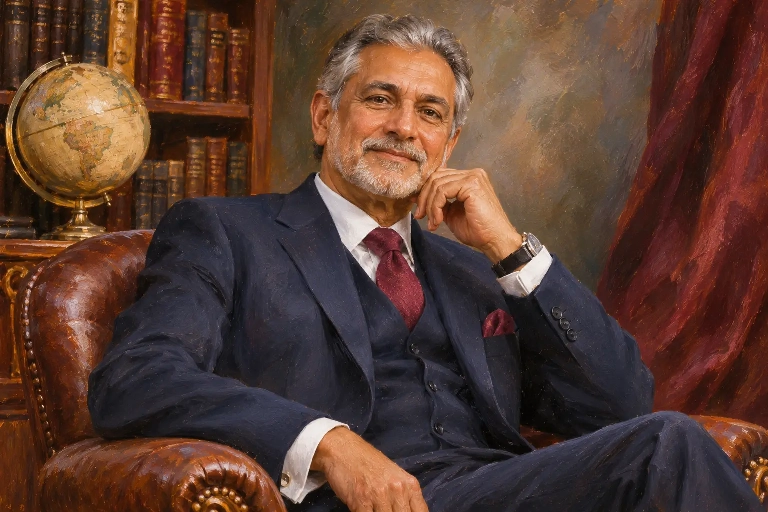
Four hand-painted oil portrait examples illustrating frontal, three-quarter, seated and standing poses and how each creates a different mood and composition.

When commissioning an oil portrait, choosing the right photograph is an important first step. However, the subject's pose is equally significant. The way a person sits, stands, turns their head or positions their hands can influence the entire character of the finished painting.

A traditional frontal pose can communicate dignity and confidence, while a three-quarter pose can introduce depth and elegance. A relaxed seated position may create warmth and familiarity, whereas a standing pose can give the portrait a stronger sense of presence and authority.

Whether you are commissioning an individual portrait, a family painting, a wedding portrait or a professional portrait, the pose helps tell the story behind the artwork. This guide explores how different poses affect an oil portrait and how to choose a composition that reflects the subject's personality and the purpose of the commission.

How Do Pose Choices Affect an Oil Portrait?

Pose choices influence the composition, mood and visual character of an oil portrait. A frontal pose can create a direct and formal presentation, while a three-quarter pose introduces depth and movement. Seated and standing positions also affect how the subject occupies the canvas, helping communicate personality, confidence, elegance or warmth.

What Is the Best Pose for an Oil Portrait?

The best pose depends on the subject, the intended style and the purpose of the painting. Frontal and three-quarter poses are popular for traditional portraits, while seated and standing positions can create different impressions of personality and presence. The most suitable pose should look natural, complement the composition and allow the subject's facial expression to remain a central feature.

Can an Oil Portrait Be Painted Using a Different Pose from the Original Photograph?

Yes. When commissioning an oil portrait from photographs, you can discuss using a different pose from the original image. Separate reference photographs can provide information about the subject's face, body position, clothing and hand placement. The proposed composition should be considered carefully to ensure that the final pose looks natural and balanced.

Why Pose Matters in an Oil Portrait

A portrait is not simply a representation of someone's facial features. It is also an artistic interpretation of their character and presence. The pose helps establish how the subject is presented to the viewer.

In traditional portraiture, poses were often carefully arranged to communicate status, authority, dignity and social position. Kings, queens, political leaders and prominent individuals were frequently painted in formal standing or seated positions, with particular attention given to posture, hand placement and direction of the gaze.

Modern portrait commissions offer more flexibility. A subject can be portrayed in a formal, relaxed, natural or expressive pose depending on the intended result.

The right pose should complement the subject's personality while supporting the composition, clothing, background and overall artistic style.

Frontal Poses: Direct, Confident and Traditional

A frontal pose places the subject facing directly towards the viewer. It is one of the most recognisable arrangements in traditional portraiture and can create a strong sense of connection between the subject and the person viewing the painting.

Because the face is presented directly, the viewer can appreciate the subject's facial features and expression clearly.

Why Choose a Frontal Pose?

  • Direct engagement: The subject appears to make eye contact with the viewer.
  • Formal presentation: It can create a dignified and traditional appearance.
  • Facial emphasis: The arrangement places considerable attention on the face.
  • Symmetry: It can create a balanced and structured composition.
  • Timelessness: It is suitable for many traditional individual and family portraits.

A frontal pose can work particularly well for formal portraits, professional paintings and portraits intended to become family heirlooms.

Three-Quarter Poses: Elegance and Depth

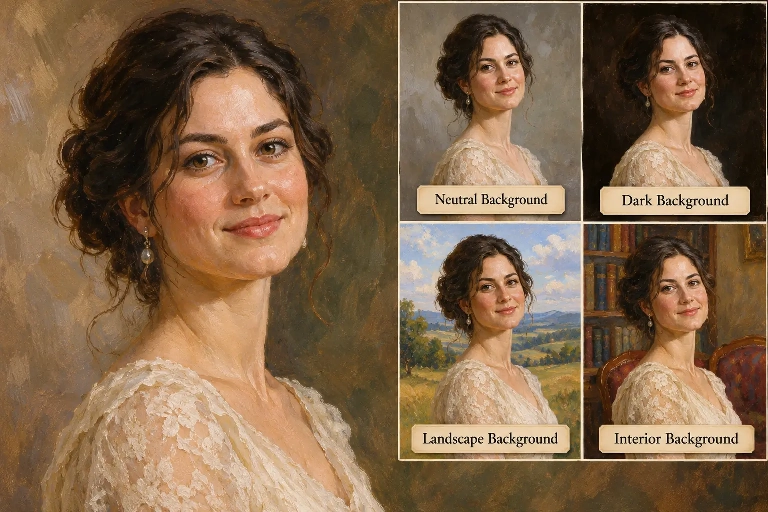
A three-quarter pose positions the subject slightly at an angle rather than facing the viewer directly. The head or body may turn gently to one side, creating a more dimensional and visually interesting composition.

This arrangement has been widely used in traditional portraiture because it allows the artist to show the subject's facial features while introducing a sense of depth and natural movement.

Why Choose a Three-Quarter Pose?

  • It creates a sense of depth and dimension.
  • It can produce a more relaxed and natural appearance.
  • It introduces visual movement into the composition.
  • It allows the artist to work with light and shadow across the face.
  • It can complement both formal and contemporary portrait styles.

A three-quarter pose is particularly suitable for individual portraits, couples and formal commissions where a traditional but natural presentation is desired.

Seated Poses: Relaxed, Distinguished and Personal

A seated pose can create an atmosphere of comfort, stability and dignity. The subject may be positioned on a chair, sofa, armchair or another suitable piece of furniture.

Traditional seated portraits often include additional compositional elements such as a table, books, architectural details or an elegant interior background.

Common Seated Portrait Arrangements

  • Upright seated position: Creates a formal and composed appearance.
  • Relaxed seated position: Can communicate warmth and approachability.
  • Armchair portrait: Often creates a distinguished and traditional presentation.
  • Seated three-quarter pose: Combines the depth of an angled pose with the stability of a seated position.
  • Hands resting naturally: Helps create a balanced and comfortable composition.

Seated poses are particularly suitable for older subjects, formal family portraits, professional commissions and paintings intended to capture an individual's character.

Standing Poses: Presence, Confidence and Authority

A standing pose can give a portrait a strong sense of presence. It provides more opportunity to show the subject's clothing, posture and overall appearance.

Standing compositions are frequently used for full-length portraits and formal paintings celebrating professional or personal achievements.

Different Standing Positions

  • Standing directly towards the viewer: Creates a confident and formal presentation.
  • Standing at an angle: Introduces depth and a more natural appearance.
  • One hand resting on furniture: Can create a composed and elegant position.
  • Hands positioned naturally: Helps avoid stiffness and unnecessary tension.
  • Standing with a slight turn: Can create movement while maintaining a formal character.

The artist needs to consider the relationship between the subject's posture, clothing and canvas proportions. A full-length standing portrait generally requires more space than a head-and-shoulders composition.

Head Position and Direction of the Gaze

The position of the head and the direction in which the subject looks can have a significant effect on the emotional character of a portrait.

Looking Directly at the Viewer

Direct eye contact can create a strong connection and give the subject a confident, engaging presence. It is particularly suitable for formal portraits and professional paintings.

Looking Slightly to One Side

A subject looking slightly away from the viewer can create a thoughtful, relaxed or reflective atmosphere. It can also introduce a sense of natural movement.

Looking Downwards

A downward gaze can create a quieter and more contemplative appearance. It may be appropriate for memorial portraits, reflective compositions or paintings with a particular emotional significance.

Looking Upwards

An upward gaze can introduce a sense of hope, inspiration or reflection. The effect depends on the subject's expression, head position and overall composition.

The direction of the gaze should be considered alongside the pose and background so that the portrait feels visually coherent.

Hand Positions: An Important Part of Portrait Composition

Hands can be among the most expressive elements of a portrait. Their position can influence the overall balance of the composition and contribute to the subject's personality and presentation.

In some portraits, the hands are not included at all. In others, they form an important part of the composition.

Common Hand Positions

  • Hands resting naturally: Creates a relaxed and comfortable appearance.
  • Hands folded gently: Can produce a composed and formal presentation.
  • One hand resting on an armchair: Introduces a traditional and distinguished quality.
  • Hands holding an object: Can communicate a personal interest, profession or achievement.
  • Hands positioned together: Can create a balanced and symmetrical arrangement.

When hands are included, the artist needs to consider their proportions, position and relationship to the rest of the body. Poorly chosen hand positions can make a portrait feel uncomfortable or unbalanced.

How Pose Influences the Composition and Canvas Size

The pose and composition are closely connected. A head-and-shoulders portrait requires a different arrangement from a full-length standing painting, and the canvas dimensions should accommodate the chosen position.

Head-and-Shoulders Composition

This arrangement focuses on the face and upper body. It is particularly suitable for frontal and three-quarter poses where facial likeness is the main priority.

Half-Length Composition

A half-length portrait provides additional space for the arms, hands and clothing. It allows the artist to introduce more body language while retaining emphasis on the subject's face.

Three-Quarter-Length Composition

This format includes more of the body, often extending towards the knees. It can accommodate seated or standing poses and offers greater scope for clothing and background details.

Full-Length Composition

A full-length portrait shows the subject from head to foot. It provides the greatest opportunity to communicate posture, clothing and overall presence, but requires sufficient canvas space to maintain appropriate proportions.

The chosen dimensions should allow the subject to sit comfortably within the composition without appearing crowded or excessively distant.

Choosing Poses for Different Types of Oil Portrait

The most suitable pose depends on the subject, the purpose of the commission and the atmosphere you want the painting to create.

Individual Portraits

For an individual portrait, a frontal or three-quarter pose can create a timeless presentation. A seated or standing arrangement may be more appropriate depending on the subject's personality and the intended canvas size.

Family Portraits

Family portraits require careful consideration of how each person is positioned in relation to the others. The arrangement should feel natural while allowing every family member to remain clearly visible.

Seated and standing positions can be combined to create different levels within the composition. For example, grandparents may be seated while younger family members stand behind them.

Couple Portraits

Couple portraits can feature subjects standing or sitting close together. Their body positions, direction of gaze and relationship to one another can communicate affection and connection.

Children's Portraits

Children's portraits often benefit from natural and relaxed poses. A gentle smile, a slight turn of the head or a comfortable seated position can help capture a child's personality without making the composition feel overly formal.

Corporate and Professional Portraits

Professional portraits often use seated or standing poses that communicate confidence and approachability. The chosen position should reflect the subject's role and the intended setting for the finished artwork.

Pet and Equine Portraits

Animal portraits also depend heavily on pose. The position of a horse's head, the direction of its gaze or the posture of a family pet can communicate character and personality. When an owner is included, the relationship between the person and animal becomes an important part of the composition.

Natural Poses Versus Traditional Formal Poses

When planning a portrait, one important decision is whether to choose a traditional formal pose or a more natural position.

Traditional Formal Poses

Traditional poses are generally more structured and carefully arranged. They can create a sense of dignity, authority and timeless elegance.

They are often suitable for:

  • Professional and executive portraits.
  • Formal family commissions.
  • Heritage and historical portraits.
  • Retirement and achievement paintings.
  • Traditional individual portraits.

Natural and Relaxed Poses

Natural poses can make the subject appear more approachable and personal. They may feature a gentle turn, relaxed shoulders or an expression that reflects the person's everyday character.

They are often suitable for:

  • Family and couple portraits.
  • Children's paintings.
  • Personal and commemorative portraits.
  • Contemporary portrait styles.
  • Portraits intended to capture a relaxed atmosphere.

Neither approach is inherently better. The choice should reflect the subject and the purpose of the commission.

Can Different Photographs Be Combined to Create a New Pose?

Yes. When commissioning an oil portrait, different photographs may be useful for developing the intended composition.

For example, one photograph may show the subject's preferred facial expression, while another provides a suitable body position or clothing reference. Additional images may help clarify hand placement, hairstyle or other details.

This can be particularly useful when the subject does not have a single photograph showing the exact pose, expression and clothing desired for the finished painting.

It is important to provide clear instructions about which details should be taken from each reference image. The overall composition needs to be considered as a whole so that the final position appears natural and anatomically consistent.

How to Choose the Right Pose for Your Portrait

Before commissioning a painting, consider the impression you want the portrait to create.

Ask yourself:

  • Should the portrait feel formal, relaxed, confident or reflective?
  • Would a frontal or three-quarter pose better represent the subject?
  • Should the subject be seated or standing?
  • Do you want the hands to be included?
  • Should the subject look directly at the viewer or slightly away?
  • Will the painting be head-and-shoulders, half-length or full-length?
  • Does the pose reflect the subject's personality?
  • Where will the finished portrait be displayed?

These decisions help establish a clear direction for the composition and make it easier to select suitable reference photographs.

Common Pose Mistakes to Avoid

A carefully selected pose can strengthen an oil portrait, but certain choices may make the composition less successful.

  • Unnatural body positioning: A pose should feel comfortable and anatomically believable.
  • Incorrect proportions: The head, shoulders, arms and body need to relate naturally to one another.
  • Awkward hand placement: Hands should complement the composition rather than appear stiff or disconnected.
  • Unbalanced positioning: The subject should be arranged appropriately within the canvas.
  • Unclear reference photographs: Poorly positioned or cropped photographs may make it difficult to understand the intended pose.
  • Ignoring the background: The pose should work with the chosen setting and surrounding space.
  • Overly rigid expressions: A formal pose can still include a natural and engaging expression.

Careful planning helps avoid these problems and supports a more harmonious finished painting.

Conclusion: The Right Pose Brings an Oil Portrait to Life

The pose is one of the most important decisions when commissioning an oil portrait. It influences the subject's presence, the balance of the composition and the emotional character of the painting.

Whether you prefer a traditional frontal pose, an elegant three-quarter position, a distinguished seated portrait or a confident standing composition, the chosen arrangement should reflect the subject's personality and the purpose of the artwork.

Facial expression, head position, hand placement and body posture all contribute to the finished result. By considering these elements alongside clothing, background and canvas size, you can develop a portrait that feels balanced, natural and personal.

A thoughtfully selected pose helps transform a simple likeness into a meaningful work of art that can be appreciated for many years.

Commission a Personalised Hand-Painted Oil Portrait

At GFM Painting, a personalised oil portrait can be developed around your chosen photographs and artistic preferences. Whether you prefer a traditional formal pose or a more natural composition, careful planning helps create a painting that captures the subject's appearance and character.

Explore the possibilities of a hand-painted oil portrait and create a lasting artwork for yourself or someone special.

The Importance of Pose in Portraiture

The pose is one of the defining elements of a successful oil portrait. It influences how the subject is presented and helps communicate their personality, confidence and character.

A traditional frontal pose can create a sense of dignity and direct engagement, while a three-quarter position introduces depth and elegance. Seated portraits often convey warmth and distinction, whereas standing compositions can create a stronger sense of presence.

Small details also matter. The direction of the gaze, the position of the head, the placement of the hands and the angle of the shoulders all contribute to the overall composition.

For a commissioned portrait, the pose does not always need to come from a single photograph. Different reference images can help establish the desired expression, clothing and body position, provided the final arrangement looks natural and balanced.

Ultimately, the right pose brings together the subject's likeness and personality, helping transform a hand-painted portrait into a meaningful and lasting work of art.

FAQ

Frequently Asked Questions

What is the most popular pose for a traditional oil portrait?

The three-quarter pose is a popular choice because it creates depth while allowing the subject's facial features to remain clearly visible. A frontal pose is another traditional option, particularly for formal and professional portraits.

Can I commission a portrait using a different pose from my photograph?

Yes. You can discuss changing the pose using additional reference photographs. For example, one photograph can provide the facial expression while another provides the preferred body position or hand placement.

Is a seated or standing pose better for an oil portrait?

Both can work beautifully. A seated pose often creates a relaxed, distinguished appearance, while a standing pose can communicate confidence and presence. The choice depends on the subject, composition and intended canvas size.

Can the artist include the subject's hands in the portrait?

Yes. Hands can be included in half-length, three-quarter-length and full-length compositions. Their position can add personality and visual interest, particularly when the subject is holding an important object or resting their hands naturally.

Does the pose affect the size of the oil painting?

Can't Find What You Are Looking For

Contact Us

Sign up to receive the latest news from GFM Painting via email, including exclusive offers and updates...

PORTRAIT & REPRODUCTION
| | | |
PORTRAIT & REPRODUCTION
Show prices in

GFM Designer Ltd
Maultway Court
67-69 Ruxley Lane
Epsom, Surrey
KT19 0JG. UK
E-MAIL : info@gfmpainting.co.uk
PHONE : +44 (0) 203 592 3482
MOBILE : +44(0) 7834 393 396

  • Copyright GFM Designer 2026
  • Company Registration : 07286936
| | | |
GFM Painting top
GFM Painting