Your favourites are only temporarily saved. To find them back, create your account on GFM Painting!
Already have account ?
No gift cards in your cart.
November 18, 2026


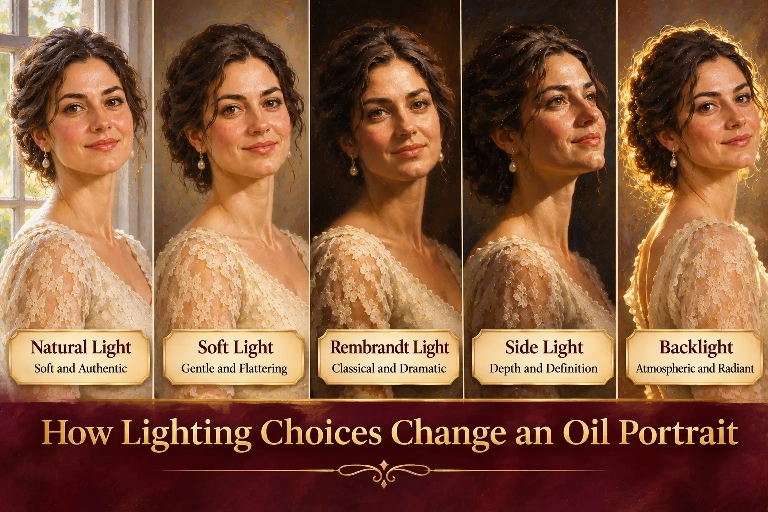
When commissioning an oil portrait, much of the attention is naturally given to the subject's facial features, expression, clothing and pose. However, lighting is equally important in determining how the finished painting looks and feels. The direction, intensity and quality of light can transform a portrait, influencing its mood, depth, atmosphere and overall artistic character.
Soft natural lighting can create a gentle and welcoming appearance, while dramatic lighting can introduce depth, contrast and a sense of classical elegance. Carefully positioned light can emphasise facial features, reveal the texture of clothing and help the subject stand out against the background.
Whether you are commissioning an individual portrait, a family painting, a wedding portrait or a professional portrait, understanding the role of lighting can help you make informed decisions. This guide explores how different lighting choices influence an oil portrait and how to select an approach that complements the subject and intended composition.
Lighting influences the mood, depth, realism and visual character of an oil portrait. Soft lighting creates gentle transitions between light and shadow, while dramatic lighting produces stronger contrasts and a more striking appearance. The direction of light also affects how facial features, clothing and the background are presented.
The best lighting depends on the subject and the artistic style you want to achieve. Soft, balanced lighting is versatile for family and individual portraits, while directional lighting can create a more classical and dramatic appearance. The most suitable approach should reveal the subject's features naturally and complement the background and composition.
Yes. Lighting can be interpreted or adjusted when creating a hand-painted portrait from photographs. The artist can use reference images to understand the subject's appearance while developing a different lighting arrangement to create a particular mood, improve visual balance or complement the chosen background.
Lighting is one of the most important elements of portrait painting because it helps define the subject's form and appearance. Without an effective relationship between light and shadow, a portrait can appear flat or lack depth.
Artists use lighting to create the impression of three-dimensional form on a two-dimensional surface. Light reveals the contours of the face, the shape of the nose, the structure of the cheeks and the details around the eyes and mouth.
It also influences how the viewer experiences the subject. A softly illuminated face can feel warm and approachable, while stronger directional lighting can create a more serious, powerful or dramatic impression.
In oil painting, the artist can develop these effects through carefully layered colours, tonal variations, highlights and shadows. The result is a painting in which light contributes to both the physical appearance and emotional character of the portrait.
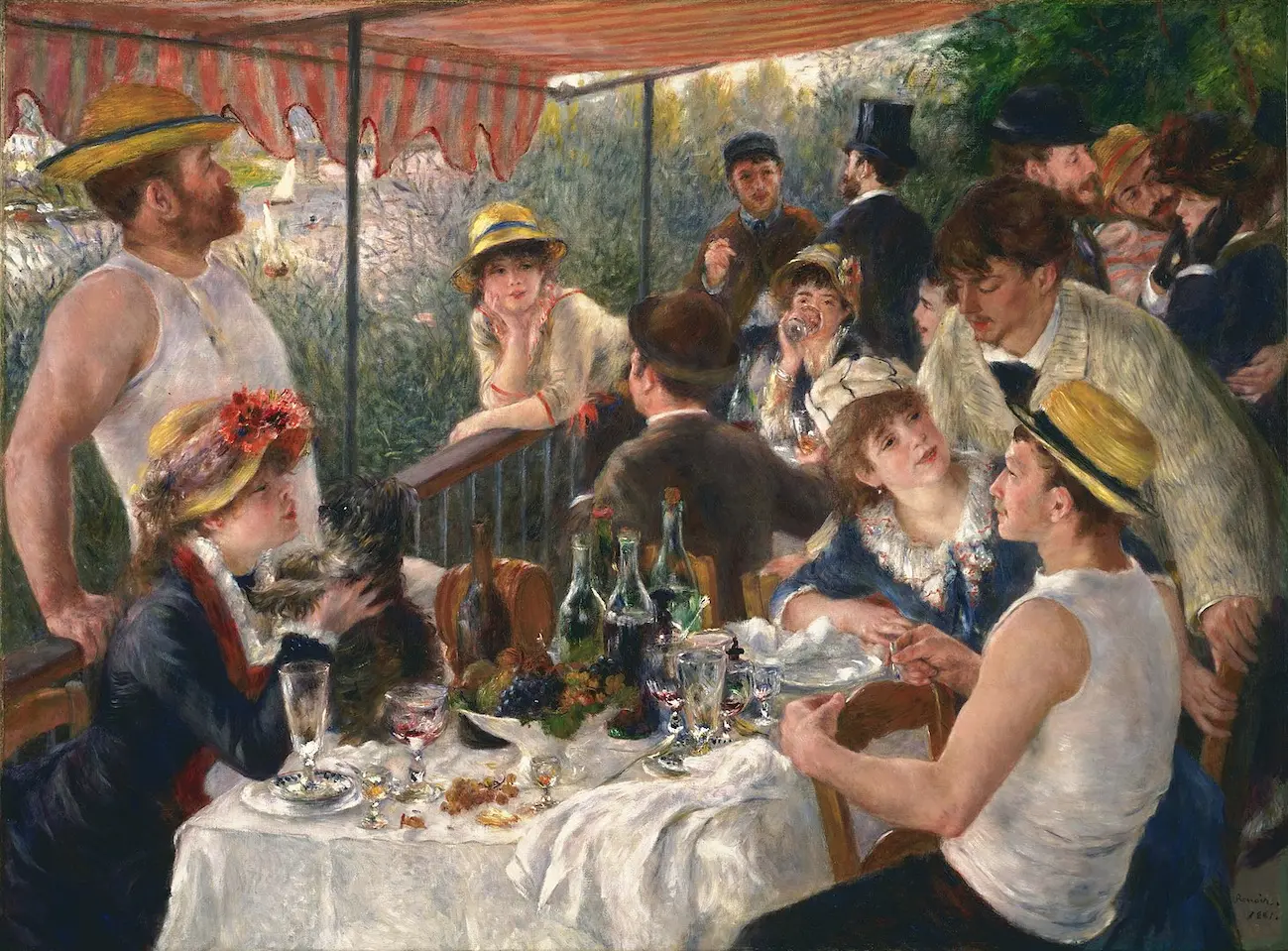
Natural lighting is a popular approach for portraits because it can create a gentle and realistic appearance. Light from a window or an outdoor environment can reveal facial features without producing excessive contrast.
Natural light is particularly effective when the aim is to capture the subject's personality in a relaxed and approachable way.
Natural lighting can be especially suitable for portraits intended to feel personal, warm and timeless.
Soft lighting occurs when light is diffused across the subject rather than concentrated in a small, intense source. This produces gradual transitions between highlights and shadows.
In portrait painting, soft lighting can create a flattering appearance by reducing harsh contrasts and revealing the face in a gentle, balanced way.
Soft lighting does not mean that the portrait lacks depth. Subtle shadows beneath the chin, around the nose and along the sides of the face can still establish natural form.
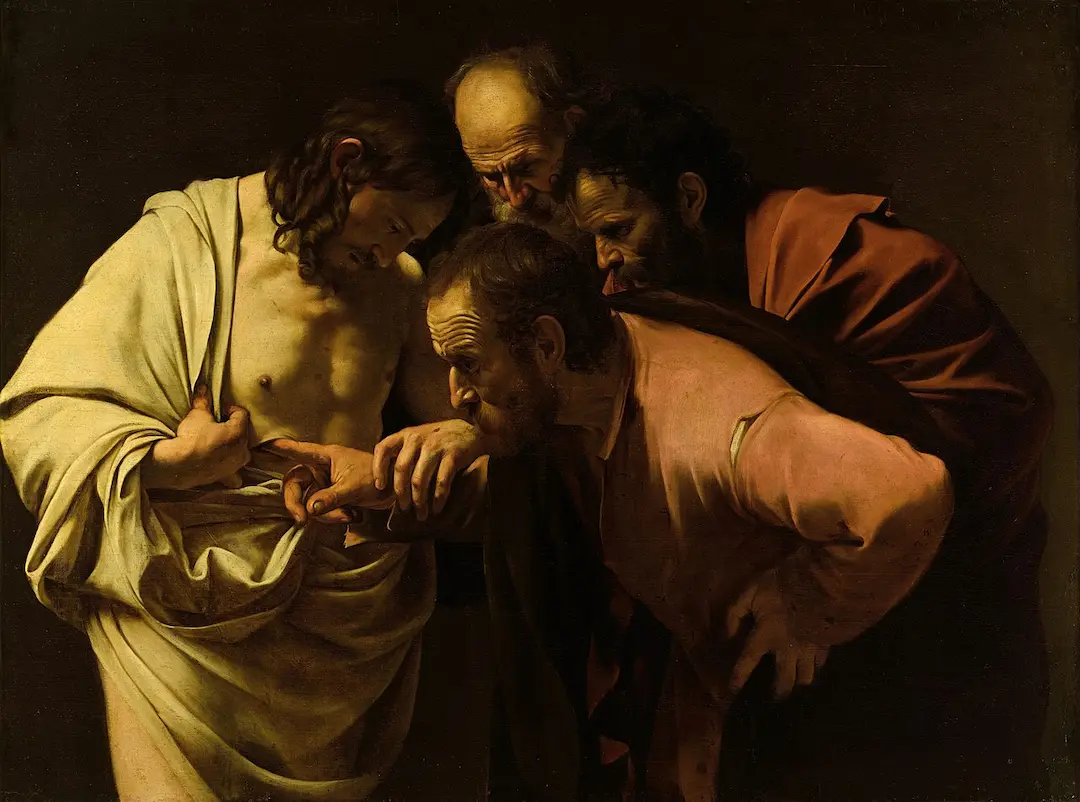
Dramatic lighting uses stronger contrasts between illuminated and shadowed areas. It can create a striking visual effect and give an oil portrait a powerful sense of depth.
This approach has a long association with traditional European portraiture, particularly paintings in which the subject emerges from a dark background into a concentrated area of light.
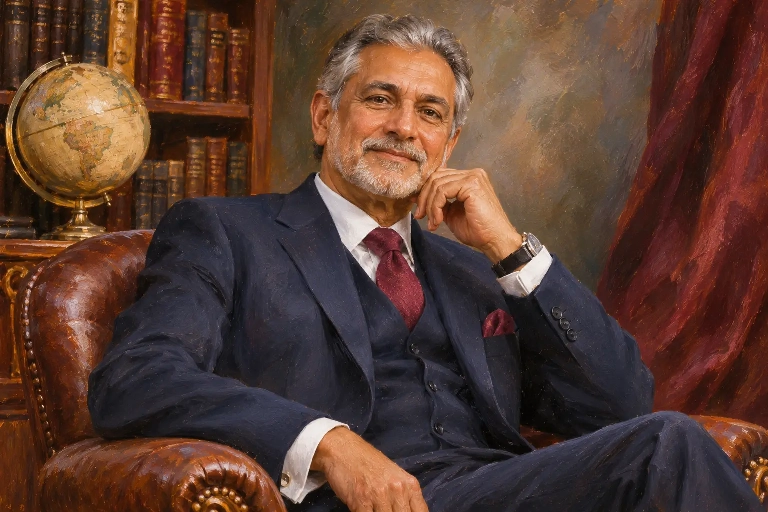
Dramatic lighting is particularly suitable for formal individual portraits, executive portraits and paintings inspired by classical oil portraiture.
However, strong shadows need to be handled carefully. Important facial features should remain recognisable, and the shadow areas should retain enough tonal information to communicate the subject's appearance.
Chiaroscuro is an artistic technique that uses contrasting areas of light and darkness to create the impression of volume and depth. The term comes from the Italian words for light and dark.
The technique became particularly influential during the Renaissance and Baroque periods. Artists used controlled illumination to make figures appear more dimensional and to direct attention towards important parts of a composition.
In portraiture, chiaroscuro can create a powerful relationship between the subject and the surrounding background. A face illuminated from one side can appear to emerge from shadow, making the expression and facial structure more prominent.
Chiaroscuro can be particularly effective when commissioning a traditional oil portrait with a rich, classical appearance.
Rembrandt lighting is named after the Dutch painter Rembrandt van Rijn, whose portraits frequently feature a distinctive arrangement of light and shadow.
One recognisable feature is a small illuminated triangular area on the shadowed cheek, beneath the eye. This is often called the Rembrandt triangle.
The effect is typically produced by positioning the light source above and to one side of the subject, allowing one side of the face to receive more illumination than the other.
Rembrandt-inspired lighting can work particularly well for individual portraits, although it can also be adapted for couples and other compositions.
Side lighting illuminates the subject from one direction, creating a visible difference between the illuminated and shadowed sides of the face.
This approach can emphasise the contours of the cheekbones, nose, jawline and forehead. It can also introduce a strong sense of depth without necessarily making the portrait excessively dramatic.
The strength of the light should be considered carefully. Too much contrast can obscure important details, while a balanced arrangement can create an elegant and expressive result.
Front lighting places the main light source in front of the subject. It illuminates the face relatively evenly and can reduce the depth of facial shadows.
This arrangement can create a bright, clear and approachable appearance. It is often suitable when the main priority is to show the subject's facial features clearly.
One consideration is that very even front lighting can make a portrait appear flatter. Subtle tonal variation is still important to create natural facial structure.
Backlighting occurs when the main light source is positioned behind the subject. It can create a bright outline around the hair, shoulders or body, helping distinguish the figure from the background.
In an oil portrait, backlighting can create a soft glow and introduce a sense of atmosphere. It can also be used alongside gentle front illumination to retain important facial details.
Backlighting can be particularly attractive when combined with carefully controlled highlights. However, the face should not become excessively dark or lose its defining features.
The colour temperature of light can influence the emotional atmosphere of a portrait. Warm and cool lighting create different visual impressions and can interact with the subject's skin tones, clothing and background.
Warm lighting contains golden, yellow or amber tones. It can create a welcoming, intimate and traditional atmosphere.
It is often suitable for:
Cool lighting contains blue, grey or cooler neutral tones. It can produce a calm, restrained or contemporary appearance.
It may be suitable for:
Warm and cool tones can also be combined. A warm light on the face against a cooler background, for example, can create an interesting visual relationship and help the subject stand out.
Lighting affects how the subject's skin tones are represented in an oil portrait. The same face can appear very different under warm, cool, soft or dramatic illumination.
The artist needs to consider the relationship between light, shadow and the natural colours of the subject's skin.
Important areas include:
Skin tones are not simply a single colour. They contain subtle variations influenced by the lighting environment, surrounding colours and the natural characteristics of the subject.
A successful portrait preserves these variations while maintaining the individual's recognisable likeness.
Lighting affects more than the face. It also influences the appearance of clothing, accessories and the background.
Light can reveal the texture and shape of different fabrics. Silk may show brighter highlights, velvet can create deep tonal contrasts, and embroidered garments may reveal their patterns through carefully placed illumination.
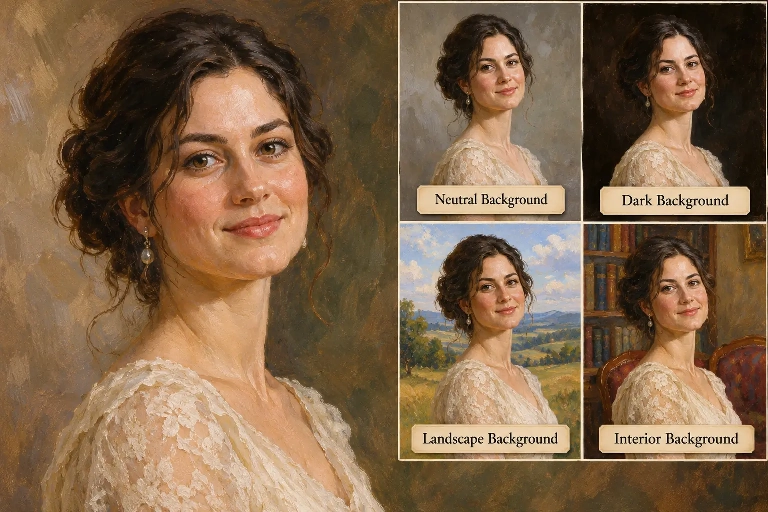
A darker background can make an illuminated subject appear more prominent, while a lighter background can create an open and gentle atmosphere. Directional lighting can also introduce shadows and highlights that help establish depth within an interior or landscape setting.
Jewellery, watches, glasses and other accessories can reflect light and create small areas of visual interest. These details should be handled carefully so that they complement the subject rather than distract from the face.
The most suitable lighting approach depends on the subject, the purpose of the painting and the atmosphere you want to create.
Soft natural lighting can create a familiar and balanced appearance, while side lighting or Rembrandt-inspired lighting can produce a more classical and distinguished presentation.
Family portraits generally benefit from balanced lighting that allows each person to remain clearly visible. The light should work consistently across the composition so that no individual appears disconnected from the group.
Soft and gentle lighting is often suitable for children's portraits. It can create a warm, natural appearance while preserving delicate facial features and expressions.
Warm lighting can create a romantic and elegant atmosphere. Soft highlights and gentle shadows can also complement wedding clothing and introduce a sense of occasion.
Controlled directional lighting can create a polished and confident appearance. The lighting should reveal the subject's features clearly while maintaining an appropriate professional atmosphere.
Lighting can reveal the texture of fur, the shape of an animal's face and the distinctive details of its coat. For equine portraits, carefully placed highlights can help communicate the horse's muscular structure and the natural sheen of its coat.
Yes. The lighting in a commissioned oil portrait does not always need to reproduce the original photograph exactly.
A photograph may have been taken in bright sunlight, under indoor lighting or in an environment that creates unwanted shadows. The artist can use the photograph as a reference for the subject's appearance while considering a different lighting arrangement for the painting.
For example, a portrait based on a brightly lit photograph could be developed with softer illumination and a more understated background. Alternatively, a simple photograph could inspire a more dramatic classical arrangement.
Additional photographs can help clarify the subject's facial features, clothing and natural appearance. The intended lighting should be discussed alongside the pose, background and overall composition.
Before commissioning an oil portrait, consider the atmosphere and artistic character you would like the finished painting to have.
Ask yourself:
These decisions can help establish the desired visual direction and guide the selection of suitable reference photographs.
Lighting can greatly improve an oil portrait, but certain approaches may make the composition less successful.
A balanced lighting arrangement helps the subject remain recognisable while giving the painting depth, atmosphere and artistic character.
Lighting is one of the defining elements of an oil portrait. It influences how the subject's face, expression, clothing and background are presented, helping determine the mood and overall character of the painting.
Soft natural lighting can create warmth and familiarity, while dramatic lighting introduces depth and classical elegance. Techniques such as chiaroscuro and Rembrandt lighting demonstrate how the careful use of light and shadow can transform a portrait into a powerful artistic composition.
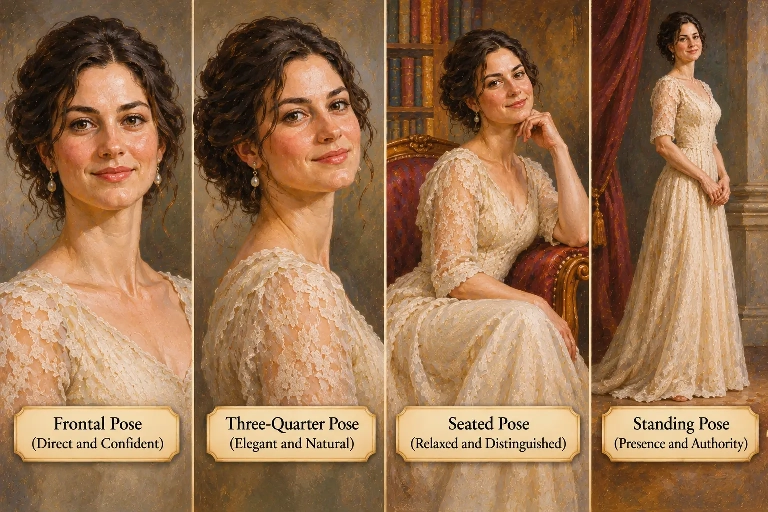
When commissioning a portrait, consider lighting alongside the subject's pose, clothing, background and canvas size. A carefully selected approach can create a balanced and expressive painting that captures both the subject's appearance and personality.
At GFM Painting, a personalised oil portrait can be developed around your chosen photographs and artistic preferences. Whether you prefer soft natural illumination, a traditional classical appearance or a more dramatic composition, thoughtful planning helps create a painting that reflects the subject's individuality.
Explore the possibilities of a hand-painted oil portrait and create a meaningful work of art for yourself or someone special.
Websites Built to Grow Your Business
Professional Web Design • Development • SEO • Digital Marketing
Read More
Discover a different perspective on wealth, stewardship, purpose and leadership.
Read MoreLighting is one of the most powerful elements in portrait painting. It shapes the subject's appearance, defines facial features and establishes the atmosphere of the finished artwork.
Soft natural lighting can create a gentle and welcoming impression, while dramatic illumination introduces depth, contrast and classical character. The direction of light also influences how the viewer perceives the subject's expression and personality.
Traditional techniques such as chiaroscuro and Rembrandt lighting demonstrate how artists use highlights and shadows to create dimension and visual interest. These approaches can transform a simple likeness into a compelling artistic composition.
For a commissioned oil portrait, lighting can be interpreted to complement the subject's pose, clothing and background. It does not always need to reproduce the original photograph exactly.
Ultimately, carefully considered lighting helps bring together the different elements of a portrait, creating a balanced, expressive and lasting work of art.
Frequently Asked Questions
Soft directional lighting is a popular choice because it creates natural depth while keeping facial features clearly visible. Rembrandt-inspired lighting is another excellent option for a classical appearance, combining gentle highlights with carefully controlled shadows.
Yes. Dramatic lighting can create an elegant and distinctive family portrait. However, the contrast should be carefully balanced so that every family member remains clearly visible and the overall composition feels harmonious.
Rembrandt lighting is a classical technique that creates a small triangular highlight on the shadowed cheek. It uses light and shadow to give the face depth, dimension and a distinctive traditional appearance.
Yes. The artist can interpret the lighting differently from the original photograph. For example, harsh sunlight can be softened, shadows can be adjusted or more dramatic illumination can be introduced to complement the desired artistic style.
Absolutely. Lighting influences how skin tones, clothing and background colours appear. Warm lighting can create a golden, inviting atmosphere, while cooler lighting can produce a calmer, more contemporary effect. Balancing these colours helps create a harmonious finished painting.

GFM Designer Ltd
Maultway Court
67-69 Ruxley Lane
Epsom, Surrey
KT19 0JG. UK

E-MAIL : info@gfmpainting.co.uk
PHONE : +44 (0) 203 592 3482
MOBILE : +44(0) 7834 393 396