Your favourites are only temporarily saved. To find them back, create your account on GFM Painting!
Already have account ?

No gift cards in your cart.
November 18, 2026


A formal portrait is more than a painted likeness. It is a carefully composed work of art that captures a person's appearance, character and presence in a timeless and elegant style. Whether commissioned to celebrate an important achievement, recognise a family member, commemorate a loved one or create a lasting family heirloom, a formal portrait can become a meaningful piece of personal art.
Traditional formal portraits are often associated with carefully selected clothing, considered poses, balanced compositions and elegant backgrounds. However, a modern formal portrait can also incorporate personal details that reflect the individual's personality, interests and achievements.
If you are considering commissioning a formal oil portrait, understanding the process will help you make informed decisions about the photographs, composition, clothing, background, painting style and final presentation. This guide explains the important considerations involved in creating a personalised formal portrait.
To commission a formal portrait, begin by deciding who will be painted and the style and composition you prefer. Select clear reference photographs, consider the subject's clothing and pose, and discuss the background, painting medium, size and other artistic details with the portrait artist. These decisions help establish a clear direction for the finished painting.
A formal portrait is a carefully composed representation of an individual or group, traditionally featuring considered poses, appropriate clothing, balanced lighting and a complementary background. It is designed to present the subject with dignity and presence while capturing their individual likeness and character. Formal portraits can be traditional, contemporary or personalised.
Yes. A formal portrait can be created using one or more reference photographs. These provide the artist with information about the subject's facial features, expression, clothing and appearance. Additional photographs can help clarify details or provide references for a preferred pose, background or setting.
A formal portrait is a painting in which the subject is presented in a considered and deliberate manner. Traditionally, formal portraits were commissioned to record the appearance and status of important individuals, families, leaders and prominent members of society.
Historically, formal portraiture was closely associated with royalty, aristocracy, political figures and wealthy families. These paintings often featured elaborate clothing, carefully arranged poses, symbolic objects and architectural or landscape backgrounds.
Today, formal portraits are commissioned for many different reasons. They can celebrate personal achievements, recognise professional contributions, preserve family history or create a lasting tribute to someone important.
Although formal portraiture often has a traditional appearance, it does not need to be overly rigid. A successful portrait combines dignity and elegance with a natural representation of the subject's personality.
There are many reasons to commission a formal portrait. Unlike a standard photograph, a hand-painted portrait offers an artistic interpretation of the subject, with particular attention given to composition, colour, lighting and expression.
A formal portrait can recognise a significant milestone or achievement. It may commemorate a distinguished career, professional appointment, academic accomplishment, retirement or another important stage in life.
Formal portraits can become important family possessions, preserving the appearance of parents, grandparents and other relatives for future generations. A carefully painted portrait can form part of a family's visual history and be passed down as an heirloom.
Business leaders, company founders, senior executives and professionals may commission formal portraits to recognise their contributions or mark an important professional milestone. These paintings can also be displayed in offices, boardrooms and professional environments.
A formal portrait can provide a lasting tribute to someone who has passed away. By working from photographs, an artist can create a painting that preserves the person's appearance and captures the qualities remembered by family and friends.
A commissioned formal portrait can make a meaningful gift for milestone birthdays, wedding anniversaries, retirement celebrations and other important occasions. Its personalised nature makes it different from a conventional purchased gift.
The composition determines how much of the subject is visible and how they are positioned within the painting. The most suitable option depends on the intended appearance, the purpose of the commission and where the finished artwork will be displayed.
A head-and-shoulders portrait concentrates on the face, expression and upper body. It is a traditional choice for formal individual portraits where facial likeness is the main priority.
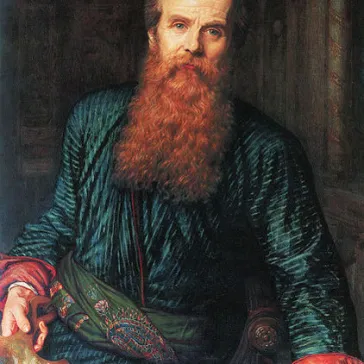
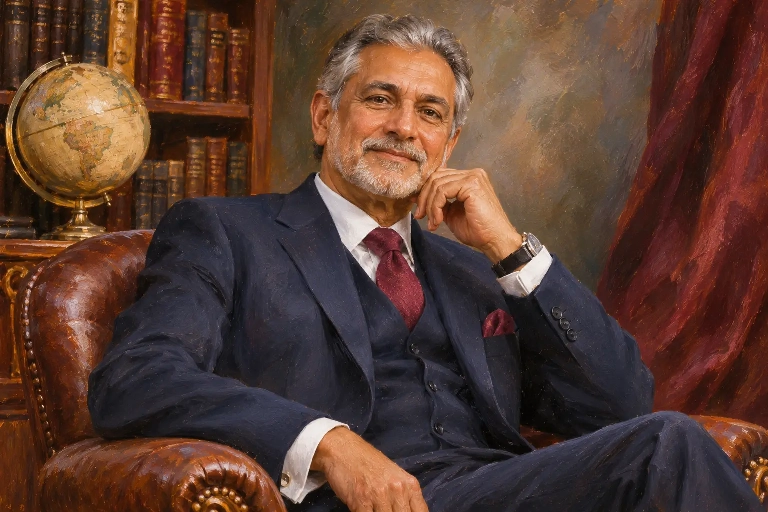
A half-length portrait generally includes the subject from around the waist upwards. It provides more room to show clothing, posture and hand positioning while retaining a strong emphasis on the face.
A three-quarter-length composition includes more of the body, often extending towards the knees. It provides additional space for formal clothing, posture and selected accessories.
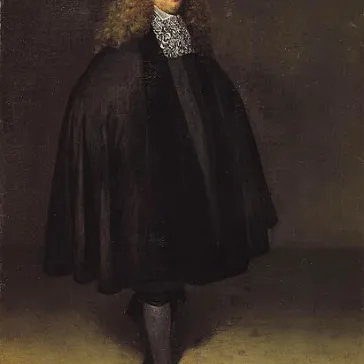
A full-length portrait shows the subject from head to foot. This composition can create a particularly impressive formal presentation and may incorporate furniture, architectural features or a more elaborate background.
When choosing a composition, consider the proportions of the canvas and the available space for displaying the painting. A full-length portrait will generally require a larger format than a head-and-shoulders painting.
Reference photographs are an important part of commissioning a portrait. They help the artist understand the subject's appearance, facial features, expression, clothing and preferred presentation.
Ideally, provide clear, high-resolution photographs with good lighting and visible facial details. A photograph showing the subject looking naturally towards the camera can be a useful starting point, although other angles may also be appropriate depending on the desired composition.
If you do not have one photograph that captures everything, you may be able to provide several reference images. For example, one photograph may provide the preferred facial expression, while another shows the clothing or pose you would like to include.
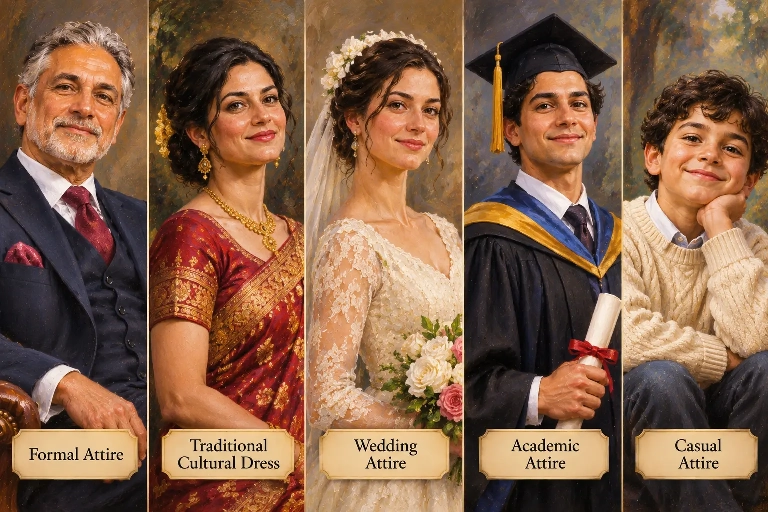
Clothing has a significant influence on the appearance and character of a formal portrait. The choice should reflect the purpose of the painting and how you would like the subject to be represented.
Traditional formal clothing can create a classic and timeless appearance. Examples include suits, jackets, formal dresses, evening wear and traditional ceremonial clothing.
For business and leadership portraits, professional clothing can communicate confidence and authority. Suits, formal jackets and professional attire are common choices, although the most suitable option depends on the individual's role and personality.
Academic gowns, graduation attire, ceremonial uniforms and other distinctive garments can be incorporated when the portrait celebrates an achievement or important occasion.
Traditional clothing can introduce personal identity, heritage and cultural significance. Embroidery, jewellery, fabrics and other distinctive details can contribute to a portrait's individuality.
When selecting clothing, consider how its colours will work with the background and overall composition. Strong patterns and highly detailed garments can be effective, but they should not overwhelm the subject's face.
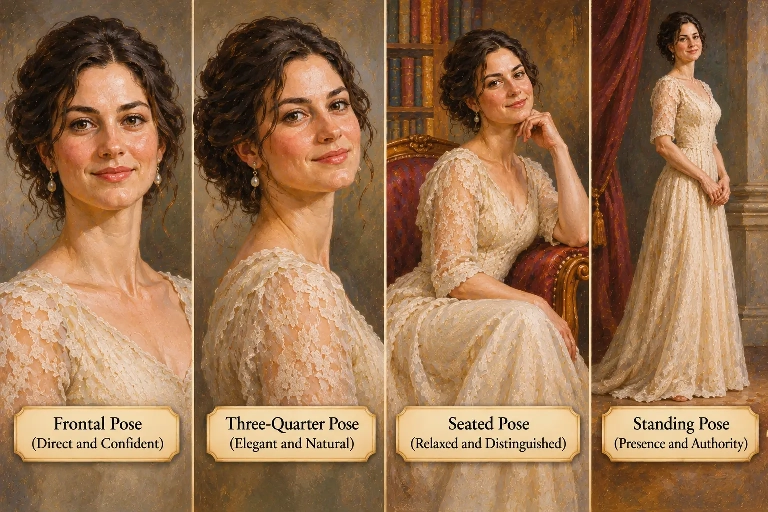
The pose and expression help establish the personality and atmosphere of a formal portrait. A traditional frontal pose can communicate dignity and authority, while a slight turn of the shoulders or head can introduce a more relaxed and natural quality.
Common approaches include:
The expression should feel appropriate to the individual and the purpose of the commission. A formal portrait does not necessarily require a serious expression. A natural smile can create warmth while retaining an elegant presentation.
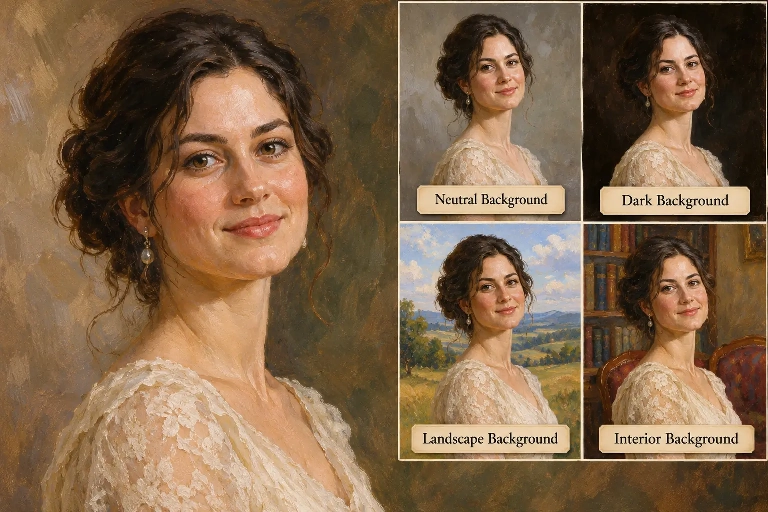
The background contributes to the atmosphere, depth and visual balance of a formal portrait. It should complement the subject and help establish the intended style without drawing too much attention away from the person being painted.
Neutral backgrounds in warm grey, beige, brown or muted tones create a timeless and understated appearance. They are particularly suitable when the main emphasis is on the subject's face and clothing.
Deep brown, charcoal, burgundy and dark green can create a classical and dramatic atmosphere. These backgrounds are often associated with traditional oil portraiture and can help establish a sense of depth.
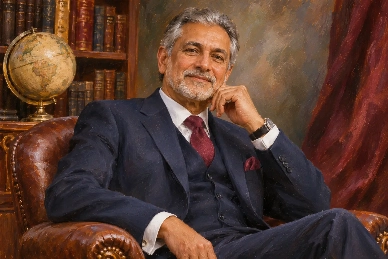
A library, study, elegant room or architectural setting can create a more personalised formal portrait. Interior details may also reflect the subject's professional achievements, interests or family history.
Gardens, countryside and other outdoor settings can introduce a natural atmosphere. A meaningful location can make the painting more personal, particularly when it has a connection to the subject's life.
The background can be based on the original photograph or developed using separate reference images. The important consideration is that the setting supports the subject and the intended composition.
Oil painting is particularly well suited to formal portraiture because it allows the artist to develop rich colours, subtle tonal variations, depth and detailed facial features.
However, formal portraits can be approached in different artistic styles.
A classical approach often features carefully developed facial details, controlled lighting, rich colours and balanced composition. It can create a timeless appearance inspired by traditional portrait painting.
A realistic style places emphasis on accurate facial features, skin tones, clothing details and natural proportions. It is a suitable approach when capturing the subject's likeness is particularly important.
A contemporary formal portrait may use simpler backgrounds, more restrained compositions and a modern colour palette while retaining the elegance associated with traditional portraiture.
A more expressive approach may incorporate visible brushwork, stronger colour relationships and a less photographic treatment. This can create a distinctive artistic character while retaining the essential likeness of the subject.
When selecting a style, consider whether you prefer a classical appearance, a highly realistic representation or a more interpretative artistic approach.
The size of a formal portrait should be considered in relation to its composition, the number of people being painted and the intended display location.
A smaller canvas may be appropriate for a head-and-shoulders portrait, while a larger format may be more suitable for a half-length or full-length composition.
Before deciding on the dimensions, consider:
Portraits are commonly produced in portrait-oriented rectangular formats, although other dimensions may be appropriate depending on the composition. The final size should provide sufficient space for the subject without making the painting feel crowded.
The cost of commissioning a formal portrait depends on several factors. There is no single price that applies to every commission because each painting involves different artistic requirements.
Factors that can influence the overall cost include:
It is helpful to discuss the composition, size and desired level of detail when requesting a quotation. This allows the requirements of the individual commission to be considered before work begins.
Commissioning a formal portrait involves several creative decisions. Having a clear idea of the intended result can make the process easier and help ensure that the important details are communicated.
Decide who will be painted and why the portrait is being commissioned. This will help determine the most appropriate style, composition and presentation.
Collect clear photographs showing the subject's facial features, preferred expression, clothing and any other important details. Additional images may be useful if you want to combine elements from different photographs.
Consider whether you prefer a head-and-shoulders, half-length, three-quarter-length or full-length portrait. Think about the pose and the amount of background you would like to include.
Choose a setting and clothing that complement the subject. If you want a personalised background, provide reference images and explain why the location or details are important.
Consider whether a traditional, realistic or contemporary oil painting style would best suit the commission. The canvas dimensions should be appropriate for the composition and intended display location.
Before the painting begins, make sure the agreed requirements are clear. These may include the subject, reference photographs, composition, clothing, background, dimensions and preferred artistic approach.
The time required to complete a formal portrait depends on the size, composition, number of subjects and level of detail involved. A simple head-and-shoulders painting may require less work than a large full-length portrait with elaborate clothing and a detailed background.
Oil painting also involves stages of artistic development and drying. The artist must consider the development of the painting and the handling of the paint layers as the work progresses.
If the portrait is being commissioned for a birthday, anniversary, retirement or other special occasion, it is sensible to discuss the intended deadline in advance. Allowing sufficient time helps avoid unnecessary pressure during the commissioning process.
Once completed, a formal portrait can become a focal point in a home, office, study or family setting. Its display should complement the painting's size, colours and overall character.
Traditional portraits can work particularly well above fireplaces, in formal living rooms, entrance halls, libraries and offices. Larger paintings may benefit from a wall with sufficient surrounding space so that the composition can be appreciated properly.
Proper display and care can help preserve the appearance of a hand-painted oil portrait over time.
A successful commission begins with clear planning. Certain mistakes can make it more difficult to achieve the intended result.
Taking time to consider these details can help establish a clear vision for the finished portrait.
A formal portrait is a lasting way to celebrate an individual, recognise an achievement or preserve an important part of family history. Its impact comes from the combination of likeness, expression, composition, clothing, background and artistic style.
Whether you prefer a traditional classical portrait or a more contemporary interpretation, careful planning helps create a painting that reflects the subject with dignity and individuality.
By selecting suitable reference photographs, considering the pose and background, and choosing the right size and painting style, you can develop a clear direction for your commission. The result can become a treasured work of art that is enjoyed by family members and future generations.
At GFM Painting, a formal portrait can be created from your chosen photographs and artistic preferences. Consider the composition, clothing, background and painting style that best represent the person being portrayed.
Explore the possibilities of a personalised hand-painted oil portrait and create a meaningful artwork to celebrate an individual, family member or important occasion.
Websites Built to Grow Your Business
Professional Web Design • Development • SEO • Digital Marketing
Read More
Discover a different perspective on wealth, stewardship, purpose and leadership.
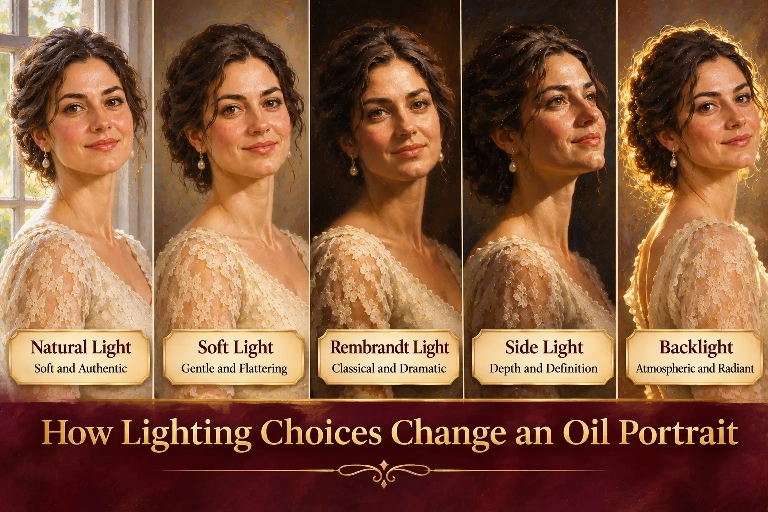
Read MoreA formal portrait is a celebration of an individual's character, presence and achievements. Through careful composition, considered clothing and thoughtful lighting, a hand-painted portrait can create an elegant and lasting representation of its subject.
Traditional portraiture has long been associated with dignity, heritage and personal legacy. Today, formal portraits continue to offer a meaningful way to recognise family members, professional achievements and important milestones.
The choice of pose, background and painting style helps determine the character of the finished artwork. From classical oil portraiture to contemporary interpretations, each decision contributes to the overall presentation.
A carefully selected photograph provides the starting point, while the artist's interpretation brings the subject to life through colour, texture and detail.
Whether commissioned as a family heirloom, a professional tribute or a special gift, a formal portrait can become a treasured work of art for generations to come.
Frequently Asked Questions
Yes. A formal portrait can be painted using an old photograph, provided it offers sufficient visual information about the subject. You can also provide additional photographs to help clarify facial features, clothing, hairstyle and other important details.
A frontal or three-quarter pose is a popular choice for formal portraits. Seated and standing compositions can also work well. The best pose depends on the subject's personality, the intended style and whether you prefer a traditional or contemporary appearance.
Yes. You can discuss changing the clothing or background when planning your commission. For example, you might choose traditional formal attire, professional clothing or cultural dress, together with a neutral, classical or personalised background.
The ideal size depends on the composition and where you intend to display the painting. Head-and-shoulders portraits can work well on smaller canvases, while half-length and full-length portraits generally benefit from larger dimensions to accommodate the subject and finer details.
GFM Designer Ltd
Maultway Court
67-69 Ruxley Lane
Epsom, Surrey
KT19 0JG. UK
E-MAIL : info@gfmpainting.co.uk
PHONE : +44 (0) 203 592 3482
MOBILE : +44(0) 7834 393 396