☰

November 19, 2026

GFM Painting Logo
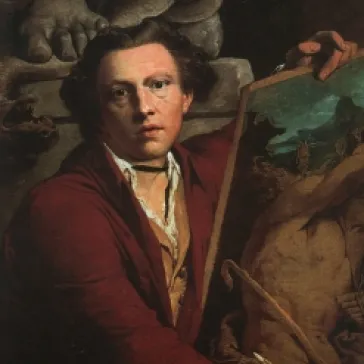
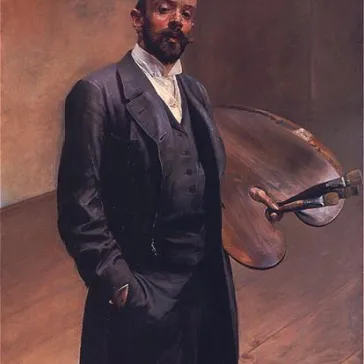
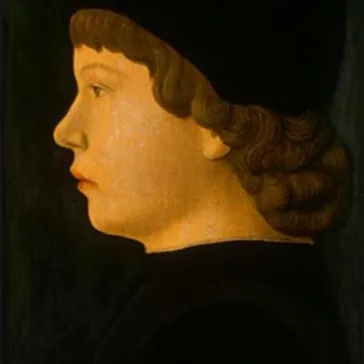
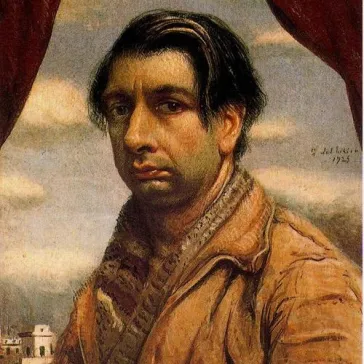
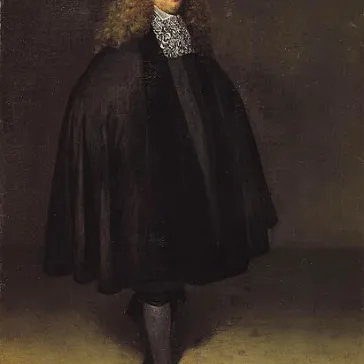
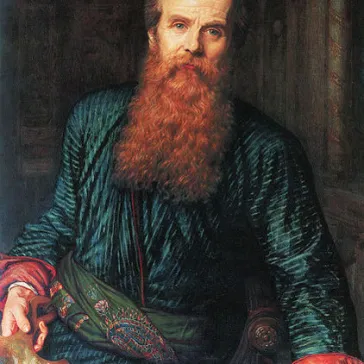
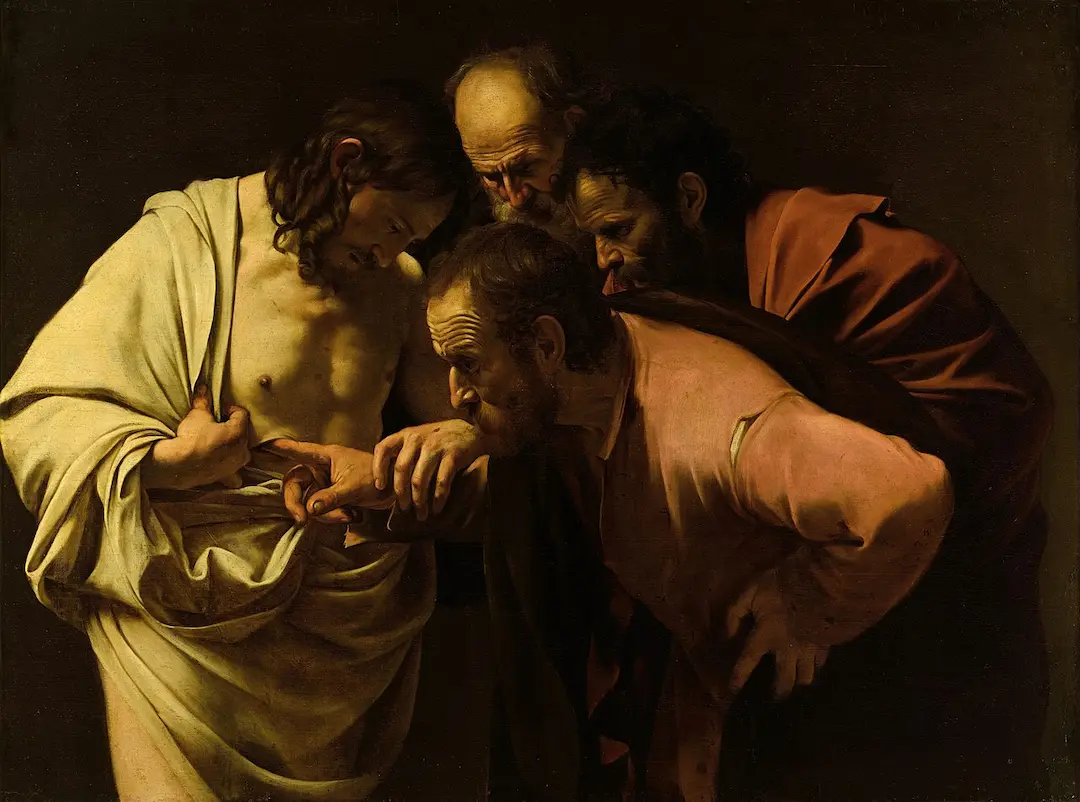
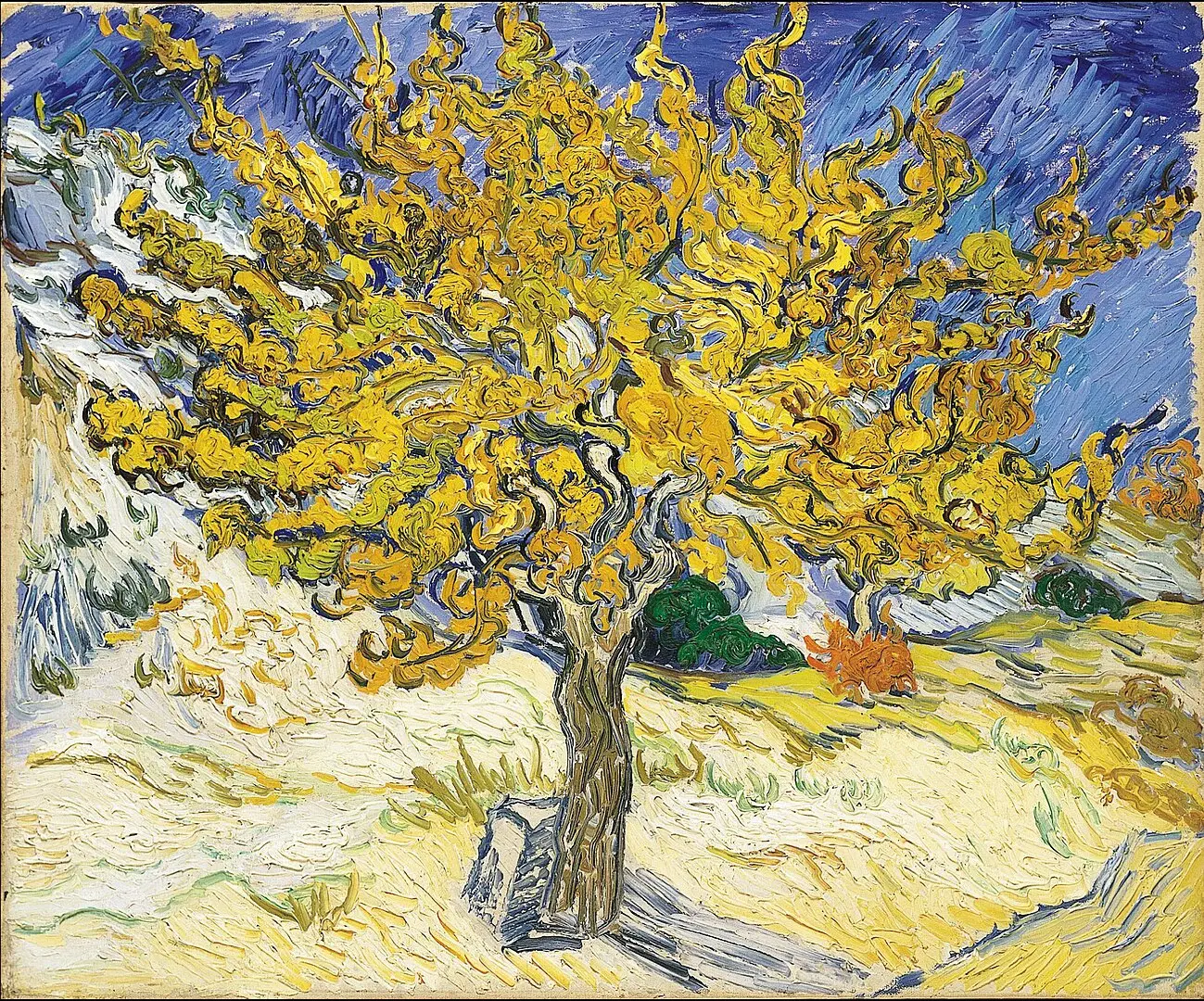
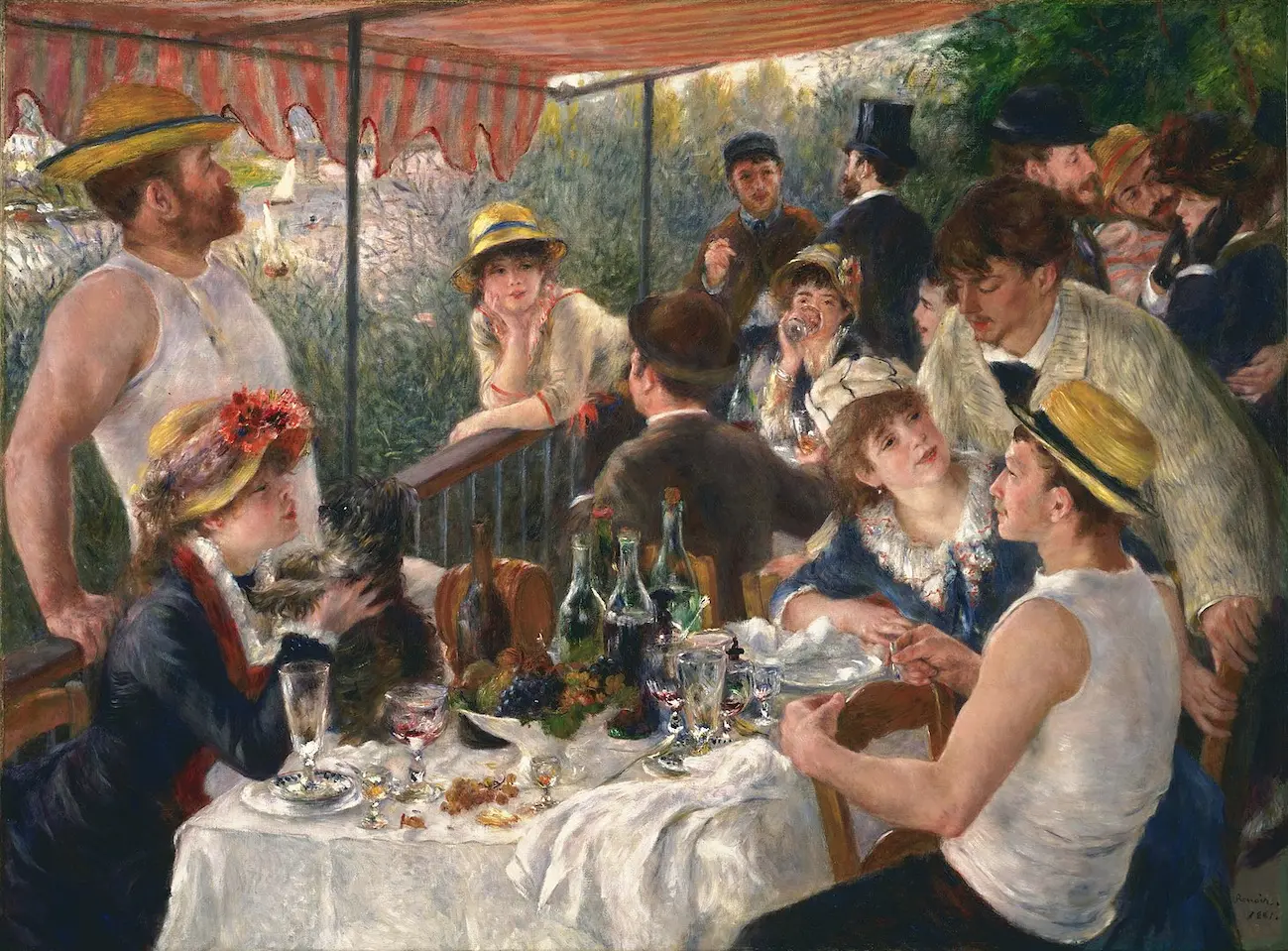
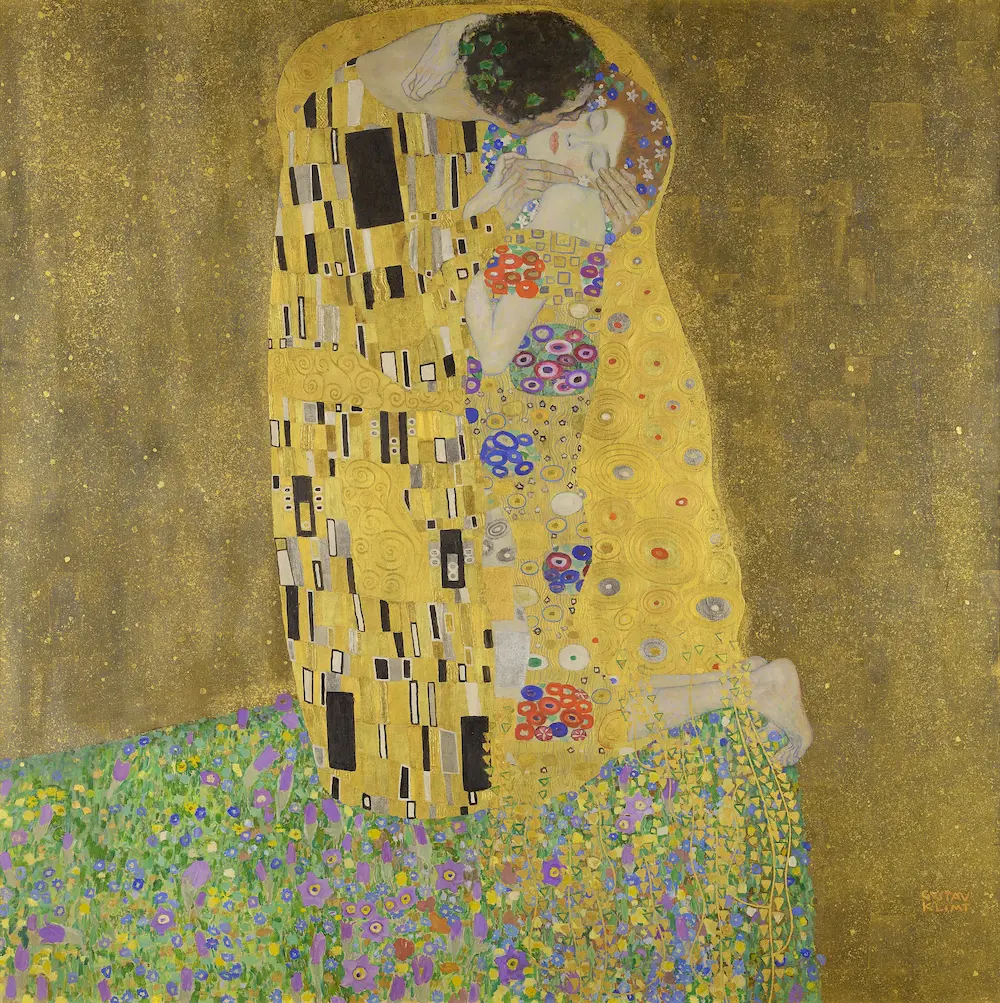
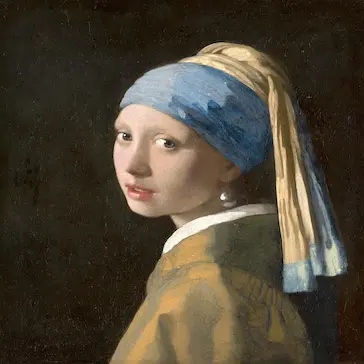
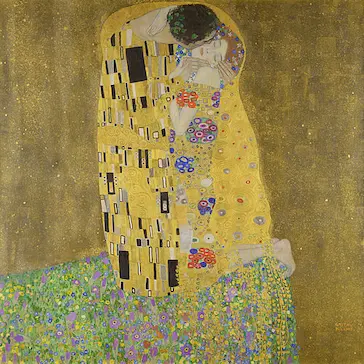
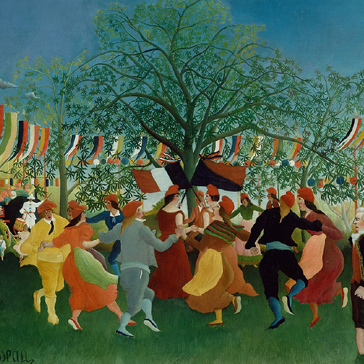
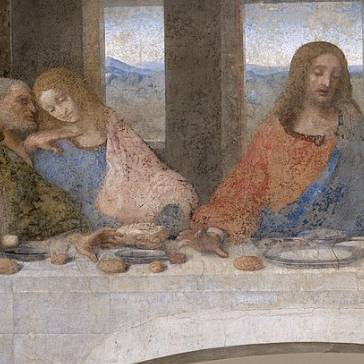
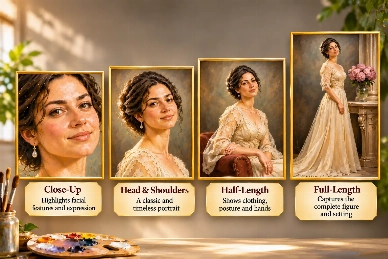
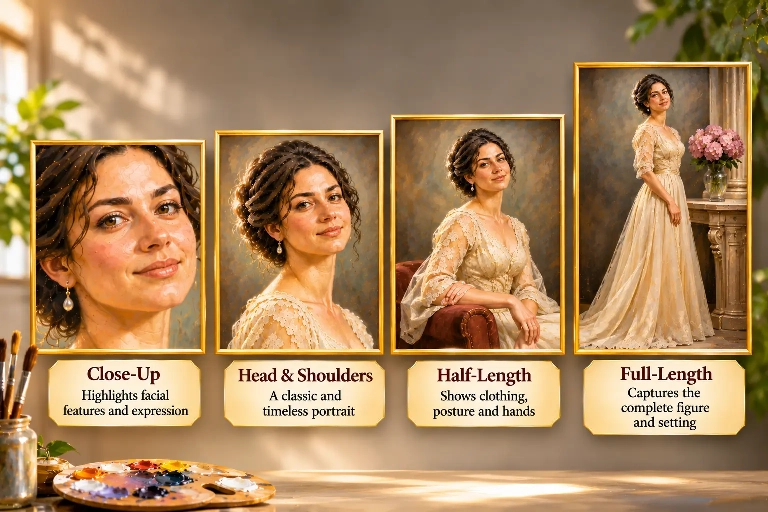
Modern illustrated oil portrait infographic showing four cropping styles: close-up, head-and-shoulders, half-length and full-length, demonstrating how composition changes the presentation of a commissioned portrait.

Cropping is one of the most important decisions when transforming a photograph into a hand-painted oil portrait. It determines how much of the subject is visible, where the viewer's attention is directed and how the overall composition feels.

A close-up crop can emphasise facial features, expressions and personality, while a wider composition can reveal clothing, posture, hands and surrounding details. A carefully selected crop can also improve the balance of the painting, remove distractions and create a stronger visual connection with the subject.

When commissioning an oil portrait from a photograph, the original image does not necessarily have to be reproduced with exactly the same framing. Cropping can be adjusted to achieve a more attractive and harmonious painting.

Understanding the different cropping choices will help you decide how you want your finished portrait to look.

How Does Cropping Affect an Oil Portrait?

Cropping affects the composition, visual focus and emotional impact of an oil portrait by determining which parts of the subject and surroundings are included. A close-up crop emphasises facial expression, while a wider crop provides more context through clothing, posture and background details. The right crop creates a balanced composition that presents the subject effectively.

What Is the Best Crop for a Traditional Oil Portrait?

The best crop depends on the subject and the intended artistic effect. A head-and-shoulders crop is popular for traditional individual portraits because it focuses attention on the face. Half-length and full-length crops provide more room for clothing, posture and background details, making them suitable for formal portraits and more elaborate compositions.

Can an Artist Change the Cropping of My Photograph?

Yes. The cropping of a photograph can be adjusted when creating a commissioned oil portrait. The artist may remove distracting elements, reposition the subject, include more background or change the composition to suit the canvas dimensions. Any adjustments should preserve the subject's natural proportions and maintain the character of the original photograph.

Understanding the Importance of Cropping in Oil Portraiture

Cropping determines the boundaries of a painting. It establishes what the viewer sees and what remains outside the composition.

Although the original photograph provides the starting point, the artist can consider alternative ways of presenting the subject. A photograph taken casually may contain unnecessary background details, awkward spacing or elements that distract from the person being portrayed.

A carefully considered crop can improve the composition by:

  • Directing attention towards the subject.
  • Emphasising facial features and expressions.
  • Improving the balance between the subject and background.
  • Removing distracting objects or unwanted details.
  • Creating a more suitable composition for the canvas.
  • Establishing a particular mood or artistic style.

Cropping is therefore not simply about removing parts of a photograph. It is an artistic decision that influences how the finished portrait communicates with the viewer.

Close-Up Cropping: Emphasising Facial Features and Expression

A close-up crop places the face at the centre of attention. It reduces the amount of clothing and background visible, allowing the artist to concentrate on facial features and expression.

This approach is particularly effective when the photograph captures a meaningful expression or distinctive personality.

Close-up portraits can emphasise:

  • The eyes and direction of the gaze.
  • Facial expression and emotion.
  • Skin tones and subtle facial details.
  • Hair texture and styling.
  • Individual characteristics and personality.

A close-up composition can create a strong emotional connection between the subject and viewer.

It is particularly suitable for individual portraits, memorial paintings and photographs where the face is the most important element.

However, cropping too closely can make a portrait feel restricted. The artist needs to consider the positioning of the face and allow enough space around the head to maintain a natural composition.

Head-and-Shoulders Cropping: A Classic Portrait Composition

Head-and-shoulders cropping is one of the most versatile approaches to traditional portraiture.

It includes the subject's head, shoulders and upper chest, providing enough space to show facial expression while introducing some clothing and background detail.

This composition offers several advantages:

  • It keeps attention on the face.
  • It provides a balanced amount of surrounding space.
  • It allows clothing to contribute to the overall appearance.
  • It works well with portrait-oriented canvases.
  • It creates a traditional and timeless presentation.

Head-and-shoulders compositions are particularly suitable for individual portraits, professional portraits and formal commissions.

They also provide flexibility when adapting photographs that were originally taken in different environments.

Half-Length Cropping: Including Clothing, Hands and Posture

A half-length crop includes more of the subject's body, usually from around the waist upwards.

This allows the artist to develop a broader composition and introduce additional visual elements.

A half-length portrait can include:

  • More detailed clothing.
  • Jewellery and accessories.
  • Arms and hand gestures.
  • Seated or standing posture.
  • Additional background elements.
  • Objects that have personal or symbolic meaning.

The inclusion of hands can be particularly important because gestures often communicate personality and emotion.

For example, a seated portrait with hands resting naturally may create a relaxed and thoughtful appearance. A formal standing composition may communicate confidence and authority.

Half-length cropping is particularly suitable for formal portraits, couple portraits and compositions where clothing and posture contribute significantly to the subject's identity.

Full-Length Cropping: Capturing the Complete Figure

A full-length composition includes the subject from head to feet, allowing the entire figure to become part of the painting.

This approach provides the greatest opportunity to represent posture, clothing, movement and surroundings.

Full-length portraits are particularly suitable for:

  • Formal individual portraits.
  • Wedding portraits.
  • Graduation portraits.
  • Historical and heritage-style commissions.
  • Equestrian portraits.
  • Portraits featuring distinctive clothing or uniforms.

The additional space also allows the artist to incorporate architectural details, furniture, landscapes and other meaningful elements.

Full-length portraits usually require more canvas space than close-up compositions. The dimensions and orientation should be selected carefully to ensure that the subject remains prominent without appearing too small within the painting.

Landscape Cropping: Creating Space and Context

Landscape cropping uses a wider horizontal composition. It can be particularly effective when two or more subjects are positioned alongside one another.

A landscape crop provides additional room for:

  • Couples and family groups.
  • Wider body compositions.
  • Surrounding environments.
  • Architectural and landscape backgrounds.
  • Interaction between multiple subjects.

This approach can create a more narrative composition, allowing the viewer to understand the relationship between the subject and the surrounding environment.

For example, a couple portrait may benefit from a horizontal composition because it allows both individuals to be represented comfortably without compressing their positioning.

Landscape cropping can also work well for family portraits and paintings that incorporate meaningful locations.

Portrait Cropping: Creating Focus and Visual Impact

Portrait cropping uses a vertical composition, making it particularly suitable for individual subjects.

The taller format naturally directs attention towards the face and body, allowing the subject to become the central feature.

Vertical compositions can be used for:

  • Head-and-shoulders portraits.
  • Half-length portraits.
  • Standing portraits.
  • Full-length paintings.
  • Formal and traditional commissions.

A vertical crop can also create a sense of elegance and formality, particularly when the subject is positioned centrally.

The crop should leave sufficient space around the head and body to avoid making the subject appear cramped.

How Cropping Changes the Relationship Between the Subject and Background

Cropping influences how much of the background appears in the finished portrait.

A close-up crop may remove most surrounding details, making the face the main focus. A wider crop can reveal the subject's environment and introduce additional meaning.

Background details can provide context about the subject's personality, interests, profession or personal history.

For example:

  • A garden background may create a relaxed and natural atmosphere.
  • A library can suggest an intellectual or traditional setting.
  • An architectural interior can provide a formal appearance.
  • A landscape can introduce a sense of place and personal significance.
  • A simple neutral background can keep attention firmly on the subject.

The artist should consider whether the background contributes meaningfully to the composition. Unnecessary details can often be removed or simplified without losing the character of the original photograph.

Cropping for Individual, Couple and Family Portraits

Different portrait types require different cropping approaches.

Individual Portraits

Individual portraits provide considerable flexibility. Close-up, head-and-shoulders, half-length and full-length compositions can all work effectively, depending on the intended presentation.

Couple Portraits

Couple portraits often benefit from wider compositions that allow both subjects to be positioned naturally. Cropping should preserve the relationship between the individuals while providing sufficient space around their faces and bodies.

Family Portraits

Family portraits require particular attention to spacing and proportion. The crop should allow each family member to remain visible without making the composition appear crowded.

Multi-Generation Portraits

Multi-generation portraits may require wider or more expansive compositions, particularly when several people are included. The artist must consider the arrangement of the subjects and ensure that each person is represented clearly.

Pet Portraits

Pet portraits can work well with close-up crops that emphasise the animal's face and expression. Wider compositions may be more appropriate when the animal's posture, body markings or surroundings are important.

The most suitable crop depends on the number of subjects and the story the painting is intended to communicate.

How Cropping Affects the Balance and Proportions of an Oil Portrait

Cropping changes the relationship between the subject and the available canvas space.

A poorly selected crop can make a portrait feel unbalanced, particularly when the subject is positioned too close to an edge or when important features are partially excluded.

Good composition considers:

  • The positioning of the subject within the canvas.
  • The amount of space above the head.
  • The distance between the subject and the edges.
  • The visibility of shoulders, arms and hands.
  • The relationship between foreground and background.
  • The overall proportions of the composition.

The rule of thirds can sometimes help establish an effective arrangement. Rather than placing every subject directly in the centre, the artist may position the face or main focal point slightly away from the central axis.

However, traditional formal portraits often benefit from a more symmetrical arrangement.

The composition should ultimately suit the subject and the intended artistic style.

Can Cropping Improve an Old or Poorly Composed Photograph?

Yes. Cropping can sometimes improve the composition of an older photograph or an image that was not originally taken with a portrait painting in mind.

For example, an old family photograph may include unnecessary people or objects around the main subject. A photograph taken casually may also contain distracting background details or excessive empty space.

Cropping can help by:

  • Removing unwanted objects.
  • Concentrating attention on the main subject.
  • Improving the balance of the composition.
  • Adapting the photograph to a suitable canvas shape.
  • Making better use of the available image details.

However, cropping cannot restore information that is missing from the original photograph. If important facial features or body details are unclear, the artist may need additional reference photographs.

Where several photographs are available, they can help provide a clearer understanding of the subject's appearance.

Cropping Choices and Canvas Size: Why They Must Work Together

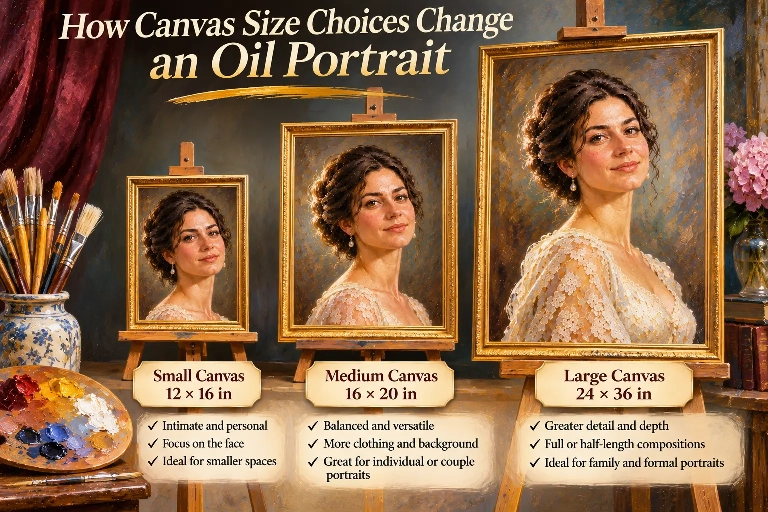
Cropping and canvas size are closely connected. The dimensions of the canvas influence how much of the original photograph can be included and how the subject should be positioned.

For example, a close-up crop may work particularly well on a smaller vertical canvas, while a full-length composition may require a larger format.

A wide family portrait may need a landscape canvas to provide sufficient space for everyone.

When selecting the crop and canvas dimensions, consider:

  • The number of subjects.
  • The desired viewing distance.
  • Whether the portrait is close-up, half-length or full-length.
  • The amount of background detail.
  • The canvas orientation.
  • The intended display location.

Cropping should not be treated as a separate decision from the overall painting composition. Both need to work together to create a balanced result.

Common Cropping Mistakes to Avoid

Although cropping offers considerable creative flexibility, certain mistakes can affect the final painting.

Cropping Too Close to the Face

An excessively tight crop can make the portrait feel restricted and may remove important visual context.

Cutting Off Important Features

Care should be taken not to exclude important parts of the head, shoulders, hands or body unintentionally.

Leaving Too Much Empty Space

Excessive background space can make the subject appear too small or disconnected from the composition.

Ignoring Canvas Proportions

A crop that works in a square photograph may not translate naturally to a vertical or horizontal canvas.

Removing Meaningful Background Details

Some objects and surroundings contribute to the personal significance of the photograph. These should be considered before removing them.

Overcrowding Multiple Subjects

Family and couple portraits need sufficient space to ensure that each individual remains clearly visible.

How to Choose the Right Crop for Your Commissioned Oil Portrait

Before confirming your portrait commission, consider the following steps:

  1. Identify the main subject: Decide whether the face, upper body or complete figure should be the main focus.
  2. Choose the composition: Consider close-up, head-and-shoulders, half-length or full-length presentation.
  3. Review the original photograph: Identify any distracting details or unnecessary background elements.
  4. Consider the number of subjects: Ensure that everyone has sufficient space within the composition.
  5. Select the canvas proportions: Decide whether a vertical, horizontal or square format is most appropriate.
  6. Consider the background: Decide which surroundings should remain visible and which could be simplified.
  7. Discuss adjustments with the artist: Consider alternative crops before finalising the composition.

The most successful crop is one that presents the subject naturally while creating a balanced and visually appealing painting.

Conclusion: The Right Crop Creates a More Meaningful Oil Portrait

Cropping is an important artistic decision when transforming a photograph into a hand-painted oil portrait. It determines how the subject is presented, which details receive attention and how the painting communicates its character.

Close-up crops emphasise facial expression, head-and-shoulders compositions offer a timeless presentation, half-length portraits introduce clothing and posture, and full-length paintings provide greater scope for elaborate compositions.

The ideal crop depends on the photograph, subject, canvas dimensions and artistic effect you want to achieve.

At GFM Painting, we create hand-painted oil portraits from photographs, with attention to composition, proportion, expression and detail. Choosing the right crop is an important step towards creating a portrait that captures the character and personality of the subject.

Thinking about commissioning a hand-painted oil portrait? Explore the possibilities with GFM Painting and consider how the right composition and cropping can transform your chosen photograph into a meaningful work of art.

The Art of Cropping: How Composition Changes an Oil Portrait

Cropping determines how a subject is presented in a hand-painted oil portrait, influencing its composition and visual impact.

Close-up crops emphasise facial expression, while wider compositions reveal clothing, posture and surrounding details.

Head-and-shoulders, half-length and full-length portraits each create a different artistic effect.

The right crop should complement the canvas dimensions, preserve natural proportions and maintain a balanced composition.

Discover how thoughtful cropping can transform an ordinary photograph into a beautifully composed oil portrait.

FAQ

Frequently Asked Questions

What is the best cropping style for an individual oil portrait?

A head-and-shoulders crop is a popular choice for individual oil portraits because it focuses attention on the face and expression. However, close-up, half-length and full-length compositions can also work beautifully depending on the desired presentation.

Can an artist change the crop of my original photograph?

Yes. An artist can adjust the cropping to improve the composition, remove distracting details or create more space around the subject. The aim is to produce a balanced painting while preserving the subject's natural appearance.

What is the difference between a close-up and a half-length portrait?

A close-up portrait concentrates mainly on the face, highlighting facial features and expression. A half-length portrait includes more of the upper body, allowing clothing, hands, posture and additional details to become part of the composition.

Does cropping affect the canvas size I should choose?

Yes. The crop and canvas dimensions should work together. Close-up portraits may suit smaller canvases, while half-length, full-length and multi-person compositions may require larger dimensions to maintain appropriate proportions and detail.

Can you combine elements from different photographs when creating an oil portrait?

Yes. Different photographs can sometimes be used as references to create a combined composition. For example, the artist may use one photograph for the facial expression and another for the pose or clothing. The final arrangement should look natural and maintain the subject's recognisable features.

Can't Find What You Are Looking For

Contact Us

Sign up to receive the latest news from GFM Painting via email, including exclusive offers and updates...

PORTRAIT & REPRODUCTION
| | | |
PORTRAIT & REPRODUCTION
Show prices in

GFM Designer Ltd
Maultway Court
67-69 Ruxley Lane
Epsom, Surrey
KT19 0JG. UK
E-MAIL : info@gfmpainting.co.uk
PHONE : +44 (0) 203 592 3482
MOBILE : +44(0) 7834 393 396

  • Copyright GFM Designer 2026
  • Company Registration : 07286936
| | | |
GFM Painting top
GFM Painting