☰

November 13, 2026

GFM Painting Logo
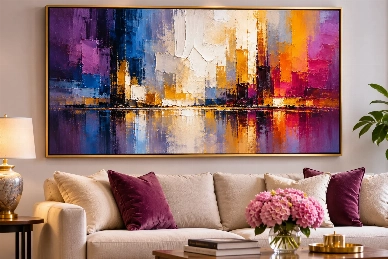
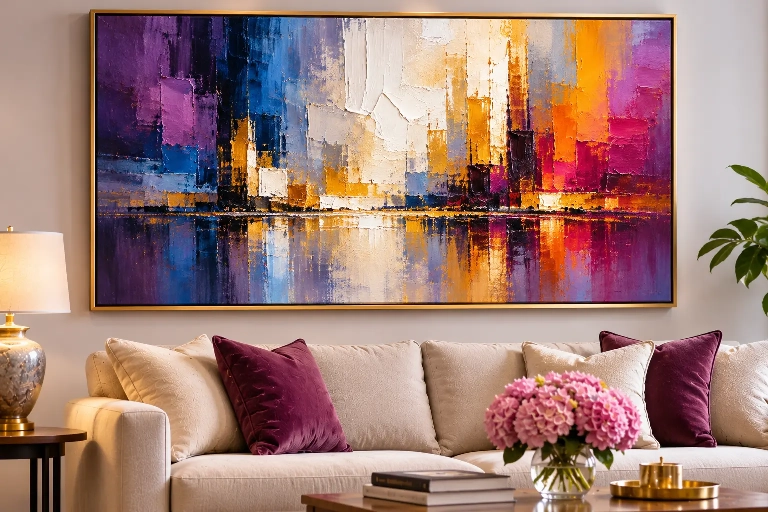
Modern abstract impasto painting featuring rich purple, magenta, deep blue, gold and warm ivory tones, displayed above a contemporary beige sofa.

Buying original art can be an exciting and rewarding experience. Whether you are purchasing your first painting, adding to an existing collection or looking for a meaningful piece for your home, choosing artwork involves more than simply finding something attractive. Understanding authenticity, artistic quality, materials, pricing and the artist behind the work can help you make a more informed decision.

The art market offers an enormous variety of styles, subjects, mediums and price ranges. From traditional oil paintings and contemporary abstract works to watercolours, portraits and figurative compositions, each type of artwork offers different qualities and considerations.

Knowing what to look for can help you distinguish original paintings from prints and reproductions, assess craftsmanship, understand pricing and identify artwork that reflects your personal taste. With the right knowledge, buying original art can become a more confident and enjoyable experience.

Buying Original Art

What should I look for when buying original art?

When buying original art, consider its authenticity, artistic quality, materials, condition, dimensions and the artist's background. Check whether the work is genuinely original, review its provenance or supporting documentation where available, and ensure that the price and presentation are appropriate for your requirements.

How can I tell if a painting is original?

Look for evidence of physical paint application, individual brushwork, surface texture and other characteristics of a painted surface. Ask the seller about the artist, medium, date of creation and provenance. A certificate of authenticity or supporting documentation can provide additional information, although no single feature independently guarantees authenticity.

What should I consider before investing in an original painting?

Consider the artist's reputation, the artwork's provenance, condition, materials, price and potential long-term care requirements. Art should primarily be purchased for its artistic and personal appeal. Future appreciation in value is uncertain and should never be assumed or guaranteed.

Introduction: Understanding the Art of Buying Original Paintings

Original artwork has a distinctive appeal because it represents an individual creative achievement. Unlike a mass-produced decorative image, an original painting is created through an artist's own decisions about composition, colour, subject, materials and technique.

However, the terminology used when selling artwork can sometimes be confusing. Descriptions such as original painting, limited-edition print, canvas reproduction and hand-painted reproduction refer to different types of products. Understanding these distinctions is important before making a purchase.

Buyers should also consider how an artwork has been created, who created it and what information is available about its history. These details help establish a clearer understanding of the work and its place within the wider art market.

Whether you are buying from an independent artist, an online gallery, an established art dealer or a specialist painting business, taking time to evaluate the artwork can make the purchasing experience more rewarding.

Understanding What Makes Artwork Original

An original painting is an individual work created by an artist through their own artistic process. Its composition, execution and final appearance represent a specific creative undertaking rather than a mechanically reproduced image.

Original paintings can be produced using different mediums, including oil, acrylic, watercolour, gouache and mixed media. Each medium has its own characteristics, working methods and visual qualities.

Original Paintings

An original painting is created as an individual artwork. The artist develops the composition and applies the chosen medium to a surface such as canvas, linen, wood panel or watercolour paper. Brushwork, layering, texture and other details form part of the physical artwork.

Even when an artist creates several paintings around the same subject, each original work has its own execution and characteristics.

Hand-Painted Reproductions

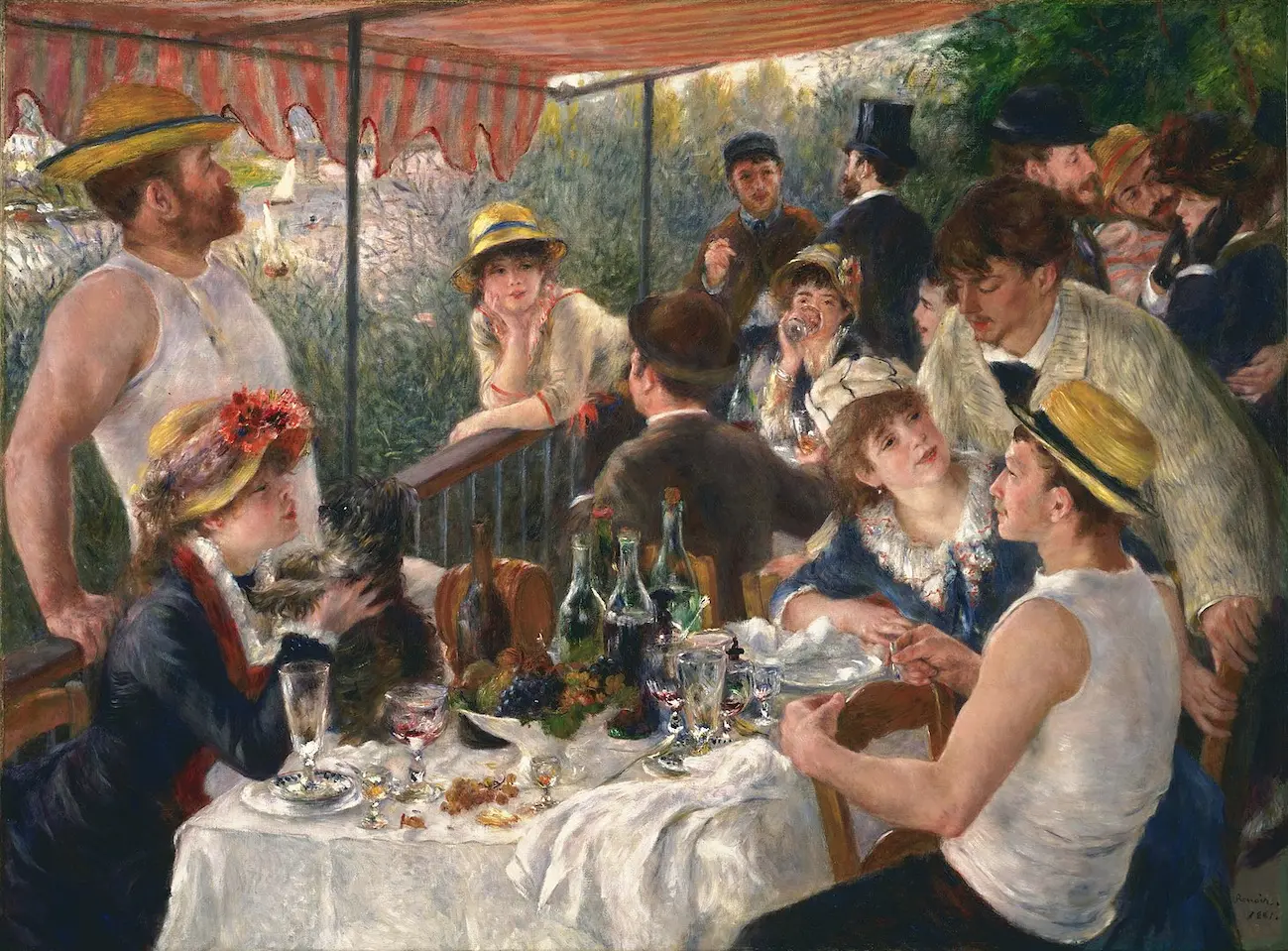
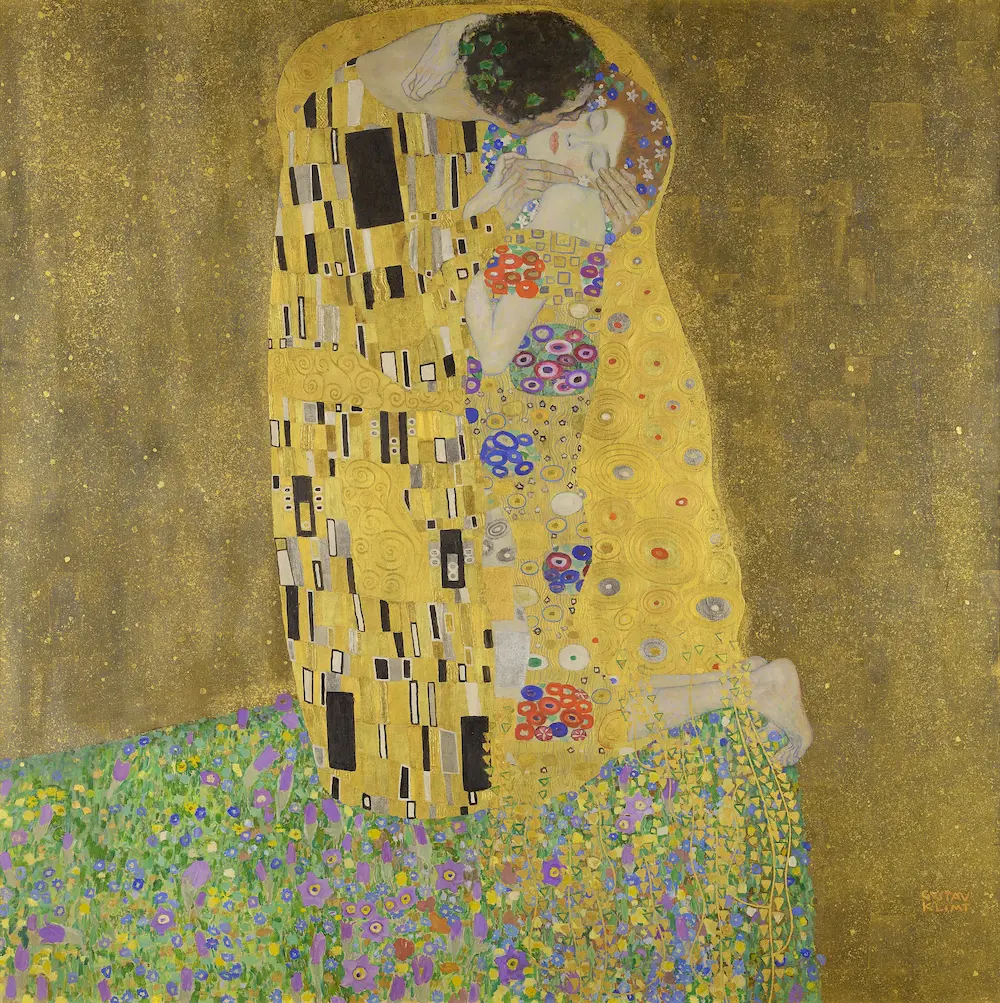
A hand-painted reproduction is an artwork created by an artist based on an existing painting or visual reference. It may recreate a celebrated masterpiece or another established composition using traditional painting methods.

Although it is physically painted by hand, it is not the original historical artwork. Its value and description should reflect its status as a reproduction rather than an original work by the artist who created the source painting.

Printed Artwork

Printed artwork is produced by transferring an image onto a surface using a printing or digital reproduction process. It can reproduce the appearance of a painting, but the image itself is not created through the individual application of paint in the same way as a hand-painted work.

Prints can be attractive and accessible decorative options. However, buyers looking for the physical qualities of traditional painting should understand the difference between a printed image and an individually painted surface.

Before purchasing, read the product description carefully and ask the seller to clarify whether the artwork is an original painting, a hand-painted reproduction or a print.

Exploring Different Types of Original Artwork

Understanding the different artistic mediums and styles can help you identify the type of artwork that best suits your interests, interior and budget.

Original Oil Paintings

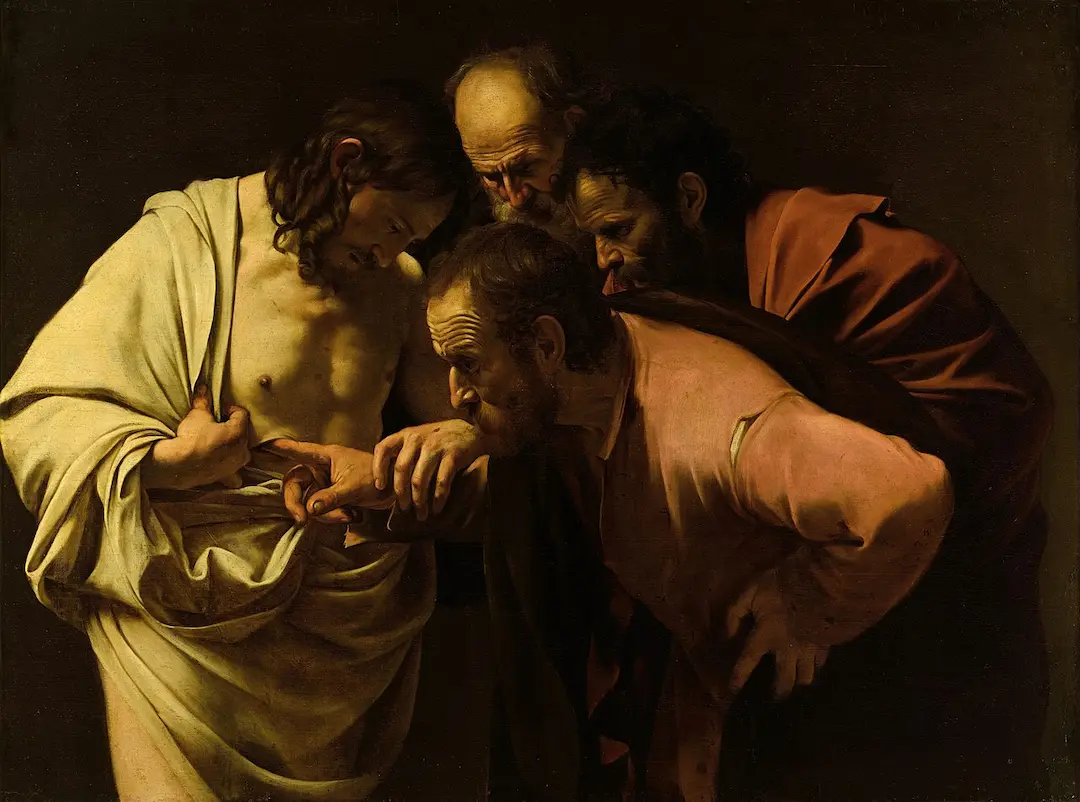
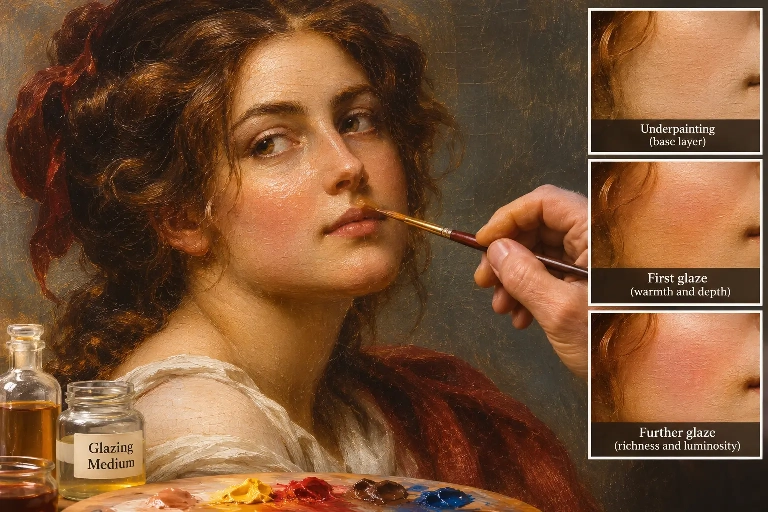
Oil painting is a traditional medium valued for its richness of colour, versatility and ability to create depth and texture. Artists can work with transparent glazes, opaque layers, fine details and expressive brushwork.

Oil paintings can range from highly detailed portraits and realistic landscapes to expressive figurative works and abstract compositions. Their visual character depends on the artist's technique, materials and creative approach.

Watercolour Paintings

Watercolour is known for its transparency, fluidity and distinctive interaction with paper and water. Artists use controlled washes, layered pigments and variations in moisture to create delicate transitions and expressive effects.

Traditional watercolour is generally associated with specialist watercolour paper, although other prepared surfaces may also be used. The choice of surface affects how the paint behaves and the appearance of the finished work.

Acrylic Paintings

Acrylic paint is a versatile water-based medium that can produce a variety of finishes. It can be applied in thin layers or used more thickly to create texture. Its relatively quick drying time allows artists to develop compositions through successive layers.

Charcoal and Pencil Artwork

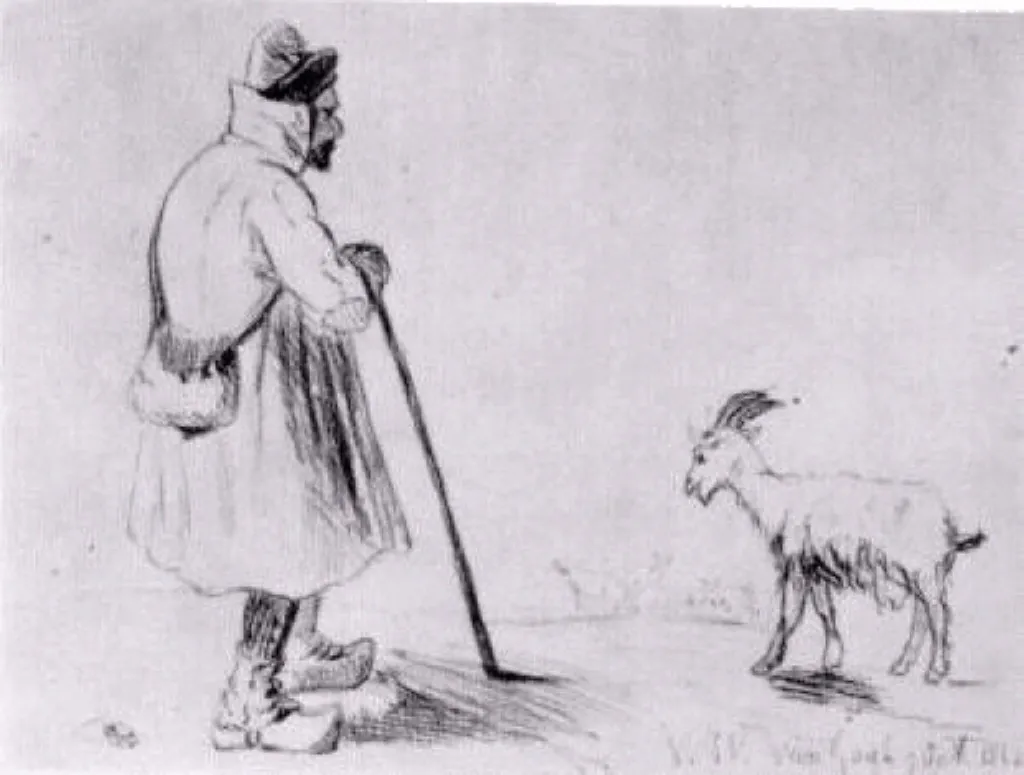
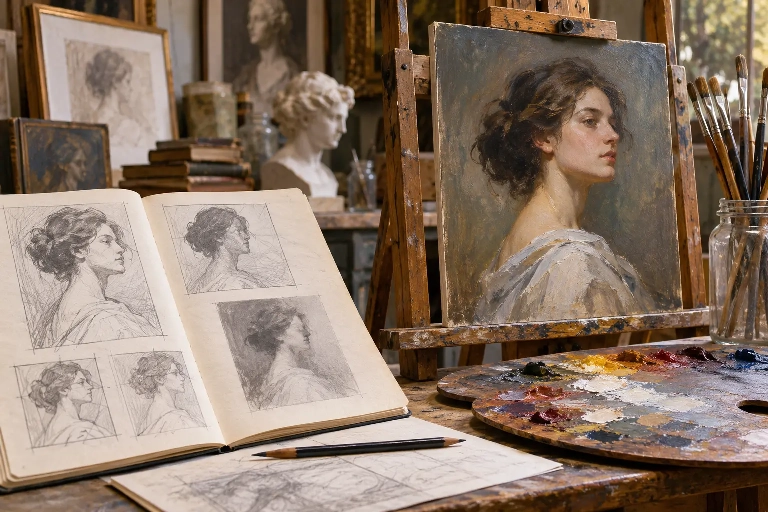
Drawing mediums such as charcoal and graphite are valued for their ability to produce tonal variation, delicate lines and expressive detail. They are particularly effective for portraits, figure studies and monochromatic compositions.

Contemporary, Abstract and Traditional Art

Artistic style is another important consideration. Traditional paintings may follow established approaches to representation, composition and technique, while contemporary works may explore new materials, concepts and forms of expression.

Abstract artwork focuses on visual elements such as shape, colour, texture and movement rather than necessarily representing recognisable subjects. Figurative and representational paintings, by comparison, depict people, objects, landscapes or scenes.

There is no single artistic style that every buyer should prefer. The right choice depends on individual appreciation and the qualities that make a particular artwork meaningful.

Assessing Artistic Quality and Craftsmanship

When evaluating a painting, look beyond the subject matter and consider how effectively the artist has developed the work. Artistic quality involves several interconnected elements, including composition, proportion, colour, technique and the handling of materials.

Composition and Proportion

Composition refers to the arrangement of visual elements within a painting. Consider how the subject is positioned, how the background supports the main elements and whether the overall arrangement feels balanced.

In portraits and figurative paintings, proportion and anatomical accuracy may be important considerations. In landscapes and abstract works, the relationships between shapes, colours and visual spaces may be more significant.

Brushwork and Surface Texture

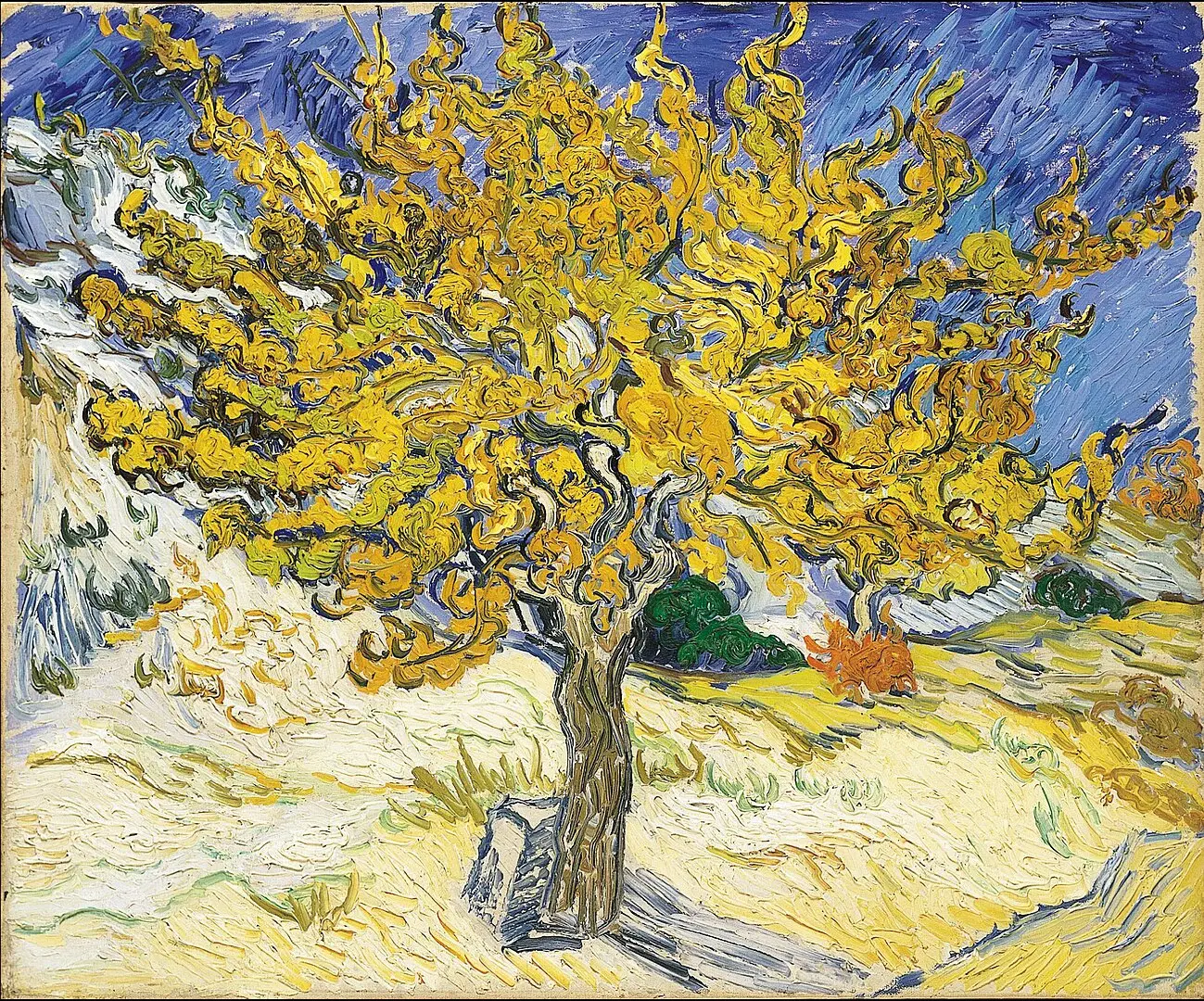
Brushwork provides insight into how a painting has been created. Some artists use smooth, carefully controlled applications of paint, while others favour expressive strokes and visible texture.

Examine how the paint has been applied and whether the surface treatment supports the subject and artistic intention. In an oil painting, for example, layered brushwork and variations in paint thickness can contribute to depth and visual character.

Colour and Tonal Relationships

Colour influences the atmosphere, depth and emotional character of a painting. Consider whether the colours work harmoniously and whether the artist has used contrast, highlights and shadows effectively.

Tonal relationships are equally important. The distribution of light and dark areas can establish form, create depth and direct the viewer's attention towards important details.

Materials and Painting Surface

The materials used in an artwork influence its appearance and durability. Canvas, linen, wood panels and specialist papers each provide different working surfaces.

Ask about the painting medium, surface preparation and any protective finishes. For paintings intended to last for many years, appropriate materials and sound preparation are important considerations.

Condition and Presentation

For an existing painting, examine its overall condition. Look for cracks, flaking paint, discolouration, water damage, loose canvas or signs of previous repairs.

Consider whether the artwork is framed, whether the frame is suitable and whether any conservation work may be required. If purchasing online, request clear photographs of the painting's surface, edges and any visible imperfections.

Researching the Artist and Their Work

Understanding the artist behind a painting can provide useful context for your purchase. An artist's background, experience, artistic development and previous work may help you assess whether their approach aligns with your interests.

Reviewing the Artist's Portfolio

Explore a selection of the artist's previous paintings rather than judging their work from a single image. Look for consistency in craftsmanship, technical ability and artistic development.

Consider whether the artist works primarily in a particular medium or explores several different styles. A portfolio can also help you understand their approach to subject matter, composition and colour.

Understanding Their Artistic Background

Artist biographies, exhibition records, professional training and published interviews can provide additional information. However, formal qualifications and exhibition history are not the only measures of artistic ability.

Many talented artists develop their skills through independent study, practical experience and years of dedicated practice. Evaluate the artwork itself alongside any available background information.

Signatures and Certificates of Authenticity

A signature can help identify the artist responsible for a painting, but it should not be treated as conclusive proof of authenticity. Signatures can be copied, added later or misattributed.

A certificate of authenticity may record details such as the artist's name, title, medium, dimensions and date of creation. It should be issued by an appropriately informed and credible source.

Provenance and Ownership History

Provenance refers to the documented history of an artwork's ownership and, where available, its exhibition or publication history.

For established or previously owned paintings, provenance can help support an artwork's attribution and provide insight into its history. Documentation may include invoices, gallery records, previous ownership details, exhibition catalogues and certificates.

For a newly commissioned painting, the artist or seller should be able to provide clear information about its creation and the terms of purchase.

Understanding Art Prices and Your Budget

The price of original artwork can vary considerably. Factors include the artist's experience, the size and complexity of the painting, the materials used, the time required and the demand for the artist's work.

Artist Reputation and Experience

Artists with established careers, recognised exhibitions or strong demand may command higher prices. However, emerging artists can also produce exceptional work at more accessible price points.

Price should be considered alongside artistic quality and the buyer's personal appreciation rather than reputation alone.

Size, Medium and Complexity

Larger paintings generally require more materials and working time. Complex compositions, detailed portraits and paintings involving several figures may also demand additional skill and preparation.

Different mediums have different material requirements and working processes. A highly detailed oil portrait, for example, may involve several stages of drawing, painting, refinement and drying.

Understanding the Complete Cost

Before purchasing, establish what is included in the quoted price. Consider whether framing, packaging, delivery, insurance and any applicable taxes are included or charged separately.

For international purchases, check potential customs charges, import duties and delivery arrangements. These costs can affect the overall amount you pay.

Artistic Value and Investment Considerations

Art can have personal, cultural, decorative and historical significance. However, purchasing a painting should not automatically be treated as a financial investment.

The future market value of an artwork is uncertain. An artist's reputation may change, demand can fluctuate and not every painting will appreciate in value.

For most private buyers, the strongest reason to purchase a painting is a genuine appreciation of its artistic qualities and the enjoyment it brings over time.

Buying Art Online: What Should You Check?

Buying artwork online offers access to artists, galleries and specialist art businesses beyond your local area. However, it also means that you may not be able to examine the painting physically before making a purchase.

Taking time to review the available information can reduce uncertainty and help you understand exactly what you are buying.

Evaluate the Artwork Photographs

Look for clear, high-resolution photographs showing the entire painting and important details. Close-up images can help you assess brushwork, texture, surface finish and finer details.

Where possible, look for photographs showing the artwork from different angles and in a real interior setting. Be aware that screen settings, lighting and image processing can affect how colours appear.

Check Dimensions and Materials

Confirm the painting's height, width and, where relevant, depth. Check whether the measurements refer to the painted surface alone or include the frame.

Ask whether the painting is on canvas, linen, wood panel or paper, and confirm which medium has been used. This information can influence how the artwork should be displayed, framed and maintained.

Understand the Seller's Description

Read the product description carefully. It should clearly explain whether the artwork is original, hand-painted or printed, and identify the artist or creator where appropriate.

If anything is unclear, contact the seller before purchasing. A professional seller should be able to answer reasonable questions about the artwork's creation, condition and presentation.

Review Payment, Returns and Customer Support

Check the seller's payment arrangements, privacy information, delivery terms and returns policy. Understand what happens if the artwork arrives damaged, differs materially from its description or needs to be returned.

For online purchases from businesses, review the applicable consumer protection terms and conditions. The rights available to you may depend on where the seller is based, the nature of the transaction and whether the artwork is made to your specifications.

Consider Packaging, Shipping and Insurance

Paintings require appropriate protection during transportation. Ask how the artwork will be packaged, whether it will be shipped framed or unframed and whether the delivery service includes tracking and insurance.

For international purchases, confirm the shipping arrangements, estimated delivery time and responsibility for any customs procedures or additional charges.

Choosing Artwork That Suits Your Personal Taste

Although technical quality and authenticity are important, buying art should also be a personal experience. A painting may be admired by critics, collectors or other buyers, but that does not necessarily mean it is the right choice for your home or collection.

Choose Subjects That Interest You

Consider the subjects that you naturally enjoy. You may be drawn to landscapes, portraits, architecture, historical scenes, wildlife, still life or abstract compositions.

Some buyers prefer artwork that reflects a particular place, memory or personal experience. Others enjoy exploring different subjects and artistic periods as their interests develop.

Consider Colour and Interior Design

If the painting is intended for your home, consider how its colours, proportions and subject will relate to the surrounding interior.

Artwork can complement existing furniture and decoration, introduce contrast or become the central feature of a room. It does not need to match every element of the interior to work successfully.

Select Suitable Dimensions and Orientation

Consider where the painting will be displayed before purchasing. Measure the available wall space and think about how the artwork will relate to nearby furniture, lighting and architectural features.

Horizontal paintings may suit wider walls and spaces above sofas, while vertical compositions can work well in narrower areas. Large statement paintings can create visual impact, but their scale should be appropriate for the room.

Buy for Personal Meaning

A painting can become particularly meaningful when it reflects a personal interest, memory or connection. Family portraits, commissioned artwork and paintings inspired by significant places can offer a level of individual relevance that goes beyond decoration.

Take time to consider whether you genuinely enjoy the artwork. A considered purchase is more likely to remain meaningful long after current interior trends have changed.

Conclusion: Making an Informed Art Purchase

Buying original art with confidence begins with understanding what you are purchasing. Knowing the difference between original paintings, hand-painted reproductions and prints helps establish clear expectations about authenticity and artistic creation.

Assessing craftsmanship, materials, condition, artist background, pricing and supporting documentation provides a stronger foundation for making an informed decision. When buying online, clear photographs, transparent descriptions, secure payment arrangements and reliable delivery information are equally important.

However, the value of artwork is not defined by technical quality or market price alone. Personal appreciation, emotional connection and the pleasure of living with a painting are equally important considerations.

Whether you are purchasing your first original painting or developing a collection over time, approach each decision with curiosity, careful research and an appreciation for the artist's work. The most rewarding art purchases are those that combine informed judgement with a genuine connection to the artwork.

Beyond the Canvas: A Guide to Buying Original Art with Confidence

Buying original art is an opportunity to discover something unique, meaningful and created through an artist's individual vision.

Understanding authenticity is essential. Knowing the difference between original paintings, hand-painted reproductions and printed artwork helps you make informed choices.

Artistic quality goes beyond appearance. Brushwork, composition, colour, materials and craftsmanship all contribute to the character of a painting.

From researching artists and evaluating prices to checking provenance and purchasing arrangements, careful preparation can make the experience more rewarding.

Above all, choose artwork that speaks to you. A painting should reflect your personal taste, create an emotional connection and bring lasting enjoyment to your home or collection.

FAQ

Frequently Asked Questions

What is the difference between original art and a reproduction?

An original painting is an individual artwork created by an artist through their own creative process. A reproduction recreates an existing artwork, either through hand painting or printing. A hand-painted reproduction involves the physical application of paint but is not the original historical painting.

How can I check whether an original painting is authentic?

Ask for details about the artist, the painting's creation, its provenance and any available supporting documentation. Examine the signature, materials and physical characteristics of the artwork. For higher-value purchases, consider obtaining an independent professional assessment.

Is buying original artwork a good investment?

Original artwork can have financial value, but appreciation is never guaranteed. Prices depend on factors such as the artist's reputation, demand, provenance, condition and market trends. It is generally best to buy art primarily because you appreciate it rather than relying on future financial returns.

Should an original painting come with a certificate of authenticity?

A certificate of authenticity can provide useful documentation, including the artist's name, artwork title, medium, dimensions and date of creation. It should come from a credible source with knowledge of the artwork. Not every genuine original painting necessarily has a certificate.

What should I check before buying original art online?

Can't Find What You Are Looking For

Contact Us

Sign up to receive the latest news from GFM Painting via email, including exclusive offers and updates...

PORTRAIT & REPRODUCTION
| | | |
PORTRAIT & REPRODUCTION
Show prices in

GFM Designer Ltd
Maultway Court
67-69 Ruxley Lane
Epsom, Surrey
KT19 0JG. UK
E-MAIL : info@gfmpainting.co.uk
PHONE : +44 (0) 203 592 3482
MOBILE : +44(0) 7834 393 396

  • Copyright GFM Designer 2026
  • Company Registration : 07286936
| | | |
GFM Painting top
GFM Painting