☰

November 13, 2026

GFM Painting Logo
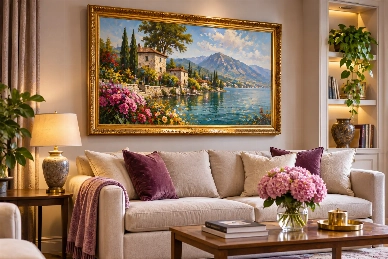
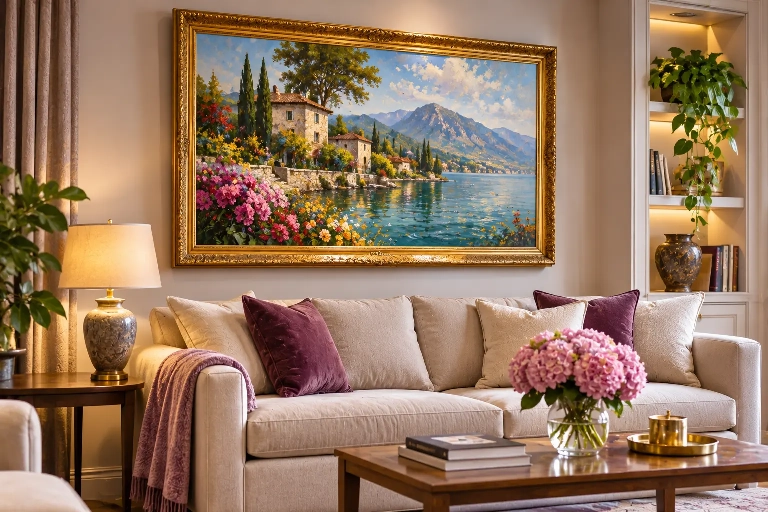
Elegant living room featuring a large framed landscape oil painting above a neutral sofa, complemented by warm lighting, plum cushions and coordinated interior décor.

Choosing art for a living room involves more than selecting a painting that looks attractive. The right artwork can establish the character of a space, introduce colour, create a focal point and bring together different elements of the interior.

From selecting the appropriate size and subject to considering colour palettes, furniture arrangements and wall space, artwork should complement the room while expressing the personality of the people who live there.

Whether you prefer traditional oil paintings, contemporary abstract works, landscapes or carefully commissioned portraits, understanding how art interacts with interior design will help you make more confident choices.

Choosing Art for a Living Room

What type of art is best for a living room?

The best art for a living room depends on the interior style, available wall space and personal taste. Landscapes, abstract paintings, portraits, still-life compositions and large statement artworks can all work well when their colours, proportions and subject matter complement the room.

How do I choose the right size artwork for my living room?

Consider the dimensions of the wall and the furniture beneath it. Artwork positioned above a sofa generally works well when its overall width is approximately two-thirds to three-quarters of the sofa's width. Larger walls may benefit from a substantial statement painting or a carefully arranged collection of smaller works.

Should living room artwork match the furniture and décor?

Artwork should complement the furniture and décor without necessarily matching them exactly. Repeating selected colours, textures or visual themes can create harmony, while contrasting colours or subject matter can introduce personality and make the artwork stand out.

Introduction: Giving Your Living Room an Artistic Identity

The living room is often one of the most expressive spaces in a home. It is where families gather, guests are welcomed and everyday life unfolds. Its interior design reflects personal preferences, lifestyle and the atmosphere homeowners want to create.

Artwork plays an important role in establishing this identity. A carefully selected painting can transform an otherwise plain wall, introduce warmth into a neutral interior or provide a visual connection between furniture, flooring, lighting and decorative accessories.

However, choosing art requires consideration of more than the painting itself. Its size, orientation, colours, subject and placement all influence how successfully it integrates with the surrounding environment.

Understanding these relationships can help you select artwork that feels like a natural part of your living room rather than an afterthought.

Understanding Your Living Room's Interior Style

Before selecting artwork, consider the overall design character of your living room. The architecture, furniture, materials, colours and decorative details provide useful starting points.

A traditional interior may feature classic furniture, decorative mouldings, wooden finishes and rich fabrics. Oil paintings depicting landscapes, historical subjects, portraits or still-life arrangements can complement this environment.

A contemporary living room may benefit from abstract paintings, modern figurative artwork, minimalist compositions or large-scale photography-inspired paintings. These can introduce visual interest without overwhelming the simplicity of the interior.

For interiors influenced by Scandinavian or minimalist design, consider artwork with restrained colour palettes, natural subjects and uncomplicated compositions. A carefully chosen painting can introduce warmth and individuality while maintaining a sense of openness.

Eclectic interiors offer greater freedom. Different artistic periods, subjects and styles can be combined, provided there is a considered relationship between the pieces.

The aim is not to follow a particular design trend. It is to select artwork that enhances the character of the room while reflecting your own taste.

Choosing the Right Size and Proportion

The scale of artwork can dramatically influence the appearance of a living room. A painting that is too small may appear disconnected from the furniture, while an oversized work can dominate the space if its placement and proportions have not been considered.

One of the most common locations for living room artwork is above the sofa. As a general guideline, a painting or collection of artworks can occupy approximately two-thirds to three-quarters of the sofa's overall width. This creates a visual relationship between the furniture and the artwork.

For large uninterrupted walls, a substantial painting can establish a strong focal point. Alternatively, several smaller paintings can be arranged as a gallery wall, creating a more varied and personal display.

Vertical paintings can work particularly well in narrower spaces or beside tall furniture, while horizontal compositions are often suitable above sofas, fireplaces and sideboards.

It is also important to consider the height at which artwork is displayed. As a general starting point, the centre of a painting should sit around eye level, although the ideal position depends on ceiling height, furniture placement and the viewing arrangements within the room.

Proportion should always be considered in relation to the entire interior rather than the wall alone.

Selecting Colours That Complement Your Interior

Colour is one of the strongest connections between artwork and interior design. A painting can reinforce an existing colour scheme, introduce a contrasting accent or create a completely new visual direction for the room.

Begin by identifying the dominant colours in the living room. These may come from the walls, sofa, curtains, rugs, flooring or decorative accessories.

Artwork that incorporates some of these colours can create visual continuity. For example, a landscape containing soft greens and earthy tones may complement a room with natural wood furniture and neutral fabrics.

Alternatively, a painting with stronger or contrasting colours can become a statement feature. A vibrant abstract composition may introduce energy into a restrained interior, while a painting with muted tones can soften a room containing darker furniture or bold decorative finishes.

Consider the relationship between warm and cool colours. Warm tones such as ochre, terracotta and deep reds can create a welcoming atmosphere. Cooler shades such as blue, green and grey may contribute to a calmer visual environment.

The painting does not need to reproduce the exact colours of the furniture or walls. Often, subtle colour relationships create a more sophisticated result than attempting to match everything precisely.

Choosing the Right Subject and Artistic Style

The subject of a painting influences the atmosphere and personality of a living room. It is therefore worth considering how you want the space to feel and what kind of visual experience you want the artwork to create.

Landscapes

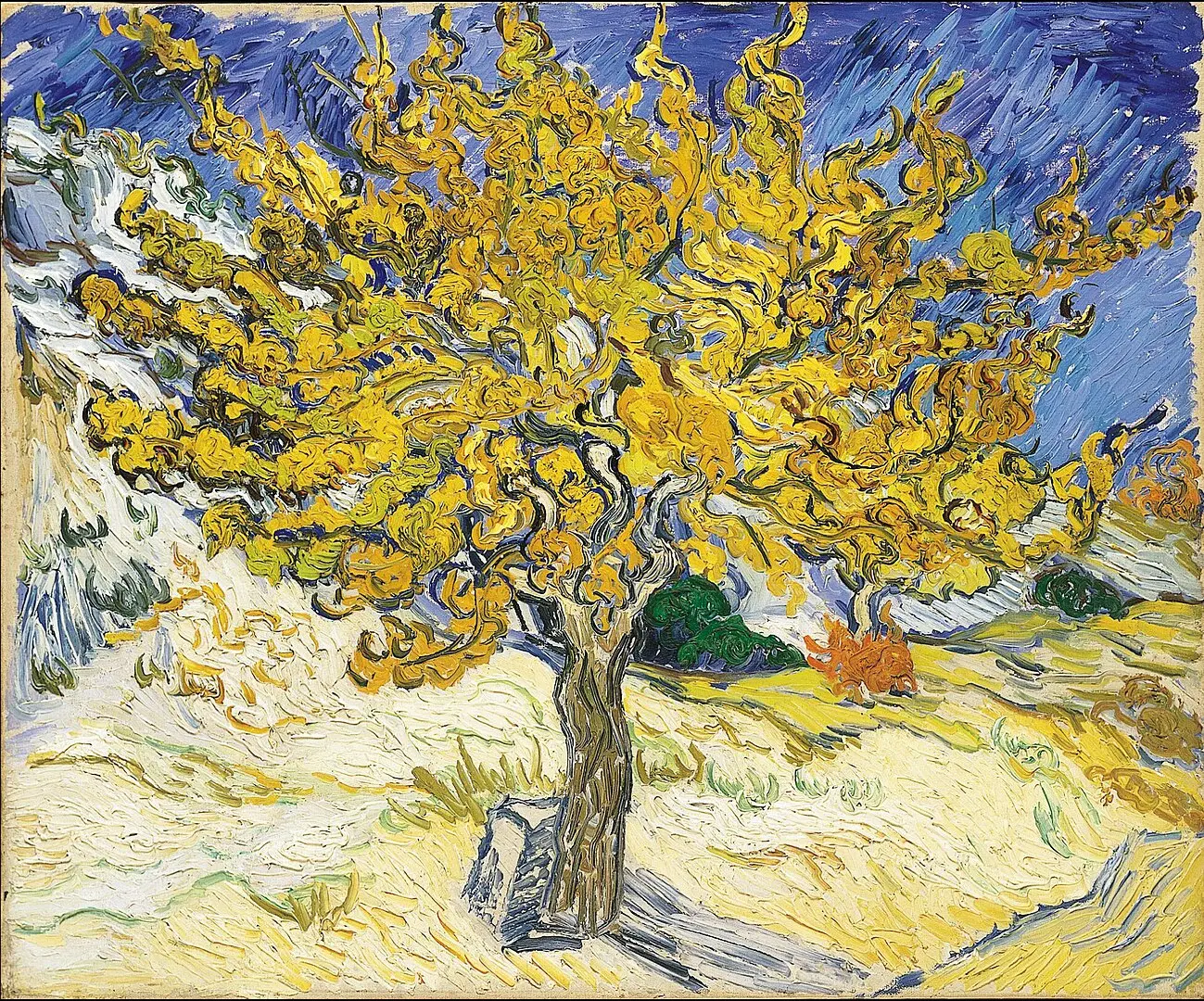
Landscape paintings can introduce a connection with nature and the outdoors. Coastal scenes, countryside views, mountains, forests and gardens can complement interiors that use natural materials and softer colour palettes.

Abstract Art

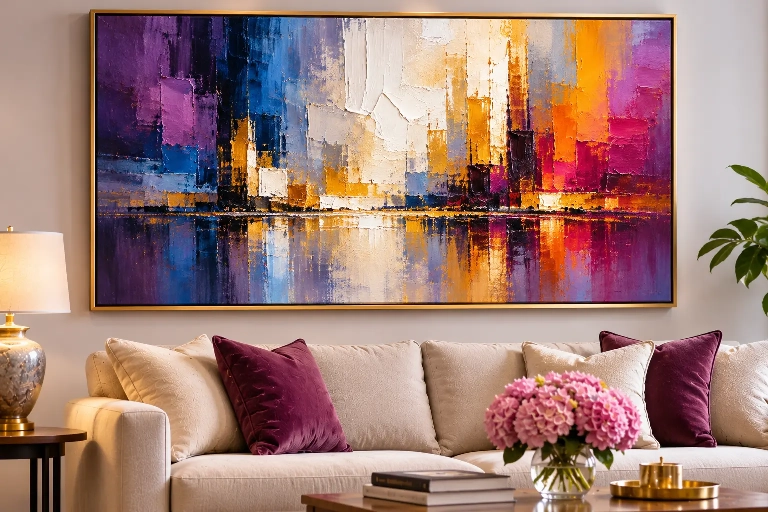
Abstract paintings offer freedom from recognisable subject matter. Their shapes, textures, colours and movement can introduce energy and visual depth. They are particularly useful when the aim is to create a contemporary statement.

Portraits and Figurative Art

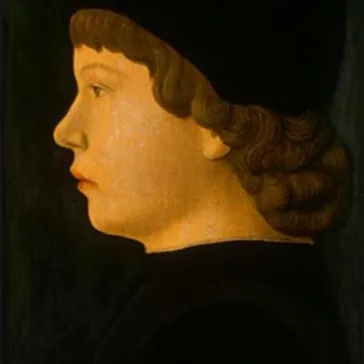
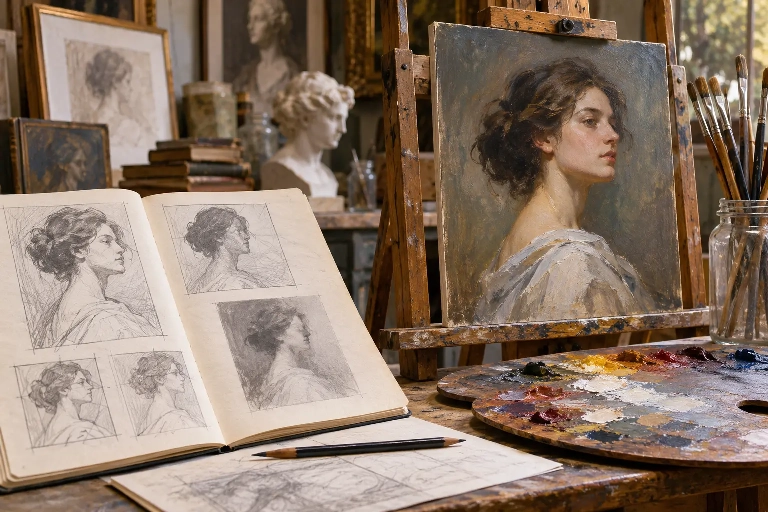
Portraits and figurative paintings introduce a human element into an interior. They can create a sense of history, personality and emotional connection. A commissioned family portrait can also make a living room more personal and meaningful.

Still-Life Paintings

Still-life artwork featuring flowers, fruit, vessels and everyday objects can bring elegance and visual detail to a living room. Traditional oil paintings can be particularly effective where the interior includes classic furniture and decorative finishes.

Classical and Masterpiece Reproductions

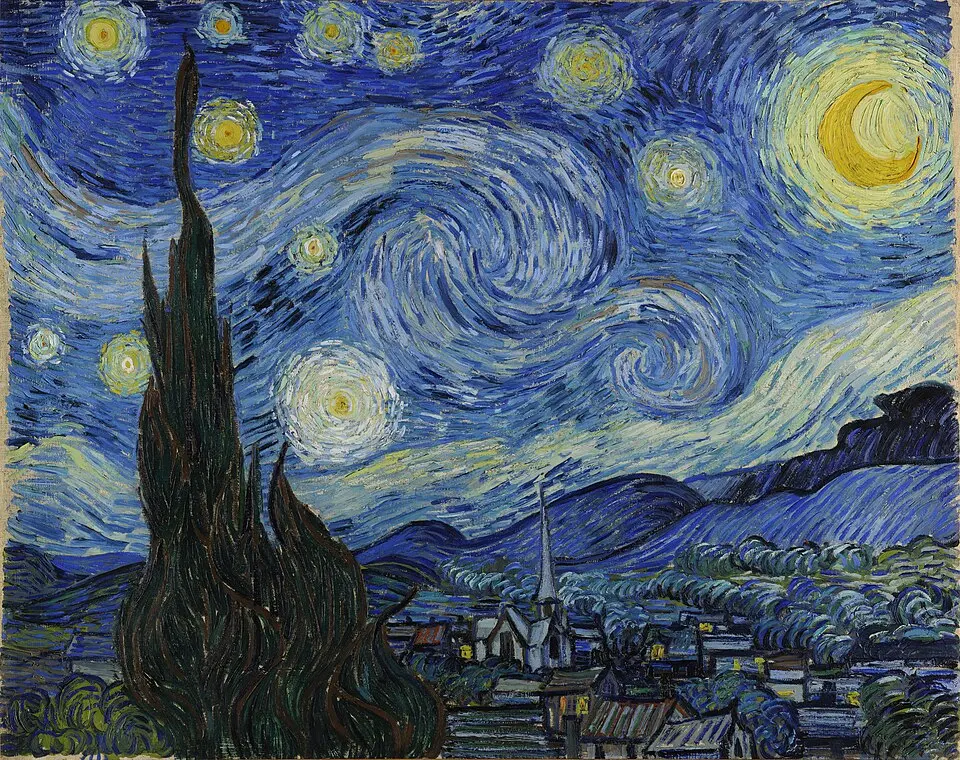
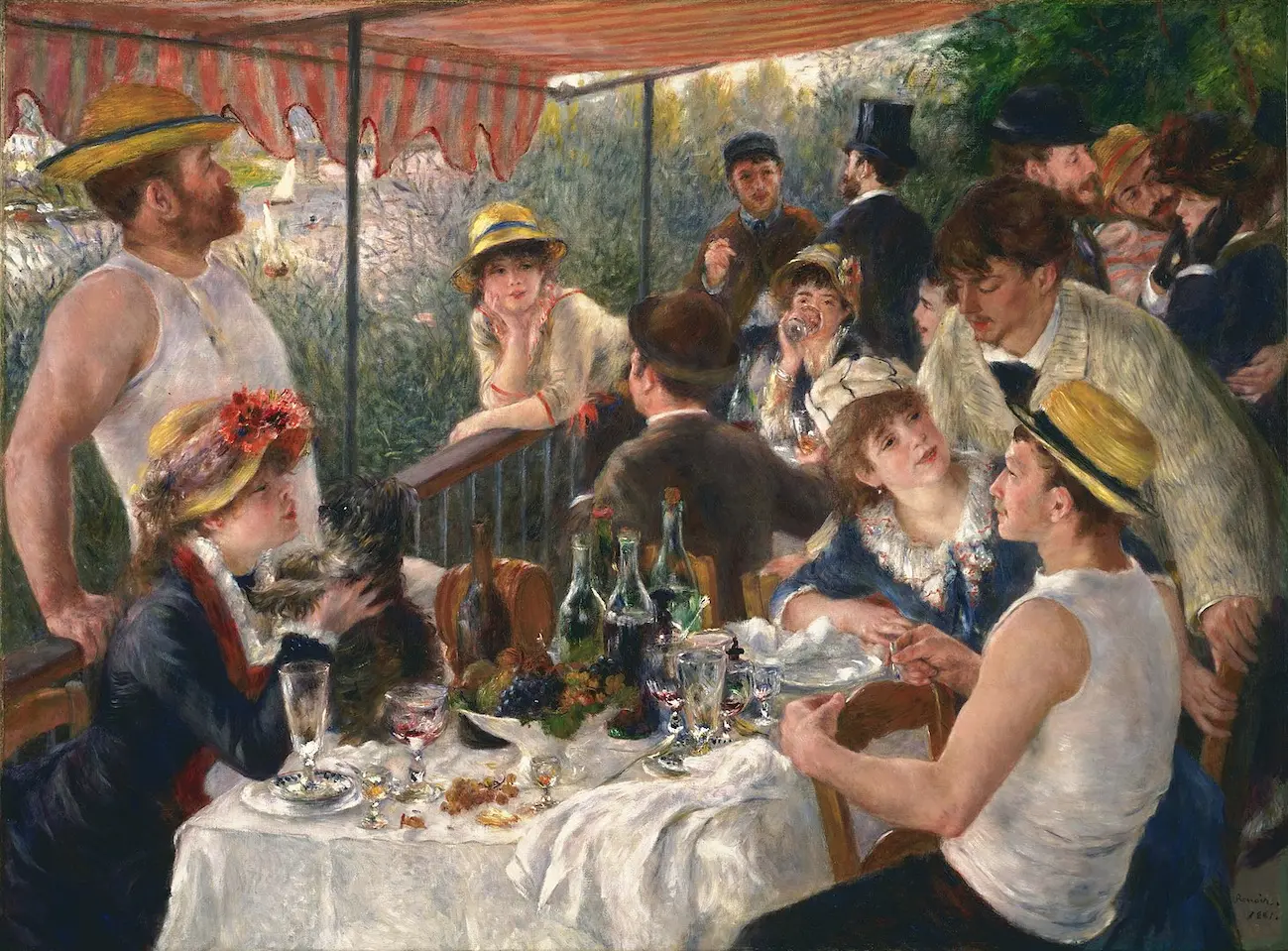
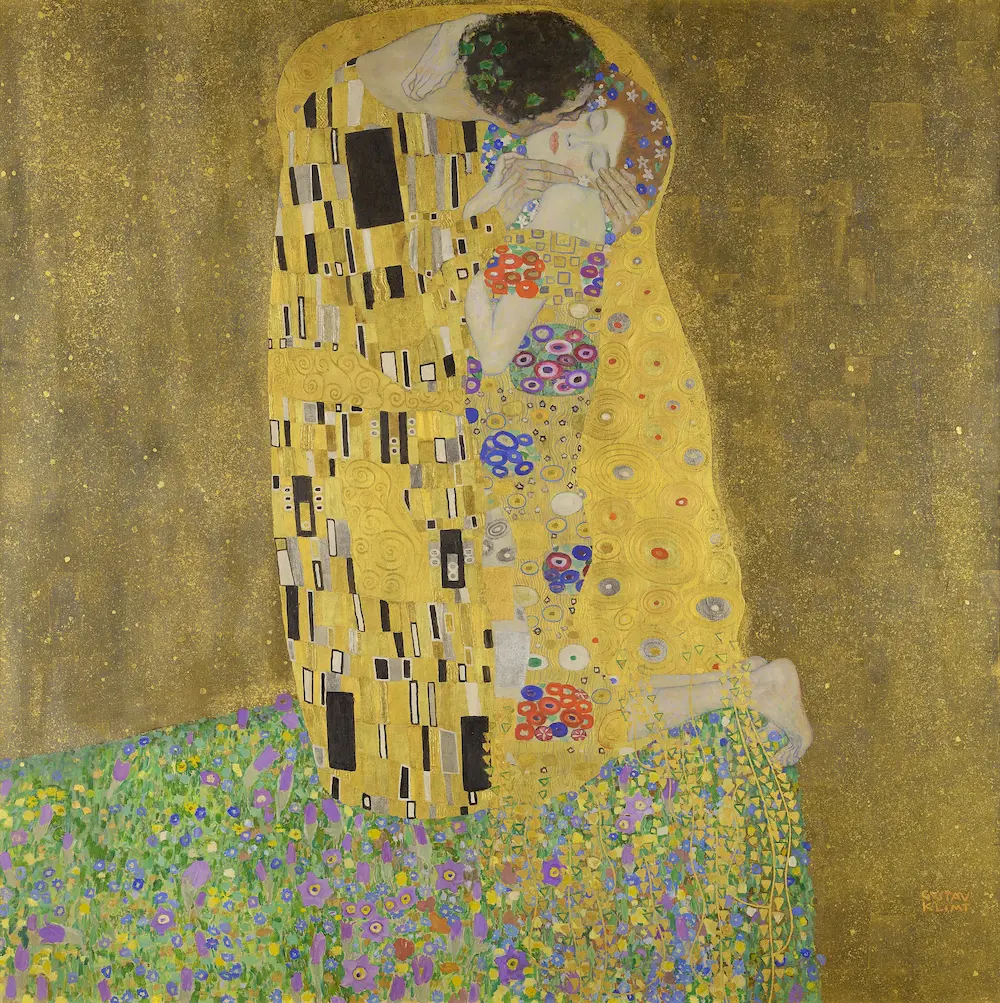
Hand-painted reproductions of celebrated masterpieces can introduce artistic heritage and timeless character. Works inspired by Renaissance, Baroque, Impressionist or Post-Impressionist traditions can complement a variety of interior styles, depending on their subject, colours and presentation.

Ultimately, the most successful choice is artwork that you genuinely enjoy viewing. Interior design principles can guide the selection, but personal connection should remain central.

Positioning Artwork for the Best Visual Impact

Where a painting is displayed can be just as important as the artwork itself. Even a beautiful painting may lose its impact if it is positioned too high, hidden by furniture or surrounded by competing decorative elements.

The wall above a sofa is a popular location because it naturally attracts attention. A substantial painting can provide a focal point, while a coordinated group of smaller artworks can create a more layered arrangement.

Fireplace walls are another traditional location for statement artwork. However, the painting should be positioned with appropriate clearance from heat sources and should not be exposed to excessive temperature changes.

In open-plan living spaces, artwork can help define different areas without requiring physical partitions. A large painting behind a seating arrangement, for example, can visually establish the living area within a larger room.

Lighting should also be considered. Natural light can reveal the colours and details of a painting, but prolonged direct sunlight may cause fading or deterioration. Carefully positioned picture lighting can improve visibility and create an attractive display, provided the lighting does not generate excessive heat.

Allow sufficient space around the artwork so that it can be appreciated without competing with shelves, mirrors, lamps or other decorative features.

Creating a Gallery Wall or Combining Multiple Artworks

A gallery wall offers an opportunity to display several paintings and create a more personal artistic environment. Rather than relying on one large statement piece, a collection can introduce different subjects, artistic styles and visual experiences.

A successful gallery wall usually has some form of visual connection between the pieces. This might come from a consistent colour palette, similar framing, a shared subject or a deliberate arrangement of contrasting artworks.

Before hanging the paintings, consider arranging them on the floor or creating paper templates to test the layout. This makes it easier to assess spacing, balance and overall proportions.

There are several approaches to gallery wall design:

  • Symmetrical arrangement: Similar-sized artworks are positioned in an organised grid, creating a structured appearance.
  • Asymmetrical arrangement: Different sizes and orientations are combined to produce a more relaxed and individual display.
  • Themed collection: Paintings share a subject, such as landscapes, portraits, flowers or architectural scenes.
  • Mixed artistic styles: Traditional and contemporary works are combined to create contrast and visual variety.

Frames can also help connect different artworks. Matching frames create consistency, while a mixture of finishes can produce a more eclectic appearance.

The key is to establish a visual relationship between the paintings while allowing each work sufficient space to be appreciated.

Choosing Between Original Paintings, Reproductions and Prints

The type of artwork you purchase can influence its appearance, quality and long-term value as a decorative feature.

Original paintings are individual works created by artists. They offer unique brushwork, surface texture and artistic interpretation. An original painting can also provide a personal connection with the artist and the creative process.

Hand-painted reproductions offer another option for homeowners who appreciate established masterpieces or traditional artistic styles. They are individually painted by artists rather than simply printed onto a surface. This distinction is important because a hand-painted reproduction retains the character of applied paint, brushwork and the physical texture of the painting process.

Printed artwork, by comparison, reproduces an image mechanically or digitally. It can be an accessible way to introduce colour and decoration, although it does not provide the same physical qualities as a painted surface.

Commissioned artwork offers the opportunity to create something specifically suited to the living room. Homeowners can discuss dimensions, subject matter, colour preferences and composition with the artist. This is particularly useful when a standard painting does not fit the available wall space or desired interior style.

The right choice depends on your budget, artistic preferences and the kind of experience you want the artwork to bring to your home.

Conclusion: Making Art Part of Your Living Space

Choosing art for a living room is an opportunity to bring together interior design and personal expression. The right painting can establish a focal point, introduce colour, create atmosphere and give a room a stronger sense of identity.

By considering interior style, scale, colour, subject matter, positioning and the type of artwork, you can make decisions that enhance both the painting and its surroundings.

Whether you choose an original oil painting, a hand-painted masterpiece reproduction, an abstract composition or a commissioned family portrait, the most important consideration is how the artwork makes you feel within your home.

A thoughtfully selected painting should do more than fill an empty wall. It should become a meaningful part of the living space.

The Art of Living: Choosing Paintings That Transform Your Living Room

A living room is more than a place to relax. It is a reflection of personal taste, lifestyle and the atmosphere you want to create within your home.

The right painting can transform an empty wall, introduce warmth and colour, and bring together the different elements of your interior.

From statement oil paintings and contemporary compositions to meaningful portraits and timeless masterpieces, every artwork offers an opportunity to express individuality.

Discover how scale, colour, subject matter and positioning can help you select artwork that complements your furniture and enhances your living space.

Explore the relationship between art and interior design, and find inspiration for creating a living room that feels both welcoming and visually distinctive.

FAQ

Frequently Asked Questions

What type of painting makes the best statement in a living room?

A large landscape, abstract painting, portrait or classical masterpiece reproduction can create an attractive focal point. The best choice depends on the room's proportions, interior style and personal preferences.

What is the ideal height for hanging a painting in a living room?

As a general guideline, position the centre of the artwork approximately 145–155 cm from the floor. When hanging above a sofa, leave around 15–25 cm between the top of the furniture and the bottom of the frame.

How do I choose artwork for a small living room?

Consider smaller or medium-sized paintings with balanced compositions and colours that complement the interior. One carefully positioned statement piece can create visual interest without making the room feel overcrowded.

Should I choose framed or unframed paintings for my living room?

Both options can work beautifully. Framed paintings can introduce a traditional or formal finish, while unframed canvas paintings offer a more contemporary appearance. Consider the artwork's style, presentation and surrounding décor.

How can commissioned artwork complement my living room interior?

Can't Find What You Are Looking For

Contact Us

Sign up to receive the latest news from GFM Painting via email, including exclusive offers and updates...

PORTRAIT & REPRODUCTION
| | | |
PORTRAIT & REPRODUCTION
Show prices in

GFM Designer Ltd
Maultway Court
67-69 Ruxley Lane
Epsom, Surrey
KT19 0JG. UK
E-MAIL : info@gfmpainting.co.uk
PHONE : +44 (0) 203 592 3482
MOBILE : +44(0) 7834 393 396

  • Copyright GFM Designer 2026
  • Company Registration : 07286936
| | | |
GFM Painting top
GFM Painting