☰

November 18, 2026

GFM Painting Logo
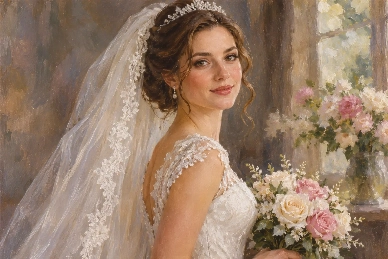
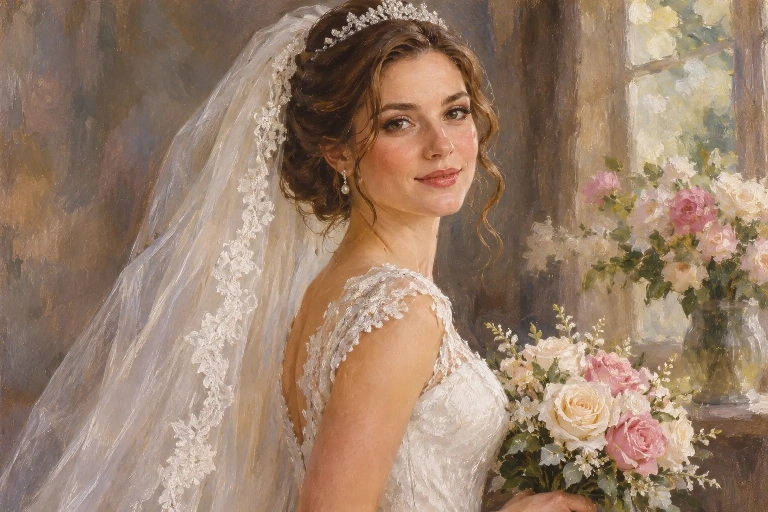
Traditional hand-painted oil portrait of a bride wearing an elegant lace wedding gown and veil, holding a bouquet of cream and blush roses.

Unlike a conventional wedding photograph, a painted bridal portrait offers an artistic interpretation of the bride in her wedding dress, veil and chosen setting. It can focus on a detailed likeness, the intricate features of the wedding gown, a beautiful bouquet or the atmosphere of the wedding day. The finished painting can become a treasured family keepsake, displayed in the home and passed down through generations.

Commissioning a bridal portrait involves several decisions, including choosing the right photograph, selecting the painting medium, deciding on the composition and determining the size of the finished artwork. This guide explains how the process works and what to consider when commissioning a personalised bridal portrait.

How Do You Commission a Bridal Portrait?

To commission a bridal portrait, choose a suitable photograph of the bride, decide on the preferred painting style and size, and discuss your requirements with a portrait artist. You can provide photographs of the wedding dress, veil, bouquet and background to help the artist create an accurate and personalised composition. Once the details and quotation have been agreed, the artist can begin the painting.

Can a Bridal Portrait Be Painted from a Wedding Photograph?

Yes. A bridal portrait can be painted from a wedding photograph, allowing you to commission an original painting without arranging a separate sitting. A high-resolution photograph with clear facial details is particularly helpful. If you prefer elements from different photographs, an artist may be able to combine suitable references to create a composition that captures the bride's appearance and the details of her wedding day.

What Is the Best Painting Medium for a Bridal Portrait?

Oil painting is an excellent choice for a traditional bridal portrait because it offers rich colours, depth and detailed rendering of facial features, fabric and wedding attire. Watercolour can create a softer, delicate appearance, while acrylic offers versatility and a range of contemporary finishes. The best medium depends on the artistic style you prefer and the atmosphere you want the finished portrait to convey.

A hand-painted bridal portrait offers several benefits:

  • A lasting wedding keepsake: Preserve the bride's appearance, wedding dress and special details of the occasion.
  • A personalised work of art: Include meaningful details such as the bouquet, veil, jewellery and wedding location.
  • A special wedding gift: Create a thoughtful present for a bride from her partner, parents or family.
  • A family heirloom: Preserve an important milestone in a painting that can be enjoyed for generations.
  • An artistic interpretation: Transform a favourite wedding photograph into an original piece of artwork.

Whether the portrait is commissioned by the bride herself or presented as a surprise gift, it can become a meaningful reminder of the wedding day.

Planning Your Bridal Portrait Before Commissioning

Before approaching an artist, consider what you want the finished painting to represent. Some bridal portraits focus primarily on the bride's face and expression, while others include the full wedding dress, bouquet and surroundings.

Decide on the purpose of the portrait

Consider whether the painting is intended as a personal keepsake, a wedding present, an anniversary gift or a family heirloom. The purpose may influence the composition, size and level of detail.

Choose the composition

Think about how much of the bride you would like to include. Popular options include:

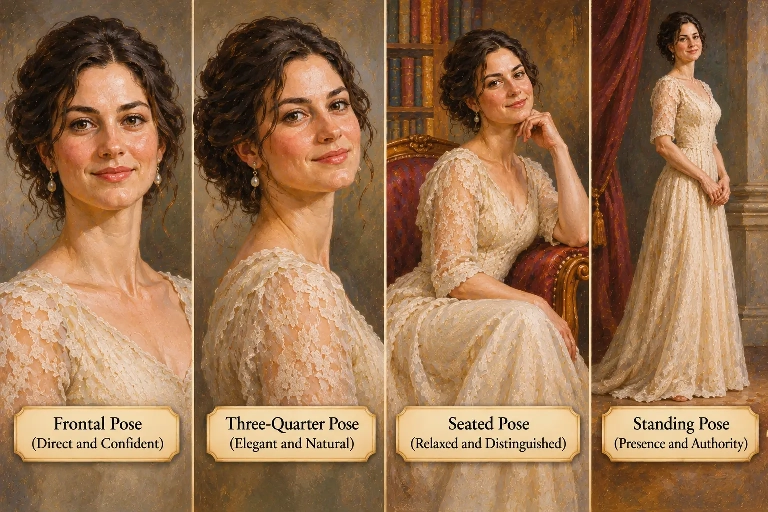
  • Head-and-shoulders portrait: Focuses on the bride's face, expression, hairstyle and veil.
  • Half-length portrait: Includes the upper body, wedding dress details and bouquet.
  • Three-quarter-length portrait: Shows more of the dress while retaining emphasis on the bride.
  • Full-length bridal portrait: Captures the complete wedding dress, pose, shoes and overall appearance.
  • Environmental portrait: Includes the bride within a wedding venue, garden or other meaningful setting.

The best composition will depend on the photograph available, the details you want to preserve and the intended dimensions of the painting.

Consider the display location

Think about where the finished painting will be displayed. A large full-length portrait may suit a living room, hallway or bedroom, while a smaller composition may be more appropriate for a private study or personal collection.

Choosing the Right Wedding Photograph

The reference photograph is one of the most important elements of a successful bridal portrait. It provides the artist with the information needed to capture the bride's likeness, expression, hairstyle, wedding dress and overall appearance.

Whenever possible, choose a high-resolution photograph that clearly shows the bride. A professional wedding photograph is often a good starting point, although a carefully selected personal photograph may also work well.

What makes a suitable bridal reference photograph?

  • A clear and recognisable view of the bride's face.
  • Natural lighting that reveals facial features and skin tones.
  • A pose that shows the preferred arrangement of the dress and veil.
  • Good image resolution, particularly for larger paintings.
  • Minimal obstruction from other people or objects.
  • Clear details of the wedding dress, bouquet and accessories where these are important.

Do not worry if your favourite photograph does not contain every detail you would like included. Additional photographs can sometimes be supplied to help the artist understand the dress, hairstyle, jewellery or preferred background.

Capturing the Bride's Facial Features and Expression

The bride's likeness is central to the success of a bridal portrait. A beautiful painting should not simply depict a woman wearing a wedding dress; it should be recognisably the individual bride.

The artist needs to pay attention to facial proportions, the shape of the eyes, nose and mouth, the natural expression and other distinctive features. The direction of the gaze and the position of the head can also influence the overall character of the portrait.

If you have a preferred expression from a particular photograph, make this clear when discussing the commission. You may also provide additional photographs showing the bride from different angles, particularly if the main reference image is not sufficiently detailed.

It is important to discuss any requested changes to the pose or expression before the painting begins. This helps the artist plan a composition that remains faithful to the bride's appearance.

Choosing the Wedding Dress, Veil and Accessories

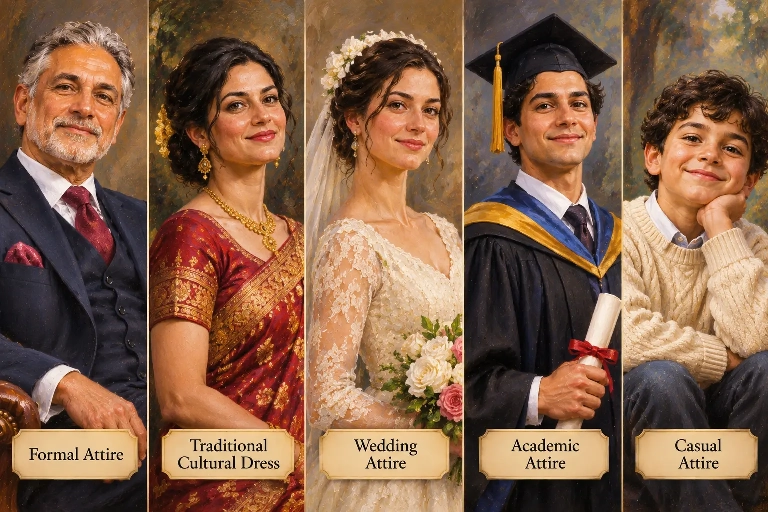
The wedding dress is often one of the most distinctive features of a bridal portrait. Its shape, fabric, embroidery, lace and decorative details can give the painting much of its character.

Depending on the reference photographs and preferred composition, the artist may be able to include details such as:

  • The shape and silhouette of the wedding dress.
  • Lace, embroidery and decorative patterns.
  • The texture and folds of the fabric.
  • The length and arrangement of the veil.
  • Wedding jewellery and hair accessories.
  • Gloves, shoes and other personal details.

For a detailed full-length portrait, the wedding dress may require considerable artistic attention. If there are particular details that are especially meaningful, provide close-up photographs where possible.

Including the Bridal Bouquet and Wedding Flowers

Flowers can add colour, texture and personal meaning to a bridal portrait. The bouquet may be one of the most recognisable elements of the wedding day, particularly if it contains flowers chosen for their sentimental significance.

Consider whether you would like the bouquet to be reproduced closely from the original photograph or interpreted more artistically. You may also wish to include flowers associated with the wedding ceremony, such as roses, lilies, peonies or other seasonal arrangements.

Where the flowers are important to the overall composition, provide a clear photograph showing their colours and arrangement. This will help the artist understand the details you would like preserved.

Selecting the Background and Wedding Setting

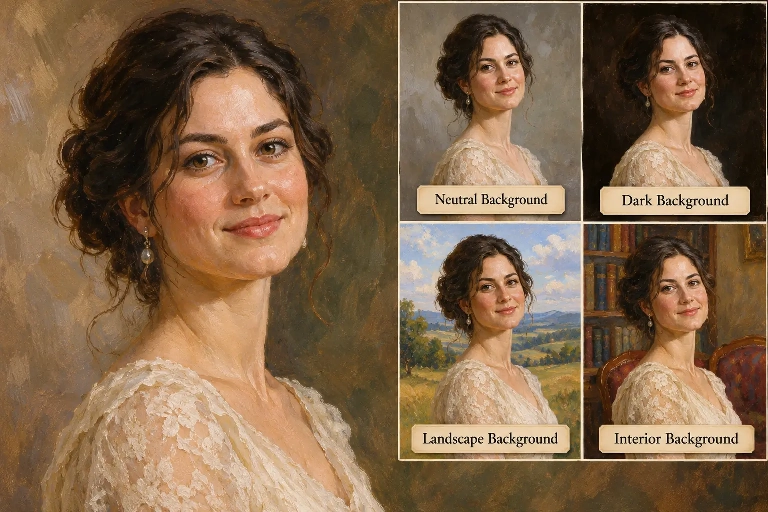
The background can influence the mood and character of a bridal portrait. A simple background places greater emphasis on the bride and her dress, while a detailed setting can help preserve the atmosphere of the wedding day.

Possible background choices include:

  • A softly painted neutral background.
  • The gardens or grounds of the wedding venue.
  • A church, historic building or architectural setting.
  • A wedding reception venue or ballroom.
  • A landscape or garden associated with the occasion.
  • A simplified background inspired by the original wedding photograph.

A detailed background can add context, but it should not distract from the bride. The artist can help determine how much of the original setting should be included to maintain a balanced composition.

Commissioning a Bridal Portrait as a Wedding or Anniversary Gift

A hand-painted bridal portrait can make a particularly meaningful gift. It may be commissioned by a husband or partner, parents, grandparents or other family members who wish to celebrate the bride and preserve memories of the wedding.

It can also be commissioned years after the wedding. A favourite photograph from the wedding album can become the starting point for a painting that celebrates the occasion and the relationship.

For an anniversary, a bridal portrait can be a thoughtful way to revisit the wedding day. It may be especially meaningful when the original dress, bouquet or venue holds sentimental value.

If the painting is intended as a surprise, consider asking a family member or close friend to help select the most suitable reference photographs. You may also need to check that the photograph can be used for the commission.

Selecting the Best Painting Medium for a Bridal Portrait

The choice of medium has a significant influence on the appearance of the finished artwork. Each technique offers different qualities, so it is worth considering the style you would like before commissioning the painting.

Traditional oil painting

Oil painting is particularly suitable for detailed and realistic bridal portraits. It offers rich colours, depth and subtle transitions, making it possible to capture delicate facial features, fabric textures and the intricate details of a wedding dress.

Traditional oil portraits can have a timeless quality and are often chosen for larger, formal compositions.

Watercolour painting

Watercolour produces a softer and more delicate appearance. Its transparent washes and flowing effects can be particularly attractive for bridal portraits, especially where the intention is to create a light, romantic atmosphere.

Watercolour may be suitable for portraits with a softer background, a delicate interpretation of the wedding dress or an emphasis on the overall mood of the occasion.

Acrylic painting

Acrylic is a versatile medium that can be used for both realistic and contemporary bridal portraits. It can produce a range of finishes, from smooth and detailed to more expressive and textured.

Discuss the different options with your artist so that the medium complements the composition and the intended display environment.

Selecting the Right Size and Painting Surface

The size of the painting should reflect the composition and the amount of detail you want to include. A full-length bridal portrait will generally need more space than a head-and-shoulders painting.

Before confirming the dimensions, consider the available wall space and how prominently you would like the artwork to be displayed.

Choosing the painting size

  • Small portrait: Suitable for a close-up composition or a personal keepsake.
  • Medium portrait: Provides space for a half-length or three-quarter-length composition.
  • Large portrait: Allows greater detail in the wedding dress, bouquet and background.
  • Extra-large portrait: May be appropriate for a full-length composition intended as a prominent display piece.

Choosing the painting surface

Canvas is a popular surface for oil and acrylic paintings. It can be used for traditional portrait compositions and is available in a range of sizes. Watercolour is traditionally painted on specialist watercolour paper, although suitable alternative surfaces may be available depending on the artist's technique.

Your artist can advise on the most appropriate surface for the selected medium and desired finish.

Understanding the Cost of a Commissioned Bridal Portrait

The cost of a bridal portrait depends on the size, complexity, medium and amount of detail involved. Each commission is different, so the final quotation will reflect the specific requirements of the painting.

Factors that may influence the price include:

  • Painting dimensions: Larger paintings generally require more materials and working time.
  • Composition: A full-length portrait may involve more work than a head-and-shoulders painting.
  • Wedding dress detail: Intricate lace, embroidery and fabric patterns can require additional attention.
  • Background: Detailed venues, gardens and architectural settings may increase the complexity.
  • Painting medium: Different materials and techniques may affect the time and cost involved.
  • Additional subjects: Including a partner, child or other person introduces further work.
  • Framing and delivery: These may be included in the quotation or arranged separately.

When requesting a quotation, provide the artist with your preferred photograph, dimensions, medium and any special requirements. This will help the artist assess the work involved and provide a more accurate estimate.

The Bridal Portrait Commissioning Process: From Enquiry to Finished Painting

Commissioning a bridal portrait is a collaborative process. Clear communication at each stage helps the artist understand your expectations and create a painting that reflects the bride and the occasion.

Initial enquiry

Contact the artist with an outline of your requirements. Explain whether the portrait is intended as a wedding gift, anniversary present or personal commission. Include your preferred size, medium and any particular details you would like to preserve.

Submit reference photographs

Provide the main wedding photograph and any additional images that may help the artist. These could include close-ups of the bride's face, wedding dress, veil, bouquet and background.

Agree on the composition and quotation

Discuss the preferred pose, dimensions, painting medium, background and level of detail. The artist can then assess the requirements and provide a quotation and estimated completion time.

The painting begins

Once the commission has been agreed and the necessary arrangements have been completed, the artist can begin working on the portrait. The painting process will depend on the chosen medium and the complexity of the composition.

Completion and delivery

When the painting is finished, it can be prepared for collection or delivery. If framing is required, this should be discussed as part of the commission. The artwork should be packaged appropriately to protect it during transit.

How Long Does It Take to Commission a Bridal Portrait?

The time required to complete a bridal portrait depends on its size, complexity, medium and the artist's existing workload.

A detailed oil painting may require a longer production period than a smaller or simpler commission. A full-length portrait with intricate dress details and a detailed background may also take longer than a close-up portrait.

Remember to allow time for the initial planning, painting, finishing, framing and delivery. If the portrait is intended as a wedding gift or anniversary present, contact the artist well in advance of the date.

When making your enquiry, explain when you would ideally like the painting completed. The artist can then advise whether the requested timescale is realistic.

Framing, Delivery and Displaying Your Bridal Portrait

Framing can enhance the appearance of a bridal portrait and help it complement the room in which it will be displayed. A traditional decorative frame may suit a formal oil painting, while a simpler frame can work well with a contemporary composition.

Consider the colours in the painting, the style of your interior and the available wall space when choosing a frame. The frame should complement the artwork without distracting attention from the bride.

Before delivery, confirm whether the painting will be supplied framed or unframed. If the artwork is being sent internationally, suitable protective packaging and delivery arrangements should be discussed.

To help preserve the painting, avoid placing it in direct sunlight or areas exposed to excessive heat, moisture or sudden temperature changes. Follow the artist's advice on the care of the particular medium and surface.

Common Mistakes to Avoid When Commissioning a Bridal Portrait

A little preparation can make the commissioning process easier and help avoid disappointment.

  • Choosing a low-resolution photograph: Blurred or unclear images can make it difficult to reproduce facial details accurately.
  • Not providing dress references: Important details such as lace, embroidery and fabric patterns may be difficult to interpret from a distant photograph.
  • Leaving the composition unclear: Agree on the pose, dimensions and background before the painting begins.
  • Choosing an unsuitable size: Consider the amount of detail and the intended display location.
  • Overcomplicating the background: Too many details can draw attention away from the bride.
  • Not discussing the preferred medium: Oil, watercolour and acrylic each produce different artistic effects.
  • Leaving the commission too late: Allow sufficient time for the painting, finishing, framing and delivery.
  • Not confirming the quotation: Clarify what is included, particularly framing, packaging and delivery.

Discussing your expectations clearly with the artist from the beginning is one of the best ways to achieve a successful bridal portrait.

Conclusion: Preserving the Beauty and Memories of a Wedding Day Through Art

A bridal portrait is more than a painting of a bride in her wedding dress. It is a way to preserve the beauty, personality and memories of one of life's most meaningful occasions. Through careful attention to the bride's likeness, wedding attire, bouquet and chosen setting, a photograph can be transformed into a distinctive work of art.

Whether commissioned as a wedding gift, an anniversary present or a personal keepsake, a hand-painted bridal portrait can become a treasured family heirloom. By choosing suitable reference photographs, selecting the right medium and planning the composition carefully, you can create a painting that celebrates the bride and the memories of her special day. 

Commission Your Bridal Portrait with GFM Painting

At GFM Painting, we create hand-painted portraits that celebrate people, relationships and important moments in life. A bridal portrait offers a beautiful way to preserve the elegance of a wedding dress, the bride's expression and the details that made the occasion special.

Whether you are commissioning a portrait for yourself, choosing a meaningful wedding gift or planning a special anniversary present, we can discuss your ideas and help you plan a personalised painting.

To enquire about commissioning a bridal portrait, visit GFM Painting and get in touch with your reference photographs, preferred dimensions and ideas for the finished artwork.

Related Portrait Services and Guides

A Bride's Beauty, Preserved Through Art

Celebrate the beauty and elegance of a bride with a personalised hand-painted portrait.

Preserve the details of the wedding dress, veil, bouquet and special moments.

Transform a favourite wedding photograph into an original work of art.

Choose from traditional oil painting, delicate watercolour and contemporary acrylic styles.

Create a treasured keepsake that celebrates a wedding day for generations to come.

FAQ

Frequently Asked Questions

Can I commission a bridal portrait years after my wedding?

Yes. A bridal portrait can be commissioned many years after the wedding using photographs from your wedding album. A favourite photograph can serve as the main reference, with additional images helping the artist reproduce important details of the dress, hairstyle and accessories.

Can the artist combine details from different wedding photographs?

Yes. An artist may be able to combine the bride's face from one photograph with the dress, bouquet or background from other images. The final composition will depend on the quality and suitability of the reference photographs.

Can I include my husband or partner in the bridal portrait?

Yes. You can commission a painting featuring both the bride and her husband or partner. This creates a personalised wedding portrait that captures their relationship and preserves a special moment from the occasion.

Is a bridal portrait suitable as a wedding anniversary gift?

Absolutely. A hand-painted bridal portrait created from a favourite wedding photograph makes a thoughtful anniversary gift. It offers a beautiful way to revisit the wedding day and celebrate the memories and years spent together.

Can I choose a traditional or contemporary bridal portrait style?

Can't Find What You Are Looking For

Contact Us

Sign up to receive the latest news from GFM Painting via email, including exclusive offers and updates...

PORTRAIT & REPRODUCTION
| | | |
PORTRAIT & REPRODUCTION
Show prices in

GFM Designer Ltd
Maultway Court
67-69 Ruxley Lane
Epsom, Surrey
KT19 0JG. UK
E-MAIL : info@gfmpainting.co.uk
PHONE : +44 (0) 203 592 3482
MOBILE : +44(0) 7834 393 396

  • Copyright GFM Designer 2026
  • Company Registration : 07286936
| | | |
GFM Painting top
GFM Painting