Your favourites are only temporarily saved. To find them back, create your account on GFM Painting!
Already have account ?

No gift cards in your cart.
November 18, 2026


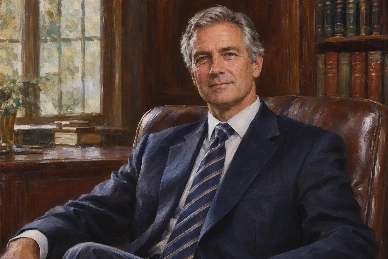
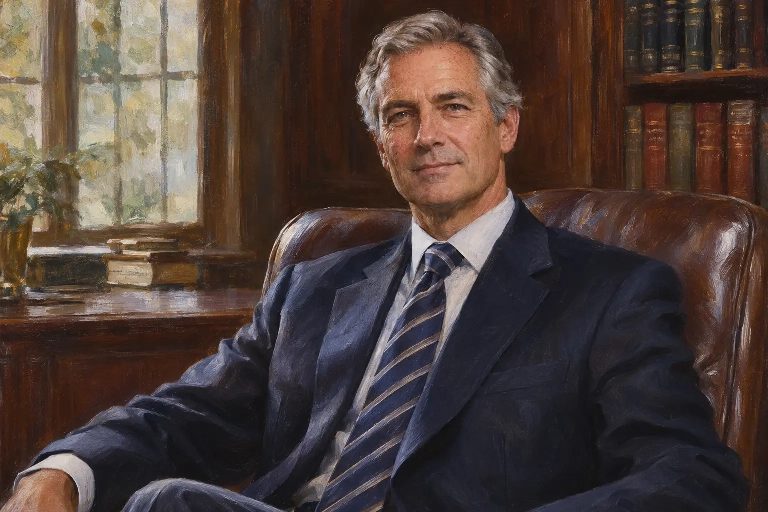
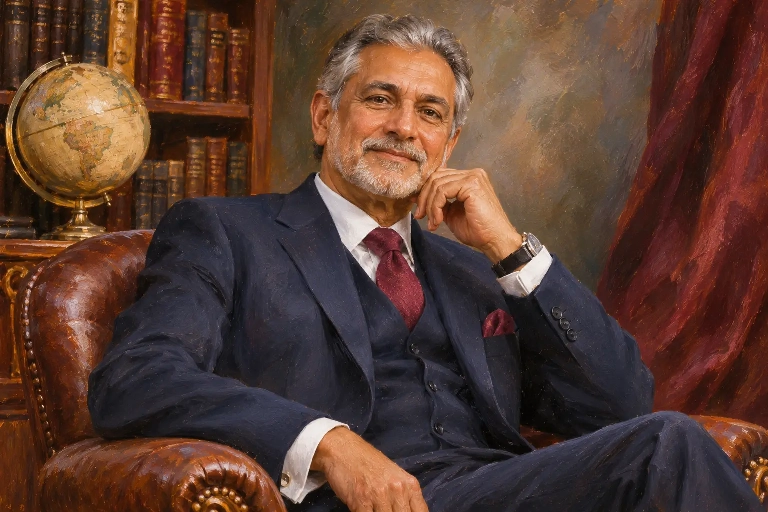
A professionally commissioned corporate portrait is more than a painted likeness. It is a lasting way to recognise leadership, celebrate professional achievement and preserve the contribution of an individual to an organisation. Whether you are commissioning a portrait of a company founder, chairman, director, senior executive or business leader, a hand-painted portrait can create a meaningful piece of artwork for an office, boardroom or personal collection.
Unlike a standard photographic portrait, a traditional painting offers the opportunity to introduce artistic interpretation, carefully selected backgrounds, distinctive clothing and personal details. The result can reflect not only the subject's appearance but also their character, experience and professional legacy.
To commission a corporate portrait, begin by choosing the subject, deciding on the desired size and artistic style, and providing suitable reference photographs. Discuss the composition, clothing, background and intended display location with the artist. Once the details and quotation have been agreed, the artist can begin creating the painting.
Yes. A corporate portrait can be created from one or more photographs, making it possible to commission a painting without arranging a formal sitting. High-quality reference photographs help the artist capture the subject's facial features, expression and professional appearance. Multiple photographs may also be used to combine a preferred expression, pose and background into one composition.
Oil painting is a popular choice for traditional corporate portraits because it offers rich colour, subtle tonal transitions and excellent opportunities for capturing realistic details. Acrylic painting can provide a contemporary alternative, while watercolour offers a lighter and more expressive appearance. The most suitable medium depends on the preferred artistic style, the intended setting and the overall effect you want to achieve.
A hand-painted portrait offers several advantages:
Whether the portrait is intended for a company collection or as a personal gift, the commissioning process provides an opportunity to create something distinctive and enduring.
Good preparation helps ensure that the finished portrait meets your expectations. Before contacting an artist, consider the purpose of the painting and how it will be displayed.
Decide whether the portrait will represent a founder, chairman, managing director, executive, employee or another important individual. Consider whether it is intended to recognise a professional achievement, commemorate retirement, celebrate a company milestone or form part of a wider collection of corporate portraits.
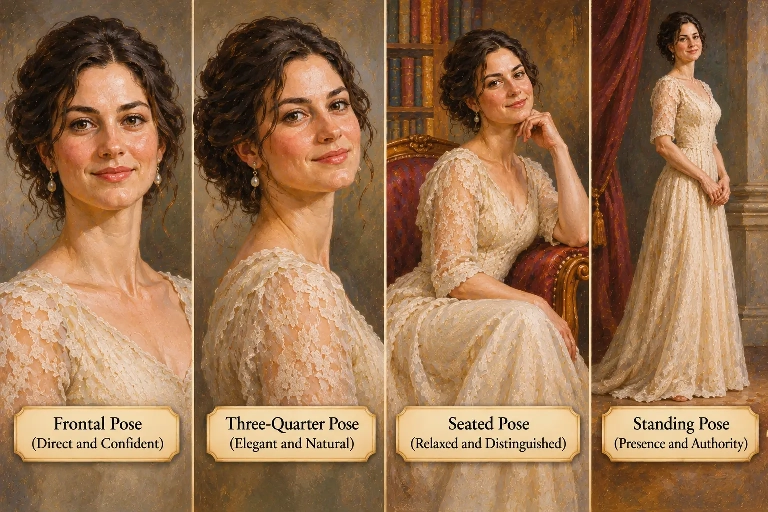
The intended location can influence the composition, dimensions and background. A portrait for a large boardroom may require a different scale from a smaller painting intended for an office or private study.
Consider whether you prefer a traditional formal portrait, a relaxed professional composition or a more contemporary interpretation. Reference paintings can help communicate your preferred style to the artist.
Reference photographs are central to creating a convincing corporate portrait. They provide the artist with information about the subject's facial features, expression, hairstyle, clothing and overall appearance.
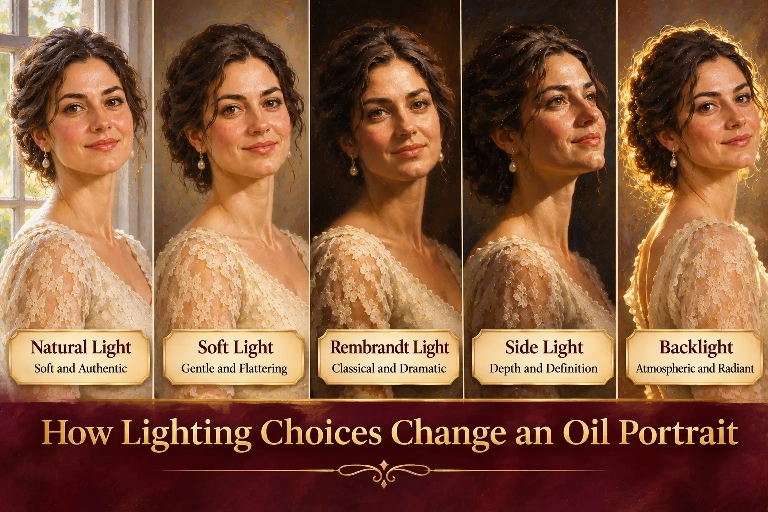
Where possible, provide clear, high-resolution photographs taken in good lighting. Images should show the subject's face without excessive shadows, filters or distortion.
You do not necessarily need a single photograph that contains every detail you want in the final painting. An artist may be able to use several reference images to achieve the desired composition.
One of the most important aspects of a corporate portrait is achieving a recognisable likeness. The painting should reflect the subject's distinctive facial features, proportions and natural expression.
Small details can make a significant difference, including the shape of the eyes, the position of the mouth, facial structure, hairstyle and natural expression. The artist must interpret these details carefully to produce a portrait that feels authentic rather than generic.
If there are particular features or expressions that you would like emphasised, communicate these preferences at the beginning of the commission. Providing several photographs can help the artist understand the subject's appearance from different angles.
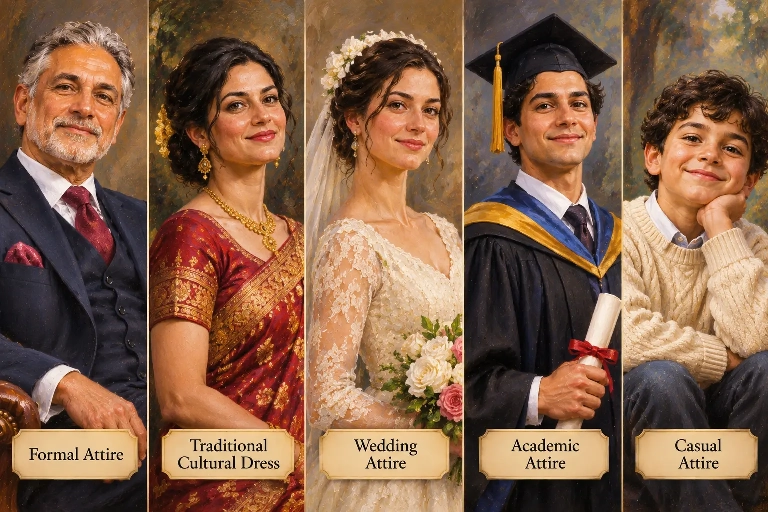
Clothing contributes to the overall character and formality of a corporate portrait. Traditional business attire, such as a suit, shirt and tie, is often chosen for formal executive portraits. However, the appropriate clothing depends on the subject's profession, personality and the organisation's identity.
Possible clothing choices include:
Where the subject is no longer available for a new photograph, clothing can sometimes be selected or adapted using suitable reference images. The feasibility will depend on the quality of the available photographs and the composition requested.
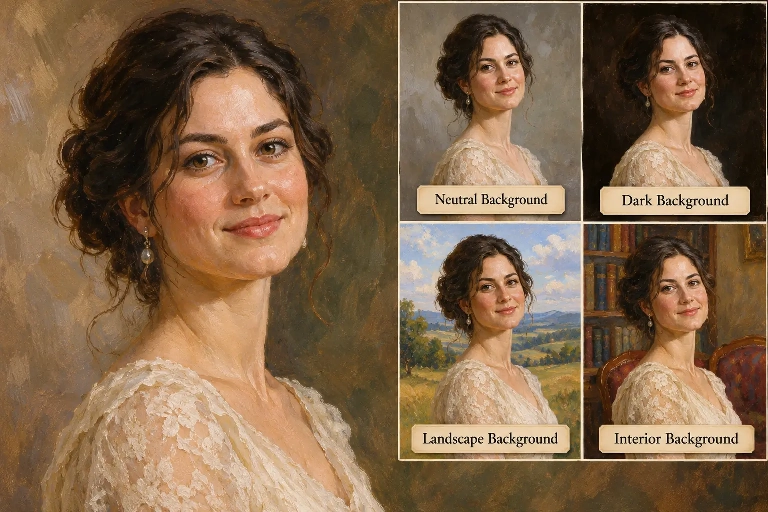
The background can help establish the setting and character of a corporate portrait. A simple neutral background creates a traditional and understated appearance, while a more detailed setting can communicate the subject's professional environment.
Possible backgrounds include:
Backgrounds should complement the subject rather than compete with the portrait. A carefully balanced composition helps maintain attention on the individual while providing context.
Some organisations may wish to commission portraits of several directors, founders or senior executives. These can be created as individual paintings or as a group portrait, depending on the intended display and budget.
Individual portraits offer flexibility because each painting can be completed using separate reference photographs. They can also be displayed together to create a consistent collection that recognises the people who have contributed to the organisation.
A group portrait requires additional planning. The artist must consider the arrangement of the subjects, their relative proportions, clothing, expressions and the overall balance of the composition.
For a collection of individual portraits, it is helpful to agree on consistent dimensions, backgrounds and artistic treatment before commissioning the paintings.
The artistic medium influences the appearance, texture and character of the finished portrait. Your choice should reflect the intended presentation and the atmosphere you want the painting to convey.
Oil painting is particularly suited to formal corporate portraits. Its rich colours, depth and ability to create subtle transitions make it an excellent medium for realistic facial features, clothing and backgrounds.
Acrylic offers a versatile alternative, with the ability to produce both realistic and more contemporary styles. It dries more quickly than traditional oil paint and can be used to create a range of finishes.
Watercolour produces a lighter and more expressive appearance. It may be suitable for less formal corporate portraits or commissions where a softer artistic treatment is preferred.
Discuss the advantages of each medium with the artist before making a decision. The best choice is the one that supports the desired style and purpose of the portrait.
The size of a corporate portrait should be considered in relation to the subject, composition and intended display location.
Smaller portraits may be appropriate for private offices or personal gifts, while larger paintings can create a stronger visual presence in boardrooms, reception areas and institutional settings.
Common considerations include:
Before confirming the size, measure the available wall space and consider whether the painting will be displayed in a frame.
The cost of a commissioned corporate portrait depends on several factors. There is no single price that applies to every painting because each commission involves different requirements.
Factors that may influence the quotation include:
When requesting a quotation, provide the artist with the intended dimensions, reference photographs, preferred medium and any special requirements. This makes it easier to assess the work involved and provide an appropriate estimate.
Although every commission is different, the process generally follows a number of stages.
Contact the artist with details of the portrait you would like to commission. Explain who the subject is, the intended purpose of the painting and where it will be displayed.
Provide suitable photographs and any additional images that may help the artist understand the subject's appearance, preferred clothing and desired pose.
Discuss the dimensions, medium, background, artistic style and other requirements. The artist can then assess the commission and provide a quotation.
Once the commission has been agreed and the necessary arrangements completed, the artist begins working on the portrait.
After the painting is completed and the finishing process is complete, the artwork can be prepared for collection or delivery. If framing is required, this should be agreed as part of the commission.
The time required depends on the size, medium, complexity and the artist's existing workload. A detailed oil portrait may take considerably longer than a smaller or simpler commission.
Additional time may be required for complex backgrounds, multiple subjects, framing and delivery. If the portrait is being commissioned for a retirement presentation, company anniversary or another specific event, contact the artist well in advance.
When making an enquiry, provide your preferred completion date so that the artist can advise whether the requested schedule is achievable.
Framing can enhance the presentation of a corporate portrait and help it complement its surroundings. Traditional wooden frames are often chosen for formal oil paintings, while simpler contemporary frames may suit modern office environments.
Consider the colours and materials used in the room where the painting will be displayed. The frame should complement both the artwork and the interior without distracting from the subject.
For delivery, a commissioned painting should be packaged appropriately to protect it during transit. Larger paintings and international deliveries may require specialist packaging and additional arrangements.
Once displayed, avoid placing the painting in direct sunlight or in locations exposed to excessive heat, moisture or sudden changes in temperature. Follow the artist's guidance for the care and preservation of the finished artwork.
Careful planning can help avoid misunderstandings and ensure that the finished painting meets your expectations.
Clear communication with the artist throughout the commissioning process is one of the best ways to achieve a successful result.
A commissioned corporate portrait is a meaningful way to recognise leadership, celebrate professional achievement and preserve an individual's contribution to an organisation. Whether it is a portrait of a company founder, chairman, director or senior executive, a carefully created painting can become a lasting part of a company's history.
By selecting suitable reference photographs, agreeing on the composition, choosing the right medium and allowing sufficient time for completion, you can create a portrait that reflects the subject's character and professional legacy.
With thoughtful planning and the skill of an experienced portrait artist, a corporate portrait can become a distinctive piece of artwork that will be valued for many years.
At GFM Painting, we create hand-painted portraits that celebrate people, relationships and important moments. A corporate portrait can recognise the achievements of a founder, chairman, director or business leader, creating a distinctive artwork for an office, boardroom or private collection.
Whether you are looking for a traditional executive portrait, a retirement gift or a painting commemorating an individual's contribution to your organisation, we can discuss your requirements and help you plan a personalised commission.
To enquire about commissioning a corporate portrait, visit GFM Painting and get in touch with your reference photographs, preferred dimensions and ideas for the finished painting.
Websites Built to Grow Your Business
Professional Web Design • Development • SEO • Digital Marketing
Read More
Discover a different perspective on wealth, stewardship, purpose and leadership.
Read MoreA hand-painted corporate portrait is a lasting way to recognise leadership and professional achievement.
Celebrate the contribution of founders, directors, chairmen and senior executives with a personalised work of art.
From traditional executive portraits to contemporary professional compositions, every commission can reflect the individual's character.
Carefully selected photographs, artistic styles and backgrounds help create a distinctive and meaningful portrait.
Discover how to plan and commission a corporate portrait that preserves a professional legacy.
Frequently Asked Questions
Yes. A professional headshot can provide an excellent reference for a commissioned corporate portrait, provided it contains sufficient detail to establish the subject's likeness. Additional photographs may help clarify clothing, posture or other details required for the composition.
Yes. An office, boardroom, company headquarters or another meaningful professional setting can be incorporated into the painting. Provide suitable reference photographs and explain how prominently you would like the background to appear.
Yes. An organisation can commission individual portraits of several directors or a single group portrait featuring its leadership team. The number of subjects, available photographs, composition and dimensions should be discussed before the commission is confirmed.
Yes. A hand-painted portrait can make a meaningful retirement gift for a founder, chairman, managing director or long-serving employee. It can commemorate their career and contribution to the organisation and be presented at a retirement celebration.
GFM Designer Ltd
Maultway Court
67-69 Ruxley Lane
Epsom, Surrey
KT19 0JG. UK
E-MAIL : info@gfmpainting.co.uk
PHONE : +44 (0) 203 592 3482
MOBILE : +44(0) 7834 393 396