☰

November 18, 2026

GFM Painting Logo
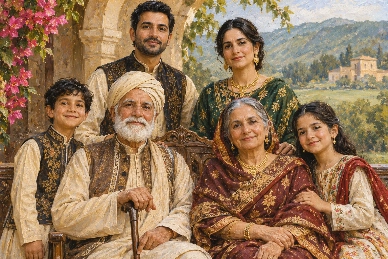
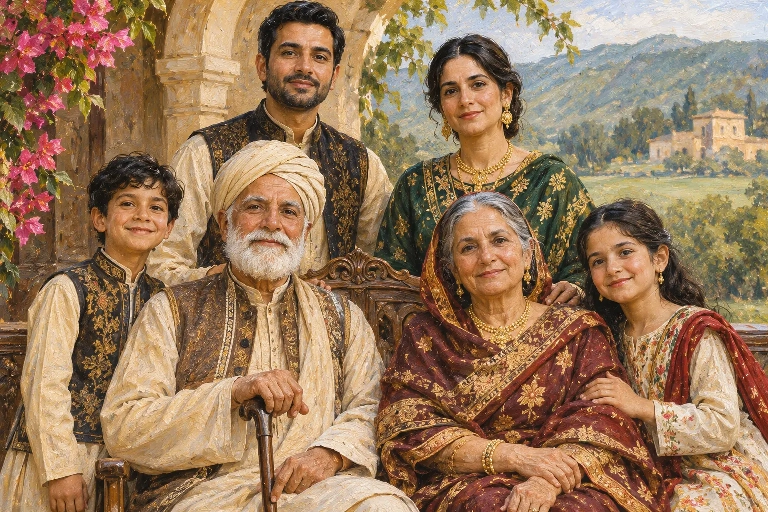
Hand-painted oil-style heritage portrait of three generations of a family wearing traditional embroidered clothing, celebrating family history and cultural heritage.

A heritage portrait is a meaningful way to celebrate family history, cultural identity and the people, traditions and stories that shape who we are. Whether it depicts an individual in traditional clothing, a family across generations or a loved one whose photograph has become an important part of family history, a hand-painted portrait can preserve these memories as a lasting work of art.

Commissioning a heritage portrait involves more than choosing a photograph. It requires careful consideration of the subject, historical details, clothing, setting, artistic style and the personal significance behind the image. The right reference photographs and a clear understanding of the intended composition help an artist create a portrait that is both visually compelling and personally meaningful.

This guide explains how to commission a heritage portrait, from selecting photographs and planning the composition to choosing a painting medium and preparing the finished artwork for display.

How Do You Commission a Heritage Portrait?

To commission a heritage portrait, begin by deciding who or what the painting should represent and gathering suitable reference photographs. Consider the clothing, background, historical details and personal objects that should appear in the composition. You can then discuss the preferred painting style, medium, dimensions and level of detail with the artist before agreeing on the commission.

Can a Heritage Portrait Be Created from Old Family Photographs?

Yes. A heritage portrait can be created using old family photographs, including photographs that are faded, damaged or available only in black and white. Several photographs can also be used to develop a composition that brings together details from different images. The clarity and condition of the original photographs will influence how accurately the artist can reproduce facial features, clothing and other important details.

What Should Be Included in a Heritage Portrait?

A heritage portrait can include the people, clothing, objects and surroundings that hold particular meaning for an individual or family. Examples include traditional dress, jewellery, family heirlooms, historic buildings, landscapes, cultural patterns and significant personal possessions. The most effective composition includes meaningful details without making the painting feel overcrowded.

Understanding Heritage Portraits

A heritage portrait is a personalised painting that celebrates an individual's family background, ancestry, cultural traditions or personal history. It may represent a single person, a couple, several family members or different generations brought together in one composition.

Unlike a conventional portrait, a heritage portrait can incorporate meaningful details that communicate a person's story. These may include traditional clothing, jewellery, textiles, historical settings, family heirlooms, architectural features or landscapes associated with a family's background.

There is no single style or format for a heritage portrait. Some are realistic representations based on contemporary photographs, while others are inspired by historical family photographs, archival images or traditional portrait painting.

Why Commission a Hand-Painted Heritage Portrait?

A hand-painted heritage portrait offers a personal way to preserve family memories and celebrate the stories behind them. It can transform an old photograph or collection of family images into a carefully composed artwork that can be displayed and passed down through generations.

Preserving Family History

Family photographs are valuable records of the past, but they can deteriorate over time or become difficult to share across generations. A hand-painted portrait provides another way to preserve the appearance of a relative and the memories associated with them.

This can be particularly meaningful when working from photographs of parents, grandparents or earlier generations. A portrait can help younger family members connect with relatives they may never have met.

Celebrating Cultural Identity and Traditions

Clothing, jewellery, textiles and other visual details can communicate important aspects of a person's cultural background. Including these elements in a portrait can create a stronger connection between the artwork and the traditions it represents.

Traditional clothing may be the central feature of the painting, or it may form part of a wider composition that includes family members, meaningful objects and a relevant setting.

Bringing Generations Together

A heritage portrait does not have to represent only one person. It may bring together parents, children, grandparents or other relatives in a single composition, even when the reference photographs were taken at different times.

This can be especially meaningful for families who wish to create a portrait that represents their shared history and relationships.

Creating a Meaningful Family Heirloom

A commissioned heritage portrait can become a treasured family possession. Displayed in a home, passed between relatives or kept as part of a family collection, it provides a lasting reminder of the people and experiences that have shaped a family.

Planning Your Heritage Portrait Before Commissioning

Careful planning helps establish the purpose and visual direction of the painting. Before approaching an artist, consider the subject, the story you want the artwork to communicate and the details that matter most.

Decide Who the Portrait Will Represent

Begin by deciding whether the painting will depict one individual, a couple, a family group or several generations. A single-person portrait may focus on facial likeness and traditional clothing, while a family composition may require more planning to establish the position and proportions of each person.

If the painting represents someone from an earlier generation, consider the person's age and appearance at the time shown in the reference photograph. Preserving these details can be important when creating a historically meaningful portrait.

Identify the Story Behind the Painting

Think about what makes the portrait important. It may celebrate a family's ancestry, recognise a particular cultural tradition, remember a relative or mark an important family milestone.

Understanding the purpose of the commission helps determine which details should receive the greatest attention. For example, a portrait intended to celebrate traditional dress may place particular emphasis on the clothing, jewellery and fabrics.

Choose the Composition

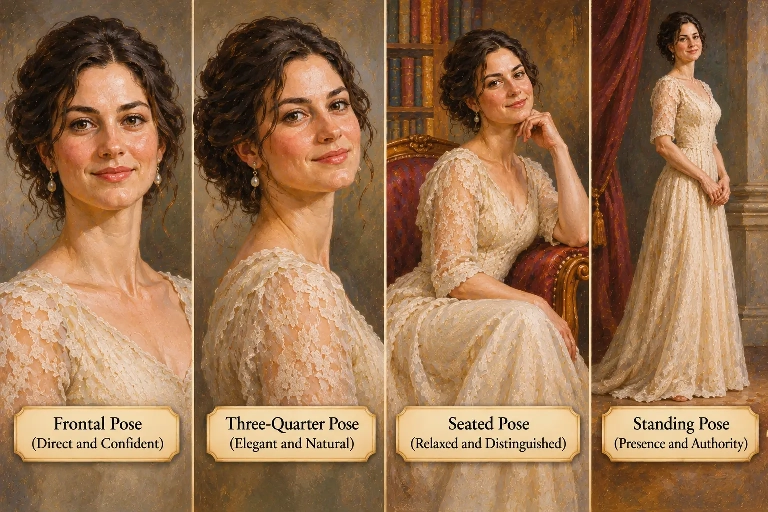
Decide whether you prefer a head-and-shoulders portrait, a half-length composition or a full-length painting. A closer portrait places greater emphasis on the face and expression, while a full-length composition allows more space for clothing, accessories and surroundings.

For a family portrait, consider how the individuals should be positioned in relation to one another. The composition should feel balanced and natural rather than simply placing separate figures together.

Identify Important Personal and Historical Details

Make a note of any details that should be included, such as traditional clothing, family jewellery, heirlooms, ceremonial objects, furniture, buildings or particular landscapes. If an object has a specific family or historical significance, explain its importance to the artist.

It is also helpful to distinguish between essential details and optional additions. This makes it easier to develop a composition that remains clear and visually balanced.

Choosing the Right Reference Photographs

Reference photographs are essential when commissioning a heritage portrait, particularly when the painting is based on relatives who are no longer living or images taken many years ago.

Providing several photographs can help the artist understand the subject's appearance and identify the most suitable image for the final composition.

What Makes a Good Reference Photograph?

A useful reference photograph should show the subject's facial features clearly. Images with good lighting, visible eyes and a recognisable expression are generally more helpful than photographs where the face is heavily shadowed or obscured.

For older photographs, the original image may be faded, scratched or discoloured. Even when the photograph is not in perfect condition, it may still provide valuable information about the person's appearance, clothing and surroundings.

Using Old and Damaged Family Photographs

Old family photographs can be particularly valuable when creating a heritage portrait. They may be the only surviving visual record of a relative or an important period in a family's history.

If the photograph is damaged, faded or difficult to interpret, provide the best available scan or photograph of the original. If possible, include other images of the same person to help clarify facial features and details.

Providing Multiple Photographs

Different photographs may offer different useful details. One image may show the person's face clearly, while another provides a better view of traditional clothing, jewellery or a particular setting.

When submitting multiple references, explain which photograph should be used as the main reference for the face and which images are intended to provide supporting details. This helps avoid confusion when the photographs show different ages, hairstyles or expressions.

Improving the Quality of Reference Images

If you have a physical photograph, a high-resolution scan is often preferable to a photograph taken at an angle or under uneven lighting. Avoid applying filters or making significant changes to the original image, as these can alter the appearance of facial features and colours.

Where photographs are very old, restoration may help make certain details easier to interpret. However, any restored image should be considered alongside the original so that important features are not unintentionally changed.

Capturing Facial Features and Family Likeness

Facial likeness is one of the most important aspects of a successful heritage portrait. When painting from historical photographs, the artist must work carefully with the available visual information to preserve the subject's recognisable appearance.

Facial Proportions and Distinctive Features

The proportions of the face, including the eyes, nose, mouth, jawline and forehead, contribute to an individual's identity. Small differences in these features can affect the overall likeness of the finished painting.

Distinctive details such as the shape of the eyebrows, smile lines, facial contours and natural asymmetries should be considered rather than making the face appear artificially idealised.

Expression and Character

A person's expression can communicate warmth, confidence, dignity or a quieter sense of personality. When selecting a reference photograph, consider whether the expression reflects how the family remembers the individual.

For a portrait of an older relative, preserving the character and natural appearance of the person may be more important than creating an idealised or younger representation.

Skin Tones and Natural Appearance

Old photographs, particularly black-and-white images, do not always provide accurate information about the original skin tones. Where possible, provide additional colour photographs of the subject or descriptions from family members who knew them.

The aim should be to create a natural and believable representation while respecting the available reference material.

Preserving the Subject's Age

When painting from an old photograph, the age of the subject at the time of the image should be considered carefully. A portrait of a grandparent as a young adult will have a different character from one showing them in later life.

Unless a different interpretation is specifically requested, the painting should reflect the age and appearance represented in the chosen reference photograph.

Including Traditional Clothing, Jewellery and Family Heirlooms

Clothing and personal objects can provide some of the most meaningful details in a heritage portrait. They may represent cultural traditions, family history, a particular period or an important personal achievement.

Traditional and Ceremonial Clothing

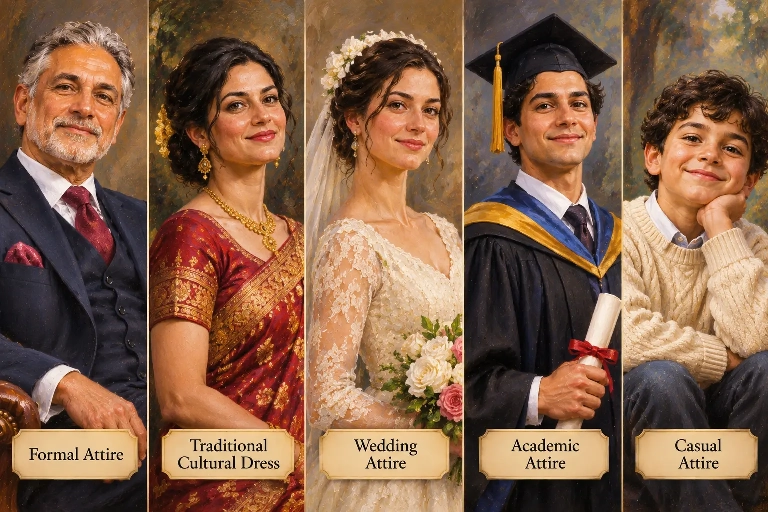
Traditional clothing can be an important part of the composition, particularly when the portrait is intended to celebrate cultural identity. Fabrics, embroidery, patterns, colours and the way garments are worn may all contribute to the authenticity of the painting.

Where accurate representation is important, provide clear photographs of the clothing from different angles. Written descriptions can also help explain details that may not be visible in the reference photograph.

Jewellery and Accessories

Jewellery and accessories may have personal, cultural or historical significance. These could include necklaces, earrings, bracelets, headwear, ceremonial accessories or inherited items that have been passed down through a family.

If a particular piece of jewellery is important, provide a separate photograph showing its design and details. This is especially useful when the item appears small or indistinct in the main portrait photograph.

Family Heirlooms and Significant Objects

A portrait may include an object that represents a family tradition or personal memory. Examples include a musical instrument, a book, a piece of furniture, a ceremonial object or an item associated with a family profession.

These details should have a clear purpose within the composition. Including too many unrelated objects can distract from the subject, so it is worth identifying the most meaningful elements.

Choosing a Meaningful Background and Setting

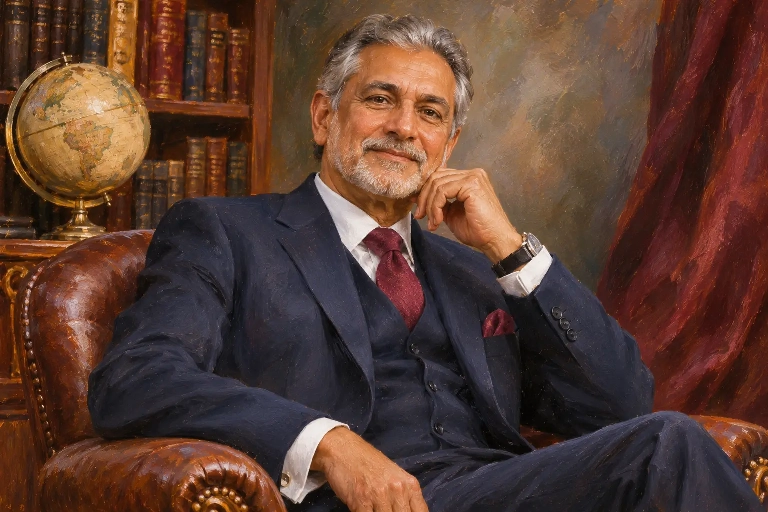
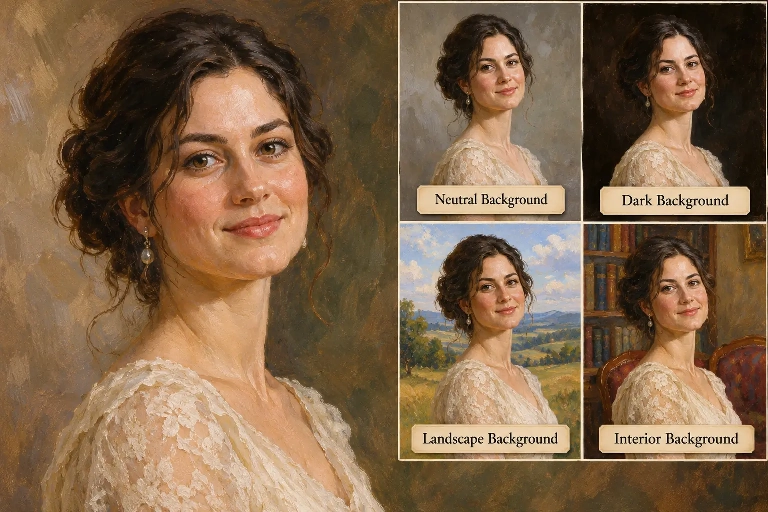
The background can help establish the historical, geographical or personal context of a heritage portrait. It may be a simple painted backdrop, a family home, a significant building, a landscape or an environment associated with the subject.

Historical Buildings and Family Homes

A building may have particular importance because it was a family home, a place of work or a location associated with an important event. Including it in the painting can create a stronger connection to the subject's personal history.

Photographs of the building or location can help the artist reproduce its most recognisable features. If the original building no longer exists, historical photographs may provide useful reference material.

Landscapes and Places of Origin

A landscape can provide a meaningful setting for a portrait, particularly when a family's history is closely connected to a particular region, village or countryside. The background might include mountains, gardens, coastlines, rural surroundings or a familiar local scene.

The setting should complement the subject rather than compete with it. A softer or less detailed background can help maintain the focus on the person being portrayed.

Simple and Neutral Backgrounds

Not every heritage portrait needs a detailed historical setting. A simple background can create an elegant and timeless composition, allowing the subject's face, clothing and personal details to remain the main focus.

Neutral backgrounds may be particularly suitable when the reference photographs contain several different settings or when the painting combines people from separate images.

Creating a Heritage Portrait from Separate Photographs

It is often possible to create a single heritage portrait using several separate photographs. This can be useful when family members were photographed at different times or when no suitable photograph exists showing everyone together.

For example, a portrait may combine a grandparent from an old photograph with other relatives from more recent images. The composition can be developed so that the figures appear together naturally, even though the original photographs were taken separately.

Choosing the Main Reference for Each Person

Identify the photograph that best represents each individual. Ideally, the main reference should show the person's face clearly and provide a suitable expression. Supporting images can then be used for clothing, posture or other details.

Maintaining Consistent Proportions

When combining separate photographs, differences in camera angle, distance and perspective need to be considered. The artist must establish appropriate proportions so that each person appears naturally positioned within the same composition.

Creating a Natural Group Composition

Simply placing several people together does not necessarily create a convincing family portrait. Their positions, relative heights, body angles and expressions should work together to form a balanced image.

It is helpful to discuss the intended arrangement before the painting begins, particularly when the portrait includes several generations or people from different photographs.

Selecting the Artistic Style and Painting Medium

The choice of painting medium influences the appearance, texture and overall character of a heritage portrait. Oil painting, watercolour and acrylic each offer different artistic qualities.

Traditional Oil Painting

Oil painting is a popular choice for traditional portraiture because it allows the artist to develop depth, tonal variation and fine details. It can be particularly effective for realistic facial features, richly coloured traditional clothing and carefully rendered jewellery.

The richness of oil colours and the possibilities for blending and layering make this medium suitable for formal portraits and larger compositions.

Traditional Watercolour Painting

Watercolour offers a lighter and more delicate appearance. Its transparent washes and subtle tonal transitions can create a distinctive atmosphere, particularly when the portrait includes landscapes, soft backgrounds or traditional fabrics.

Traditional watercolour is usually associated with watercolour paper, although specialist surfaces and techniques can also be used. The choice of surface affects the texture and handling of the paint.

Acrylic Painting

Acrylic paint is versatile and can be used to create both realistic and expressive portraits. It dries relatively quickly and can be applied in layers, allowing the artist to develop a range of textures and finishes.

It may be suitable for portraits that require strong colours, clear definition or a contemporary interpretation of a traditional subject.

Choosing Between Realistic and Expressive Styles

A realistic style places emphasis on accurate facial likeness, clothing and other recognisable details. An expressive approach may use more visible brushwork, simplified backgrounds or a different treatment of colour and texture.

The best approach depends on the purpose of the portrait and the appearance you want to achieve. A formal family heirloom may suit a traditional realistic style, while a more artistic interpretation may be appropriate for a portrait intended to express atmosphere and personality.

Selecting the Right Size and Painting Surface

The dimensions of a heritage portrait should reflect the number of people, the level of detail and the intended display location. A single-person portrait may work well in a smaller format, while a multi-generational composition generally requires more space.

Smaller Heritage Portraits

Smaller paintings can be suitable for individual portraits or simpler compositions. They may also be appropriate when the artwork is intended to form part of a collection of family portraits.

Larger Heritage Portraits

Larger dimensions provide more room for detailed clothing, jewellery, family heirlooms and backgrounds. They are worth considering when the composition includes several people or when the painting is intended to become a prominent feature in a home.

Choosing the Painting Surface

Oil and acrylic paintings are commonly produced on canvas or other suitably prepared painting surfaces. Watercolour is traditionally painted on watercolour paper, with the choice of paper weight and texture influencing the finished appearance.

The surface should be selected in relation to the chosen medium, the artist's technique and the desired presentation of the artwork.

Understanding the Cost of a Commissioned Heritage Portrait

The cost of a commissioned heritage portrait depends on several factors. The size of the painting, number of people, complexity of the composition and choice of medium can all influence the amount of work involved.

Painting Dimensions

Larger paintings generally require more materials and working time. They also provide greater scope for detailed backgrounds, clothing and additional elements.

Number of People

A portrait featuring several family members requires the artist to capture the likeness of each person and create a balanced overall composition. This generally involves more work than a single-person portrait.

Level of Detail

Traditional clothing, intricate jewellery, patterned fabrics, family heirlooms and detailed architectural backgrounds can increase the complexity of a painting.

Choice of Medium

Oil, watercolour and acrylic require different materials and working methods. The time involved depends on the technique, the subject and the level of detail required.

Background and Additional Details

A simple background may require less work than a detailed historical setting or a landscape containing several architectural and natural features. The inclusion of additional people or objects can also affect the overall scope of the commission.

What to Discuss When Requesting a Quotation

When requesting a quotation, provide the intended painting dimensions, number of people, preferred medium and reference photographs. Include a description of any clothing, objects or background details that should appear in the composition.

Providing this information at the beginning helps the artist understand the scope of the project and assess the work involved.

The Heritage Portrait Commissioning Process: From Enquiry to Finished Painting

Commissioning a heritage portrait involves several stages, beginning with the initial idea and ending with the completed artwork. Clear communication about the subject and reference material helps establish a shared understanding of the intended result.

Initial Enquiry

Begin by explaining who the portrait will represent and why it is important. Describe the intended composition, preferred medium, approximate dimensions and any significant historical or personal details.

Submitting Reference Photographs

Provide the best available photographs of the subject. Include additional images where they help explain clothing, jewellery, family heirlooms or the intended background.

For a portrait involving several people, identify the main photograph for each individual and explain how you would like them arranged.

Discussing the Composition and Style

The composition should reflect the purpose of the painting. Discuss whether you prefer a formal portrait, a natural family arrangement or a more expressive artistic interpretation.

It is also important to explain which details are essential and which can be adapted to achieve a balanced composition.

Agreeing the Quotation and Commission Details

Once the scope of the painting has been discussed, the quotation should reflect the agreed dimensions, number of subjects, medium and level of detail. Any specific requirements should be clearly understood before the commission proceeds.

Creating the Painting

The artist develops the portrait using the agreed reference material and composition. Particular attention is given to the likeness of the subjects and the details that give the painting its heritage significance.

Completion and Final Preparation

Once the painting is completed, it can be prepared for its intended presentation. Consider the suitability of framing, the painting surface and the location where the artwork will be displayed.

How Long Does It Take to Commission a Heritage Portrait?

The time required to complete a heritage portrait depends on the size and complexity of the painting, the number of people and the chosen medium. A detailed multi-generational portrait with traditional clothing and a historical background will generally involve more work than a simple individual portrait.

Oil paintings may require additional time because of the techniques and drying stages involved. Watercolour and acrylic have different working processes, and the time needed will depend on the artist's approach and the details required.

If the portrait is being commissioned for a birthday, anniversary, family celebration or other important occasion, it is sensible to make the enquiry well in advance. This allows time to gather photographs, discuss the composition and complete the painting without unnecessary pressure.

Framing, Displaying and Caring for Your Heritage Portrait

Once the painting is complete, its presentation can help emphasise its importance as a family artwork. The frame, display location and care of the painting should all be considered.

Choosing a Suitable Frame

A traditional frame may complement a formal heritage portrait, while a simpler frame can suit a contemporary interpretation. Consider the colours and details in the painting, the room where it will be displayed and the overall style of the artwork.

Choosing the Right Display Location

A heritage portrait may be displayed in a living room, hallway, study or family room. Choose a location where the artwork can be appreciated while avoiding prolonged exposure to direct sunlight, excessive humidity or significant temperature changes.

Caring for the Painting

Paintings should be handled carefully and protected from dust, moisture and physical damage. Avoid placing the artwork near radiators, fireplaces or areas with fluctuating environmental conditions.

Different painting mediums have different care requirements. Follow the artist's guidance for the particular surface and medium used.

Common Mistakes to Avoid When Commissioning a Heritage Portrait

A heritage portrait often carries considerable personal and emotional importance. Taking time to plan the commission can help avoid problems and ensure that the finished painting reflects the intended story.

Providing Too Few Reference Photographs

One photograph may not show every detail required for the painting. If clothing, jewellery or other important features are unclear, provide additional reference images wherever possible.

Not Explaining the Significance of Important Details

An artist may not know why a particular item, garment or background is important to the family. Explain the meaning behind significant objects and identify details that should be represented accurately.

Combining Photographs Without a Clear Composition

When several photographs are used, it is important to explain how the subjects should appear together. Without a clear direction, the final arrangement may not reflect the intended family relationships or visual balance.

Including Too Many Background Elements

Although it can be tempting to include every meaningful object or location, too many details may distract from the main subjects. Prioritise the elements that best communicate the story behind the portrait.

Choosing a Painting Size Without Considering the Composition

A size that works for one person may not provide enough space for a family group or a detailed setting. Consider the number of subjects and the level of detail before deciding on the dimensions.

Leaving the Commission Until the Last Minute

Heritage portraits can require considerable preparation, particularly when working with historical photographs or several family members. Starting early gives more time to gather reference material and develop the composition carefully.

Conclusion: Preserving Family Heritage Through Art

A heritage portrait is more than a painted likeness. It is an opportunity to celebrate family history, preserve important memories and represent the traditions and personal stories that connect generations.

Whether the painting depicts an individual in traditional clothing, a much-loved relative from an old family photograph or several generations brought together in one composition, careful planning helps create an artwork with lasting personal significance.

Choosing suitable reference photographs, identifying meaningful details and selecting the right artistic style are important steps in the commissioning process. The most successful portraits balance accurate representation with a thoughtful composition that reflects the people and history behind the image.

A hand-painted heritage portrait can become a treasured family heirloom: a lasting work of art that preserves memories and allows future generations to appreciate the people, places and traditions that form part of their family story.

Commission Your Heritage Portrait with GFM Painting

At GFM Painting, we create hand-painted portraits from photographs, helping customers turn meaningful images and personal memories into individual works of art.

Whether you are considering a portrait of a loved one, a family composition spanning several generations or an artwork inspired by traditional clothing and family history, the reference photographs and intended composition are an important starting point.

To discuss a heritage portrait commission, visit GFM Painting and share your photographs and ideas. Consider the subject, preferred painting medium, dimensions and details that will help shape your proposed artwork.

Visit GFM Painting to explore hand-painted portrait commissions.

Celebrating the Stories Behind Your Heritage

Every family has a story shaped by generations, traditions and treasured memories.

A heritage portrait brings those stories to life through the art of hand-painted portraiture.

From traditional clothing and family heirlooms to meaningful places, every detail can help preserve a personal connection to the past.

Whether celebrating an individual or bringing generations together, a personalised portrait creates a lasting family keepsake.

Preserve the people, traditions and memories that make your family story unique.

FAQ

Frequently Asked Questions

Can a heritage portrait be painted from a black-and-white photograph?

Yes. A heritage portrait can be created from a black-and-white photograph. Additional family photographs or descriptions can help the artist understand the subject's original appearance, clothing and colours.

Can I include traditional clothing and cultural jewellery in the portrait?

Yes. Traditional clothing, jewellery, accessories and ceremonial details can be included. Providing clear reference photographs helps the artist capture patterns, fabrics and distinctive features more accurately.

Can you create a portrait featuring family members from different generations?

Yes. A composition can bring together grandparents, parents, children and other relatives using separate photographs. The images can be used to develop a unified composition that reflects the family's relationships and history.

Can I include a historical family home or ancestral location in the background?

Yes. A family home, ancestral village, historic building or meaningful landscape can be incorporated into the painting. Reference photographs help the artist understand the setting and identify its important features.

Is a hand-painted heritage portrait a suitable family heirloom gift?

Can't Find What You Are Looking For

Contact Us

Sign up to receive the latest news from GFM Painting via email, including exclusive offers and updates...

PORTRAIT & REPRODUCTION
| | | |
PORTRAIT & REPRODUCTION
Show prices in

GFM Designer Ltd
Maultway Court
67-69 Ruxley Lane
Epsom, Surrey
KT19 0JG. UK
E-MAIL : info@gfmpainting.co.uk
PHONE : +44 (0) 203 592 3482
MOBILE : +44(0) 7834 393 396

  • Copyright GFM Designer 2026
  • Company Registration : 07286936
| | | |
GFM Painting top
GFM Painting