☰

November 18, 2026

GFM Painting Logo
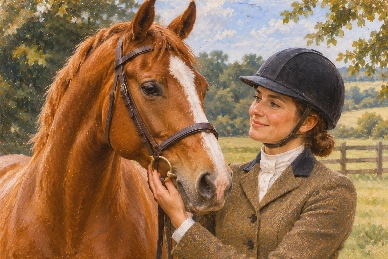
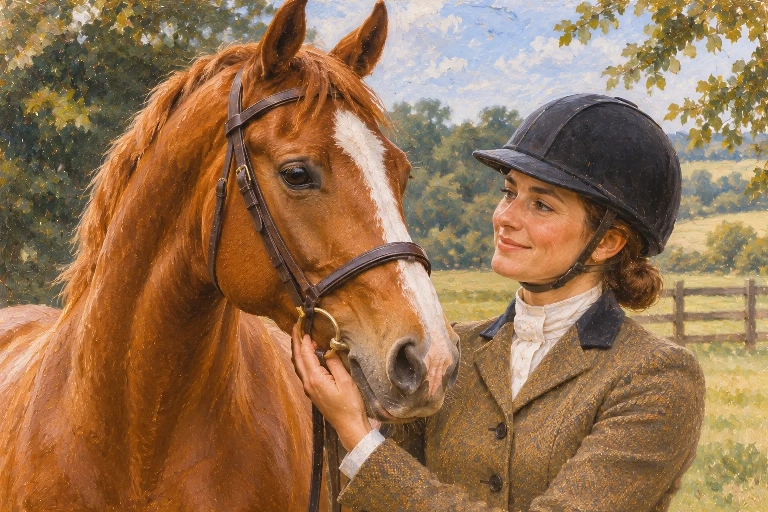
Hand-painted oil portrait of a chestnut horse and its rider in the countryside, capturing the special bond between horse and owner.

A horse is much more than an animal to its owner. For many people, a horse represents companionship, loyalty, achievement and a special connection built through years of care and shared experiences. An equine portrait offers a beautiful way to celebrate that relationship and preserve the appearance and character of a much-loved horse through art.

Whether you want to commission a portrait of a competition horse, a retired riding companion, a family pony or a horse that has passed away, a hand-painted portrait can transform a treasured photograph into a lasting work of art. Every horse has its own distinctive features, expression, markings and personality, making the choice of reference photograph particularly important.

Commissioning an equine portrait involves several decisions, including selecting suitable photographs, choosing the horse's pose, deciding on the background, selecting an artistic style and determining the painting size. This guide explains how to commission an equine portrait and how to prepare the information an artist needs to create a personal and recognisable painting.

How Do You Commission an Equine Portrait?

To commission an equine portrait, begin by selecting clear photographs of your horse that show its facial features, coat colour, markings and overall appearance. Decide whether you prefer a head-and-neck portrait, a full-body composition or a painting featuring horse and rider. You can then discuss the preferred painting medium, background, dimensions and artistic style with the artist before confirming the commission.

Can an Equine Portrait Be Painted from a Photograph?

Yes. An equine portrait can be created from one or more photographs. A clear photograph showing the horse's head, eyes, coat colour and distinctive markings is particularly useful. Additional photographs can provide references for the horse's body, mane, tail, posture or preferred background. Several images may also be considered when developing a composition that brings together different details.

What Is the Best Painting Style for a Horse Portrait?

The best painting style depends on the horse, the owner's preferences and the intended appearance of the artwork. Traditional oil painting is suitable for detailed and realistic equine portraits, while watercolour can create a softer, more delicate interpretation. Acrylic is versatile and can be used for both realistic and expressive styles. The chosen medium should complement the horse's appearance and the atmosphere you want the painting to convey.

Why Commission a Hand-Painted Equine Portrait?

A hand-painted equine portrait is a personal way to celebrate a horse and preserve memories of the relationship between horse and owner. It can capture the animal's appearance, distinctive markings and individual character in a way that makes the finished artwork meaningful to the person commissioning it.

Celebrating the Bond Between Horse and Owner

For many owners, a horse becomes an important part of everyday life. The time spent riding, training, caring for and competing with a horse can create a strong emotional connection.

A portrait can commemorate this relationship and provide a lasting reminder of the experiences shared together. It may be particularly meaningful for an owner who has spent many years with the same horse.

Remembering a Much-Loved Horse

An equine portrait can also be commissioned in memory of a horse that has passed away. Photographs taken during the horse's lifetime can provide the reference material needed to create a personal tribute.

The painting may reflect a favourite photograph, a familiar expression or a particular pose that the owner remembers fondly. It can become a treasured keepsake celebrating the horse's place in the owner's life.

Commemorating Competition and Sporting Achievements

Horses involved in show jumping, dressage, eventing, racing and other equestrian disciplines may have achieved important milestones during their careers.

A portrait can commemorate a championship, memorable competition, successful season or the retirement of a valued sporting partner. It may feature the horse in a recognisable competition pose, wearing appropriate tack or alongside its rider.

Creating a Personalised Gift

A commissioned horse portrait can make a thoughtful gift for an equestrian, horse owner or someone who has a special attachment to a particular animal.

It may be suitable for birthdays, anniversaries, retirement celebrations, competition achievements or as a memorial gift. A painting created from a meaningful photograph offers a personal alternative to a conventional present.

Planning Your Equine Portrait Before Commissioning

Before approaching an artist, consider what you want the portrait to communicate. Some owners prefer a close-up representation of the horse's head, while others want to show the complete animal, its surroundings or its relationship with a rider.

Choose the Type of Equine Portrait

There are several common compositions to consider:

  • Head portrait: Focuses on the horse's face, eyes, ears and distinctive markings.
  • Head-and-neck portrait: Includes the head, neck and part of the shoulders, providing more opportunity to represent the horse's mane and build.
  • Three-quarter portrait: Shows more of the horse's body while retaining emphasis on its head and expression.
  • Full-body portrait: Represents the horse from head to hoof, allowing its build, posture and overall appearance to be appreciated.
  • Horse and rider portrait: Shows the horse alongside its owner or rider, celebrating their partnership.
  • Multiple-horse portrait: Brings two or more horses together in one composition.

Choose the Horse's Pose

The pose has a significant influence on the character of the finished painting. A relaxed standing pose may create a calm and traditional portrait, while a horse in motion can communicate energy and athletic ability.

Consider whether you prefer the horse standing naturally, walking, running, jumping or being ridden. If the horse has a particularly recognisable pose or expression, a photograph showing this may be an ideal reference.

Decide Whether to Include the Rider

Some equine portraits focus entirely on the horse, while others include the owner or rider. A horse-and-rider portrait can be particularly meaningful when the painting is intended to celebrate a long-standing partnership or an important competition achievement.

If a rider is included, consider whether the composition should show the complete figure, an upper-body riding pose or a more informal interaction with the horse.

Consider the Purpose of the Painting

Think about whether the portrait is intended as a personal keepsake, a memorial, a competition celebration or a decorative artwork for the home. The purpose may influence the horse's pose, the background, the size and the overall artistic style.

Choosing the Right Reference Photographs of Your Horse

Reference photographs are essential when commissioning an equine portrait. They provide the visual information needed to capture the horse's individual appearance, including its coat colour, markings, proportions and expression.

What Makes a Good Horse Photograph?

A useful reference photograph should show the horse clearly and provide sufficient detail to identify its distinctive features. Natural lighting is helpful because it allows the coat colour and markings to be seen more accurately.

For a head portrait, choose an image where the horse's face and eyes are visible. For a full-body portrait, provide a photograph showing the horse's overall proportions and stance.

Photographing the Horse's Face and Eyes

The eyes are an important feature of an equine portrait because they contribute to the expression and character of the animal. A photograph showing the eyes clearly can help the artist capture the horse's individual appearance.

Images taken too far away, in heavy shadow or with the head turned at an extreme angle may provide less useful detail.

Capturing Coat Colour and Distinctive Markings

Horses have a wide range of coat colours and patterns. These may include bay, chestnut, black, grey, palomino, roan, dun and other colour variations.

Distinctive markings such as stars, blazes, snips, socks and stockings can help identify a particular horse. Provide photographs showing these features clearly, especially if they are important to the horse's recognisable appearance.

Providing Multiple Reference Photographs

Several photographs can help the artist understand different aspects of the horse. One may show the preferred expression, another may provide a better view of the coat markings, while a third may show the horse's body and posture.

Identify which photograph should be used as the main reference for the composition and which images provide additional information.

Using Older Photographs

An equine portrait can be created from an older photograph, including images of retired horses or animals that have passed away. The photograph may be faded or imperfect, but it can still contain valuable information.

If possible, provide other photographs of the horse to help clarify details that are difficult to see in the original image.

Capturing the Horse's Facial Features and Individual Character

Every horse has distinctive facial features and expressions. Capturing these accurately is one of the most important aspects of creating a recognisable equine portrait.

Head Shape and Facial Proportions

The shape of a horse's head varies according to its breed, age and individual characteristics. The proportions of the forehead, muzzle, jaw and cheek contribute to its overall appearance.

A recognisable portrait should preserve these proportions rather than making the horse's face look artificially altered.

The Eyes and Expression

The eyes can communicate a horse's alertness, calmness and individual character. Their shape, position and expression should be considered carefully when selecting reference photographs.

Some owners may prefer a relaxed expression, while others may want to capture the horse looking alert or directly towards the viewer.

Ears, Muzzle and Distinctive Markings

The shape and position of the ears, the form of the muzzle and the markings on the face all contribute to the horse's identity.

Facial markings should be represented accurately, particularly when the horse has a distinctive blaze, star, snip or unusual combination of markings.

Mane, Forelock and Coat Texture

The mane and forelock can influence the appearance of the horse's head and neck. Their length, colour, direction and texture may be important features of the composition.

The coat should also be represented with appropriate colour variation and texture rather than as a single flat colour.

Representing the Horse's Breed, Colour and Body Structure

Different breeds have distinctive physical characteristics. An accurate equine portrait should reflect the horse's individual build, proportions and appearance.

Breed Characteristics

Horses vary considerably in size, body structure, head shape and overall proportions. A portrait of a Thoroughbred may have a different appearance from one depicting a Cob, Arabian, Warmblood or native pony.

If the breed is important to the commission, provide photographs that show the horse's overall structure and distinctive characteristics.

Coat Colour and Natural Shading

Coat colour can appear different depending on the lighting, season and condition of the horse's coat. Photographs taken outdoors in natural light can help provide a more accurate reference.

The artist should consider the subtle variations in colour, highlights and shadows that give the coat a natural appearance.

Body Proportions and Musculature

A horse's body structure contributes to its recognisable appearance. The proportions of the neck, shoulders, back, hindquarters and legs should be considered when creating a full-body portrait.

These details are particularly important for portraits of competition horses, where the animal's athletic build and movement may be central to the composition.

Leg Markings and Hooves

Leg markings can be distinctive features of an individual horse. Photographs showing the legs clearly can help the artist represent socks, stockings and other markings accurately.

For a full-body composition, the position and appearance of the hooves should also be considered.

Choosing the Background and Setting

The background can add atmosphere and context to an equine portrait. It may be a simple neutral backdrop, a stable yard, a field, a competition arena or a landscape associated with the horse.

Neutral and Traditional Backgrounds

A simple background can keep attention on the horse and create a timeless appearance. This is particularly suitable for close-up portraits where facial likeness and expression are the main focus.

Stable and Equestrian Settings

A stable yard, paddock or riding environment may provide a more personal setting. It can help reflect the horse's everyday surroundings and the environment in which the owner knows it best.

Fields, Countryside and Landscapes

A countryside background can create a sense of space and freedom. Open fields, trees, hills and natural landscapes may complement a horse portrait, particularly when the horse is shown standing or moving outdoors.

Competition and Sporting Backgrounds

For a competition horse, the background may include an arena, show-jumping course or other equestrian setting. These details can help commemorate a particular discipline or sporting achievement.

Keeping the Background Balanced

The background should complement the horse rather than compete with it. A detailed setting can add meaning, but excessive detail may distract from the animal's face and overall appearance.

Commissioning a Horse and Rider Portrait

A horse-and-rider portrait celebrates the partnership between an individual and their horse. It can represent a favourite riding photograph, a competition achievement or a memorable moment shared together.

Choosing the Right Riding Photograph

Select a photograph that clearly shows both the horse and rider. Consider whether you prefer a standing pose, a relaxed riding scene or an action photograph showing the horse in motion.

The photograph should provide sufficient detail to identify both subjects and their positioning.

Capturing the Rider's Appearance

If the rider is included, consider their clothing, riding helmet, boots and other equipment. These details may reflect the discipline, occasion or personal significance of the portrait.

Representing the Horse and Rider Partnership

The relationship between the horse and rider can be communicated through their posture, positioning and interaction. A relaxed moment between them may create a different atmosphere from a formal competition scene.

Including Competition Clothing and Tack

For a sporting portrait, competition clothing, saddles, bridles and other tack may be important details. Clear photographs can help the artist understand their appearance and how they should be represented.

Selecting the Artistic Style and Painting Medium

The choice of painting medium influences the appearance, texture and overall character of an equine portrait. Oil painting, watercolour and acrylic each offer different artistic possibilities.

Traditional Oil Painting

Oil painting is a popular choice for realistic equine portraiture. It allows the artist to develop depth, subtle colour transitions and detailed textures.

Oil paint can be particularly effective for representing the horse's coat, facial features, mane and muscular structure. It is often suitable for formal portraits and larger paintings intended for prominent display.

Traditional Watercolour Painting

Watercolour offers a softer and more delicate appearance. Its transparent washes and subtle transitions can create an elegant interpretation of a horse, particularly when the composition includes a light background or natural landscape.

Traditional watercolour is usually painted on specialist watercolour paper. The texture and weight of the paper influence the handling and appearance of the finished painting.

Acrylic Painting

Acrylic is a versatile medium that can be used to create both realistic and expressive equine portraits. It allows the artist to work with defined details, strong colours and varied textures.

It may be suitable for owners who prefer a contemporary interpretation or a more expressive treatment of the horse's appearance.

Realistic and Expressive Painting Styles

A realistic style places emphasis on accurate proportions, facial likeness, coat colour and distinctive markings. An expressive approach may use more visible brushwork, simplified backgrounds or a different interpretation of colour and texture.

The best style depends on the horse, the owner's preferences and the intended display of the artwork.

Selecting the Right Size and Painting Surface

The size of an equine portrait should reflect the composition, the level of detail and the location where the artwork will be displayed.

Smaller Horse Portraits

Smaller paintings can be suitable for head-and-neck compositions or simple portraits. They may also work well when the artwork is intended to form part of a collection of equestrian paintings.

Larger Equine Portraits

Larger paintings provide more space for detailed facial features, body structure, mane, coat texture and backgrounds. They may be particularly suitable for full-body portraits or compositions featuring horse and rider.

Choosing the Painting Surface

Oil and acrylic paintings are commonly produced on canvas or other suitably prepared painting surfaces. Watercolour is traditionally painted on specialist watercolour paper, with the paper's texture influencing the final appearance.

The surface should be selected according to the chosen medium, the artist's technique and the intended presentation.

Considering the Display Location

Before deciding on the dimensions, consider where the finished painting will be displayed. A portrait for a living room may require a different size from one intended for a study, stable office or equestrian setting.

Understanding the Cost of a Commissioned Equine Portrait

The cost of a commissioned equine portrait depends on several factors, including the dimensions, level of detail, choice of medium and complexity of the composition.

Painting Dimensions

Larger paintings generally require more materials and working time. They also provide greater scope for detailed backgrounds, full-body compositions and additional subjects.

Head Portrait or Full-Body Composition

A close-up head portrait has different requirements from a full-body painting. A full-length composition may involve additional work to represent the horse's proportions, legs, hooves and surroundings.

Number of Horses and Additional Subjects

A portrait featuring two or more horses requires attention to each animal's individual appearance and positioning. Including a rider or other people may also increase the complexity of the composition.

Level of Detail

Detailed facial markings, coat texture, mane, tack, competition clothing and backgrounds can influence the amount of work required.

Choice of Painting Medium

Oil, watercolour and acrylic require different materials and techniques. The time involved depends on the medium, the composition and the artist's approach.

What to Include When Requesting a Quotation

When requesting a quotation, provide the horse's photographs, preferred painting dimensions, chosen medium and a description of the intended composition. Include any important details about the horse's markings, pose, background or rider.

This information helps establish the scope of the commission and the work involved.

The Equine Portrait Commissioning Process: From Enquiry to Finished Painting

Commissioning an equine portrait involves several stages, beginning with the initial idea and ending with the completed painting. Clear reference photographs and a well-defined brief help establish the intended result.

Initial Enquiry

Begin by explaining which horse you want to portray and why the painting is important. Describe the preferred composition, approximate dimensions, painting medium and intended display location.

Submitting Reference Photographs

Provide the best available photographs of the horse. Include additional images where they help show facial markings, coat colour, body structure, mane or preferred pose.

Discussing the Composition and Style

Consider whether you prefer a head portrait, full-body painting, horse-and-rider composition or a scene featuring several horses. Discuss the background, artistic style and any details that should be included.

Agreeing the Quotation and Commission Details

The quotation should reflect the agreed dimensions, painting medium, composition and level of detail. Any specific requirements should be clearly understood before the commission proceeds.

Creating the Painting

The artist develops the portrait using the agreed reference photographs and composition. Particular attention is given to the horse's likeness, coat colour, markings, proportions and individual character.

Completion and Final Preparation

Once the painting is complete, it can be prepared for its intended presentation. Consider framing, the painting surface and the location where the artwork will be displayed.

How Long Does It Take to Commission an Equine Portrait?

The time required to complete an equine portrait depends on the painting dimensions, complexity of the composition, number of subjects and chosen medium.

A detailed full-body portrait or a painting featuring horse and rider will generally involve more work than a simple head-and-neck composition. Background details, tack and additional subjects may also increase the time required.

Oil paintings may require additional time because of the techniques and drying stages involved. Watercolour and acrylic have different working processes, and the time required depends on the artist's approach.

If the painting is intended for a birthday, retirement, competition celebration or memorial occasion, it is sensible to make the enquiry well in advance. This allows time to select photographs, discuss the composition and complete the artwork without unnecessary pressure.

Framing, Displaying and Caring for Your Equine Portrait

The presentation of an equine portrait contributes to its overall impact. The frame, display location and care requirements should all be considered once the painting is complete.

Choosing a Suitable Frame

A traditional frame may complement a formal oil portrait, while a simpler frame may suit a contemporary equine painting. Consider the colours in the artwork and the interior where it will be displayed.

Choosing the Right Display Location

Equine portraits may be displayed in living rooms, hallways, studies, offices or dedicated equestrian spaces. Choose a position where the artwork can be appreciated while avoiding prolonged exposure to direct sunlight or excessive moisture.

Displaying a Portrait as a Focal Point

A large horse portrait can become a striking feature within a room. Allow sufficient space around the painting so that the horse's expression, markings and overall composition can be appreciated.

Caring for the Finished Painting

Protect the painting from dust, moisture, direct sunlight and physical damage. Avoid placing artwork close to radiators, fireplaces or areas where temperature and humidity fluctuate significantly.

Different painting mediums have different care requirements. Follow the artist's guidance for the particular surface and medium used.

Common Mistakes to Avoid When Commissioning an Equine Portrait

A horse portrait often has considerable personal significance. Taking time to prepare suitable reference photographs and discuss the composition can help avoid problems and create a more successful result.

Providing Poor-Quality Photographs

Blurry or poorly lit photographs can make it difficult to identify facial details and markings. Provide the clearest available images and include additional photographs where necessary.

Not Showing the Horse's Distinctive Markings

Facial markings, coat patterns and leg markings may be important identifying features. If they are not clearly visible in the main photograph, provide additional images showing them.

Choosing a Photograph with an Unusual Camera Angle

Photographs taken from very close or unusual angles can distort the horse's proportions. Choose natural reference images where possible, particularly when commissioning a full-body portrait.

Not Deciding on the Desired Pose

The pose has a strong influence on the character of the painting. Consider whether you prefer a relaxed standing horse, a close-up head portrait or an image showing the animal in motion.

Including Too Many Background Details

A detailed background can add context, but excessive detail may distract from the horse. Prioritise the elements that contribute most to the meaning of the portrait.

Choosing an Unsuitable Painting Size

A small painting may not provide sufficient space for a full-body horse or detailed horse-and-rider composition. Consider the subject and level of detail before deciding on the dimensions.

Leaving the Commission Until the Last Minute

Commissioning a detailed equine portrait requires time for selecting photographs, discussing the composition and completing the painting. Begin early if the artwork is intended for a particular occasion.

Conclusion: Celebrating the Special Bond Between Horse and Owner

An equine portrait is more than a representation of a horse. It is a way to celebrate the animal's individual character and preserve the memories associated with a much-loved companion.

Whether the painting depicts a competition horse, a retired riding partner, a family pony or a horse that has passed away, a hand-painted portrait can capture the features and details that make that animal special.

Choosing suitable reference photographs, identifying distinctive markings, planning the pose and selecting the right artistic style are important steps in the commissioning process. A carefully considered composition helps create a recognisable and meaningful artwork.

From a detailed head portrait to a full-body painting or a horse-and-rider composition, a commissioned equine portrait can become a treasured keepsake that celebrates the bond between horse and owner for years to come.

Commission Your Equine Portrait with GFM Painting

At GFM Painting, we create hand-painted portraits from photographs, helping customers transform meaningful images into individual works of art.

Whether you are considering a portrait of a competition horse, a much-loved family pony, a retired riding companion or a horse you wish to remember, your photographs and ideas provide the starting point for a personalised commission.

To discuss an equine portrait, visit GFM Painting and share your photographs and ideas. Consider the horse's appearance, preferred pose, painting medium, dimensions and background you would like the finished artwork to represent.

Visit GFM Painting to explore hand-painted portrait commissions.

Celebrating the Beauty and Character of Your Horse

Every horse has its own character, expression and story.

A hand-painted equine portrait transforms a treasured photograph into a lasting work of art.

From distinctive facial markings and flowing manes to athletic movement and familiar expressions, every detail helps capture what makes your horse special.

Whether celebrating a competition achievement, a much-loved companion or a horse remembered with affection, a personalised painting preserves a meaningful connection.

Honour the bond between horse and owner through the timeless art of portraiture.

FAQ

Frequently Asked Questions

Can you commission a horse portrait using an old photograph?

Yes. An equine portrait can be created from an old photograph, including images of retired horses or horses that have passed away. Additional photographs can help the artist capture the horse's facial features, coat colour and distinctive markings.

Can you include the horse's owner or rider in the portrait?

Yes. A horse-and-rider portrait can be created using reference photographs of both subjects. The composition can show them together in a relaxed pose, riding scene or competition setting.

Can I commission a portrait of more than one horse?

Yes. Two or more horses can be included in one painting. Separate reference photographs can be used to capture each horse's individual appearance, markings and proportions.

What details should I provide to help capture my horse's likeness?

Provide clear photographs showing the horse's face, eyes, coat colour, facial markings, mane, tail and body structure. Additional photographs from different angles can help the artist understand the horse's distinctive features.

Is an equine portrait a suitable memorial gift?

Yes. A hand-painted portrait can be a meaningful way to remember a much-loved horse. Using treasured photographs, the painting can preserve the horse's appearance and celebrate the special bond shared with its owner.

Can't Find What You Are Looking For

Contact Us

Sign up to receive the latest news from GFM Painting via email, including exclusive offers and updates...

PORTRAIT & REPRODUCTION
| | | |
PORTRAIT & REPRODUCTION
Show prices in

GFM Designer Ltd
Maultway Court
67-69 Ruxley Lane
Epsom, Surrey
KT19 0JG. UK
E-MAIL : info@gfmpainting.co.uk
PHONE : +44 (0) 203 592 3482
MOBILE : +44(0) 7834 393 396

  • Copyright GFM Designer 2026
  • Company Registration : 07286936
| | | |
GFM Painting top
GFM Painting