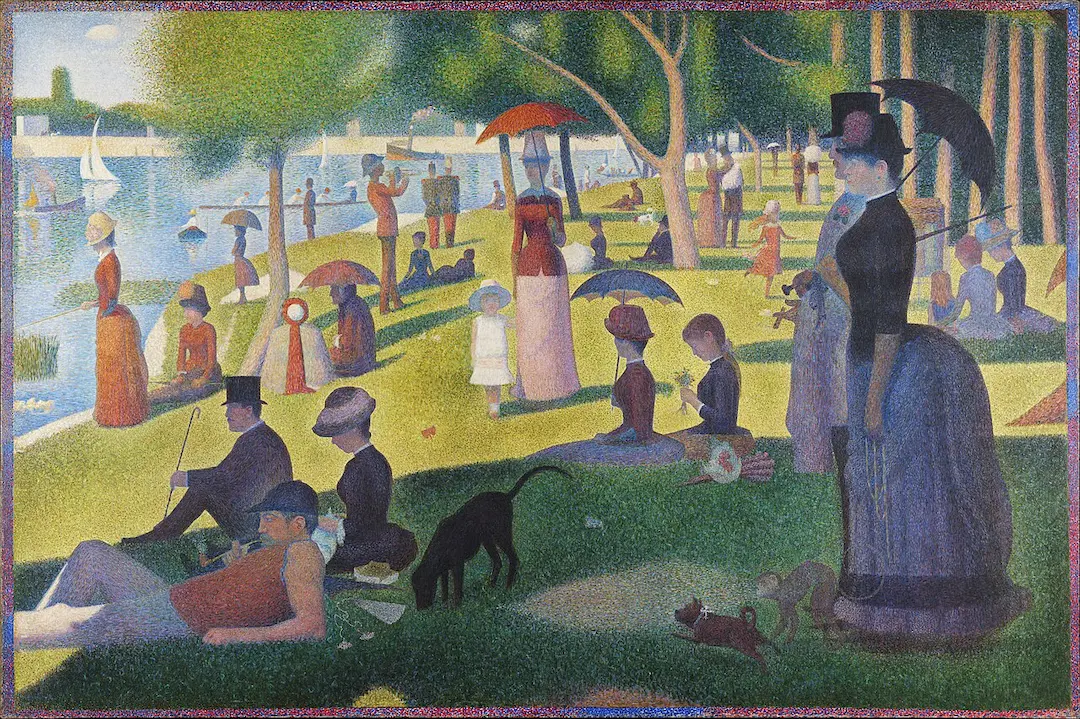
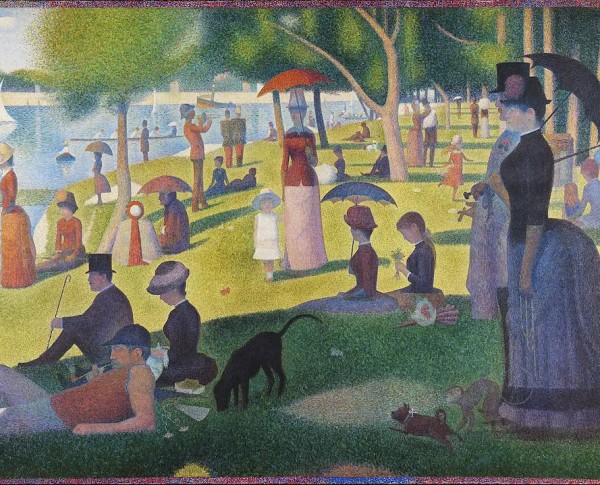
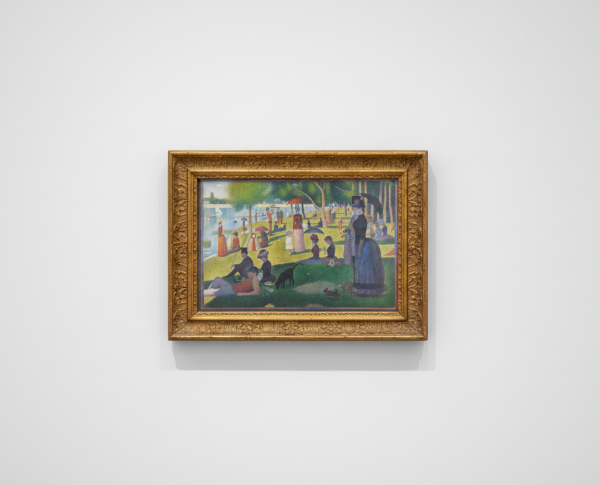
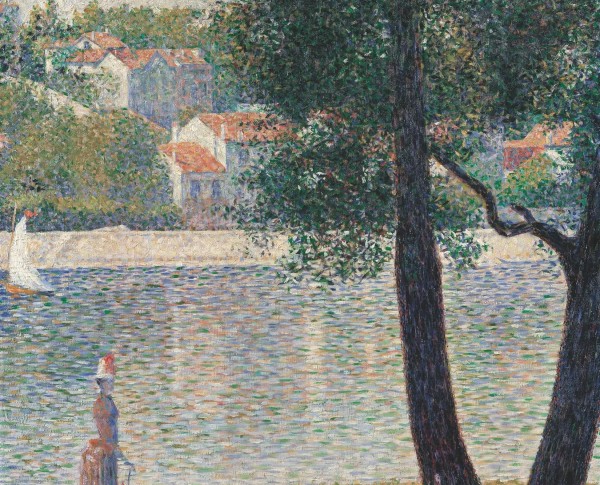
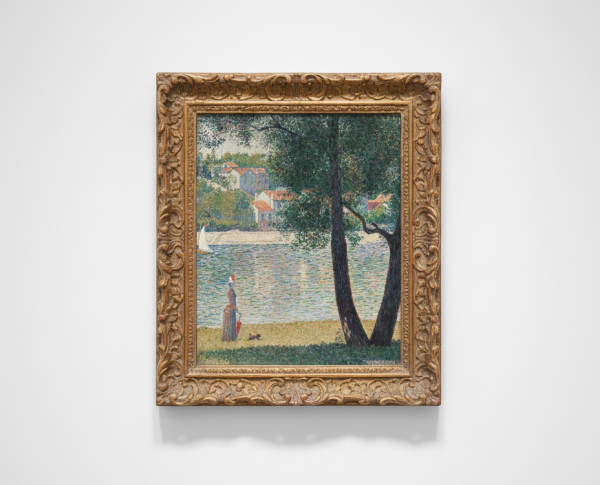
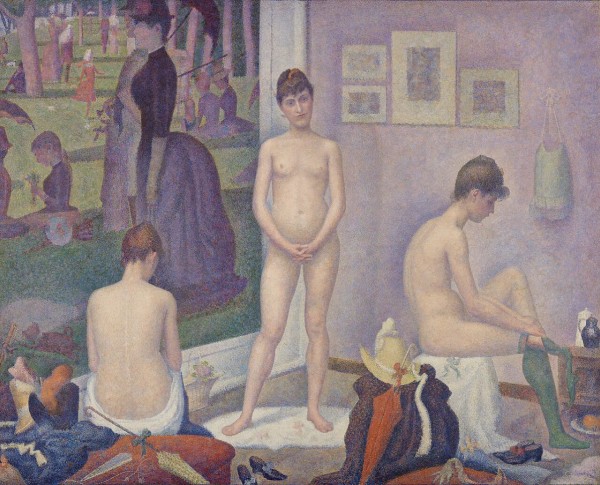
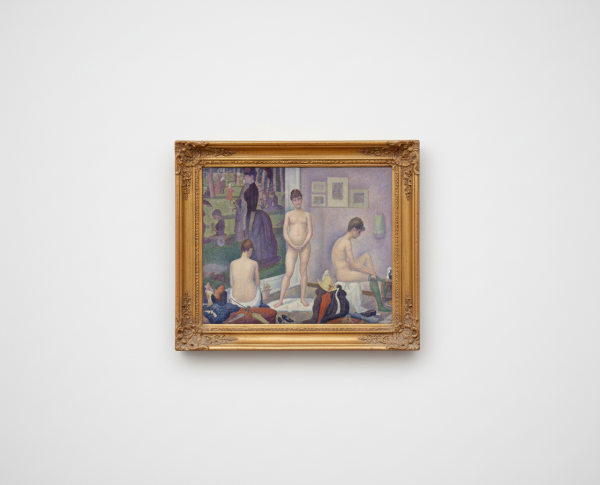
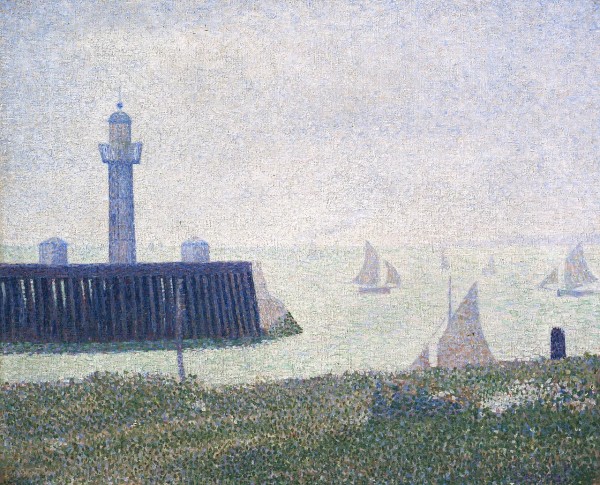
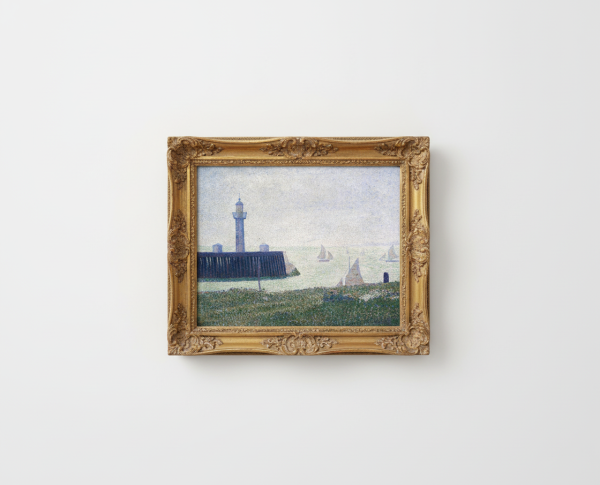
Seurat’s mastery shines through in every detail of this oil on canvas masterpiece. Employing the pointillist technique, he meticulously applied thousands of tiny dots to create harmonious color and depth. The artist’s precision and dedication resulted in a painting that captures the essence of Post-Impressionism. For collectors and enthusiasts, owning a reproduction of this fine art painting for sale means bringing home a symbol of artistic innovation and dedication to craft.
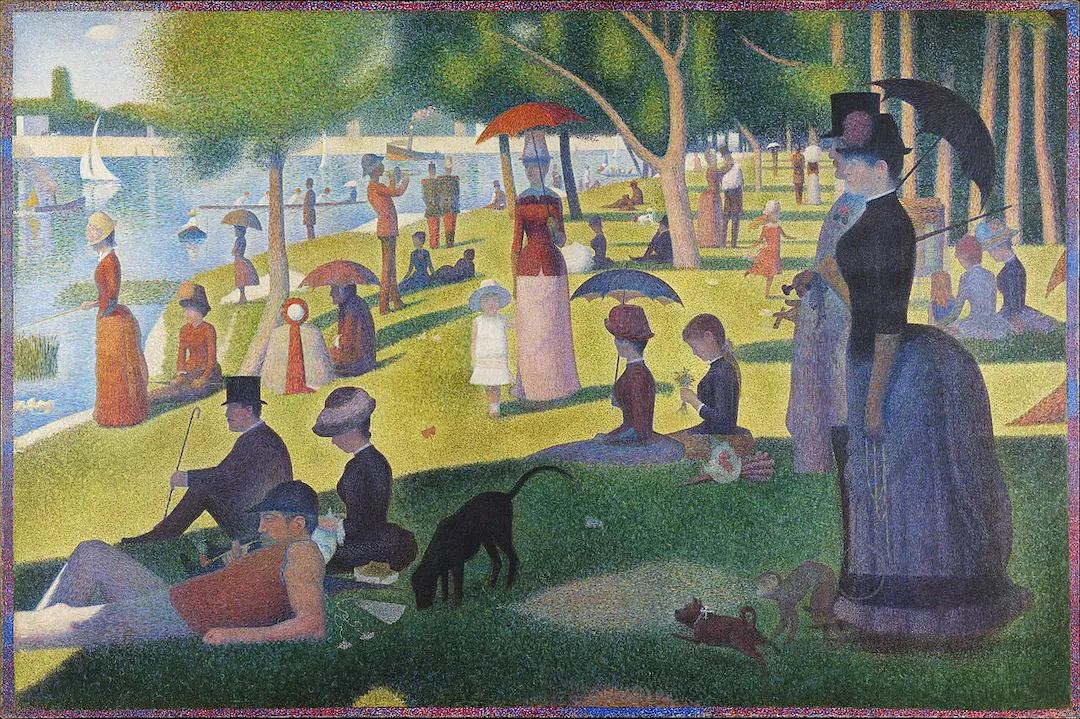
"A Sunday Afternoon on the Island of La Grande Jatte" is more than a hand-painted oil painting; it’s a narrative woven with social commentary and hidden meanings. Seurat’s depiction of Parisians enjoying leisure time reflects the changing society of his era. The painting’s symbolism and composition invite viewers to interpret relationships and class distinctions, making it a sought-after fine art painting for sale for those who appreciate art with depth and context.
For art collectors, "A Sunday Afternoon on the Island of La Grande Jatte" by Georges Seurat represents a crown jewel in the Post-Impressionism movement. This oil on canvas masterpiece is renowned for its groundbreaking technique and historical significance. As a fine art painting for sale, it remains a timeless investment, appealing to those who value both artistic heritage and visual splendor in their collection of masterpieces.
When Art Meets History
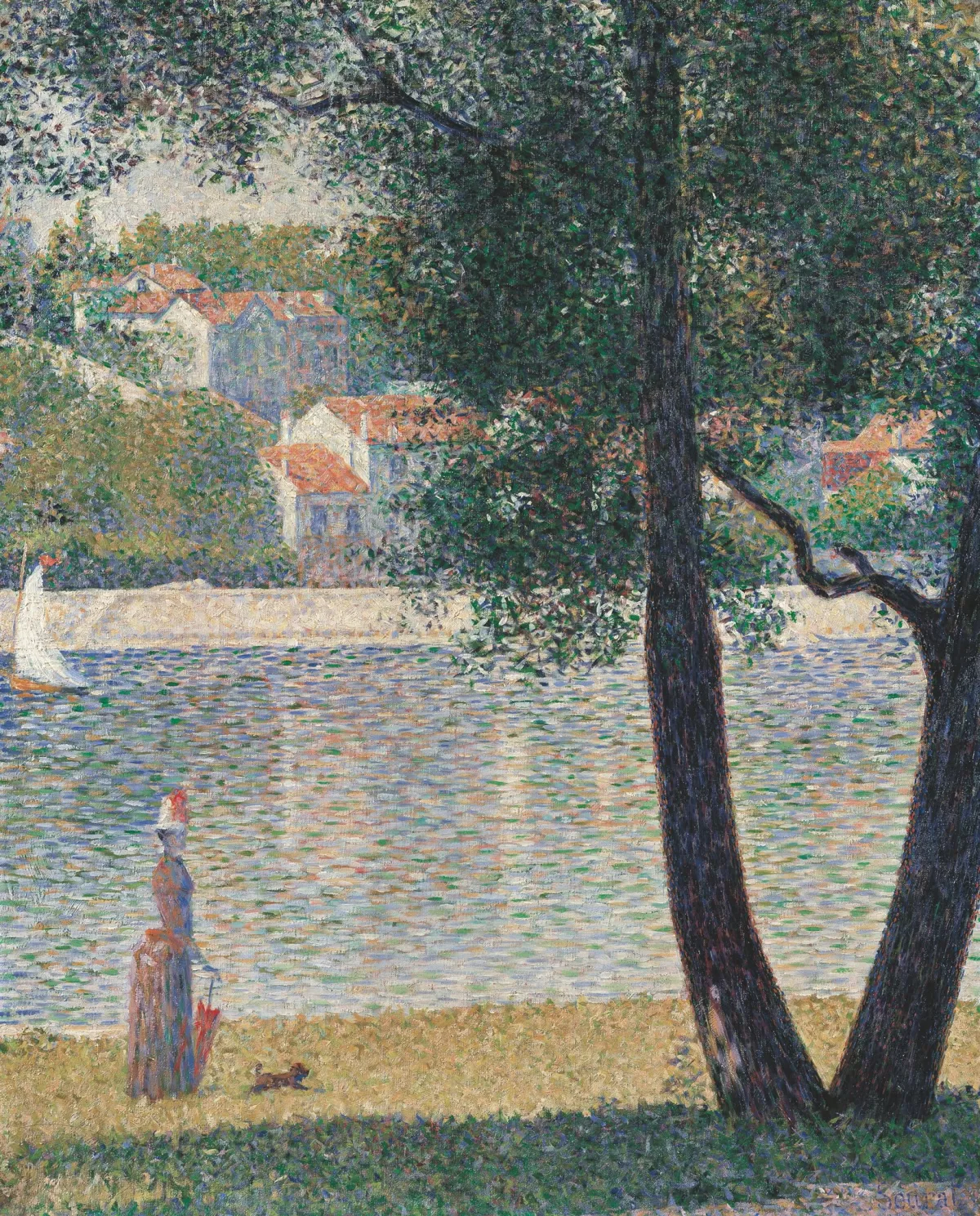
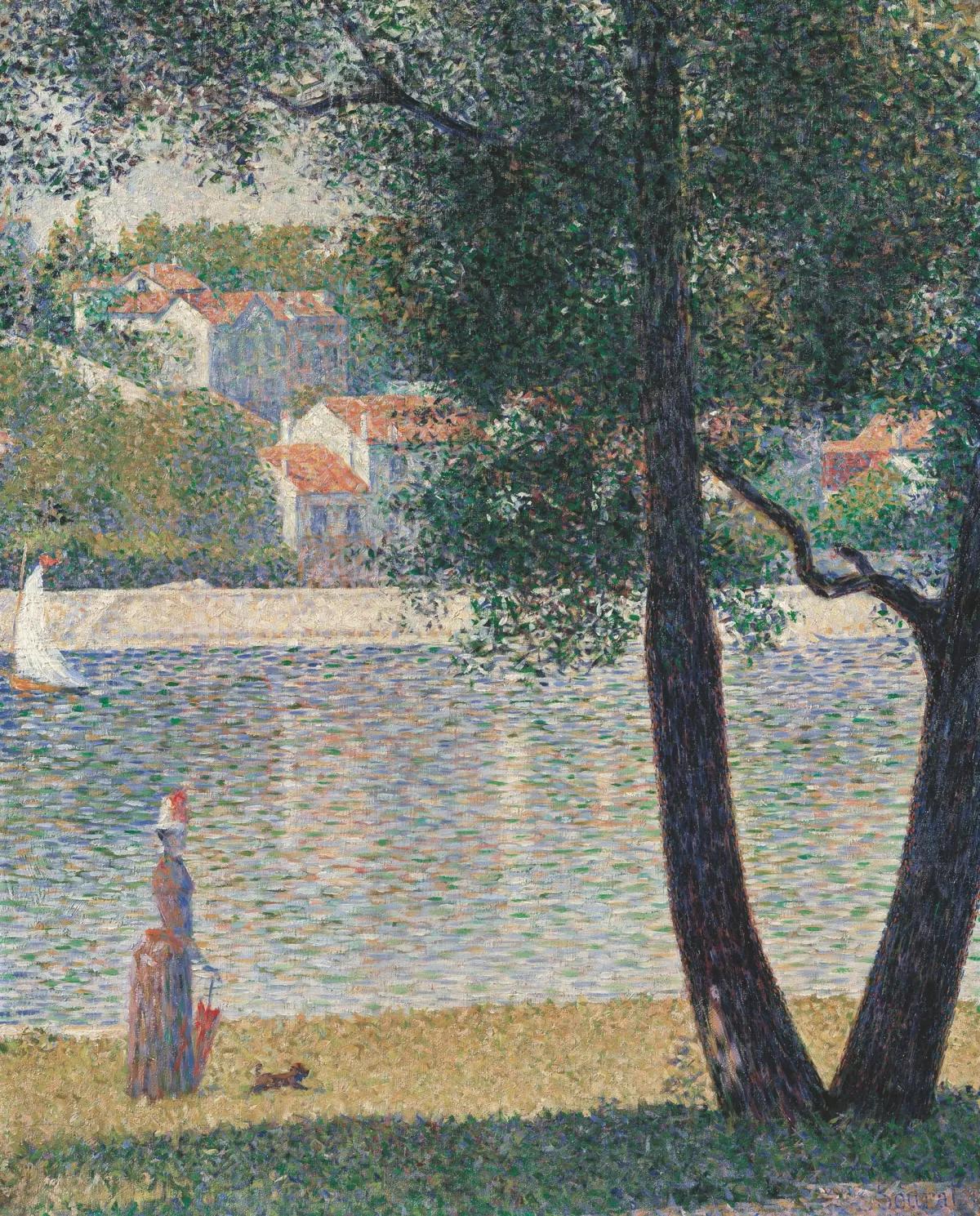
"A Sunday Afternoon on the Island of La Grande Jatte" by Georges Seurat stands as a defining masterpiece in the Post-Impressionism movement. Created in 1884-1886, this oil on canvas work captures a Parisian weekend scene, reflecting both the leisure of the era and the artistic innovation of its time. Seurat’s technique influenced contemporaries and inspired related paintings like "Cafe Terrace on the Place du Forum" and "Bridges Across The Seine At Asnieres."
Techniques That Speak
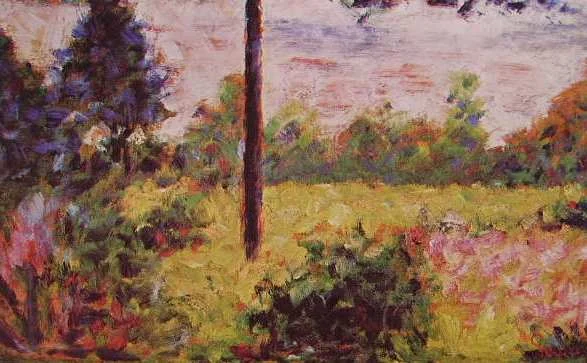
Georges Seurat’s revolutionary approach in this hand-painted oil painting introduced pointillism to the world. Each dot of color was meticulously placed to form a harmonious composition, distinguishing it from traditional Impressionist methods. The technique not only defines this fine art painting for sale but also influenced related works such as "The White Orchard" and "Wheatfield with Cypress I," which similarly explore color and light through innovative brushwork.
Emotions on Display
"A Sunday Afternoon on the Island of La Grande Jatte" evokes a sense of calm and contemplation, inviting viewers to step into Seurat’s tranquil world. The careful arrangement of figures and the gentle interplay of color in this oil on canvas contribute to its emotional resonance. Like "Wheat Field Under Clouded Sky," the painting stirs a quiet introspection, showcasing the emotional depth found within the Post-Impressionism movement.
Coveted by Collectors
This iconic hand-painted oil painting by Georges Seurat is highly sought after by collectors and art enthusiasts worldwide. Its historical significance and innovative techniques have made it a prized possession among fine art painting for sale. Alongside masterpieces such as "Bridges Across The Seine At Asnieres," Seurat’s work continues to captivate audiences, affirming its enduring value in the world of Post-Impressionist art.
Related Post-Impressionism Hand-Painted Oil Paintings by Other Artists
Other Famous Post-Impressionism Artists:
Frequently Asked Questions About A Sunday Afternoon on the Island of La Grande Jatte
What is the historical significance of "A Sunday Afternoon on the Island of La Grande Jatte"?
This painting, completed in 1886, is a landmark work in the history of art, representing the culmination of the Pointillist technique developed by Georges Seurat. It captures the leisure activities of Parisians in the late 19th century, reflecting the social changes of the time.
What artistic techniques did Georges Seurat employ in this painting?
Seurat utilized the Pointillism technique, which involves applying small dots of color to create an image. This method allows for optical blending, where the viewer's eye mixes the colors from a distance, resulting in vibrant and luminous effects.
What themes are explored in "A Sunday Afternoon on the Island of La Grande Jatte"?
The painting explores themes of leisure, social class, and the passage of time. It depicts a diverse group of people enjoying a Sunday afternoon, highlighting the emerging middle class in Paris and their recreational pursuits.
How does the composition of the painting contribute to its meaning?
The composition is carefully structured with a balanced arrangement of figures and elements. The use of diagonal lines and varying perspectives creates a sense of depth and movement, inviting viewers to immerse themselves in the scene.
What is the significance of the setting in the painting?
The setting, La Grande Jatte, was a popular leisure destination for Parisians. By choosing this location, Seurat comments on the changing social dynamics of urban life and the importance of leisure in modern society.
What role does color play in "A Sunday Afternoon on the Island of La Grande Jatte"?
Color is pivotal in this painting, as Seurat meticulously selects hues to create harmony and vibrancy. The juxtaposition of complementary colors enhances the visual impact and reflects the emotional tone of the scene.
How does "A Sunday Afternoon on the Island of La Grande Jatte" fit into the broader context of Impressionism?
While Seurat's work is often associated with Post-Impressionism, it shares commonalities with Impressionism, such as a focus on contemporary life and the use of light. However, Seurat's scientific approach to color and form distinguishes his work from traditional Impressionist techniques.
What symbols can be identified in the painting?
Several symbols can be identified, including the presence of a monkey, which may represent exoticism or social commentary. The varied attire of the figures also symbolizes different social classes and the evolving identity of Parisian society.
What impact did "A Sunday Afternoon on the Island of La Grande Jatte" have on future artists?
The painting has had a profound impact on modern art, influencing movements such as Fauvism and Cubism. Its innovative use of color and form paved the way for future explorations of abstraction and the relationship between color and perception.
Where can I view "A Sunday Afternoon on the Island of La Grande Jatte"?
The painting is housed in the Art Institute of Chicago, where it remains one of the most celebrated works in their collection. It is a must-see for visitors interested in the evolution of modern art.






















_GFM_Painting_(1).webp)


 100% Hand-Painted: Finished in 3-6 Weeks

.png)















_(1).webp)