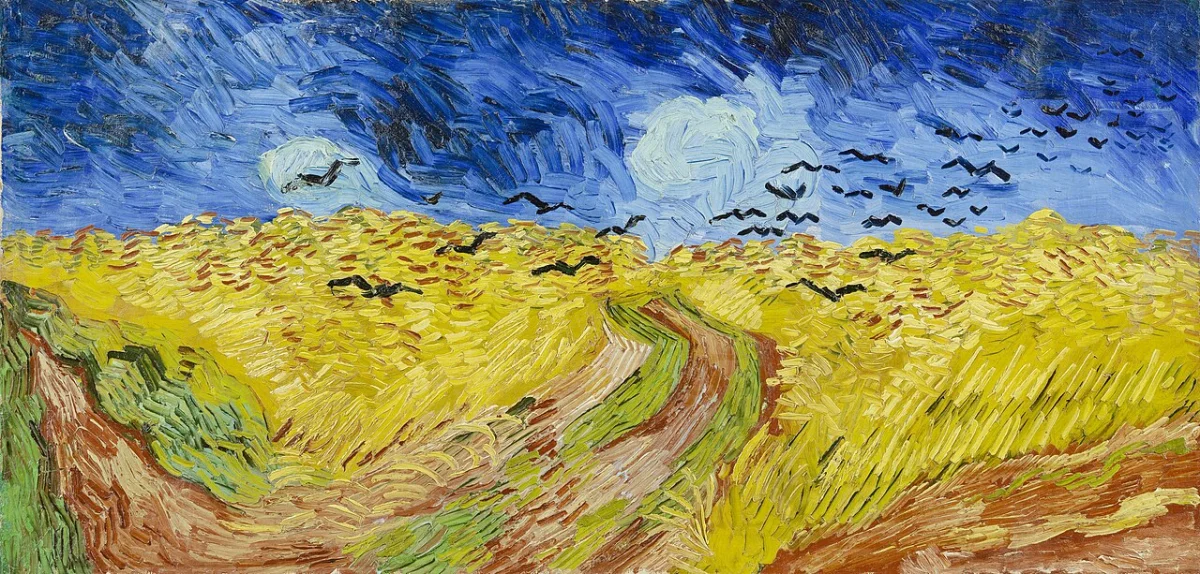
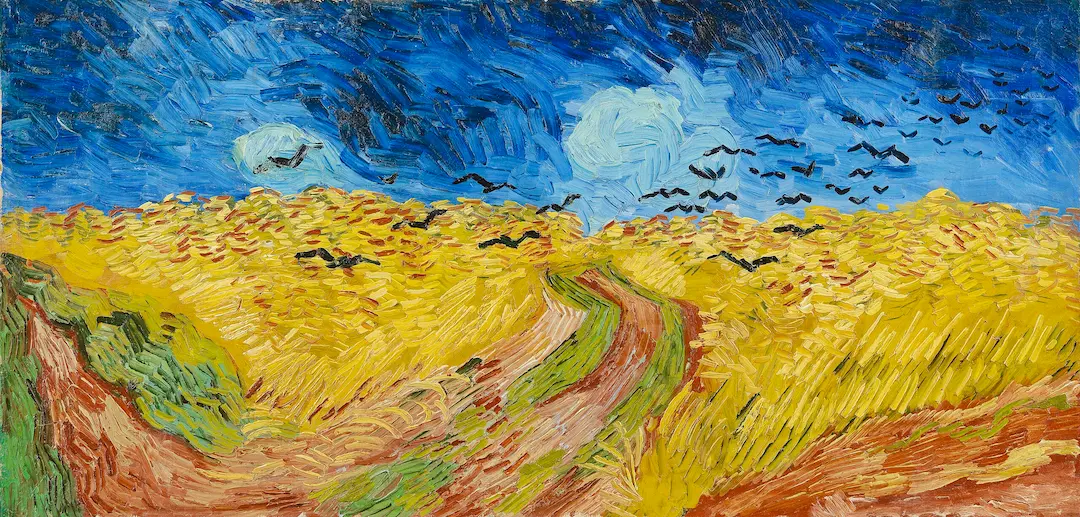
Van Gogh’s remarkable skill is evident in every brushstroke of “Wheat Field With Crows,” an iconic oil on canvas. The swirling skies and golden fields are rendered with bold, expressive lines, characteristic of the Post-Impressionism movement. Collectors and art lovers alike appreciate the dynamic energy in this piece, which stands proudly among related works like “Wheat Field Under Clouded Sky” and “Olive Trees With Yellow Sky And Sun.” This oil on canvas is a testament to Van Gogh’s enduring genius.
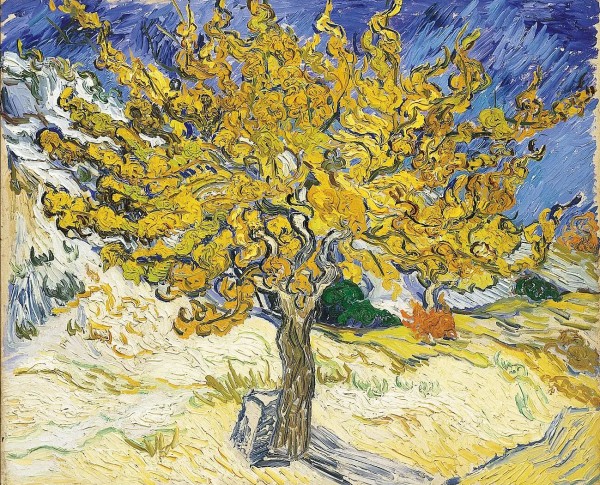
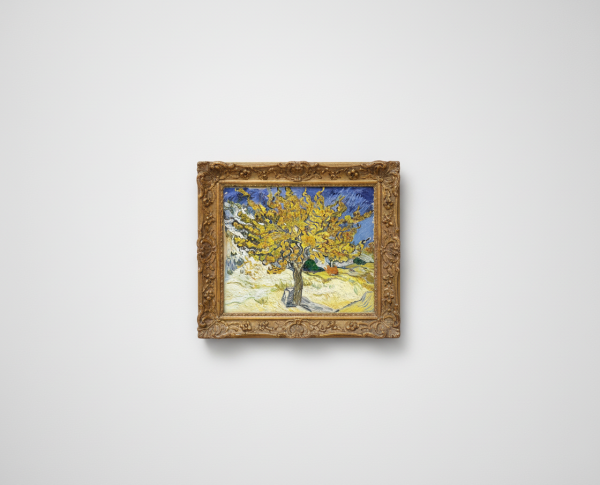
“Wheat Field With Crows” is more than a fine art painting for sale; it is a tapestry of emotion and symbolism. Van Gogh infused this Post-Impressionist masterpiece with deep personal meaning, using the crows and turbulent skies to evoke mystery and contemplation. Art enthusiasts often pair it with evocative works such as “Mulberry Tree” and “Skull With Burning Cigarette,” both of which reflect the artist’s profound connection to nature and the human experience in the Post-Impressionism era.
For those seeking a fine art painting for sale, “Wheat Field With Crows” by Vincent Van Gogh represents an extraordinary opportunity. As one of the most celebrated pieces from the Post-Impressionism movement, it complements other sought-after works like “Bowl With Peonies And Roses” and “Olive Trees With Yellow Sky And Sun.” Investing in this hand-painted oil painting not only enhances any collection but also pays homage to Van Gogh’s unmatched artistic vision and influence.
When Art Meets History
"Wheat Field With Crows" by Vincent Van Gogh stands as a remarkable example of the Post-Impressionism movement. Created in 1890, this hand-painted oil painting captures the restless energy of Van Gogh's final months. Through swirling skies and windswept wheat, the artist reflects the shifting tides of late nineteenth-century Europe. Related works like "Two Tahitian Women" and "A Sunday Afternoon on the Island of La Grande Jatte" also showcase the era’s artistic innovation and emotional depth.
Techniques That Speak
Van Gogh’s "Wheat Field With Crows" is celebrated for its expressive brushwork and vivid color palette, hallmarks of oil on canvas in the Post-Impressionism movement. The artist’s use of thick, impasto strokes brings the golden wheat and dark, swirling crows to life. This technique, also seen in works like "One Of The Family", allows for a dynamic interplay between texture and light, making each oil on canvas piece a testament to Van Gogh’s enduring influence.
Emotions on Display
In "Wheat Field With Crows," Vincent Van Gogh conveys a profound sense of turbulence and longing, emotions often explored in Post-Impressionism. The looming sky and darting crows evoke a dramatic, almost haunting atmosphere, resonating with viewers even today. Like Seurat’s "A Sunday Afternoon on the Island of La Grande Jatte," this fine art painting for sale invites contemplation of solitude and hope, making it a powerful example of emotional expression in visual art.
Coveted by Collectors
As one of Van Gogh’s most iconic works, "Wheat Field With Crows" remains highly sought-after among collectors of Post-Impressionist art. The allure of owning a hand-painted oil painting by such a renowned artist is undeniable. Alongside masterpieces like "Two Tahitian Women" and "One Of The Family," this fine art painting for sale continues to captivate art lovers worldwide, solidifying Van Gogh’s legacy in the history of oil painting and art collection.
Related Post-Impressionism Hand-Painted Oil Paintings by Other Artists
Other Famous Post-Impressionism Artists:
Frequently Asked Questions About Wheat Field With Crows
What is the historical context of "Wheat Field With Crows"?
"Wheat Field With Crows" was painted in July 1890, shortly before Vincent Van Gogh's death. It reflects the tumultuous period in his life, marked by mental health struggles and a sense of isolation.
What artistic techniques did Van Gogh use in this painting?
Van Gogh employed bold brush strokes and vibrant colors to convey emotion and movement. The swirling skies and dynamic wheat fields exemplify his post-impressionistic style, emphasizing expression over realism.
What is the significance of the crows in the painting?
The crows are often interpreted as symbols of foreboding or death, reflecting Van Gogh's inner turmoil. Their presence adds a dramatic tension to the landscape, enhancing the painting's emotional depth.
How does "Wheat Field With Crows" relate to Van Gogh's other works?
This painting is often seen as a culmination of Van Gogh's exploration of rural themes. It shares similarities with his earlier works, such as "The Harvest," but presents a darker, more introspective tone.
What emotions does "Wheat Field With Crows" evoke?
The painting evokes feelings of melancholy and unease, reflecting Van Gogh's struggles with mental health. The turbulent sky and stark landscape create a sense of foreboding, inviting viewers to contemplate the artist's emotional state.
What is the composition of "Wheat Field With Crows"?
The composition features a vast wheat field under a dramatic sky, with a path leading into the distance. The placement of the crows and the use of diagonal lines create a sense of movement and depth.
What colors dominate "Wheat Field With Crows" and what do they represent?
The painting is dominated by rich yellows and deep blues, symbolizing both the vibrancy of life and the darkness of despair. The contrasting colors enhance the emotional intensity of the scene.
What influence did "Wheat Field With Crows" have on later artists?
This work has had a profound influence on modern art, inspiring artists to explore emotional expression through color and form. Its raw intensity paved the way for movements such as Expressionism.
Where is "Wheat Field With Crows" currently housed?
The painting is part of the collection at the Van Gogh Museum in Amsterdam, where it is preserved and displayed alongside many of the artist's other significant works.
What is the legacy of "Wheat Field With Crows" in the art world?
"Wheat Field With Crows" is often regarded as one of Van Gogh's most important works, encapsulating his emotional struggles and artistic genius. It continues to resonate with audiences, symbolizing the complexity of the human experience.






















_GFM_Painting_(1).webp)


 100% Hand-Painted: Finished in 3-6 Weeks


.png)
















_(1).webp)