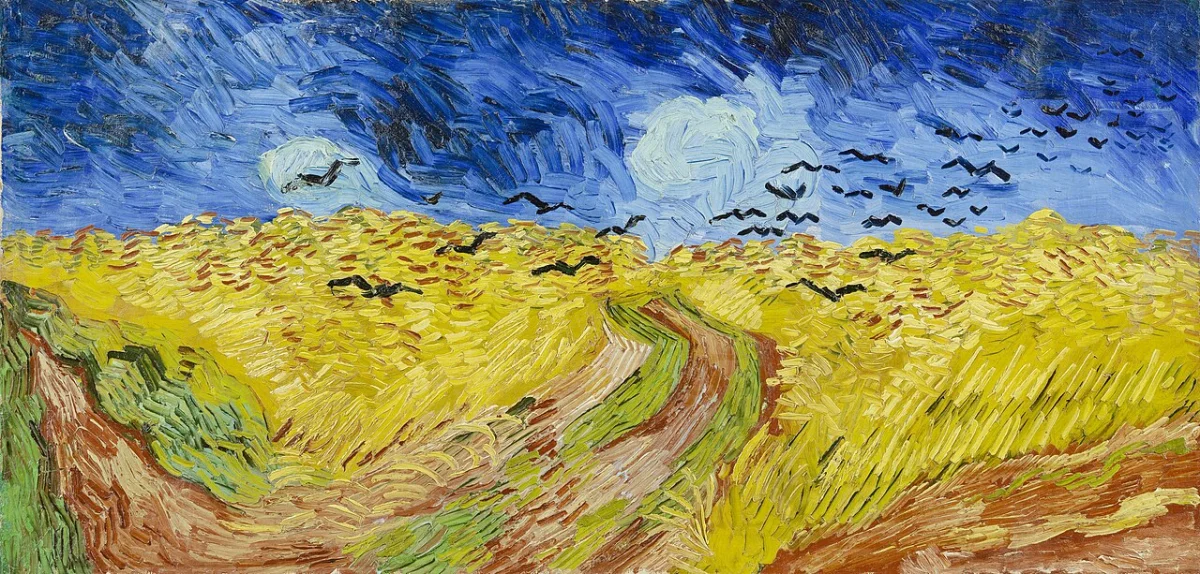
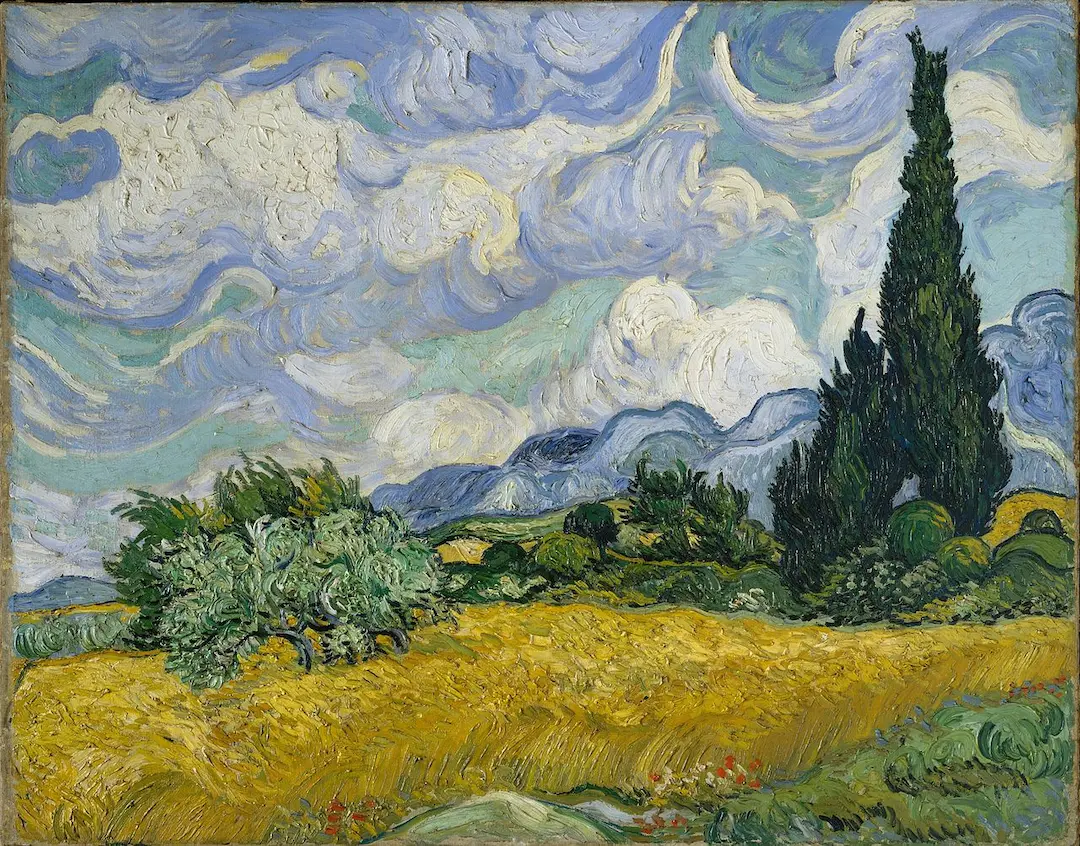
Van Gogh’s expertise with oil on canvas is vividly displayed in "Wheatfield with Cypress I." His dynamic brushwork and bold use of color exemplify the Post-Impressionism movement’s focus on emotional expression. Each stroke brings the wheat fields and towering cypress to life, inviting viewers into Van Gogh’s unique world. Art enthusiasts often explore related works like "The Red Vineyard" and "Bridges Across The Seine At Asnieres" to further appreciate his mastery of this timeless medium.
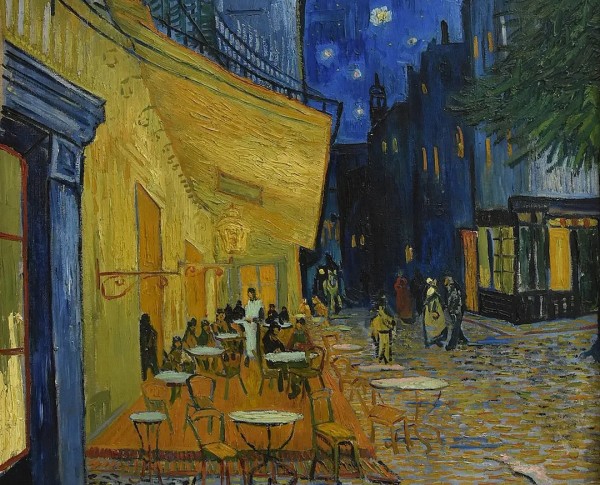
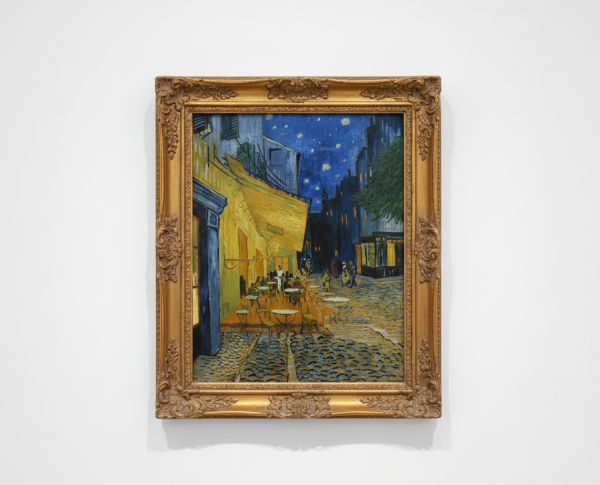
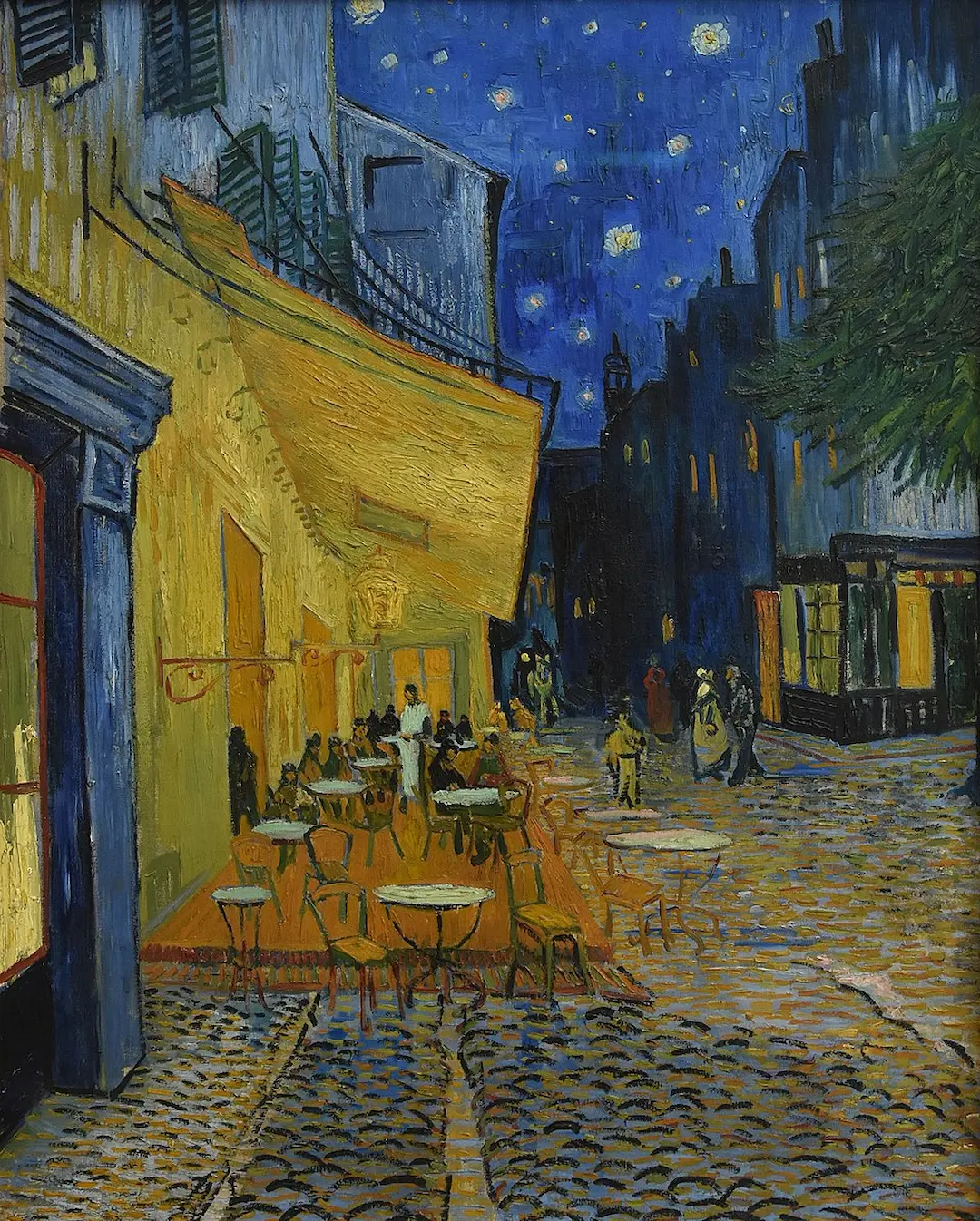
"Wheatfield with Cypress I" is more than a fine art painting for sale; it is a window into Van Gogh’s inner world. The swirling skies and golden fields are rich with symbolism, representing hope and resilience. This Post-Impressionism masterpiece shares a narrative quality with other Van Gogh works, such as "Cafe Terrace on the Place du Forum" and "Autumn Landscape with Four Trees," each telling stories through vibrant colors and expressive forms that continue to inspire art lovers globally.
For collectors, owning a hand-painted oil painting like "Wheatfield with Cypress I" by Vincent Van Gogh is a true treasure. This Post-Impressionism classic pairs beautifully with other celebrated works, including "Branches with Almond Blossom" and "The Red Vineyard." Whether displayed in a gallery or private collection, these pieces elevate any space, offering a tangible connection to Van Gogh’s genius and the enduring allure of fine art painting for sale in today’s art market.
When Art Meets History
"Wheatfield with Cypress I" by Vincent Van Gogh stands as a testament to the Post-Impressionism movement, capturing a pivotal era in art history. Painted in the late 19th century, this hand-painted oil painting reflects Van Gogh’s fascination with rural landscapes and his unique vision. Alongside related masterpieces like "Two Tahitian Women" and "A Sunday Afternoon on the Island of La Grande Jatte," it marks a period when artists boldly redefined artistic expression and the very concept of the fine art painting for sale.
Techniques That Speak
Van Gogh’s "Wheatfield with Cypress I" exemplifies his masterful technique, using vibrant brushstrokes and swirling patterns to create dynamic movement in the landscape. The artist’s signature style, evident in this oil on canvas, highlights the interplay between color, texture, and light. This approach set Post-Impressionism apart from earlier movements, echoing the innovation found in related works such as "One Of The Family" and "Two Tahitian Women," both renowned for their distinct painterly techniques.
Emotions on Display
In "Wheatfield with Cypress I," Vincent Van Gogh channels intense emotions through bold color choices and expressive brushwork, hallmarks of the Post-Impressionism movement. This hand-painted oil painting evokes feelings of hope and turbulence, inviting viewers to experience the world through the artist’s eyes. The emotional depth resonates with those found in "A Sunday Afternoon on the Island of La Grande Jatte" and "One Of The Family," both celebrated for their ability to stir the soul.
Coveted by Collectors
"Wheatfield with Cypress I" remains a highly sought-after fine art painting for sale, admired by collectors and art lovers worldwide. Its status is bolstered by Vincent Van Gogh’s enduring legacy and the continued popularity of the Post-Impressionism movement. Alongside related treasures like "Two Tahitian Women" and "A Sunday Afternoon on the Island of La Grande Jatte," this masterpiece demonstrates the timeless appeal of oil on canvas artworks in prestigious collections and galleries.
Related Post-Impressionism Hand-Painted Oil Paintings by Other Artists
Other Famous Post-Impressionism Artists:
Frequently Asked Questions About Wheatfield with Cypress I
What is the historical context of Wheatfield with Cypress I?
Wheatfield with Cypress I was painted in 1889 during Van Gogh's stay at the Saint-Paul-de-Mausole asylum in Saint-Rémy-de-Provence, France. This period was marked by intense emotional struggles for the artist, which influenced his work significantly.
What artistic techniques did Van Gogh use in this painting?
Van Gogh employed his signature impasto technique, applying thick layers of paint to create texture and depth. The swirling brushstrokes convey movement and emotion, characteristic of his post-impressionist style.
What are the main themes represented in Wheatfield with Cypress I?
The painting explores themes of nature, solitude, and the passage of time. The wheat fields symbolize abundance and life, while the cypress tree often represents death and mourning, creating a juxtaposition of life and loss.
How does Wheatfield with Cypress I reflect Van Gogh's emotional state?
The vibrant colors and dynamic forms reflect Van Gogh's inner turmoil and passion. The contrasting elements in the painting may symbolize his struggle between despair and hope, showcasing his complex emotional landscape.
What is the significance of the cypress tree in the painting?
The cypress tree is often associated with funerals and mourning in Western art. In this painting, it serves as a poignant reminder of Van Gogh's contemplation of mortality, while also representing the beauty of nature.
What influences can be seen in Van Gogh's use of color in this work?
Van Gogh's use of bold, contrasting colors is influenced by the Impressionist movement and his fascination with the effects of light. The vibrant yellows of the wheat fields juxtaposed with the deep greens and blues of the cypress create a striking visual impact.
How does this painting fit into Van Gogh's overall body of work?
Wheatfield with Cypress I is representative of Van Gogh's later works, where he increasingly experimented with color and form. It showcases his emotional depth and connection to the landscape, themes that are prevalent throughout his oeuvre.
What role does nature play in Wheatfield with Cypress I?
Nature is central to this painting, serving as both a subject and a source of inspiration for Van Gogh. The depiction of the wheat field and cypress tree reflects his deep appreciation for the natural world and its ability to evoke profound emotions.
How has Wheatfield with Cypress I been received by art critics and historians?
The painting is widely regarded as one of Van Gogh's masterpieces, praised for its emotional intensity and innovative use of color. Art critics have noted its significance in understanding Van Gogh's psychological state and artistic evolution.
What is the current location of Wheatfield with Cypress I?
Wheatfield with Cypress I is part of the collection at the National Gallery of Scotland in Edinburgh. It is frequently exhibited and studied for its artistic and historical importance.






















_GFM_Painting_(1).webp)


 100% Hand-Painted: Finished in 3-6 Weeks

.png)
















_(1).webp)