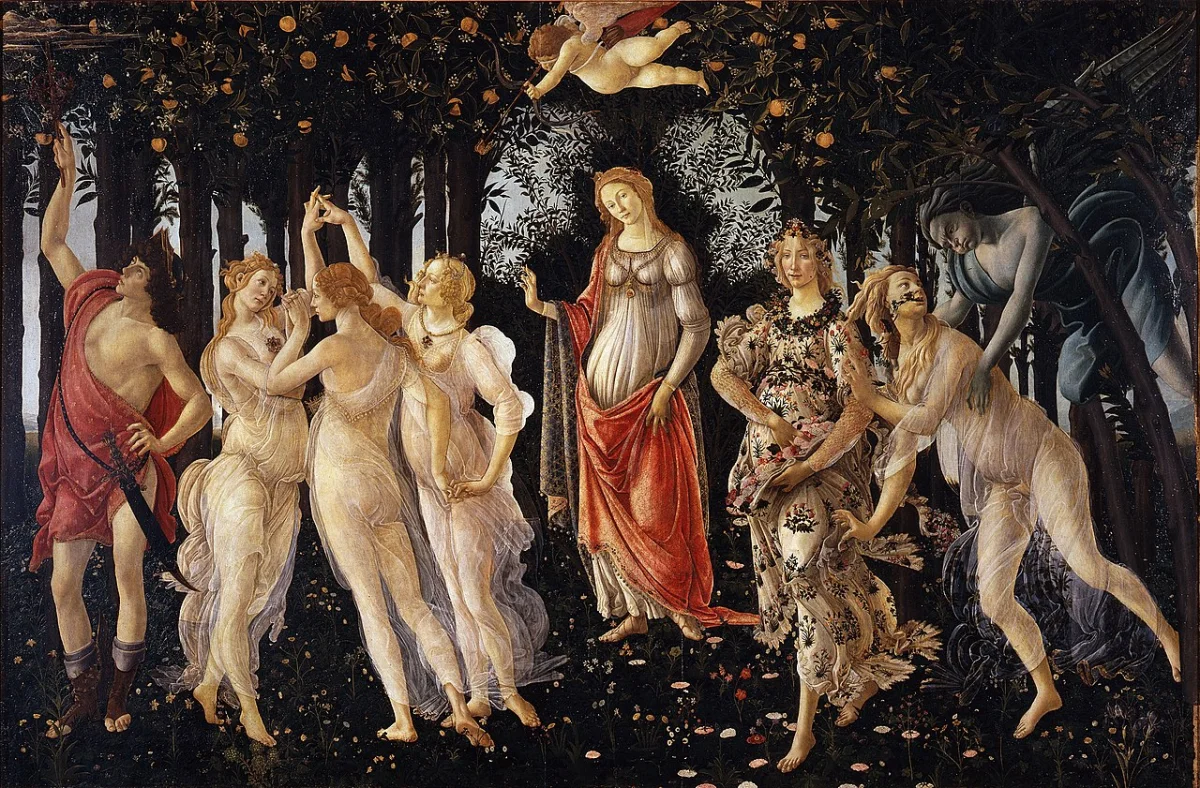
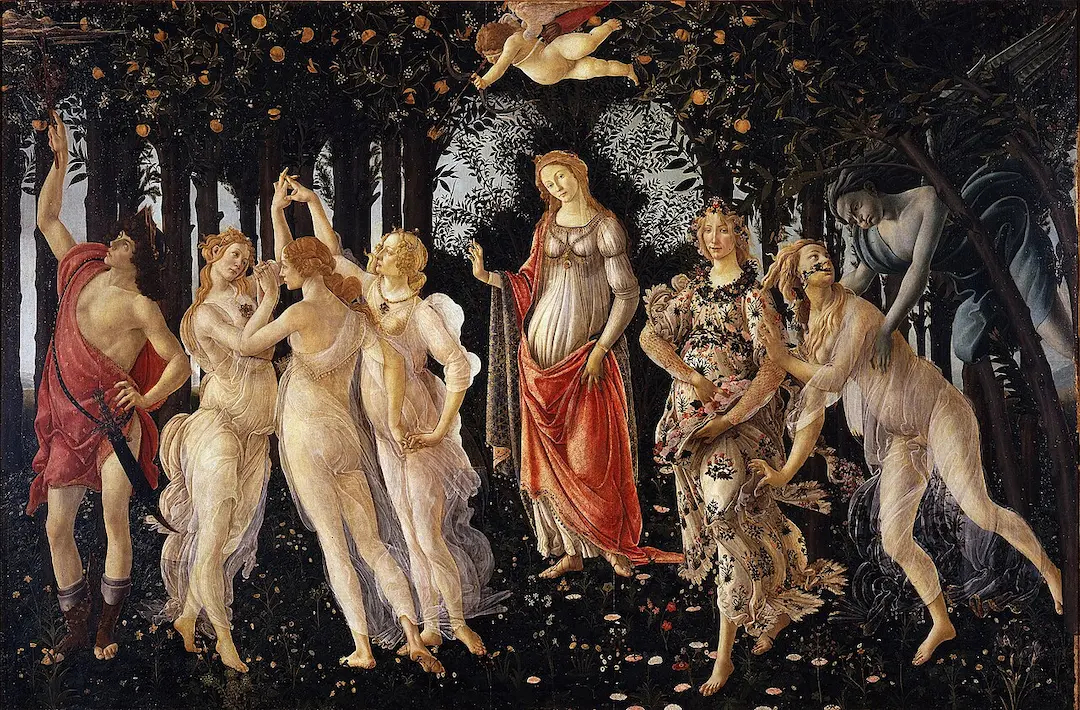
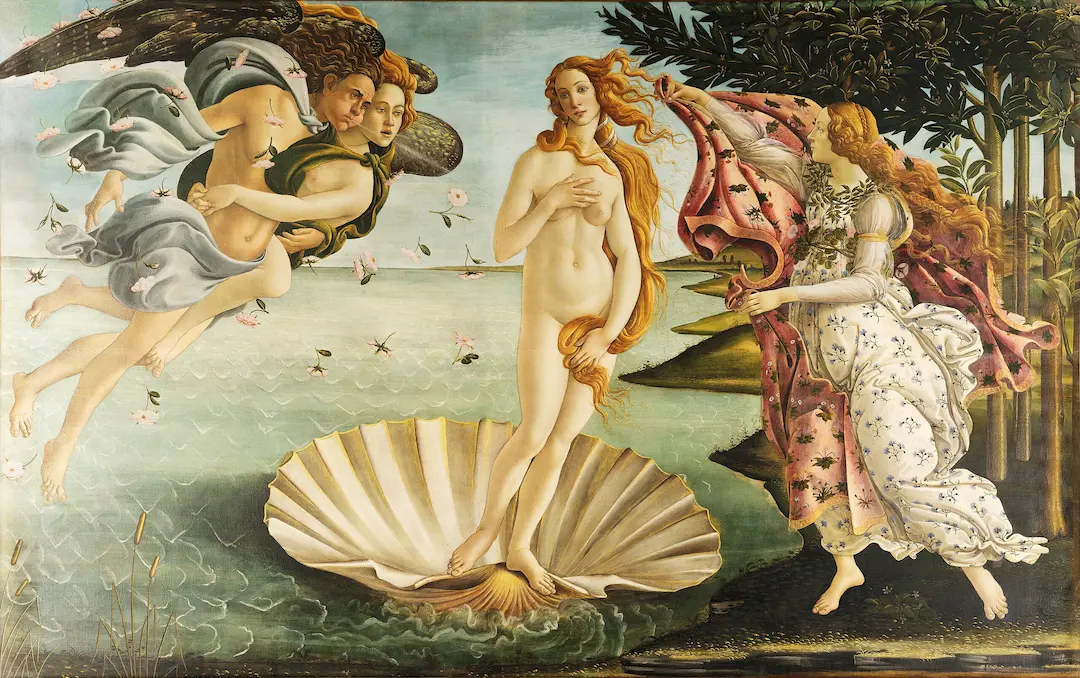
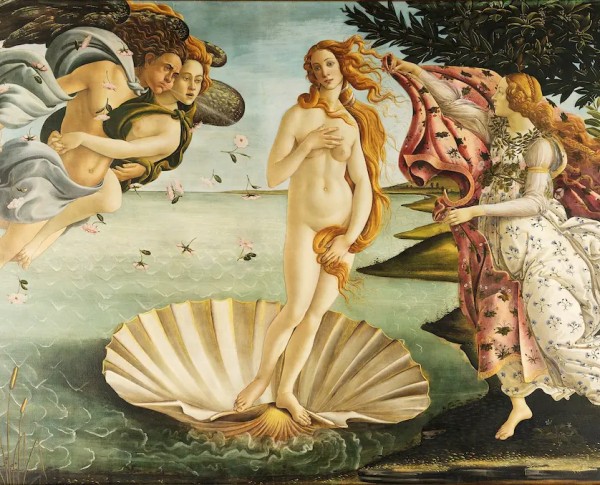
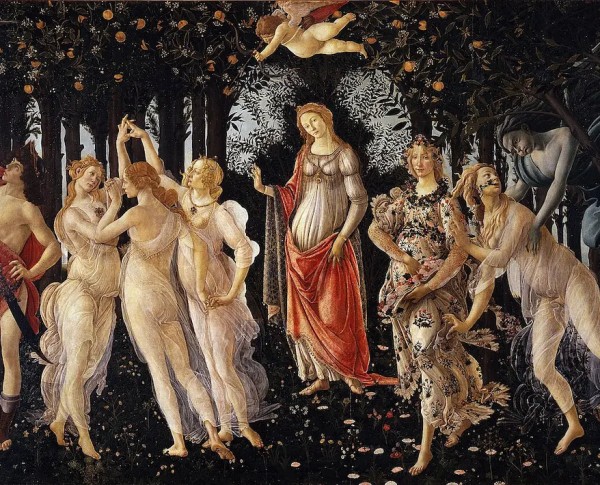
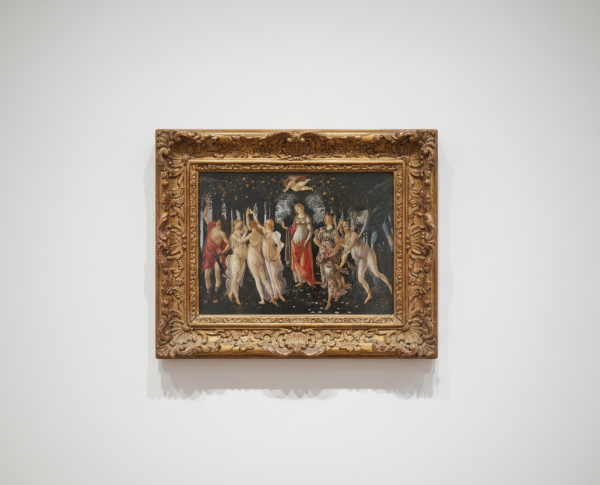
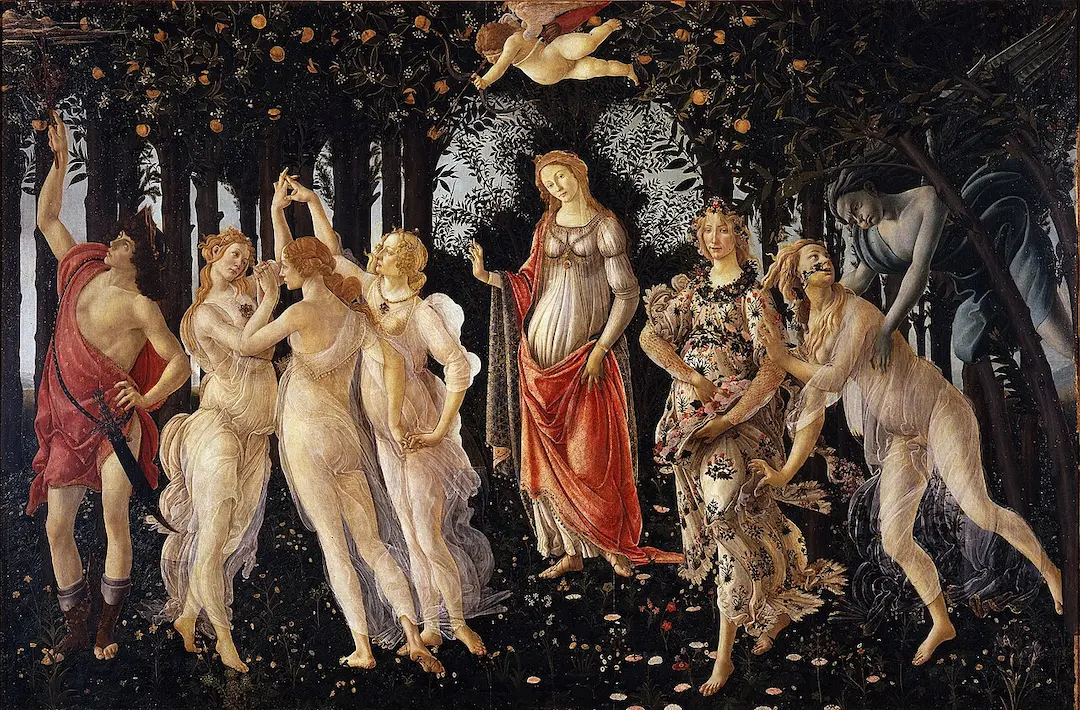
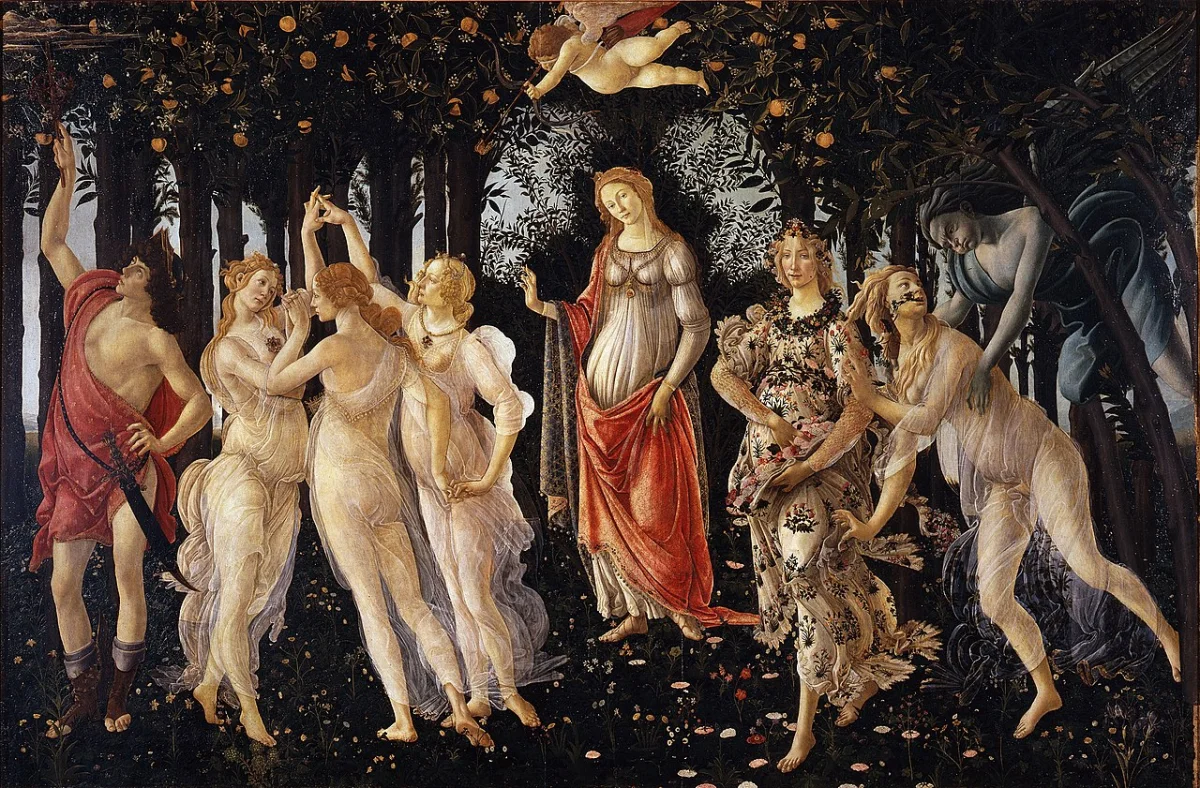
Alessandro Filipepi, widely known as Sandro Botticelli, crafted "Allegory Of Spring La Primavera" during the Early Renaissance, an era noted for its revival of classical art. This masterpiece remains a celebrated example of hand-painted oil painting, capturing the essence of mythological beauty and harmony. Botticelli’s influence endures, and his works, including related products like "Birth of Venus (La Nascita di Venere)," continue to captivate art lovers and collectors around the world.
“Allegory Of Spring La Primavera” showcases Botticelli’s unparalleled skill with oil on canvas. His delicate use of color, intricate detailing, and graceful figures exemplify the Early Renaissance’s artistic innovations. Each brushstroke brings life to the canvas, highlighting Botticelli’s mastery and the movement’s dedication to beauty and realism. Collectors seeking an authentic oil on canvas experience often turn to masterpieces like this and related products such as "Birth of Venus (La Nascita di Venere)."
Botticelli’s "Allegory Of Spring La Primavera" is rich with allegorical content, weaving together mythological figures and symbolic imagery. The painting’s narrative depth has made it a cornerstone of Early Renaissance art. As a fine art painting for sale, it appeals to those drawn to stories hidden in every detail. Enthusiasts often explore related products, including Botticelli’s iconic "Birth of Venus (La Nascita di Venere)," to further appreciate his storytelling genius.
Owning a hand-painted oil painting like "Allegory Of Spring La Primavera" is a dream for many collectors. Botticelli’s Early Renaissance masterpiece stands as a testament to timeless artistry and cultural significance. For those seeking a fine art painting for sale, this work represents both historical value and aesthetic appeal. Related products such as "Birth of Venus (La Nascita di Venere)" offer additional opportunities to invest in Botticelli’s enduring legacy.
When Art Meets History
Created by Alessandro Filipepi, better known as Sandro Botticelli, "Allegory Of Spring La Primavera" stands as a timeless masterpiece from the Early Renaissance movement. This hand-painted oil painting reflects the cultural and intellectual blossoming of 15th-century Florence. Botticelli’s work is often mentioned alongside other fine art painting for sale from the same era, each capturing the spirit and ideals of Renaissance humanism through mythological and allegorical themes.
Techniques That Speak
Sandro Botticelli’s "Allegory Of Spring La Primavera" is renowned for its delicate use of oil on canvas, showcasing the artist’s mastery of line and color. The Early Renaissance technique is evident in the painting’s graceful figures and intricate details. Botticelli’s approach influenced countless artists, and his method remains a benchmark for those seeking to understand the evolution of oil painting during this pivotal period in art history.
Emotions on Display
In "Allegory Of Spring La Primavera," Botticelli weaves a tapestry of emotion, from the serene beauty of Venus to the playful energy of the Three Graces. This hand-painted oil painting evokes a sense of renewal and harmony, emblematic of the Early Renaissance spirit. Botticelli’s work, including related paintings from his oeuvre, continues to inspire viewers with its celebration of love, nature, and mythological wonder.
Coveted by Collectors
Sandro Botticelli’s "Allegory Of Spring La Primavera" is a highly sought-after masterpiece for collectors and art enthusiasts alike. As a fine art painting for sale, it represents the pinnacle of Early Renaissance creativity and craftsmanship. The painting’s historical significance and breathtaking beauty ensure its place among the world’s most treasured oil on canvas works, making it a coveted addition to any distinguished art collection.
Frequently Asked Questions About Allegory Of Spring La Primavera
What is the historical context of "Allegory Of Spring La Primavera"?
"Allegory Of Spring La Primavera" was painted by Sandro Botticelli in the mid-1480s during the Italian Renaissance, a period characterized by a revival of classical learning and wisdom. The work reflects the humanist ideals of the time, emphasizing beauty, nature, and mythology.
What are the main themes depicted in the painting?
The painting explores themes of love, beauty, and the arrival of spring, symbolizing renewal and fertility. It intertwines mythological elements with natural beauty, showcasing the interconnectedness of humanity and nature.
Who are the figures represented in "La Primavera"?
The painting features several key figures from classical mythology, including Venus, the goddess of love, and her son Cupid, along with the Three Graces and Mercury. Each figure embodies different aspects of love and beauty, contributing to the overall allegorical message.
What is the significance of Venus in the painting?
Venus serves as the central figure in "La Primavera," symbolizing divine love and beauty. Her presence represents the ideal of love that transcends physical attraction, embodying a spiritual and harmonious connection between individuals.
How does Botticelli use color and light in "La Primavera"?
Botticelli employs a vibrant color palette and soft, diffused light to create a sense of ethereal beauty. The use of color enhances the naturalistic qualities of the figures and the surrounding flora, drawing attention to the themes of rebirth and renewal.
What role does nature play in "La Primavera"?
Nature is a vital component of "La Primavera," symbolizing fertility and the cycle of life. The lush greenery and blooming flowers represent growth and renewal, reinforcing the painting's celebration of spring and the beauty of the natural world.
What artistic techniques did Botticelli employ in this painting?
Botticelli utilized linear perspective, delicate outlines, and a tempera medium to create a sense of depth and movement. His distinctive style combines graceful figures with intricate details, contributing to the overall harmony of the composition.
What is the symbolism of the Three Graces in the painting?
The Three Graces represent beauty, charm, and joy, embodying the ideal qualities of femininity and love. Their presence in "La Primavera" emphasizes the importance of these virtues in the context of spring and renewal.
How has "La Primavera" influenced later art movements?
"La Primavera" has had a profound impact on subsequent art movements, particularly the Symbolist and Pre-Raphaelite movements. Its emphasis on beauty, nature, and mythology has inspired countless artists to explore similar themes in their work.
Where can "La Primavera" be viewed today?
"Allegory Of Spring La Primavera" is housed in the Uffizi Gallery in Florence, Italy. It remains one of the most celebrated works of art from the Renaissance period, attracting visitors from around the world who seek to appreciate its historical and artistic significance.






















_GFM_Painting_(1).webp)


 100% Hand-Painted: Finished in 3-6 Weeks

.png)












.webp)



_(1).webp)