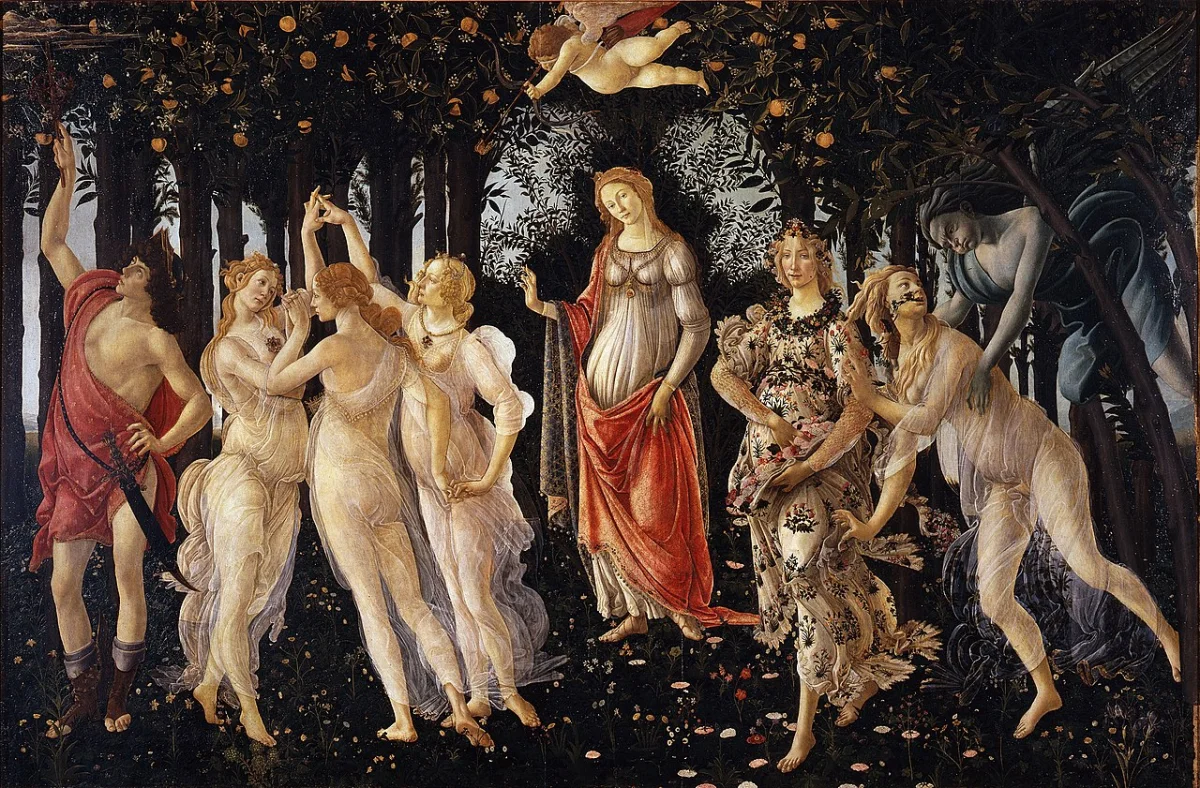
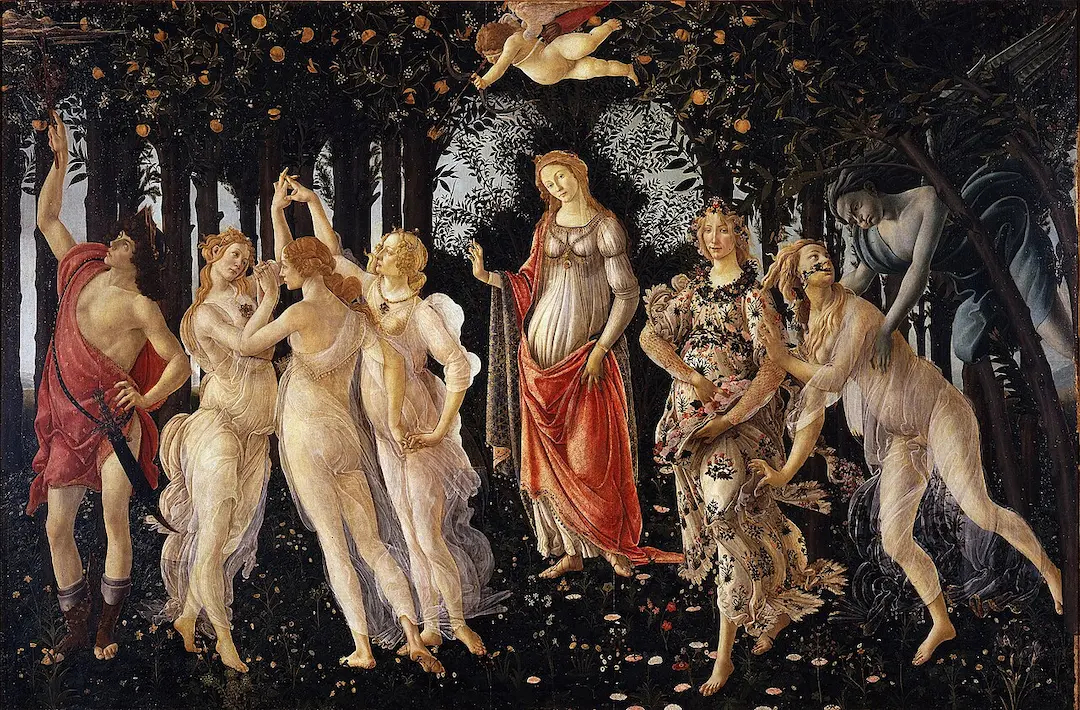
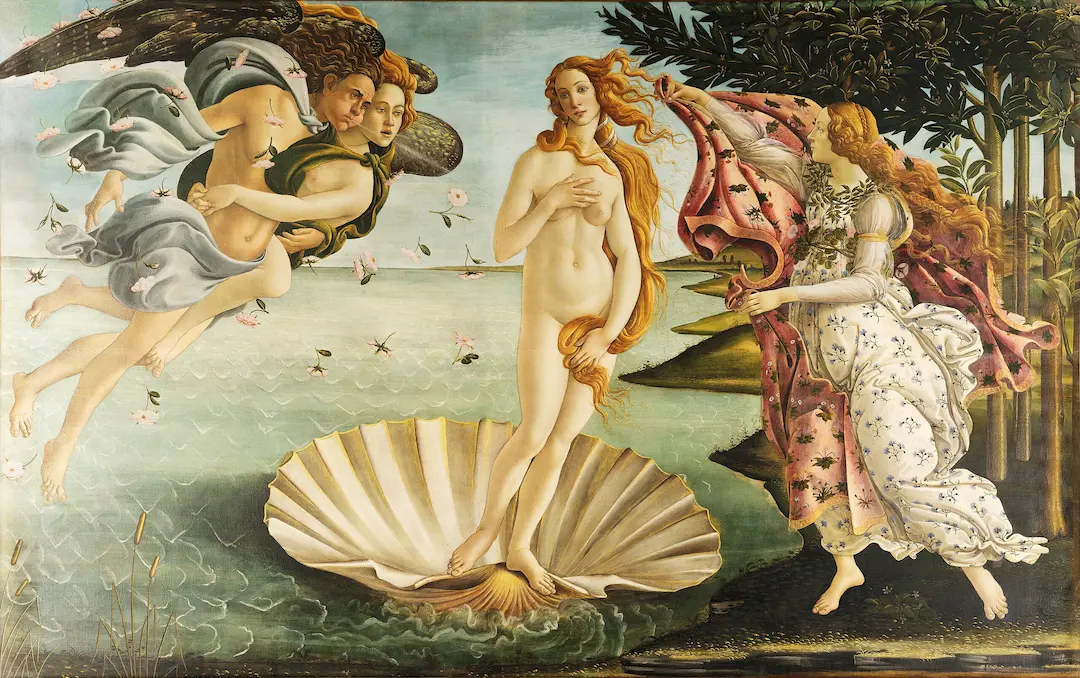
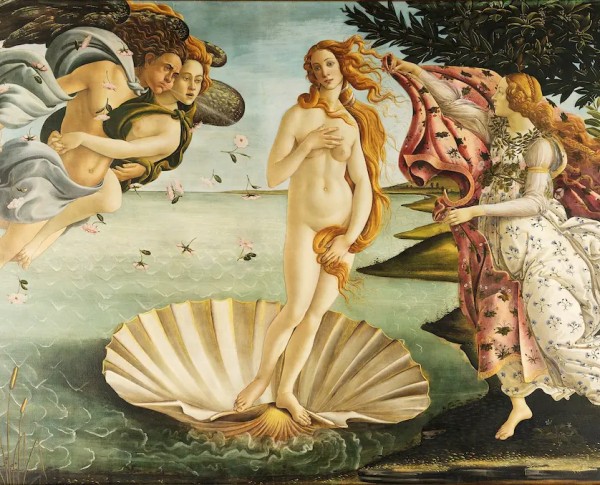
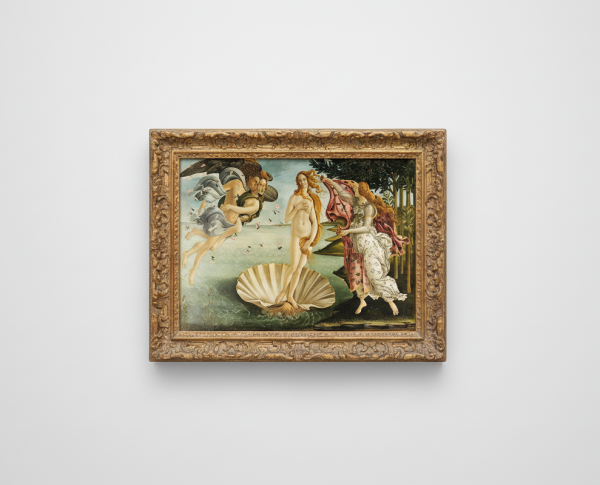
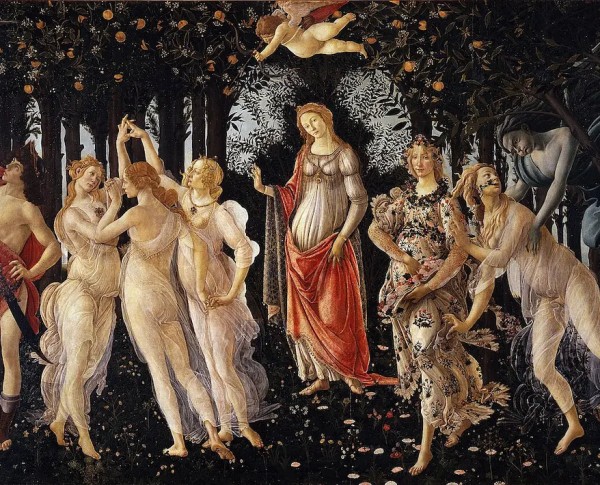
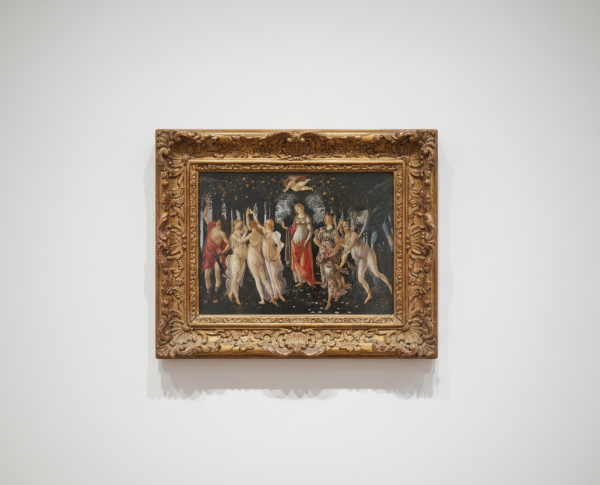
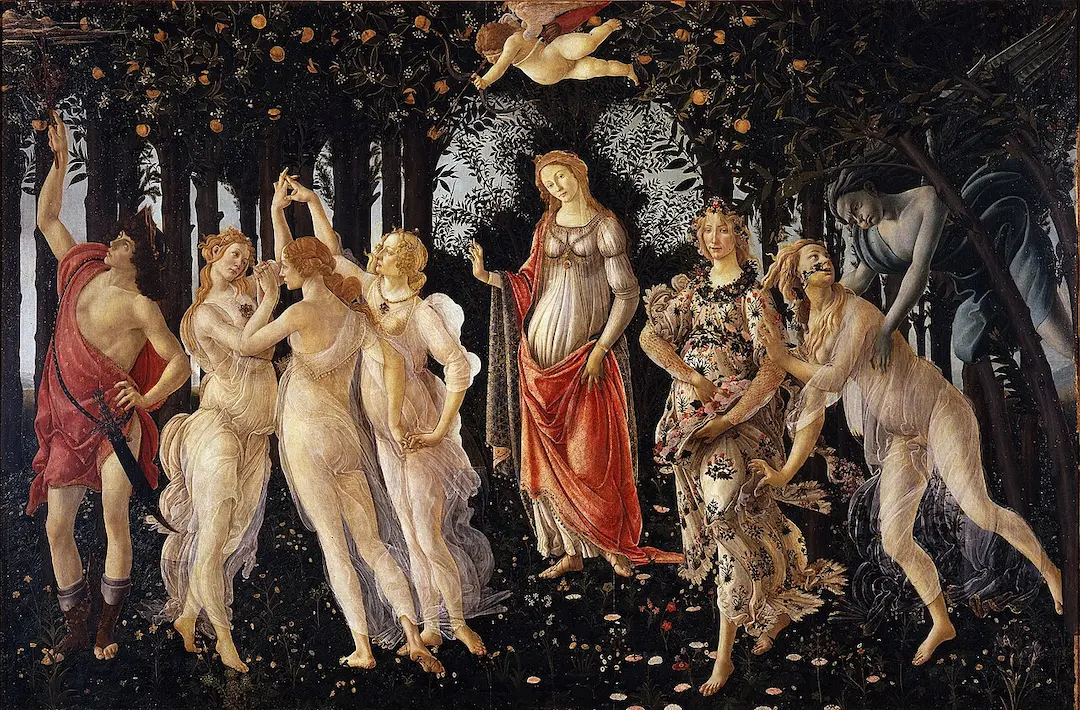
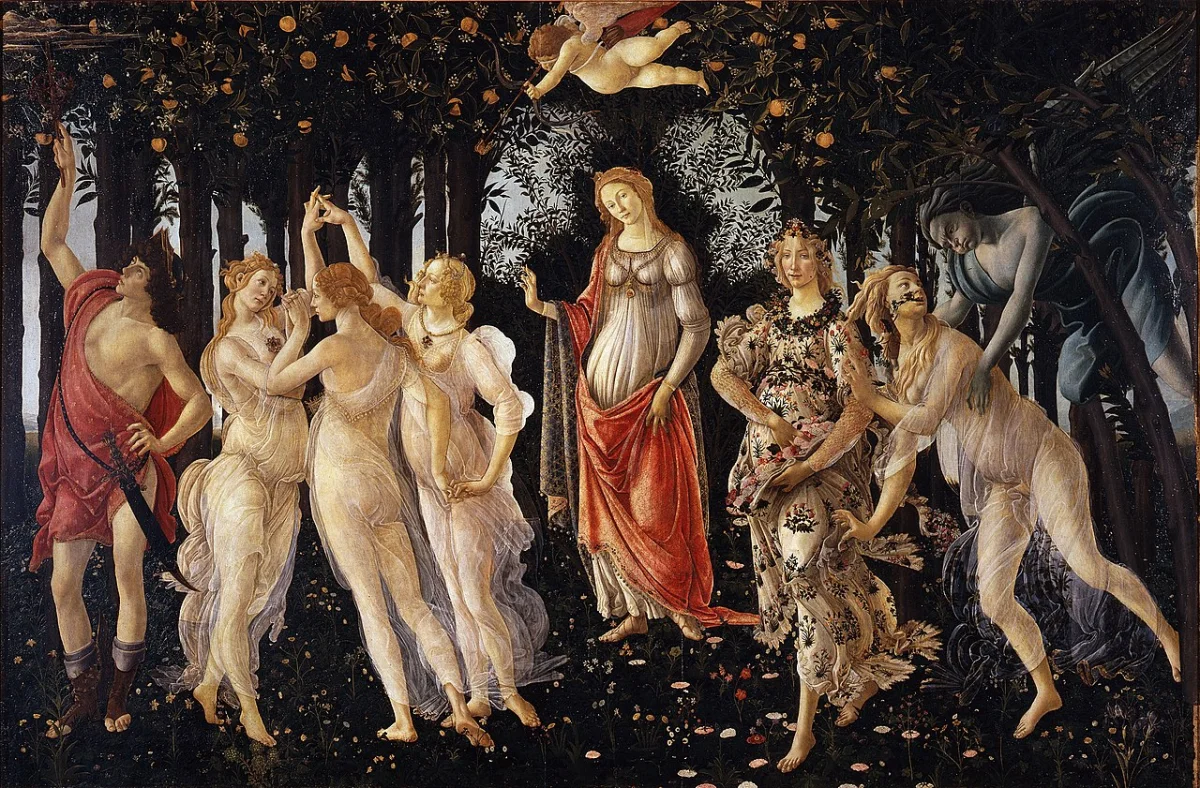
"Birth of Venus (La Nascita di Venere)" by Alessandro Filipepi, known as Sandro Botticelli, stands as a quintessential masterpiece of the Early Renaissance. This hand-painted oil painting captures the essence of mythological beauty and artistic innovation. Botticelli's legacy, along with other works like "Allegory Of Spring La Primavera," continues to inspire art lovers and collectors. As a cornerstone of the movement, this piece remains a symbol of the rebirth of classical ideals through exquisite artistry.
Sandro Botticelli’s attention to detail in "Birth of Venus (La Nascita di Venere)" showcases his mastery of oil on canvas, a technique that flourished during the Early Renaissance. The delicate rendering of Venus’s form and the swirling waves demonstrate Botticelli’s skillful brushwork. Collectors seeking a fine art painting for sale often look to Botticelli’s works, including related products like "Allegory Of Spring La Primavera," for their exceptional craftsmanship and timeless appeal.
"Birth of Venus (La Nascita di Venere)" is rich with allegory and symbolism, hallmarks of the Early Renaissance. Botticelli weaves mythological narratives into this hand-painted oil painting, with Venus representing divine beauty and love. The presence of figures like Zephyrus and the Horae adds layers of meaning. Art enthusiasts can explore these themes further through related products such as "Allegory Of Spring La Primavera," another celebrated Botticelli masterpiece.
Owning a reproduction of "Birth of Venus (La Nascita di Venere)" connects collectors to the genius of Sandro Botticelli and the brilliance of the Early Renaissance. This fine art painting for sale is prized not only for its visual splendor but also for its historical significance. Pairing it with other Botticelli works, such as "Allegory Of Spring La Primavera," enhances any collection, making it a true testament to the enduring allure of Renaissance artistry.
When Art Meets History
"Birth of Venus (La Nascita di Venere)" by Alessandro Filipepi, better known as Sandro Botticelli, stands as a masterpiece of the Early Renaissance. This hand-painted oil painting captures the mythological moment of Venus’s emergence from the sea. Botticelli’s work, alongside other notable oil on canvas pieces from the period, reflects a renewed interest in classical themes and humanism, making it a pivotal example of Renaissance ideals flourishing in Florence.
Techniques That Speak
Sandro Botticelli’s meticulous attention to detail is evident in the flowing lines and delicate color palette of this oil on canvas. Employing tempera and subtle shading, Botticelli created a sense of ethereal beauty and movement unique to the Early Renaissance movement. "Birth of Venus" showcases his mastery of composition and figure drawing, techniques also seen in his other fine art painting for sale, which highlight the artist’s innovative approach to mythological storytelling.
Emotions on Display
The "Birth of Venus" radiates grace and serenity, as Botticelli conveys the goddess’s arrival with a sense of wonder and innocence. The emotional depth in this hand-painted oil painting draws viewers into the soft expressions and harmonious poses, hallmarks of the Early Renaissance. Botticelli’s work, similar to other celebrated oil on canvas masterpieces, continues to evoke admiration and emotional resonance centuries after its creation.
Coveted by Collectors
As a fine art painting for sale, Botticelli’s "Birth of Venus" remains highly sought after by collectors and museums worldwide. Its historical significance and exquisite execution have solidified its status among the most valuable works of the Early Renaissance movement. Collectors prize Botticelli’s hand-painted oil painting for its timeless beauty, making it a cornerstone for those passionate about acquiring iconic oil on canvas pieces from art history.
Frequently Asked Questions About Birth of Venus (La Nascita di Venere)
What is the historical context of "Birth of Venus"?
"Birth of Venus" was painted by Sandro Botticelli in the mid-1480s during the Italian Renaissance, a period marked by a renewed interest in classical antiquity and humanism.
What themes are depicted in "Birth of Venus"?
The painting explores themes of beauty, love, and the divine, illustrating the birth of Venus, the goddess of love, from the sea, symbolizing the emergence of beauty and the ideal of human form.
Who are the figures present in the painting?
The painting features Venus at the center, flanked by the wind gods Zephyr and Aura, and a nymph, who is often identified as one of the Horae, the goddesses of the seasons, preparing to cover Venus with a cloak.
What is the significance of Venus's pose in the painting?
Venus's pose is reminiscent of classical sculptures, embodying the idealized beauty of the human form. Her modesty is conveyed through her hand placement, which adds a sense of grace and allure to the composition.
How does Botticelli use color in "Birth of Venus"?
Botticelli employs a soft color palette dominated by pastel tones, enhancing the ethereal quality of the scene. The use of light and shadow creates depth, while the vibrant colors of the sea and flora symbolize life and fertility.
What artistic techniques are evident in "Birth of Venus"?
Botticelli utilizes linear perspective and a flat, decorative style, which is characteristic of his work. The flowing lines and rhythmic composition guide the viewer’s eye throughout the painting, creating a sense of movement.
What is the symbolism behind the shell in the painting?
The shell is a symbol of Venus's birth from the sea, representing purity and the idea of beauty emerging from chaos. It also alludes to the concept of love being both fragile and powerful.
How does "Birth of Venus" reflect Renaissance ideals?
The painting reflects Renaissance ideals by emphasizing human beauty, nature, and classical mythology. It showcases the era's fascination with the human experience and the divine, merging both in a harmonious composition.
What is the impact of "Birth of Venus" on art history?
"Birth of Venus" has had a profound influence on Western art, inspiring countless artists and movements. Its celebration of beauty and the human form has made it an iconic representation of the Renaissance and a pivotal work in art history.
Where is "Birth of Venus" currently housed?
The painting is currently housed in the Uffizi Gallery in Florence, Italy, where it remains one of the most celebrated and visited works of art in the world.






















_GFM_Painting_(1).webp)

.webp)

 100% Hand-Painted: Finished in 3-6 Weeks
.webp)

.png)
















_(1).webp)