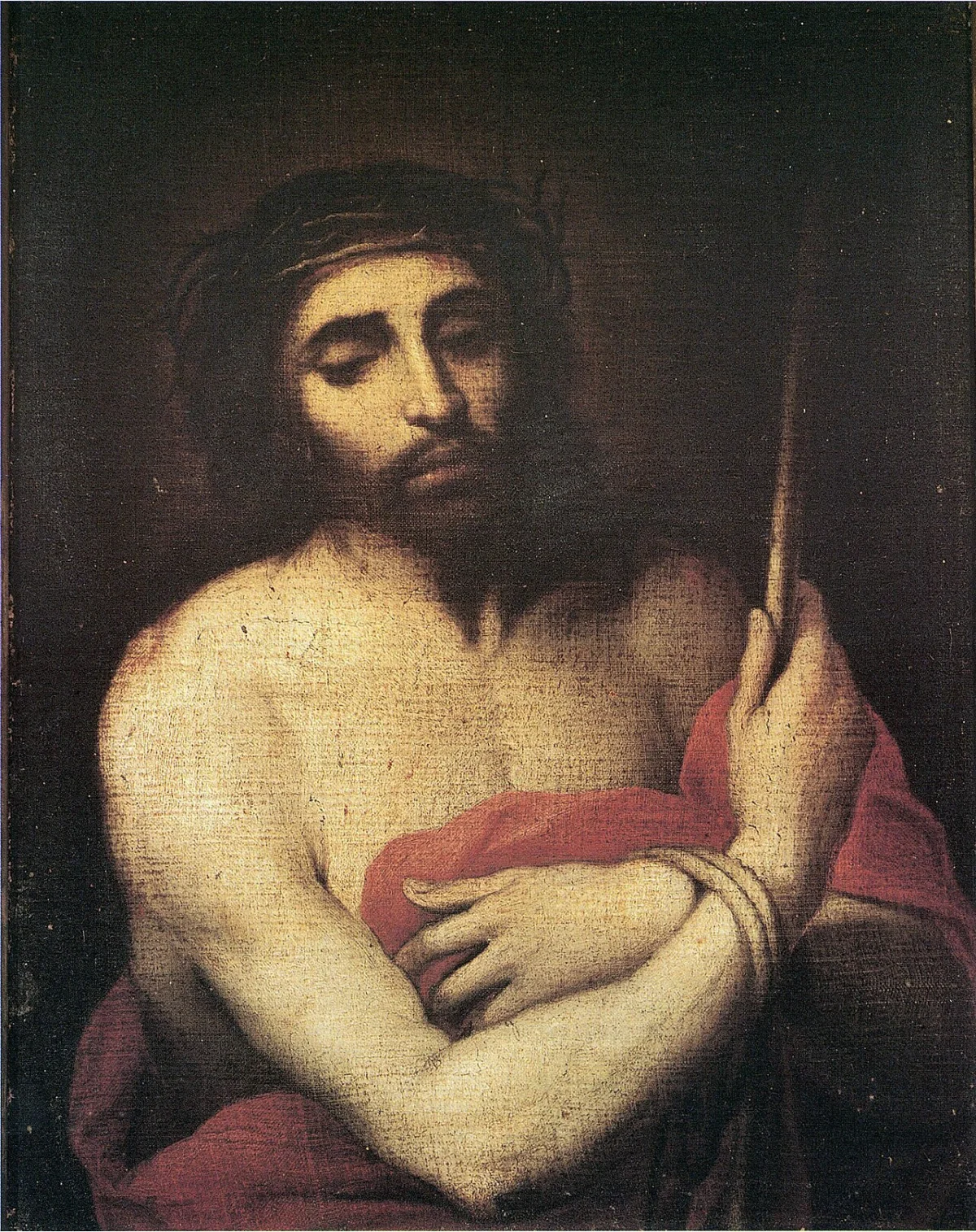
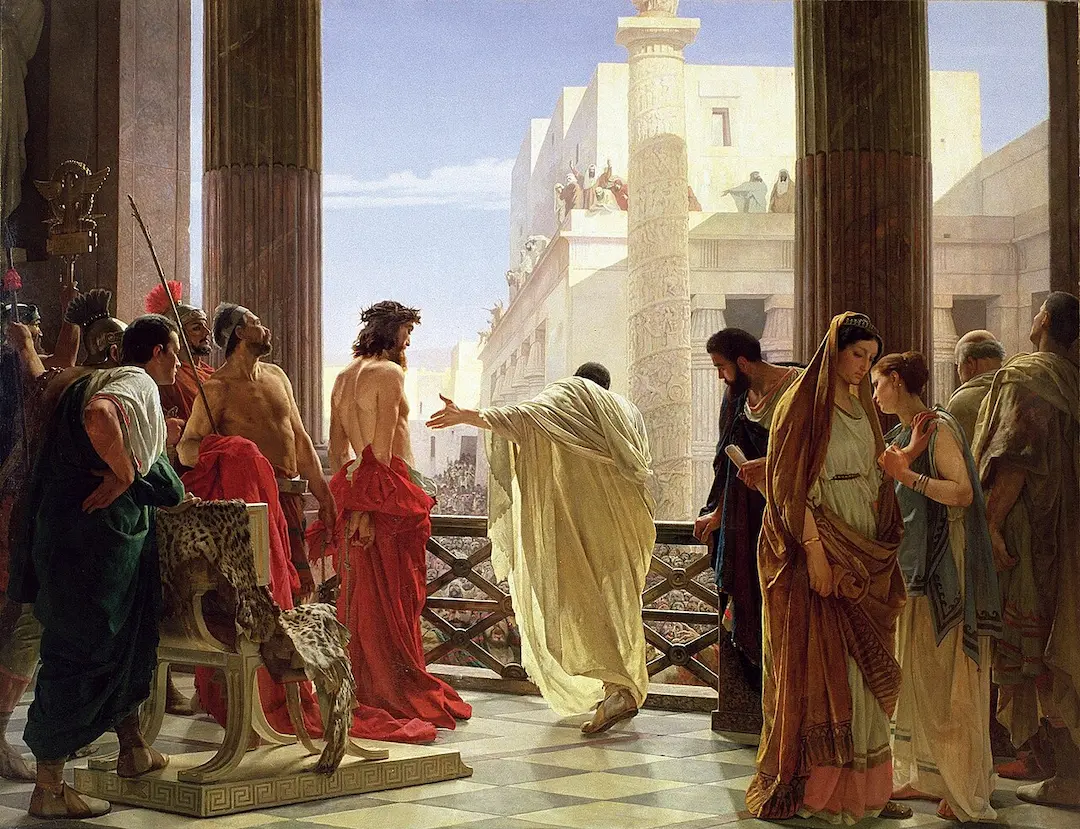
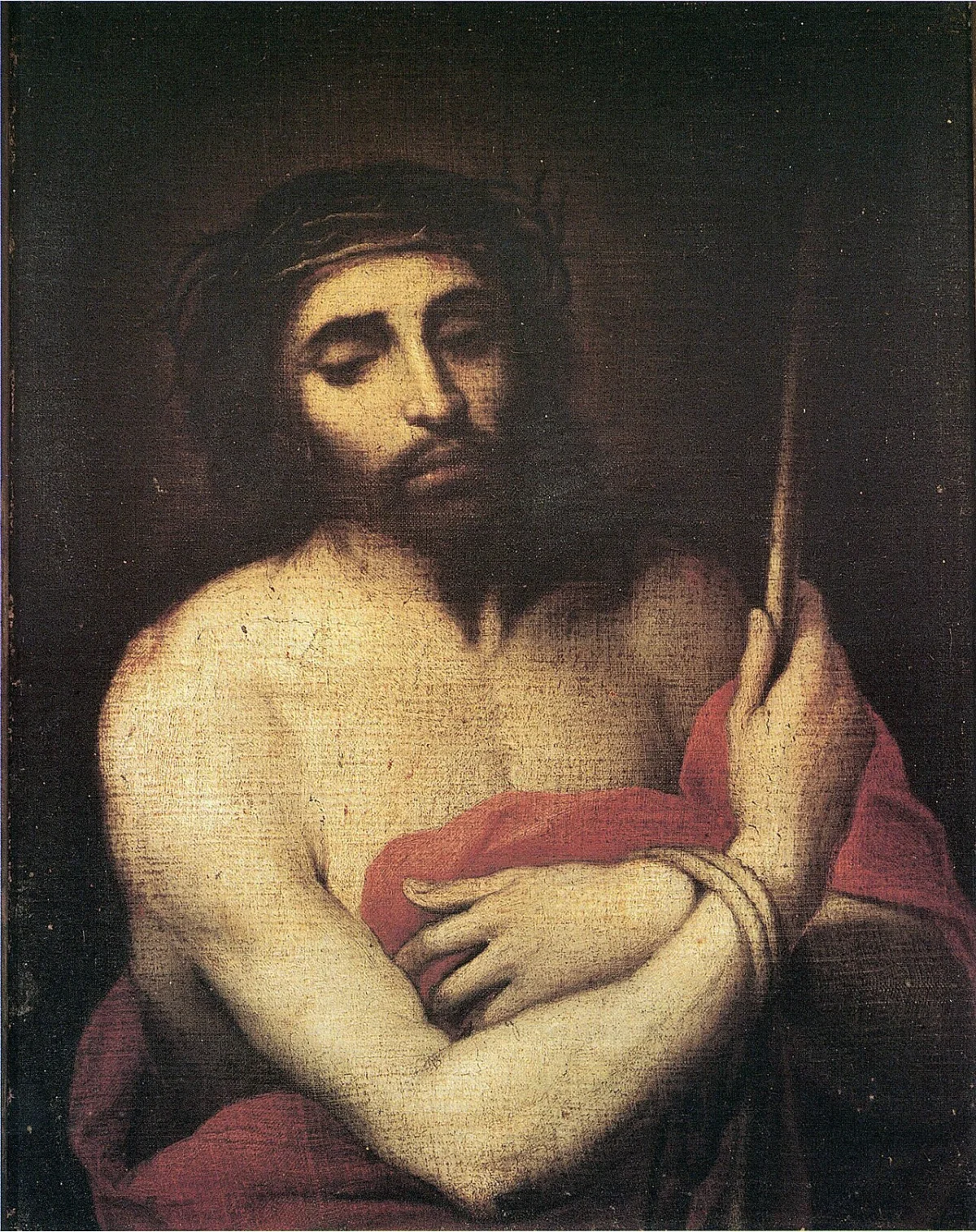
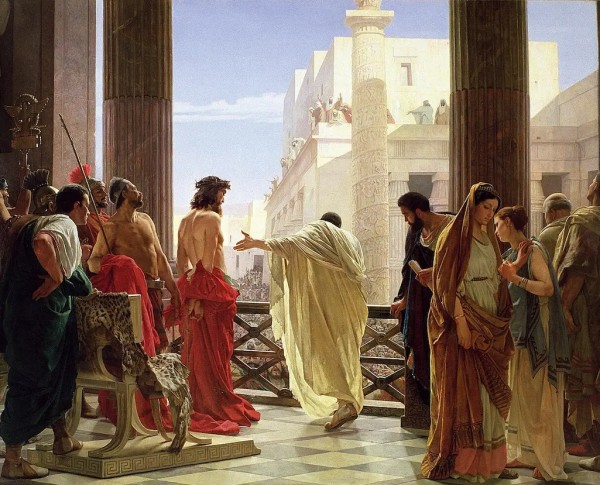
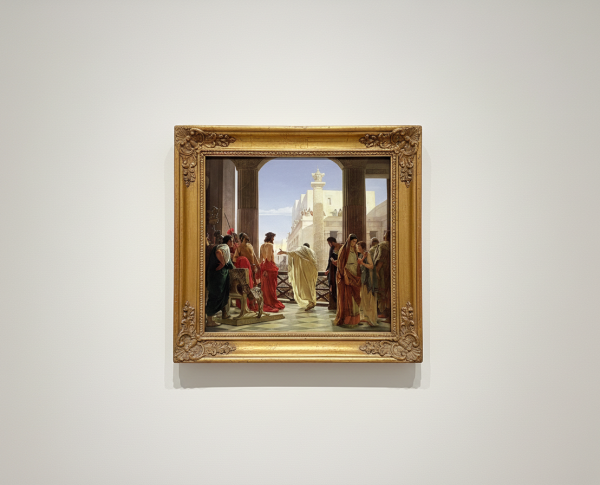
"Ecce Homo" by Antonio Ciseri showcases exceptional technique, characteristic of Academic Realism. The meticulous detail and lifelike portrayal achieved through oil on canvas demonstrate the artist’s dedication to realism and skill. Each brushstroke reveals Ciseri’s understanding of anatomy, light, and emotion, setting a high standard for similar works. For those appreciating the finest artistry, this painting represents the pinnacle of classic technique, making it a sought-after oil on canvas for discerning collectors.
In "Ecce Homo," Antonio Ciseri weaves powerful narratives and symbolism, hallmarks of Academic Realism. The painting captures the poignant moment of Christ’s presentation to the crowd, conveying themes of suffering, innocence, and judgment. This fine art painting for sale invites viewers to reflect on its profound message, drawing them into the story through expressive faces and dramatic contrasts. Ciseri’s ability to blend storytelling with technical brilliance makes this artwork truly unforgettable.
Antonio Ciseri’s "Ecce Homo" is more than a historical artwork; it is a prized fine art painting for sale that appeals to serious collectors worldwide. As a shining example of Academic Realism, its presence enriches any gallery or private collection. The value of owning such a hand-painted oil painting lies not only in its beauty but also in its cultural and historical significance. Art lovers recognize "Ecce Homo" as a rare treasure within the market of classical masterpieces.
When Art Meets History
"Ecce Homo" by Antonio Ciseri stands as a masterful example of Academic Realism, capturing a pivotal biblical moment with stunning clarity. This hand-painted oil painting showcases Ciseri’s dedication to historical accuracy and emotional depth. As with his other works, such as "A Peacock and Doves in a Garden," Ciseri elevates religious themes through meticulous research and artistry. Collectors and enthusiasts alike admire how this painting bridges the gap between historical narrative and fine art.
Techniques That Speak
Antonio Ciseri’s "Ecce Homo" exemplifies the refined techniques characteristic of Academic Realism. Executed in oil on canvas, the work reveals the artist’s extraordinary skill in rendering textures, fabrics, and lifelike figures. The attention to detail and the careful composition evoke a sense of depth and realism that draws viewers in. Similar to "A Peacock and Doves in a Garden," Ciseri’s mastery of oil painting techniques is evident in every brushstroke.
Emotions on Display
In "Ecce Homo," Ciseri masterfully captures the intense emotions of the scene, immersing viewers in the drama and humanity of the moment. The figures’ expressions and body language are rendered with profound sensitivity, hallmarks of the Academic Realism movement. This fine art painting for sale not only narrates a story but also invites reflection on the emotional turmoil depicted, much like the contemplative mood found in "A Peacock and Doves in a Garden."
Coveted by Collectors
Antonio Ciseri’s "Ecce Homo" remains highly sought after by art collectors, museums, and enthusiasts of Academic Realism. Its reputation as a hand-painted oil painting of exceptional quality makes it a prized acquisition. Alongside related works like "A Peacock and Doves in a Garden," this painting’s historical significance and artistic excellence ensure its enduring appeal. For those seeking a remarkable fine art painting for sale, "Ecce Homo" is a timeless choice.
Related Academic Realism Hand-Painted Oil Paintings by Other Artists
Other Famous Academic Realism Artists:
Frequently Asked Questions About Ecce Homo
What is the historical context of "Ecce Homo"?
"Ecce Homo," painted by Antonio Ciseri in 1871, reflects the 19th-century European fascination with religious themes, particularly those related to the Passion of Christ. This period saw a resurgence of interest in realism and emotional expression in art.
What artistic techniques did Antonio Ciseri use in "Ecce Homo"?
Ciseri employed a combination of realism and dramatic lighting in "Ecce Homo." His use of chiaroscuro enhances the emotional intensity of the scene, while meticulous attention to detail showcases his skill in rendering human expressions and textures.
What is the significance of the title "Ecce Homo"?
The title "Ecce Homo," which translates to "Behold the Man," is a phrase attributed to Pontius Pilate in the New Testament. It signifies the moment Jesus is presented to the crowd, emphasizing themes of suffering and humanity.
How does "Ecce Homo" reflect the themes of suffering and redemption?
The painting captures the moment of Jesus' humiliation and suffering, inviting viewers to contemplate the dual themes of pain and redemption. Ciseri's portrayal encourages empathy and reflection on the nature of sacrifice.
What role does color play in "Ecce Homo"?
Ciseri's use of color in "Ecce Homo" serves to heighten the emotional impact of the scene. The muted tones of the background contrast with the vibrant reds and earthy hues of Christ's garments, drawing attention to his figure and the gravity of the moment.
In what ways does "Ecce Homo" exemplify 19th-century religious art?
"Ecce Homo" exemplifies 19th-century religious art through its focus on emotional depth, realism, and dramatic narrative. Ciseri's work aligns with the Romantic movement's emphasis on individual experience and the exploration of spiritual themes.
What is the composition of "Ecce Homo" and its significance?
The composition of "Ecce Homo" is carefully structured, with Jesus positioned centrally and framed by the figures of the crowd. This arrangement emphasizes his isolation and suffering, while also inviting the viewer to engage with the scene.
How has "Ecce Homo" influenced contemporary interpretations of Christ's Passion?
"Ecce Homo" has influenced contemporary interpretations of Christ's Passion by emphasizing the human aspects of suffering and sacrifice. Its emotional resonance continues to inspire artists and theologians in exploring the complexities of faith and humanity.
What symbols are present in "Ecce Homo" and what do they represent?
In "Ecce Homo," symbols such as the crown of thorns and the purple robe signify Christ's suffering and mockery. These elements serve to highlight the themes of sacrifice and the duality of his kingship as both divine and human.
Where can I view "Ecce Homo" and learn more about its history?
"Ecce Homo" is part of the collection at the Museo Nazionale di Capodimonte in Naples, Italy. Visitors can explore its rich history and significance through guided tours and educational programs offered by the museum.






















_GFM_Painting_(1).webp)



 100% Hand-Painted: Finished in 3-6 Weeks


.png)















_(1).webp)