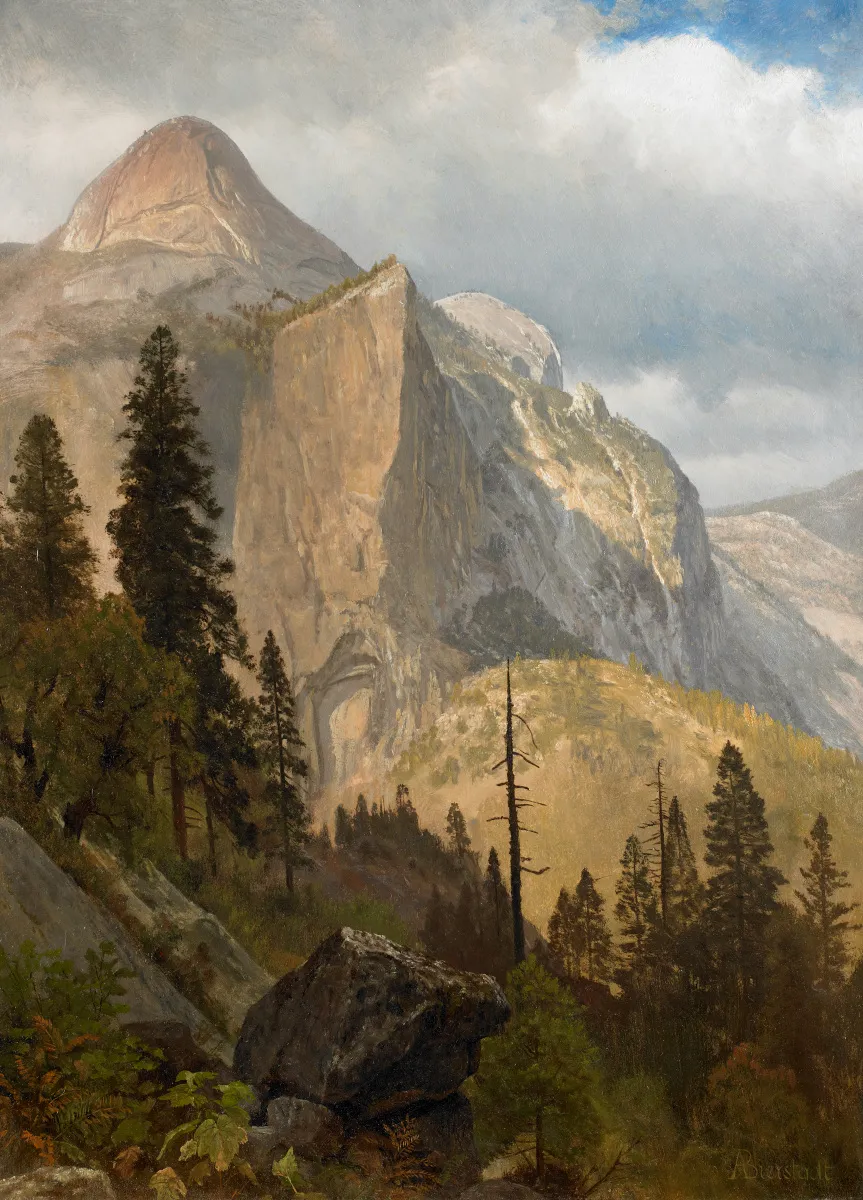
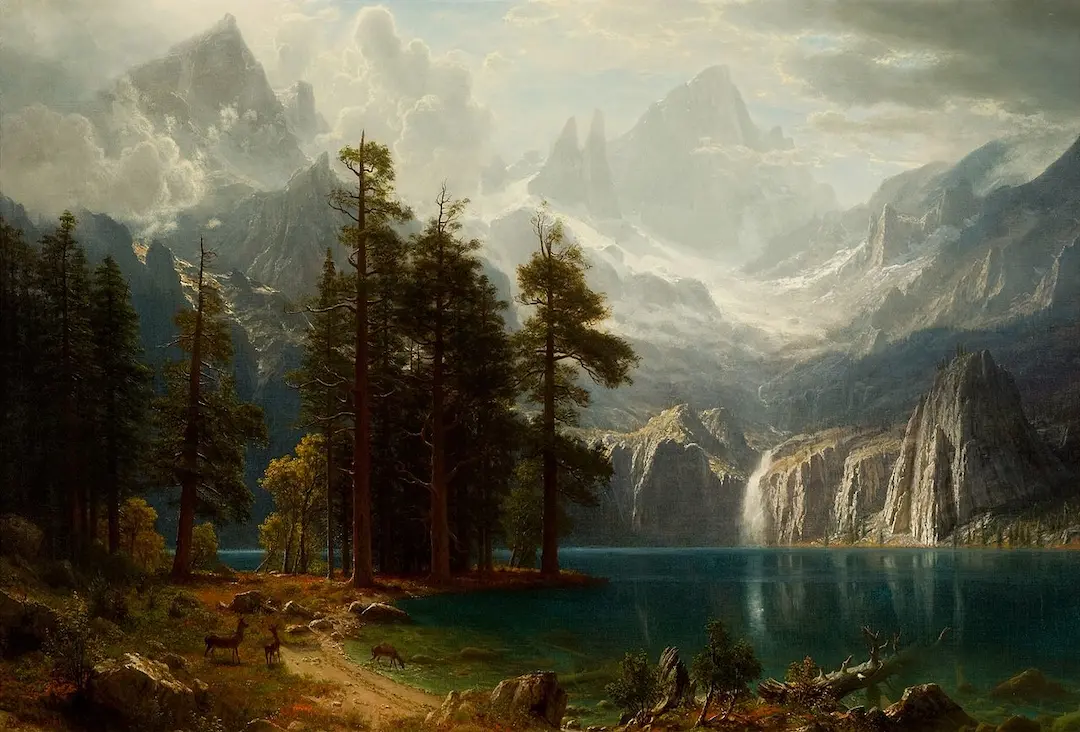
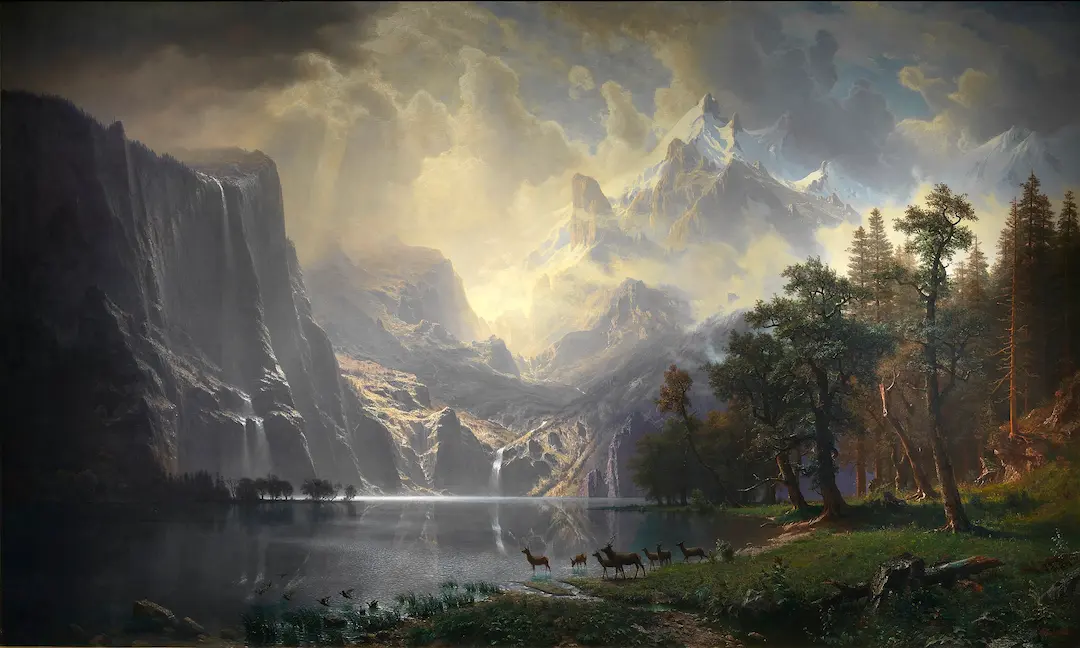
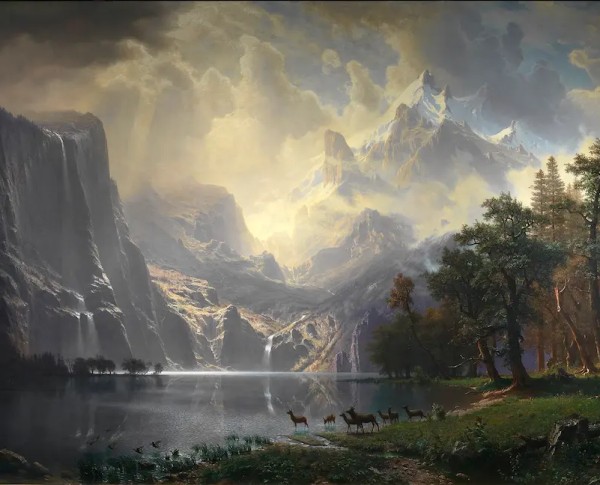
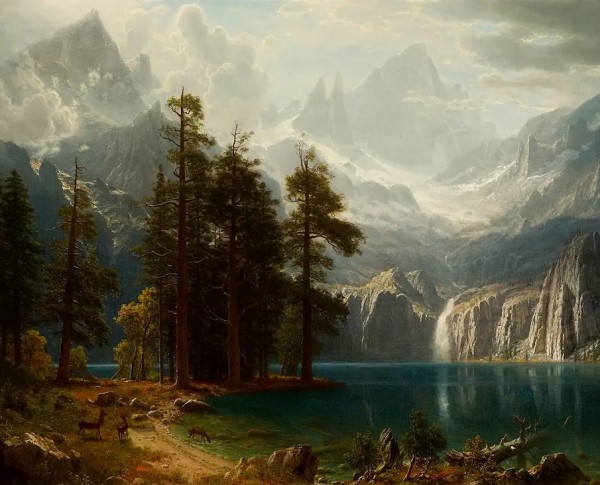
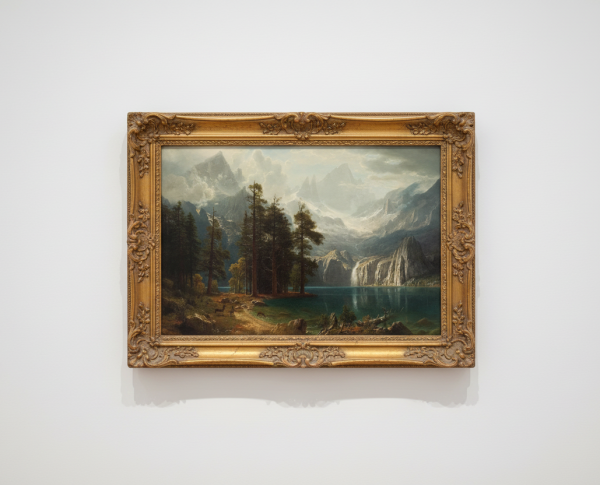
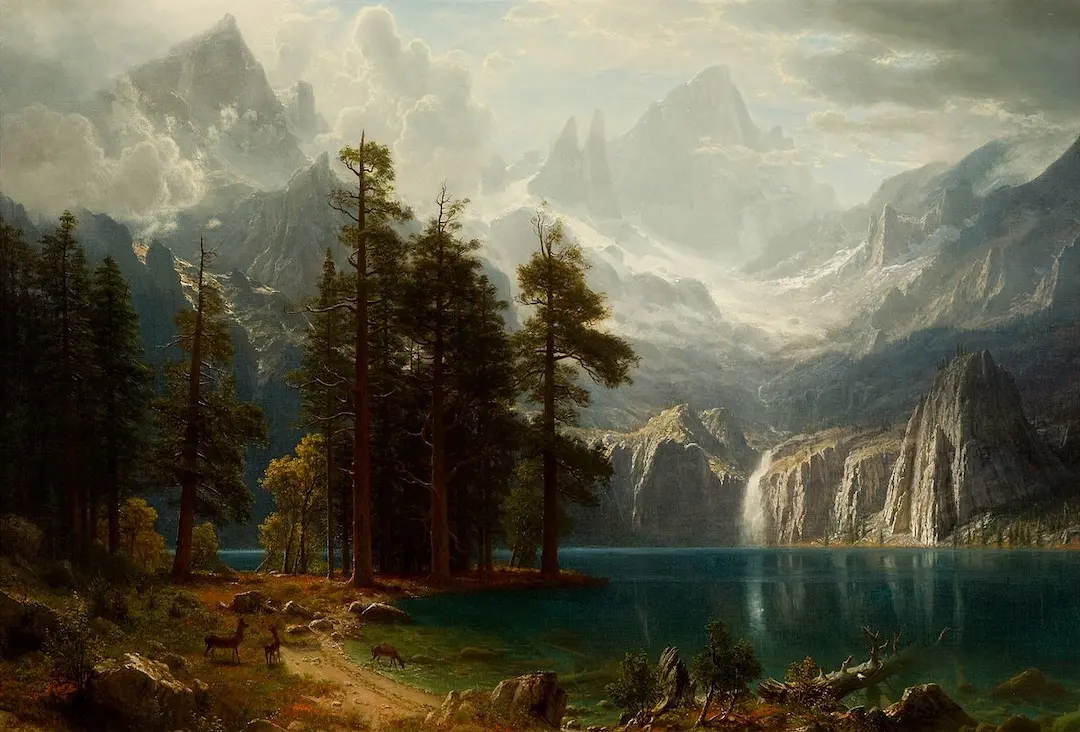
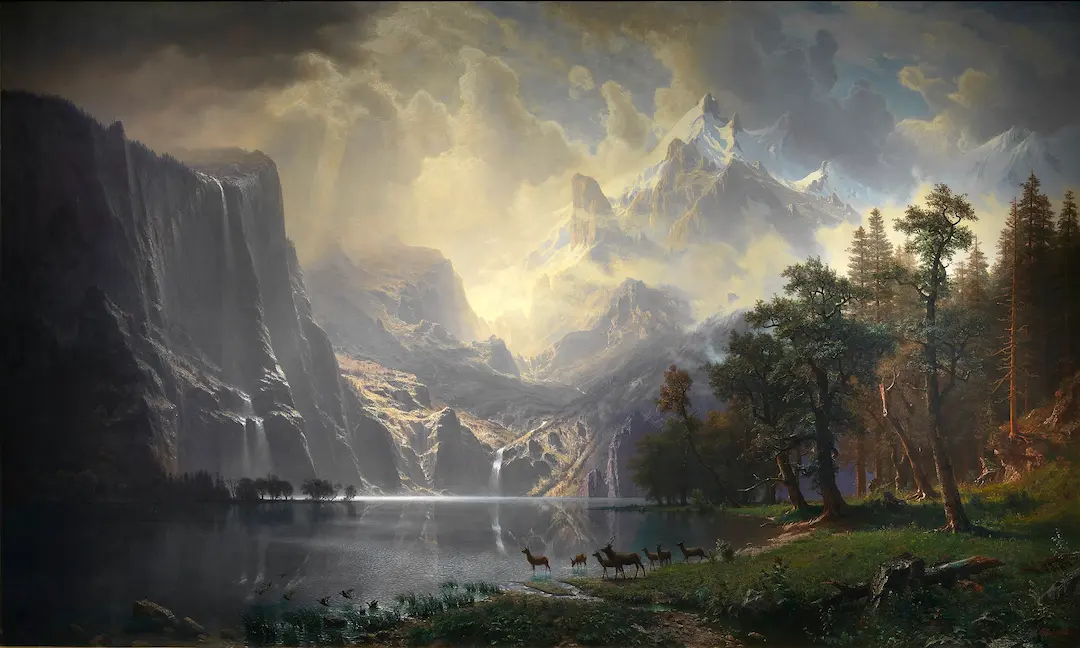
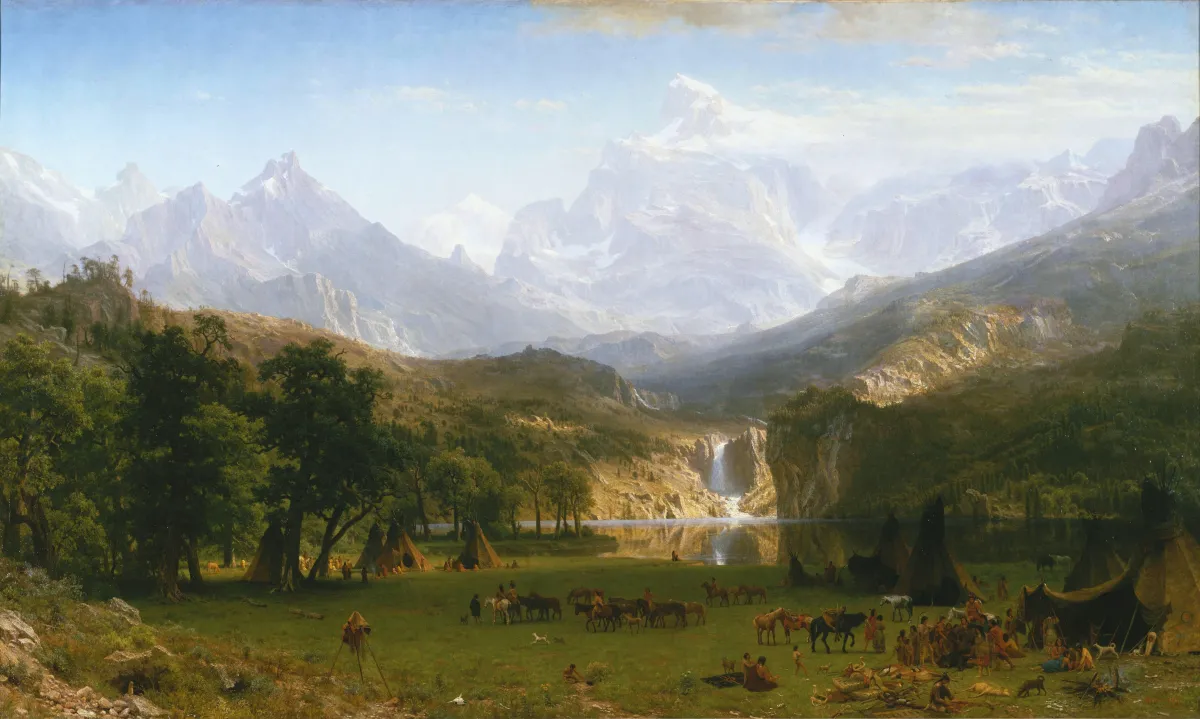
"Sierra Nevada I" showcases Bierstadt’s extraordinary skill with oil on canvas, a hallmark of the Hudson River School. Each brushstroke reveals the artist’s commitment to detail and his ability to evoke emotion through landscape. The luminous atmosphere and expansive vistas set this piece apart from other fine art painting for sale, making it a centerpiece for any collection. Related works like "Among The Sierra Nevada Mountains California" exemplify his technical mastery.
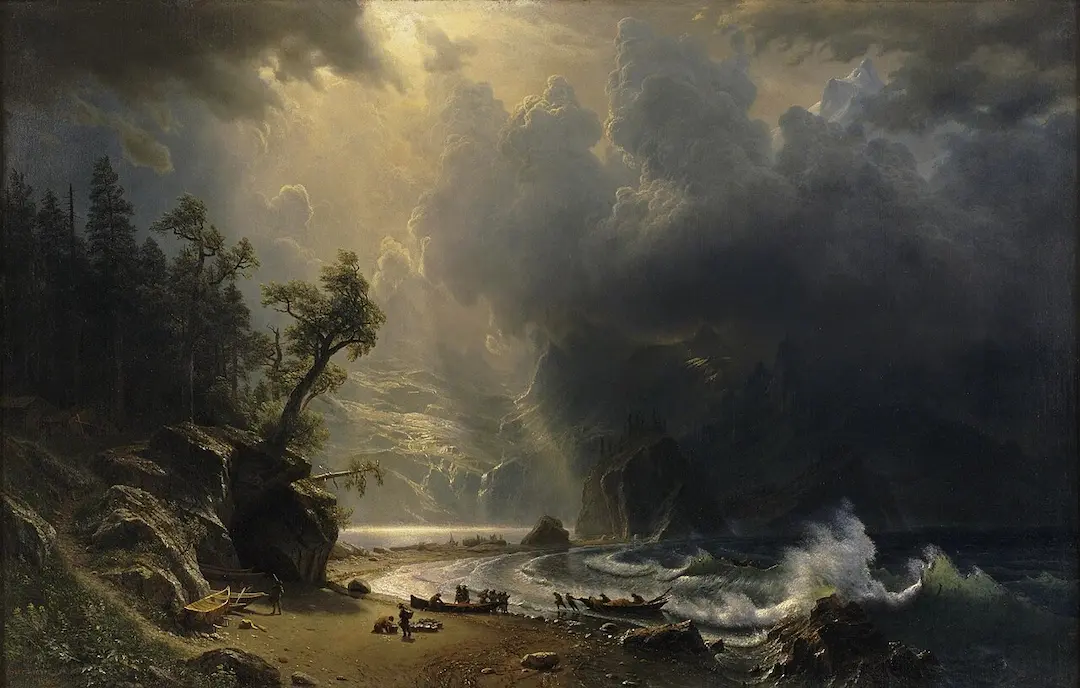
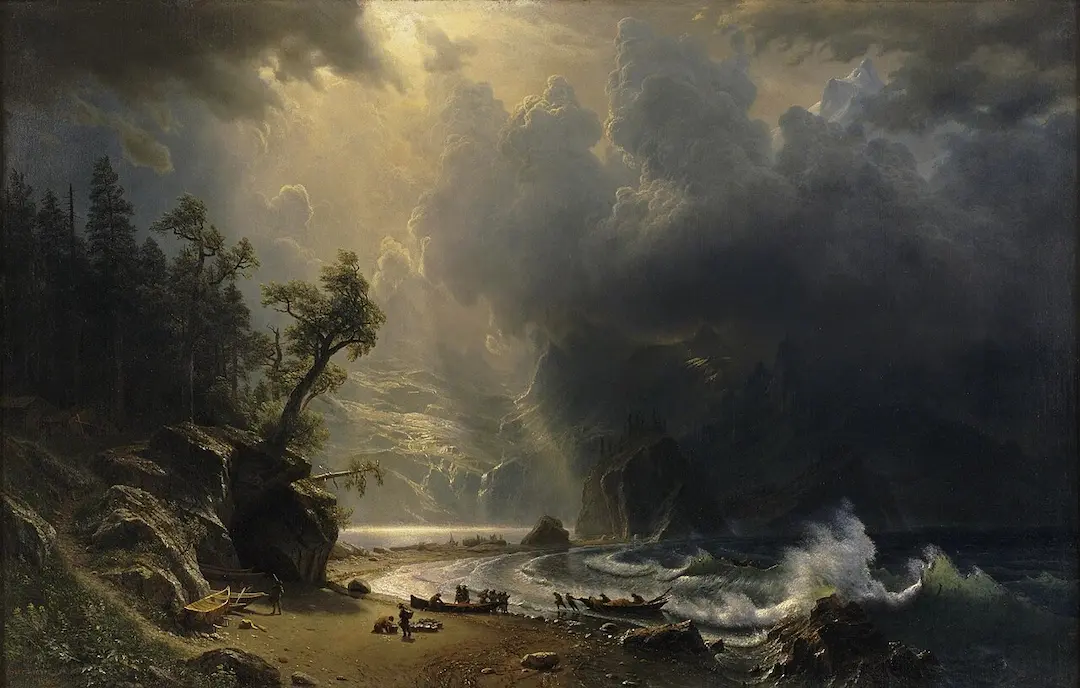
In "Sierra Nevada I," Bierstadt weaves stories of American exploration and the sublime power of nature, central themes in the Hudson River School movement. This hand-painted oil painting symbolizes the spirit of discovery that defined the era. The sweeping mountains and tranquil waters evoke both wonder and reverence. Collectors drawn to these themes may also appreciate related products such as "Puget Sound On The Pacific Coast" and "Among The Sierra Nevada Mountains California."
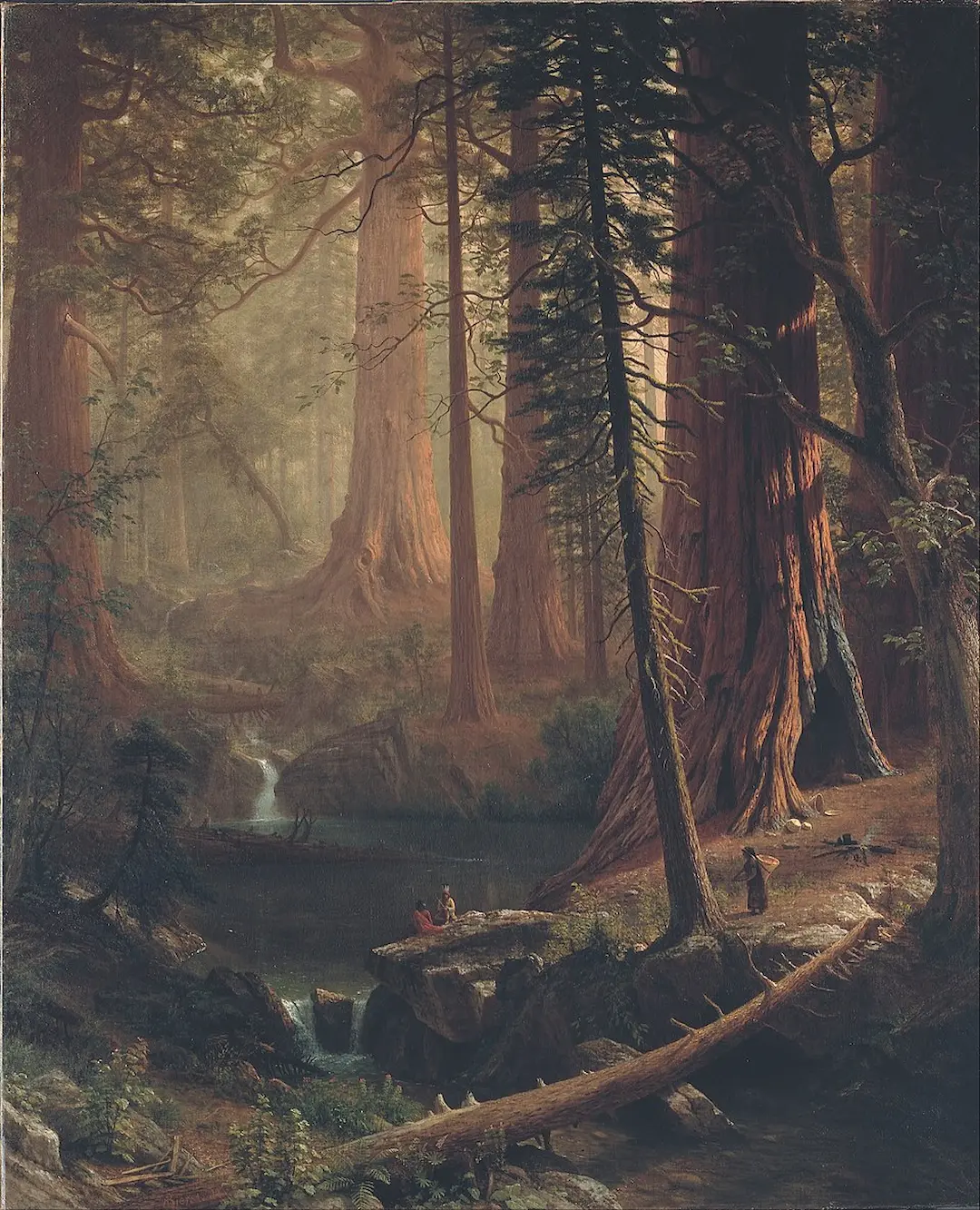
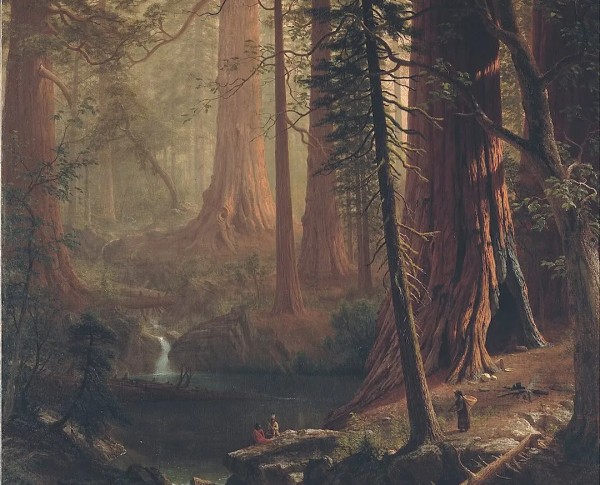
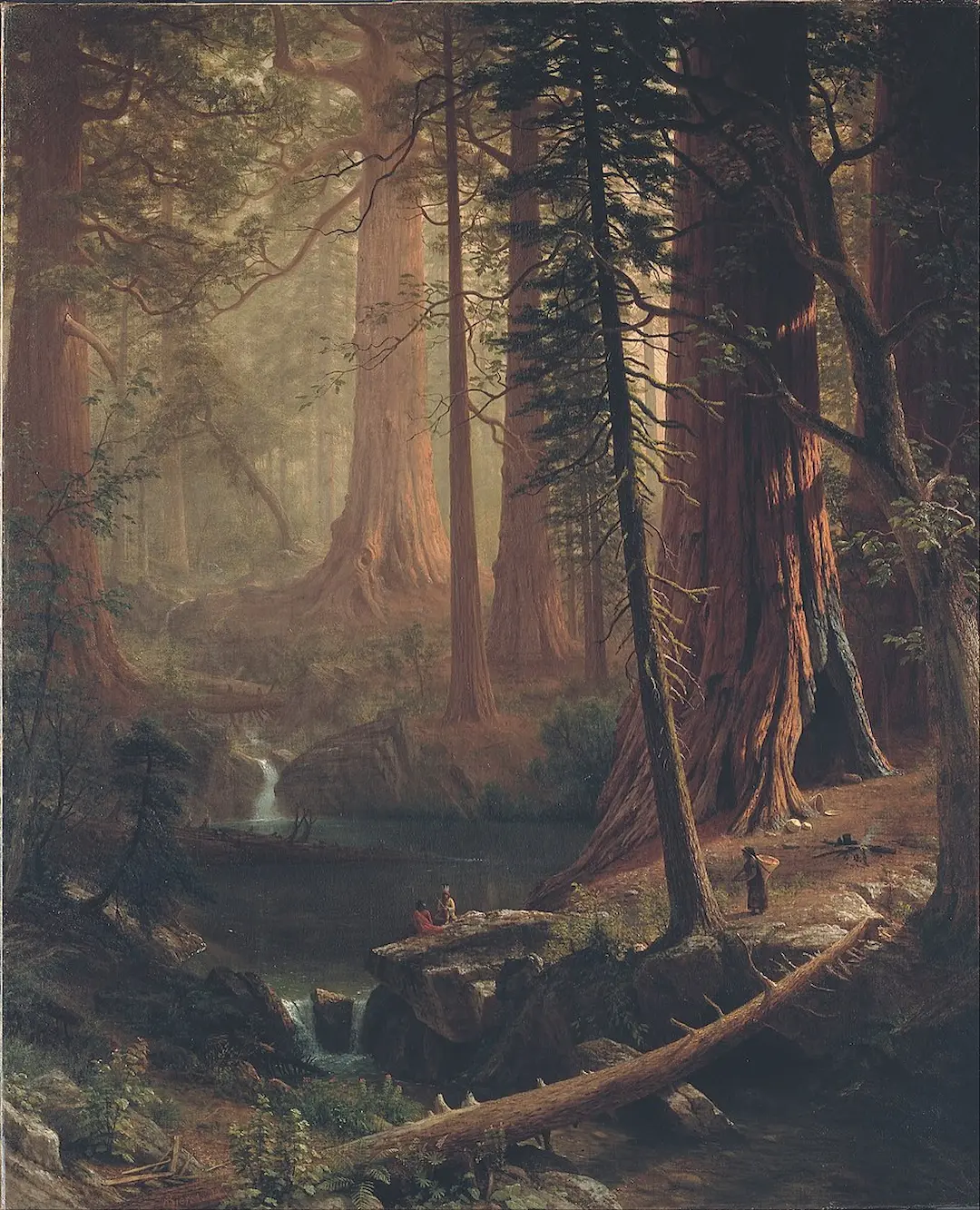
For art lovers, owning "Sierra Nevada I" by Albert Bierstadt is the chance to possess a true fine art painting for sale. Its historical significance and breathtaking execution make it a valuable addition to any collection. The Hudson River School’s influence is evident in every detail, ensuring lasting appeal. Those interested in expanding their collection may consider works like "Giant Redwood Trees of California" to complement their appreciation for Bierstadt’s legacy.
When Art Meets History
Albert Bierstadt’s "Sierra Nevada I" stands as a remarkable hand-painted oil painting from the celebrated Hudson River School movement. Created during the 19th century, this work reflects Bierstadt’s fascination with the American West and its untamed beauty. The painting, alongside other masterpieces by Bierstadt, captures a pivotal moment in art history when artists sought to document and romanticize the American landscape, forever influencing how these regions are viewed and appreciated.
Techniques That Speak
Bierstadt’s mastery of oil on canvas is evident in "Sierra Nevada I," where he employs luminous lighting and meticulous detail to bring the mountainous terrain to life. His brushwork and use of atmospheric perspective are hallmarks of the Hudson River School movement, setting his paintings apart from his contemporaries. The rich textures and vibrant colors in this artwork showcase Bierstadt’s technical prowess and his dedication to portraying the grandeur of nature through oil on canvas.
Emotions on Display
"Sierra Nevada I" evokes awe and reverence, inviting viewers to experience the majesty and solitude of the American wilderness. Bierstadt’s fine art painting for sale captures a sense of wonder, transporting audiences to serene landscapes untouched by industrialization. Through this piece, Bierstadt channels both the sublime beauty and the emotional depth characteristic of the Hudson River School, making it a lasting testament to the power of landscape art to move and inspire.
Coveted by Collectors
Collectors and art enthusiasts seek out Albert Bierstadt’s works, including "Sierra Nevada I," for their historical significance and artistic excellence. As a hand-painted oil painting, it represents a prime example of the Hudson River School’s influence on American art. The painting’s detailed execution and evocative subject matter make it a highly desirable addition to any collection, just as Bierstadt’s other notable landscapes continue to be treasured by museums and private collectors alike.
Frequently Asked Questions About Sierra Nevada I
What is the historical context of Sierra Nevada I?
Sierra Nevada I was painted by Albert Bierstadt in 1868, during a time when the American West was being explored and celebrated in art. This period marked the rise of the Hudson River School, which emphasized the grandeur of nature and the American landscape.
What artistic techniques did Bierstadt employ in Sierra Nevada I?
Bierstadt utilized a technique known as luminism, characterized by the depiction of light and atmosphere. His use of vibrant colors and meticulous detail creates a sense of realism and depth, inviting viewers to immerse themselves in the landscape.
What themes are explored in Sierra Nevada I?
The painting explores themes of nature's majesty and the sublime. It reflects the Romantic ideal of nature as a powerful and awe-inspiring force, highlighting the beauty and grandeur of the Sierra Nevada mountains.
How does Sierra Nevada I reflect the American identity of the 19th century?
This artwork embodies the 19th-century American spirit of exploration and discovery. It symbolizes the nation's expansion westward and the appreciation of the natural landscape, which was integral to the American identity during this era.
What role did Bierstadt play in the Hudson River School movement?
Albert Bierstadt was a prominent figure in the Hudson River School, known for his grand landscapes that celebrated the American wilderness. His works, including Sierra Nevada I, contributed to the movement's focus on the beauty of nature and the emotional response it evokes.
What symbolism is present in Sierra Nevada I?
The painting symbolizes the untamed beauty of the American West and serves as a reminder of the natural world's power and fragility. The majestic mountains can be seen as a metaphor for the challenges and triumphs of the American spirit.
How did Bierstadt's travels influence Sierra Nevada I?
Bierstadt's extensive travels in the American West provided him with firsthand experience of the landscapes he depicted. His journeys inspired a deep appreciation for the natural beauty of the Sierra Nevada, which is vividly captured in this painting.
What impact did Sierra Nevada I have on American art?
Sierra Nevada I had a significant impact on American art by popularizing the depiction of western landscapes. It influenced future generations of artists to explore and celebrate the American wilderness, solidifying the genre of landscape painting in American art history.
What is the significance of the title Sierra Nevada I?
The title Sierra Nevada I indicates that this painting is part of a series or a broader exploration of the Sierra Nevada mountain range. It emphasizes Bierstadt's fascination with this particular landscape and his desire to capture its essence in multiple works.
Where is Sierra Nevada I currently displayed?
Sierra Nevada I is part of the collection at the Metropolitan Museum of Art in New York City. Its presence in such a prestigious institution underscores its importance in the canon of American art.






















_GFM_Painting_(1).webp)


 100% Hand-Painted: Finished in 3-6 Weeks

.png)















_(1).webp)