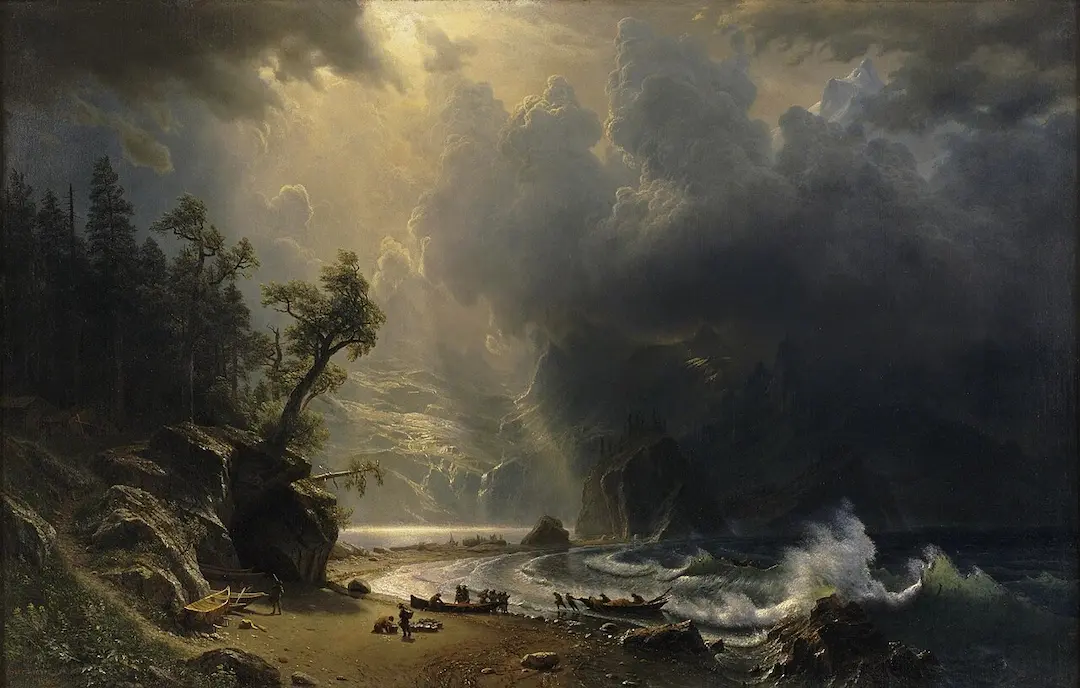
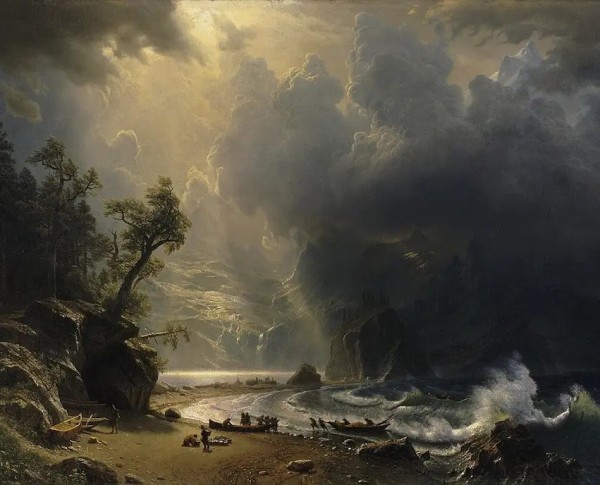
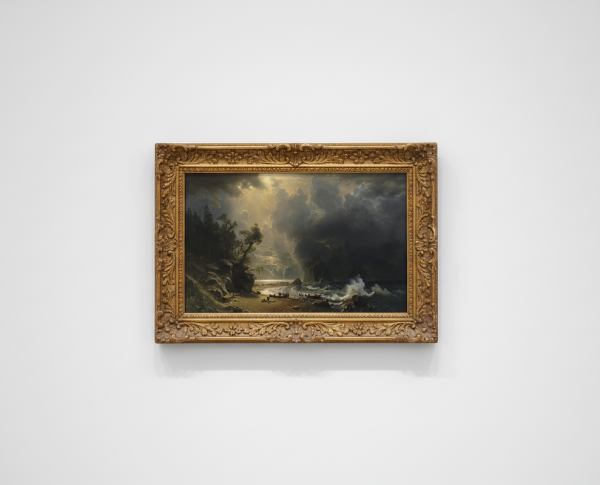
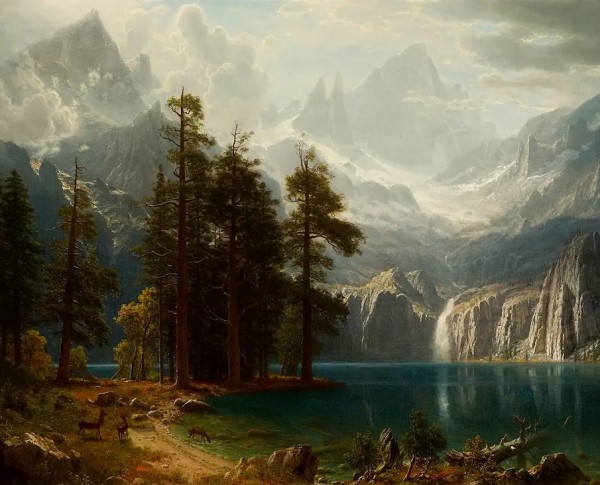
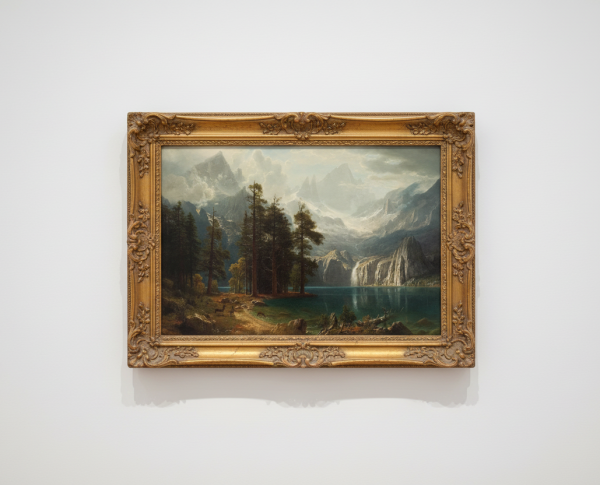
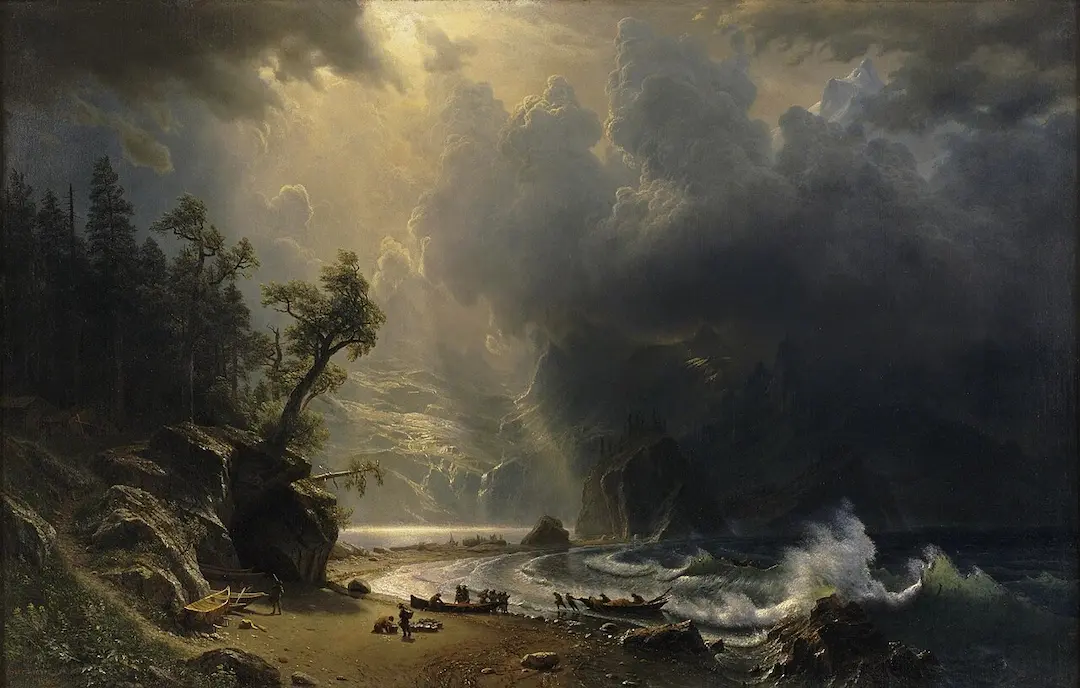
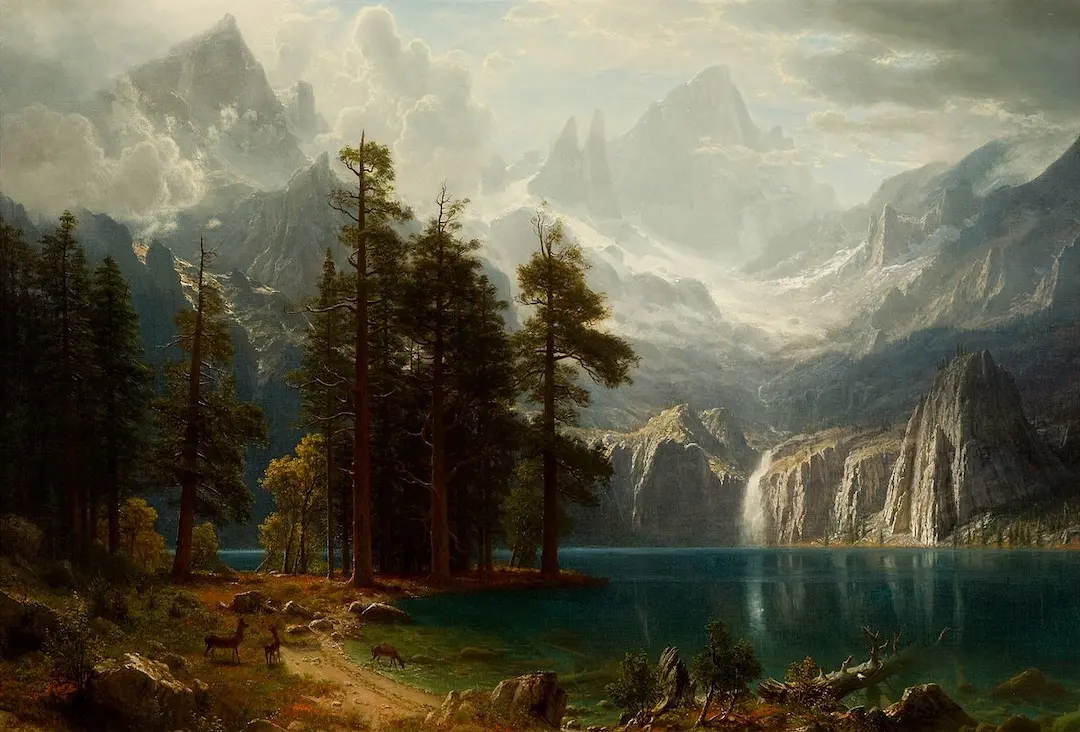
Albert Bierstadt’s expertise shines through in every detail of "Puget Sound On The Pacific Coast," a remarkable oil on canvas that exemplifies the Hudson River School’s commitment to realism and grandeur. The artist’s meticulous technique brings the Pacific coastline to life, making it a centerpiece for any collection. Pairing this work with related products like "Sierra Nevada I" highlights Bierstadt’s enduring influence within the world of American landscape painting.
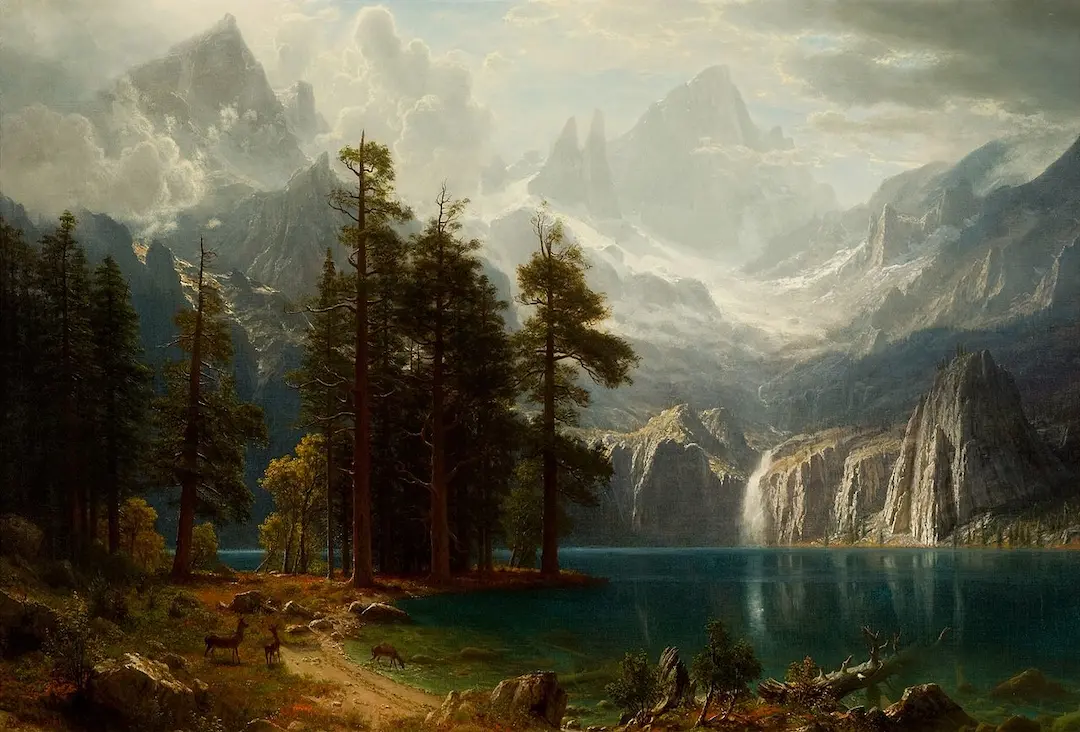
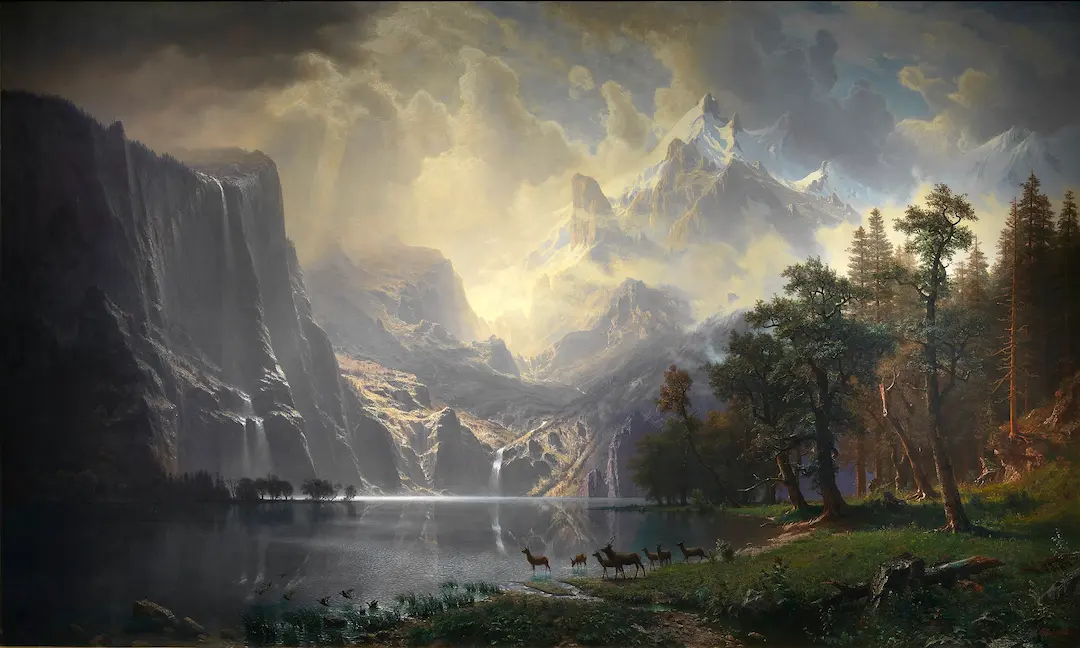
In "Puget Sound On The Pacific Coast," Bierstadt weaves together stories of exploration and reverence for nature, hallmarks of the Hudson River School. The painting’s luminous skies and tranquil waters invite viewers to ponder the harmony between humans and the natural world. This fine art painting for sale complements other iconic works such as "Among The Sierra Nevada Mountains California," offering collectors a narrative-rich experience through art.
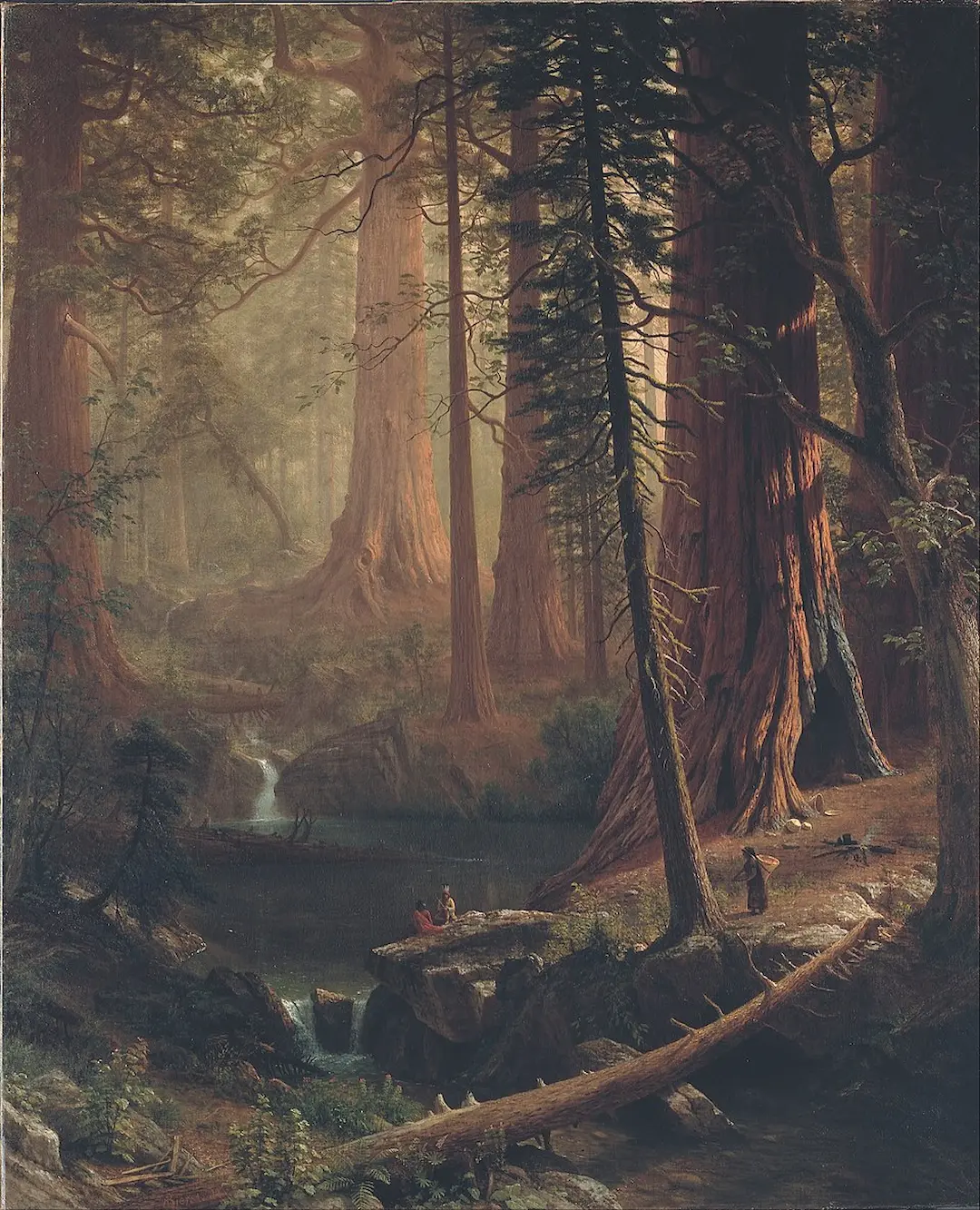
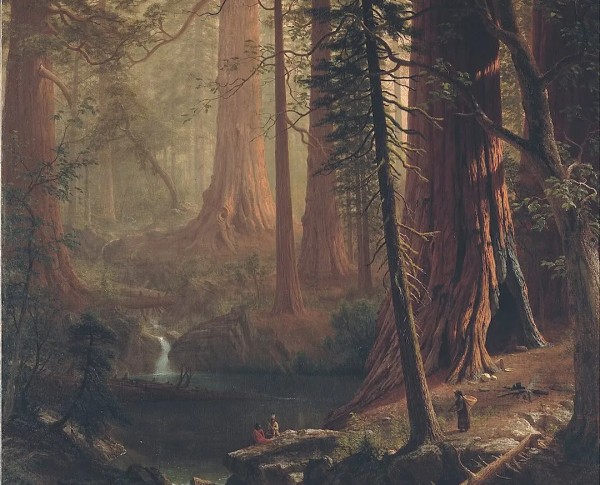
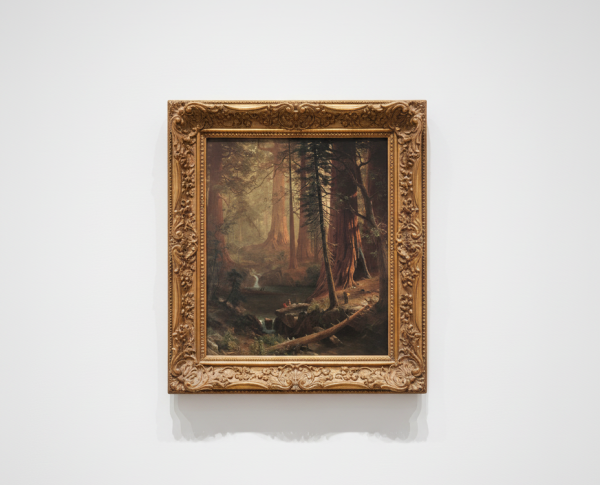
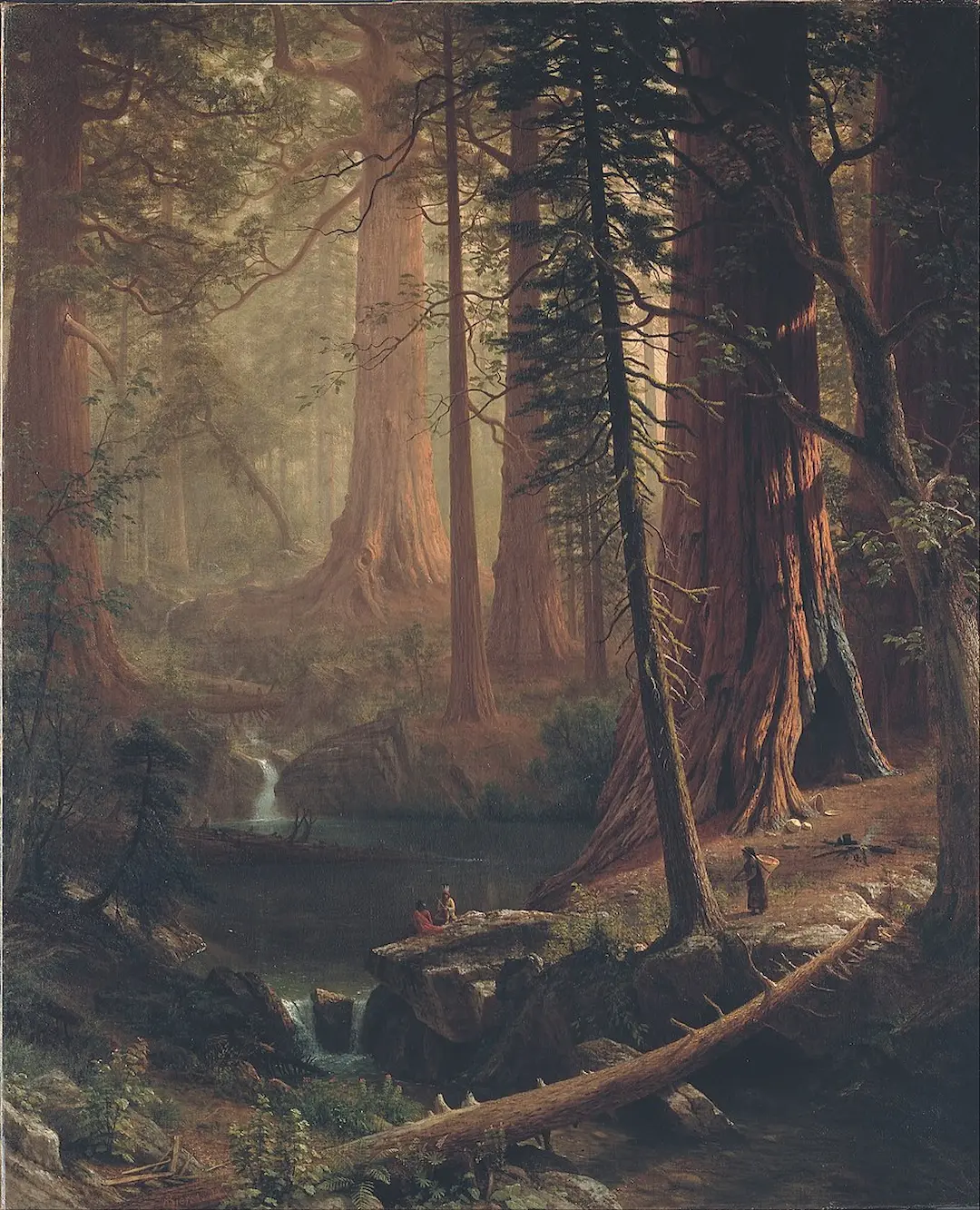
Owning "Puget Sound On The Pacific Coast" by Albert Bierstadt is more than acquiring an artwork; it’s investing in a legacy of artistic excellence. As a hand-painted oil painting, it resonates with the ideals of the Hudson River School and pairs beautifully with related products like "Sierra Nevada I" and "Giant Redwood Trees of California." This masterpiece remains a sought-after fine art painting for sale, cherished by discerning collectors worldwide.
When Art Meets History
"Puget Sound On The Pacific Coast" by Albert Bierstadt is a remarkable hand-painted oil painting that captures the spirit of the American West during the 19th century. Created during the height of the Hudson River School movement, the artwork reflects a growing fascination with the untamed wilderness. Bierstadt’s attention to detail and grandeur links this piece to other masterpieces of the era, making it a significant chapter in the history of American landscape painting.
Techniques That Speak
Albert Bierstadt’s mastery of oil on canvas is evident in "Puget Sound On The Pacific Coast." His use of light and atmospheric effects is characteristic of the Hudson River School, where artists sought to evoke awe through meticulous brushwork and dramatic contrasts. The painting’s sweeping vistas and luminous skies showcase Bierstadt’s technical prowess, aligning it with other celebrated works from the movement and demonstrating why his landscapes remain influential in art history.
Emotions on Display
This fine art painting for sale stirs deep emotions, inviting viewers to experience the awe and serenity of the Pacific coastline. Bierstadt’s composition, infused with subtle light and shadow, creates a sense of wonder and tranquility. As with many Hudson River School works, "Puget Sound On The Pacific Coast" conveys both the majesty and fragility of nature, echoing the artist’s reverence for the American landscape and his desire to inspire similar feelings in those who behold his art.
Coveted by Collectors
Collectors highly prize "Puget Sound On The Pacific Coast" not only for its breathtaking beauty but also for its status as a hand-painted oil painting by Albert Bierstadt. As a leading figure in the Hudson River School, Bierstadt’s works are sought after for their historical significance and artistic mastery. This painting, along with related masterpieces from the same movement, continues to captivate audiences and collectors alike, making it a treasured addition to any fine art collection.
Frequently Asked Questions About Puget Sound On The Pacific Coast
What is the historical significance of "Puget Sound On The Pacific Coast"?
"Puget Sound On The Pacific Coast" is significant as it reflects the American Romanticism movement of the 19th century, showcasing the grandeur of the American landscape and the exploration of the West during a time of expansion and discovery.
Who was Albert Bierstadt and what was his role in American art?
Albert Bierstadt was a prominent American painter known for his large-scale landscapes of the American West. He played a crucial role in the Hudson River School movement and is celebrated for his ability to capture the sublime beauty of nature.
What artistic techniques did Bierstadt use in this painting?
Bierstadt employed techniques such as dramatic lighting, meticulous detail, and a rich color palette to create a sense of depth and realism, inviting viewers to immerse themselves in the natural beauty of the Pacific Coast.
What themes are explored in "Puget Sound On The Pacific Coast"?
The painting explores themes of nature's majesty, the sublime, and the relationship between humanity and the natural world, highlighting the untouched beauty of the American landscape.
How does "Puget Sound On The Pacific Coast" reflect the values of its time?
The painting reflects the values of the mid-19th century, including a fascination with exploration, a romanticized view of nature, and a growing national identity tied to the vast and diverse American landscape.
What role did the Pacific Coast play in American culture during Bierstadt's time?
The Pacific Coast was viewed as a symbol of opportunity and adventure, representing the frontier spirit of America. It was a place where the ideals of Manifest Destiny were visually and culturally celebrated through art.
What is the significance of the natural elements depicted in the painting?
The natural elements, such as the mountains, water, and sky, symbolize the grandeur and power of nature, evoking feelings of awe and reverence, which were central to the Romantic movement in art.
How does Bierstadt's work compare to other artists of his time?
Bierstadt's work is characterized by its dramatic scale and detail, setting him apart from contemporaries who often focused on smaller, more intimate landscapes. His grand compositions aimed to evoke a sense of wonder and exploration.
What impact did "Puget Sound On The Pacific Coast" have on viewers at the time of its exhibition?
Upon its exhibition, the painting captivated audiences, fostering a greater appreciation for the American landscape and inspiring a sense of national pride during a period of westward expansion.
In what ways does "Puget Sound On The Pacific Coast" continue to influence contemporary art?
The painting continues to influence contemporary art by inspiring artists to explore themes of nature, environmentalism, and the sublime, as well as encouraging a dialogue about humanity's relationship with the natural world.






















_GFM_Painting_(1).webp)


 100% Hand-Painted: Finished in 3-6 Weeks

.png)















_(1).webp)