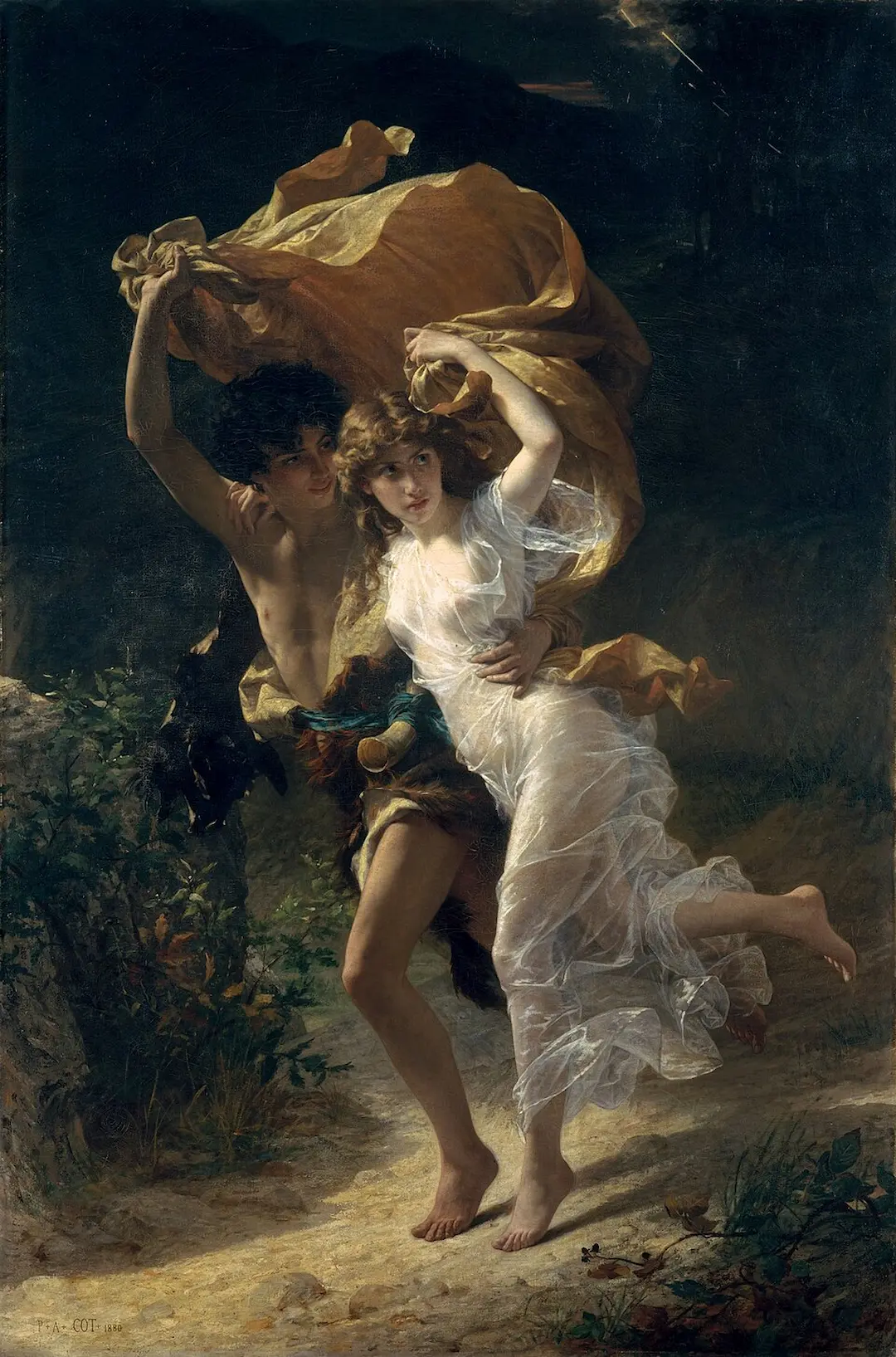
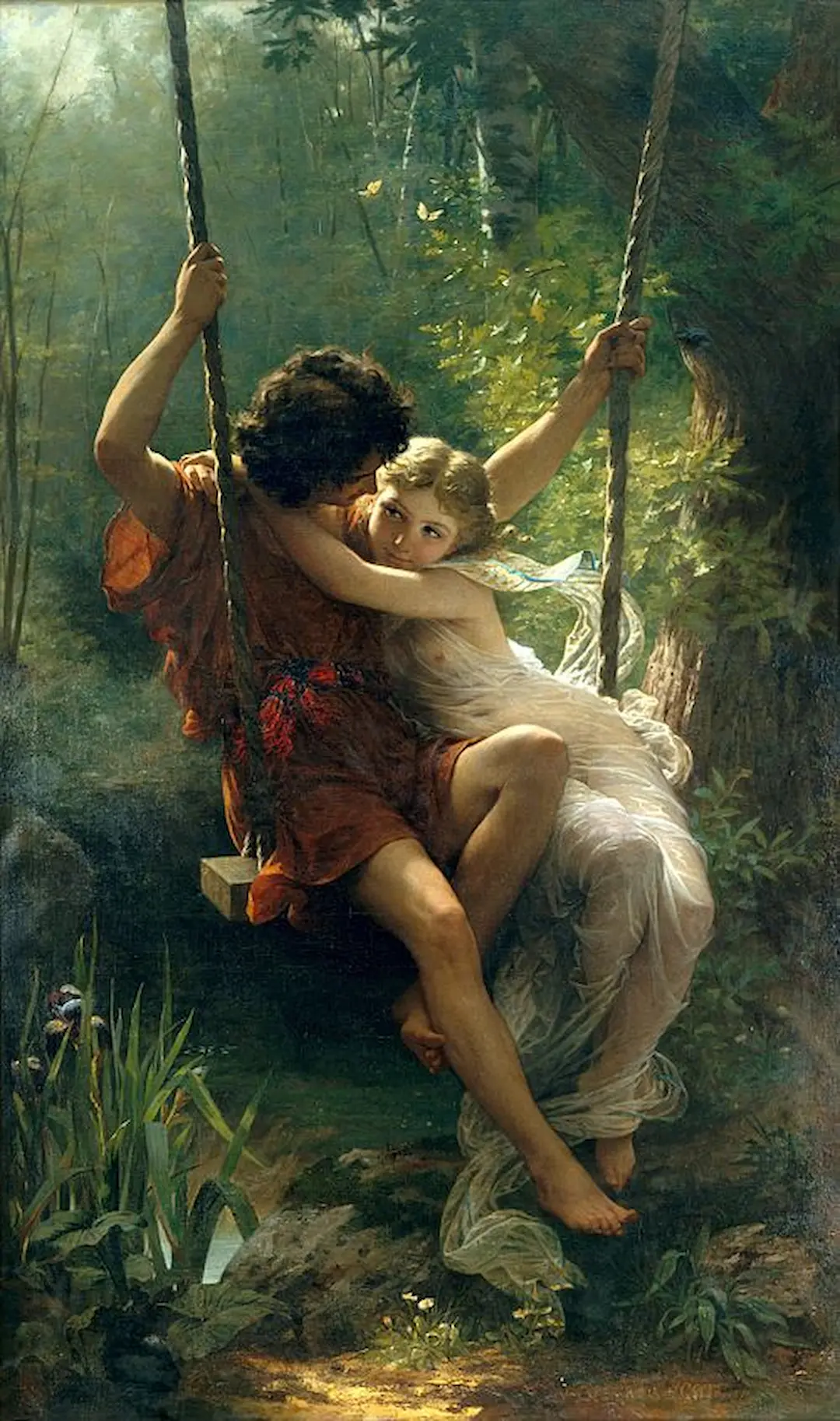
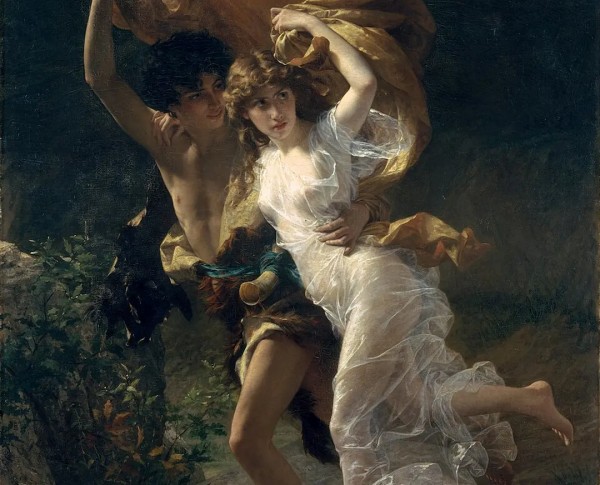
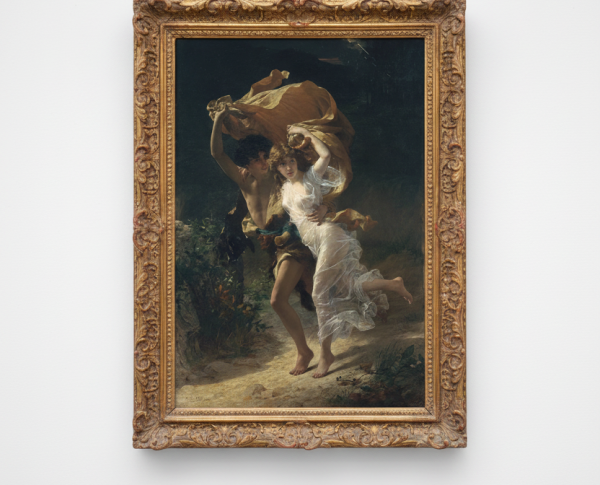
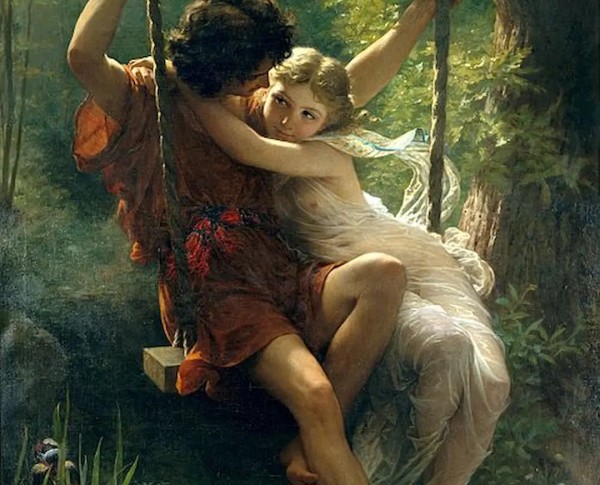
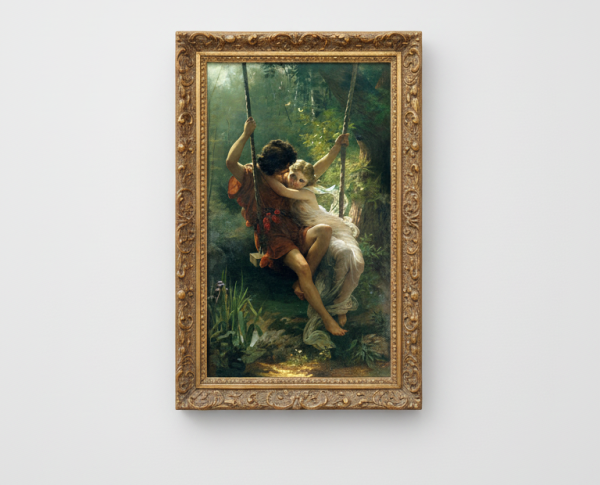
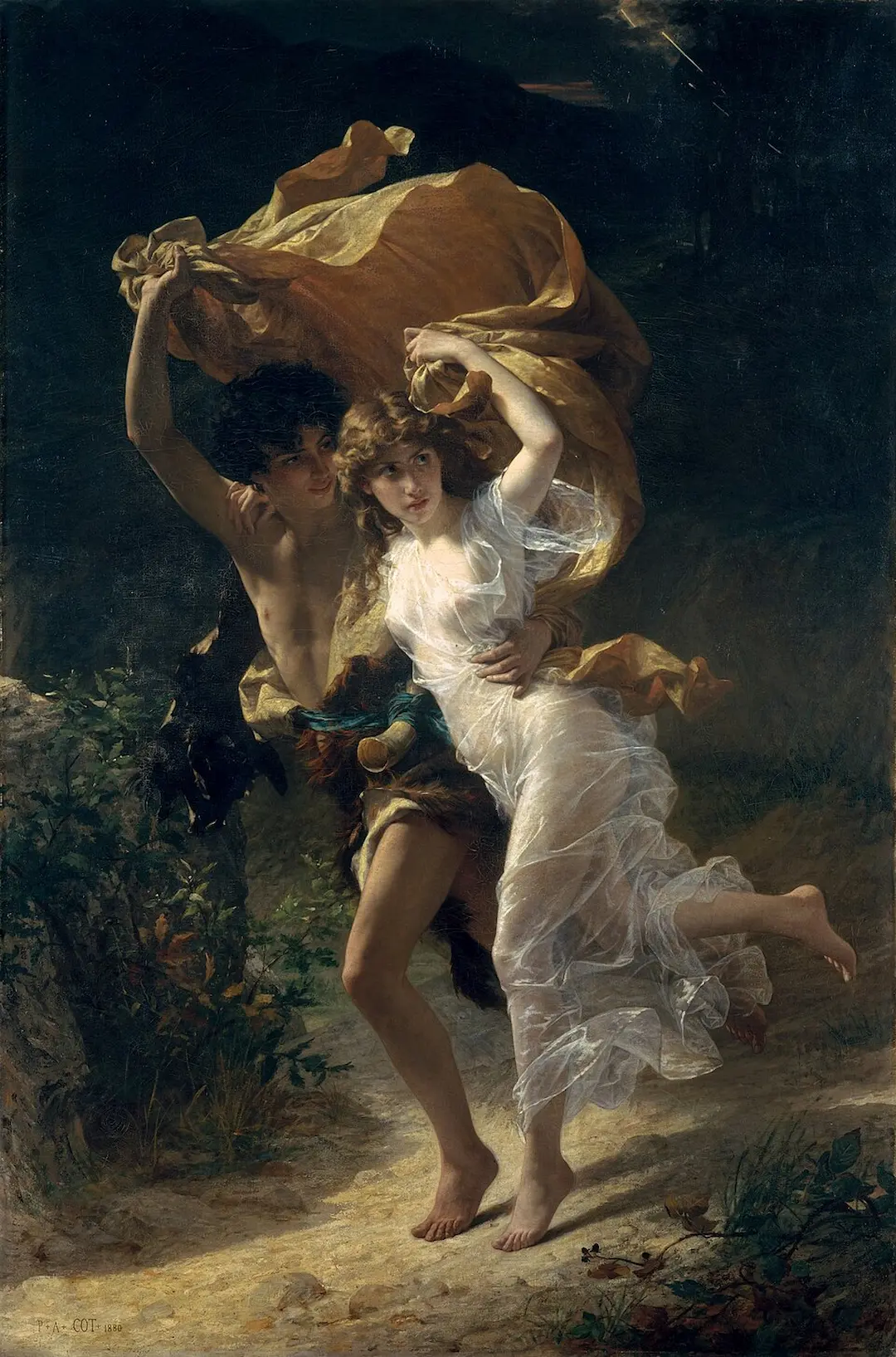
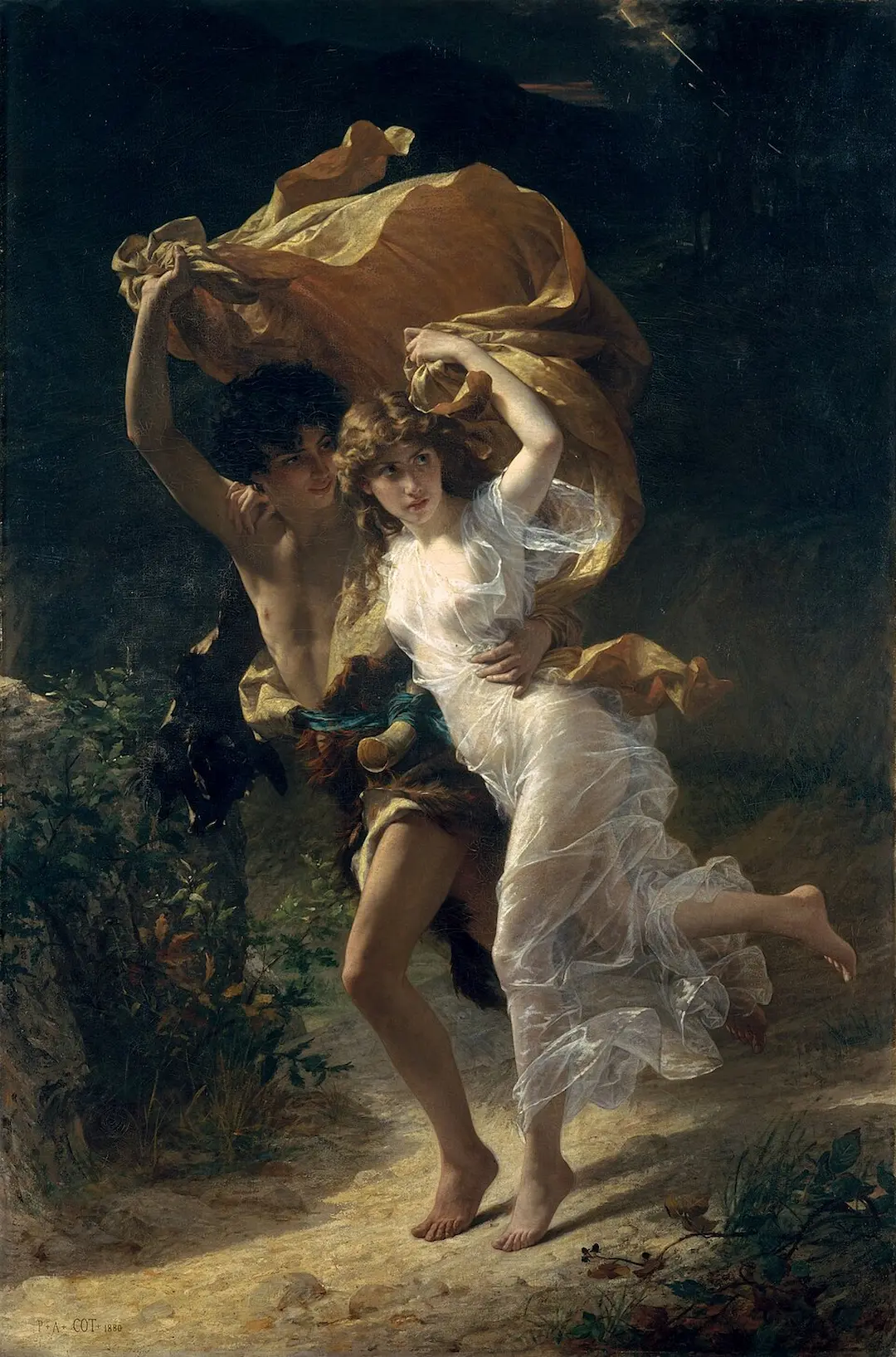
Pierre Auguste Cot’s “The Storm” demonstrates his exceptional skill with oil on canvas, blending delicate details with vibrant energy. As a leading figure in Academic Classicism, Cot’s technical prowess is evident in every brushstroke, from the swirling drapery to the expressive faces of his subjects. This painting exemplifies the refined artistry that defines the movement, making it a coveted choice for anyone seeking a fine art painting for sale or admiring Cot’s related works, such as “Springtime.”
Within “The Storm,” Cot weaves a narrative of youthful romance and dramatic tension, hallmarks of Academic Classicism. The hand-painted oil painting features two lovers seeking shelter, their movement and expressions filled with emotion. Rich symbolism permeates the scene, from the tempestuous skies to the protective embrace. Collectors and enthusiasts of fine art painting for sale often pair “The Storm” with “Springtime,” another celebrated piece, to fully appreciate Cot’s storytelling through the classic medium.
As a prime example of oil on canvas artistry, “The Storm” by Pierre Auguste Cot remains a prized acquisition among collectors of Academic Classicism. The painting’s enduring appeal lies in its masterful execution and evocative subject matter, making it a standout fine art painting for sale. For those seeking to build a distinguished collection, pairing “The Storm” with Cot’s “Springtime” offers a harmonious display of romantic and classical themes in hand-painted oil paintings.
When Art Meets History
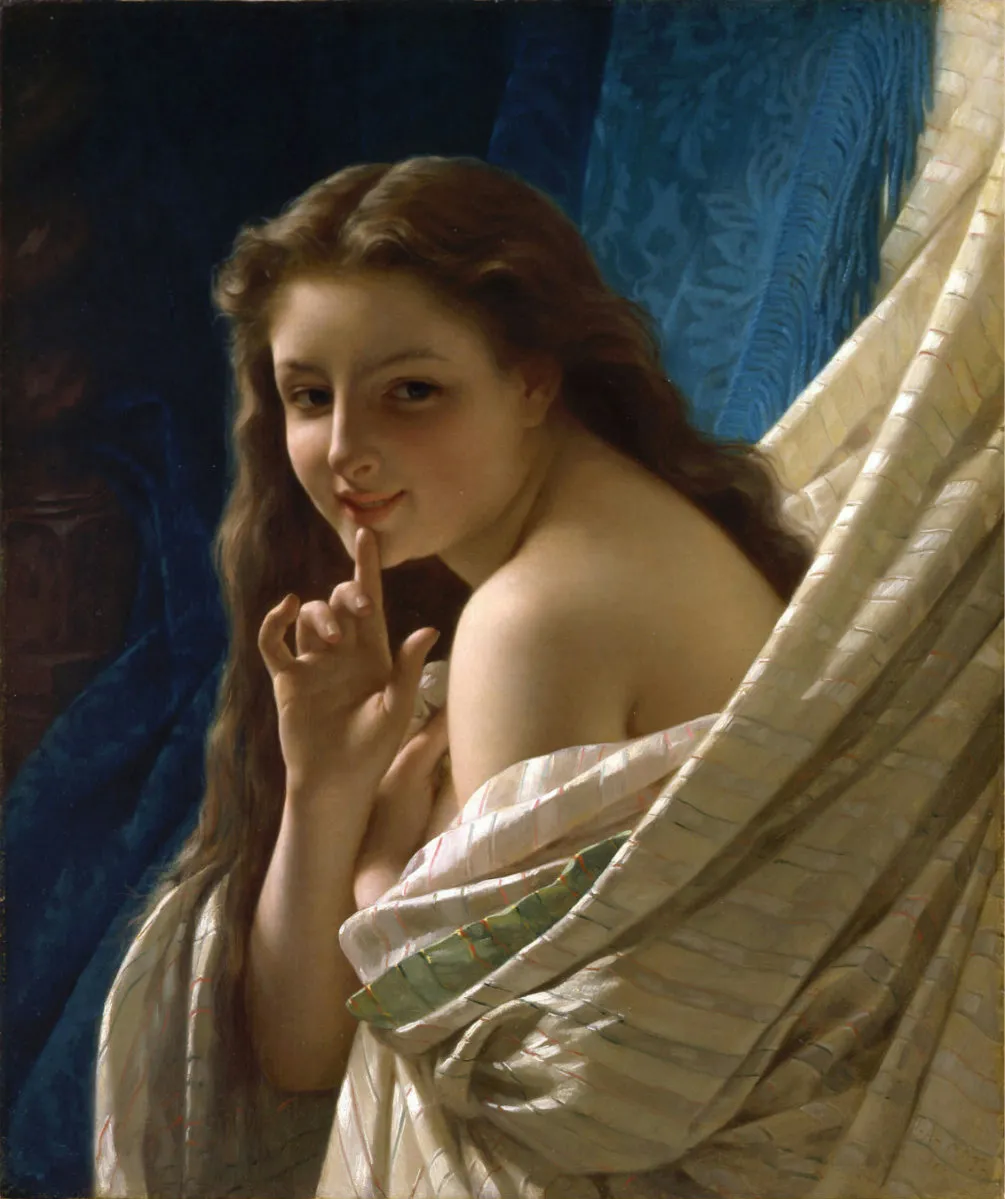
Pierre Auguste Cot’s masterpiece, "The Storm," stands as an iconic example of the Academic Classicism movement. Painted in 1880, this hand-painted oil painting captures a timeless romantic moment, echoing the elegance and technical mastery of Cot’s contemporaries. Alongside related works like "Nymphes et Satyre" and "Young Girl Defending Herself against Eros 1880," "The Storm" highlights the era’s fascination with mythological and allegorical subjects, making it a cherished piece in the lineage of classical European art.
Techniques That Speak
In "The Storm," Cot’s use of oil on canvas demonstrates his exceptional ability to blend color, light, and texture. The lush, detailed backgrounds and realistic skin tones reflect the hallmarks of Academic Classicism, a movement known for its rigorous technical standards. Like Bouguereau’s "La Vierge au Lys" or Cabanel’s "Pieta," this painting exemplifies meticulous brushwork and layered glazes, which give the figures a lifelike presence and contribute to the enduring popularity of Cot’s technique among collectors and art historians.
Emotions on Display
"The Storm" by Pierre Auguste Cot is celebrated for the palpable emotion conveyed through the entwined figures fleeing the rain. This fine art painting for sale captures both vulnerability and intimacy, hallmarks of the Academic Classicism movement. Much like "Dante et Virgile au Enfers," Cot’s work invites viewers to experience the narrative’s tension and romance, making it a perennial favorite for those who appreciate art that resonates on a deeply human level.
Coveted by Collectors
Collectors highly value "The Storm" for its exquisite execution and evocative subject matter, often seeking out this and similar works within the Academic Classicism tradition. Pierre Auguste Cot’s ability to blend classical themes with emotional storytelling places this oil on canvas among the most sought-after pieces. The demand for hand-painted oil paintings like "The Storm," "Nymphes et Satyre," and "Young Girl Defending Herself against Eros 1880" continues to grow, reflecting the enduring appeal of Cot’s artistry.
Related Academic Classicism Hand-Painted Oil Paintings by Other Artists
Other Famous Academic Classicism Artists:
Frequently Asked Questions About "The Storm"
What is the historical context of "The Storm"?
"The Storm" was painted by Pierre Auguste Cot in 1880, during the height of the Romantic movement in France. This period was characterized by an emphasis on emotion, nature, and individualism, which is vividly reflected in Cot's work.
What artistic techniques did Cot employ in "The Storm"?
Cot utilized a combination of realism and romanticism in "The Storm," employing dynamic brushstrokes and a rich color palette to convey the intensity of the storm and the emotional turmoil of the figures.
What are the main themes depicted in "The Storm"?
The main themes of "The Storm" include the struggle between man and nature, the power of emotions, and the fragility of human existence, as illustrated by the dramatic scene of the couple caught in a tempest.
How does "The Storm" reflect the Romantic movement?
The painting embodies the Romantic ideals of passion and the sublime, showcasing the beauty and terror of nature while emphasizing the emotional experience of the figures, which was a hallmark of the movement.
What symbolism can be found in "The Storm"?
The storm itself symbolizes chaos and emotional upheaval, while the couple represents love and vulnerability amidst life's unpredictable challenges, suggesting that human connections can endure even in turbulent times.
What is the significance of the figures in "The Storm"?
The figures in "The Storm" are often interpreted as archetypes of love and passion, illustrating the human experience of facing adversity together, thus highlighting the strength found in companionship.
How did "The Storm" influence later artists?
"The Storm" influenced later artists by demonstrating the power of emotional expression and dramatic scenes, paving the way for future movements that emphasized psychological depth and the interplay between humans and nature.
What materials were used in the creation of "The Storm"?
Cot created "The Storm" using oil on canvas, a medium that allowed for rich textures and vibrant colors, enhancing the dramatic effect of the stormy scene.
Where can "The Storm" be viewed today?
"The Storm" is part of the collection at the Musée d'Orsay in Paris, where it continues to be celebrated for its emotional depth and artistic significance.
What impact did Pierre Auguste Cot have on the art world?
Pierre Auguste Cot was known for his romantic and allegorical works, and "The Storm" is one of his most recognized pieces, contributing to his legacy as a significant figure in 19th-century French art.






















_GFM_Painting_(1).webp)


 100% Hand-Painted: Finished in 3-6 Weeks

.png)
















_(1).webp)