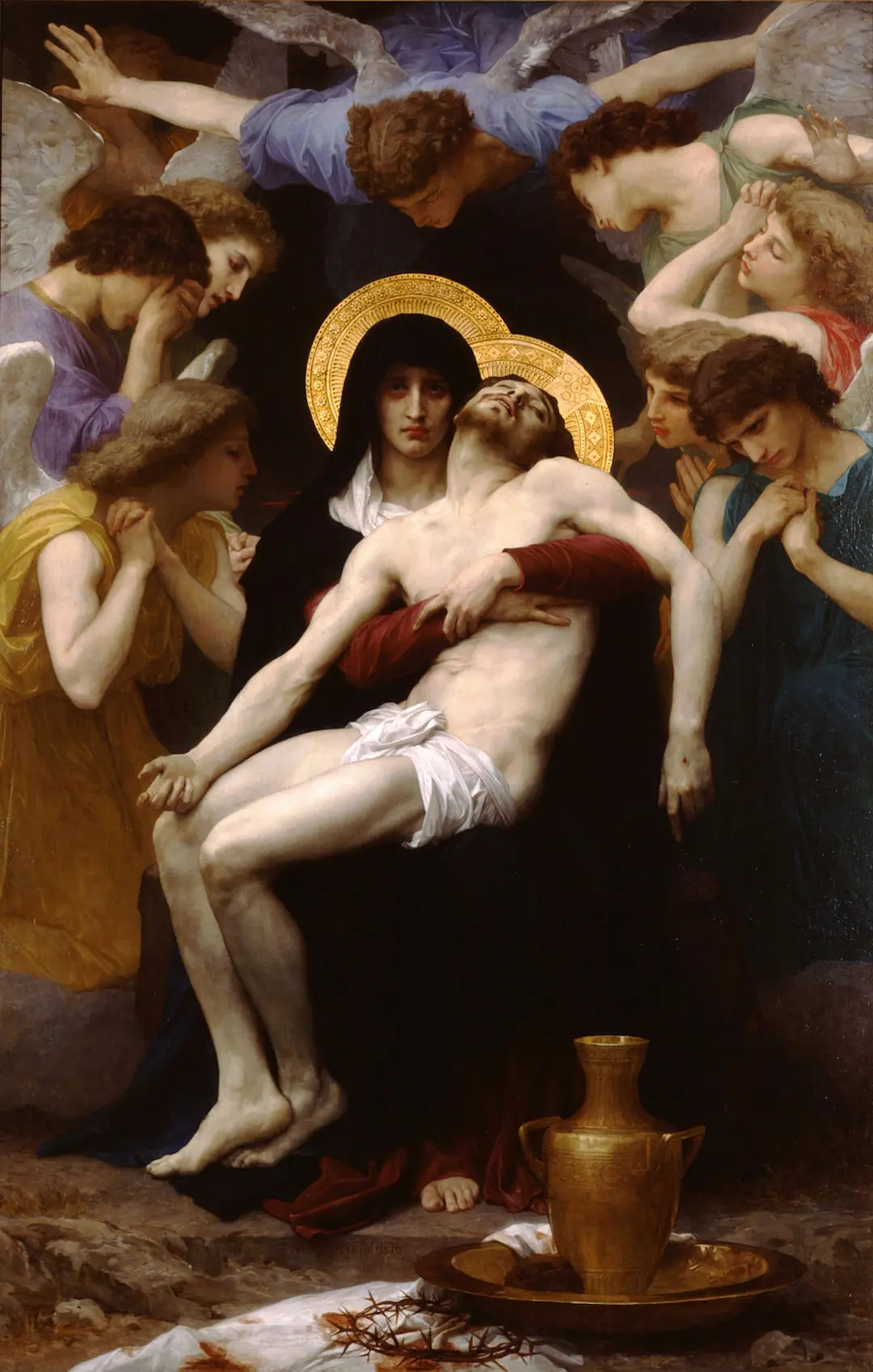
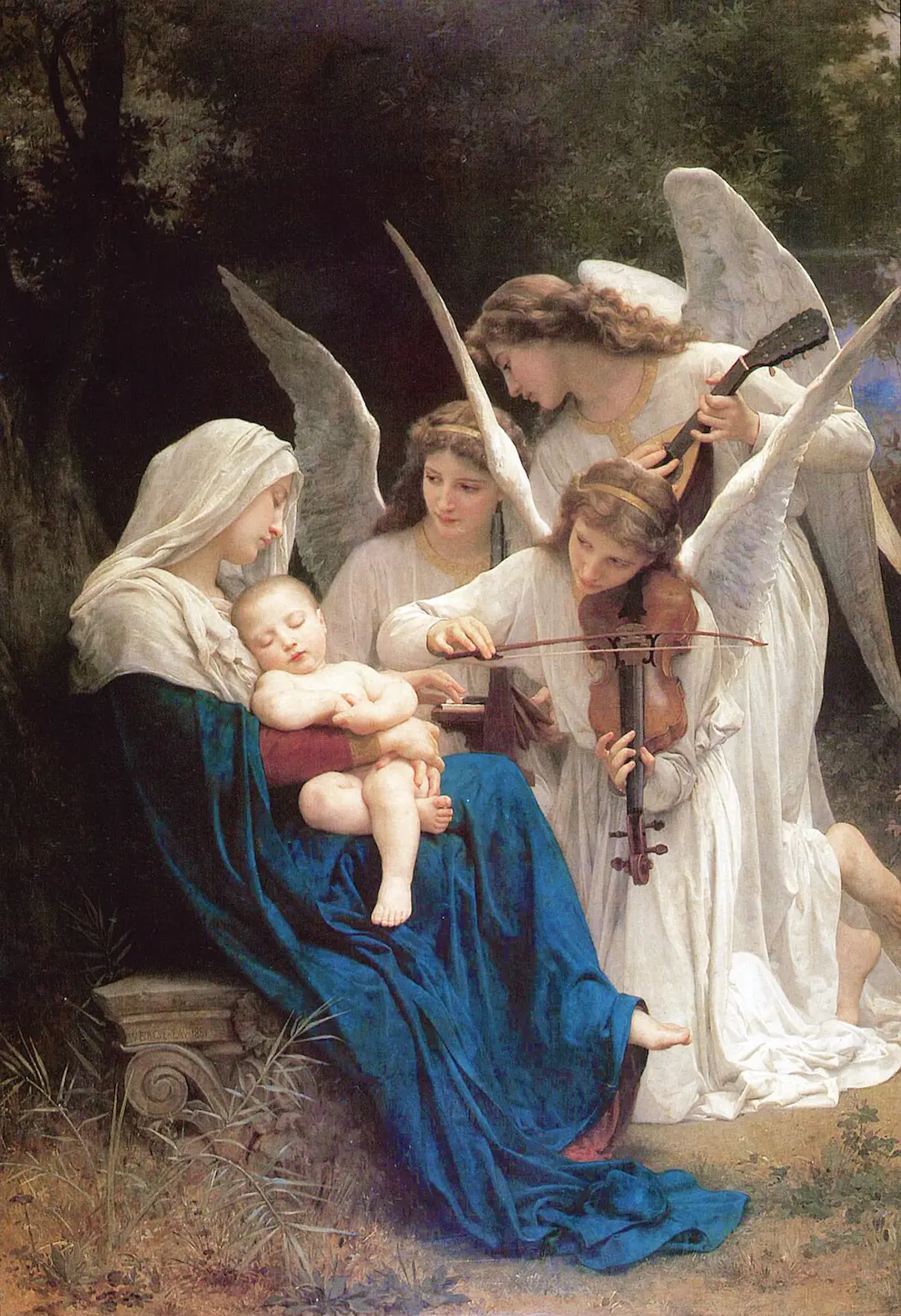
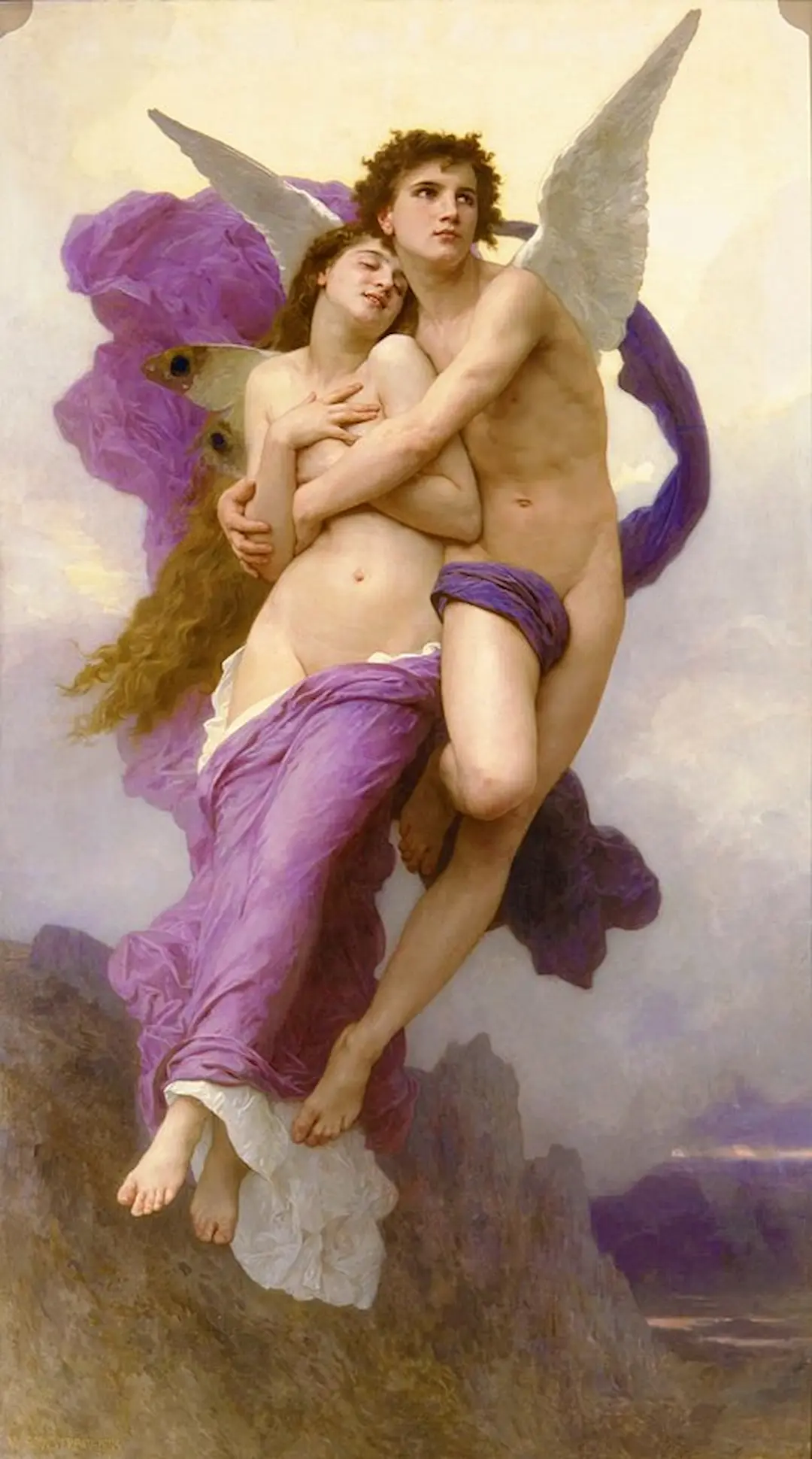
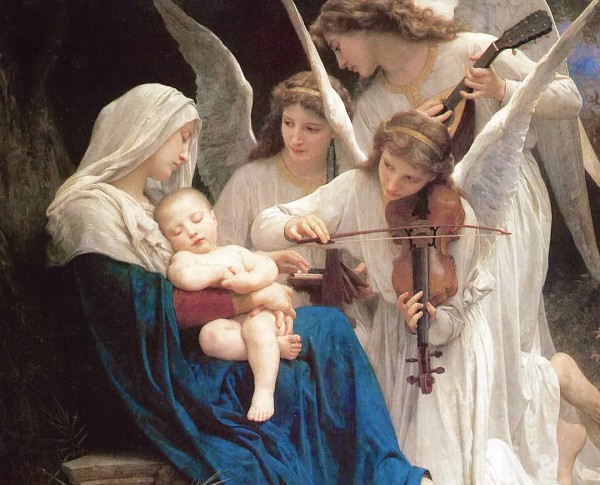
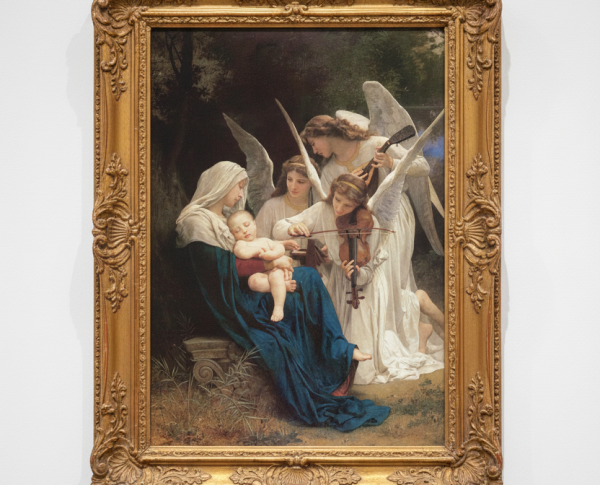
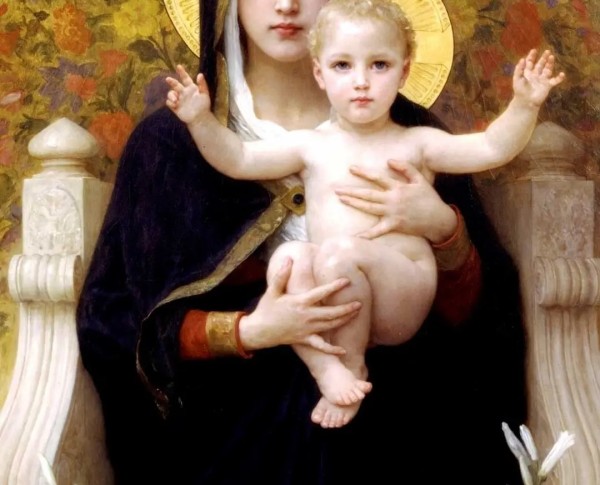
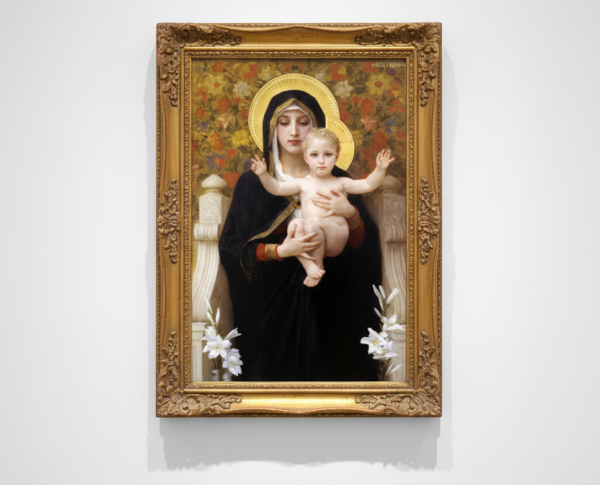
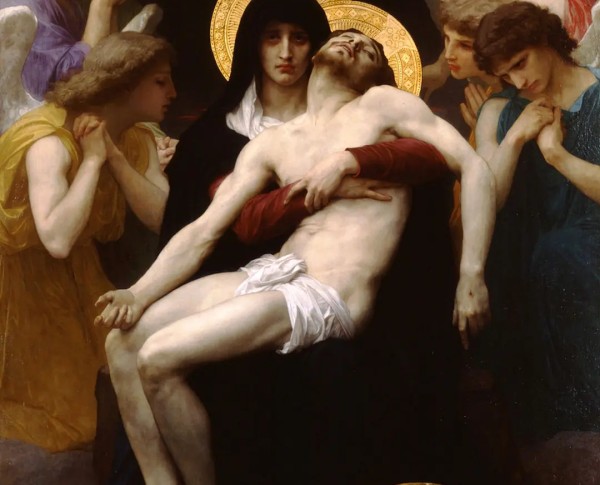
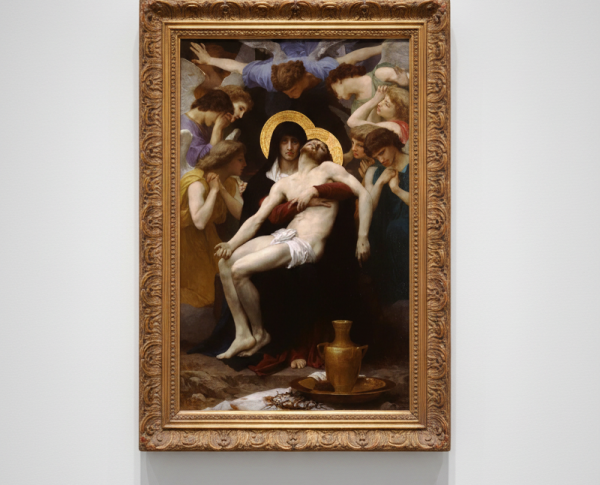
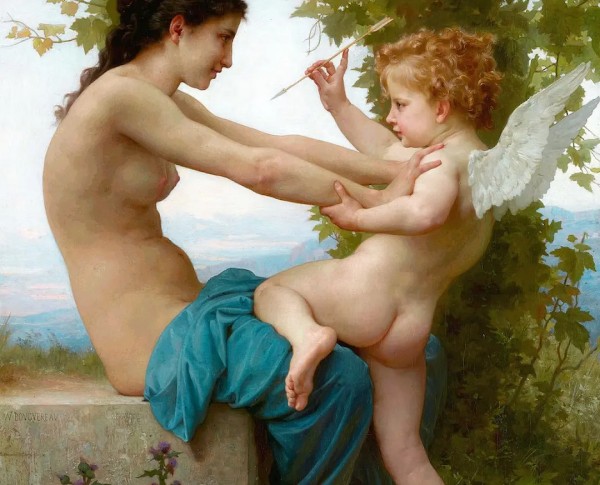
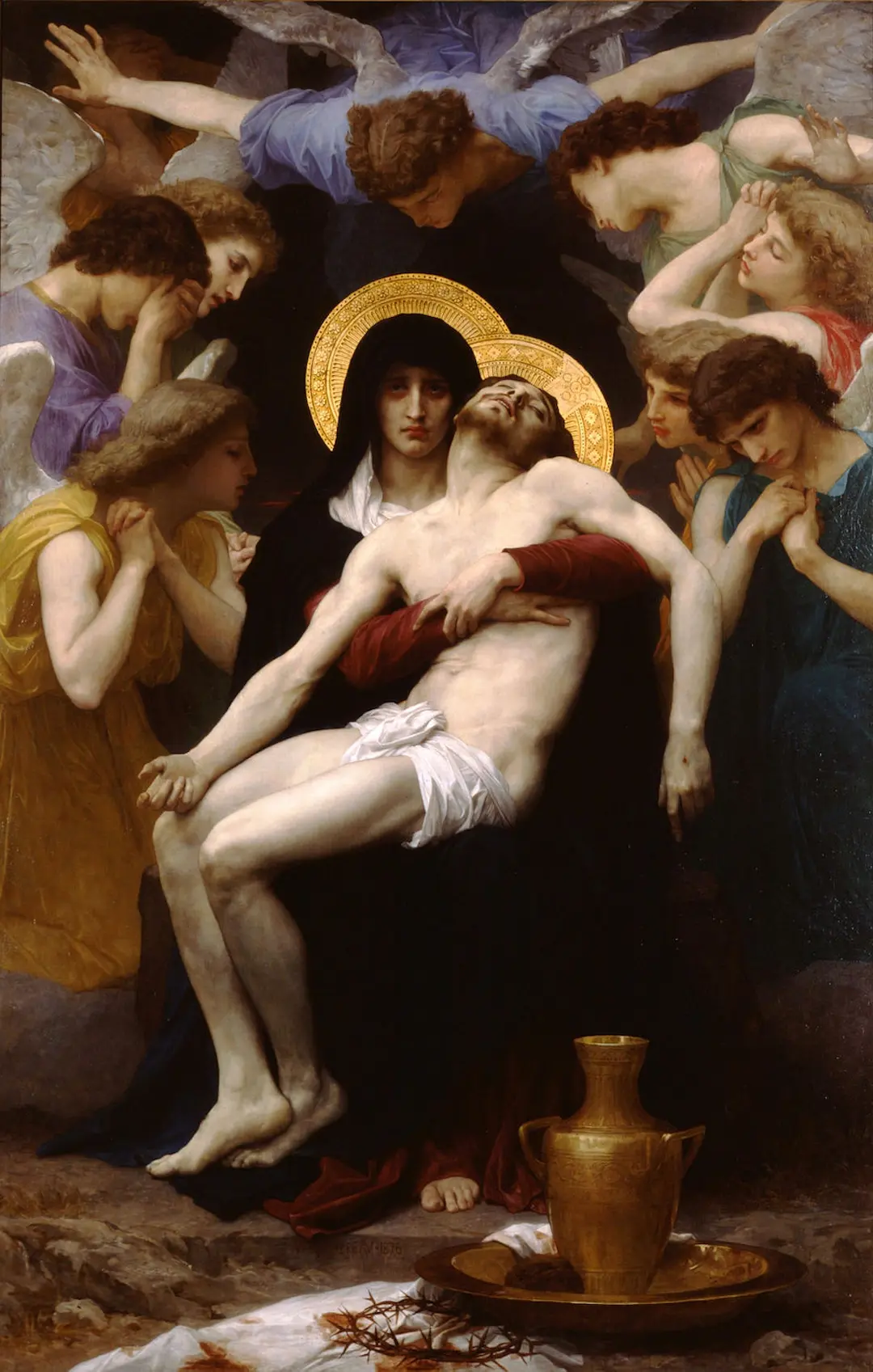
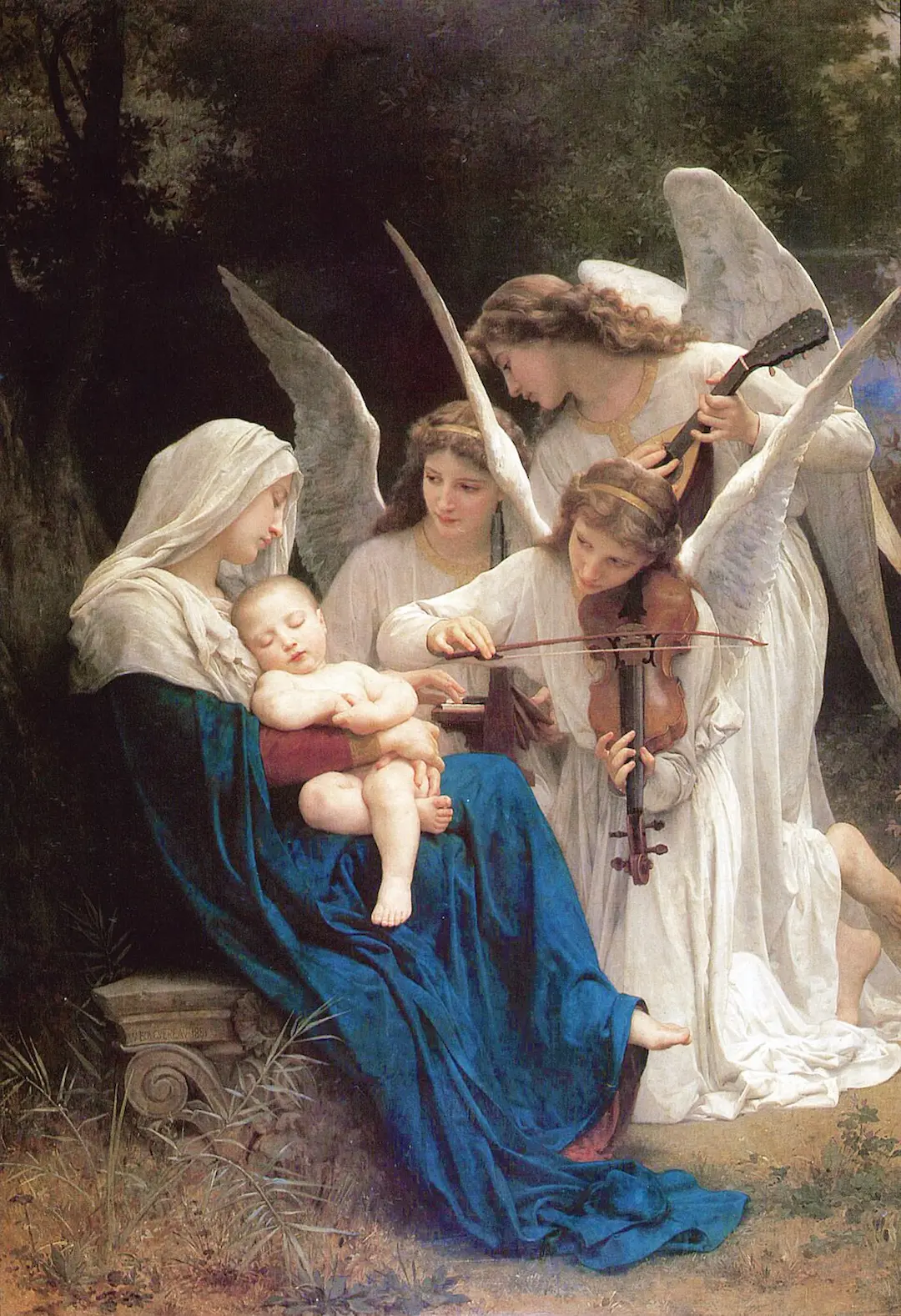
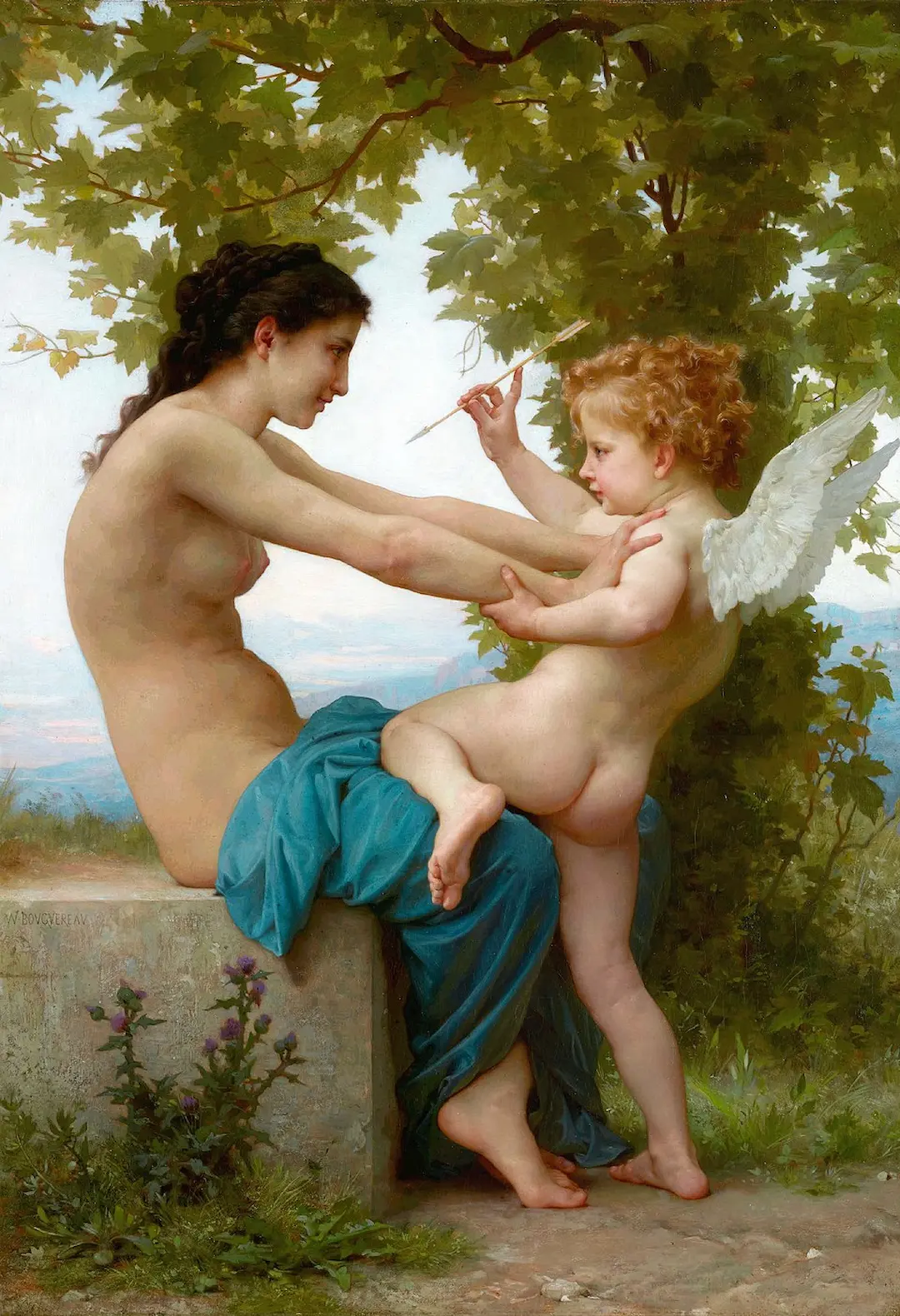
Bouguereau’s “Pieta” exemplifies the technical brilliance of oil on canvas, showcasing his remarkable ability to render flesh, drapery, and emotion with lifelike precision. As a leader in Academic Classicism, Bouguereau’s fine brushwork and balanced composition elevate this work to the pinnacle of nineteenth-century art. Collectors seeking a fine art painting for sale may also be drawn to masterpieces like “Le Ravissement de Psyche (The Rapture of Psyche)” and “La Vierge au Lys (The Virgin of the Lilies).”
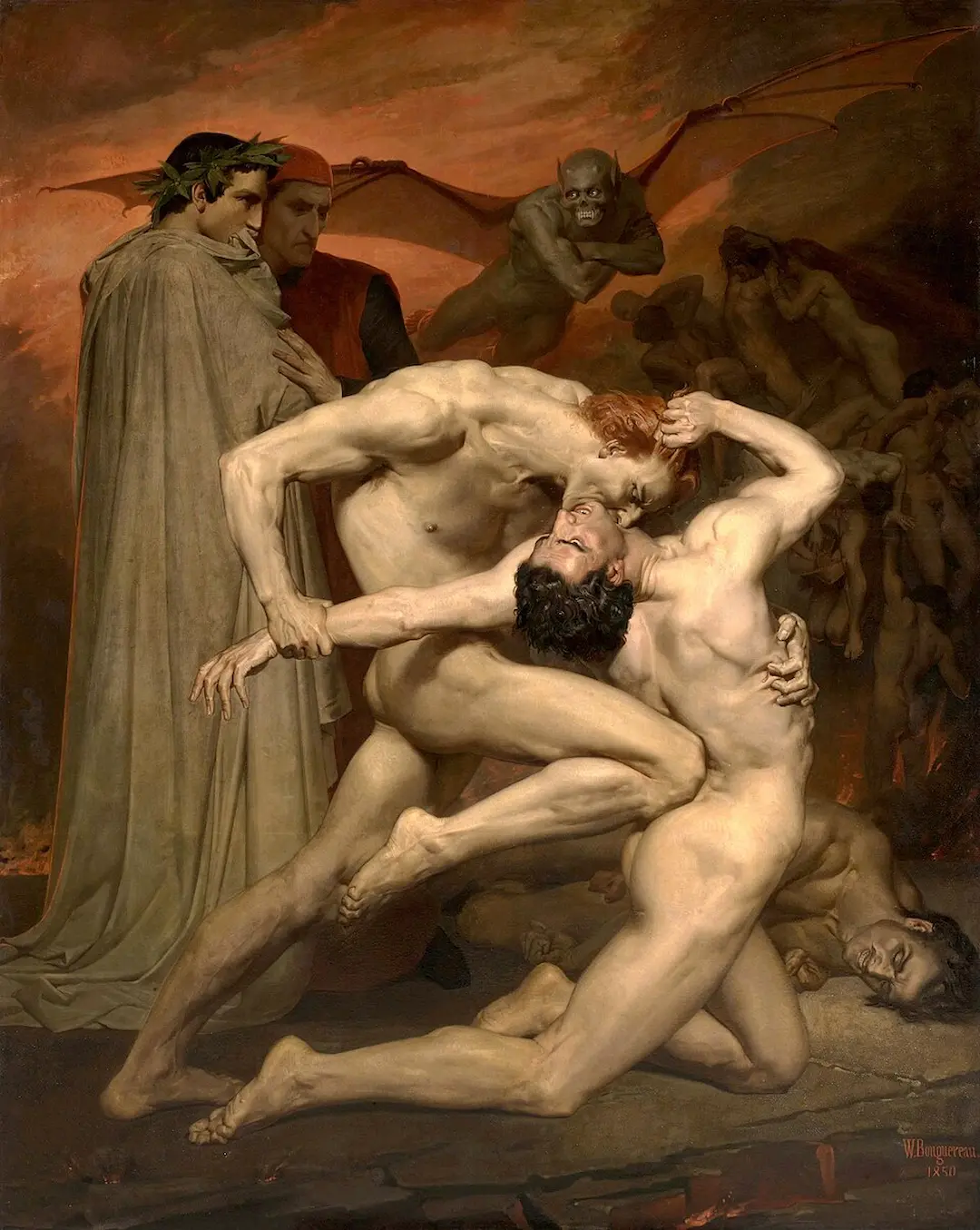
In “Pieta,” Bouguereau weaves a narrative of sorrow and maternal devotion, hallmarks of Academic Classicism. This hand-painted oil painting uses subtle symbolism—such as the gentle embrace and somber palette—to evoke empathy and reflection. The emotional depth found here is echoed in related works like “Dante et Virgile au Enfers (Dante and Virgil in Hell)” and “The Abduction of Psyche 1895,” making these pieces desirable for collectors seeking meaning and beauty.
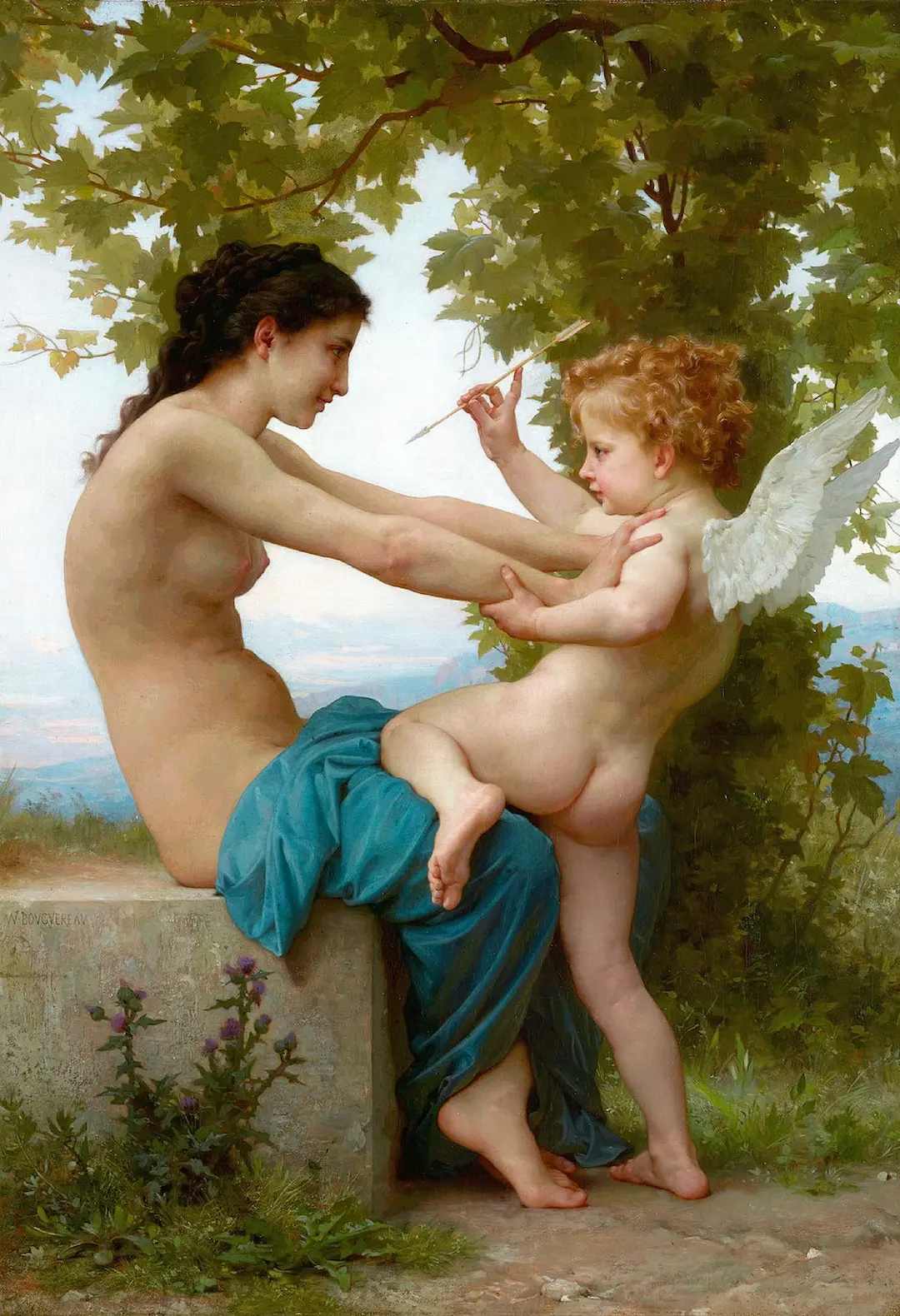
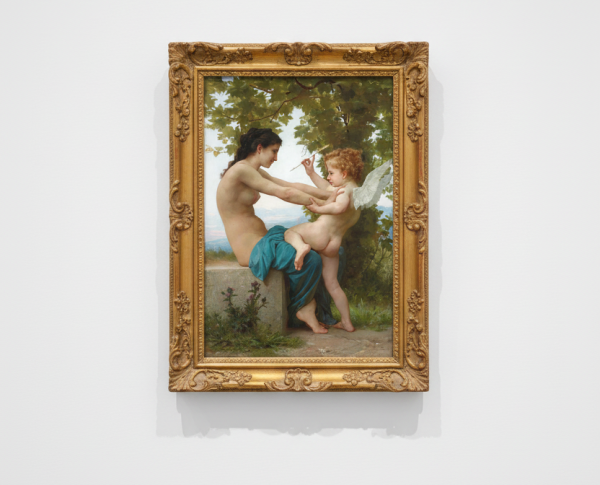
Owning Bouguereau’s “Pieta” is more than acquiring an oil on canvas; it is an investment in the rich heritage of Academic Classicism. Each fine art painting for sale by Bouguereau, including “Calinerie (A Little Coaxing)” and “La Vierge au Lys (The Virgin of the Lilies),” offers a unique glimpse into his mastery. “Pieta” remains a sought-after treasure, promising enduring beauty and cultural significance for discerning collectors and admirers of classic art.
When Art Meets History
William-Adolphe Bouguereau’s "Pieta" stands as a testament to the power of the Academic Classicism movement. This hand-painted oil painting, crafted in 1876, reflects the artist’s dedication to traditional techniques and deep religious themes. Like related works such as "Flaming June" and "Springtime," Bouguereau’s masterpiece captures a pivotal moment in art history, merging classical ideals with intense emotion. Collectors and enthusiasts alike seek out such pieces for their historical and cultural significance.
Techniques That Speak
Bouguereau’s "Pieta" is celebrated for its meticulous oil on canvas technique, a hallmark of Academic Classicism. The artist’s expert brushwork, attention to anatomical accuracy, and delicate use of color create a lifelike and emotionally charged image. Similar to "Venus Rising" and "The Storm," the painting demonstrates Bouguereau’s mastery in rendering human figures with grace and realism. Such technical brilliance continues to inspire admiration among those who appreciate traditional fine art methods.
Emotions on Display
The emotional depth in Bouguereau’s "Pieta" is unmistakable, inviting viewers to connect with the sorrow and tenderness depicted. This fine art painting for sale captures the poignant moment of loss and maternal love, resonating with themes found in works like "Springtime" and "Flaming June." Bouguereau’s ability to convey profound human feelings through Academic Classicism sets his work apart, making "Pieta" a cherished piece for art lovers who value expressive storytelling in visual form.
Coveted by Collectors
As a remarkable hand-painted oil painting from the Academic Classicism movement, Bouguereau’s "Pieta" remains highly sought-after by collectors worldwide. Its timeless beauty and emotional impact place it alongside masterpieces like "Venus Rising" and "The Storm." The enduring popularity of "Pieta" reflects a continued appreciation for Bouguereau’s artistry and the movement’s influence. Owning such a work is seen as a testament to refined taste and a passion for significant moments in art history.
Related Academic Classicism Hand-Painted Oil Paintings by Other Artists
Other Famous Academic Classicism Artists:
Frequently Asked Questions About Pieta
What is the historical context of Bouguereau's "Pieta"?
William-Adolphe Bouguereau painted "Pieta" in 1899, a time when the academic art movement was at its peak. The painting reflects the traditional themes of Christian iconography, particularly the sorrow of Mary holding the dead body of Christ, which has been a subject of artistic representation since the Renaissance.
What artistic techniques did Bouguereau employ in "Pieta"?
Bouguereau is known for his mastery of realism and the use of chiaroscuro to create depth. In "Pieta," he employs meticulous attention to detail, particularly in the textures of the skin and drapery, as well as a soft color palette that enhances the emotional impact of the scene.
What are the symbolic elements present in "Pieta"?
The central figures of Mary and Christ symbolize maternal grief and sacrifice. The use of light in the painting highlights the divine nature of Christ, while the somber expressions convey the profound sorrow associated with loss and redemption.
How does "Pieta" compare to other works depicting the same theme?
Unlike earlier interpretations of the "Pieta," which often emphasize the dramatic aspects of the scene, Bouguereau's version focuses on the intimate emotional bond between mother and son. His approach is characterized by a serene beauty and a sense of calm amidst sorrow.
What influences can be seen in Bouguereau's "Pieta"?
Bouguereau was influenced by classical art and the Renaissance masters, particularly in his treatment of the human form and emotional expression. His work embodies the academic style of the 19th century, emphasizing beauty and technical skill.
What was the reception of "Pieta" at the time of its unveiling?
Upon its unveiling, "Pieta" was well-received by critics and the public alike, praised for its emotional depth and technical excellence. Bouguereau's reputation as a leading artist of his time was further solidified by this work.
What role does light play in "Pieta"?
Light in "Pieta" serves to draw attention to the figures of Mary and Christ, enhancing their emotional expressions. The soft illumination creates a sense of ethereality, emphasizing the spiritual significance of the moment captured in the painting.
How does Bouguereau's "Pieta" reflect the values of its time?
The painting reflects the late 19th-century values of sentimentality and moral virtue, common in academic art. It emphasizes the importance of family, faith, and the emotional experiences associated with loss, resonating with the societal norms of the period.
What materials and techniques were used in the creation of "Pieta"?
Bouguereau typically used oil paints on canvas, allowing for rich color and fine detail. His technique involved layering glazes to achieve luminosity and depth, a hallmark of his artistic style that is evident in "Pieta."
What is the significance of the title "Pieta"?
The term "Pieta" translates to "pity" or "compassion" in Italian, reflecting the emotional core of the painting. It signifies the profound sorrow of Mary as she mourns her son, encapsulating themes of love, loss, and redemption that resonate throughout art history.






















_GFM_Painting_(1).webp)


 100% Hand-Painted: Finished in 3-6 Weeks

.png)












.webp)
.webp)
.webp)



_(1).webp)